
by Grow Up Conference | Jul 16, 2024 | Cannabis News Wire, Media Partners
- An overwhelming share of U.S. adults say marijuana should be legal for medical or recreational use, reports Pew Research Center
- The U.S. attorney general has submitted official notice to begin the process of moving marijuana from a Schedule 1 to Schedule 3 drug under the Controlled Substances Act
- MedCana is committed to building the technology, laboratories, growing facilities and scientific teams to provide premium pharmaceutical-grade cannabis extracts
With a significant majority of Americans supporting cannabis use and the U.S. government on the verge of changing the status of the substance under the Controlled Substances Act (“CSA”), Software Effective Solutions (d/b/a MedCana) (OTC: SFWJ) is positioning itself for marked growth and success in the coming months. The company’s goal is to be the world’s premier resource for pharmaceutical cannabis products.
“As more states pass laws legalizing marijuana for recreational use, Americans continue to favor legalization of both medical and recreational use of the drug,” revealed a recent Pew Research Center survey (https://cnw.fm/fCQAD). “An overwhelming share of U.S. adults (88%) say marijuana should be legal for medical or recreational use.
“Nearly six in ten Americans (57%) say that marijuana should be legal for medical and recreational purposes, while roughly a third (32%) say that marijuana should be legal for medical use only,” the report continued. “Just 11% of Americans say that the drug should not be legal at all.”
After many years, the federal government is seemingly catching up to public opinion. In May the Justice Department announced that the attorney general had submitted official notice to begin the process of considering moving marijuana from a Schedule 1 to Schedule 3 drug under the CSA (https://cnw.fm/xHGvC).
“Marijuana has been classified as a Schedule 1 drug since Congress enacted the CSA in 1970,” the announcement noted. “On Oct. 6, 2022, President Biden asked the attorney general and the secretary of Health and Human Services (‘HHS’) to launch a scientific review of how marijuana is scheduled under federal law. After receiving HHS’s recommendations last August, the attorney general sought the legal advice of the Justice Department’s Office of Legal Counsel (‘OLC’) on questions relevant to this rulemaking. In light of HHS’s medical and scientific determinations, and OLC’s legal advice, the attorney general exercised his authority under the law to initiate the rulemaking process to transfer marijuana to Schedule 3.”
The process to make the change includes several steps, including a public comment period and final judicial review. “Still, the reclassification of cannabis would mark a new era in America’s often contradictory relationship with a substance already legalized in one form or another in more than half the states,” stated an article in The Week (https://cnw.fm/3pLq1).
The Week noted that perhaps the most significant change reclassification would bring would be increasing governmental ability to conduct further research into the health benefits of cannabis. The article stated that “reclassification also means the government acknowledges cannabis, like all other Schedule 3 substances, has an ‘accepted medical use and may lawfully be dispensed by prescription,’ the Congressional Research Service said. However, any such prescriptions must be approved by the Food and Drug Administration.
“Beyond expanding and easing access to federal research opportunities, reclassifying cannabis will have a major impact on the booming — but still legally murky — marijuana industry as a whole,” the article observed.
With these looming changes as a backdrop, MedCana’s commitment to building the technology, laboratories, growing facilities and scientific teams needed to provide premium pharmaceutical-grade cannabis extracts to the world is perfectly timed. Committed to absolute integrity, sustainability and social responsibility, MedCana is a holding company focused on developing companies in the agricultural-technology and the cannabis industries. As MedCana moves forward with its expansion plans, the company remains committed to delivering on its promise of building a solid foundation for future growth of its holdings.
For more information, visit the company’s website at www.MedCana.net.
NOTE TO INVESTORS: The latest news and updates relating to SFWJ are available in the company’s newsroom at https://cnw.fm/SFWJ
About CannabisNewsWire
CannabisNewsWire (“CNW”) is a specialized communications platform with a focus on cannabis news and the cannabis sector. It is one of 60+ brands within the Dynamic Brand Portfolio @ IBN that delivers: (1) access to a vast network of wire solutions via InvestorWire to efficiently and effectively reach a myriad of target markets, demographics and diverse industries; (2) article and editorial syndication to 5,000+ outlets; (3) enhanced press release enhancement to ensure maximum impact; (4) social media distribution via IBN to millions of social media followers; and (5) a full array of tailored corporate communications solutions. With broad reach and a seasoned team of contributing journalists and writers, CNW is uniquely positioned to best serve private and public companies that want to reach a wide audience of investors, influencers, consumers, journalists and the general public. By cutting through the overload of information in today’s market, CNW brings its clients unparalleled recognition and brand awareness. CNW is where breaking news, insightful content and actionable information converge.
To receive SMS alerts from CNW, text CANNABIS to 888-902-4192 (U.S. Mobile Phones Only)
For more information, please visit https://www.CannabisNewsWire.com
Please see full terms of use and disclaimers on the CannabisNewsWire website applicable to all content provided by CNW, wherever published or re-published: https://www.CannabisNewsWire.com/Disclaimer
CannabisNewsWire
Denver, CO
www.CannabisNewsWire.com
303.498.7722 Office
Editor@CannabisNewsWire.com
CannabisNewsWire is powered by IBN
by Grow Up Conference | Jul 16, 2024 | Extraction Magazine, Media Partners
According to recent information, cannabis edibles make up about 11 percent of the cannabis market, with more people preferring to inhale their cannabis than eat it. [1] Yet, it seems that trends are evolving. A growing number of cannabis users are beginning to rather eat their cannabis than smoke it, with the edible market proving to be lucrative based on new studies. [2]
This is unsurprising, considering edibles with cannabutter and hash butter are more lung-friendly and significantly more discrete, with many proving to be a vehicle for a more sustained high than smoked cannabis products.
However, there is a rising problem in the recreational and medicinal cannabis communities that produce edibles using hash butter. This problem is that the potency, duration, and timing of an edible experience can vary greatly because it is incredibly difficult to know the effects of an edible with hash butter as an ingredient. Not to mention, hash butter can perform differently when subjected to differing cooking mediums, such as frying and baking.
That’s why producers need to create hash butter in such a way as to know how much THC will be present as much as can be measured. In this article, we’ve used current cannabis research into hash butter – although it is limited – to detail how you can create hash butter yourself. Let’s dive into what hash butter is, how it’s used, what you’ll need to make it, and how you can perform a DIY extraction of to create hash butter safely at home.
What Is Hash Butter?
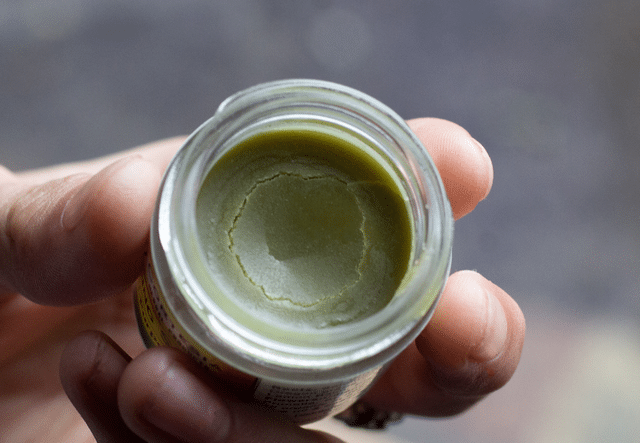
Hash butter is made with hash rather than trim or buds. It is essentially regular butter infused with cannabinoids extracted from cannabis plants. These cannabinoids, notably tetrahydrocannabinol (THC )and cannabidiol (CBD) are accountable for the medicinal and therapeutic effects associated with cannabis.
Hash butter can be used in various recipes, from baked goods like cookies and brownies and cake to savory dishes like pasta and sauces. The versatility of hash butter makes it a favorite among cannabis enthusiasts who prefer edibles over smoking.
Is Hash Butter Safe To Consume?
It is true that edibles made using hash butter are largely considered safe, discrete, and effective when it comes to attaining the intoxicating and therapeutic effects of cannabis without being exposed to smoking. However, the absorption through the digestive tract may differ within individuals, leading to different effects, therapeutic or medicinal efficacy, and safety.
This means that two edibles containing hash butter with the same quantity of THC can cause different effects on people, with one finding its effects minimal while another potent. [3] In addition, consumption of edibles can lead to adverse health effects, with a recent study indicating that 11 percent of all cannabis-related emergency room visits were because of cannabis edibles. [4]
Thus, until further research is done into the use of hash butter in edibles, it’s best to make hash butter and consume edibles containing it cautiously to be on the safe side.
DIY Hash Butter Extraction Method: Step By Step
Making hash butter is similar to making cannabutter. To help individuals interested in making hash butter understand the DIY extraction of cannabinoids methodology, we’ve shared the equipment, ingredients, and steps needed to successfully infuse butter with hash containing potent cannabinoids.
Ingredients
- 1 to 3g of hash, depending on the desired potency
- 4 cups of water
- Two sticks of butter
Equipment
- Pot or a saucepan
- Heat-proof container
- Whisk or a spoon
- Strainer or cheesecloth
Method
- The first thing you will need to do is decarboxylate your hash. To do this, preheat your home oven to 230 degrees Fahrenheit. Once preheated, you can place your hash onto an oven tray and bake it for 30 to 40 minutes. Once in the oven, the heat will gently decarb the hash to activate the cannabinoids within it, ensuring that any dish you plan to make with the hash butter turns out potent.
- While the hash is decarbing in your oven, pour the water into a saucepan or pot and bring it to a simmer. When the hash is finished decarbing, you can break it into small pieces while waiting for the water to heat. Smaller pieces will make the mixing process with the butter significantly easier.
- Before the water starts to boil, add the sticks of butter slowly and stir until they melt evenly. Be careful not to let the water boil while you do this, as it can impact the end result.
- Once the sticks of butter have melted completely, you can add the hash you’ve broken into smaller pieces. With the pieces added, you can leave the mixture to boil for one to four hours while stirring often. If the water starts to evaporate, you can top it up to ensure the butter doesn’t burn.
- After the allocated time has passed, you can strain the butter mixture using cheesecloth or a fine mesh strainer into a heat-proof dish. Once strained, you can place the mixture in the fridge to solidify. Once solidified, you can tip out any leftover water and discard it.
- With the butter made, you can store it in the fridge until you decide you want to use it to make edibles.
Other DIY Techniques To Extract Cannabinoids For Hash Butter
The above method was the easiest to use if you want to extract cannabinoids from hash and use them to create hash butter. Below are two other DIY techniques to achieve the same results that you might find easier.
Double Boiler Extraction
Those worried about overboiling their water and burning their butter can try the double boiler DIY extraction of cannabinoid method. This technique involves using gentle heat to keep the water at a consistent simmer for two to three hours to prevent butter from burning or overheating. Here are the steps you should follow:
- Fill the bottom of a sturdy double boiler ( a type of pot) with water and place it on low heat.
- Add butter and finely ground cannabis hash that has been decarbonated to the top pot, ensuring it doesn’t touch the water below.
- Simmer for two to three hours, stirring occasionally.
- Strain the mixture through cheesecloth or a fine mesh strainer and refrigerate the infused butter until solidified.
- Use it when you’re ready to make something with hash butter as an ingredient.
Sous Vide Extraction
Another technique ideal for beginners who want to control the water temperature strictly when making hash butter is to use the DIY sous vide cannabinoid extraction method. [5] This method offers individuals precise temperature control, often resulting in superior hash butter extraction. These are the steps you need to follow:
- Start by placing finely ground cannabis hash that has been decarbed and butter in a vacuum-sealed bag.
- Seal the bag using a vacuum sealer and immerse it in a water bath heated to 185 degrees Fahrenheit.
- Allow the mixture to infuse for four to six hours, ensuring the temperature remains constant.
- Once infused, strain the butter through a cheesecloth or fine mesh strainer and refrigerate it until solidified.
- Once solidified, you can use the hash butter immediately or store it in your fridge or freezer for use at a later date.
DIY Hash Butter Safety Tips When Extracting Cannabinoids
Safety should be just as much a priority when performing DIY extraction of cannabinoids to make hash butter as it is when commercially producing hash butter.
That’s why it’s a good idea to follow the safety tips below regarding how to safely make hash butter. [6] Most of these tips are easy to implement, even if you are making hash butter at home in a traditional kitchen instead of a commercial lab.
- Wear protective gear: It might seem unnecessary, but it’s important to use protective gear when making hash butter. Typically, it’s advisable to use oven gloves or temperature-resistant gloves and protective glasses or goggles. These will protect your hands and eyes from hot liquids, preventing burns and eye irritation.
- Ensure proper ventilation: Creating hash butter at home can be challenging when it comes to ventilation, but if your kitchen is well-ventilated with lots of windows, you shouldn’t encounter issues. Simply ensure the windows are open during the DIY extraction process to ensure there is no buildup of harmful fumes from decarboxylating your cannabis hash.
- Maintain temperature control: When making hash butter, the last thing you want to do is burn your hash or boil your water. To avoid this, you need to use one of the DIY extraction methods we supplied to ensure you appropriately extract cannabinoids at the right temperatures and infuse them with the butter to achieve the desired potency level.
- Clear labeling: Once you’ve made your hash butter, it’s vital to label it appropriately if you plan on storing it for an extended period of time. Failing to label it could put your health at risk if you use hash butter that is too old. You also risk using hash butter, which has no effect at all. Not to mention, labeling your hash butter will ensure you avoid accidental consumption.
How Long Does Hash Butter Last?
Hash butter will eventually lose its potency, so storing it only for as long as it can be safely used is important. On average, hash butter can last up to one week in the fridge and up to three months in the freezer. So keep these timeframes in mind if you plan to use your hash butter in recipes after you’ve made it and want to ensure maximum potency.
The Wrap-Up On DIY Hash Butter Through Cannabinoid Extraction
When it comes to making hash butter and the DIY extraction of cannabinoids, the process isn’t overly difficult, and multiple techniques can be used. However, it’s incredibly important for individuals performing a DIY extraction to follow the appropriate steps and safety procedures to ensure the best product is made and that accidents don’t occur.
In addition, although there isn’t much research surrounding the benefits of using hash butter in edibles, it is seemingly a better option than smoking cannabis and delivers more potent therapeutic and medicinal effects. So, experiment with the different extraction techniques to find the one that best suits your abilities and needs when making hash butter.
References:
- Headset. (2023, November 16). Cannabis edibles: An analysis of category trends & performance. https://www.headset.io/industry-reports/cannabis-edibles-an-analysis-of-category-trends-performance#:~:text=Edibles%20are%20the%20fourth%20highest,5.8%25%20we%20see%20in%20Canada.
- Barrus, D. G., Capogrossi, K. L., Cates, S. C., Gourdet, C. K., Peiper, N. C., Novak, S. P., Lefever, T. W., & Wiley, J. L. (2016, November). TASTY THC: Promises and challenges of cannabis edibles. Methods report (RTI Press). https://www.ncbi.nlm.nih.gov/pmc/articles/PMC5260817/
- Gaines, J. (2021, May 26). Building a better edible. Knowable Magazine | Annual Reviews. https://knowablemagazine.org/content/article/food-environment/2021/building-a-better-edible
- ACP journals. (n.d.). https://www.acpjournals.org/doi/full/10.7326/M18-2809
- Logic. (2023, March 5). Decarboxylate your cannabis with Sous vide. THCFarmer. https://www.thcfarmer.com/threads/decarboxylate-your-cannabis-with-sous-vide.147224/
- Evaluation of potential hazards during harvesting and … (n.d.-b). https://www.cdc.gov/niosh/hhe/reports/pdfs/2015-0111-3271.pdf

by Grow Up Conference | Jul 15, 2024 | Media Partners, Stratcann
Manitoba-based Delta 9 Cannabis announced on July 15 that it had received an initial order for creditor protection.
In a press release, the company stated that obtaining CCAA protection is in the best interest of the company and its shareholders, especially in light of recent “aggressive” actions by its creditors, namely recent demand notices from SNDL Inc. on May 21 and July 12 and SNDL’s recent acquisition of all the Company’s senior secured debt for $21 million.
According to SNDL, the total purchased indebtedness brings Delta 9’s total indebtedness owing to SNDL to more than $40 million, making SNDL Delta 9’s senior creditor.
The Initial Order provides for a 10-day stay of creditor claims and proceedings in respect of Delta 9 and its subsidiaries, Delta 9 Logistics Inc., Delta 9 Bio-Tech Inc., Delta 9 Lifestyle Cannabis Clinic Inc., and Delta 9 Cannabis Store Inc.
As part of that announcement, Delta 9 also shared that it has entered into a binding term sheet for The FIKA Company to act as a plan sponsor to the CCAA proceedings. Through this process, FIKA would acquire Delta 9’s retail cannabis and distribution business while also assisting with a sale and investment solicitation process for the assets of the licensed cannabis production business. In exchange, Delta 9 would receive equity in FIKA.
FIKA will participate in and fund the costs of Delta 9’s CCAA proceedings through interim financing, and present one or more plans of compromise or arrangements to Delta 9’s creditors.
“We are pleased to have entered into the Plan Sponsor Term Sheet with FIKA in a series of transactions which we believe will maximize value for our stakeholders, shareholders, and creditors,” said John Arbuthnot, CEO of Delta 9. “We appreciate the hard work of all of Delta 9’s employees, management, executive, and board of directors over the past twelve years to help create what has been an incredible growth story for Delta 9. We look forward to working with FIKA through the restructuring process to unlock the value of Delta 9’s assets for stakeholders, and to create the next chapter of growth for Delta 9.”
FIKA will provide up to $3 million to fund the costs of the CCAA proceedings and up to $13 million to repay the secured obligations owing to SNDL Inc.
In an interview in May, Arbuthnot said he did not believe the company was in default.
Delta 9 Cannabis Inc. brought in $16.5 million in net revenue in its most recent quarterly report in May from its retail and wholesale cannabis businesses but reported a net income loss of nearly $5 million.
Delta 9 operates 41 retail locations, 21 under the Delta 9 brand and another 20 retail cannabis stores under the Discounted Cannabis, Uncle Sam’s Cannabis, and Garden Variety brands.
Delta 9’s sales of merchandise and cannabis devices accounted for another $345,955 in revenue, along with $83,392 from B2B sales. It paid $583,235 in excise, up from $454,339 in the previous quarter and $589,267 in the same quarter in 2023.
Related Articles
by Grow Up Conference | Jul 15, 2024 | Media Partners, Stratcann
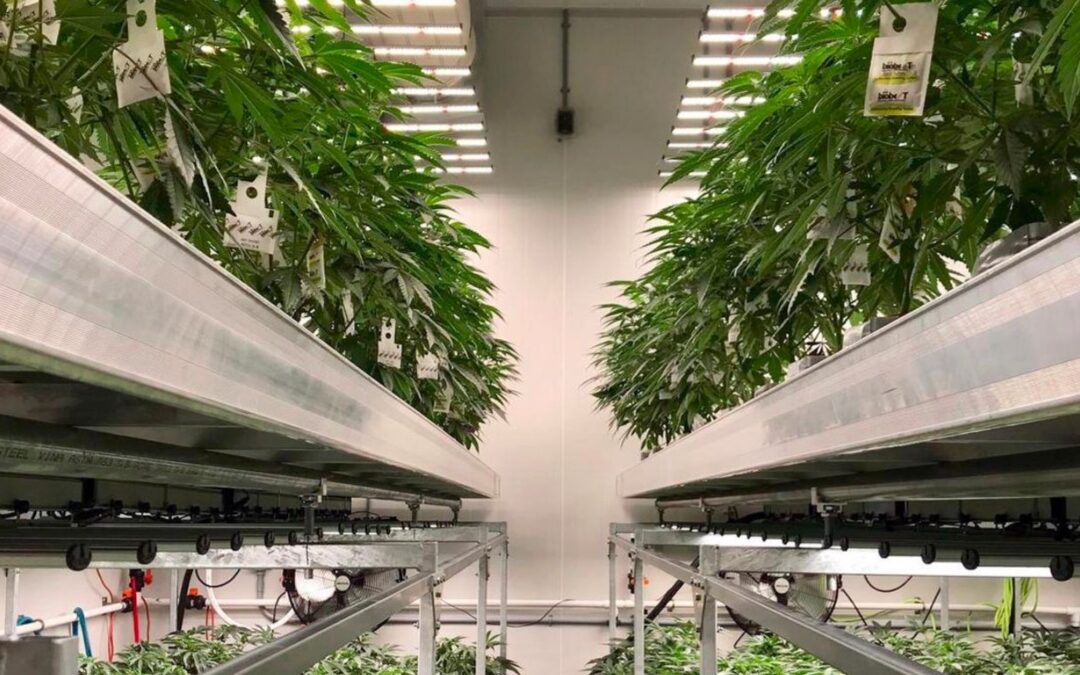
Avant Brands (formerly GTEC Holdings) reported net revenue of $16.4 million for the first half of 2024, producing 6,417 kg of cannabis and selling 5,493 kg.
Despite these gains, a 9% increase from the same period in 2023, the company posted a $6.7 million loss for H1 2024 (first six months/half of 2024). The company posted nearly $2 million in federal excise taxes from its $18.4 million in gross revenue, nearly $9 million in cost of sales, and $13.9 million in losses from the change in fair value of biological assets realized through inventory sold.
Recreational cannabis sales accounted for nearly half (41%) of net revenues during the six-month period ended May 31, 2024. Domestic wholesale sales were 14% of net revenue while export wholesale was 43%.
The overall weighted average selling price of cannabis decreased by 15% in the first six months of 2024 to $3.48 per gram, with the average for recreational cannabis at $4.98. The average recreational gross pricing per gram, calculated by determining the total flower sales divided by the total number of flower grams sold, was down from $7 a gram in the first six months of 2023.
Avant says the decrease in average selling price was primarily due to an increase in bulk domestic and export sales and a combination of general price compression in the industry.
The company’s cost of sales decreased to $8.6 million in the six-month period ended May 31, 2024, compared to $9.4 million in the first half of 2023. Avant says this decrease in costs was due to reductions in costs associated with its cannabis operations, incremental improvements in operational processes, and reductions in facility costs.
Avant has facilities in BC, Albert, and Ontario. In BC: Vernon (3PL Ventures), Kelowna (Flowr Group) Greentec Bio-Pharmacueitcals (Construction in Progress), and Chase (Tumbleweed Farms). Alberta: Edmonton (Avant Craft). Ontario: Tiverton, (Grey Bruce Farms).
Related Articles
by Grow Up Conference | Jul 15, 2024 | Cannabis News Wire, Media Partners
Health officials at the federal level have outlined research priorities on cannabinoids and cannabis in a new report by the National Center for Complementary and Integrative Health (NCCIH). The report highlights efforts by the NCCIH and other National Institutes of Health (NIH) entities to bridge the gap between the medicinal use of cannabis and the research informing its efficacy and safety.
Key areas of research include the effects of cannabis on social anxiety, pain and sleep; the use of terpenes therapeutically; the use of computers to identify bioactive minor cannabinoids in hemp; and the chemical synthesis of uncommon cannabinoids.
Funding opportunities were introduced by NCCIH in 2019, and $3 million in grants was awarded to researchers to investigate the mechanisms of action and possible pain-relieving properties of phytochemicals found in cannabis. This initiative included minor cannabinoids, excluding delta 9 THC, and terpenes.
Over the years, research has expanded to cover several key areas, including investigating the impact of CBD on arthritis-related chronic pain; determining the effects of uncommon cannabinoids on microglia; investigating the role of terpenoid and CBD interactions in the control of pain states by the amygdala; and testing terpenes and cannabinoids separately and in combination for morphine-induced pain alleviation in mouse models, among others.
In addition to advancing scientific studies, NIH is supporting the creation of a Resource Center for Cannabinoid and Cannabis Research. The center aims to assist researchers in overcoming barriers and challenges, both scientific and legal, which stand in the way of studying marijuana and its components.
Funding for the center will come from a $1 million allocation from NCCIH in the fiscal year 2025, with cofunding from NCI, NIA and NIDA totaling $100,000 each. Additionally, NCI recently awarded researchers $3.2 million to study the effects of marijuana use during immunotherapy for cancer treatment.
The agency’s website compiles information about the NIH cannabinoid and cannabis research program, including pertinent staff contacts, funding opportunities, priorities and access to research grant applications that are currently being financed.
NCCIH representatives, along with representatives from other federal health entities, convened recently to deliberate on the present status of cannabis research and policy implications for researchers examining cannabis while it remains illegal. The discussion focused on terpenes and cannabinoids’ potential to alleviate pain.
Craig Hopp, deputy director of NCCIH’s extramural research unit and coauthor of the new paper, discussed the U.S. Department of Justice’s recent proposal to reclassify cannabis under the Controlled Substance Act from Schedule 1 to 3, describing it as the elephant in the room for researchers.
While cannabis advocates and researchers have emphasized the potential for a Schedule 3 reclassification to reduce research obstacles related to Schedule 1 substances, Hopp stated that nothing has changed yet in the early phases of the regulation process. He further noted that any modifications won’t happen for at least a year and that it’s still unclear if a Schedule 3 status will eventually enable academics to obtain marijuana for research purposes from state-licensed dispensaries.
Notwithstanding the difficulties in researching restricted substances, the burgeoning legalization movement has coincided with a rise in research. Over the past 10 years, academics have published more than 32,000 studies on marijuana, with recent years setting records for study, according to NORML.
As more marijuana studies are published, they could help companies in the industry such as Trulieve Cannabis Corp. (CSE: TRUL) (OTCQX: TCNNF) to keep tweaking their offerings in order to better address the needs of their customers, especially those using medical marijuana products.
About CNW420
CNW420 spotlights the latest developments in the rapidly evolving cannabis industry through the release of an article each business day at 4:20 p.m. Eastern – a tribute to the time synonymous with cannabis culture. The concise, informative content serves as a gateway for investors interested in the legalized cannabis sector and provides updates on how regulatory developments may impact financial markets. If marijuana and the burgeoning industry surrounding it are on your radar, CNW420 is for you! Check back daily to stay up-to-date on the latest milestones in the fast -changing world of cannabis.
To receive SMS alerts from CNW, text CANNABIS to 888-902-4192 (U.S. Mobile Phones Only)
For more information, please visit https://www.CannabisNewsWire.com
Please see full terms of use and disclaimers on the CannabisNewsWire website applicable to all content provided by CNW, wherever published or re-published: https://www.CannabisNewsWire.com/Disclaimer
CannabisNewsWire
Denver, CO
www.CannabisNewsWire.com
303.498.7722 Office
Editor@CannabisNewsWire.com
CannabisNewsWire is powered by IBN
by Grow Up Conference | Jul 15, 2024 | Media Partners, Stratcann
Despite having government approvals and millions of dollars in funding, clinical trials involving cannabis are being delayed in Canada, some by several years, due to an unintended consequence of legalization.
The reason? A lack of acceptable cannabis products.
To be used in clinical trials, cannabis products must be certified GMP, which stands for Good Manufacturing Practices. However, most cannabis produced in Canada — including from the medical cannabis stream — is certified GPP, or Good Production Practices. GPP is not necessarily inferior cannabis compared to GMP, but there are fewer checks, balances and quality-assurance protocols in place, making GPP cheaper to produce.
Therein lies the rub, says Dr. Lauren Kelly, an associate professor of pharmacology and therapeutics at the University of Manitoba and the scientific director of the Canadian Collaborative for Childhood Cannabinoid Therapeutics, or C4T.
Kelly received funding in 2019 to conduct clinical trials looking at whether cannabinoids can be safe and effective for treating adolescents with chronic migraines who have had at least three available therapies fail.
It wasn’t until June 2024, five years later, that she was able to start screening participants, as she required an institutional cannabis license and had to source an acceptable GMP cannabis product.
“These are kids who aren’t going to school, who can’t have any social life,” she said. “These are kids who are suffering and not responding to treatment … It’s been a huge challenge for us explaining to families why we have been so slow to get the trial open.”
Kelly has two other clinical trials involving cannabis, which are approved and have received more than $2 million in funding from places like the Canadian Institute for Health Research (CIHR) and the Canadian Cancer Society. Still, procuring the right products and regulatory documentation has been slow.
Prior to legalization, there was a robust medical cannabis market, and several producers met the GMP standard. That level of production has largely gone away post-legalization, mainly as a way of reducing costs, as many companies fight to stay afloat.
“Similar to other clinical trials studying drugs, we have to submit what is called an Investigator Brochure for cannabis products, basically a manual containing all the information we know about these drugs, how does it work in animals/humans, safety including things like reproductive toxicity, essentially all the evidence that gets submitted for drug development,” said Kelly.
“For cannabis products, licenced producers do not need to do any of these pre-clinical studies on their products to sell them. The CBD cannabis products available at the recreational store down the road or available through the medical cannabis stream have not been specifically tested in pre-clinical research studies. This makes creating product specific Investigator Brochures, that are required for confirmatory clinical trials, impossible for the very same cannabis products people are already using and want better evidence for.”
Kelly says a handful of producers meet the GMP standard, including MediPharm Labs, which several Canadian researchers are working with.
“They are a mom-and-pop shop, they have been keen to collaborate but don’t have the capacity to do all of different cannabis products or regulatory documentation for the studies that are required,” she said.
One side note: what most Canadians consider to be a cannabis prescription is actually an authorization to possess cannabis. An actual prescription would have dosage information — how much to take, how often, and by what method. One of the goals of clinical trials is that with better evidence on how and when to use these products safely, people will one day be prescribed cannabis with a drug identification number (DIN), which a health plan can cover.
“How do you eventually get coverage for a drug? You start with the pre-clinical pathway. You produce a GMP product, you put it into a clinical trial, you show the efficacy, and Bob’s your uncle. That’s the path we’re on and that’s where we haven’t gotten to as of yet,” said Dr. Hance Clarke, the director of pain services at Toronto General Hospital and an associate professor in the Department of Anesthesia and Pain Medicine at the University of Toronto.
Clarke also received funding years ago for a clinical trial investigating whether cannabinoids are safe and effective for treating osteoarthritis. That trial only recently began screening participants, and Clarke hopes clinically tested, plant-based medical products will be available for prescription within the next decade.
“By early 2030s, current efforts are likely to lead us to DIN products with a CBD label and with a THC label in North America. The FDA is already asking for products that might lead us down that path,” he said. “Companies have now figured out, ‘We have to do these studies from a GMP perspective.’”
One way of speeding up that process, says Kelly, would be for Health Canada to allow researchers to use a cannabis product monograph (similar to the European model) instead of product-specific Investigator Brochures, or to incentivize producers to be certified GMP and to conduct pre-clinical studies on their products.
“The public also expects that this research is getting done, they expect answers,” she said. “The government has basically said, the whole point of (legalization) was to protect health and promote health and safety, but they haven’t actually created a pathway that allows us to do that for patients and families.”
In a statement, Health Canada says it recognizes the difficulty in sourcing products suitable for clinical trials.
“Health Canada is currently examining the recommendations in the recently published Legislative Review of the Cannabis Act: Final Report, which includes the recommendation related to increasing Canadian researchers’ access to quality cannabis that meets the requirements under GMP to conduct clinical trials,” it read.
“As the report noted, this remains a key barrier as researchers identified difficulty accessing cannabis products manufactured according to GMP for clinical trials and is currently being assessed by Health Canada.”
That report says, “public investment may be required to make meaningful advances in research on the therapeutic uses of cannabis.”
“The Government of Canada has an opportunity to encourage researchers to undertake studies on the medical use of cannabis by making research priorities clear and providing targeted funding opportunities,” it reads. “Cannabis, in many different forms, is currently used to treat a range of symptoms and conditions, and prioritization of research needs is important. To that end, we encourage Health Canada to support a transparent process to identify the specific potential therapeutic applications of cannabis that would benefit most from additional study.”
by Grow Up Conference | Jul 15, 2024 | Cannabis News Wire, Media Partners
- New project “set to transform luxury entertainment and hospitality,” according to company officials
- Critical development has included work on infrastructure and improvements
- Officials also focused on obtaining required permits, assembling key leadership and identifying ideal vendors
A luxury destination featuring world-class entertainment, opulent accommodations and immersive experiences is rising in the Mojave Desert. The unique property, called Destino Ranch, is a bold, visionary project envisioned by Golden Triangle Ventures (OTC: GTVH) and its wholly owned subsidiary, Lavish Entertainment.
Golden Triangle and Lavish Entertainment recently provided an update (https://cnw.fm/Rfq7n) on the one-of-a-kind project, which is “set to transform luxury entertainment and hospitality.” According to the report, “Upon taking possession of the nearly 70-acre ranch and its overall infrastructure, which included 643 trees, only 35% of the irrigation system was properly functional while most watering was done using a water truck. Today, 98% of the irrigation system is now operational following a massive overhaul.
“Key improvements include replacing and updating 95% of all control valves, re-energizing all existing waterlines and making numerous major system enhancements,” the report continued. “The extensive cleanup efforts have also included the repair of perimeter fencing, reinstallation of gates and opening of roadways around the project.”
The report noted that improvements in the water supply system, such as updating lines and control valves to the storage system and revamping the well system, have been made. In addition, substantial effort has gone into caring for the ranch’s trees, which contributes significantly to the way the property looks.
“Tree care has been a primary focus, involving pruning and trimming for health benefits and ongoing fruit production,” the company reports. “All dead trees have been removed, and new planting is planned to further enhance the project by adding additional fruit trees and various ornamental shade trees. Plans include adding numerous colorful trees and plants to create a park-like atmosphere, improving the environment and enhancing the overall aesthetic appeal of Destino Ranch.”
Along with efforts made on the actual property, company officials are focused on logistics, working closely with city planners and council members to obtain required permits and approvals for the project. “This comprehensive effort encompasses the creation of detailed development and engineering plans, alongside strategizing the acquisition of additional property essential for the project’s completion,” the report noted. “The company is actively engaged in future concept planning to ensure long-term success.”
Finally, a key part of Destino Ranch’s success will depend on management. Lavish Entertainment is dedicated to assembling an experienced, professional board of team members and directors along with identifying key vendors and determining specific site placements. Plans call for the development of a detailed site map to guide the progress of Destino Ranch.
A multifaceted consulting company, Golden Triangle Ventures operates as a parent business pursuing ventures in the health, entertainment and technology sectors. The company is looking to purchase, acquire and/or joint venture with established entities within these areas of business. The goods and services represented are driven by innovators who have passion and commitment in these marketplaces. The company plans to utilize relationships and create a platform for new and existing businesses to strengthen their products and/or services. The three points of the Golden Triangle exclusively represent the three sectors the company aims to do business in.
For more information, visit the company’s website at www.GoldenTriangleInc.com.
NOTE TO INVESTORS: The latest news and updates relating to GTVH are available in the company’s newsroom at https://cnw.fm/GTVH
About CannabisNewsWire
CannabisNewsWire (“CNW”) is a specialized communications platform with a focus on cannabis news and the cannabis sector. It is one of 60+ brands within the Dynamic Brand Portfolio @ IBN that delivers: (1) access to a vast network of wire solutions via InvestorWire to efficiently and effectively reach a myriad of target markets, demographics and diverse industries; (2) article and editorial syndication to 5,000+ outlets; (3) enhanced press release enhancement to ensure maximum impact; (4) social media distribution via IBN to millions of social media followers; and (5) a full array of tailored corporate communications solutions. With broad reach and a seasoned team of contributing journalists and writers, CNW is uniquely positioned to best serve private and public companies that want to reach a wide audience of investors, influencers, consumers, journalists and the general public. By cutting through the overload of information in today’s market, CNW brings its clients unparalleled recognition and brand awareness. CNW is where breaking news, insightful content and actionable information converge.
To receive SMS alerts from CNW, text CANNABIS to 888-902-4192 (U.S. Mobile Phones Only)
For more information, please visit https://www.CannabisNewsWire.com
Please see full terms of use and disclaimers on the CannabisNewsWire website applicable to all content provided by CNW, wherever published or re-published: https://www.CannabisNewsWire.com/Disclaimer
CannabisNewsWire
Denver, CO
www.CannabisNewsWire.com
303.498.7722 Office
Editor@CannabisNewsWire.com
CannabisNewsWire is powered by IBN
by Grow Up Conference | Jul 15, 2024 | Cannabis News Wire, Media Partners
Earlier in the year, Germany became the first large nation in the European Union to legalize the personal recreational use of marijuana. In concrete terms, individuals aged 18 years and older are allowed to be in possession of no more than 25 grams of marijuana for consumption.
Under the new law, enthusiasts can also grow three plants in their homes and store no more than 50 grams of dried marijuana in their homes. However, they aren’t allowed to smoke the drug in public.
While this is a huge milestone, activists note that red tape has hindered the program from fully taking effect.
At the start of this month, registered marijuana clubs, which are crucial to creating a smooth foundation toward legal cannabis and replacing the illicit market, were established. This process, which was expected to play a key role in demonstrating the effectiveness of evidence-based drug policy, has now been buried under various statutes and restrictions.
High Ground club member Oliver Waack-Jürgensen claims that the biggest issue currently is the unclear situation with the authorities. Waack-Jürgensen notes that there are big regional differences in this German law, adding that the law is too complex.
As stipulated, would-be founders of these marijuana clubs are required to report their permanent locations, member numbers and the estimated annual marijuana output before they can obtain approval. Any surplus marijuana produced is to be destroyed, with only club members being allowed to cultivate, water, fertilize and harvest these crops. Passing on leaves or buds to friends isn’t permitted, but one can do so with seeds.
Consumption of the drug on club premises is also forbidden, and while club members are required to pay fees before operations can commence, clubs aren’t permitted to advertise. This has eliminated what would have been a key source of revenue needed to rent premises and land for cultivation purposes.
Additionally, any individual who picks up the drug is required to do so in person, with a biometric photo affixed onto their ID. Furthermore, club members are required to have a clean criminal record for narcotics, signed up to the club for at least three months and lived in Germany for six months or longer.
It should be noted that all procedures mentioned above shall and can be reviewed at any time by authorities without prior notice.
Leipzig club member Marten Knopke claims that these clubs are subject to more restrictions than any alcohol business, noting that the government has made it difficult for the legal market to take on the illicit market.
This has made these nonprofit clubs, which were established to offer security, protection, quality control and addiction prevention measures, too restrictive for residents and even outsiders to enjoy the “legal” market fully.
It doesn’t help either that even with the law’s passage, conservative regions still oppose the use of the drug.
As the market gets established, international companies such as Cresco Labs Inc. (CSE: CL) (OTCQX: CRLBF) will be watching the developments closely to see how they impact the broader region and its cannabis policies.
About CannabisNewsWire
CannabisNewsWire (“CNW”) is a specialized communications platform with a focus on cannabis news and the cannabis sector. It is one of 60+ brands within the Dynamic Brand Portfolio @ IBN that delivers: (1) access to a vast network of wire solutions via InvestorWire to efficiently and effectively reach a myriad of target markets, demographics and diverse industries; (2) article and editorial syndication to 5,000+ outlets; (3) enhanced press release enhancement to ensure maximum impact; (4) social media distribution via IBN to millions of social media followers; and (5) a full array of tailored corporate communications solutions. With broad reach and a seasoned team of contributing journalists and writers, CNW is uniquely positioned to best serve private and public companies that want to reach a wide audience of investors, influencers, consumers, journalists and the general public. By cutting through the overload of information in today’s market, CNW brings its clients unparalleled recognition and brand awareness. CNW is where breaking news, insightful content and actionable information converge.
To receive SMS alerts from CNW, text CANNABIS to 888-902-4192 (U.S. Mobile Phones Only)
For more information, please visit https://www.CannabisNewsWire.com
Please see full terms of use and disclaimers on the CannabisNewsWire website applicable to all content provided by CNW, wherever published or re-published: https://www.CannabisNewsWire.com/Disclaimer
CannabisNewsWire
Denver, CO
www.CannabisNewsWire.com
303.498.7722 Office
Editor@CannabisNewsWire.com
CannabisNewsWire is powered by IBN
by Grow Up Conference | Jul 15, 2024 | Cannabis News Wire, Media Partners
- Lexaria, a global innovator in drug delivery platforms, recently hired a contract research organization (“CRO”) for its upcoming chronic human study, GLP-1-H24-4
- This study will seek to evaluate various glucagon-like peptide-1 (“GLP-1”) formulations, processed with the company’s patented DehydraTECH(TM) technology
- The study will feature five arms, with each conducted using several investigational sites in Australia
Lexaria Bioscience (NASDAQ: LEXX), a global innovator in drug delivery platforms, recently announced the hiring of a contract research organization (“CRO”) that will be responsible for overseeing the execution of the company’s upcoming chronic human study, GLP-1-H24-4. This 12-week study will seek to evaluate various glucagon-like peptide 1 (“GLP-1”) formulations processed with the company’s patented DehydraTECH(TM) technology, which has demonstrated enhanced bioavailability in multiple studies. It will also explore other treatments with efficacy objectives, including, but not limited to, blood sugar reduction and weight loss (https://cnw.fm/dCDXV).
“This study will be the most comprehensive and impactful GLP-1 investigation that Lexaria has ever undertaken,” noted John Docherty, Lexaria’s President.
“The greatly expanded scope compared to our previous studies will allow us to investigate DehydraTECH-GLP-1 safety and efficacy over an extended treatment duration to significantly broaden our knowledge of DehydraTECH’s ability to potentially improve the effectiveness and tolerability of this world-leading class of drugs,” he added.
This study will have five active treatment arms, each with 16 diabetic patients. The first arm will use Rybelsus(R) as a positive control; the second will utilize DehydraTECH-CBD, the third will feature DehydraTECH-semaglutide while the fourth will see a combination of DehydraTECH-CBD and DehydraTECH-semaglutide. The last arm will feature DehydraTECH-tirzepatide. Each patient will be dosed orally daily, subject to change once the final protocol is complete.
Each of these arms of the study will be conducted using several investigational sites in Australia as a registrational Phase 1b study within Australian clinical regulatory authority regulations. Once completed, the study is expected to be equally regarded as a Phase 1b registrational study by the U.S. Food and Drug Administration (“FDA”).
For Lexaria, this marks a significant milestone in its quest to offer a viable treatment option for diabetes. In 2022, its DIAB-A22-1 multi-week rodent study utilizing DehydraTECH-CBD demonstrated weight loss of 7% and reduced blood glucose levels of 19.9%+/-7%. In January 2024, the company discovered that DehydraTECH processing of Rybelsus(R)-branded semaglutide, after a single dose, improved blood sugar control and reached higher levels of semaglutide measured in blood than did Rybelsus(R) itself. The company looks to establish whether this improved pharmacokinetic performance could lead to improved weight loss and/or blood-sugar control compared to Rybelsus(R) alone after multi-week dosing.
Study preparations with the CRO are already in the works pursuant to an initial start-up agreement under which several activities will occur, such as full clinical protocol design and writing in consultation with medical experts, regulatory authority submissions, and data management planning. Lexaria’s management is optimistic that the results from this undertaking will be positive, further exemplifying the potential of its DehydraTECH technology and showcasing its overall viability in the potential treatment of diabetes and weight loss.
For more information, visit the company’s website at www.LexariaBioscience.com.
NOTE TO INVESTORS: The latest news and updates relating to LEXX are available in the company’s newsroom at https://cnw.fm/LEXX
About CannabisNewsWire
CannabisNewsWire (“CNW”) is a specialized communications platform with a focus on cannabis news and the cannabis sector. It is one of 60+ brands within the Dynamic Brand Portfolio @ IBN that delivers: (1) access to a vast network of wire solutions via InvestorWire to efficiently and effectively reach a myriad of target markets, demographics and diverse industries; (2) article and editorial syndication to 5,000+ outlets; (3) enhanced press release enhancement to ensure maximum impact; (4) social media distribution via IBN to millions of social media followers; and (5) a full array of tailored corporate communications solutions. With broad reach and a seasoned team of contributing journalists and writers, CNW is uniquely positioned to best serve private and public companies that want to reach a wide audience of investors, influencers, consumers, journalists and the general public. By cutting through the overload of information in today’s market, CNW brings its clients unparalleled recognition and brand awareness. CNW is where breaking news, insightful content and actionable information converge.
To receive SMS alerts from CNW, text CANNABIS to 888-902-4192 (U.S. Mobile Phones Only)
For more information, please visit https://www.CannabisNewsWire.com
Please see full terms of use and disclaimers on the CannabisNewsWire website applicable to all content provided by CNW, wherever published or re-published: https://www.CannabisNewsWire.com/Disclaimer
CannabisNewsWire
Denver, CO
www.CannabisNewsWire.com
303.498.7722 Office
Editor@CannabisNewsWire.com
CannabisNewsWire is powered by IBN
by Grow Up Conference | Jul 13, 2024 | Media Partners, Stratcann
Our biggest story last week was the release of a preliminary report from Israel on allegations of product dumping by Canadian cannabis companies.
In Ontario, the OCS shortened payment processing timelines for flow-through products, and a fire at JC Green is estimated to have caused several million dollars in damage.
We spoke with Calgary retailer Chinook Cannabis about their mobile cannabis lounge, The Garden, which was in its third year at the Badlands Music Festival in Calgary before making its way to the Great Outdoors Comedy Festival in Edmonton from July 12-14, in partnership with Plantlife Cannabis.
We also spoke with micro processors who say they are excited by a proposed increase in how much cannabis they can process, and we took a look at the recent increase in the volume of medical cannabis products supplied in New Zealand.
In other cannabis news
Burlington’s first legal cannabis store, Relm Cannabis, reopened in April after a nearly four-month closure due to a burst pipe.
The co-founder of WeedMD (now Entourage Health) was ordered to pay $350,000 for disclosing confidential information about the company’s expansion plan to a friend, who then engaged in insider trading.
Nova Cannabis Inc. announced the opening of its 100th location, Value Buds Belmont, in Edmonton, Alberta. The chain has locations in Ontario, Alberta, and BC.
A new cannabis store has opened in North Vancouver.
The owner of True North Cannabis in Cambridge, Ontario, tells local media they are frustrated by the lack of enforcement against unlicensed stores. In March 2024, an OPP-led coalition of police was given $31 million over three years to crack down on these unregulated stores.
Tilray released the results of a study showing the effectiveness of medical cannabis for people over 50.
Active Canadian hemp licenses declined for the third year in a row from a peak in 2020, reports MJBiz.
In addition to our coverage above, local media spoke with Plantlife Cannabis about their licence to sell cannabis at a festival, one of the first of its kind in Canada.
A neuroimaging study shows differences in brain activity between cannabis users and non-users during cognitive tasks that involve switching behaviour based on changing task requirements. Cannabis users exhibited weaker neural responses during these switches compared to nonusers, although both groups performed equally well on the tasks.
Ohio-based Cannabix Technologies Inc., with locations in Ontario and BC, reports that early testing by Omega Laboratories Inc. has established a delta-9 THC calibration curve for the purpose of quantification. This is using Omega’s preexisting and well-established extraction and detection processes for a cannabis breathalyzer.
A man has been charged with the armed robbery of a CannabisNB on June 17. He’s accused of stealing more than $5,000 worth of money and product from a Cannabis NB location in Riverview on two occasions.
US and Canadian law enforcement officials seized 123 kg of cannabis in Montreal.
Red Deer RCMP recovered $19,000 worth of cannabis stolen from a local store, and
a man from Moncton, New Brunswick, has received a $3,250 fine for selling cannabis without a licence after recently entering a guilty plea.
International cannabis news
Australia’s Therapeutic Goods Administration (TGA) issued three infringement notices totalling $56,340 to News Life Media Pty Ltd for alleged unlawful advertising of medicinal cannabis on their lifestyle website Body+Soul.
Cannabis advocates in Thailand protested a proposal to ban the general use of cannabis.
Finally, coverage of the challenges of Germany’s legalization effort continues, but the country’s first “social club” has been approved.






Recent Comments