Pain relief is a challenge that medical practitioners have been trying to overcome for centuries. Whether the pain is acute from a specific injury or surgery, or chronic and persistent, opioids have proven to be the most effective category in combating pain. While originally plant based, opioids have been a part of pain management for millennia, and their ubiquity is only growing. As of 2022, the opioid market is growing at a rate of 3.3% per year worldwide, and this figure does not include statistics from the illicit market which likely accounts for 10s if not 100s of billions of dollars.[1] While this may be good news for people managing their pain, there is some cause for alarm.
Opioids are such effective analgesics that their addiction potential is also staggeringly high. Studies vary, but most experts predict that between 10-25% of people who try opioids once may develop long term addictions. [2] As more of these drugs are taken, the more possibility exists for a high number of dangerous and potentially deadly side effects to manifest. Scientific research is ongoing to address both the addiction potential and how to improve the benefits, but it is worth looking at how the current market stands regarding synthetic opioids, their history, and the risks they pose to consumers.
History and Development of Synthetic Opioids
The use of poppies for pain relief goes back more than 8,000 years to the Sumerian empire. [3] While the Sumerians initially used resin from the plant to treat open wounds, cough, and diarrhea, they eventually synthesized the botanical material into opium in 3400 BC. Opium was the first opioid derivative, and it reigned as the pain relieving king across the world until the synthesis of morphine in 1805.[4]
Morphine was developed by a German chemist named Friedrich Sertürner. By isolating and concentrating the primary pain relieving compound from opium, Sertürner believed the streamlined drug would provide more pain relief while limiting opium’s addictive properties. This belief expanded morphine’s usage in hospitals and clinics across the world, and it was especially common during the American Civil War. [5] The resulting overreliance by medical professionals led to both mass addiction to morphine by the population, and an increased desire to continue researching opioids by pharmaceutical companies.
To feed both of these desires, heroin was first synthesized in 1874 by German chemist and Bayer employee Felix Hoffmann. [6] Bayer initially marketed heroin as both a pain reliever and as a treatment for tuberculosis, however it was also seen as a replacement option for morphine addicts. The theory that Bayer purported was that their new product could supplant previous opioid use through smaller doses. This was the same logic that morphine manufacturers used when comparing it to opium. This pattern has become all too common in the opioid market.
New products come with a promise of both higher strength, thus increasing the therapeutic benefits, and limited potential for abuse due to smaller doses. In the case with heroin, this proved to be another incorrect assumption. Heroin’s harmful and addictive nature did not give drug manufacturers pause. In the quest for increased potency, chemists continued their experiments into stronger opioids.
This came in the form of semisynthetic opioids in the 1910s, which included the synthesis of oxymorphone in 1914, oxycodone in 1916, and hydrocodone in 1920. [7] This push into semisynthetic opioids was motivated by several reasons. A big motivating factor came with the international recognition of The Hague Opium Convention of 1912 and the Geneva Convention of 1925. [8][9] These two international conventions officially recognized the addictive properties of opioids, and began setting up implements to control their usage and availability. This also included limiting the botanical material coming from poppies, which meant that drug manufacturers had to find another solution if they wanted to keep profiting off these powerful painkillers.
Synthetic opioids went a step beyond semi-synthetics, and became a loophole to get around these international restrictions. [10] Not only could companies justify a growing research and development budget, but they could also separate themselves entirely from the need to cultivate poppy plants as a part of their supply chain. As a result, methadone was developed in 1946, and fentanyl was first synthesized in 1959.
Fentanyl is currently the most concentrated opioid available, with an estimated strength ranging from 50-100 times greater than morphine and 25 times stronger than heroin. This level of pain relief was marketed to only the most severe patients, typically those facing late stage cancer or seeking comfort on their deathbeds. But as was apparent with both morphine and heroin before, fentanyl’s high potency provides therapeutic benefits while simultaneously spiking addiction rates. Fentanyl’s demand thanks to demand from the illicit recreational market, which has opened a Pandora’s Box that cannot be closed.
Physical Side Effects of Opioids
The physiological response of natural and synthetic opioids is basically the same. The big difference is how powerful the drugs, and thus the effect, are for the user. Taking any kind of opioid produces a response in the brain stem, which connects the brain to the nervous system. [11] The nervous system sends all kinds of immediate response both too and from the brain, the most significant for opioids being anything that has to do with physical sensations like pain.
As a result, with opioids blocking the signals from the body to the brain, users’ feelings of pain decrease significantly. This numbing or analgesic process also produces secondary side effects as well. Without pain, users are left with positive physiological responses like euphoria, relaxation, and sedation. [12]
For someone who needs to overcome debilitating pain, this is a good thing that can help the healing process. The problem is that opioids are so effective at limiting pain and producing euphoria that it can lead to long term addiction. [13] For some, opioid use began with the goal of blocking their pain, but it proved too difficult to wean themselves off when it came time to stop. This is made all the more difficult by the strong physical withdrawal symptoms that come from cessation of opioid use. [14] By comparison, these physiological responses are considered more beneficial.
When it comes to the negative opioid side effects, users may experience:
The last one, respiratory depression, is typically what causes death or long term brain damage from opioid overdoses. [15] Considering the fact that opioids block signals from the nervous system to the brain via the brain stem, it makes sense that the same hindrance also works the other way too. What this means is that opioids can also block the signals coming from the brain to the body, most dangerously when it applies to involuntary actions like breathing or maintaining heart rate.
During an opioid overdose, the drug blocks the reminder from the brain for the body to keep breathing, which can lead to hypoxia and eventually to brain death. Beyond this, there are also situational risks associated with opioid use. Since vomiting is a common symptom, it is possible for users to choke if they do so while unconscious. This can also cause death, but it is due to an impeded airway that also causes suffocation.
This is a symptom that is not exclusive to opioids, but considering their overwhelming sedative effect, it is something that users should be cautious of. Additionally, ingestion methods play a role in establishing risks as well. Many users choose to inject opioids directly, and sharing needles has a 0.6% chance of contracting HIV.[16] This may not seem high, but if opioid users repeatedly use the same needles or are constantly sharing needles with risky compatriots, the odds increase rapidly.
Increased Dangers of Synthetic Opioids
The list of negative side effects seems to outweigh the positive ones, but that is not enough to slow down opioid use. Now that opioids are completely untethered from their poppy source, synthetic opioids pose an ever-growing risk to consumers for several reasons. For starters, as previously mentioned, fentanyl is significantly more potent than its predecessors. Not only does this mean a more powerful experience, but it also means an increased likelihood of respiratory depression. [17]
Fentanyl is worse than heroin and morphine when it comes to respiratory depression, affecting both the number of breaths and the amount of air per breath. Of course, these physiological responses are concerning, but the fact that these drugs are synthetic opens a new category of risk as well. These risks stem from the fact that synthetic opioids are produced in a laboratory environment. [18]
On its surface, this is not an inherently negative fact. Laboratory produced opioids have a consistency that is not always found with natural opioids. This laboratory production only becomes a concern when the supply chain has not been approved and regulated to ensure safety. This lack of oversight can translate to a higher risk of contaminated opioids. [19] It is impossible to list all the ways this is possible, but it could include unsafe laboratory environments, improperly maintained equipment, mismanaged ingredients or supply lines, or the combination of synthetic opioids with other drugs.
This lack of regulation also means that new forms of the same drug become available in slightly different forms. Fentanyl’s demand has lead to the synthesis of a whole family of similar drugs that includes acetyl fentanyl, furanyl fentanyl, butyryl fentanyl, and beta-hydroxythiofentanyl. [20] As the names imply, each one of these is similar to fentanyl. The problem is that small differences may lead to big differences in physiological responses. Each new synthesis has the potential for negative side effects and risks that have not been researched in any meaningful way. This is the second major risk associated with synthetic opioids.
When a user decides to source their opioids outside the legal channels, it is difficult to know what exactly they are getting. This goes beyond chemical composition as well. Seizures of fentanyl have included pills, powders, liquid solutions, and even disguised as candy, but this is only the beginning. [21] Fentanyl is increasingly being found in other drugs outside the opioid family, as its increased potency can increase euphoria for other categories as well. [22] This is not to say that this never happened before fentanyl, but considering the risks associated with synthetic opioids, unsuspecting doses only magnify the risks.
Strategies for Avoiding Risks
The first and most obvious solution is to consult with a medical professional when getting involved with opioids. This is true for every stage of the process. People facing chronic or acute pain should follow doctors’ prescriptions, those who feel their usage is getting out of control should seek help to manage the problem, and long term addicts should consult medical help to avoid the risks associated with overdoses or withdrawals.
If users do source their opioids outside regulated channels, it is possible to minimize the risk of their usage as well. For starters, a “drug checking” strategy is emerging as a means of preventing overdoses. [23] Depending on the location, government and nongovernmental organizations are offering lab testing for all kinds drugs, even outside opioids, to ensure the user knows the dosage and purity of the substance they are taking.
Additionally, there are needle exchange programs designed to limit the spread of HIV from sharing needles, with some areas going so far as establishing safe rooms for users to consume opioids in the presence of medical professionals. [24] Some communities choose not to take such a dramatic step, opting for a strategy that doesn’t imply a tolerance for drug use, but they still chose to provide naloxone for free to stop overdoses. [25]
At a minimum, opioid users should consider the size of their dosage and the company they are with when they ingest their substance. Limiting opioid risks may be as simple as having someone ready to jump into action if the worst happens.
References:
AFFAIRS., UNITED NATIONS OFFICE ON DRUGS AND CRIME & DIVISION FOR TREATY. World Drug Report 2022. UNITED NATIONS, 2022.
Fishbain, David A., et al. “What percentage of chronic nonmalignant pain patients exposed to chronic opioid analgesic therapy develop abuse/addiction and/or aberrant drug-related behaviors? A structured evidence-based review.” Pain medicine 9.4 (2008): 444-459.
Boysen PG, Patel JH, King AN. Brief History of Opioids in Perioperative and Periprocedural Medicine to Inform the Future. Ochsner J. 2023 Spring;23(1):43-49. doi: 10.31486/toj.22.0065. PMID: 36936479; PMCID: PMC10016219.
Gates, Marshall, and Gilg Tschudi. “The synthesis of morphine.” Journal of the American Chemical Society 78.7 (1956): 1380-1393.
Paciorek, Jessica, and John Karras. “Medicine and Its Practice during the American Civil War.” TCNJ Journal of Student Scholarship 9 (2007): 1-12.
Brodsky, Marc D. “History of heroin prevalence estimation techniques.” Self-report methods of estimating drug use: meeting current challenges to validity. National Institute on Drug Abuse Research Monograph. Vol. 57. 1985.
Yarnell, Eric. “The botanical roots of pharmaceutical discovery.” Alternative and Complementary Therapies 6.3 (2000): 125-128.
Collins, William J. “The international control of drugs of addiction: The present position of the international opium convention, 1912.” British Medical Journal 2.3064 (1919): 369.
Bayer, Istvan, and Hamid Ghodse. “Evolution of international drug control, 1945–1995.” Bulletin on Narcotics 51.1 (1999): 1-17.
Boysen, Philip G., Jenilkumar H. Patel, and Angelle N. King. “Brief history of opioids in perioperative and periprocedural medicine to inform the future.” Ochsner Journal 23.1 (2023): 43-49.
Bershad, Anya K., et al. “Effects of opioid-and non-opioid analgesics on responses to psychosocial stress in humans.” Hormones and Behavior 102 (2018): 41-47.
Benyamin, Ramsin, et al. “Opioid complications and side effects.” Pain physician 11.2S (2008): S105.
Vowles, Kevin E., et al. “Rates of opioid misuse, abuse, and addiction in chronic pain: a systematic review and data synthesis.” Pain 156.4 (2015): 569-576.
Kosten, Thomas R., and Louis E. Baxter. “Effective management of opioid withdrawal symptoms: A gateway to opioid dependence treatment.” The American journal on addictions 28.2 (2019): 55-62.
Ramirez, Jan-Marino, et al. “Neuronal mechanisms underlying opioid-induced respiratory depression: our current understanding.” Journal of Neurophysiology 125.5 (2021): 1899-1919.
Ball, Laura J., et al. “Sharing of injection drug preparation equipment is associated with HIV infection: a cross-sectional study.” JAIDS Journal of Acquired Immune Deficiency Syndromes 81.4 (2019): e99-e103.
Lichtor, J. Lance, et al. “The relative potency of oral transmucosal fentanyl citrate compared with intravenous morphine in the treatment of moderate to severe postoperative pain.” Anesthesia & Analgesia 89.3 (1999): 732.
Collins, Lacee K., et al. “Trends in the medical supply of fentanyl and fentanyl analogues: United States, 2006 to 2017.” Preventive medicine 123 (2019): 95-100.
Carroll, Jennifer J., et al. “Exposure to fentanyl-contaminated heroin and overdose risk among illicit opioid users in Rhode Island: A mixed methods study.” International Journal of Drug Policy 46 (2017): 136-145.
Palamar, Joseph J., et al. “Trends in seizures of powders and pills containing illicit fentanyl in the United States, 2018 through 2021.” Drug and alcohol dependence 234 (2022): 109398.
Kuczyńska, Katarzyna, et al. “Abuse of fentanyl: An emerging problem to face.” Forensic science international 289 (2018): 207-214.
Laing, Matthew K., Kenneth W. Tupper, and Nadia Fairbairn. “Drug checking as a potential strategic overdose response in the fentanyl era.” International Journal of Drug Policy 62 (2018): 59-66.
Vlahov, David, and Benjamin Junge. “The role of needle exchange programs in HIV prevention.” Public health reports 113.Suppl 1 (1998): 75.
Clark, Angela K., Christine M. Wilder, and Erin L. Winstanley. “A systematic review of community opioid overdose prevention and naloxone distribution programs.” Journal of addiction medicine 8.3 (2014): 153-163.
This is a summary of what I have learned from my encounters with inner and outer demons. Let this text be food for thought and don’t take my word for anything… but do customize what you read here to fit your own experience.
First, understand that you only experience what you need or choose to experience, and what you need to experience was chosen by you at some other time or level of being. Therefore, you are in some way responsible for all that happens to you, whether you created it or allowed it. The attacks you receive ultimately serve to teach you lessons, and how successfully you defend against these attacks determines how easily you learn your lesson. Learning a lesson before the experience often voids the necessity of having to experience it.
Second, in the absolute sense the Matrix Control System serves to accelerate your spiritual growth, and although its agents see you as the enemy, know that you can utilize them as teachers. You do not need to seek them out, for they will find you as you progress in your learning path. Most importantly, know that you will never be given anything you cannot choose to handle successfully.
Now, the likelihood of an attack depends upon two factors:
a) their desire to attack – the attention you garner b) their ability to attack – the weakness of your defense
Having strong defenses and lowering your profile as a target reduce the probability of being attacked.
Strong defenses consist of the following:
1) being aware of your internal weaknesses and countering or watching them closely — emotional buttons, ego flaws, lack of knowledge and false assumptions, resentment and envy, bias and prejudice against the bitter truth, emotional dependency upon sources of authority, blindspots in your awareness, etc…
2) being aware of your external weaknesses and countering or watching them closely — people you depend upon or who depend upon you, who can become unwitting tools of attack via their weaknesses being exploited; aspects of your finances and business which can be sabotaged and thus lead to a cascading series of problems; potential health weaknesses you may have which can be flared up in an attack to wear you down; physical and mechanical problems like car accidents and malfunction, slipping and falling on something to hurt yourself, missing appointments due to various odd mishaps delaying you; and if all that doesn’t work, then the people you care for are attacked in these same areas which necessarily gets you involved.
3) being resolute and wise in your decisions — they attack mainly to bias the decisions you haven’t yet made, and to reinforce the wrong decisions you make. This has to do with the Law of Freewill and the STS (negative path) preference to win by their target’s own will to submit. So prior to making the right choice, you may be attacked to keep you from making it. But once you make it, since any further attacks may only confirm for you that you’ve made the right choice, so they tend to stop immediately once that learning plateau has been reached. If you make the wrong choice, they then attack you even harder to make you think you’ve made the right one.
If you are wishy washy, agnostic, and conservative in your decision making, perhaps because you’re afraid of making mistakes or being definitive, you will receive constant attacks because you’re straddling the fence and that is where you’re most easily tipped over to either side by the least amount of force. STS attacks the weakest link at its weakest moment, and being irresolute about your decisions creates just such an opportunity for them. It is better to make a firm decision and be wrong (as then the results show that you have been wrong and you can easily reverse the mistake) than to fear ever being wrong and thus become wishy washy (which makes you uncertain of everything and totally undisciplined in your progress).
Lowering your profile as a target consists of these:
1) stopping whatever you’re doing that makes you a threat — not a good option, as that defeats the very purpose of your existence. Any step forward toward independence for yourself and others will naturally shine the spotlight upon you. To reduce attack, don’t cower in the spotlight and return to your former self, but rather move forward with ever increasing strength of your defenses. Gaining knowledge and applying it naturally ups your defenses – so the very knowledge that makes you a target can protect you against succumbing to attacks. Those who hoard knowledge without taking it seriously enough to apply in life get all the targeting that comes with great knowledge, but possess only half the protection, so they get eliminated pretty quickly.
2) seeking to learn from all you experience — if you are open to learning from your experiences, then the more they try to attack you, the more knowledgeable you become. They take a gamble every time they attack – either they win and you become weak, or they lose and you become stronger. It’s your choice. Being egotistical psychopaths prone to wishful thinking about their skill and prowess, they always attack and usually end up shooting themselves in the foot when they attack a strong target.
3) keeping up a positive emotional frequency — if you are spazzy, frightful, and fearful, you become a reaction machine, one with buttons so sensitive it takes a simple “boo” to get you to splurge all your emotional energy into your etheric environment which STS forces lap up with delight and then use to hack into your reality more easily next time. You become a puppet they can easily control, and they will do their best to use your reactive condition to their advantage.
Additionally, although 4D STS forces can see beyond linear time and analyze our probable futures and pasts, their perception range is limited due to the narrow spectrum of their soul frequencies. Thus they can only see and predict that which resides within their choice to perceive. If you are in a negative mindset or mood, your probable future is within that narrow spectrum, or alternately, you resonate with the sector of hyperdimensional reality that is their territory. In that case, they can more easily screw with you, predict what you’re going to do next, and thus control you. The solution is to stay out of their probability-detection-range by having composure, being active rather than reactive, and generally keeping up a positive emotional state.
So keeping up your emotional frequency isn’t about shielding yourself from the truth (because you can gain knowledge and stay positive if you choose), but rather it’s a necessary tactical method when involved in a hyperdimensional ambush. Consider it donning your metaphysical body armor and camouflage.
4) having foresight, awareness, and knowledge — this makes you less predictable. The more knowledge you have, the more freewill you have, the more choices you can make because you’re aware of those choices, and the harder it is for them to calculate what you will do next. Being unpredictable makes them less efficient in their attack because they must spread their resources to account for a wider range of probable weaknesses.
Some general tips about attacks:
1) attacks ALWAYS have more than one way of succeeding — countering one route of attack doesn’t mean you have countered all, and you can be your own worst enemy. For example, when using an agent to sabotage or harass you, they can win through directly sabotaging your efforts, or by getting you to sabotage yourself via overreaction and paranoia. Often, when they cannot harm you directly, they try to scare you so that by your own overreaction you accomplish their goal. In such encounters, you have two adversaries: them and yourself. Know yourself, and know them, and you will never succumb – that’s common sense and also the key advice of Sun Tzu in “The Art of War”.
Another example is this: if their goal is to prevent you from accomplishing yours, then they can win either by sabotaging your goal directly, or getting you to become so distracted with this whole business of “defending against attack” that you forget to continue your original goal. The best defense is a balanced defense. Sabotage and distraction are thus the two key things you must watch for.
Another method of self-sabotage is to become frightful and reactive, which lowers your frequency as mentioned and puts you deeper into their game, which means they have more power over you and your reality. So although defense is necessary, never forget about what you’re defending, and never forget about your own weaknesses and potential for self-sabotage. Add to this the possibility of being abducted and mind programmed with self-destructive thought loops and posthypnotic suggestions, and you can see the importance of watching not only your adversary, but also yourself.
2) you have more power than they want you to believe — they have created numerous falsehoods in religion, philosophy, spirituality, politics, and culture designed to disempower you by inducing within you a lack of faith in what you can accomplish. It’s the whole “Oh well, what’s the use” mentality that allows predators to run rampant, not because they are strong, but because people make themselves weak by not standing up for themselves or others. It’s worth at least trying, as that tests your limits rather than falsely assumes them.
3) you can rarely succeed in fighting them in the dark — as that is their territory and there are a million directions from which an attack can come invisibly from the dark. But if you drag them into the light by making their tactics visible to everyone, they whither, flee, or in rare cases go bonkers and thus reveal themselves fully. They play dirty, exploiting loopholes and cheating to win, as the ends justify the means for them. For example, winning a debate usually consists of successfully arguing the logic of one’s case. But there is another way of winning: wear down and overwhelm your opponent. This they do by leveling loaded questions and accusations against you faster than you can respond. If you don’t respond, they claim a win. If you do respond, the ignore what you say and immediately throw you another accusation or question, and thus they eventually win when you slip up or give up. The best you can do in that case is see if the fight is really worth fighting, and extracting yourself if it isn’t…often the truth speaks for itself, and you have no obligation to explain yourself to the ignorant who purposely avert their eyes away from the truth.
4) watch your emotional energy output — emotions are energy that open doors into other realms. Normally, emotions help you expand your range of action and thus enter new states of being and levels of experience and learning, but your negative emotion and misdirected thoughts can equally be used by STS forces to open doors into your realm. Or to look at it another way, if they cannot directly reach you, they can still taunt you into exposing yourself where they can reach, then hit hard what you reveal. Although negative emotions are helpful sometimes in alarming you to present danger, be wary of indulging in them beyond their initial use as alarms. Also, watch out for interacting with clearly harmful individuals who seem preoccupied with demanding your time and energy – some are decoys sent to milk you of energy, which can then be used to breach your realm (hack your reality) as stated, leading to more severe attacks than was possible before. Also beware of implanted paranoia that cuts you off from potentially fruitful networking opportunities. As you can see, balance is the key – there’s no substitute for discernment.
5) know that attacks happen on multiple fronts, meaning inside you and outside you simultaneously — your mood can be artificially depressed by malevolent forces using technology or pure psychic attack, and these can be coupled with external attacks exploiting the external weaknesses mentioned earlier. Your judgment may be detrimentally affected while external conditions are set up to put that judgment to the test and lure you into making unwise decisions. Therefore, when in a negative state of mind, refrain from making important decisions and instead have faith in your sober self, waiting until you sober up before making a decision. But if the situation is urgent, you can center yourself mentally, concentrate upon a happy thought or feeling, and through sheer willpower sober yourself up – then you have the clarity of mind and heart to carry on wisely. Whatever your negative emotion is, just meditate upon its diametric opposite – this establishes an internal feedback cycle that over the span of a couple minutes brings you to it.
6) employ your intuition and nonphysical guidance — pay attention that little intuitive voice that has always warned you in the past of danger or unwise moves on your part, it is your Higher Self attempting to communicate with you through your subconscious. If what it conveys matches all the evidence you see, or if nothing you see contradicts what it advises, then you better take it seriously. Your intuition and logic are the most trustworthy aides you have.
Also, pay attention to symbols in your dreams and external waking environment which may convey the presence and nature of an attack. Dreams will generally warn of an upcoming attack or one that is underway. As for symbols in your external waking environment, these are known as omens or synchronicities. Pay attention to them – they often give you a heads up as well. Waking reality is no different from a dream except that it is shared. Just as nightly dreams contain meaningful symbols, so can waking reality contain them. If you pay attention, you will see signs in your environment correlating with hyperdimensional attacks, either as a warning by your subconscious or as a simple byproduct of the attack itself.
An odd but significant form of guidance is the phenomenon of intermittent ear ringing – not tinnitus, which is constant and due to nerve damage, but rather the sporadic type. Ear ringing is generated by your nervous system as an internal audible signal either warning you of psychic intrusion or alerting you to an important thought. The pitch, duration, volume, and apparent location (left, right, both ears, above, below, etc…) communicate different things, and only by observing and correlating them with concurrent events and thoughts can you figure out what each type means. In my case, generally speaking, left ear ringings indicate monitoring by hyperdimensional sources prior to an attack or abduction – while right ear ringings confirm the importance of some thought I was just having. Either way, they signal “Be alert, pay attention.”
7) call upon help from divine sources — such as your Higher Self or God or Jesus or whomever you understand to be representative of the divine will. The help you receive will be in the form of knowledge and strength, and occasionally in the form of direct squelching of the attackers if the fight is otherwise terribly unbalanced against you. They can’t always help you directly, but they can help you help yourself in ways you may not be aware of at the time. In your 3D form, you are very limited in what you can do yourself. You are like the pinky of a hand, barely able to flick a fly — but you can flick on the powerful bug zapper; likewise, you can choose to align with and receive assistance from higher divine laws and principles who command far greater power than you could muster via strategy and personal willpower. Have gratitude for their assistance.
8) you cannot win by taking the choices your adversaries give you — always look for the third option, the way of skipping, skirting, or circumventing the rules they try to foist upon you. This is known as the ‘third man’ theme. The best way to win a game is to stop playing by its rules. Their games are customized to fit what they know about how you react, so stop reacting and alter your methods as fits the situation on the basis of what seems like the smartest thing to do. By gauging your method upon their approach, you are always one step ahead. But generally, it’s wise to not even play their games, so watch out for falling into their ambush: stay centered in your territory where the light shines.
Lastly, here is a summary of guidelines to keep in mind when slandered or challenged:
a) Acknowledge any truth in the criticism — this ensures that you don’t become delusional by becoming ignorant of potentially constructive criticism.
b) Remain objective, observant, impeccable, and calm — this keeps your emotional frequency elevated and stable, ensures that you don’t overreact, and helps you focus on resolving the situation with finesse.
c) If necessary, reveal only the universal truth in the situation — this helps you avoid becoming distracted by trivial facts, such as he-said/she-said drama that is plentiful but worthless for you and others to invest time and energy. The universal truth consists of that which can be applied again elsewhere to help you or another make better choices. Arguing over petty facts and issues is a trap, quicksand that can quickly suck you in while making you believe you’re defending the truth – instead, you’re defending your ego and personality.
d) Disarm an attack by revealing its underlying mechanism for all to see — this brings the manipulations into the light, where the manipulator then loses all power except over the most gullible and ignorant of people. People rarely give into manipulations when they know they’re being manipulated, so show them why they are being manipulated and they will refuse to give it power.
e) Never attack or defend ego, for that puts you dangerously upon their turf — this is a big one. Anything done out of ego, for the benefit of ego, or in defense of the ego will always come back to bite you. So always act for the highest good and noblest of reasons, unless you want to learn the lesson of their necessity the hard way. Anytime you’re dealing with an attack and applaud yourself for being so fiendish, look again as you may be unwittingly setting up your own booby trap to trip in the future.
f) The battle is waged for the undecided who deserve an informed choice, not the permanently ignorant — in other words, when involved in an argument or defending against a slanderous attack, you can’t convince those who have chosen to ignore, and you have no need to fight for those who already see the situation for what it is. Thus, all your arguing, defending, etc… are only for the benefit of those who have yet to choose, who are open to the truth, and who may benefit from learning. If there are none of these (as time goes on, there will be less and less of them as the facts become more than obvious), then there is no point wasting your energy defending yourself. Therefore, know what you’re fighting for, and it’s nothing worth fighting for, then don’t fight.
g) You cannot and should not override freewill, but you can help people use it — you cannot reverse people’s choices, but you can help them make more informed ones. This means your energy isn’t spent preaching, but rather sharing what you see and know so that those who have yet to choose can use it for their betterment.
h) To avoid defeat by distraction or avoidance, never abandon your principles or give up progress for the sake of defense — as explained before, the counterpart to sabotage is distraction, and you are the only one responsible for succumbing to distraction. Deal with attacks as quickly and efficiently as possible, then get on with your life and don’t dwell on the past. Don’t hold regrets or grudges or dig up the dead, and don’t succumb to those individuals who try to open your wounds.
Knowledge protects, ignorance endangers.
Always use love: kind love for the kind, tough love for the tough.
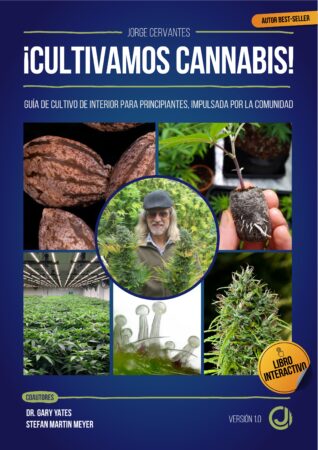
Jorge Cervantes, the Oregon-born, world-renowned cannabis cultivation expert and author of 50 books (including translations into 11 languages), has found fulfillment in his exciting career. He has scientifically proven his methods, emphasizing outdoor growing as the gold standard, and continues to work hard while enjoying the process, keeping his passion for cultivation alive.
Cervantes recounts the milestones in his career, including the translation of his books into Russian, Japanese, and various European languages. He highlights the booming popularity of his German editions, while holding up the iconic “Indoor/Outdoor Cultivation Bible” in “Italiano” during our video interview.
Having lived outside the United States for 25 years, Cervantes now resides in Spain where he tends to his backyard garden when he’s not traveling to cannabis conferences – or “fairs,” as he calls them – in Europe and North America.
Recently Cervantes attended Grow Up Conference & Expo in Toronto, and noted the camaraderie, professionalism and talent from growers and attendees. “I was amazed at just how smart those guys are, because there’s so many PhDs and it’s been open for so long,” he says, also noting the Canadian-Dutch partnerships, especially when applying greenhouse technology. Everything is dialed in, he says, “temperature and fertilizers and light; everything works in a perfect balance.”
Advertisement
Tommy Chong and Jorge Cervantes at Grow Up Toronto, 2024
“They’re taking clones this high [a few inches] that have recently been cloned and then putting them straight into flower, and they grow! They grow and they produce,” says Cervantes, who himself has lived in the Netherlands. “They always figure out how to do everything with the least amount of labour, and to use things twice or more times; they’re experts at it,” cutting time and utility bills as a result.
Cutting expenses is the place to be in this industry says Cervantes, “and the other thing is you got to get into heavy science so you know what the heck’s going on – you can’t be guessing about anything.”
From the beginning when all anyone was selling was seeds and fertilizer, Cervantes comments on the expansion of the industry: the commerce, the technology and practicality, and the research.
Impressive advancements in cannabis include the 25 American land-grant schools who have hemp programs and departments of study, similar of course to Canadian universities, as we now catch up on lost time due to prohibition. Cervantes cites the development of triploids, of genetics resistant to hop latent viroid, and the manipulation of autoflowers when “growing acreage of cannabis.”
Insofar as the smaller producers are concerned, Cervantes notes the focus on the soil and their proficiency in organic growing, and less progress in the area of genetics, which, he says, is where the PhDs come in. “Because I think that’s really important, to have PhDs everywhere, because you learn so much more. They know what stuff works and why, and they can do it again.”
Perspectives on cannabis descheduling
Cervantes awaits federal legalization or nationalization of cannabis in the United States, anticipating two big changes: “One is interstate dollars, and then the second one is banking.”
Once cannabis can cross state lines, the commodification of the plant will occur. A large percentage of the market he expects will be for oil production, where “field grown crops” can be homogenized into oil and edibles. “I think home growing is going to follow; it’s still kind of a novelty right now, but it’s going to follow a lot of vegetable and flower principles.”
We Grow Cannabis! Translated into Spanish
Much of Cervantes’ audience includes the home growers, however “it does get complicated because a lot of people are still at this stage where they want to grow more and get big, but the market is already flooded,” he says. “In Oregon you can grow four plants per person, and it’s like, the neighbourhood kids don’t even steal it anymore!”
There’s always going to be the exceptionally talented growers, those who grow better than others, “those guys are really my audience,” Cervantes says. “Those are the ones I love. Those are the ones I came with; we came together.” Many of the larger producers began with Cervantes’ basics, and they’re “younger and stronger and smarter,” he says.
While Cervantes thought it would be legal in 1978, and again by 1990, “but then they cracked down; it’s just political football.” Of course the tax revenue incentive compels decision makers, “but the thing that’s slowing everybody down is nobody wants to pay for research because [the politics are] not stable enough.” As the U.S. inches closer to federal descheduling, Cervantes suspects “those who are academically oriented that have low expenses will stay because I see the market getting real tight.”
The research that the nationalization of cannabis in the U.S. will instigate surpasses recreational drug use but includes an array of other uses such as hemp fibre and animal feed. Cervantes provides the example of a grass seed farmer in Salem, Oregon who fed hemp to his racehorses and noticed a reduction in disease, better coats due to the omegas and a reduction or elimination of antibiotic use. “But he had to quit feeding them before the cut-off date because they would drug test the horses,” says Cervantes. “He went to the horse race commission in Oregon, and they said no. He was outside the building coming in, and they already told him no.” It takes time and it’s complicated, because “you’ve got to change a lot of minds.”
One way to change minds is to turn up the volume on science and the research demonstrating how producers operate. “If you can’t prove it, then nobody can invest in you. It’s that simple,” he says. Adding science to the equation can help producers and home growers alike skirt prevalent issues like hop latent viroid and maximize yields using cutting edge genetics. The lack of consistency comes through in this industry where Skittlez variety (and every grower claims to have the best Skittlez genetics) varies more than Black Cherry heirloom tomatoes.
A global sensation
What encouraged Cervantes to write about growing weed was the amount of misinformation circulating at the time.
“When I started it was pretty rough. It was cone reflectors with a halide light – a 1000-watt-er – hanging up over the garden,” he says. “I started asking questions and people gave me horrid answers; they couldn’t prove anything.”
His desire to learn and to teach others was the driving force behind his early work. “I just wanted a decent living, and I figured cannabis would be legal,” Cervantes says. “But I didn’t think much further ahead than that to be honest. I didn’t have some grand vision.”
Jorge Cervantes in the garden, 2010
Cervantes is proud of everything he was able to accomplish as a result. All of the travel: the moving around from Vancouver, B.C. to the Netherlands and Spain – the fun that was had. These are his fondest memories, along with the book translation milestones.
Concealing his identity until 2010 was due to the global politics surrounding cannabis, where hydroponic stores in Italy were raided and pallets of his books were confiscated, or being searched at international borders including Canada. Back home, he once had his lawyer call law enforcement to question whether or not Cervantes would be arrested, and if he wasn’t, then what they were doing was called harassment.
The legend continues his dedicated work, with several projects on the go, predominantly hinged around the desire to see “science dominate cannabis genetics,” he says. However, to this day, it’s organic raised beds, sun grown in a greenhouse that’s “always been best for me.”
Cervantes looks forward to experimenting with the new iterations of LED technology, but will always appreciate the complete spectrum of outdoor growing most. “It’s harder to control,” he says, “but they also have more natural immunity,” which is why he uses activated compost tea. Specifically, a mixture of manure and compost, aerated in filtered water. Cervantes also spent a great deal of time studying microbiologist and soil biology researcher Elaine Ingham’s work.
While crossing the Atlantic has become a fixture in his life, at 70, Cervantes looks forward to spending time at home, conducting soil tests and growing in the backyard of his new home. Except for the “big fair in Las Vegas,” Cervantes expects to stay mainly in Europe for now. However he fondly recalls the Canadian spirit, where everyone “gets along and there’s no petty jealousies,” just people working together to succeed and relishing a sense of community.
“Because there’s no secrets,” says Cervantes, “it’s just called hard work.”
Manitoba has several private cannabis distributors now available for producers selling into the market and looking for an alternative to direct-to-retail shipping or cross-docking.
Manitoba Liquor & Lotteries (MBLL) began seeking new applicants to offer cannabis distribution services in Manitoba in late 2023. This past February, the MBLL announced five companies that had successfully applied to participate.
Those five companies, Delta 9 Logistics, Open Fields Distribution, Maqabim Distributors, 100 LBS, and Lineage Distribution, have now passed the second stage of licensing and been issued their Cannabis Distributor License from the Liquor, Gaming and Cannabis Authority of Manitoba (LGCA).
“[Cross-docking] just kind of saved a couple bucks on shipping, but in some cases actually increased lead-time because you now had to wait for orders to pile up before you ship it out.”
Graham Taylor, Lineage Distribution
The first four licences were announced on June 20, while the most recent, Lineage Distribution, was issued its licence on July 3. Prior to this, the province’s cannabis operations launched a pilot project for cross-docking services with four distributors with a goal of decreasing lead times for shipments into the province and improving supplier access to small, rural, and remote retailers.
Graham Taylor, the president of Lineage Distribution, says cross-docking was well-intentioned but didn’t really solve the issue of getting products to retailers faster and more efficiently. Cross-docking is a method of distribution in which goods are received and stored on a short-term basis before being consolidated and sent to retailers.
“That really didn’t solve the biggest headaches that supplies and retailers were both feeling, which is really poor lead-times,” says Taylor. “That just kind of saved a couple bucks on shipping, but in some cases actually increased lead-time because you now had to wait for orders to pile up before you ship it out.”
Now, he explains, companies have the option of more long-term storage to better meet market demands for companies unable or uninterested in shipping individual orders to multiple retailers. Manitoba is one of the few provinces without a centralized warehouse or distribution system, instead allowing producers to ship directly to retailers.
He explains that some companies, like Lineage, had previously operated as distributors by storing products under a federal production licence. However, the new licence allows the province to more directly regulate and oversee the process through the MBLL and LGCA. Lineage also offers distribution in four other provinces.
Another benefit of going through a distributor vs. direct-to-retailer, adds Taylor, is that it can provide better inventory management in the province to ensure retailers have consistent access to products.
Sean Stewart, the founder of Hundred Pound Hauling (100 LB), which also has a distribution licence from the LGCA, says his team is taking a different approach to distribution by focusing on unique, exclusive products that can supply his own AAAAA Supercraft Cannabis stores, with two locations in the province, as well as other independent retailers in Manitoba.
Stewart says he sees this approach similar to the legacy cannabis market, where only certain growers or cultivars could be found at certain stores, or in the clothing or sneaker worlds with unique, limited-edition products that can only be found in specific stores.
“The original intent of this is to help bring in the best of the best, not just for Supercraft, but all the independent retailers in Manitoba,” he explains. “I really want to try to give those advantages to those in the know. We’re hand-picking products, and we’re working with producers to create new formats and unique price strategies that are unique for Manitoba.
Manitoba currently has 206 private retail cannabis stores, 124 of which are in Winnipeg.
In the 2022-2023 fiscal year, Manitoba’s Cannabis Operations earned a comprehensive income of $31.3 million, a 27% increase from the year prior, or $6.7 million. Revenue generated by Cannabis Operations in 2022-2023 was $130.9 million in 2022/23, a 14% increase from the year prior, or $17 million.
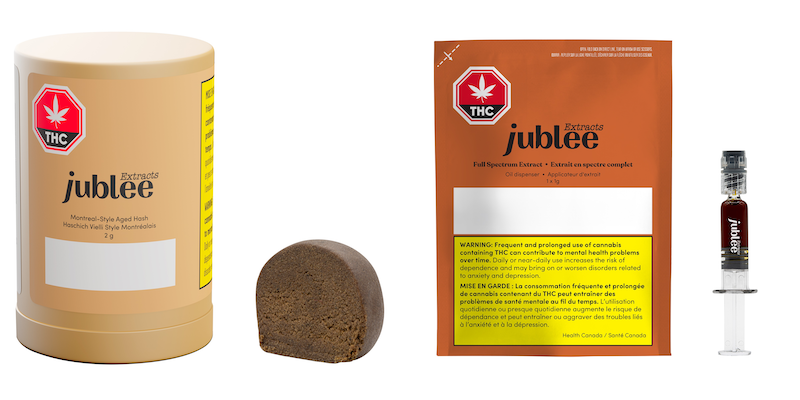
July 4, 2024, Montréal (QC) – Jublee, a brand by research-driven cannabis company Gayonica, has launched a new line of cannabis concentrates, marking the business’s entry into the extracts category. The new Montréal-Style Aged Hash and Full Spectrum Crude Extract build on Jublee’s portfolio of cannabis topicals and edibles, offering more opportunities for users to benefit from well-dosed wellness.
Jublee’s Montréal-Style Aged Hash pays homage to classic cannabis traditions. Crafted and aged for a minimum of three months, the soft, malleable hash is designed to deliver an old-school flavour and texture.
“Our Montréal-Style Aged Hash is a direct heir to the legacy products we used to crave and love,” said Alex Poulin, Chief Innovation Officer at Jublee. “It’s meticulously crafted to provide an authentic experience, evoking a sense of nostalgia with every inhale.”
Ideal for rolling into joints or sprinkling on a bowl, this hybrid-blend hash of Indica species contains a rich profile of terpenes, including Farnasene and Caryophyllene. The slow aging process produces naturally occurring CBN, and enhances its enticing aroma, leading users on a leisurely trip down memory lane.
Key features of Montréal-Style Aged Hash:
Extraction process: dry sift
Aging: minimum three months
Species: Indica blend
Terpenes: Farnasene, Caryophyllene
Jublee’s Full Spectrum Crude Extract is a thick, dark and velvety multipurpose extract that can infuse rolling papers and culinary creations, providing a versatile addition to any cannabis enthusiast’s collection. For more information on pricing and availability, please visit here for Ontario and here for Alberta. Images can be found here.
Further market expansion is on the horizon for Jublee, with the full product portfolio available in Manitoba through Maq Distributors and in Saskatchewan through NCD wholesalers from July 11, 2024.
About Jublee Jublee, a Quebec-based cannabis company, meticulously crafts infused fruit bites and topicals, drawing inspiration from old-world recipes and ingredients. Made by cannabis and extractions experts, the extracts contained in the products are mostly made at Jublee’s facility, ensuring the highest quality and consistency, every time. For more information, visit Jublee.
ByJacqueline St. Pierre, Local Journalism Initiative Reporter, The Manitoulin Expositor
SUDBURY — Cross examination of expert witness Dr. William Newbigging, a professor of History and Anishnaabemowin, began last week in the controversial case involving ten defendants charged with operating unregulated cannabis stores in the communities of Wahnapitae, Henvey Inlet and Garden River First Nations.
On January 24 of this year, the Expositor reported on the potentially precedent setting case involving ten First Nations defendants who filed a constitutional challenge four years ago. The defendants contend that that after the legalization of cannabis in 2018, the charges against them violate their rights as First Nations to trade the substance as a means of economic development.
The accused are charged with breaking the Cannabis Act and the Controlled Drugs and Substances Act. They have admitted to the actions that led to the charges. After years of legal proceedings and two dismissal attempts by the Crown, one question remains: Do these laws infringe on the accused’s traditional rights to use and trade cannabis and hemp, making them inapplicable under section 35 of the Constitution Act, 1982?
Advertisement
At the centre of the controversy, are claims that all ten defendants, David Brennan, Sarah McQuabbie, Harley Hill, Clayton Hill, Chadwick McGregor, Michael Nolan, Dennis Wigmore, Derek Roque, Noble Boucher and Luke Klink are in fact descendants of the Amikwa Nation, who didn’t enter into treaty negotiations nor ceded their territory.
Thomas Lambert, the employment and training manager for Nippissing FN reached out the Expositor to denounce the Amikwa as a fraudulent organization representing themselves as a First Nation. In an emailed statement, Lambert asserted that Swinwood was “trying to use the history of a group that does not or ever existed”.
January 31, February 1, 2, and more recently on March 12 and 14, 2024, Regional Senior Judge for the Superior Court of Ontario heard the defence, Michael Swinwood’s, proposal to call Dr. William Newbigging as an expert “with respect to the history of the Anishnaabe people of the Great Lakes, particularly Lake Huron, and with respect to the Amikwa people.” Lambert compared the Amikwa to Métis Nation of Ontario, who is currently under fire by the Chiefs Of Ontario as the Robinson-Huron Treaty case is winding up.
Jeannine Plamondon and Brian Bencze, for the Crown, opposed the request and a voir dire, or a “trial within a trial” was held to determine whether Newbigging, a professor of History and Anishnaabemowin, would be admitted as an expert in the existence of the Amikwa as a nation.
In March, Dr. Newbigging was cross examined for three days. Dr. Newbigging submitted multiple reports crucial to the case, including “The People of the Amikwa Nation” (June 2022) and a response to Alexander von Gernet’s reports from October 2023, dated December 8, 2023. His testimony during cross-examination focused extensively on these reports, as well as on another report prepared for a different case: “The Anishinaabe Presence on the Penetanguishene Peninsula: With Specific Reference to the Amikwa Presence in Tiny Township” (October 31, 2023), commonly referred to as the “Tiny Township report.”
Since Dr. Newbigging is a witness for the defense, two important points need to be considered. First, according to legal precedent, a trial judge has the authority to be flexible with rules about what evidence can be presented if sticking strictly to those rules could lead to a miscarriage of justice and if the concerns the rules are meant to address aren’t present in this case. Second, if the judge thinks about not allowing defense evidence because its harmful effects are greater than its usefulness, they can only do this if the harmful effects “significantly outweigh” its usefulness, as originally written.
Judge Boucher deemed the threshold of admissibility as valid, and the trial is officially began at in June. Cross examination for Dr. Newbigging will resume September 9 and 10, 2024.
The outcome of this landmark case could have far-reaching implications for First Nations’ sovereignty and their rights to economic activity within their territories. As proceedings continue, stakeholders await Judge Boucher’s ruling on whether Dr. Newbigging’s testimony will influence the case’s outcome.
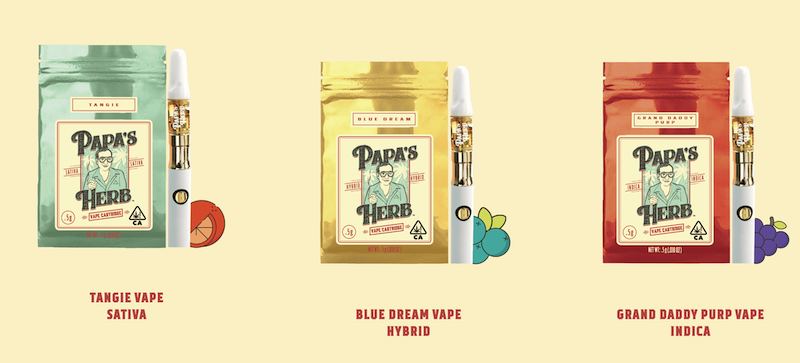
Papa’s Herb, a rapidly expanding cannabis brand in North America, has partnered with Calgary’s Chinook Cannabis to become the first legally sold disposable vape brand at a Canadian music festival since the AGLC regulations were updated on February 1st, 2024, making Alberta the first province to make these changes, creating new job opportunities.
“It’s an honour to be the brand that helps Canada usher in another first for the cannabis industry,” said Nate Benser, CEO at Papa’s Herb. “Nothing compliments live entertainment like cannabis, so having our RNTZ and Lemon Cherry Gelato disposables available for purchase ensures the millions attending have the best experience possible.”
“Badlands is one of Canada’s largest EDM festivals, our company is a well-regarded Cannabis retailer in Alberta, and our partner, Papa’s Herb, is the most distributed cannabis brand in North America with over 4,000 retail partners,” said Casey Baer, CEO at Chinook Cannabis. “Bringing the three together for this historic event felt natural as we lead the way in Canada, thanks to the Alberta government.”
The Chinook retail pop-up, featuring Papa’s Herb, will be located in front of the Badlands stage tent and will sell RNTZ and Lemon Cherry Gelato disposables among other adult-use cannabis products. Representatives from Badlands, Chinook Cannabis, and Papa’s Herb are available for comment.
Learn more about Papa’s Herb here. Learn more about Chinook Cannabis here. Learn more about Badlands Music Festival here.
About Papa’s Herb Papa’s Herb is a leading cannabis brand known for high-quality, affordable products, available in over 4,000 dispensaries across North America. Rooted in family values and inspired by Papa’s story from Miami in 1985, the brand honors his legacy of providing exceptional, accessible products. At Papa’s Herb, we continue his tradition of quality and value, offering a diverse range of cannabis products for all users.
Many of our favorite vegetable plants are adversely affected by sunburn, heat stress, poor yields and quality due to environmental factors. It’s not only commercial growers that need to protect their crops from these problems; home gardeners need strategies to optimise their harvest. Many places worldwide are facing hotter and drier growing conditions. So, it’s essential to find ways to protect our edible crops to minimise damage, improve growth and harvests.
Like many gardeners, I’ve battled intense UV rays, heat waves, and drying winds in our subtropical climate for years. High temperatures (35–40°C) caused by increased solar radiation can devastate plant growth and reproductive development. While plants need sunlight to photosynthesise, too much light and heat can cause crops like lettuce, rocket and coriander to bolt quickly. Using microclimates with filtered light is an excellent strategy, and shade cloth can help.
Considerable research into using shade cloth in different colours and shade ratings provides insights into a viable solution to some of these challenges. Multiple studies (2) reveal improved yields and quality of many crops, including fruits, vegetables, ornamentals, herbs and tea.
How Does Shade Cloth Work?
Using shade cloth enables us to control the microclimate conditions under which plants grow. We can safeguard crops from potentially damaging environmental conditions, including excess sunlight radiation, drought, high temperatures, frost, drying winds, hail and flying pests.
Shade cloth is made from various materials, including polyethylene, polypropylene and polyester or acrylic by-products. Netting varies in light transmission rates, reflection and absorption of light, and air permeability depending on the shade intensity and colour.
The higher the shade factor of the woven fabric, the more radiation is blocked.
Knitted shade cloth is ideal for home gardens because it is hardwearing, long-lasting, UV-resistant, lightweight, and easy to handle. It is made from polyethylene, which deflects light and heat.
The density percentage refers to the level of sunlight that is blocked. For example, 30% shade cloth stops 30% of the sunlight from penetrating the plants underneath. This density suits many fruiting crops that can tolerate heat. Heat and light-sensitive plants like lettuce and leafy greens grow well under higher density shade of 50% without harming growth.
It’s a balancing act between plants receiving sufficient energy from the sun to photosynthesise and enough shade relief to mitigate potential damage.
Does the Colour of Shade Cloth Matter?
The research confirms yes! White shade cloth reflects heat and light, making the temperature cooler. Darker colours, like black, absorb the sun’s heat while filtering the light.
Neutral shades (black, grey and white) reduce the quantity of light that reaches plants. Whereas coloured photo-selective netting (blue, red, yellow and pearl) diffuses or filters out different light spectrum wavelengths. The pearl net scatters light to a greater extent than any other colour.
Coloured shade cloths filter light in ways that affect plant responses. Light affects plant photosynthesis, leaf growth and size, crop size, yields, and phytochemical production.
For example, one study (5) reveals that red and yellow nets stimulate the vegetative growth cycle and foliage vigour on cilantro-coriander, parsley, and basil. Meanwhile, blue netting was found to stunt growth and decrease yields. The research concludes that various plant species respond differently under different coloured nets.
It is clear from the various studies that no one-size-fits-all shade cloth optimises the results for all plants! Each species has a complex interaction with light. One study (4) explains that “plants respond to light quantity, quality, direction, and periodicity. There are numerous photoreceptors in plants, including chlorophylls, phytochromes, cryptochromes, phototropins, and ones that react to green light. Light and other environmental cues enable plants to adapt to environmental conditions.”
Key Findings on Popular Crops
There’s a wealth of research across a wide range of crops. These are a few results for some of our favourite vegetables.
Capsicums
Research(1) on bell peppers (capsicums) found that yields improved significantly under 35% black shade cloth compared to unshaded plants. The plants were less prone to blight and sunscald. “Optimal shade level for maximal fruit yield was that which maximised the cooling effect resulting from the reduction of infrared (IR) radiation and minimised the decrease in net photosynthesis resulting from a reduction in photosynthetically active radiation (PAR).”
Interestingly, the soil temperature under shade cloth was reduced to the optimum temperature of 27°C. Additional benefits of shading peppers include less moisture loss and an extended harvest season. Capsicums had the best yields and quality under 30-47% shade cloth(1).
Lettuce
Another study(3) confirmed 37% shade under red nets to 55% under black nets provided optimal light conditions for growing lettuce in summer. The leaf size increased, heads were bigger, and outer leaves were greener, softer and more tender than non-shaded lettuce. Nutritional content was significantly higher in non-shaded control plants and under the pearl colour than in other nets.
Tomatoes
Responded best under 35%-50% shade intensity netting with pearl and red colours achieving the best overall results. Red shade cloth had the highest nutritional results(6).
Cucumber
Yields were highest under pearl shade cloth(7).
Advantages of Shade Cloth
Many studies reveal consistent results and benefits over a wide range of crops. Overall, shade cloth nets of any colour with moderate shading (30-50%):
• Prevent fruiting crops from suffering sunburn.
• Decrease moisture loss and water stress.
• Increase water use efficiency in plants.
• Protect crops from excessive solar radiation and insect, bird or hail damage.
• Modify the air, plant and soil temperature, shade and humidity growing conditions.
• Increase the size and colour of leaves.
• Control light quality by increasing diffused (scattered) light.
Shade cloth can be used on a small scale in home gardens in many ways. It can be installed over arches, vertical garden structures and as temporary, seasonal covers that can be rolled up and stored in the cooler months. I can’t imagine growing our summer garden without it. We want lots of leafy salad ingredients, but growing them is challenging in the heat.
What are the Key Takeaways For Using Shade For Vegetables?
Using shade cloth provides distinct benefits for mitigating the impact of climate-related weather and growing conditions.
Plant species respond uniquely to different coloured nets. Choose one that will protect the plants we want to grow.
Studies(2) show shading can decrease air temperature by 1–5°C, reducing heat stress.
For home gardeners, particularly those that experience hot summers with intense sunlight and heat, shade cloth at 35% shade level can provide some significant benefits for a range of crops(6) and particularly in a light colour.
References:
1. Bell Pepper (Capsicum annum L.) Crop as Affected by Shade Level: Fruit Yield, Quality, and Postharvest Attributes, and Incidence of Phytophthora Blight (caused by Phytophthora capsici Leon.) Hortscience 49(7):891–900. 2014.
2. Zhang Q, et al (2022) Color Shade Nets Affect Plant Growth and Seasonal Leaf Quality of Camellia sinensis Grown in Mississippi, the United States. Front. Nutr. 9:786421.
3. SZ. Ilić et al. Light modification by color nets improve quality of lettuce from summer production, Scientia Horticulturae, Volume 226, 2017, Pages 389-397, ISSN 0304-4238.
4. Use of Colored Shade Netting in Horticulture. Robert H. Stamps. Hortscience Vol. 44(2) April 2009.
5. Ilic, Zoran & Fallik, Elazar. (2017). Light quality manipulation improves vegetable quality at harvest and postharvest: A review. Environmental and Experimental Botany 139 (2017) 79–90. 139. 79-90.
6. Nangare, D.D. et al. (2015). Effect of green shade nets on yield and quality of tomato (Lycopersicon esculentum Mill) in semi-arid region of Punjab. Asian Journal of Advances in Basic & Applied Sciences. 1. 1-8.
7. Tafoya, Felipe et al. (2018). Sunlight transmitted by colored shade nets on photosynthesis and yield of cucumber. Ciência Rural. 48. 10.1590/0103-8478cr20170829.
In a recent press release, the Internal Revenue Service advised that cannabis companies refrain from taking federal tax deductions for business expenses. While these deductions are provided for other businesses under section 280E, cannabis businesses aren’t allowed to mainly because the drug is still a controlled substance.
Section 280E doesn’t allow credits or deductions for any amount incurred or paid in conducting any business or trade that includes trafficking a Schedule 1 or 2 substance. This applies to businesses that sell cannabis, even if they operate in legal states. Currently, cannabis is classified as a Schedule 1 substance under the Controlled Substances Act. However, the drug may soon be moved to Schedule III once the Department of Justice completes its review.
In its press release, the IRS explained that cannabis was subject to the limitations of the Internal Revenue Code and any taxpayer who sought a refund of taxes paid related to the aforementioned statute by filing amended returns wasn’t entitled to a payment or refund.
This statement comes at a time when some multistate cannabis operators have begun seeking refunds for the “excess” taxes they paid in the previous years because of Section 280E. For instance, Trulieve recently revealed that it applied for and received $113 million in refunds. The company is the primary backer of a legalization campaign in Florida.
The IRS explained that the Department of Justice hadn’t finalized its recommendation to reclassify cannabis, adding that there was an open public-comment period ongoing. In addition, the agency noted that it was possible the proposed change in policy would be subjected to an administrative hearing review.
It should be noted that the IRS 280E statute doesn’t forbid an individual in the industry from reducing gross receipts by calculating the cost of goods sold to determine gross income.
Meanwhile, some states have taken steps to offer tax relief to cannabis businesses subject to section 280E despite the federal rule not having changed. In April 2023, Representative Earl Blumenauer reintroduced a resolution that would alter the IRS code to permit state-legal cannabis businesses to take federal tax deductions afforded to companies in other industries. This comes after the Congressional Research Service noted that the IRS had provided little guidance on how Section 280E would be applied.
About CannabisNewsWire
CannabisNewsWire (“CNW”) is a specialized communications platform with a focus on cannabis news and the cannabis sector. It is one of 60+ brands within the Dynamic Brand Portfolio @ IBN that delivers: (1) access to a vast network of wire solutions via InvestorWire to efficiently and effectively reach a myriad of target markets, demographics and diverse industries; (2) article and editorial syndication to 5,000+ outlets; (3) enhanced press release enhancement to ensure maximum impact; (4) social media distribution via IBN to millions of social media followers; and (5) a full array of tailored corporate communications solutions. With broad reach and a seasoned team of contributing journalists and writers, CNW is uniquely positioned to best serve private and public companies that want to reach a wide audience of investors, influencers, consumers, journalists and the general public. By cutting through the overload of information in today’s market, CNW brings its clients unparalleled recognition and brand awareness. CNW is where breaking news, insightful content and actionable information converge.
To receive SMS alerts from CNW, text CANNABIS to 888-902-4192 (U.S. Mobile Phones Only)
Please see full terms of use and disclaimers on the CannabisNewsWire website applicable to all content provided by CNW, wherever published or re-published: https://www.CannabisNewsWire.com/Disclaimer
Lifeist Wellness Inc., a health-tech company that leverages advancements in science and technology to build breakthrough ventures that transform human wellness, is pleased to announce that the board of directors has appointed Andrea Judge to the positions of Vice President Operations of Lifeist and Chief Executive Officer of Mikra Cellular Sciences (“Mikra”) effective immediately.
Andrea brings a wealth of experience in sales, marketing, and executive management to Mikra. She started her professional career in marketing at Red Bull and advanced through a series of increasingly senior positions in the medical aesthetics industry. Her background and passion for health and wellness coupled with her extensive entrepreneurial and leadership experience make her perfectly suited to the top role at Mikra.
“I’m excited to lead Team Mikra through a bottom-up reimagining of its sales and marketing approach,” said Andrea Judge, CEO of Mikra. “Our product catalog consists of truly exceptional offerings with new products, including Focus, on the way. I look forward to dramatically improving Mikra’s sales performance across a range of new initiatives. We will have more to tell our customers and other stakeholders very soon, and we are all looking forward to a transformative 2024 together.”
About Lifeist Wellness Inc. Sitting at the forefront of the post-pandemic wellness revolution, Lifeist leverages advancements in science and technology to build breakthrough companies that transform human wellness. Portfolio business units include: Mikra, a biosciences and consumer wellness company developing and selling innovative products for cellular health; and CannMart, which operates a B2B wholesale distribution business facilitating recreational cannabis sales to Canadian provincial government control boards including for CannMart Labs, a BHO extraction facility producing high margin cannabis 2.0 products.
Information on Lifeist and its businesses can be accessed through the links below:

















Recent Comments