PreveCeutical Medical Inc. announces that it, along with certain others, filed a Notice of Civil Claim (the “Claim”) in the British Columbia Supreme Court on June 5, 2024 against its former legal counsel (the “Defendants”). The Claim alleges that the Defendants were negligent in the provision of legal advice in relation to the Company’s issuance of a news release and material change report in connection with a previous private placement which resulted in the issuance of a Notice of Hearing by the Executive Director of the British Columbia Securities Commission on February 14, 2022. The Notice of Hearing was dismissed by the British Columbia Securities Commission on May 2, 2024.
The plaintiffs, which include Stephen Van Deventer and Asterion Cannabis Inc., are seeking damages, which include losses for reputational harm, financial losses, loss of financing and other business opportunities as well as losses for legal expenses in relation to proceedings arising from the Notice of Hearing.
Due to uncertainties inherent in litigation, it not possible for the Company to predict the timing or final outcome of the legal proceedings against the Defendants or to determine the amount of damages, if any, that may be awarded.
About PreveCeutical PreveCeutical is a health sciences company that develops innovative options for preventive and curative therapies utilising organic and nature identical products. PreveCeutical aims to be a leader in preventive health sciences and currently has five research and development programs, including: dual gene therapy for curative and prevention therapies for diabetes and obesity; the Sol-gel Program; Nature Identical™ peptides for treatment of various ailments; non-addictive analgesic peptides as a replacement to the highly addictive analgesics such as morphine, fentanyl and oxycodone; and a therapeutic product for treating athletes who suffer from concussions (mild traumatic brain injury). For more information about PreveCeutical, please visit www.PreveCeutical.com, follow us on Twitter: http://twitter.com/PreveCeuticals and Facebook: www.facebook.com/PreveCeutical.
EMFs accomplish this by taking our body’s atoms, like the grains of sand in the video above, out of their naturally-aligned state.
All biochemical processes that happen inside us have a charge, and determine how we shuttle and donate electrons to our cells.
How do we revive our battery?
By replenishing our store of electrons in the form of natural EMFs from the Earth and Sun above us.
You see, we are electric beings living in a cosmic battery.
The Earth is the negative (-), grounding part of this battery, and the Sun is the positive (+) end. You can think of the Sun as the red cable we attach when trying to jumpstart our car. We want to make sure we’re connected to the black cable of Earth first before getting charged up with the red, otherwise we can fry ourselves.
Earth is an anode (negative ground), the Sun a cathode (positive charge)
For example, wearing sunglasses can leave our bodies only partially connected to the red cable of the Sun, causing “sparks to fly” as sunburn on our skin. Being totally wired and grounded to both the “black” and “red” would mean living as our ancestors did – having our skin and eyes connected to the natural EMFs of our cosmos.
When our eyes are exposed to UV from Sunlight, they secrete MSH (melonocyte-stimulating hormone), which produces melanin that ultimately protects our skin from too much UV:
4 Ways Sunglasses Harm Our Health
I banned Ray-Bans from my life a long time ago. Why? I allowed common sense to conquer my fear of those ‘damaging” UV rays I was always told about. I thought: if us humans haven’t gone blind after thousands of years of evolution, why would I? Plus I would lose my glasses all the time…
All of the cells and organs run on frequency. Our brains sing to the rhythm of the Schumann Resonance, which is the foundational frequency of Earth known as ELF (extremely low frequencies). ELF (or Earth Living Frequencies) range from 8-32 beats per second (Hz), and literally keep all life on our planet beating in time.
These frequencies ensure our circadian (around a day) rhythm is in tune with our biology. All of life’s hormones and metabolism is regulated by this circadian metronome, with ELF as the conductor.
How can we ensure that the rest of the orchestra of our body, like those poor flute players who are often put in the back of the musicians, “hear” the melodies that the Earth is playing for us?
How do we make our battery work as it should, with our body voltage flowing the way nature intended, as negative ions are absorbed by our feet, as positive ones leave our bodies and ascend to the Heavens?
When our feet touch the ground, we ensure that all of our cellular musicians are playing in tune with one another.
For instance, biophysicist James Oschmann and Dr. Stephen Sinatra ran a study to determine how grounding can affect thickening (viscosity) of our blood.1
James Oschmann, Ph.D.
How Grounding Helps Prevent Blood Clots
Their studies showed that when we ground, our blood cells clump together less (reduced viscosity), which ultimately helps reduce risk of cardiovascular disease. When we aren’t grounded, our red blood cells lose electrical charge, which can thicken our blood leaving us predisposed to blood clots.
Blood on the right is after 45 mnutes of grounding, has less clumps and has a healthier “zeta potential” (electrical charge)
This study is especially relevant today as our body’s calcium levels are affected by magnetic fields. Calcium helps regulate coagulation of blood.2
A note on Grounding and DNA repair
“Grounding programs our cells’ proton spin = this properly recycles hydrogen atoms in our DNA/RNA backbones to make us seasonally responsive to light variations. “
–
Remember- light is EMF. When our bodies are properly synced to circadian rhythms, we have the best chance of optimizing gene expression.
EMFs create what are known as free radicals in our body, which can damage our organs and wreak havoc in our cells if we don’t have a balanced amount of antioxidants. We can eat as many blueberries as we like, but if we’re only sitting on the couch, the antioxidants won’t have a strong enough electrical force pushing them where they need to go.
Grounding creates voltage in our body’s battery, known as the DC (direct current) electric circuit, sending electrons to those areas that to be recharge with antioxidants in order to lower inflammation.
The upper images are from a case study of a 44-year-old woman with chronic central back pain. After sleeping on land for 4 nights, she reported a 30% reduction in pain and after 8 weeks, the pain was completely resolved.
The lower images are of an 85-year-old male suffering from chronic low back pain and recurrent shoulder pain. After 2 nights of sleep, he reported a 50% reduction in pain and after 4 weeks, he reported pain resolution and improved sleep.3
When we ground, we form a sort of electromagnetic forcefield that connects us back to Earth, and makes it harder for those Predatory wireless frequencies to “see us” as they build up free radicals in our cells, leaving our immune system open to damage.
Arnold evades The Predator by coating himself in thick jungle mud. Avocado face creams are for sissies.
However this does not mean that grounding is an ultimate solution, especially with contraptions like indoor shielding or earthing bedsheets. Most of our homes carry what is known as dirty electricity through our power outlets, and many earthing bedsheets and grounding devices will plug into these as well, exacerbating harm.
The Power Couple by Roman Shapoval
Why EMF Shielding Doesn’t Work
I’ve never worn a tin foil hat, although I’ve been accused of this fashion offense many times. Tin foil hats, as it turns out, can actually work, just not in the way we think they do. In the 1960s, biologist Allan Frey conducted experiments for the US military, showing that a protective aluminum wire mesh could shield from electromagnetic fields, oth…
Our planet even has electromagnetic paths known as Hartmann-Curry lines that can harm our organs and lead to chronic disease.
How I like to Ground
Personally, I’ll try to spend as much time outdoors on the grass as possible, especially first thing in the morning as the ELF from the Schumann Resonance is most potent (many electrical devices and people haven’t gone online yet).
I also like to go barefoot by bodies of water, as they are natural electrical insulators, or a type of faraday cage.
Tapping into the electrical insulator that is Niagara-on-the-lake. Can’t wait for that hot coffee.
Ever wonder why dogs and animals love rolling around in the grass so much?
It’s because they love discharging protons and gathering electrons from the Earth.
Our metabolism functions according to what is called the electron-transport chain. When electrons don’t line up correctly, the chain breaks. Oxygen also holds these train cars together, and grounding provides the train tracks for this process to occur.
However the train can veer off course when we over-expose ourselves to EMFs as they dysregulate oxygen metabolism in our cells.4 This is why in future articles I’ll also be covering strategies on how we can optimize oxygen in our cells.
Maybe it’s time we start to roll around with them a little more.
Who cares what the neighbors think?
What’s the worst they can say, that we’re animal lovers?
This is Part 3 of a series in How to Treat EMF Radiation.
CBC ran an article discussing the low number of people interested in a pardon for a cannabis offence. Nearly five years since the program was launched, the Parole Board of Canada says only 845 pardons for cannabis possession have been granted.
In BC, North Saanich council approved a cannabis store. This final vote follows a months-long process that included several rounds of public engagement and a public hearing on May 27.
Indiva Limited provided an update to the information contained in its press release dated April 2, 2024, regarding its agreement with SNDL Inc. Indiva says the date by which it is required to have satisfied certain current liabilities under the Amending Agreement with SNDL has been extended to June 13, 2024.
ZYUS Life Sciences Inc. received a Cannabis Drug License for its processing facility located in Saskatoon, Saskatchewan, which is dedicated to the manufacture of pharmaceutical-grade cannabinoid formulations.
Redecan Cannabis announced a new flower SKU, ‘Purple Churro’, available in 3.5g and 14g dried flower formats in Ontario, Alberta, and coming soon in Manitoba and British Columbia, with further national expansion expected later this summer.
Bud Bash held an event at Parkdale in Toronto on June 6, and the C-45 Quality Summit was held in Hamilton on June 7, featuring speakers from Health Canada, the OCS, and AGLC.
Canopy Growth Corporationannounced the establishment of an at-the-market equity program that allows them to issue and sell up to US$250 million of common shares of the Company. Canopy Growth intends to use the net proceeds from the ATM Program, if any, for investments in businesses and/or to fund any potential future acquisitions and for working capital and general corporate purposes, which may include the repayment of indebtedness.
International cannabis news
Most of the earnings from the illicit cannabis market in the Netherlands stay in the country, according to Statistics Netherlands. About 1.4 billion euros stay within the Dutch economy, while about 0.2 billion euros go abroad.
Living in the material world means an attachment to wireless technology. When does an attachment become an addiction?
Can you do without a cellphone? Watching TV? Scrolling social media? How much time in a day does wireless occupy? What do you consider excessive use? Do you experience withdrawal symptoms (moodiness, irritability, depression) by going without? Would you consent to the imposition of technology at the risk of harming your health and potentially all biological life?
Mohamed Hassan from Pixabay” width=”300″ height=”174″>
Unfortunately, the emotional and physical effects of invisible electromagnetic frequencies (EMFs) are not listed on the package. If you have two or more of the following devices; cell phones, computers, GPS, Smart appliances, electric cars, wearables, and Smart™ TVs, or electric cars, then there are symptoms you may never hear about.
The manufacturer does not disclose that EMFs activate the hidden world of yeast, fungus, mold, mycoplasma, Lyme spirochetes, and protozoan parasites to unhealthy levels in the human body.
The consequence of WiFi is a rise in chronic infections that can be misdiagnosed.
The industries responsible for creating this silent connection between EMFs and infection fail to take responsibility. The line between what will protect you, and what will not, has never been less clearly defined.
As 5G towers become compatible with 6G, 7G and beyond, who is responsible for the consequences?
Naturopath Dr. Klinghardt, of the Sophia Health Institute, shared an in vitro mold experiment comparing a mold plate shielded from electromagnetic fields to an unprotected mold plate exposed to ambient electromagnetic fields. The unprotected mold, mycoplasma, and spirochete (Lyme) reacts defensively by releasing more potent biotoxins, and by multiplying more than 600 times. This biological response can be observed anywhere in Nature; it is the desire to survive and thrive. In 2011, the amount of cell phone radiation in a cubic inch of air was several million times higher than it had been a decade before that.
[embedded content]
Billions of people worldwide harbor tropical worms and don’t know it. They don’t know that cell phones and cell towers trigger their activity. They don’t know that mold, parasites, and other microbes respond by becoming chronic infections. Medical doctors do not automatically rule out parasites, even though there are over one million worm species, alone, classified as helminths.
Helminths take many forms, but all of them harm their host in some way. In humans, they can live in the intestinal tract, urinary tract, bladder, or bloodstream, causing a variety of illness from malnutrition to organ failure” —Dr. Monica Botelho of Portugal’s National Institute of Health.
In endemic regions — predominantly sub-saharan Africa and Southeast Asia — flukes are responsible for the majority of all bladder and liver cancer cases. – Dr. Joachim Richter, Associate Professor at Charité Berlin and co-editor with Botelho.
Worms R us! When in balance, worms live with us in harmony Out of balance, they can invade and overpower any part of the body, including the eyes.
There are hundreds of large parasites that can enter the body by various modes, take up residence, and cause a variety of life-threatening diseases, including cancer. For worms to make a home in the body, the body must be conducive to their existence. The body is best suited for worms if it is depleted of essential minerals and nutrients, thus acidic.
It has long been established by study of Ascaris lumbricoides (phylum and species) in man as well as in laboratory hosts, that the larvae, on hatching in the small intestine, migrate through the liver to the lungs. On the eighth to ninth day after infestation, they move farther into the bronchii and then, via the trachea and esophagus, return to the intestine. It has also been shown that the larvae in their migration and development often cause extreme eosinophilia, symptoms such as shortness of breath and cough. —Naval Captain David P. Osborne, chief of surgery, Bethesda Naval Hospital
A search of Pubmed will net hundreds of published, peer-reviewed studies describing Dirofilaria in humans, a mere drop in the worm
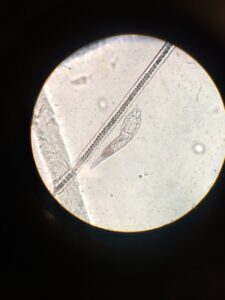
bucket. Dirofilaria immitis is a canine parasite that can infect humans, specifically it is a roundworm, otherwise known as a nematode. For instance, whereas Dirofilaria immitisinfects the heart and lungs, Dirofiaria repens infects the eye.
Patented Transgenic Insects
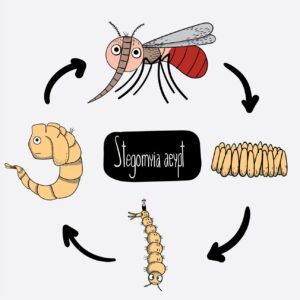
Dirofilaria, or heartworm, is transmitted by mosquitoes. An egg gets deposited through the proboscis, which is the long, flexible tube mosquitoes use to pierce the skin. There is plenty of evidence showing that mosquitoes are genetically engineered and patented.
Filarial infection of the breast is not rare, explain the authors. “The larvae enter the lymphatic vessels of the mammary gland, causing lymphangitis, fibrosis, and disruption of lymphatic drainage.” In late, inactive phases, the larvae appear on mammography as serpiginous calcifications. —Medwire News, 2005
Slowly, the information worming its way out into the public is that parasitic infestations represent the internal conditions called “cancer.” All cancers are, in fact, parasitic infections (with high Candida levels) even if not all parasitic infections present as cancer. Worms cause cancer. based on an acidic tissue environment.
Scientists at the Centers for Disease Control and Prevention have discovered cancer cells originating in a common tapeworm may take root in people with weakened immune systems, causing cancer-like tumors. It is the first known case of a person becoming ill from cancer cells that arose in a parasite – in this case, Hymenolepis nana, the dwarf tapeworm.
The report, in the Nov. 5 issue of the New England Journal of Medicine, raises concern that other similar cases, if they occur, may be misdiagnosed as human cancer – especially in less developed countries where this tapeworm and immune-system-suppressing illnesses like HIV are widespread.
“We were amazed when we found this new type of disease – tapeworms growing inside a person essentially getting cancer that spreads to the person, causing tumors,” said Atis Muehlenbachs, M.D., Ph.D., staff pathologist in CDC’s Infectious Diseases Pathology Branch (IDPB) and lead author of the study. “We think this type of event is rare. However, this tapeworm is found worldwide and millions of people globally suffer from conditions like HIV that weaken their immune system. So there may be more cases that are unrecognized. It’s definitely an area that deserves more study. – CDC, November 4, 2015
So why are we always the last to know?
Anti-Parasitic Protocol
In the Age of Information, ignorance is a choice.
Today, more people diagnosed with cancer have taken matters into their own hands and begun sharing information to heal. Their choice of medicine? An inexpensive pet dewormers/antihelminths called Fenbendazole found at the local pet store. Why don’t doctors tell patients that Fenbendazole is being studied as an anti-cancer drug?
It destroys microtubules that sustain the structure of the cancer cell and its ability to divide and multiply rapidly.It interrupts the cancer cells’ ability to process sugar, and cancer cells must metabolize sugar to survive.
It boosts the production of a cancer-killing gene called p53, a gene cancer patients may lack. When p53 becomes mutated or can’t keep cancer cells in check, cancer cells can proliferate.
The de-wormer also works against parasites, which might be the origin of some cancers.
Before you decide to blame all cancers on worms, realize that helminths are also being used as Immunotherapy (Helminthic Therapy) for Crohn’s disease and for malignancies. In a strange twist of fate, the earthworm’s immune system has shown an ability to kill cancer cells (in vitro). Could it be that a worm’s metabolism depends on a balance of oxygen supply and demand like their human hosts? Yes, indeed.
Is that why oxygen deprivation from EMF fields harm both host and worm?
Add Pulsed EMFs And Mix
The forces in EMFs are caused by EMF radiation, broken down into two categories:
High frequency EMF include: x-rays, gamma rays, or ionizing radiation, and
Low to mid frequencies include: electric power lines, radio waves, cell phones, wireless networks, smart meters, TVs, microwaves, infrared radiation, visible light, or non-ionizing radiation. These are the most dangerous emission, known to cause direct damage to DNA or cells.
Wireless communication (cell towers, phones, etc) is more dangerous because it produces pulsed EMFs. Pulsed EMFs are much more biologically active than are non-pulsed EMFs. When introducing pulsed electric and magnetic fields into a population infested with parasites and yeast, you have a recipe for dis-ease disaster.
Just as the chemicals and metal constituents of synthetic medications serve as a food source for these pathogens, so does radioactivity, which serves as an energy source for making food and spurring the growth of fungus.
Those fungi able to “eat” radiation must possess melanin, the pigment found in many if not most fungal species. But up until now, melanin’s biological role in fungi—if any–has been a mystery. —Albert Einstein College of Medicine, May 23, 2007
Humans are 1:10 human cells to microbes. What affects our smallest inhabitants also affects us. When our microbes perceive an attack from man-made frequencies, they release biotoxins in defense of their lives, even if it damages their host. Sit down before you watch this freakishly large worm (parasitic nematode) slither out of a dead spider host.
Biotoxins are released from microbial metabolism and die-off. This process drives inflammation in humans. As our microbes struggle to survive, they congest the host’s liver and impair digestion. The liver is unable to produce bile to digest fats which leads to a deficiency of fatty acids and eventually fatty liver disease, unrelated to alcohol.
Our microbes cause stress on the whole body, which leads to “Leaky Gut,” now an accepted term. Leaky Gut gave rise to the previously unknown field of neurogastroenterology, and the disorders of IBD, IBS, and Crohn’s disease. When the gut is “leaky,” microbes and their biotoxins leak into the bloodstream to infect other organs, including the brain, also known as “leaky brain.” In the brain, symptoms resemble depression, anxiety, and other neurological conditions.
Magnetic Fields
Sleep is critical for cell repair and regeneration. When electrical and magnetic fields barrage the body, day and night, the stress hormone, cortisol, is stimulated, which prevents normal elimination (constipation) and detoxification. As cortisol rises, melatonin falls. Sleep is elusive. Magnetic fields also alter the movement of minerals and metals the body. A loss of iron leads to anemia.
In 2005, Extremely low frequencies (ELF) have been documented as a possible carcinogen in children diagnosed with leukemia. More than a decade later, ELF exposures have only increased.
I personally suspect that the exposure to electromagnetic fields in the home and the microwaves from cell phone radiation are driving the virulence of many of the microbes that are naturally in us, and makes them aggressive and illness producing. Shielding patients from EMFs has been a more successful strategy to treating Lyme disease and to get people neurologically well than any of the antibiotics or any of the antimicrobial compounds. —Dr. Dietrich Klinghardt, MD, PhD, 2018
Solutions
1. EMF Shielding Tools With the rise of EMF fields a new EMF shielding industry was born. Now you can use the benefits of wireless technology and shield yourself from is health depleting effects using the following tools:
Use a blue light blocker covering for all your computer/laptop/tablet screens including cell phones.
Use blue blocking glasses when you are working on the computer (this does not protect skin.). Some people will use a blue light blocker (a thin film that covers the screen) and then also a 100% blue blocker of hard thick plastic at night. However be aware that many of the thinner unnoticable blue light coverings on the market do not protect 100% blue light.
Download a program (e.g.., Iris) onto your device that will automatically reduce blue light at night.
2. Cellphone-Free Communities: If you can live without electronic devices, there are cellphone-free communities forming. The Intentional Sanctuary Lifestyle Alternative (ISLA), it is located on 40 acres on the Pacific coast of Nicaragua:
Cell phones, WiFi, wireless mice and keyboards, AirPods, smart watches, wireless printers, and all other wireless devices will be prohibited in public and private spaces throughout the property. Interest is growing, and prospective home-buyers have already invested 1/4 of the amount needed to break ground and begin building. There is space for up to 200 homes in the future.
3, Natural Mold and Parasite Detox
Please support me! Thank you! from Pixabay” width=”215″ height=”300″>
If you will continue using electronic devices, know the symptoms of mold poisoning and parasitic infections. Secondly, prevent infections of mold, yeast, and parasites, by keeping your immune system strong and allowing it to work for you by acquiring natural infections.
Eat clean, organic foods. Drink clean water, and avoid drinking public tap water, especially if the water tower has 5G technology on top. Seek out natural spring water.
Avoid factory-farmed foods—sugar and processed grains, coffee, chicken, fish, and red meat—which generate an acidic pH in the body. Choose natural medicines vs. synthetic medicines. Seek out natural healers to assist. And be aware of parasitic relationships among your peers. As within So without.
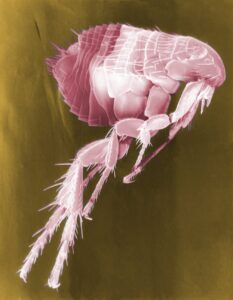
If you have a parasitic infection, try adding food grade diatomaceous earth. There are two strong herbs that can kill nematodes. One popular anti-parasitic herb is Thyme. Thyme is a culinary herb, but it also kills hook-worms, roundworms, threadworms, skin parasites and several types of harmful bacteria.
Other natural antifungal/antiparasitic herbs include: Black walnut hulls, high in iodine; wormwood, clove oil, oregano oil, and consider a cleanse diet. For other remedies, consult a natural health care practitioner.
When the worm population in the human body overwhelms the immune system, it is called a hyperinfection. At this stage, it may be difficult to kill the worms with herbs unless you eat clean. Using frequencies to target parasites through a Rife machine or homeopathic (energy) preparations can directly target parasites in the body, gently and safely. However, the Rife machine does not always solve the problem since parasites can shift their frequency and hide in the body to evade death. A diet and lifestyle change will be necessary by changing your habits to prevent the problems of living with EMFs.
Disclaimer: The author encourages you to consult a doctor before making any health changes, especially any changes related to a specific diagnosis or condition. No information in this article should be relied upon to determine diet, make a medical diagnosis, or to determine or prescribe a treatment for a medical condition. This information is not intended to replace a one-on-one relationship with a qualified health care professional and is not intended as medical advice.
According to a recent survey, the number of Americans who use marijuana daily or almost daily has increased relative to those who use alcohol at the same frequency. The findings, which have been published in the “Addiction Journal,” are based on information gathered over the previous 40 years by the National Survey on Drug Use and Health.
According to the report, 17.7 million people used cannabis daily in 2022, overtaking the 14.7 million people who drink alcohol every day for the first time. Although alcohol is still consumed more frequently overall, the survey shows that daily cannabis consumption has significantly increased over the past few decades.
In particular, there was a 15-fold increase in the number of individuals consuming cannabis every day, or almost every day, between 1992 and 2022. Less than a million people reported using it frequently in 1992, which was the lowest number since the survey’s inception in 1979.
The chief medical officer of the medicinal cannabis startup EO Care, Dr. Brooke Worster, noted that although there are more users now for a variety of reasons, more people are freely confessing to using cannabis as a result of the stigma around it being lessened. According to Worster, the rates haven’t changed as drastically as the survey suggests.
She also noted that more than the previous 20 years, the legal marijuana market has expanded dramatically, drawing a wide variety of users, including a large number of senior citizens.
Currently, 24 states and DC allow the recreational use of cannabis, and 38 states allow it for medical use. Despite this, the federal government has been hesitant to decriminalize or fully legalize cannabis nationally.
However, a major shift occurred recently when the U.S. Department of Justice (DOJ) moved to reclassify marijuana from Schedule I of the the Controlled Substances Act (CSA) to Schedule III. President Joseph Biden acknowledged the need for reform, stating that too many lives have been destroyed by a misguided approach to cannabis.
Worster also addressed the misconception that cannabis acts as a “gateway” drug leading to the use of more dangerous substances. Decades of medical research have debunked this myth, showing that the majority of marijuana users do not progress to harder substances. Nonetheless, she cautioned that young adults and users of high-potency cannabis products are at higher risk of developing marijuana-use disorder.
Marijuana-use disorder can result in serious health and social problems that affect a person’s safety and quality of life, but it does not cause organ destruction or death such as opioid and alcohol-use disorders do.
The increasing daily use of marijuana by Americans suggests that licensed entities such as Tilray Brands Inc. (NASDAQ: TLRY) (TSX: TLRY) could potentially see their sales grow steadily as more people become comfortable about using marijuana either for medicinal or recreational purposes.
About CNW420
CNW420 spotlights the latest developments in the rapidly evolving cannabis industry through the release of an article each business day at 4:20 p.m. Eastern – a tribute to the time synonymous with cannabis culture. The concise, informative content serves as a gateway for investors interested in the legalized cannabis sector and provides updates on how regulatory developments may impact financial markets. If marijuana and the burgeoning industry surrounding it are on your radar, CNW420 is for you! Check back daily to stay up-to-date on the latest milestones in the fast -changing world of cannabis.
To receive SMS alerts from CNW, text CANNABIS to 888-902-4192 (U.S. Mobile Phones Only)
Please see full terms of use and disclaimers on the CannabisNewsWire website applicable to all content provided by CNW, wherever published or re-published: https://www.CannabisNewsWire.com/Disclaimer
Health Canada proposes numerous, significant regulatory changes | StratCann
Thanks to our sponsors for supporting StratCann’s work!
Health Canada released numerous proposed regulatory changes to the federal cannabis rules and regulations on June 7, as part of a 30-day consultation process ending on July 8, 2024.
The proposed changes aim to encourage more diversity and competition in the legal cannabis market by reducing the regulatory and administrative burdens faced by licence holders.
The health agency that oversees cannabis published a Notice of Intent in the Canada Gazette, Part I, is seeking feedback on potential amendments to the Cannabis Regulations.
Those proposed changes include:
Increasing the threshold for micros from 200m2 to 800 m2 and the micro processing licence possession threshold from 600 kg to 2,400 kg of dried cannabis or its equivalent.
Removing the requirement for actual THC and CBD on product labels, only total THC and CBD.
Increasing the number of permitted alternate Quality Assurance Persons (QAPs) to “one or more” from the current allowance of “up to two”.
Licensed processors would no longer be required to provide printed copies of the consumer information document with every cannabis product package sent.
Adding grounds for suspension of any licences held by the same licence holder, should they have unpaid fees or have failed to submit a required statement of cannabis revenue for a licence as required under the Cannabis Fees Order.
Amending the Industrial Hemp Regulations to remove the maximum THC concentration of 10 parts per million for industrial hemp grain derivatives; the testing requirement; labelling for wholesale; and import and export requirements.
Allowing for differentiation in colour between the lid or cap of a container and the container itself.
Permitting cut-out windows on packaging for dried or fresh cannabis products and cannabis seeds, while upholding the exclusion of cut-out windows for all other classes of cannabis.
Allowing dried or fresh cannabis products, in addition to cannabis plants and cannabis seeds, to be packaged in transparent containers while maintaining existing rules prescribing opaque or translucent packaging of all other classes of cannabis.
Removing the cumulative 10 mg THC limit for an outermost container of edible cannabis product to allow greater flexibility in packing multiple immediate containers, as long as the immediate containers do not have more than 10 mg of THC each.
Removing the requirement to file an NNCP to Health Canada for dried and fresh cannabis products.
More on these proposed changes next week from StratCann. You can read more about them here.
Insight & News
Browse Categories
Thanks to our sponsors supporting StratCann’s work!
Recent Articles
Are you of legal age in your jurisdiction? By clicking “Enter” you are verifying you are of legal age to view the content of this website, or click “Exit” to leave.
(CNW) Montreal — At Wednesday’s Senate Finance Committee hearing, Imperial Tobacco Canada (ITCAN) sounded the alarm on the extraordinary new powers sought by the Minister of Health to unilaterally overrule the established and robust regulatory process for therapeutic products.
“Tucked away in the 2024 Budget Implementation Act is an amendment that will allow the Minister of Health to overrule the regulatory approval process for therapeutic products, which include any drugs, medical devices and natural health products,” said Eric Gagnon, Vice-President, Corporate and Regulatory Affairs, ITCAN. “This unprecedented power grab takes a science and evidence-based approval process for therapeutic products and taints it with ideological considerations.”
Section 326 singles out ITCAN’s new smoking cessation product, ZONNIC, despite Health Canada licensing ZONNIC as a nicotine replacement therapy under the Natural Health Products Act, which followed a two-year assessment, demonstrating its safety and efficacy for adults who want to quit smoking.
“Youth should not use nicotine products. Like cannabis and alcohol, nicotine should only be consumed by adults,” said Mr. Gagnon. “ITCAN has gone above and beyond the ZONNIC license requirements. While the tobacco industry tends to take the blame for youth use, it is not our products that are being accessed by minors. Rather, youth are accessing hundreds of unregulated and illegal brands.”
Advertisement
“No evidence has been provided that ZONNIC is unsafe; that it does not help smokers quit; or that youth are using it. The Minister is trying to justify his power grab by suggesting we have violated our license for ZONNIC, which is false. Extensive correspondence with Health Canada has confirmed this,” said Mr. Gagnon. “If Parliament is going to grant extraordinary powers to Ministers to pursue personal vendettas, it must also consider the consequences. We are the target today, but it could be any therapeutic product tomorrow, because these powers will exist for any future Health Minister.”
Wednesday’s Senate hearing follows many concerns raised in the House of Commons yesterday questioning the need for additional Ministerial authority, considering a regulatory framework currently exists that provides the powers to remove or restrict a product that is deemed a risk or not meeting the prescribed conditions of its product license.
Health Canada should approve and regulate products based on objective evidence, not the Minister’s personal beliefs or ideology. For this reason, Section 326 should be entirely removed, and the Minister should focus on addressing the lack of enforcement against illicit nicotine products across Canada rather than restricting a legitimate product that genuinely aids people in quitting smoking.
A company connected to OCS’s distribution warehouse recently received a federal cannabis processing licence.
Legacy Supply Chain, an omnichannel third-party logistics provider that operates the OCS’ distribution centre through their subsidiary Domain Logistics, received a standard cannabis processing licence from Health Canada in April.
The licence allows the company to expand its logistics services to include storage, transportation, and distribution of cannabis products to all Canadian licensed cannabis producers and expands on Legacy’s existing service capabilities by leveraging its experience in its omnichannel North American supply chain, says Mike Glodziak, President & CEO of Legacy Supply Chain.
“This licence enables us to offer supply chain services that create value for the LP community in Canada,” he said.
“Since legalization in 2018, we’ve operated the world’s most expansive recreational cannabis supply chain, ensuring the safe, secure, efficient, and responsible flow of products to conscientious consumers across Ontario. We are excited to partner with licensed producers, and are committed to providing innovative solutions that help them grow and scale their business across Canada.”
The new licence and facility will allow Legacy to give an easier path into the Ontario market, especially for western Canadian producers. Rather than sending multiple shipments to the OCS’ central distribution warehouse in Guelph (managed by Domain), producers can now ship one large shipment to Legacy Supply Chain’s new facility. Legacy can then send those products into the central warehouse for the producer, explains Kyle Krug, VP of Corporate Strategy at Legacy.
“The value we’re bringing to these LPs is the ability to help grow and scale their brands better,” says Krug. “If you’re a western Canadian LP, you can now, instead of spending a lot of money and time and effort transporting your product into Ontario for real-time fulfilment, we have a distribution warehouse in Ontario that has one day access to the Guelph DC.
“So essentially, for all LPs, but especially if you’re a western LP, you can shorten that time to market here in Ontario.”
Legacy manages all aspects of shipping, from the producer’s facility to their new processing centre, and from the processing centre to the OCS central warehouse.
The processing licence from Health Canada allows Legacy to handle and store the cannabis products, but Krug says the company has no plans for any value-add processing under the licence.
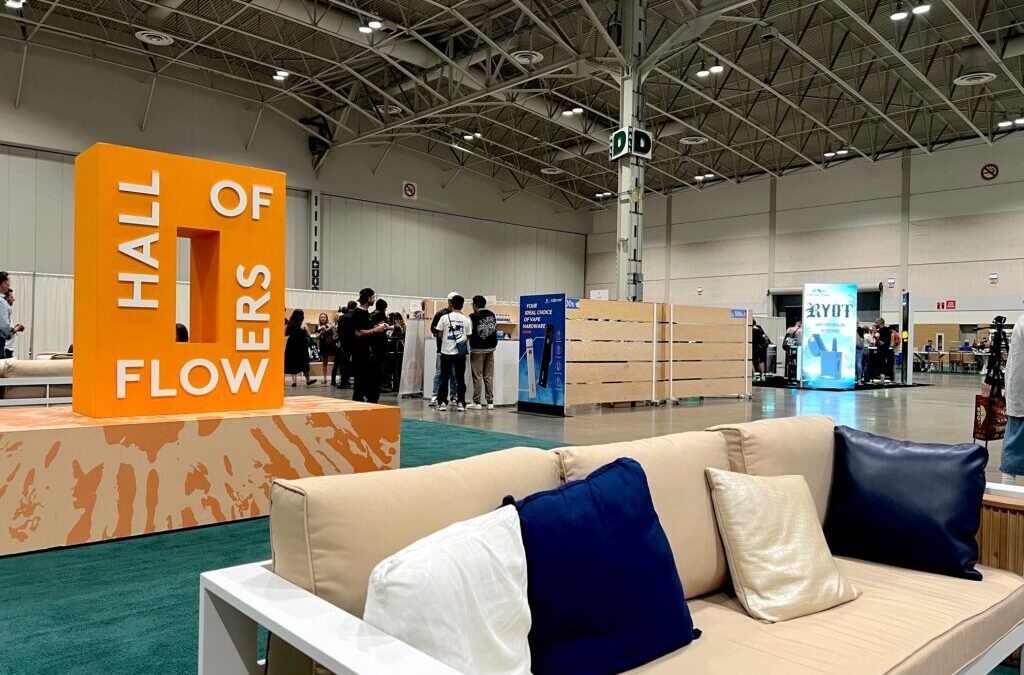
In the nine months passed since Toronto hosted its second Hall of Flowers, the third iteration of this event, which brings producers, retailers, distributors, regulators and others who breathe cannabis into a living brainstorm discussing hot products, market trends and obstacles yet to overcome, the overwhelming consensus among attendees was Hall of Flowers is an industry defining event.
“I feel like I come here to know what’s going to be trending…six-to-eight months from now,” said Adriana Magana, media relations manager for Nova Scotia based LP Aqualitas. Magana noted the experience of Hall of Flowers is invaluable for the opportunities to connect with retailers and other LPs, in order to get a better sense of the overall market and learn where the market is heading. “You get so much exposure when it comes to retailers, budtenders and the general public…I just feel like Ontario is in a completely different level when it comes to cannabis,” said Magana.
This year’s event, with no shortage of product samples and examples of continued innovation, had a marked atmosphere of excitement and positivity surrounding the broadening and maturation of a near six-year-old legal domestic market.
“In 2024, I’m very optimistic,” said Tanner Stewart, CEO of Stewart Farms. “We’re seeing a lot of the mediocre weed supply flush out of the system, we’re seeing mediocre product flush out of the system…the top [products] are rising further to the top.”
Advertisement
LPs and retailers alike reiterated Hall of Flowers’ importance in bringing cannabis industry stakeholders together in a way that is not always possible for smaller or mid-sized players. “We’re a small family business based on the north shore of Montreal, not well known yet in the OCS market,” said Yan-Olivier Masse, quality assurance manager for Microcannabi.
Masse noted Hall of Flowers provides an opportunity for smaller producers to gain national and regional attention from the strength of their product by offering samples and meeting customers and retailers directly. “Getting your name out there is a big one for us…I think our products are speaking for themselves,” said Masse.
Conversation flowed between LPs about the rising intelligence of cannabis consumers, avenues for immense growth and the many challenges and obstacles which still exist in an evolving market.
“If you’re trying to promote a stock or make a buck on Bay Street, you’re probably thinking it’s a terrible sector right about now,” said Peter Miller, owner of Creemore based LP Purple Hills. “But the all-time highs [in dollar figure sales] were just hit in Ontario from the OCS.”
Miller mentioned that packaging constrains and regulations have somewhat dampened a market ready to bloom. Farmgate stores being one opportunity where legislators and regulators should take a different approach. “Our municipality is being really difficult about [farmgate stores],” said Miller. “A lot of what makes our product special comes from our regenerative practises, our soil and the microclimate we operate in…to have that next level and allow purchasing through the farm gate, that would be really special.” For a LP like Purple Hills, which operates in a small community like Creemore, but acts as a large local employer and a large contributor to the property tax base, Miller believes legislators should take a different approach with LPs.
Packaging constraints and regulation was on the mind of many LPs as participants expressed concern that Health Canada regulations may have become excessive, or in some instances, contradictory.
“The child resistance requirements are extremely excessive and uncalled for in most instances,” said Tanner Stewart. While the federal government promotes a public attitude of being environmentally friendly and environmentally conscious, that isn’t necessarily reflective of policy argued Stewart. “You can’t say we need to tax people’s behaviours into more environmentally friendly purchasing decisions and then legislate environmentally destructive packaging regulations, that is called true hypocrisy,” said Stewart.
John Strauss, Ontario sales manager for Carmel Cannabis, agreed that Health Canada regulations have become excessive as it relates to packaging, and that over regulation negatively impacts brand building and brand identity through packaging. “You often can’t do what you want to do with packaging because it doesn’t follow suit with Health Canada,” said Strauss. “And trying to find more environmentally sustainable packaging is challenging.”
Wellness products with a focus on minor cannabinoids were well represented at the event, as many producers and retailers are now targeting a health and wellness economy valued as much as $5 trillion globally. Flower still reigns supreme for consumers, and many producers and retailers are looking at trends in the U.S. market, focusing on disposable vaporizers and edibles.
Overall Toronto’s third Hall of Flowers proved to be a success, with first time attendees and previous attendees all agreeing the Canadian cannabis market is trending positive and there’s much to be excited about going forward. Hall of Flowers has solidified itself as a must attend event for those on the forefront of all things cannabis.
The Kahnawà:ke Legislative Commission in Quebec released the results of a call for feedback on its recent Cannabis Control Law draft Regulation Concerning Suppliers, and Regulation Concerning Alternate Board Members Feedback Report this week.
The Kahnawake Mohawk Territory is a First Nations reserve of the Mohawks of Kahnawá:ke, located on the south shore of the Saint Lawrence River in Quebec, Canada.
On December 6, 2023, the Kahnawà:ke Legislative Commission (KLC) shared that the final Regulation (Regulation Concerning Dispensaries and Dispensary Licences) for the Kahnawà:ke Cannabis Control Law was enacted at a duly convened Council meeting held on December 4.
Only two responses to the survey were published, both of which shared concerns about the proposed regulations being aligned with Health Canada’s cannabis regulations. In response, the commission argues that while its long-term goal is to have “complete control and jurisdiction over the cannabis industry, we are not currently equipped to replace the role of Health Canada.”
“In order to take over their complex role, it will take significant time to develop and implement and will require drafting and amending the Law and its regulations,” continued the official response from council.”
Ietsénhaienhs Tonya Perron, who helped to lead the cannabis file for the Mohawk Council of Kahnawà:ke (MCK) for several years, told StratCann in an interview in 2021 that the process of creating cannabis regulations in Kahnawà:ke has been an act of balancing community concerns.
“It’s a fine line to walk between all of those differing opinions, but that’s what makes our community so beautiful and so unique, the councillor told StratCann at the time. “People come from different places in the way that they think. But one thing that’s for sure is that everybody in the community definitely states that it’s up to us to decide what needs to be done here and not for anybody else to tell us what should be done here.”
The feedback and responses were compiled during the 30-day review period of the draft regulations that took place from April 12, 2024, to May 13, 2024.
The memorandum established channels of communication between the Mohawk Council and Health Canada regarding inspections of production facilities and information sharing, as well as assisting the community in better understanding supply chain management. The MCK regulations also require that any cannabis producer must be owned by a member of the community.
Those regulations closely mirror the federal cannabis regulations while allowing for additional approvals by the MCK. In addition to production, the regulations cover cannabis sales, which are to be limited to three stores. Although MCK was open to harmonizing its cannabis production rules with Health Canada, the organization has no similar plans with the province of Quebec, which only licences its own provincially-run cannabis stores. Numerous cannabis stores operate within the community without council approval.
Despite all these regulations to allow the community to manage cannabis production and sales, Perron also explained to StratCann that there are many concerns and differing opinions within the community. While some are open to allowing the industry a foothold in their community in some fashion, others have been deeply opposed. Much of this opposition, she explains, is deeply rooted in those trying to protect the community from drug use and addiction that can arise from generational trauma that is still present today.
“The opinions of the community are from one spectrum to the other, so it’s a balancing act for the Mohawk Council of Kahnawà:ke, and even just for the community decision making process. On the one hand, we have been a zero tolerance community, so public policy was zero tolerance of illicit drugs. Obviously the word illicit is important because once cannabis became legal, it took it out of the illicit definition. There are a number of community members who still want it to be zero tolerance, but there’s a number of community members on the other side of the spectrum that see this as economic opportunities, a way to push jurisdictions.
“So there are very different mindsets,” she continued. “Some want it in a regulated fashion, and then there’s some obviously who don’t want it regulated, who just want the opportunity to have revenue generation from it. So you have these two diverse opinions, and then you have some people in the middle.”








 Mohamed Hassan from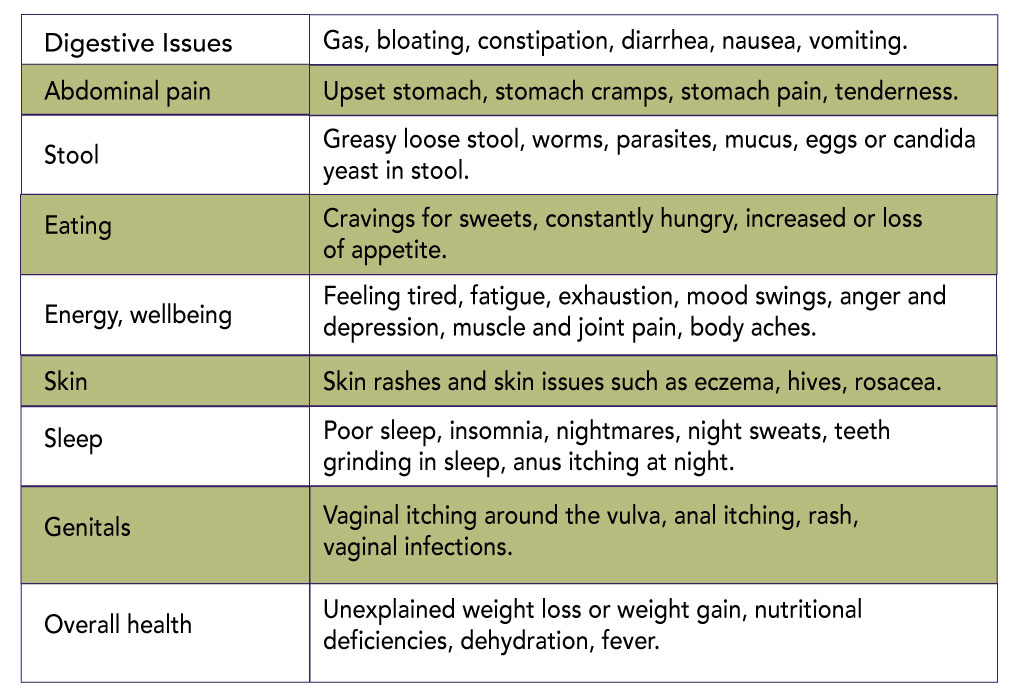




 Please support me! Thank you! from










Recent Comments