
by Grow Up Conference | May 29, 2024 | Cannabis News Wire, Media Partners
New research shows that using cannabis prior to sleeping has a negligible effect on different performance measures the next day, including psychomotor and cognitive function tasks, simulated driving and even mood.
The study, which obtained data from a bigger study exploring the effects of cannabidiol (CBD) and tetrahydrocannabinol (THC) on insomnia, examined outcomes from 20 adults with insomnia who rarely used cannabis. The study was carried out by 11 investigators from Macquarie University in Sydney, Johns Hopkins University, Griffith University, Royal Prince Alfred hospital and the University of Sydney.
For the study, the investigators administered either 2 ml of marijuana oil containing 200 mg CBD and 10 mg THC or a placebo to each participant. During the second session, those who received a placebo were given the marijuana oil mixture, while individuals who had previously gotten the mixture received the placebo.
THC and CBD are the two primary compounds found in the cannabis plant. Unlike THC, CBD doesn’t induce a high when ingested. The amount of THC administered was based on previous studies, which had demonstrated that 10 mg THC administered orally induced varied effects without altering psychomotor or cognitive performance among individuals who rarely used marijuana.
After each session, the investigators administered cognitive tests roughly 2 hours after each participant woke up. They also used a fixed-base driving simulator to measure driving performance about 10 hours after the drugs/placebo had been administered. Furthermore, participants were asked to describe the effects they experienced at baseline, then after half an hour, 10 hours, 12 hours, 14 hours, 16 hours and 18 hours.
In their report, the investigators stated that none of the cognitive tests carried out which involved working memory, speed of processing information and attention, among other domains, demonstrated next-day effects of the two marijuana compounds. They explained that their findings indicated that marijuana had a minimal effect in adults with physician-diagnosed insomnia.
In addition, the researchers noted that while there were legitimate concerns that the use of marijuana at night as a sleep aid could cause impaired function the next day, their findings demonstrated no differences in performance in tests conducted on these sensitive tasks. Conversely, they observed that sedative-hypnotics which are commonly prescribed, such as zopiclone and benzodiazepine, did impair individual function the next day.
The investigators acknowledged in their report that their findings were based on one dose of marijuana oil, adding that they used a small sample size for their research. The investigators reported their findings in the “Psychopharmacology” journal.
Marijuana industry actors such as Cronos Group Inc. (NASDAQ: CRON) (TSX: CRON) are likely glad that these findings have been published since the results of the study address some of the concerns consumers may have had about the likely impact of cannabis use during their off-duty hours.
About CannabisNewsWire
CannabisNewsWire (“CNW”) is a specialized communications platform with a focus on cannabis news and the cannabis sector. It is one of 60+ brands within the Dynamic Brand Portfolio @ IBN that delivers: (1) access to a vast network of wire solutions via InvestorWire to efficiently and effectively reach a myriad of target markets, demographics and diverse industries; (2) article and editorial syndication to 5,000+ outlets; (3) enhanced press release enhancement to ensure maximum impact; (4) social media distribution via IBN to millions of social media followers; and (5) a full array of tailored corporate communications solutions. With broad reach and a seasoned team of contributing journalists and writers, CNW is uniquely positioned to best serve private and public companies that want to reach a wide audience of investors, influencers, consumers, journalists and the general public. By cutting through the overload of information in today’s market, CNW brings its clients unparalleled recognition and brand awareness. CNW is where breaking news, insightful content and actionable information converge.
To receive SMS alerts from CNW, text CANNABIS to 888-902-4192 (U.S. Mobile Phones Only)
For more information, please visit https://www.CannabisNewsWire.com
Please see full terms of use and disclaimers on the CannabisNewsWire website applicable to all content provided by CNW, wherever published or re-published: https://www.CannabisNewsWire.com/Disclaimer
CannabisNewsWire
Denver, CO
www.CannabisNewsWire.com
303.498.7722 Office
Editor@CannabisNewsWire.com
CannabisNewsWire is powered by IBN
by Grow Up Conference | May 29, 2024 | Extraction Magazine, Media Partners
The therapeutic potential of psychedelic substances like psilocybin and psilocin is continuing to become more widely known. The Biden administration has already mentioned to the press that it anticipates psilocybin and 3,4-methylenedioxymethamphetamine (MDMA) will most likely be approved by the FDA as treatments for post-traumatic stress disorder (PTSD) in coming years. [1]
Decriminalization efforts in the United States are removing barriers to access. Campaigns to increase public awareness of different psychedelic therapies are piquing interest. All of this together is driving a wave of innovation throughout the psychedelic, medical, and scientific communities.
What is Psilocybin and Psilocin?
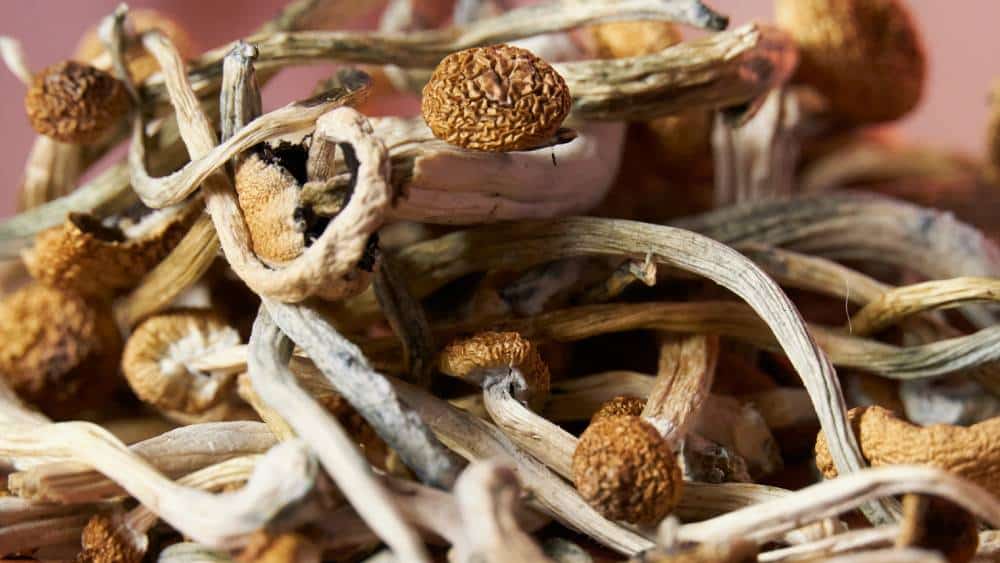
Psilocybin and psilocin are naturally occurring psychedelic compounds found in over 200 species of mushrooms, collectively known as “magic mushrooms.” Psilocybin is biologically inactive until it’s ingested and converted by the body into psilocin, which is responsible for the psychedelic effects. These compounds interact with serotonin receptors in the brain, particularly the 5-HT2C receptor, leading to altered perceptions, emotions, and consciousness, often described as a spiritual or transcendent experience.
The chemical structure of psilocybin is closely related to the neurotransmitter serotonin, a key regulator of mood, anxiety, and cognition. This similarity allows psilocybin and psilocin to bind to and activate serotonin receptors, which is thought to cause the profound changes in perception and mood typically reported by consumers. A multitude of research suggests that these effects may have therapeutic potential, offering new pathways for treating conditions like depression, anxiety, and PTSD.
Historically, cultures across the globe have consumed psilocybin-containing mushrooms in religious and spiritual rituals for centuries. In modern times, scientific interest in these compounds has surged, focusing on their potential as tools for exploring consciousness and as novel therapeutics in psychiatry. Despite their promise, psilocybin and psilocin are classified as Schedule I substances in many countries, indicating a high potential for abuse and no accepted medical use, which has limited their research and clinical application. However, recent studies and changing societal attitudes are beginning to challenge this classification, paving the way for a new understanding of their benefits and risks.
What are the Potential Therapeutic Benefits of Psilocybin?
The therapeutic potential of psilocybin and psilocin, as highlighted in a study published in the Journal Molecules, presents a profound shift in the conventional treatment of psychiatric disorders. These compounds, derived from certain species of mushrooms, have been shown to induce positive personality changes, increase altruism, and enhance feelings of connectedness to others and nature. Such psychological effects can lead to decreased violent and criminal behavior, reduced suicidal ideation, and even protection against suicidality and psychological distress. Notably, psilocybin therapy has been associated with tempered politically authoritarian views, an increase in the personality domain of openness, and a significant reduction in egotistical attitudes, fostering greater prosocial behavior. [2]
The utilization of psilocybin in clinical settings has demonstrated sustained improvements in mood, behavior, and attitudes, with some studies reporting lasting benefits for up to 14 months post-therapy. This is particularly relevant in treating depression and anxiety, where conventional treatments often fall short. Patients undergoing psilocybin therapy experience enhanced psychological flexibility, increased feelings of personal meaningfulness, and an overall improved psychological outlook. This ability to reframe one’s perspective on their medical conditions, life, and relationships emphasizes the potential of psilocybin to facilitate quantum personal transformations that may help with conditions like addiction, depression, anxiety, PTSD, and more. [2]
Despite these promising outcomes, the path to integrating psilocybin-assisted therapy into mainstream psychiatric treatment faces obstacles. The lingering stigma attached to psychedelic drugs, regulatory challenges, and the need for standardized therapeutic practices are significant hurdles. Furthermore, there’s a pressing need for larger, more comprehensive clinical studies to fully understand the safety, pharmacology, and dose-response relationships of psilocybin for various mood and anxiety disorders. Overcoming these limitations is important for realizing the full potential of psilocybin and psilocin as valuable tools in psychiatric medicine, offering new hope for individuals with mental health conditions that are resistant to traditional treatments.
How is Psilocybin Extracted?
Various psilocybin and psilocin extraction techniques already exist. Water extraction was a popular method before better ways to extract psychoactive substances from magic mushrooms were found. Methanol and ethanol extraction techniques were previously found to provide higher yields.
Regardless of the method used, the extraction of psilocybin and psilocin from magic mushrooms is a meticulous process that isolates these psychedelic compounds for both study and therapeutic use. Initially, psilocybin-containing mushrooms are harvested, dried, and ground into a fine powder. This preparation forms the basis for several extraction techniques aimed at separating and purifying psilocybin. Each method varies in complexity and efficiency, but all share the common goal of extracting the active psychedelic components from the raw mushroom material.
Common Psilocybin Extraction Methods
One prevalent extraction technique is acid-base extraction. This involves treating the powdered mushrooms with an acid, like lemon juice or vinegar, to convert psilocybin into a soluble salt form. The acidified mixture is then mixed with a nonpolar , such as naphtha or xylene, effectively pulling the psilocybin out of the aqueous phase. Following this, the solvent, now containing the extracted psilocybin, is evaporated, leaving behind a concentrated form of psilocybin. This method is favored for its ability to yield highly purified psilocybin extracts, though it requires careful handling and disposal of solvents to mitigate environmental and health risks.
Another notable method is ethyl . In this technique, the powdered mushroom material is soaked in high-proof , allowing the psilocybin to dissolve into the alcohol. After filtering out the solid residues, the alcohol is carefully evaporated under controlled conditions, concentrating the psilocybin. This method is comparatively safer and more accessible than some other chemical extraction processes, making it a popular choice for those seeking to extract psilocybin at a smaller scale or with limited resources.
In addition to these, traditional methods such as tea preparation and chewing have been utilized for centuries, highlighting the profound spiritual and cultural significance of psilocybin-containing mushrooms. Modern advancements, however, have introduced sophisticated techniques like solid-phase and supercritical fluid extraction. These modern approaches offer greater precision and control, enabling the production of standardized extracts and furthering scientific research into psilocybin’s therapeutic potential. Each method, whether traditional or contemporary, contributes to our understanding and utilization of psilocybin, paving the way for new discoveries in psychedelic therapy. [3]
New Psilocybin and Psilocin Extraction Study
Speaking of new discoveries, a group of researchers in Spain recently discovered newly optimized extraction methods and conditions for psilocybin and psilocin isolation. Scientists tested the use of the microwave-assisted extraction (MAE) technique, which is already proven to be an efficient extraction method for many other plant compounds. [4]
The goal of the experiment was to see if could be used to successfully improve the extraction yields of different alkaloids found in Psylocibe cubenis mushrooms. To begin, mushroom culture kits were purchased online. Then the mushrooms were cultivated according to the seller’s instructions before being harvested, freeze-dried, and ground down to <40 μm particles.
Multiple extraction conditions were tested analyzing the effects of different stirring intensities, the duration of the heating and cooling phases, extraction temperature, and extraction time. Once data was collected, a statistical Box-Behnken design was used to determine the best possible combination of extraction conditions. “Based on the Box–Behnken design, 50 °C temperature, 60% methanol as extraction solvent, 0.6 g: 10 mL sample mass:solvent ratio and 5 min extraction time were established as optimal conditions”. [4]
The statistically calculated MAE extraction conditions were confirmed to produce higher yields, with shorter extraction times and higher levels of repeatability compared to extractions without microwaves. Their conclusions suggest MAE may be optimal for psilocybin extraction.
Synthetic Psilocybin vs Natural Psilocybin
A recent study comparing synthetic psilocybin to natural psilocybin mushroom extract has shed light on the profound effects these substances can have on the brain’s synaptic plasticity. This research is pivotal as it illustrates how psilocybin-containing mushroom extract may provide a more potent and lasting impact on brain plasticity than its synthetic counterpart. Given that a considerable number of patients with psychiatric disorders do not respond to existing medications, these findings showcase the potential for natural psychedelic compounds to offer novel, nature-based treatments. This could revolutionize the way psychiatric conditions are treated, moving towards interventions that harness the complex chemistry of natural extracts. [5]
The debate between the use of natural versus synthetic compounds in medicine is not new, particularly within the context of psychedelics like psilocybin. Traditional medicinal practices have often relied on whole-organism extracts, which contain a myriad of naturally occurring molecules, as opposed to the isolated compounds favored by Western medicine for their purity, consistency, and regulatory compliance. However, this focus on isolation overlooks the potential benefits of the ‘entourage effect’, the synergistic interaction of various compounds found in natural extracts. This study brings to light the importance of considering the complex interplay of these compounds, which may enhance therapeutic outcomes beyond what can be achieved with single, isolated molecules.
The concerns regarding the variability of natural products, especially wild-grown mushrooms, are valid; however, advancements in cultivation techniques have made it possible to produce mushrooms with highly consistent compound profiles. By carefully controlling environmental conditions such as substrate, temperature, humidity, and light exposure, researchers can now cultivate psilocybin-containing mushrooms that yield stable extracts with predictable therapeutic effects. This breakthrough lays the foundation for integrating whole mushroom extracts into Western medicine, offering a standardized, yet holistically beneficial approach to treatment. The study highlights the critical role of secondary metabolites present in these extracts, suggesting that the collective action of these compounds could be crucial to unlocking the full therapeutic potential of psilocybin, marking a significant step forward in the exploration of psychedelic-assisted therapies.
Can Psilocybin Extracts Create Crystals?
Psilocybin, when extracted and purified with high precision, can form translucent crystals, showcasing an intricate aspect of its physical properties. This crystallization is not a simple process but rather a testament to the compound’s complex chemical nature, which can manifest in three distinct crystalline structures: Hydrate A, Polymorph A, and Polymorph B. The formation of these structures is contingent upon the specific conditions under which the psilocybin is processed and crystallized. Initially, after extraction, psilocybin undergoes rigorous chemical purification, including column chromatography, achieving a remarkable purity level of 99%. This step is essential to ensure that the subsequent crystallization process yields the highest quality crystals possible. [6]
Recrystallization is the critical phase where psilocybin transforms from a purified extract into its crystalline form. This involves carefully removing the solvent from a supersaturated psilocybin solution, allowing the molecules to rearrange themselves into one of the three mentioned crystalline patterns. The resulting formations, particularly noted for their needle-like protrusions circling a crystal nucleus, are intricate and require both sophisticated laboratory equipment and an in-depth understanding of chemical processes. It’s a delicate balance of science and art, highlighting the complexity and potential purity of psilocybin when meticulously extracted and processed.
The research conducted by Alexander M. Sherwood and colleagues provides a deeper insight into the crystalline behavior of psilocybin, especially in the context of Active Pharmaceutical Ingredient (API) preparation. By using laboratory and synchrotron PXRD patterns for structure determination and refinement, the study identified the commonality of the three crystalline forms in psilocybin samples produced across decades. Their findings indicate the stability and consistency of these forms, especially under controlled conditions, underscoring the significance of environmental factors like humidity on psilocybin’s crystalline state. This detailed analysis not only furthers our understanding of psilocybin’s physical properties but also enhances the reliability of using these crystalline forms in pharmaceutical applications, marking a significant advancement in the study and application of psychedelic compounds. [6]
Why Psilocybin Extraction Matters
The extraction of psilocybin holds significant importance due to its profound therapeutic potential and growing economic value. Amidst the escalating global prevalence of mood and anxiety disorders, particularly depression, psilocybin offers hope for effective treatment alternatives. The growing cultural and governmental acceptance, alongside an increasing body of scientific research supporting its efficacy and safety, has made room for the decriminalization and increased interest in psychedelic substances. This shift is not just a scientific or medical advancement but also marks a pivotal change in societal attitudes towards mental health treatment, recognizing the potential of psychedelics to provide relief to millions suffering from psychiatric conditions unresponsive to conventional medications.
For companies and business owners, the expanding industry of psilocybin extraction and its application in therapeutic settings represents a lucrative opportunity. Following the COVID-19 pandemic, the psychedelic sector has witnessed a dramatic increase in economic value. Investments surpassing $320 million into psychedelic neuropharmaceutical development in just the second quarter of 2019, followed by an estimated $100 million for research and clinical trials indicate the sector’s rapid growth. This financial influx emphasizes a significant shift towards recognizing and monetizing the therapeutic benefits of psychedelics, as companies go public and attract investors eager to tap into this emerging market. [2]
The Economic Potential of Psychedelic Therapies
The future looks promising for the psychedelic therapeutic market, predicted to reach a valuation of $6.8 billion by 2027. [2] This growth is not only driven by the increasing demand for effective mental health treatments but also by key regulatory approvals, such as the FDA’s recognition and designation of a breakthrough therapy status for psilocybin treatments. Such endorsements further validate the medicinal value of psychedelics and catalyze the industry’s expansion, offering profound implications for companies venturing into this space. Beyond the promise of profit, these developments reflect a broader acceptance of innovative approaches to mental health care, positioning psilocybin extraction as a critical endeavor with the potential to revolutionize both healthcare and the pharmaceutical industry.
As our global journey through the psychedelic renaissance pushes forward, so will the science of extracting psychedelics. We will see more optimized methods for extracting psilocybin, psilocin, and other alkaloids that might be discovered and isolated in the future. The exploration into psilocybin and psilocin extraction unveils a multifaceted outlook where science, culture, and commerce intersect.
The Future of Psilocybin Extraction and Psychedelic Therapy
Ultimately, psilocybin and psilocin have been shown to possess significant therapeutic potential. This potential is particularly relevant in the context of increasing global mental health challenges, where conventional treatments often fall short. Innovations in extraction techniques, ranging from traditional methods that honor the spiritual and cultural significance of these compounds to advanced scientific procedures that ensure purity and consistency show the complexities involved with harnessing these substances for medicinal use. Furthermore, the formation of psilocybin crystals through meticulous extraction processes presents the compound’s intricate nature and its promise for pharmaceutical applications.
The economic implications of psilocybin extraction are profound, with the psychedelic market witnessing substantial growth driven by increasing investments and regulatory milestones that signal a shift toward broader acceptance of psychedelics as therapeutic agents. This growth presents lucrative opportunities for businesses and investors keen on pioneering the integration of psychedelics into mainstream healthcare. The evolution of the psilocybin sector, marked by a significant of capital and heightened interest in psychedelic research, reflects a growing recognition of the value of nature-based solutions to mental health crises.
Overall, the promise of psilocybin and psilocin is not just as substances of interest within psychedelic research but as hope for individuals battling psychiatric disorders. The advancements in extraction technology, alongside an evolving regulatory and economic environment, are pushing for the continued development of novel, effective mental health treatments. In doing so, they signal a new era of psychiatric care that embraces the therapeutic capabilities of psychedelics like psilocybin, offering a glimpse into a future where mental well-being is attainable through the thoughtful application of ancient wisdom and cutting-edge science.
References:
[1] Elbeshbishi, S. Psilocybin therapy prompts states to reconsider laws about ‘magic mushrooms’. USA Today. 8.6.2022 https://www.usatoday.com/story/news/nation/2022/08/06/psilocybin-therapy-states-legalize-magic-mushrooms/10188105002/?gnt-cfr=1
[2] Lowe, H., et al. The Therapeutic Potential of Psilocybin. Molecules. 2021 May; 26(10): 2948; https://www.ncbi.nlm.nih.gov/pmc/articles/PMC8156539/ [Times Cited = 38] [Journal Impact Factor = 4.6]
[3] Unlocking the Power: Psilocybin Extraction Methods. Luna Technologies.
https://blog.lunatechequipment.com/unlocking-the-power-psilocybin-extraction-methods
[4] Polo-Castellano, C., et al. Microwave-Assisted Extraction of the Psychoactive Compounds in Hallucinogenic Fungi (Psylocibe cubensis). J. Fungi. 2022. 8(6), 598; https://doi.org/10.3390/jof8060598. [Times Cited = 0] [Journal Impact Factor = 5.724]
[5] Shahar, O. Unraveling the Secrets of Psychedelic Mushrooms: Comparing Synthetic Psilocybin to Psilocybin Mushroom Extract’s Effects on Brain Plasticity. Springer Nature. 2024. March 13. https://communities.springernature.com/posts/unraveling-the-secrets-of-psychedelic-mushrooms-comparing-synthetic-psilocybin-to-psilocybin-mushroom-extract-s-effects-on-brain-plasticity
[6] Sherwood, A., et al. Psilocybin: crystal structure solutions enable phase analysis of prior art and recently patented examples. Structural Chemistry. 2022. Volume 78, Part 1, 36-55. https://journals.iucr.org/c/issues/2022/01/00/wp3022/

by Grow Up Conference | May 28, 2024 | Media Partners, Stratcann
The parent company of Shiny Bud, a cannabis retail chain in Ontario, announced it has filed a Notice of Intention to make a proposal pursuant to the provisions of the Bankruptcy and Insolvency Act.
The parent company, Shiny Health & Wellness Corp., emphasizes that it is not bankrupt. Instead, it says the primary purpose of the Notice of Intention (NOI) filing is to “create a stabilized environment for the Company and its financial advisors to run an orderly and flexible sale, investment and solicitation process (“SISP”) with the goal of identifying one or more interested parties that wish to acquire or make an investment in the Company’s business or all or some of its assets.”
Shiny Bud says it currently operates 20 locations in Ontario. On May 16th, the company announced it had temporarily closed five of its retail cannabis stores effective immediately. It had previously closed another three locations and opened one since October 31, 2023. Its website currently lists 36 locations. The AGCO lists 37 locations as authorized to open.
If the agreement is approved, Shiny Health believes it has enough resources to fund its operations during the SISP, and its stores will remain open for business during that time. This would be subject to any restructuring steps the company may take during this process.
It expects that its 20 licensee stores will not be impacted by the NOI and will be able to continue to use the Shiny Bud brand in accordance with the licence agreements.
Due to the NOI filings and other “financial resource constraints,” Shiny Health says it does not expect to file its annual financial statements and accompanying management’s discussion and analysis for the fiscal year ended January 31, 2024, by the prescribed deadline of May 30, 2024.
In addition to its retail cannabis stores, Shiny Health also owns one pharmacy in Ontario, initially intending to create a chain of pharmacies that would provide access to cannabis, as well. A recent report proposed allowing sales of medical cannabis through pharmacies in Canada.
As of October 31, 2023, Shiny Health had cash of $239,817, liabilities that exceeded current assets by $7.4 million, an accumulated deficit of $26.7 million, and a shareholders’ deficit of $5.1 million.
“The current negative working capital deficit indicates the existence of material uncertainties that may cast significant doubt on the company’s ability to continue as a going concern,” says its most recent report for 2023. “Management’s view is that the success of the Company is dependent upon its ability to generate sufficient positive cash flow from its total operations to cover all its costs, including overhead and public company costs and obtaining financing through a combination of equity and additional debt where possible for working capital, debt service and to sustain its operations until positive overall cash flow is achieved.”
For the three months ended October 31, 2023, Shiny Health had $4.3 million in revenue, with a loss of $752,594 and a net comprehensive loss of $5.9 million.
In the same period, it brought in $3.6 million in revenue from its retail cannabis operations, $220,849 from its “data program,” and $346,828 from its pharmacy. This represented about a 45% decline in revenue for its retail cannabis operations and data program from the same period in 2022.
For the nine months ended October 31, 2023, retail cannabis operations brought in $14.8 million, a 30% decline from the same period in 2022 and $852,450 from its data program, down 33% from the same period in 2022.
The company blames the decrease in cannabis sales and data program revenue on the market conditions in Ontario and the closure of some of its stores.

by Grow Up Conference | May 28, 2024 | Media Partners, The New Agora
Unseen Entities
by Mark Carter (Ascension Intention)
Throughout so many of the world’s spiritual and religious traditions, various entities are described and named. Programmed by modern traditions, many people now dismiss such claims about entities as primitive superstition. But are they in fact fanciful?
Our everyday senses, functioning within a certain density or frequency band, perceive data within their home range. We know this scientifically: for instance, taking into account the spectrum of light our physical eyes can see, and sound our physical ears can hear. So, are there sights and sounds beyond the perception of our body’s regular physical senses, that we may be interacting with in more subtle ways? I believe most people would agree that yes, there are indeed.
In fact, many people claim to have encountered various entities directly, while in heightened or altered states of perception. Accounts of angelic and demonic beings populate worldwide cultures, beyond what one might call coincidence. Despite some regional differences, there’s a high degree of general agreement on the nature, habits, and qualities of various entities or groups of entities.
“Positive” entities could be viewed as those who provide benevolent energy to people, while “negative” entities feed parasitically on people’s bodily energy supply – an energy supply that some commentators have called “loosh”. Our bodies’ force fields are constantly shifting in quantity and quality of energy, based on our thoughts, feelings, and actions; and based on both internal and external stimuli.
If our vibration at any given moment is resonating magnetically with that of various other beings, depending on our immediate frequency state we may be attracting certain entities while repelling others. Taking this phenomenon into consideration: by consciously identifying and choosing which states one wants to cultivate, one can develop increasingly harmonious relationships with benevolent beings whose home frequency may be beyond that of our everyday physical senses.
Similarly, when one happens to be resonating at a diminished energy frequency, one may notice or come in contact with various shadowy entities that have their own characteristics and energy agendas. Observing our own feelings and perhaps external cues, we can gain greater awareness of how we function – our patterns – when our energy level is somewhat depleted. This can provide us with valuable insights that we can use to make more informed choices in future.
I wish for you deeper awareness of your body’s energy field and your feelings, so that you can connect more profoundly and continuously with WHAT IS SO in the present moment of your Greater Life!
Ascension Intention-From Shadow to Light

by Grow Up Conference | May 28, 2024 | Media Partners, Stratcann
A second cannabis store opened in Iqaluit, Nunavut, in April, to help serve the Territory’s population of just over 40,000 people.
The store, Higher Experience, is located about a 15-minute walk from Iqaluit’s first cannabis store, Nuna Cannabis, which opened in 2021. The territory began accepting applications for private retailers in 2020. The population of Iqaluit, the territory’s capital, is about 7,000.
Prior to this, the only way for Nunavummiut to buy cannabis was from two businesses under a licence category the territory calls Registered Suppliers. Residents can still order online or by phone from Canopy/Tweed or AgMedica/Vertical Cannabis.
In the most recent annual report from the province for 2020-2021, revenues from online cannabis sales through the NULC’s partners accounted for less than a tenth of a percent of total revenues the Commission earned in the year.
Higher Experience’s application had been in the works for several years. Kevin Ikeno, one of the owners at the store, said it was a long process, but he’s excited to now be open.
“We’re phenomenally excited to finally get [a licence],” Ikeno tells StratCann. “It has been a long time coming, but we’re very happy to now be open for business. The community has been fantastically welcoming. They’ve been very friendly.”
Unlike most provinces, Nunavut has no central delivery, so the Territory’s two stores must arrange for orders from each of the approximately 40 registered wholesale suppliers.
The territory allows two other licence types in addition to its registered suppliers: physical cannabis stores and what it’s calling remote sales. These two licence categories can also be combined.
There are also two subclasses of physical stores: enclosed cannabis stores and integrated cannabis stores.
Enclosed cannabis stores can be either stand-alone buildings or located within an existing commercial space such as a multi-unit building. Higher Experience is located at 760 Queen Elizabeth Way in Iqaluit, the Territory’s capital.
The age of access in Nunavut is 19.
h/t nunatsiaq.com

by Grow Up Conference | May 28, 2024 | Cannabis Prospect Magazine, Media Partners
Organigram Holdings Inc., a leading licensed producer of cannabis, is pleased to announce its second international medical cannabis customer in the UK, Avida Medical, a full-service medical cannabis and specials medicines manufacturing business. Subject to the terms of the Agreement, the Company expects to supply 1,700 kilograms of high-quality, indoor-grown dried cannabis flower to Avida Medical in the UK over a period of three years.
“We are pleased to partner with Avida Medical in the UK, marking yet another exciting milestone for Organigram’s expansion into the global market. As frontrunners in the cannabis industry, we recognize the immense potential of the UK market. Our decision to further expand into this market stems from our commitment to ensuring patients have access to reliable, high-quality medical cannabis offerings,” said Tim Emberg, Chief Commercial Officer of Organigram. “With our extensive industry expertise in cultivation and production, we are poised to elevate accessibility and cater to the evolving requirements of patients in the UK. We are confident that this strategic move will not only strengthen our international presence but also reinforces our objective of advancing global access to medical cannabis,” Emberg concluded.
“Our agreement with Organigram exemplifies our commitment to providing the highest quality medicine and service to patients. The UK is home to one of the largest patient populations using medicinal cannabis in Europe, and this is set to grow exponentially over the next four years. As the market matures, it is those producers and manufacturers that have focused on ensuring the highest quality of their products and processes, that will determine the companies that succeed,” commented Paul Parkinson, Chief Executive Officer, Avida Medical.
“This is a hugely positive collaboration for Avida Medical and brings us a step closer to becoming one of the pre-eminent manufacturers of medicinal cannabis products here in the UK,” he added.
About Organigram
Organigram is a NASDAQ Global Select Market and TSX listed company whose wholly owned subsidiaries include Organigram Inc. a licensed producer of cannabis, cannabis- derived products and cannabis infused edibles in Canada. Organigram is focused on producing high-quality, cannabis for patients and adult recreational consumers, as well as developing international business partnerships to extend the Company’s global footprint. Organigram has also developed and acquired a portfolio of legal adult-use recreational cannabis brands, including Edison, Holy Mountain, Big Bag O’ Buds, SHRED, SHRED’ems, Monjour, Laurentian, Tremblant Cannabis and Trailblazer.

by Grow Up Conference | May 28, 2024 | Cannabis Prospect Magazine, Media Partners
Entourage Health Corp., a Canadian producer and distributor of award-winning cannabis products, today announced its financial results for the three months ended March 31, 2024. The Company reported total revenue of $16.4 million (net revenue of $12.7 million, before excise duties and discounts), up 9% year-over-year. The Company will host a conference call to discuss its financial and business highlights on Tuesday, May 28, 2024, at 10:00 a.m. Eastern Time.
“Entourage’s first quarter results are a testament to our robust financial health and strategic approach to business operations, positioning us for success throughout 2024,” said George Scorsis, Chair and CEO. “With defined infrastructure and supply agreements in place, we are well-positioned to continue delivering the accelerated growth we have already seen develop in Q1. Our team’s relentless focus on efficient execution has led to a solid performance, reflected in improved profitability and a significant increase in EBITDA, marking the first positive quarter. We are also seeing substantial growth in our adult-use business as we continue to announce and launch a range of innovative products across Canada set to generate ongoing interest and excitement among consumers.”
Financial Highlights
- For the quarter that ended March 31, 2024, Entourage recorded total revenue of $16.4 million compared to $15.1 million the previous year, a 9% increase, and a 23% increase from Q4 2023.
- Gross profit before changes in fair value was $5.8 million for Q1 2024, representing a $2.8 million increase compared to Q1 2023. This significant improvement is attributed to the cessation of cultivation activities and the closure of underperforming business units.
- Gross margins were 45% in Q1 2024, compared to 25% in Q1 2023. This improvement resulted from several factors, including increased production automation, lower biomass costs, improved freight management, and packaging optimizations.
- Cost of Goods Sold (COGS) declined by $1.9 million or 22% compared to Q1 2023. This reduction reflects the organization’s commitment to cost management and operational excellence, as outlined in the Company’s transformation plans.
- EBITDA increased by $4.4 million to $0.5 million in Q1 2024, a significant turnaround from ($3.9 million) in Q1 2023.** This 114% improvement highlights the success of the Company’s strategic transformation initiatives to lower costs and a shift to a higher-margin product mix.
Corporate Highlights During and After the First Quarter of 2024
- On April 30, 2024, the Company announced it was in breach of certain financial covenants and other obligations under each of its Senior Credit Agreement and Subordinated Credit agreements with an affiliate of the LiUNA Pension Fund of Central and Eastern Canada (“LPF”) and was working collaboratively with LPF to reach an agreement on amended debt terms. Consequently, the Company received a renewed forbearance letter on May 3, 2024, waiving the Company’s breaches until August 2, 2024, subject to the satisfaction or waiver of certain conditions.
- In Q1 2024, Entourage increased production capacity to nearly 2.2 million pre-rolls per month.
Commercial Highlights
- Entourage continues demonstrating its market strength and consumer appeal with a 10% year-over-year increase in adult-use revenue. This impressive growth reflects the Company’s strategic initiatives and ability to adapt to the evolving market landscape.
- In Q1 2024, the Company’s Dime Bag brand in Ontario was the 3rd fastest-growing pre-roll brand. Additionally, Dime Bag launched in Alberta, with plans for a nationwide rollout throughout 2024.
- In Q1 2024, 80% of stores in Ontario, Alberta, and British Columbia continued carrying at least one Entourage SKU, maintaining a strong presence from the previous year. Furthermore, 50% of these stores featured four or more Company SKUs.
- In Q1 2024, Entourage’s national pre-roll market share was 2%. Color Cannabis also ranked 12th highest pre-roll brand in national dollar sales. It secured the number 2 spot in the pre-roll category in British Columbia, the second-largest revenue-generating market in Canada after Ontario.
- The Company launched 11 new adult-use SKUs in Q1 2024, enhancing its product lineup across key markets. These SKUs included Color Cannabis “Pedro’s Sweet Sativa” and “Blueberry Seagal Live Resin Infused” pre-rolls in Ontario, and “Phantom Sunset” whole flower in Alberta.
- Additionally, Saturday unveiled “Passionfruit Lavender” and “Beached Mango” in 1 g 510 vape carts in Ontario, further diversifying offerings and catering to consumer demand.
- Starseed consistently broadens its product portfolio available to medical cannabis patients. This portfolio includes the introduction of new strains, advanced delivery methods, and specialized formulations, all designed to meet the diverse needs of the medical cannabis community.
About Entourage Health Corp.
Entourage Health Corp. is the publicly traded parent Company of Entourage Brands Corp., a licence holder producing and distributing cannabis products for the medical and adult-use markets. The Company owns and operates a fully licensed 26,000 sq. ft. Aylmer, ON processing facility. With its Starseed Medicinal medical-centric brand, Entourage has expanded its multi-channelled distribution strategy.
by Grow Up Conference | May 28, 2024 | Cannabis Prospect Magazine, Media Partners
High Tide Inc., the high-impact, retail-forward enterprise built to deliver real-world value across every component of cannabis, announced today that it will release its financial and operational results for the quarter ended April 30, 2024, after financial markets close on Thursday, June 13, 2024. High Tide’s second fiscal quarter 2024 financial and operational results will be available on SEDAR+, EDGAR, and on the Company’s website at https://hightideinc.com/invest
Following the release of its second fiscal quarter financial and operational results, High Tide will host a webcast with Raj Grover, Founder and Chief Executive Officer, and Mayank Mahajan, Chief Financial Officer, to discuss the Company’s financial results and what the remaining two fiscal quarters hold for High Tide, at 11:30 AM Eastern Time on Friday, June 14.
Webcast Link for High Tide Earnings Event:
https://events.q4inc.com/attendee/433539943
Participants are encouraged to pre-register for the webcast by clicking on the link above prior to the beginning of the live webcast. Three hours after the live webcast, a replay of the webcast will be available at the same link above.
Participants who wish to ask questions during the event may do so through the call-in line, the access information for which is as follows:
Canada (Local): 1 226 828 7575
Canada (Toll-Free): 1 833 950 0062
United States (Local): 1 404 975 4839
United States (Toll-Free): 1 833 470 1428
Global Dial-In Numbers: https://www.netroadshow.com/events/global-numbers?confId=65906
Participant Access Code: 301725
*Participants will need to enter the participant access code before being met by a live operator*
About High Tide
High Tide, Inc. is the leading community-grown, retail-forward cannabis enterprise engineered to unleash the full value of the world’s most powerful plant and is the second-largest cannabis retailer in North America by store count1. High Tide (HITI) is uniquely-built around the cannabis consumer, with wholly-diversified and fully-integrated operations across all components of cannabis, including Bricks & Mortar Retail: Canna Cabana™ is the largest non-franchised cannabis retail chain in Canada, with 171 current locations spanning British Columbia, Alberta, Saskatchewan, Manitoba and Ontario and growing. In 2021, Canna Cabana became the first cannabis discount club retailer in North America.
by Grow Up Conference | May 28, 2024 | Cannabis Prospect Magazine, Media Partners
Ghost Drops, a leading Canadian cannabis brand, is poised to disrupt the global cannabis market via an exclusive partnership with SOMAÍ Group, an established international cannabinoid biopharma company with premiere distribution channels. Per the supply and distribution agreement, Ghost Drops-branded products will initially be rolled out across Europe, the United Kingdom, and Australia. The deal perfectly positions the Company to capture market share in cannabis markets across Europe and beyond.
The partnership allows SOMAÍ Group, a leading global brand with the most robust pipeline of innovative cannabis-based products, to import high-quality Ghost Drops-branded cannabis for medical use in several international markets. All products bearing the Ghost Drops branding will be meticulously curated by the Ghost Drops team and cultivated in Canada by the brand’s exclusive craft producer partners. The partnership rollout begins in Germany, subsequently bringing Ghost Drops cannabis products into emerging markets such as in the rest of Europe, the U.K., and Australia. Taken together, the target regions represent massive growth potential as local legalization efforts progress.
“We seek highly successful, well-positioned cannabis companies to prioritize for global brand partnerships, and Ghost Drops is precisely that,” said Tom Flow, Managing Director of SOMAÍ Group’s subsidiary RPK Biopharma. “Together, SOMAÍ Group and Ghost Drops will introduce European, U.K., and Australian markets to top-tier Canadian cannabis products, bringing quality relief to patients internationally.”
Ghost Drops has seen tremendous success within the Canadian market, cultivating a dedicated following of loyal consumers since pre-legalization. Ghost Drops’ launch into the regulated market was met with extreme excitement and has been credited for transitioning many illicit consumers into the legal space. Years later, the brand still holds the title of the two fastest-selling SKUs in Canadian history and the two fastest-selling SKUs in the premium category. With a demonstrated ability to drive hype, awareness, and sales, Ghost Drops is poised to replicate these successful strategies in foreign markets.
“We are excited to expand the Ghost Drops brand globally and look forward to working with the SOMAÍ team to rapidly scale in the European market,” says Ghost Drops CEO Gene Bernaudo.
“As a premier legacy-to-legal cannabis brand, Ghost Drops continues to pave the way for independent Canadian cannabis brands to expand globally,” said Bernaudo. “With a proven formula and turnkey business model, we have an opportunity to establish formidable roots to dominate the European and new emerging recreational markets.” Having already established the brand as a top-selling brand in the Ultra-Premium category domestically, Ghost Drops is committed to the same level of quality as we look to expand internationally.”
Germany presents a notable expansion opportunity for Ghost Drops and SOMAÍ Group, especially following the recent Cannabis Decriminalization Act by the government on April 1. This legislation removes cannabis from Germany’s Narcotics List, allowing adults to possess up to 25 grams for personal use and grow up to 3 plants at home. Cannabis reclassification also impacts the medical prescription of cannabis-containing medicines. Now, medicinal cannabis can be prescribed on a regular prescription — an essential change for patients that enables easier access to cannabis therapy.
SOMAÍ Group brings extensive experience with the regulatory and cultural movements of European markets, including Australia, to the Ghost Drops distribution partnership. “A global regulatory change is taking place, and SOMAÍ’s concentration on direct sales and distribution in all major countries will allow for the greatest reach of the Ghost Drops brand,” said SOMAÍ Group Founder and CEO Michael Sassano. “Ghost Drops is an outstanding legacy brand that deserves to be at the forefront of the next big international cannabis boom. SOMAÍ Group couldn’t be more thrilled to bring Ghost Drops’ full product lines to the global medical cannabis world.”
Ghost Drops has continued to expand and innovate since the Company’s transition to the regulated market in 2018. Its story and branding are unique and will undoubtedly resonate with consumers in emerging markets. This international expansion is a natural subsequent step in the brand’s progression, marking a significant moment for Ghost Drops and bringing true cannabis culture to a worldwide stage.
About SOMAÍ Group
SOMAÍ Group is a leading EU-GMP European biotech company with a global footprint of distribution for the largest and most advanced EU-GMP-certified cannabinoid-containing portfolio. At SOMAÍ, we are building a leading global brand with the most robust pipeline of innovative cannabis-based products.
About Ghost Drops
Ghost Drops is a trend-setting Canadian cannabis brand that delivers the best premium indoor flower products through exclusive partnerships with award-winning breeders and cultivators. Initially established in the pre-legal market, Ghost Drops has built a loyal cult following by setting the standard of cannabis excellence in Canada. The brand is now offering the same level of product quality, unique genetic curation and excitement to a global stage with international expansions in Germany, Australia, the UK and beyond.
by Grow Up Conference | May 28, 2024 | Cannabis News Wire, Media Partners
The U.S. Department of Justice (DOJ) has moved to reschedule marijuana as a less-hazardous narcotic, marking the most substantial drug-policy reform in the nation in more than half a century. President Joseph Biden celebrated the move as a crucial step toward correcting historical injustices.
This marks a notable shift for President Biden, who, 30 years ago, was instrumental in crafting stringent crime legislation that is now a source of political contention. This change could bolster Biden’s appeal among younger voters, a demographic crucial for his re-election campaign.
The new proposal, announced on May 16, 2024, stops short of fully legalizing recreational cannabis, which is currently legal in 24 states and DC. Additionally, 38 states have legalized cannabis for medical use.
“Too many lives have been disrupted by our failed marijuana policies,” Biden stated on X. “I’m dedicated to rectifying these historical wrongs,” he added.
The proposal would reclassify cannabis from the restrictive Schedule I of the Controlled Substances Act (CSA) to Schedule III. This change would mean that the federal administration no longer categorizes cannabis with highly dangerous and addictive drugs such as LSD, ecstasy and heroin.
Substances listed under Schedule III are considered to have a lower-to-moderate potential for abuse. Examples of such drugs include testosterone, anabolic steroids and ketamine.
Cannabis has remained classified as a Schedule I substance ever since Congress approved the CSA in 1970. Reclassifying it could significantly benefit the legal marijuana sector by improving access to conventional banking services and attracting external investments.
The policy change could also be a major help to Biden’s attempts to mobilize support from minority and young voters, especially amid widespread discontent over issues such as the conflict in Gaza.
Biden wrote the 1994 crime legislation while he was a senator, which is sometimes faulted for mass incarceration for drug charges, especially involving Blacks. In his 2020 presidential campaign, Biden committed to decriminalizing cannabis use, arguing that no one ought to be imprisoned for small amounts’ possession or usage.
However, he has not supported complete legalization. Instead, his administration has issued mass pardons twice for individuals with federal convictions for marijuana possession.
Referencing his prior actions, Biden reaffirmed on X that no one should be jailed just for possessing or using cannabis. He said, “At the moment, cannabis is ranked higher than methamphetamine and fentanyl, the two drugs fueling the U.S.’s overdose crisis. That disparity is incomprehensible.”
The recent proposal being a detailed approval process, starting with a 60-day public comment period before the change can be enacted.
Any step taken to ease the strict marijuana laws at the federal level is likely to be welcomed by the entire industry, such as Trulieve Cannabis Corp. (CSE: TRUL) (OTCQX: TCNNF), as it would be chipping away at decades of prohibition.
About CNW420
CNW420 spotlights the latest developments in the rapidly evolving cannabis industry through the release of an article each business day at 4:20 p.m. Eastern – a tribute to the time synonymous with cannabis culture. The concise, informative content serves as a gateway for investors interested in the legalized cannabis sector and provides updates on how regulatory developments may impact financial markets. If marijuana and the burgeoning industry surrounding it are on your radar, CNW420 is for you! Check back daily to stay up-to-date on the latest milestones in the fast -changing world of cannabis.
To receive SMS alerts from CNW, text CANNABIS to 888-902-4192 (U.S. Mobile Phones Only)
For more information, please visit https://www.CannabisNewsWire.com
Please see full terms of use and disclaimers on the CannabisNewsWire website applicable to all content provided by CNW, wherever published or re-published: https://www.CannabisNewsWire.com/Disclaimer
CannabisNewsWire
Denver, CO
www.CannabisNewsWire.com
303.498.7722 Office
Editor@CannabisNewsWire.com
CannabisNewsWire is powered by IBN



Recent Comments