StickIt Technologies Inc., an Israeli technology and cannabinoid company, today announced an unsecured convertible debenture placement. The $10,000 unsecured convertible debenture from StickIt, which matures on April 18, 2025, carries a 5% interest rate per annum and is payable at the end of the term. The convertible debenture can be automatically converted into Common Shares at a conversion price of $0.35 per Common Share at the election of the debenture holder.
The funds will be invested in Ripco Processing Inc., a cannabis processing and research and development facility located in Calgary, Alberta. Ripco, which has a team of experienced cannabis pioneers, focuses on creating unique, desirable cannabinoid-based products for recreational and medical use.
“Ripco is pleased to be working with Stickit in Canada. This relationship gets the amazing Stickit products into the Canadian market quickly, feeding directly into our existing distributions channels for immediate sales,” says Ripco. “Stickit, as an innovator in cannabis technologies, knows that its success in Canada in directly tied to the success of Ripco’s Stickit launch. We are happy to help our licensees achieve success with our products and we know Ripco does great work,” said Eli Ben Haroosh, CEO of Stickit Technologies.
About StickIt Technologies Inc. StickIt is a technology company that invented and manufactures innovative products (“devices”) that can contain varying quantities of CBD/THC for recreational and medical cannabis users. Its operating model is to establish joint ventures/licensees (“partners”) in countries around the world that will establish a production facility in which they will add the cannabinoid content to the “sticks” and “straws” produced and supplied by StickIt. The Company’s precise dosing options cater to a wide range of effects, including painkilling, energizing, focus, sleep improvement, etc., and can be tailored to meet local preferences and regulations. StickIt Technologies serves customers worldwide.
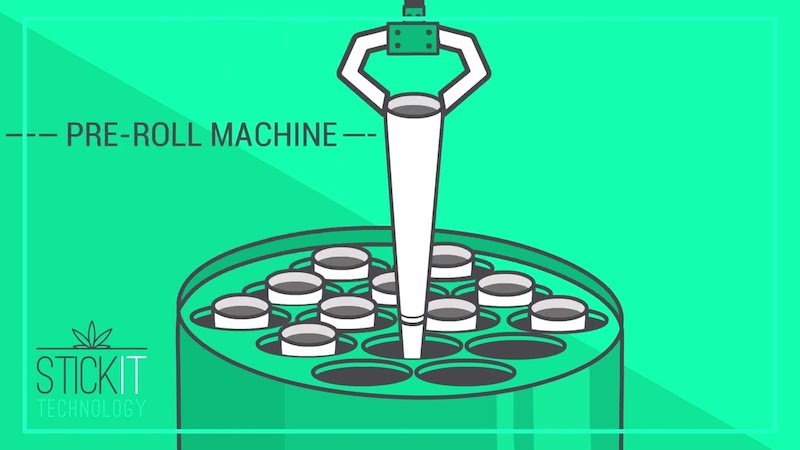
About Ripco Processing Inc. Ripco, known for its innovative cannabis products, brings popular brands like Stickit and Stripit to the Canadian market. Stickit is an infused stick designed to enhance the performance of prerolls, promising to take user experiences to new levels – just Stickit!
Agrify Corporation a leading provider of innovative cultivation and extraction solutions for the cannabis industry, today announced that Agrify Corporation and Nature’s Miracle Holdings Inc. have mutually agreed to terminate the agreement and plan of merger, previously announced on May 16, 2024, given unfavorable market conditions.
In connection with the termination of the merger, Agrify and NMHI have executed a termination agreement with respect to the merger agreement and have also terminated a debt purchase agreement with entities controlled by Agrify’s Chief Executive Officer with respect to the purchase of outstanding debt. Each of the termination agreements contained mutual releases.
Raymond Chang, Chief Executive Officer and Chairman of the Board of Agrify, stated, “Agrify continues to see strong momentum and pipeline growth quarter over quarter in both cultivation and extraction business divisions. We believe that it is in Agrify’s best interest to stay the course and continue to execute. Agrify’s management team and Board are committed to continuing to explore all strategic options in order to create the highest shareholder value.”
About Agrify Agrify is a leading provider of innovative cultivation and extraction solutions for the cannabis industry, bringing data, science, and technology to the forefront of the market. Agrify’s proprietary micro-environment-controlled Vertical Farming Units (VFUs) enable cultivators to produce the highest quality products with unmatched consistency, yield, and ROI at scale. Agrify’s comprehensive extraction product line, which includes hydrocarbon, ethanol, solventless, post-processing, and lab equipment, empowers producers to maximize the quantity and quality of extract required for premium concentrates. For more information, please visit Agrify at http://www.agrify.com.
A few months from now, the U.S. Food and Drug Administration (FDA) will be deciding whether MDMA can be prescribed as a treatment for post-traumatic stress disorder (PTSD”. MDMA, which is commonly known as ecstasy, is currently classified as a Schedule I drug under the Controlled Substances Act.
The agency’s approval of the drug’s use would be a significant breakthrough, particularly for the movement that has championed for psychedelic drugs to be used in managing a range of mental health conditions. On the other hand, FDA rejection of the drug’s use for these conditions would also be a major setback for the movement.
Various trials have demonstrated the drug’s potential for managing symptoms of post-traumatic stress disorder, with testimonies from some individuals who took part in the trials describing the therapy as transformational.
Despite this, some concerns are threatening to hinder the drug’s path into mainstream healthcare. A draft report released about two months ago by the Institute for Clinical and Economic Review (ICER) raised significant concerns about the validity of the findings from trials involving the drug. ICER is a nonprofit that assesses drug prices and clinical trials.
In its report, the nonprofit acknowledged that the data suggested that MDMA would be a crucial addition to treatment options for post-traumatic stress disorder. That said, the report questioned whether the findings told the whole story.
The report was accompanied by a citizen petition to the Food and Drug Administration, with the group of concerned individuals claiming possible ethical violations and misconduct that could compromise research on the psychedelic drug. In its petition, the group asked that the FDA arrange a public meeting to address the issues raised. If these claims are true, the likelihood of MDMA receiving approval from the FDA may reduce greatly.
Organizations at the forefront of research into MDMA also have a lot to lose, among them Lykos Therapeutics and the Multidisciplinary Association for Psychedelic Studies (MAPS). Lykos funded the clinical trials on the psychedelic drug, whose results are included in the company’s application to the federal agency requesting approval to market the medication for therapy-assisted post-traumatic stress disorder treatment.
Scientists and clinicians who were part of the trials have refuted accusations that their clinical data isn’t sound. The lead author of the published findings from MAPS’ phase 3 trials, Professor Jennifer Mitchell of the University of California-San Francisco, stated that she would support the findings.
The trials assessed the effectiveness of MDMA-assisted therapy in treating moderate and severe post-traumatic stress disorder. In their report, the researchers noted that roughly 71% of participants who received the MDMA treatment didn’t meet the diagnostic criteria for post-traumatic stress disorder.
Startups such as atai Life Sciences N.V. (NASDAQ: ATAI) that are conducting their own psychedelic drug-development programs will be watching how these issues leveled against the studies conducted by MAPS will play out and how the FDA rules about the MDMA new drug application.
About PsychedelicNewsWire
PsychedelicNewsWire (“PNW”) is a specialized communications platform with a focus on all aspects of psychedelics and the latest developments and advances in the psychedelics sector. It is one of 60+ brands within the Dynamic Brand Portfolio @ IBN that delivers: (1) access to a vast network of wire solutions via InvestorWire to efficiently and effectively reach a myriad of target markets, demographics and diverse industries; (2) article and editorial syndication to 5,000+ outlets; (3) enhanced press release enhancement to ensure maximum impact; (4) social media distribution via IBN to millions of social media followers; and (5) a full array of tailored corporate communications solutions. With broad reach and a seasoned team of contributing journalists and writers, PNW is uniquely positioned to best serve private and public companies that want to reach a wide audience of investors, influencers, consumers, journalists and the general public. By cutting through the overload of information in today’s market, PNW brings its clients unparalleled recognition and brand awareness. PNW is where breaking news, insightful content and actionable information converge.
To receive SMS alerts from PsychedelicNewsWire, text “Groovy” to 888-902-4192 (U.S. Mobile Phones Only)
Please see full terms of use and disclaimers on the PsychedelicNewsWire website applicable to all content provided by PNW, wherever published or re-published: https://www.PsychedelicNewsWire.com/Disclaimer
Around the world, approximately 790 million people are affected by sleep disorders. This can generate health problems such as insomnia and chronic anxiety. [1] Conventional medicines and psychotherapy interventions are usually used to deal with this type of problem, but there are also many natural remedies, derived from plants, that can significantly help with the alleviation of these disorders. In this review, we will analyze the most recent studies regarding the use of medicinal herbs for the treatment of insomnia and all the resulting conditions, analyzing their effects and mechanisms of action.
The regularity of the sleep-wake cycle is a fundamental aspect of our mental and physical health. Sleeping a certain number of hours at night is as essential as eating, drinking, or breathing. Sleeping can be considered a reversible state conditioned by age and the environment around us, even if we do not interact with it. In addition to these two factors, there are many others to consider, including the numerous neurotransmitters responsible for sleep-wake control, including noradrenaline (NA), histamine, and gamma-aminobutyric acid (GABA).[1] These transmitters, together with the most famous serotonin and melatonin, play a very important role in the sleep regulation process.
Insomnia and Sleep Disorder
Sleep disorders are very widespread in the population, they can be milder or have a strong impact on the mental and physical health of those affected.
The International Classification of Sleep Disorders (ICSD) divides these disorders into 7 categories:
Respiratory disorders;
Hypersomnolence disorders;
Disorders of the circadian sleep-wake rhythm (the circadian cycle refers to the biological clock with which the body beats all its functions during the 24 hours of the day, from the Latin “circa diem” which means “around the day”);
Movements related to sleep;
Parasomnias;
Insomnia.
Insomnia refers to the difficulty of falling asleep and staying asleep during the night. Insomnia is chronic when it occurs at least three times a week for three months. This condition affects 5-10% of the population and causes a drastic change in the quality of life. While it is not chronic if it occurs for less than three months, this condition affects a larger percentage of people: around 30-50% of the general population.
Insomnia and General Anxiety Disorder (GAD)
What is the connection between insomnia and anxiety? General anxiety disorder (GAD) is a psychiatric condition that includes various imbalances. It presents as a chronic state of anxiety that can last up to six months and is often a consequence of other psychiatric disorders such as depression or post-traumatic stress.
People with GAD suffer from a disabling psychiatric condition that can include symptoms such as panic disorder, social phobia, specific phobias, insomnia, and major depressive disorder. [2] The pathophysiology of general anxiety disorder is closely linked to the values of gamma-aminobutyric acid (GABA), an inhibitory neurotransmitter responsible for neuronal excitatory regulation. GABA receptors are located in the prefrontal cortex, in areas involved in the response to fear and anxiety. Some studies suggest a bidirectional correlation between anxiety/depression and insomnia, with anxiety and depression related to future insomnia and insomnia related to future anxiety/depression.[3]
Treatment of Chronic Insomnia
There are various ways to treat chronic insomnia, which are basically divided into two categories: psychotherapeutic treatment and pharmacological treatment.
With psychotherapeutic treatment, you undertake a path of cognitive-behavioral analysis with the help of a professional. This path of analysis can also include behavioral therapy, training in meditation, and relaxation response, all widely used techniques that have proven to be particularly effective and which are in fact constantly evolving.
Pharmaceutical treatment instead involves the use of drugs such as benzodiazepines, but they may have negative contraindications, such as headaches, nausea, confusion and loss of balance, daytime drowsiness, and dependence. Having these different options allows people with insomnia to combine behavioral and pharmaceutical therapies to try to achieve better sleep.
Medicinal Herbs for The Treatment of Insomnia
Psychotherapy and the pharmacological approach are the main ways to treat chronic insomnia, but the herbal extracts used in popular alternative medicine have also proven their effectiveness over time.
Essential oils have been widely used to combat anxiety and chronic insomnia. Clinical studies have confirmed the anxiolytic properties of lavender.[4] The researchers used a lavender-based preparation, comparing it with lorazepam, finding very similar effects on patients suffering from general anxiety disorders. However, the sedative effects of this extract have not yet been proven.
Aromatherapy with lavender essential oils could prove to be a natural regulator of melatonin levels in people with sleep disorders. Lavender essential oil was inhaled by elderly men and women, and the results confirmed that lavender significantly increased melatonin levels in the blood, consequently regulating the circadian cycle in geriatric patients.
A significant result that goes to demonstrate how lavender essential oil can be effective in insomnia disorders. Other studies have shown how the skin application of the oil via massage can also reduce anxiety. In this study, patients undergoing colorectal surgery were massaged with lavender essential oils twice a day. These patients noted a decrease in sleep disturbances and anxiety compared to patients who received standard care. [5] Bitter orange essential oil, on the other hand, significantly reduces blood pressure in patients with chronic myelogenous leukemia, acting simultaneously on the central nervous system calming its excitation, thus consequently reducing both anxiety and insomnia. [6]
The following plant extracts will be presented accompanied by scientific studies reporting their anxiolytic and sedative effects against sleeping disorders:
Valerian is certainly one of the most studied plants in the treatment of anxiety and insomnia, precisely because of its different effects on nervous alterations. Several tests have demonstrated the antidepressant and anxiolytic abilities of the plant, but its sedative and muscle-relaxant properties have not yet been demonstrated.
Researchers have identified particular pharmacological activities for each valerian compound, including synergistic interactions of valepotriates and allosteric modulations of gamma-aminobutyric acid receptors by valerenic acid. Valerenic acid is also thought to be responsible for increasing levels of brain neurotrophic factors in vitro. All these results highlight how valerenic acid can be considered the main active ingredient of valerian.[7]
After analyzing the effects of valerian on insomnia using both objective and subjective parameters, the researchers concluded that patients who had received different doses showed a significant increase in the quality and duration of sleep. Even patients with non-organic insomnia (with insomnia, non-organic refers to insomnia that does not have some known organic casualties, such as medical or neurological conditions) have shown similar results under the influence of valerian or oxazepam.[8] In menopausal female patients, valerian had positive effects on the quality of sleep compared to a placebo, while in patients suffering from obsessive-compulsive disorders, valerian significantly calmed anxiety and various psychiatric symptoms, including insomnia.
Numerous studies have been done on the effectiveness of valerian. Other clinical studies conducted on patients of both sexes have demonstrated how valerian, in relation to midazolam,[9] the drug used as a reference, guarantees the necessary comfort and relaxation without the need for sedation and without side effects such as excessive drowsiness. All these results give us a preview of how valerian can be a valid alternative to combat anxiety and consequently improve the quality of sleep, although it certainly requires further studies before it can be recommended in a clinical setting.
Melissa Officinalis
This plant is already widely used in folk medicine as a sedative and in general for the treatment of insomnia and stress. Its active ingredients are mainly volatile compounds, triterpenes and phenols. Its anxiolytic effects were analyzed in a preclinical study.[10] Inhibition of GABA transaminase and the consequent increase in brain availability of GABA have been associated with lemon balm. The authors of this study themselves integrated their results with other tests, taking as a reference a standardized extract such as Cyracos and its effects on healthy volunteers, comparing them with those of patients suffering from mild or moderate anxiety. This study, however, has obvious limitations due to the absence of a placebo, the low number of volunteers and the wide age range of the subjects.[11]
In another study conducted on patients with chronic stable angina it can be observed that the treated patients showed significant reductions in scores relating to depression, anxiety, stress and general sleep disturbances. [12] Other studies need to be conducted on Melissa officinalis, but there are already significant results on the effectiveness of this plant mixed with others.
Passiflora Edulis
Passionflower has also been extensively analyzed to discover its anxiolytic and sedative properties, and several preclinical studies have confirmed its effectiveness in both rats and mice.[13] The researchers concluded that passion flower may act in mice via a GABAergic mechanism rather than a serotonergic one. This result was from an EPM test in which researchers stimulated an anxiolytic-like effect via a GABAA/benzodiazepine receptor antagonist rather than a 5-HT1A antagonist. There was a reduction in total time spent awake, a reduction of REM sleep and a significant increase in slow wave sleep.
Several studies have been conducted on the effectiveness of passionflower.[14] Some researches have shown how it can be effective in the treatment of anxiety disorders, in others the beneficial effects on anxiety have not been as satisfactory, probably due to insufficient dosages, but at the same time its positive effects on quality have been demonstrated of sleep. In various conditions, studies on passion flower have shown how it can be effective in reducing the feeling of anxiety and improving the quality of sleep and also improving wakefulness. [15]
Cannabis Sativa
In recent years, interest in the use of plants from the cannabaceae family in the medical field has grown more and more. In addition to its positive effects on patients suffering from chemotherapy-induced nausea, chronic pain or muscle spasms, beneficial effects on anxiety and sleep disorders have also been demonstrated. Many studies have shown over time how the use of cannabis can improve the quality of sleep, although it is often associated with some negative side effects, even if relatively minor [16] Cannabidiol (CBD) and delta-9 tetrahydrocannabinol (THC) can have different effects at different stages of sleep. The improvement in sleep quality related to THC use may be influenced by the interaction of the endocannabinoid CB1 receptor with orexin receptors.
In this study [16]a group of almost 80 adults between the ages of 45 and 50 were tested over two weeks. Taking into account their weight, their body mass index, half of the participants were given a cannabis oil extract, while the other half were given a placebo. Participants were given a dose of oil no more than 1.5 ml and 20% of participants experienced minor side effects such as dry mouth nausea, dizziness and diarrhea. At the end of the study, all but one participant found cannabis oil to be an effective treatment for insomnia. High melatonin levels at midnight indicate better sleep quality, and at the end of the study about half of the group given the cannabis extract recorded an increase in melatonin values of about 30%, along with other values that indicate the effectiveness of cannabis oil extract in combating chronic insomnia.
References:
[1] Borrás S, Martínez-Solís I, Ríos JL. Medicinal Plants for Insomnia Related to Anxiety: An Updated Review. Planta Med. 2021 Aug;87(10-11):738-753. doi: 10.1055/a-1510-9826. Epub 2021 Jun 11. PMID: 34116572. [2] https://journals.sagepub.com/doi/10.1177/0748730406294627
[3] Kavan MG, Elsasser G, Barone EJ. Generalized anxiety disorder: practical assessment and management. Am Fam Physician. 2009 May 1;79(9):785-91. PMID: 20141098.
[5] Ayik C, Özden D. The effects of preoperative aromatherapy massage on anxiety and sleep quality of colorectal surgery patients: A randomized controlled study. Complement Ther Med. 2018 Feb;36:93-99. doi: 10.1016/j.ctim.2017.12.002. Epub 2017 Dec 6. PMID: 29458940.
[6] Kamalifard M, Farshbaf-Khalili A, Namadian M, Ranjbar Y, Herizchi S. Comparison of the effect of lavender and bitter orange on sleep quality in postmenopausal women: A triple-blind, randomized, controlled clinical trial. Women Health. 2018 Sep;58(8):851-865. doi: 10.1080/03630242.2017.1353575. Epub 2017 Aug 25. PMID: 28749734.
[7] Gonulalan EM, Bayazeid O, Yalcin FN, Demirezer LO. The roles of valerenic acid on BDNF expression in the SH-SY5Y cell. Saudi Pharm J. 2018 Nov;26(7):960-964. doi: 10.1016/j.jsps.2018.05.005. Epub 2018 Jun 8. PMID: 30416353; PMCID: PMC6218383.
[8] Ziegler G, Ploch M, Miettinen-Baumann A, Collet W. Efficacy and tolerability of valerian extract LI 156 compared with oxazepam in the treatment of non-organic insomnia–a randomized, double-blind, comparative clinical study. Eur J Med Res. 2002 Nov 25;7(11):480-6. PMID: 12568976.
[9] Farah GJ, Ferreira GZ, Danieletto-Zanna CF, Luppi CR, Jacomacci WP. Assessment of Valeriana officinalis l. (Valerian) for Conscious Sedation of Patients During the Extraction of Impacted Mandibular Third Molars: A Randomized, Split-Mouth, Double-Blind, Crossover Study. J Oral Maxillofac Surg. 2019 Sep;77(9):1796.e1-1796.e8. doi: 10.1016/j.joms.2019.05.003. Epub 2019 May 9. PMID: 31158346.
[10] Ibarra A, Feuillere N, Roller M, Lesburgere E, Beracochea D. Effects of chronic administration of Melissa officinalis L. extract on anxiety-like reactivity and on circadian and exploratory activities in mice. Phytomedicine. 2010 May;17(6):397-403. doi: 10.1016/j.phymed.2010.01.012. Epub 2010 Feb 18. PMID: 20171069.
[11] Cases J, Ibarra A, Feuillère N, Roller M, Sukkar SG. Pilot trial of Melissa officinalis L. leaf extract in the treatment of volunteers suffering from mild-to-moderate anxiety disorders and sleep disturbances. Med J Nutrition Metab. 2011 Dec;4(3):211-218. doi: 10.1007/s12349-010-0045-4. Epub 2010 Dec 17. PMID: 22207903; PMCID: PMC3230760.
[12] Haybar H, Javid AZ, Haghighizadeh MH, Valizadeh E, Mohaghegh SM, Mohammadzadeh A. The effects of Melissa officinalis supplementation on depression, anxiety, stress, and sleep disorder in patients with chronic stable angina. Clin Nutr ESPEN. 2018 Aug;26:47-52. doi: 10.1016/j.clnesp.2018.04.015. Epub 2018 May 19. PMID: 29908682.
[13] Grundmann O, Wang J, McGregor GP, Butterweck V. Anxiolytic activity of a phytochemically characterized Passiflora incarnata extract is mediated via the GABAergic system. Planta Med. 2008 Dec;74(15):1769-73. doi: 10.1055/s-0028-1088322. Epub 2008 Nov 12. PMID: 19006051.
[14] Dhawan K, Kumar S, Sharma A. Anti-anxiety studies on extracts of Passiflora incarnata Linneaus. J Ethnopharmacol. 2001 Dec;78(2-3):165-70. doi: 10.1016/s0378-8741(01)00339-7. PMID: 11694362.
[15] Ngan A, Conduit R. A double-blind, placebo-controlled investigation of the effects of Passiflora incarnata (passionflower) herbal tea on subjective sleep quality. Phytother Res. 2011 Aug;25(8):1153-9. doi: 10.1002/ptr.3400. Epub 2011 Feb 3. PMID: 21294203.
[16] Ried, K., Tamanna, T., Matthews, S., & Sali, A. (2023). Medicinal cannabis improves sleep in adults with insomnia: a randomised double-blind placebo-controlled crossover study. Journal of Sleep Research, 32(3), e13793. https://doi.org/10.1111/jsr.13793
Many cannabis growers are frustrated that their agricultural products are entirely regulated by Health Canada, and believe that Agriculture and Agri-Food Canada could take a more formal role in some aspects of cannabis regulation.
This is particularly true for businesses that operate proper farms and grow other agricultural products. Having some regulatory oversight shifted away from Health Canada makes sense for these companies, as the agency has limited agricultural expertise.
Given that agriculture is a shared jurisdiction with provincial and territorial governments, there is also an opportunity for cannabis growers to benefit from regulatory policies that are more specific to their local regions.
“A shift would support good agricultural practices,” says Colin Davison, CEO of McIntyre Creek Cannabis Inc., an outdoor cannabis cultivator in BC focused on both the medicinal and recreational markets. “It would allow us to rotate crops. We could have cannabis on ten acres one year, and then switch to radishes to replenish the soil.”
“It’s hard to justify buying a hundred-thousand-dollar tractor to farm seven acres of cannabis six weeks of the year,” says Davison. “If I could use it for strawberry and wheat acreage, as well as for terpenes and flower, it would be a very different type of farming, all of which would be better understood by Agriculture and Agri-Food Canada than by Health Canada.”
The challenge is that, as a regulatory body, Health Canada is in no way equipped to address the complexities of an agricultural operation. The result is that numerous potentially beneficial policies are simply unavailable to cannabis growers, many of whom are engaged in complex and sophisticated agricultural practices.
“People think of agriculture as a traditional, old-world endeavour, but in fact it’s an advanced, sophisticated, well-integrated industry,” says Orville Bovenschen, President of Pure Sunfarms in BC, which grows tomatoes and cannabis in semi-closed greenhouses. “We already have government regulators who are experts in agriculture, and are much more experienced in crop management and disease.”
In this context, rather than taking an oppositional view of regulatory participation, Bovenschen believes that agricultural regulators could add value and help the industry grow.
“We’ve been doing this for 30 years, and are always willing to collaborate with regulators,” he says. “The government has been involved with agriculture for over a century, and an agricultural perspective would be welcome – maybe we should get them involved.”
As it stands, cannabis growers are often excluded from some of the economic policies designed to help farmers.
“In BC, we don’t get farm status for tax purposes, and often don’t qualify for specific agricultural programs,” says Margaret Brodie, CEO of Rubicon Organics, an organic cannabis greenhouse cultivator in BC. “Health Canada taxes us 2.3% based on revenue and regulates us more heavily than they do tobacco or alcohol. Upon legalization, Canada overdid the regulations, and now we need to strip it back a bit.”
“Banks can be downright impossible to deal with,” says Davison. “It would be refreshing not to be focused exclusively on cannabis, but to see it as a matter of the specific needs of farmers. This could really help to stabilize our industry.”
A Modest Risk
The strict regulations and the exclusive oversight by Health Canada are a direct result of the overly cautious approach taken by the federal government upon legalization. It would have been a tall order to treat cannabis like any other agricultural product, and that may still be the case, but the risk to society – either from a health or law-and-order perspective – was likely overstated.
“It hasn’t come to fruition where people are driving through fences and stealing cannabis plants,” says Davison. “The crop is only valuable during the last few weeks of harvest. The reality is that it takes thirty people working full out for 20 days to get that harvest off. If someone drives through the fence, what are they going to steal, ten plants before the RCMP and staff arrive? It would be extremely minor in nature. Our facility is auto-monitored in every way, with quick police response. Large-scale theft by organized crime is simply not likely, as even our harvested product isn’t stored at our field.”
As it stands, an outdoor operation like McIntyre Creek often gets treated like an indoor grow, where crop turnover is much faster. Not only is the harvest time limited with outdoor grows, but there are also challenges with soil integrity that would benefit from a loosening of the security regulations.
“If we had a larger, mixed licensed area we could rotate our crops,” says Davison. “Right now, the extent of the security fencing doesn’t make sense. We have more than 20 cameras around our farm for a crop that’s only in the ground four or five months of the year, and only of any value for about four weeks. We would benefit from changes that were more specific to our reality, for example with regard to access control and secure storage.”
Davison says that McIntyre Creek, which farms for specific cannabis-derived terpenes, as well as cannabinoids, could enhance biodiversity and be more successful if its licensed area could include complimentary crops, such as strawberries.
“These are normal practices within the agricultural industry, and would still allow us to harvest a medical product in a controlled environment,” he says. “The market is already doing that when the product is shipped to the processor, who continues to treat it very much like a pharmaceutical product.”
The greater risk in not shifting to an agricultural purview is mainly economic, given that Health Canada’s regulations require cannabis to be grown under such isolated, highly specialized conditions.
“It’s hard to justify buying a hundred-thousand-dollar tractor to farm seven acres of cannabis six weeks of the year,” says Davison. “If I could use it for strawberry and wheat acreage, as well as for terpenes and flower, it would be a very different type of farming, all of which would be better understood by Agriculture and Agri-Food Canada than by Health Canada, in my estimation. We have no complaints under the current legislation as to who looks after outdoor cultivation, but streamlining to respect a greater farming appreciation would be a benefit to cultivators.”
The desire for regulatory reform, with a greater agricultural focus, also applies to hemp, which has suffered from the stigma and ignorance associated with cannabis cultivation.
“Our basic position…is that there’s only one element of our industry that should be under Health Canada and Cannabis Act control, and that’s the extraction of concentrated and isolated cannabinoids from hemp flowers, which we agree should be done by licensed cannabis processors,” says Ted Haney, President & CEO at Canadian Hemp Trade Alliance (CHTA).
“Other than that, the rest of the plant, and the rest of the industry, need to be freed. They need to be moved to Agriculture Canada, which has an economic mandate, and understands how to work with farmers, and food and industrial processors, to build this industry into what it can be, rather than to hamper it with inappropriate regulation that doesn’t reflect the risk of the industry.”
If you’ve ever synchronistically manifested something you wanted in life, you know that consciousness can influence reality.
Many have tried putting this principle to use by using focused visualization methods per the Law of Attraction to try and manifest their desires. But that’s a rather limited application.
What many don’t realize is that our consciousness doesn’t shape reality only during emotionally charged focused visualizations; it shapes reality constantly according the very quality of our being.
In fact, you don’t even need to do anything specific in terms of visualization exercises or meditations to influence reality. All you need to do is be who you are right now, and to varying degrees, life will reflect the nature of your being.
There’s an actual physics behind how this works, which I’ll cover in a future video about imaginary spacetime and the Feynman Path Integral formulation of quantum mechanics. But for now, if you think of time like a river, then not only do we move forward along that river, we also drift vertically at different depths between different currents or time streams.
The river of time is actually a bundle of interwoven time streams, each representing a certain theme of experience. Near the top of the river there’s light, meaning peace, harmony, and serendipity. Near the bottom there’s darkness, meaning pain, suffering, and obstacles.
Which time stream you access depends on the vibrational resonance spectrum of your soul, your being, the deeper parts of your consciousness. This resonance spectrum determines which time streams or probable futures you exchange energy with and thereby attract.
So by changing your being, meaning the qualitative aspect of your consciousness, you change your stream of experience in life.
Many Law of Attraction students miss this point. They think it all depends on what they do during a visualization session, when in reality what matters most is who they are the rest of the day.
So it’s a good idea to transform your being from a lower state to a higher state. But is it enough to just wear a smile all day and avoid negative thinking?
Not exactly, and the reason is that surface level thoughts and feelings are not what cause synchronistic attraction. Rather, what matters is the deeper subconscious foundation from which they arise.
It’s about who you are at the subconscious level that pivots you between different time streams. It’s about what you emotionally resonate with and are drawn toward. It’s about what you take to be reality, your root assumptions regarding the way life works, your unquestioned beliefs, your overall mood and mindset and outlook on life.
As we all know, different people respond differently to the same situation. Some get amused, others get angry. Some react with understanding, others with blame. Some rise to the challenge, others shrivel up.
Like different objects making different sounds when struck in the same way, how each of us responds and reacts to life is says something about our personal consciousness resonance spectrum. And it’s precisely this resonance that determines which probable futures we energize and attract.
The problem is that for so many, the way they are is all they’ve ever known, all they believe there is, and all they secretly want and subconsciously resonate with.
Like a sound or smell that’s always there, it merges into the background and becomes hard to notice and therefore hard to do something about.
That’s why people tend to stay locked into their time stream and keep attracting the same experiences, even if on the everyday conscious level they wish for better.
Because conscious wishing isn’t the same as subconscious being. If you just put on a token smile and half heartedly try to think happy thoughts, but deep down you’re the same as always, life will remain the same as always.
If you’re full of inner turmoil and reactivity and try to suppress that instead of resolving it at the subconscious level, all you’re doing is putting a lid on a pressure cooker while staying in the same time stream, and so when life inevitably throws more of the same at you, you end up exploding.
That’s why the priority must be on pivoting yourself at the very root of your consciousness, the foundation, the axis of your inner world. Because it’s by turning around your inner world and changing your very nature, that you turn your life around.
The first step to doing that is recognizing what state you’re in and when it actually changes for real.
Otherwise you can easily fool yourself into thinking you’ve changed when you haven’t.
Did you really rise to a higher positive state, or are you just going through the motions? Have you slipped back into a neutral state without knowing it? Or have you fallen into a lower negative state that needs emergency corrective action? How would you know for sure?
Seven Signs
Well, here’s how you can know. Here are 7 Signs that your consciousness has actually shifted.
1. The new state has normalized – That means you don’t have to force it. It feels like your new center of gravity, your new default mode of being. It wells up from deep within you and drives your thoughts and feelings. You don’t even have to try. It’s just who you are now.
2. Your previous state fades out – When you think back on it, it feels foreign and distant, like you can’t really identify with it anymore, like it’s another person. You can sort of recall what it was like, but more at arm’s length like you’re watching someone else’s life.
3. Your priorities change – Many things you were preoccupied with before now lose their importance, and things you didn’t care for before have taken on new meaning.
4. Your perceptions change. You notice things about people, about your surroundings, about life that you didn’t notice before. And what you used to notice all the time, you don’t really pay attention to anymore.
5. People act differently toward you. – The types of people you attract, the way they look at you, how warm or cold they are toward you, these all undergo a transformation.
6. Your emotional reactions change. – Since you view the world through a different lens, you no longer react the same way to life. So the character of your emotional responses changes. Old patterns of feelings become harder to access, and new feelings come more easily. That’s your soul resonance spectrum changing.
7. Synchronicities and dreams change. – You experience a change in synchronicity in your life in terms of their types, meanings, intensity, and how often they occur. The quality of your dreams may change too, since dreams are primarily an expression of the subconscious, and it’s the subconscious that changes here because it’s a doorway to the deeper levels of your being.
Now these seven signs apply whether you’re in a positive, negative, or neutral state of being. Let’s look at some examples of each.
Positive State
In a positive state, you experience more positive synchronicities in life. Life can become weird but in a good way, reality bending in sometimes miraculous ways. Your dreams become more meaningful, enlightening, and enjoyable.
You’re naturally buoyant, resilient, and good natured. There’s a sense of ease and assuredness and harmony.
When you’re in a higher time stream like this, you attract positive people, and people in general are friendlier toward you. Those who may have been antagonistic before suddenly change. You may even notice with people you know, that things are suddenly going better for them in their lives, which brings up the possibility that when you interact with someone, you’re actually interacting with whatever probable version of them you’ve tuned into via your current soul resonance.
You find more meaning in the little things and receive more insights when pondering the big things in life. And so you become more curious, creative, insightful, reflective, and poised.
You become more sensitive to beauty, color, symmetry, meaning, and oneness in all that you perceive. Everything feels more alive, more vibrant. Music sounds more satisfying.
Instead of reacting blindly to life’s learning lessons, you actively introspect and learn from your experiences. When problems or provocations arise, your natural response is one of good natured understanding and lucid clarity.
People who are in a lower state but mistakenly believe they’re in a higher state are all fine so long as nothing bad is happening but the moment they are tested, their true nature comes out, and that serves as an indicator that they need to rework their approach.
Alright, so the positive state is one of higher consciousness, of being more in resonance with your spiritual core essence and divinity. It’s about strength, wisdom, awareness, and spiritual refinement.
Negative State
That’s the opposite of the negative state, which is mired in reactivity, hostility, limiting beliefs, illusion, self-destruction, materialism, or animal instincts.
The lower one goes within the river of time, the more strange and negative things get. For starters, there’s an increase in accidents, illnesses, and misfortunes.
Dreams tend to become more stressful, disgusting, or demonic. Synchronicities take a turn for the dark via bad omens, warning signs, and symbolic catastrophes in life.
One tends to attract people who are either hostile towards you, or draw out your hostility against them.
Life rarely goes smoothly and it’s taken as a given that the good things in life must be fought for and taken. It’s the law of the jungle.
One sees only what’s ugly, bad, threatening, or exploitable in others and the world. There’s a gritty, dark, cold gray feel to life.
The lower time streams are dominated by those with strong predator or prey mentalities. Both find themselves there and feed into each other.
Those on the predator end of the spectrum have a demonic coldness and the mindset of a destroyer. If you’re intuitive or street smart you can identify such types pretty easily.
Those on the prey end of the spectrum have a deep victim mindset and persecution complex. They feel like the world is out to get them.
In the more extreme cases, their lives become waking nightmares when they’re preoccupied 24/7 with threats whether it’s gang stalkers or alien abductors or government agents or whoever the antagonist happens to be. Their reality melts down into a hellish nightmare filled with paranormal threats around every corner. And it’s not all just in their heads, it’s real, but reality changes depending on what time stream you’re tuned into.
What they don’t realize is that they are actually attracting and amplifying such nightmarish experiences because they are subconsciously resonating at a very low frequency that locks them into those lower time streams. They are continually affirming and reinforcing that this nightmare is what reality is all about. That’s their unquestioned root assumption, and so they stay locked into it.
If they were to snap out of it and shift to a higher state of consciousness by dropping the fear and victim mentality, guaranteed 90% of the nightmare would evaporate because they’d be shifting to a higher time stream beyond the easy reach of the dark forces that rule the lower levels.
That’s why it’s so important to recognize when any of this starts happening so that you can turn things around and get back on a higher time stream.
Neutral State
Now these two sets of examples, the positive and negative, serve to illustrate what happens when your soul resonance is so high or so low that your reality becomes highly unusual.
The fact is, however, that most people won’t experience either of those extremes because their resonance spectrum puts them somewhere in the middle, in the more neutral or mundane time streams.
Ordinary consciousness locks you into an ordinary reality. If you get virtually no synchronicities, no improbabilities, and nothing weird or magical happens other than the usual ups and downs in life, you’re in this neutral state of being.
Neutral doesn’t necessarily mean you’re empty, apathetic, or emotionless like a robot. It just means you’re living life within the parameters of what’s considered normal. Normal emotions, normal reactions, normal interests, normal reality.
It’s when you shift into an extraordinary state of being that you shift into an extraordinary reality.
Resonance Baseline
Now, in practice, throughout the months we drift around a certain baseline in terms of our personal time stream, sometimes drifting a little higher, sometimes a little lower. This is due to many factors including astrology, biorhythms, and what behavioral patterns you choose to engage in and reinforce.
If you choose to stay above that baseline long enough, that higher state becomes the new baseline and both your inner nature and outer life undergo a permanent change. That’s the depth of change we need to aim for.
Conclusion
So as you can see, consciousness does influence reality, but the implication of that goes way beyond just trying to manifest your desires using Law of Attraction rituals.
The universe is an expression of a universal field of consciousness of which our own consciousness is a part. And so the root of our being is connected to the root of reality.
The inner and outer world are closely linked, and by changing your very being, you change your very existence.
Thailand’s prime minister announced plans to classify marijuana once again as a narcotic by the end of the year, marking a significant reversal of its earlier decision. Just two years ago, Thailand took a progressive step in Asia by decriminalizing recreational marijuana use.
Despite this reversal, Thailand has witnessed a rapid expansion of its domestic cannabis retail sector. Over the past couple of years, thousands of businesses and stores have emerged, projecting an industry value of potentially up to $1.2 billion by next year.
Expressing the government’s intentions on X, SretthaThavisin, Thai prime minister, called upon the health ministry to revise regulations and reclassify marijuana as a narcotic. However, he emphasized that its usage should be restricted solely to medical and health purposes.
The cannabis decriminalization journey in Thailand began in 2018 for medical purposes and extended to recreational usage by 2022 during the tenure of the previous government. Nonetheless, critics argue that the liberalization process was hastily executed, resulting in widespread confusion regarding regulations.
Srettha reiterated his government’s commitment to taking a hardline stance against illicit drugs following a meeting with agencies involved in combating narcotics. He urged authorities to demonstrate tangible progress within the next three months, emphasizing the detrimental impact of drug addiction, particularly among young people.
In addition to bolstering enforcement efforts, Srettha called for a re-evaluation of legal drug possession thresholds, suggesting a shift from defining possession by “small quantities” to even “a single pill” to facilitate stricter enforcement.
Previously, Srettha’s administration had expressed its intention to enact a marijuana law by the end of the year, aiming to prohibit recreational cannabis while permitting its use exclusively for health and medical purposes. However, the timeline for reclassifying marijuana as a narcotic as well as evaluating requisite procedures remain uncertain.
The secretary-general of the country’s Marijuana Future Network, Prasitchai Nunual, criticized the idea of recriminalization and forewarned of the negative effects it would have on small companies, consumers and the economy. He contended that a large number of people had made investments in marijuana enterprises and cultivation, and would incur large losses in the event that the drug was once again categorized as a narcotic.
Nunual suggested that any decision regarding cannabis classification should be informed by scientific evidence comparing its harms to those of cigarettes and alcohol. He proposed that if marijuana is found to be less hazardous, similar consideration should be given to reclassifying cigarettes and alcohol as narcotics.
These policy reversals in emerging international markets for marijuana are likely to be of concern to established entities such as Software Effective Solutions Corp. (d/b/a MedCana) (OTC: SFWJ) that may have been looking for foreign markets to augment their domestic sales.
NOTE TO INVESTORS: The latest news and updates relating to Software Effective Solutions Corp. (d/b/a MedCana) (OTC: SFWJ) are available in the company’s newsroom at https://cnw.fm/SFWJ
About CNW420
CNW420 spotlights the latest developments in the rapidly evolving cannabis industry through the release of an article each business day at 4:20 p.m. Eastern – a tribute to the time synonymous with cannabis culture. The concise, informative content serves as a gateway for investors interested in the legalized cannabis sector and provides updates on how regulatory developments may impact financial markets. If marijuana and the burgeoning industry surrounding it are on your radar, CNW420 is for you! Check back daily to stay up-to-date on the latest milestones in the fast -changing world of cannabis.
To receive SMS alerts from CNW, text CANNABIS to 888-902-4192 (U.S. Mobile Phones Only)
Please see full terms of use and disclaimers on the CannabisNewsWire website applicable to all content provided by CNW, wherever published or re-published: https://www.CannabisNewsWire.com/Disclaimer
Chris Alexander, executive director of the state entity charged with overseeing the implementation of the recreational marijuana industry in New York State, has been asked to leave office when his tenure draws to an end this September. This ouster has raised more questions than it answers.
For starters, many watchers of the roll-out of recreational marijuana sales in the state indicate that many departments had roles to play in the implementation of the adult-use cannabis program. However, none of those departments was mentioned in the report, which was released after the state governor launched a review of the recreational marijuana program.
Osbert Orduna, who owns a licensed adult-use cannabis store in Queens, says the “conspicuous absence” of those other departments makes one think that the ED was made to take the fall. For example, the state was flooded with illegal operators, and the state seemed unable to deal with them. Not a single law enforcement agency or officer was mentioned in the review report intended to identify why the adult-use program has been a “disaster,” as Governor Kathy Hochul described it. Is it possible that the proliferation of unlicensed operators denied even the few licensed businesses an opportunity to serve as many customers as they would have served?
The review report also points out that there were 65 unfilled positions within the Office of Cannabis Management. The question on many people’s minds is, was Chris Alexander solely responsible for hiring all those people and he didn’t? It is possible that other offices and departments may have had roles to play in hiring those workers and assigning them to the OCM. However, the report digging into the failure to roll out the program as expected makes no mention of why exactly or who slept on the job and left 65 positions vacant.
How could $26 million remain unspent at the OCM at a time when the office had plenty of work to do to ensure that the highly anticipated launch and roll out of recreational marijuana sales stays on track? The way state governments work, it is unlikely that the head of the OCM was solely responsible for using that money to run the activities it was intended for. It should be noted that it isn’t clear what exactly that money was intended for. Possible uses can include staff salaries, costs of inspections and enforcement activities, among others.
There is a need to reflect on what exactly went wrong, as well as where who was responsible. If this isn’t done, the departure of the OCM head is unlikely to trigger the needed changes to bring the program back on track.
Marijuana companies in the country such as SNDL Inc. (NASDAQ: SNDL) and those from without will be watching to see how quickly the program in New York State can get back on course and serve the residents who wish to consume adult-use cannabis products.
About CannabisNewsWire
CannabisNewsWire (“CNW”) is a specialized communications platform with a focus on cannabis news and the cannabis sector. It is one of 60+ brands within the Dynamic Brand Portfolio @ IBN that delivers: (1) access to a vast network of wire solutions via InvestorWire to efficiently and effectively reach a myriad of target markets, demographics and diverse industries; (2) article and editorial syndication to 5,000+ outlets; (3) enhanced press release enhancement to ensure maximum impact; (4) social media distribution via IBN to millions of social media followers; and (5) a full array of tailored corporate communications solutions. With broad reach and a seasoned team of contributing journalists and writers, CNW is uniquely positioned to best serve private and public companies that want to reach a wide audience of investors, influencers, consumers, journalists and the general public. By cutting through the overload of information in today’s market, CNW brings its clients unparalleled recognition and brand awareness. CNW is where breaking news, insightful content and actionable information converge.
To receive SMS alerts from CNW, text CANNABIS to 888-902-4192 (U.S. Mobile Phones Only)
Please see full terms of use and disclaimers on the CannabisNewsWire website applicable to all content provided by CNW, wherever published or re-published: https://www.CannabisNewsWire.com/Disclaimer
It is with a world of grief in heart and soul that I must share that the demonic cancer which attacked my Bear, Michael Gibbons, finally won against his heroically courageous battle against it, on the morning of May 18, 2024, when he finally crossed over, back to the Spiritual Realm from which we all came. Please, any of you who experienced and benefited from his beautiful spiritual guidance and work, and those of you who did not personally enjoy those benefits but are moved to do so, make a donation now to help cover his funeral costs.
He was many things in this lifetime, even before becoming a powerful Shaman, and always in service to Humanity, even as a child. Among other things, he was a Veteran of the U.S. Air Force, and will be buried at the National Cemetery in Pensacola, Florida, where he will also receive a graveside military burial. As his surviving wife, I could use all the financial help I can get, to help cover the funeral costs, and will be eternally grateful for your help. God Bless You all.
March 16, 2017 first draft November 16, 2021 second draft May 18, 2024 final by Sherry Swiney
I kept setting this article aside, as though waiting for something. On May 18, 2024 (today) this article continues with the added video with David E. Martin (posted at the end of this article). Thank you Universe.
You would think by now that we would have noticed that any time governments promote a “War on Something”, we get more of that something. Of course we fall for their clever shenanigans every time. Governments are not capable of solving problems. They are politicians, not problem-solvers. This is one reason why every war on something has failed the people and benefitted the authoritarians. And it is why these folks perform their magician acts that continue to keep the wool over our eyes.
Dystopian films about viruses have primed us for this latest corona-war. So let’s call it a War on Death. Naturally we are going to see more death than ever before, whether it has to do with a virus or not. I came across this great article with the same title and it inspired me to work more on this article that I actually started on March 6, 2017, edited on April 19, 2020 then for some reason, set it aside until today. Quoting a tiny bit from the article:
Yes, that’s right, global capitalism (a/k/a “the world”) is now at war with Death … which is great news for authoritarians! No more bothersome critical thinking. The time for questioning our leaders is over. It’s time to shut up and follow orders. We’re in a global state of emergency, folks! We’re talking lockdowns, soldiers in the streets, abrogation of our constitutional rights, arbitrary arrests, indefinite detentions, round-the-clock media fear-propaganda … the whole totalitarian megillah!
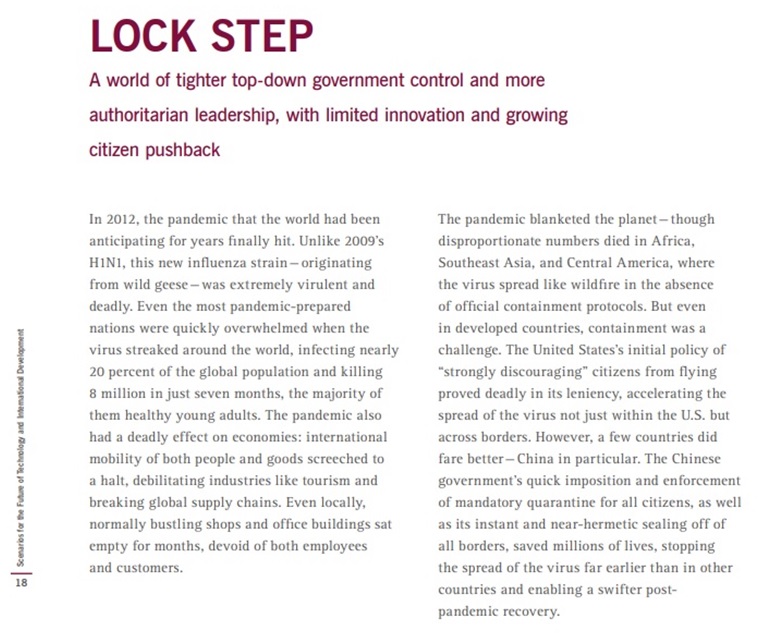
There are already eight previously failed Wars on Things listed below. I am looking forward to rapping up the end of the current war – you know, the War on Death. If this war goes like all the rest there will be tons of money spent or disappeared, lots of death and other mayhem, and in the end the creators of this war will fail once again. You can see how the authoritarians planned this war in this Rockefeller document dated 2010:
“We now invite you to immerse yourself in each future world and consider four different visions for the evolution of technology and international development to 2030” (Pg. 16 in the Rockefeller document further described on page 18 below, but do open the document and take a look at page 17.)
You see, these guys have a playbook they like to follow in an effort to inch-their-way into world dominance. They don’t care what it costs or how many die. In fact they think there are too many people on the planet, so eliminating a few billion people is good news for them. IF that is ever accomplished, I’m sure these guys will war against each other vying for the top seat at the podium. That will be interesting to watch from wherever we are at the time.
In each case you will notice that throwing money and more laws at a problem is not the answer. This is because tossing money at something is almost always just a band aid and never a real solution. It gives the appearance of something being done at the expense of everyone. I remember a lawyer telling me long ago (era 1990’s) that as long as there is an appearance of justice, that’s all that matters. I realized then, that this saying applied to everything involving governments in our world, and the best I could do was try to inform people. So, together we could make things right, true, proper, fair, and all those nice words.
But you know what? People are usually not willing to listen when they hear information that is contrary to what they have believed since they were born. They’d rather attack the messenger because that makes them feel better and more secure with the lies they live with every day.
So we end up with way too many regulations, many of which are unconstitutional that are put into place without the public’s knowledge or input. Many of the problems we see in society were created by government in the first place. You’ve no doubt heard of Problem-Reaction-Solution where the government creates a problem, then uses propaganda to promote the public’s reaction and then “saves the day” by introducing a solution that ends up placing the public in worse shape, with less freedom than before the problem was invented. I wish people would stop falling for that rubbish.
I do hope all the County Sheriffs around the country know they have the power to stop the federal government from going all “police state” in their county. If not, maybe you should let them know about Sheriff Scott Nichols in Franklin County, Maine who defied the Governor, saying “We will NOT be setting up a police state. Period.” That was a great moment.
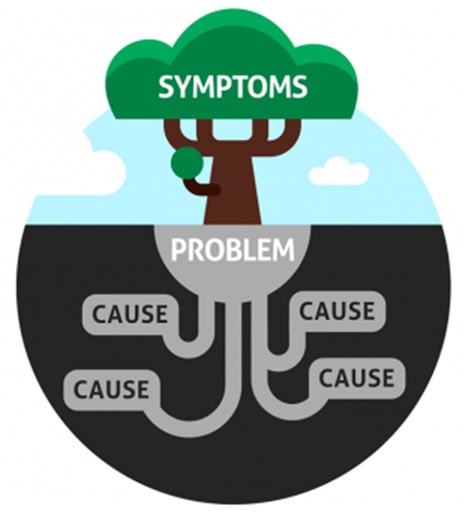
The cure to any problem is NOT done by trying to control the consequences or symptoms. The cure to any problem IS done by fixing the root cause. This requires honesty.
1. War on drugs: In June 1971, President Richard Nixon declared a “war on drugs.”
Billions were spent in the name of conducting this war. Meanwhile, the notorious cocaine kingpin Pablo Escobar worked closely with the CIA, according to his son. There is a long history of CIA involvement in the international narcotics trade, beginning with its collaboration with the French Mafia to using drug money to illegally fund the Contras and overthrow the Sandinista government in Nicaragua. Drug profits were used to float Wall Street and the role big banks play in laundering huge amounts of illicit drug profits.
The result?More drugs available; more prisons built; more people imprisoned; more laws; more police; the prison industrial complex (PIC) was created. It thrived and the more people suffered.
The war on drugs failed. The war on drugs has already cost U.S. taxpayers more than $1 trillion and our nation’s jails, prisons and hospitals now overflow with the ranks of its combatants and victims. There are more drugs than ever dreamed of in 1971 when President Nixon first declared this war.
What is the Root cause? There are many reasons people take drugs. These are primarily centered on physical or emotional pain and curiosity. Drug companies and therapists push drugs endlessly without considering the root cause. So it’s a mixed bag but the bottom line is this: governments have no business in regulating what a person puts into their body. It can regulate things like “Don’t drink/take drugs while driving, flying,” and so forth, and that’s it. Employers can regulate the same for work but again, that’s it. These regulations are useful to prevent a user to hurt someone else. However even this could be prevented if as young children users were taught to take responsibility for their actions in life.
2. War on insects: The insecticide DDT was discovered in 1939. It killed insects that damaged crops, caused diseases, and annoyed home owners. The war on insects was on.
The result? Pesticides leeched into the food and water supply; insects developed resistance; stronger pesticides were needed; people started getting cancer; pollinating insects, such as bees, died off; wild life died off. The effect for farmers with genetically modified plants was limited to a few seasons requiring stronger pesticides. People started having digestion problems and immune deficiencies.
The war on insects failed. The war on insects has been a disaster: lower yields, resistant insects which means, more pesticides, and reduced profits. Biotech Agriculture Failed to Increase Crop Yields, but Increased Use of Herbicide
What is the Root cause? The root cause is easier to identify than drug usage. As demonstrated above, improper farming practices are not sustainable. Using a range of sustainable agriculture technologies and companion planting – none of which involved GMOs – farmers have achieved yield increases of 50-100% for rain-fed agriculture, and 5-10% for irrigated crops. Still, the big chemical companies push hard to get their GMO crops thought of as “feeding the world” when it does the exact opposite. GMOs and their companion pesticides destroy the world, from soil to water to beneficial insects, to animals and humans.
3. War on crime: “Tough on crime” rhetoric became prominent in the 1960s, exploited by politicians and cheered by voters, often with thinly veiled racial or other social slurs. In March 1966 President Lyndon Johnson addressed the nation declaring a “war on crime”. Billions were spent in the name of conducting this war.
The result? More law enforcement; more prisons built; national crime rate continued to climb; innocent people were imprisoned without due process of law; more laws were enacted; the United States prisons became home to 25 percent of the world’s prisoners.
The war on crime failed. Along with the war on drugs, it resulted in mandatory sentencing, zero tolerance and “three strikes” policies that swelled the prison population. At the same time court systems were swamped with cases, increasing the incentive for plea bargains and with that the disproportionate power of prosecutors. Budgets were exhausted by the cost of incarceration, often leading to cuts in programs for the rehabilitation and education of prisoners.
What is the Root cause? Like drug use the root cause has many facets, from home life abuse, to poverty, to discrimination which is something that has to be taught to youngsters. Kids don’t grow up thinking one day I want to spend time I prison. So this root cause is a societal issue.
Throughout history, portions of the world’s population have experienced hunger. Food supply disruptions caused by war, plagues, or adverse weather are attributed to the cause.
The result? More terrorists were born; more terrorist attacks happened; more people were killed or maimed; more homelessness and more starvation created. The military industrial complex (MIC) thrived and the more people suffered and died.
Lies, more lies; scamming the public to believe a scenario that was not true. None of it was necessary.
6. War on diseases: The history of pharmaceutical cartel and subsequent illegalization of natural medicine that had been effective for thousands of years goes back to around 1911 with the Rockefeller family.
The result? Pharmaceutical manufacturing became concentrated, with a few large companies holding a dominant position throughout the world; health care became political and a major investment business; the medical establishment became a major threat to health; health-denying medicine became mandatory; more people suffered and died.
First of all, one size has never fit all and never will. Chemical remedies are not the only remedy available. Natural remedies often work far better. Prevention is the best medicine, but no one teaches us about that in school.
7. War on poverty: In January 1964, President Lyndon B. Johnson declared a “war on poverty.” The national poverty rate was approximately nineteen percent.
The result? More government agencies and more research institutions were created; more welfare programs happened; people became less capable of self-sufficiency; more people suffered and died.
Nature is abundant everywhere, except where humans have destroyed that abundance to horde for themselves. Else, there would be no poverty on Earth.
8. War on population growth: In 1968 when world population was 3.5 billion, Paul Ralph Ehrlich, an American biologist, published “The Population Bomb”, sounding an alarm about the consequences of population growth and limited resources. Zero population growth was in Vogue.
Millions were spent promoting zero population growth.
Bioethics and Eugenics: The Ugly Truth Published March 11, 2017
The result? More worldwide organizations were formed; more studies were done; new policies created: planned-parenthood; replacement fertility; population control, mass sterilization agents; right to abortion; sex education expanded.
As usual, there’s no single cause. It’s a combination of all the above. Lack of honest education, also contributes to people being scared of authority. They believe authority actually has authority over them. Once people wake up to the idea that our Creator did not give us a spirit of fear and worthlessness, then the entire picture will change. Life on Earth will be much better for everyone.
My big question is: Shall we continue with the current War on Death when we see only more death all around us at the hands of authorities, i.e., criminals? If so, then turn out the lights and go back to sleep for you are one of the tiny dots. Tiny Dot – posted 13 years ago (6:48 minutes)
If not, then what are your options? It is something to think about and discuss among you.
Meanwhile, here is the video with David Martin mentioned in the opening statement of this article:
Joining me today is Dr. David Martin, a scientist and inventor who has been an outspoken voice on COVID-19 and vaccines, holding Big Pharma and the WHO to account. If you want an interview that exposes the elites, their plans for the future, and how the world truly works, then watch this in full! We touch on many topics, but to name a few, we spoke about how the elites want genetically modified humans, house arrest for the non-compliant, and how the pandemic was just a test for what’s next to come. All of this and more!


















Recent Comments