

Bio-Food Grade™ E.P. Grease Outperforms Synthetics and Assures Food Safety
Avant Brands Announces Changes to Leadership Team
The Role Of The FDA In Drug Approval
With more than 50% of Americans taking one prescription medication, and an estimated 4.9 billion prescriptions to be filled in 2024, the Food and Drug Administration (FDA) is one of the most influential branches of the American government. [1][2] Before any drug reaches the market, there is a complicated series of steps needed for approval. These steps may seem tedious at times, but increased transparency helps consumers and manufacturers understand how safe drugs are in the United States.
History of the FDA and Landmark Legislations
The first government attempt at regulating food and drugs in the United States came with the passage of the Pure Food and Drug Act in 1906. [3] Prior to this law, there were no restrictions limiting unsafe ingredients, unsubstantiated claims, or false promises of therapeutic benefits on drug products. The Pure Food and Drug act limited the improper labeling of ingredients for drugs, but this legislation only applied to interstate sales. To further close the loopholes left open, Congress passed the Sherley Amendment in 1912, outlawing false therapeutic claims on medicinal labels.[4] These two legislations formed the bedrock for the FDA, which was officially incorporated into the Bureau of Chemistry under the Department of Agriculture in 1930.
It wasn’t until the passage of the Food, Drug, and Cosmetic Act in 1938 that the FDA began clearly defining their regulatory role. This law was passed as a result of an accidental poisoning of 105 Americans in 1937 by a drug company called S.E. Massengill. [5] Instead of synthesizing an antibiotic, S.E. Massengill accidentally manufactured ethylene glycol, the active ingredient in antifreeze, which they sold to consumers without recognizing their mistake. The public was outraged, and demanded government action to protect consumers. The subsequent FDaC Act established the multiple layers of drug testing procedures overseen by the FDA to ensure a drug’s safety to its release to the market. This process was improved further in 1962 with the passage of the Kefauver-Harris Amendment, which mandated drug manufacturers provide data on the combined safety and efficacy of their drugs.[6] This further refined the clinical trial process by forcing drug companies to report any dangerous side effects that may have otherwise gone unreported. Since the in1960’s the FDA has made a few minor changes to update their practices for the modern age. This includes designations allowing for faster approvals and includes the passage of 1983’s Orphan Drug Act and 2018’s Right To Try Act. [7][8]
Drug Approval Process
Logically, the first step in any drug’s development is the discovery process. [9] This is the period where a drug manufacturer conducts internal lab testing within the company, attempting to develop new chemical compounds with medical benefits. This period primarily involves testing on animals to assess the physiologic effects, pharmacodynamics, and pharmacokinetics of the new chemical compounds.
When the testing standards are satisfied, it is time to involve the FDA with an Investigational New Drug (IND) application.[10] This phase focuses on safety for human consumption, and drug manufacturers must supply three pieces of data. The first is related to the toxicity and pharmacology of the drugs used on the animal. Second, that the drugs can be manufactured safely with a similar composition. Third, how the manufacturer plans to proceed with tests on human participants, including any documents providing participants’ informed consent. The FDA then has 30 days to raise any objections and concerns, and if they do not, phase I clinical trials may begin. [11]
- Phase I typically consists of a single blind study with 20-80 healthy volunteers, with the goal of determining adequate human dosage and any other possible side effects that may not have been present in the animal trials. Once phase I is completed, and the drug manufacturer has more data related to human consumption, phase II trials can begin. [12]
- Phase II is similar to phase I, in that it is still a single blind study, but the sample size of volunteers typically ranges in the hundreds. Also, to prove the efficacy of the drug being tested, phase II is usually performed on subjects who have the disease the drug is targeting. If this phase goes well, the manufacturer will move on to phase III, the final testing period. [13]
- Phase III trial consists of a double-blind study with the largest sample size, frequently involving thousands of volunteers. This expanded group helps to identify additional side effects that may be that may have been more elusive during the first two testing phases.
Communication with the FDA is ongoing throughout the IND application process, but their role is most rigorous between phases II and III. This is to help safeguard against possible risks that may be overlooked prior to expanding the studies to larger groups of test subjects, while ensuring all volunteers are fully aware of the possible dangers.
Once all three phases are complete, the drug manufacturers hold a pre-New Drug Application (NDA) meeting with the FDA to discuss any concerns before submitting an NDA. [14] The FDA has 60 days to review the clinical data, and if these feel the data supports advancement they will file it for review. During review, the FDA goes beyond the clinical data to examine drug labels and manufacturing facilities to ensure everything is both accurate and safe.
The final decision whether the new drug will be approved takes approximately ten months. If the NDA is approved, the manufacturer has permission to begin mass production in the United States, allowing them to market, sell, and negotiate with insurance providers to include this new therapy in American patients’ coverage. This encompasses drug approval in the United States, but for drugs to be sold elsewhere, they must also go through the additional approvals through other countries’ health institutions. This means submitting applications to organizations like the European Medicines Agency or the National Health Service in the United Kingdom. It is common practice to use the same data from clinical trials across multiple regions, though, which means approval in other parts of the world takes less time following the initial acceptance by the FDA. [15]
Orphan Drugs Act Incentives
Considering the time and effort it takes to develop, test, and approve a new drug, it would make sense that most pharmaceutical companies would try to develop drugs that have the potential to reach the largest amount of people to maximize the profits following approval. To incentivize companies to explore additional treatments for less common diseases, the FDA passed the Orphan Drug Act in 1983. Orphan drugs are pharmaceuticals that either target diseases affecting less than 200,000 Americans, or are unlikely to be profitable in the first seven years following their approval.
This helps to promote an increased common good by encouraging companies to continue researching drugs that may otherwise be unprofitable at first. To overcome the rigid standards of testing, and thus increased cost, the FDA provides benefits for companies willing to pursue research on their orphan drugs in the form of tax credits, marketing rights, research grants, and development assistance. This may indirectly help pharmaceutical companies by improving their bottom line through lowered overall cost basis overall. Meaning, they can continue to profit from the drugs with mass appeal and receive tax breaks or increased funding through these orphan drugs. Additionally, the FDA has shown more flexibility in the approval of orphan drugs, because it can be difficult conducting clinical trials for rare diseases. That being said, the drugs must still go through the full approval process, the FDA is just willing to approve the drug using smaller sample sizes.
Fast Track Exceptions
There are several exceptions and accelerations that the FDA has adopted in recent years to help approve treatments for conditions that are otherwise non-existent. [17] This began with the “fast track” designation in the approval process beginning in 1988. This designation helped to streamline new drug approvals by communicating more frequently with the FDA during the testing phases to speed up the approval process.
By 1992, the FDA introduced two new fast track designations known as “accelerated approval” and “priority review.” [18] Accelerated approval speeds up the process by accepting predicted, synthetic endpoints during the clinical trial, shortening the approval process. This means that pharmaceutical companies may predict, to a reasonable extent, the efficacy and safety of their drugs based on previous data without waiting for extended amounts of time. Priority review also can shorten the approval of NDA by cutting the review time to six months instead of 10 months.
In 2012, the FDA expanded the fast track programs further by creating the “breakthrough therapy” designations. [19] This designation offers the shortest median approval times, but has the highest standards during the testing process. In order to be classified as a “breakthrough therapy” a new drug must treat a serious medical condition, and the manufacturer must prove their product provides data that their product offers a substantial improvement over existing treatments.
If granted, the FDA not only speeds up the approval process, but also offers guidance throughout the drug trial process on how to make sure that the new therapy is approved, ensuring the new drug reaches the market as quickly as possible. The risk associated with this designation is that with increased speed there is the potential to overlook any dangerous side effects that would otherwise be identified through the more rigorous approval process. The FDA weighs these risks though, and determines that the value of these drugs being available quicker must dramatically surpass the risks from any missed side effects.
Finally, to help improve access to patients that may otherwise go without treatment, the FDA approve the Right To Try Act in 2018, allowing patients to elect to try unapproved treatments without oversight by the FDA.[20] This law only applies to patients facing life-threatening conditions, without any other reasonable means of therapy, with a willing prescriber, and the drugs must have gone through phase I. The FDA typically approves 99.7% of patients applying for this expanded access in as little as four days. [21] The primary obstacle is that many drug manufacturers have several disincentives to provide experimental drugs for these patients. This may include a limited supply, administrative burdens of tracking and assessing the patients, and the risk of unfavorable data that could delay the approval process.
References:
- Centers for Disease Control. “Health, United States, 2015; Trend Tables, Table 79. Prescription drug use in the past 30 days, by sex, race and Hispanic origin, and age: United States, selected years 1988–1994 through 2009–2012.” (2017).
- Sabanoglu, Tugba. “Total Number of Retail Prescriptions Filled Annually in the US, 2013-2025.” Statista. com, February 4 (2021).
- Nasr, Alexander, Thomas J. Lauterio, and Matthew W. Davis. “Unapproved drugs in the United States and the Food and Drug Administration.” Advances in therapy 28.10 (2011): 842-856.
- Torbenson, Michael, and Jonathon Erlen. “A Case Study of the Lash’s Bitters Company—Advertising Changes after the Federal Food and Drugs Act of 1906 and the Sherley Amendment of 1912.” Pharmacy in history 45.4 (2003): 139-149.
- Government Publishing Office USCODE-2011-title21-chap9-subchapI-sec301.pdf. https://www.govinfo.gov/content/pkg/USCODE-2011-title21/pdf/USCODE-2011-title21-chap9-subchapI-sec301.pdf. Accessed January 11, 2019.
- Greene, Jeremy A., and Scott H. Podolsky. “Reform, regulation, and pharmaceuticals—the Kefauver–Harris Amendments at 50.” New England Journal of Medicine 367.16 (2012): 1481-1483.
- Thomas, Shailin, and Arthur Caplan. “The orphan drug act revisited.” Jama 321.9 (2019): 833-834.
- Agarwal, Rajiv, and Leonard B. Saltz. “Understanding the right to try act.” Clinical Cancer Research 26.2 (2020): 340-343.
- Dickov, Veselin. “The basis of the discovery process for a new pharmaceutical product.” Central European Journal of Medicine 7.6 (2012): 691-699.
- Holbein, ME Blair. “Understanding FDA regulatory requirements for investigational new drug applications for sponsor-investigators.” Journal of investigative medicine 57.6 (2009): 688-694.
- Ivy, S. Percy, et al. “Approaches to phase 1 clinical trial design focused on safety, efficiency, and selected patient populations: a report from the clinical trial design task force of the national cancer institute investigational drug steering committee.” Clinical Cancer Research 16.6 (2010): 1726-1736.
- Evans, Scott R. “Clinical trial structures.” Journal of experimental stroke & translational medicine 3.1 (2010): 8.
- Dilts, David M., et al. “Phase III clinical trial development: a process of chutes and ladders.” Clinical Cancer Research 16.22 (2010): 5381-5389.
- Lipsky, Martin S., and Lisa K. Sharp. “From idea to market: the drug approval process.” The Journal of the American Board of Family Practice 14.5 (2001): 362-367.
- Shenoy P. Multi-regional clinical trials and global drug development. Perspect Clin Res. 2016 Apr-Jun;7(2):62-7. doi: 10.4103/2229-3485.179430. PMID: 27141471; PMCID: PMC4840793.
- Haffner, Marlene E. “Adopting orphan drugs—two dozen years of treating rare diseases.” New England Journal of Medicine 354.5 (2006): 445-447.
- Fan, Ms Valerie, RadioDexterTM MK, and Dear Ms Fan. “Department of Health & Human Services.” Obstetrics/Gynecology 240 (2001): 276-0115.
- Kesselheim, A. S., and J. J. Darrow. “FDA designations for therapeutics and their impact on drug development and regulatory review outcomes.” Clinical Pharmacology & Therapeutics 97.1 (2015): 29-36.
- Corrigan-Curay, Jacqueline, Amy E. McKee, and Peter Stein. “Breakthrough-therapy designation—an FDA perspective.” New England Journal of Medicine 378.15 (2018): 1457-1458.
- Sandefur, Christina. “Safeguarding the right to try.” Ariz. St. LJ 49 (2017): 513.
- Jarow, Jonathan P., et al. “Expanded access of investigational drugs: the experience of the center of drug evaluation and research over a 10-year period.” Therapeutic innovation & regulatory science 50.6 (2016): 705-709.

Pursue Pain, Not Pleasure – Why Comfort is Crippling You
Pursue Pain, Not Pleasure
– Why Comfort is Crippling You
[embedded content]
The following is a transcript of this video.
In the 1st century AD, the Greek orator and philosopher Dio Chrysostom wrote:
“Luxury makes pains seem even harder, and dulls and weakens one’s pleasures. For the person who is always luxuriating and never touches pain will end up unable to endure any pain at all, and also not able to feel any pleasure, not even the most intense.”
Dio Chrysostom, Discourses
In the modern West we have access to pleasures, comforts, and entertainments which kings of old could not have dreamed of. But with all this luxury, many people are chronically stressed, anxious, depressed, or struggling with physical debilitations. In this video, we explore the intimate connection between pleasure and pain and examine why too many comforts and pleasures are contributing to modern man’s mental and physical malaise. In his book The Comfort Crisis, Michael Easter writes:
“We lack physical struggles…We have too many ways to numb out, like comfort food, cigarettes, alcohol, pills, smartphones, and TV…we don’t have to deal with discomforts like working for our food, moving hard and heavy each day, feeling deep hunger, and being exposed to the elements. But we do have to deal with the side effects of our comfort: long-term physical and mental health problems.”
Michael Easter, The Comfort Crisis
To understand just how comfortable and pleasurable our lives are, we can contrast modern life to the realities our hunter gatherer ancestors faced for much of human history. On a near daily basis, our ancestors walked miles to find water and forage food. They expended enormous amounts of energy bringing down large mammals, and regularly engaged in persistence hunting which involved tracking and chasing prey until the animal collapsed in exhaustion. Once they made a kill, they would cut the animal up and walk miles back to camp carrying massive pieces of raw meat. Or as Michael Easter wrote:
“Before we figured out animal husbandry and crop cultivation we were “essentially professional athletes whose livelihood required [us] to be physically active.” Our ancestors didn’t “work out,” because nearly all of their waking hours were spent doing things that today we would classify as exercise…Studies show it was not uncommon for these hunters to run and walk more than 25 miles in a day…The numbers suggest that our forefathers in just three-quarters of a day logged more activity than most of us now do in a week or two. And they basically stayed at this activity level until they died.”
Michael Easter, The Comfort Crisis
Along with intense physical activity, our ancestors endured mental stress without the comforting panaceas of technology, drugs, processed foods, alcohol, and entertaining distractions. They endured the elements of nature without modern housing, air conditioning, or central heating, and they dealt with sickness and infections without modern medicine. As their lives were difficult, often uncomfortable, and sometimes outright painful, our ancestors evolved an instinctual drive to take full advantage of the available comforts and pleasures. This drive was critical for their survival. Whenever possible they would rest and relax and through this comfort-seeking their minds and bodies would recover and find respite from the harsh realities of life. When rich food sources such as fatty meat, fruit, or honey were available, our ancestors would indulge to build up energy reserves, as they did not always know when their next meal would be.
“…our original comforts were negligible and short-lived, at best. In an uncomfortable world, consistently seeking a sliver of comfort helped us stay alive.”
Michael Easter, The Comfort Crisis
While we have inherited our ancestors’ drive for pleasure and comfort, this drive evolved in environments of scarcity, and now we live in comfortable environments of abundance.
“The modern comforts and conveniences that now most influence our daily experience—cars, computers, television, climate control, smartphones, ultraprocessed food, and more—have been used by our species for about 100 years or less. That’s around 0.03 percent of the time we’ve walked the earth…Constant comfort is a radically new thing for us humans.”
Michael Easter, The Comfort Crisis
While few would want to return to the harsh conditions of our ancestors, the modern world is presenting us with new challenges which stem from the fact that our drive for pleasure and comfort did not evolve an off-switch – it is practically insatiable. Living in environments of scarcity, our ancestors did not face the risk of overindulging themselves to a detrimental degree. But in our brave new world of abundance, overindulgence is a constant threat.
“We are cacti in the rain forest.”
Dr. Tom Finucane
One of the dangers arising from the clash between our insatiable drive for comfort and our world teeming with comfort, is what Michael Easter calls comfort creep. Or as he explains:
“When a new comfort is introduced, we adapt to it and our old comforts become unacceptable. Today’s comfort is tomorrow’s discomfort. This leads to a new level of what’s considered comfortable…What’s more, new comforts have moved the goalpost further away from what we consider an acceptable level of discomfort. Each advancement shrinks our comfort zones. The critical point…is that this all occurs unconsciously. We are terrible at noticing that comfort creep is consuming us, and what it’s doing to us.”
Comfort creep is most readily on display when it comes to physical comforts. As one example, due to the comforts of cars and delivery platforms which make it possible to obtain any product or service we want or need without leaving home, increasing numbers of people are living a life of near total physical inactivity. Or as Michael Easter notes: “27 percent of us don’t do any type of physical activity at all. Literally nothing—life as a sort of prolonged shuffle from bed to office chair to sofa to bed.” This physical comfort creep is a major cause of the growing epidemic of obesity and chronic physical ailments that arise from living an inactive life with a body which evolved to require high levels of activity to be healthy. “The human, simply put, was not designed to sit all day.”, explained researchers at the Mayo Clinic. Or as Easter writes:
“In our pursuit of better living we’ve allowed comfort to calcify our natural movements and strengths. Without conscious discomfort and purposeful exercise—a forceful push against comfort creep—we’ll only continue to become weaker and sicker.”
Dr. Tom Finucane
Along with the problem of comfort creep, modern pleasures are wreaking havoc on our mind and body, as pain follows pleasure, like its shadow. In Dopamine Nation, the American psychiatrist Anne Lembke writes that “one of the most remarkable neuroscientific findings in the past century is that…pleasure and pain are processed in overlapping brain regions and work via an opponent-process mechanism. Another way to say this is that pleasure and pain work like a balance.” Our brain is wired to maintain this pleasure-pain balance in a state of equilibrium, in which neither the experience of pleasure nor pain predominates for too long. Whenever there is a prolonged or excessive imbalance to the side of pleasure or the side of pain, self-regulating mechanisms in our brain seek to re-establish equilibrium by tipping the scales in the opposite direction. When we overindulge in pleasure, for example, our brain follows our experience of pleasure with pain – be it physical pain or mental and emotional anguish. Lembke explains that:
“I tend to imagine this self-regulating system as little gremlins hopping on the pain side of the balance to counteract the weight on the pleasure side. The gremlins represent the work of homeostasis: the tendency of any living system to maintain physiologic equilibrium.”
Anne Lembke, Dopamine Nation
Or as the philosopher Friedrich Nietzsche observed in an aphorism titled “The Goal of Science”:
“What? The ultimate goal of science is to create the most pleasure possible to man, and the least possible pain? But what if pleasure and pain should be so closely connected that he who wants the greatest possible amount of the one must also have the greatest possible amount of the other, that he who wants to experience the “heavenly high jubilation,” must also be ready to be “sorrowful unto death”?”
Nietzsche, The Gay Science
If we habitually indulge in the same pleasures we develop tolerance, and through a process called “neuroadaptation”, our brain becomes overly sensitized to pain. Not only do we require more of a substance or stimulus to feel the same amount of pleasure, but the pain we experience following pleasure becomes more severe, and longer lasting. If we are too intemperate, eventually we reach a point where overindulgence in unhealthy food, pornography, video games, alcohol, drugs, or social media have tipped the scales to the side of pleasure for so long, and to such an extreme degree, that our pleasure-pain balance settles on the side of pain. When this happens, our drug of choice no longer gives us pleasure, but we are still driven to consume it to obtain temporary relief from enduring pain. For example, in a process called opioid-induced hyperalgesia, individuals experiencing pain who use opioids daily for over a month are at risk of developing a more intense pain condition than the one they were originally treating.
“Why? Because exposure to opioids [causes] their brain to reset its pleasure-pain balance to the side of pain.”
Anne Lembke, Dopamine Nation
Or as Lembke explains regarding the effects of any pleasurable activity or substance we habitually overindulge in:
“The paradox is that hedonism, the pursuit of pleasure for its own sake, leads to anhedonia, which is the inability to enjoy pleasure of any kind…The relentless pursuit of pleasure (and avoidance of pain) leads to pain…When our balance is tilted to the pain side, we crave our drug just to feel normal (a level balance).”
Anne Lembke, Dopamine Nation
The good news is that we can reverse the enduring pain that arises from overindulgence through abstinence. Lembke notes that in her clinical experience 4 weeks of abstaining from our drugs of choice is sufficient, and that following such abstinence we regain the capacity to enjoy the simple pleasures of life which do not tip the scales so far towards pleasure that they create an aftershock of pain.
“Recovery begins with abstinence. Abstinence resets the brain’s reward pathway and with it our capacity to take joy in simpler pleasures.”
Anne Lembke, Dopamine Nation
To help us in our quest for abstinence, we can utilize what Lembke calls techniques of self-binding, which involve “intentionally and willingly [creating] barriers between ourselves and our drug of choice in order to mitigate compulsive overconsumption.” (Anne Lembke, Dopamine Nation) Homer’s Odyssey provides a mythological example of self-binding. In the realization that no man could resist the seductive sounds of the Sirens, who lure men to death, Odysseus ordered his crew to put beeswax in their ears and to tie himself to the mast of his ship. Odysseus understood that when a compulsion for pleasure overtakes us, we can lose the capacity for voluntary choice. And so, if we are struggling with consuming alcohol, drugs, or sugary foods, it is best not to keep any around and, if possible, create obstacles that make it harder for us to purchase them. With respect to digital drugs, we can restrict our consumption by setting a timer and only allowing ourselves to indulge for a certain amount of time each day, or certain days of the week. This latter method of self-binding was recommended by Nietzsche as one of the most effective ways to stop compulsively overconsuming a pleasure. In his aphorism titled “Self-mastery and Moderation”, Nietzsche wrote:
“…one can avoid opportunities for gratification of the drive [for pleasure], and through long and ever longer periods of non-gratification weaken it and make it wither away. Then, one can impose upon oneself strict regularity in its gratification: by thus imposing a rule upon the drive itself and enclosing its ebb and flow within firm time-boundaries, one has then gained intervals during which one is no longer troubled by it…”
Nietzsche, The Dawn of Day
Once we have managed to cease overindulging in pleasure, to further improve our life we can voluntarily seek out pain. For just as the pursuit of too much pleasure ends in pain, partaking in healthy activities that involve temporary pain tips our pleasure-pain balance toward a more enduring experience of pleasure. Or as Lembke explains:
“Pain leads to pleasure by triggering the body’s own regulating homeostatic mechanisms…. With intermittent exposure to pain, our natural hedonic set point gets weighted to the side of pleasure, such that we become less vulnerable to pain and more able to feel pleasure over time. “
Anne Lembke, Dopamine Nation
An obvious example of a healthy activity that exposes us to pain is physical exercise. Studies have shown that the positive mood that flows from the temporary pain of physical exercise even reduces cravings for unhealthy pleasures. Lembke notes that “high levels of physical activity in junior high, high school, and early adulthood predict lower levels of drug use. Exercise has also been shown to help those already addicted to stop or cut back.” Lembke references studies which show that cold water immersion triggers the release of neurotransmitters which improve our mood for hours after. Setting lofty goals and struggling each day to achieve them, or seeking out hard problems that involve mental, emotional, or physical stress, can also temporarily tip the scales towards pain in a way that makes us happier, healthier, and more capable of feeling pleasure.
“…the self-controlled lover of pain…lives a life that is far more pleasurable than his opposite…one’s pleasures are both greater and less harmful whenever they occur with pain.”
Dio Chrysostom, Discourses
The 4th century BC philosopher Diogenes the Cynic was such a firm believer that intentionally seeking pain was the key to a good life, that he spent his days looking for ways to make himself uncomfortable. He rolled over hot sand in the heat of the summer, and in the winter walked barefoot in the snow and embraced statues covered in ice. He slept in a clay storage jar, which was referred to as his “tub”, and he sought out emotional and psychological pain by intentionally evoking the ridicule of others. He lived frugally, consuming the simplest of foods and he sometimes went for extended periods of time without eating – a practice today we call intermittent fasting. Diogenes is recorded to have said that “Despising pleasure is the greatest of pleasures.”, and he claimed that by voluntarily seeking out discomfort he was able to enjoy his tub far more than the Persian ruler Xerxes enjoyed his palace. Many throughout history have labeled Diogenes a mad man, but given we now know about the intimate connection between pleasure and pain, Diogenes was a man far ahead of his times.
“It is not that I am mad, it is only that my head is different from yours.”
Diogenes the Cynic, Sayings and Anecdotes
In our world of abundance, in which an unbridled pursuit of pleasure and comfort is crippling minds, weakening bodies, and making increasing numbers of people highly susceptible to pain, we would be wise to follow the example of Diogenes and intentionally make our lives a little more difficult, a little more uncomfortable, a little more painful, so that paradoxically, we maximize our strength, pleasure, and joy. As Nietzsche put it, what we need is “a bit of Cynicism, a little bit of the tub”. Or as the philosopher William Desmond wrote:
True pleasure, the Cynics often contend, can only be had by scorning it and by welcoming its opposite, pain. There will always be pain, and so rather than escape it…one should grasp the serpent by the neck (Stob. 3.1.98), put out the fire with one’s tongue, rush into the fray fearlessly, and fearlessly stare down the barking dog (D. Chr. 8.17–19): that is, one should welcome pains as inevitable, love them…preparing one for the pleasures of the satisfaction that will come. Ponos, as both “pain” and “labour”, becomes the Cynics’ means for maximizing his pleasure. More paradoxically, pain is the cause of pleasure, and the Cynics are a strange breed of ascetic hedonists, or hedonistic ascetics. Or, rather, theirs is the hedonism of nature itself.
William Desmond, Cynics
© 2024 Academy of Ideas

420 with CNW — Study Finds Frequent Cannabis Use Doesn’t Cause Paranoia, Lower Motivation

Recent research on the effects of regular marijuana usage disproves popular perceptions about the drug by showing no connection between habitual users’ decreased motivation or paranoia. The study found no indication of a marijuana-induced hangover the following day.
One of the unexpected results was that long-term users did not exhibit a decline in desire or effort-exertion willingness, either due to internal or external factors. In fact, consumers who used the product more frequently claimed to be more motivated and to have experienced more negative emotions and impulsivity.
The study highlights both expected and unexpected results, challenging misconceptions surrounding cannabis’ effects. The researchers attribute much of the misunderstanding to cannabis’ historical criminalization, which has skewed perceptions of the drug and its users. According to the authors, even though cannabis is widely used, especially when compared to tobacco, alcohol and caffeine, little is known about how it affects regular users in daily life.
Reddit served as a source for the study’s participants, who had to be at least 21 years of age and from Canada or the United States. Participants were required to use cannabis at least three times weekly for recreational purposes. Throughout the weeklong study period, participants completed a 30-minute baseline assessment and a brief assessment five times daily between 10 a.m. and 11 p.m.
The study found negligible influence on motivation, defying popular belief. Interestingly, the study indicated that people like to become high. In addition to feeling less stressed and afraid, chronic users reported feeling a variety of good emotions while high, including amazement, inspiration and thankfulness.
Interestingly, and against widespread perceptions, chronic users’ levels of paranoia did not rise when they got high. However, it was associated with decreased momentary conscientiousness, indicating reduced self-control and organization.
Although cannabis intoxication had short-lived effects on chronic users’ emotional states, there was little evidence of a hangover the next day. Additionally, frequent users reported greater negative emotions but also higher motivation compared to less frequent users.
While the study could not conclusively determine causality, it suggested a complex relationship between cannabis use and emotional states. The authors acknowledge limitations in participant selection, noting that the sample may not represent less frequent or novice users. Despite these limitations, the study provides valuable insights into the everyday experiences of habitual cannabis users, challenging misconceptions and paving the way for future research.
Other recent studies have similarly challenged misconceptions about cannabis, including its neurocognitive effects, which were found to be minimal among medical cannabis patients with chronic health conditions. Additionally, marijuana use was associated with a lower likelihood of cognitive decline and improved cognitive functioning in some studies.
Contrary to claims that marijuana causes mental illness, research has shown modest improvements in cognitive functioning and reduced medication usage among teens and young adults at risk of psychosis who use marijuana regularly. Studies have also debunked claims of marijuana causing IQ loss, attributing observed declines in IQ to shared familial factors rather than marijuana use itself.
Overall, while the long-term effects of cannabis use remain uncertain, recent research suggests that many fears surrounding marijuana may be exaggerated, and further investigation is warranted to better understand its impacts.
As more such studies are conducted and clarify what effects cannabis can or cannot have on its medical or recreational users, entities such as Software Effective Solutions Corp. (d/b/a MedCana) (OTC: SFWJ) that focus on the production of pharmaceutical-grade marijuana products could see interest in their products grow as the therapeutic effects of cannabis become more familiar to the public.
NOTE TO INVESTORS: The latest news and updates relating to Software Effective Solutions Corp. (d/b/a MedCana) (OTC: SFWJ) are available in the company’s newsroom at https://cnw.fm/SFWJ
About CNW420
CNW420 spotlights the latest developments in the rapidly evolving cannabis industry through the release of an article each business day at 4:20 p.m. Eastern – a tribute to the time synonymous with cannabis culture. The concise, informative content serves as a gateway for investors interested in the legalized cannabis sector and provides updates on how regulatory developments may impact financial markets. If marijuana and the burgeoning industry surrounding it are on your radar, CNW420 is for you! Check back daily to stay up-to-date on the latest milestones in the fast -changing world of cannabis.
To receive SMS alerts from CNW, text CANNABIS to 888-902-4192 (U.S. Mobile Phones Only)
For more information, please visit https://www.CannabisNewsWire.com
Please see full terms of use and disclaimers on the CannabisNewsWire website applicable to all content provided by CNW, wherever published or re-published: https://www.CannabisNewsWire.com/Disclaimer
CannabisNewsWire
Denver, CO
www.CannabisNewsWire.com
303.498.7722 Office
Editor@CannabisNewsWire.com
CannabisNewsWire is powered by IBN
Group launches suit against SQDC for forcing consumers to make “blind purchases”
A group of legal advisors and cannabis consultants is launching a class action suit against the Société québécoise du cannabis (SQDC), alleging the provincial cannabis agency does not comply with the Consumer Protection Act (CPA).
The organization, Groupe SGF, is bringing the class action to court on behalf of the plaintiff, Gabriel Bélanger. Bélanger argues that the SQDC forces people to make “blind purchases” of cannabis products listed on their website.
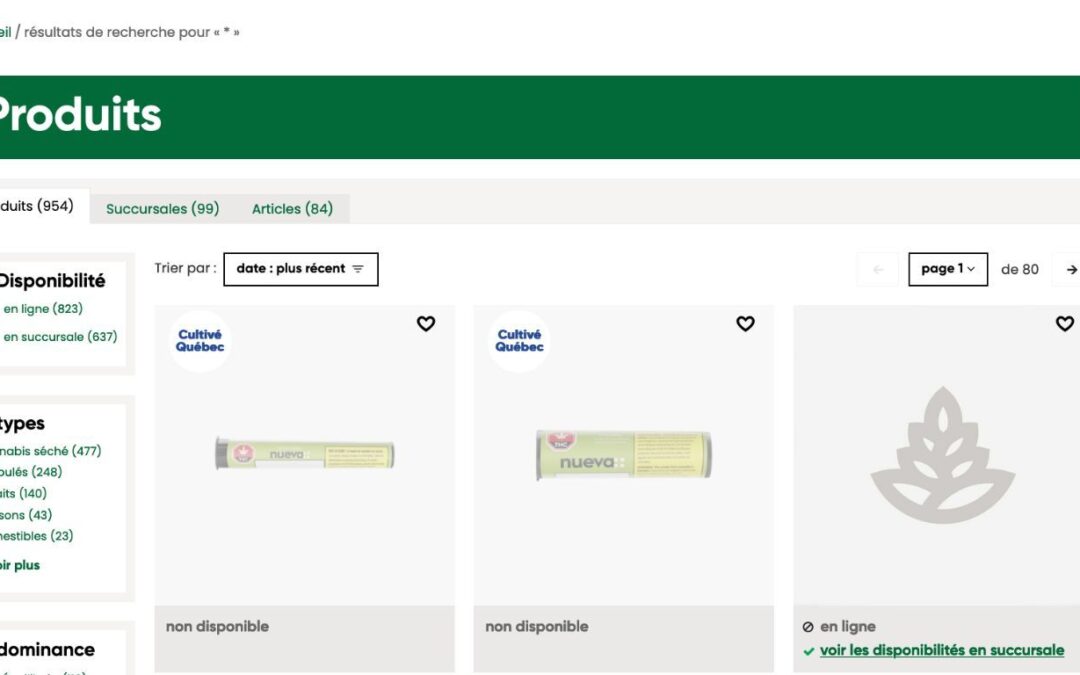
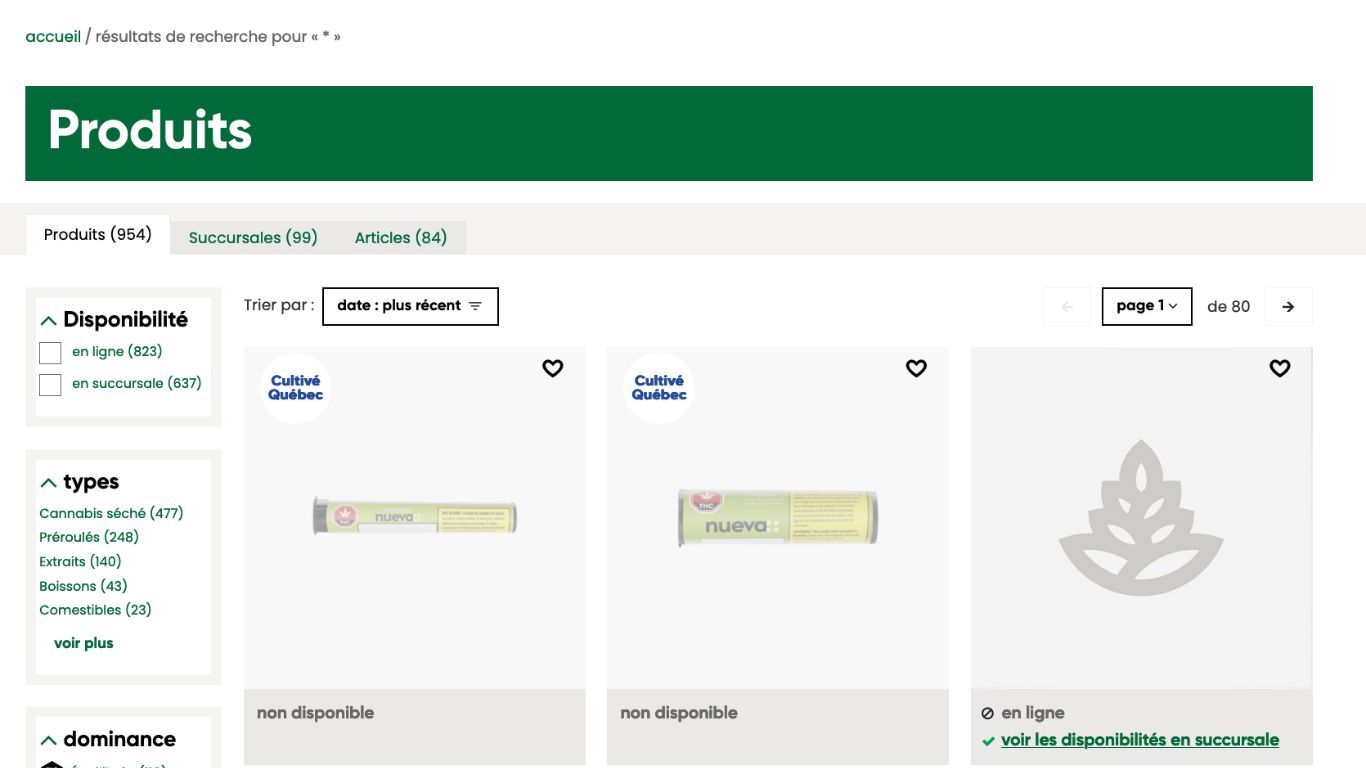
“All cannabis products which are sold online and which have the mention “strain rotating” in their description sheet do not comply with the CPA since it provides that consumers must have access to a description which includes the characteristics and technical specifications,” says a press release from Groupe SGF. “By not allowing consumers to know what variety is in the product when ordering, the SQDC forces consumers to make blind purchases.”

Groupe SGF says their goal with this collective action is justice for cannabis consumers. The class action includes anyone who has purchased cannabis in the “dried flower” and “pre-rolled” categories for which the strain displayed on the SQDC website has been “strain rotating” since October 17, 2018.
“The SQDC, a state-owned company, appears to be violating its own Consumer Protection Act, and it seems abnormal to us that cannabis consumers in Quebec are forced to make blind purchases when they buy cannabis on the only legal cannabis sales site in the province,” said Maxime Guérin, a lawyer with Groupe SGF.
Groupe SGF is a Quebec law firm specializing in the cannabis industry.
Bélanger and Guérin are involved in another cannabis-industry-related class action suit filed in 2023 alleging that several Canadian banks have engaged in financial discrimination against legal cannabis businesses.
The SQDC was not immediately available for comment.

Class action against the SQDC
(CNW) Quebec – Groupe SGF (legal advisors and cannabis consultants) announces the launch of a class action in court on behalf of Mr. Gabriel Bélanger against the Société Québécoise du Cannabis (SQDC). The class action application alleges that the SQDC does not comply with the Consumer Protection Act (CPA).
“The SQDC, a state-owned company, appears to be violating its own Consumer Protection Act and it seems abnormal to us that cannabis consumers in Quebec are forced to make blind purchases when they buy cannabis on the only legal cannabis sales site in the province.” – Maxime Guérin, Lawyer, Groupe SGF
The SQDC on the sidelines of the Consumer Protection Act
The plaintiff in the class action, Gabriel Bélanger, is determined to present in Superior Court the fact that he is obliged by the state company responsible for the sale of recreational cannabis in Quebec to make blind purchases when he orders cannabis products on the SQDC website.
Advertisement
In fact, all cannabis products which are sold online and which have the mention “strain rotating” in their description sheet do not comply with the CPA since it provides that consumers must have access to a description which includes the characteristics and technical specifications. By not allowing consumers to know what variety is in the product when ordering, the SQDC forces consumers to make blind purchases.
Collective action: Justice for cannabis consumers
The class action includes all individuals who have purchased cannabis in the “dried flower” and “pre-rolled” categories for which the strain displayed on the SQDC website is “strain rotating” since October 17, 2018.
Thailand’s prime minister wants to outlaw cannabis, 2 years after it was decriminalized
BANGKOK (AP) — The prime minister of Thailand, the first country in Asia to legalize cannabis two years ago, said Wednesday that he wants to outlaw the drug again amid concerns that the lack of regulation had made it available to children and increased crimes.
Prime Minister Srettha Thavisin wrote on the social media platform X that he asked the Health Ministry to amend its list of narcotics to again include cannabis, and issue new rules to allow its use for medical purposes only.
Srettha also ordered local authorities to suppress criminal activities linked to the illegal drug trade and demanded to see progress within 90 days.
After cannabis was decriminalized in 2022, it was initially said that it would be allowed only for medicinal use, but in practice the market was unregulated. It has prompted public backlash and concerns over misuse and crime.
Advertisement
Decriminalization was spearheaded by the Bhumjaithai Party, whose stronghold is in the impoverished northeast where it promised farmers cannabis would be a new cash crop.
In the 2023 elections, all major parties — including Bhumjaithai — promised to restrict cannabis for medical use.
Cannabis advocates and entrepreneurs have opposed a radical rollback, which they claimed would be damaging to the economy. Legal cannabis has fueled Thailand’s tourism and farming sectors and spawned thousands of cannabis retailsranging from shops, trucks to market stalls all over the country.
OCS announces changes to improve the Farmgate Store framework
Toronto — Today, the Ontario Cannabis Store (OCS) announced improvements to the way it supports Licensed Producer-operated retail stores, commonly referred to as “Farmgate Stores.”
Under Ontario’s legal cannabis framework, federally Licensed Producers are eligible to operate a single Authorized Retail Store at a production facility located in Ontario. Today’s announcement is meant to create new opportunities for Farmgate Stores.
In late spring, the OCS will create pathways for Licensed Producers to offer cannabis products that are exclusive to Farmgate Stores, helping to position Farmgate as a distinct retail channel. The OCS will also introduce a new listing process for Farmgate operators, specifically designed to increase speed to market capabilities for exclusive products available for sale at participating Farmgate Stores.
These changes add value into the Farmgate framework and will help to create engaging destinations for consumers that elevate legal products above illegal alternatives.
Advertisement
The OCS is committed to building best-in-class wholesale capabilities and continuously working with key stakeholders to improve its processes. In the coming months, the OCS will engage Ontario-based Licensed Producers and Authorized Cannabis Stores to gather perspectives on the opportunities of this operating model and assess impact on the existing retail landscape.
When these processes are implemented, updated information will be made available on the OCS Farmgate page.
Recent Comments