The German government has approved new legislation which decriminalises cannabis.
This policy allows over-18s to possess a maximum of 25 grams of cannabis for personal use and grow up to three plants at home.
From July 2024, German residents will also be able to join not-for-profit cannabis social clubs or growers associations where plants are cultivated en masse for the benefit of members.
Advertisement
In the UK, on the other hand, the government continues to support prohibition, unlike many western countries – including Malta, Canada and several states in the US – which have opened up access to cannabis in recent years.
The UK government cites concerns about the risk to mental health associated with using cannabis as a justification for supporting prohibition.
Cannabis and mental health
There is extensive research exploring the relationship between cannabis and mental health problems, such as psychosis. However, no causal link has been established because to run such studies would be unethical.
There is, though, a significant association between cannabis and psychosis. The evidence suggests that some people may be more vulnerable than others to developing psychosis through cannabis use.
Although these health concerns are shared by some organisations in Germany, this has not prevented policy reform.
The German cannabis clubs will have quality control as part of their ethos, providing information about potency and any potential contaminants.
This is important as the evidence suggests there is a dose-response relationship – an association between the amount consumed and the incidence of effect – between the strength and frequency of cannabis use and the risk of developing problems such as psychosis.
Cannabis users who experience psychosis are very few when compared to the total number using the drug. One study estimated that to avoid one person developing psychosis, up to 10,000 men and 29,000 women aged 20-24 would need to be prevented from using cannabis.
The risk to mental health associated with cannabis, then, is relatively low.
Alcohol and tobacco: regulated but riskier
Unlike cannabis, alcohol is regulated in the UK. Although there are restrictions on its use, these have been loosened in recent years. As with cannabis, there are risks to mental health as a consequence of using alcohol.
The risk of developing depression among heavy alcohol use is significant: one in two will experience depression. So despite alcohol being regulated or legal, the risks to a person’s mental health are greater than those posed by cannabis.
A significant advantage of decriminalising cannabis would be the potential public health benefits. In the UK, most people using cannabis combine it with tobacco to smoke. The risks to health as a result of using tobacco are well documented and include a range of cancers as well as heart disease and stroke.
Although many young people consider themselves non-smokers they can be inadvertently introduced to tobacco when they smoke a cannabis joint. This creates not only a health risk but also the chance of becoming dependent on tobacco.
However, there is also evidence that cannabis used without tobacco may increase the risk of physical health problems. A recent study from the US, for example, where fewer people combine cannabis with tobacco, found a link between cannabis use and heart disease.
Because cannabis is prohibited, it is difficult for tax-funded organisations such as those promoting public health to intervene.
Public health
In contrast, German policy reform includes a public health education programme which aims to reduce the risks of using cannabis.
Under prohibition, there is no quality control or information about the potency of cannabis or which chemicals it contains. The lack of regulation leaves buyers at the mercy of the illicit market. The Office for National Statistics estimates that 2.5 million people in England and Wales reported using cannabis in 2023.
Despite the relatively widespread use of cannabis in the UK, the major political parties, Labour and the Conservatives, show no sign of changing the legal status of cannabis. Perhaps influenced by polling suggesting support for the current policy approach.
We know from experience that governments don’t need to wait until there is public support to change their policy approach to drugs. In 2007, when the Labour government introduced a ban on smoking in public areas, this wasn’t supported by many people.
The risks to health from using cannabis, then, are relatively small compared to regulated drugs such as alcohol and tobacco. But even if the health argument isn’t enough to trigger a policy change, the economic case could be.
While decriminalising cannabis in the UK would save on criminal prosecution costs, going a step further and legalising cannabis could bring in significantly higher financial returns.
The estimated tax revenue that could be raised by the legalisation (rather than just the decriminalisation) of cannabis in Germany is €4.7 billion (£4 billion) annually. A regulated commercial market like Canada’s could create jobs as well as raise income from tax.
As the UK public finances continue to be squeezed, particularly around the NHS, persisting with the prohibition of cannabis is a missed opportunity for the nation’s health and a costly policy for its public services.
Mark Monaghan receives funding from UK Government, Cabinet Office and the ESRC. He has in the past received funding from the Nuffield Foundation.
Ian Hamilton does not work for, consult, own shares in or receive funding from any company or organisation that would benefit from this article, and has disclosed no relevant affiliations beyond their academic appointment.
Kingsville, Ont. — Greenway Greenhouse Cannabis Corporation, a cultivator of high-quality greenhouse cannabis for the Canadian market, is pleased to announce that its cultivation facility located in Leamington, Ont. has received CUMS-GAP and GACP certification. This demonstrates that the facility meets strict international standards, providing the company a way to distribute its product internationally.
The company has entered into conversation with multiple different international cannabis purchasers, including current wholesale customers who already have established international sales routes, opportunities, and demand.
“Receiving these certifications opens up a whole new world of opportunities for Greenway. We have been talking to companies that export into multiple countries around the world, who are eager to work with us to bring Greenway’s cannabis to the global market,” said Jamie D’Alimonte, CEO of Greenway. “With our most recent expansion, we are able to scale up production to meet any new demand for our product internationally. These new sales opportunities should help us increase our revenue, gross margins, and be a key cog in achieving true profitability.”
“Canadian medical cannabis is highly regarded, and in great demand around the world,” said Carl Mastronardi, president of Greenway. “The export market offers new sales routes for our high-quality products, which we believe may lead to Greenway receiving a higher average sales price than the current domestic market will support. Our goal is for international sales to become a regular and significant part of our revenue makeup.”
Advertisement
Greenway’s cultivation facility is designed for high-quality, low-cost production, and has an annual cultivation capacity of 24,000 kg. The The CUMS-GAP certificate and GACP compliance certificate follows the WHO and EMA GACP guidelines, with the certification being completed through Control Union. These certifications mean that all cannabis that begins to be grown, as of April 17, 2024, meets the criteria to be distributed to certain countries outside Canada.
Toronto — Today, the Ontario Cannabis Store (OCS) published its inaugural Good All Around Social Impact Report to recap the progress it has made under its first Social Responsibility Strategy from 2021 to the end of 2023.
The Social Impact Report summarizes the OCS’s strategic social responsibility objectives and illustrates how the organization is driving positive change in the areas of environmental sustainability, diversity and inclusion, and cannabis literacy.
Highlights from the OCS’s first three years of social responsibility programming include:
Distributed $500,000 to six organizations in support of cannabis research and community-based programming through the Social Impact Fund
Provided 26 equity and access grants designed to increase the presence and participation of equity-deserving groups and small businesses at industry events
Invested $319,000 in Black-led initiatives
Drove over 600,000 visitors to the OCS’s Cannabis Made Clear resource hub for unbiased, fact-based and current cannabis education
As a Crown agency of the Government of Ontario and wholesale distributor of legal cannabis in the province, the OCS is determined to operate its business in a way that promotes the responsible consumption of cannabis while protecting youth and vulnerable populations.
Advertisement
Moving forward, the OCS will regularly publish the Social Impact Report to provide ongoing progress updates related to priority social responsibility objectives.
“The OCS has a mission to enable Canada’s largest and most vibrant cannabis marketplace through great customer experiences – including promoting safe access to legal cannabis, educating on responsible consumption and fostering a legal industry that reflects the population it serves. The Social Impact Report isn’t just a reflection of what we have achieved; it is a testament to our entire team’s commitment to environmental sustainability, diversity and inclusion, and improving cannabis literacy through education.”
— David Lobo, president and CEO, OCS
“As a key pillar of the OCS’s corporate strategy, social responsibility has helped to shape and define who we are as an organization. We’re proud to introduce the Social Impact Report as a visual representation of the progress we’ve made through social responsibility programming designed to inform and engage Ontarians as we enable a vibrant cannabis marketplace.”
— Tanya Watkins, VP, corporate affairs, social responsibility and strategic engagement, OCS
New surveys show that more than 10 years after voters in Colorado passed a ballot initiative making it the first state in America to legalize adult-use cannabis sales, voters don’t regret their decision. Results from one poll conducted by the Colorado Polling Institute show that about 67% of registered voters saw the reform as a positive change for Colorado. This poll’s results were published in March.
A separate poll carried out by Public Policy Polling (PPP) between April 8–9, 2024, determined that more than 71% of voters in the state thought marijuana needed to be legal and regulated in a way similar to alcohol. The survey polled 698 registered voters, with 70% of those polled noting that marijuana regulations didn’t need to be more restrictive than regulations on alcohol.
The PPP survey also determined that 56% of respondents believed that the state-legal cannabis industry had a positive impact on Colorado’s economy, with an additional 63% noting that cannabis tax revenue was good for the state. These results show that voters in Colorado have increased their support for legalization since they approved Amendment 64 in 2012. At the time, only 55% supported marijuana legalization while 44% were against it.
Colorado Leads, an industry organization that represents licensed marijuana companies and ancillary businesses, stated that the results of both polls showed that support for legalization had significantly grown since voters made the choice to end prohibition and begin regulating cannabis for adult use. In a statement, Colorado Leads’ president Chuck Smith stated that there was more than a decade of experience showing that legalizing and regulating cannabis worked. Smith added that the state’s experience also proved that fears by those who opposed legalization were unfounded, noting that it wasn’t a surprise that there was less opposition to marijuana legalization now.
Thus far, the legal marijuana industry in Colorado has created countless opportunities for businesses and workers in the state. The PPP poll found that 21% of respondents had family members, friends or acquaintances who worked either for a company that provided services to the industry or directly for a cannabis business.
The industry has generated tax revenue that greatly surpasses initial expectations. To date, it has brought in more than $2.6 billion in tax revenue, which has been allocated to various programs including mental-health services and school construction projects.
A report released by Colorado’s Legislative Council Staff shows that the state generated more tax revenue from marijuana than cigarettes and alcohol during the previous fiscal year. The growing support for marijuana legalization even in states that have already passed laws ending prohibition is testament to the fact that as licensed companies such as Software Effective Solutions Corp. (d/b/a MedCana) (OTC: SFWJ) are allowed to operate, benefits such as job creation of the cannabis industry spread out to nearly every sphere of life in those communities.
NOTE TO INVESTORS: The latest news and updates relating to Software Effective Solutions Corp. (d/b/a MedCana) (OTC: SFWJ) are available in the company’s newsroom at https://cnw.fm/SFWJ
About CannabisNewsWire
CannabisNewsWire (“CNW”) is a specialized communications platform with a focus on cannabis news and the cannabis sector. It is one of 60+ brands within the Dynamic Brand Portfolio @ IBN that delivers: (1) access to a vast network of wire solutions via InvestorWire to efficiently and effectively reach a myriad of target markets, demographics and diverse industries; (2) article and editorial syndication to 5,000+ outlets; (3) enhanced press release enhancement to ensure maximum impact; (4) social media distribution via IBN to millions of social media followers; and (5) a full array of tailored corporate communications solutions. With broad reach and a seasoned team of contributing journalists and writers, CNW is uniquely positioned to best serve private and public companies that want to reach a wide audience of investors, influencers, consumers, journalists and the general public. By cutting through the overload of information in today’s market, CNW brings its clients unparalleled recognition and brand awareness. CNW is where breaking news, insightful content and actionable information converge.
To receive SMS alerts from CNW, text CANNABIS to 888-902-4192 (U.S. Mobile Phones Only)
Please see full terms of use and disclaimers on the CannabisNewsWire website applicable to all content provided by CNW, wherever published or re-published: https://www.CannabisNewsWire.com/Disclaimer
The Farm Products Council of Canada is seeking industry feedback on its regulatory impact analysis statement (RIAS) for the creation of the Canadian Industrial Hemp Promotion-Research Agency.
People in the industry can provide feedback on this proposal until 11:59 pm EST on May 20.
The proposal has been in the works for nearly seven years and was first submitted to the Farm Products Council of Canada (FPCC) in October 2017. On August 6, 2021, the Minister of Agriculture and Agri-Food then approved FPCC’s recommendation to establish a Promotion-Research Agency under Part III of the Farm Products Agencies Act.
“Developing industries like hemp require research and standards development that is very difficult to fund.”
As the Canadian hemp industry is still being established, the Farm Products Council (FPC) argues that there is a need for a “coordinated national approach to funding research and marketing activities on projects that are priorities for the hemp value chain actors and build on current Canadian expertise and resources.”
The Canadian Industrial Hemp Promotion-Research Agency Proclamation will, if created, provide the PRA with the authority to:
develop a levies order;
establish and collect a levy on interprovincial, imported and exported farm products;
research and improve production methods and product quality; and
advertise and promote consumption of farm products in both domestic and international markets.
A 0.5% levy would fund the PRA. The Hemp Producers Committee estimates that the projected PRA revenue would be primarily generated from domestic levies, with the initial levy revenue forecasted to be around $200,000. This could increase to around $400,000 as the industry grows.
Ted Haney, the president and CEO of the Canadian Hemp Trade Alliance, says this is nearing the final stage of a process that started some twelve years ago when Canada’s nascent cannabis industry sought to address the challenges of researching and developing new products and marketing them to other industries and consumers alike.
“Hemp producers began this process because they wanted to create and resource a fund that would allow producers to participate fully in the development of the industry,” he explains. ”Developing industries like hemp require research and standards development that is very difficult to fund.
“It’s research, standards development, and promotion and market development. That’s what this will support in future years, at a level much higher than the industry has been able to generate in the past.”
As the hemp industry in Canada continues to mature, the ability to make it viable for more farmers and processors in Canada offers a chance to see the market expand several times over.
“The fundamental value of hemp producers being able to participate in the development of their own industries cannot be overstated. It’s how we’re going to open the building materials market, it’s how we’re going to advance health claims, it’s how we’re going to penetrate the global processed foods ingredients markets, it’s how we’re going to expand into international markets. All of these are central to how an industry grows and develops. And all of that in turn will remove real and perceived obstacles to growth, and that in turn will bring more investment to our industry.”
Haney says he expects the changes to be finalized and posted in the Gazette II later this year, and that the new board could be selected with the new group getting started by 2026.
The recent expert panel report on the Cannabis Act, which also encompasses hemp regulations, included a recommendation that Health Canada, in consultation with Agriculture and Agri-Food Canada, establish and support an expert advisory body to conduct a timely review of the regulation of industrial hemp and make recommendations about the most appropriate regulatory framework.
The Canadian Hemp Farmers Alliance and Canadian Hemp Trade Alliance both engaged with the expert panel on the issue.
Some facts about hemp in Canada
The seeded area of hemp in Canada in 2023 was 55,400 acres
Over 90% of the current industry is based in Alberta, Saskatchewan, and Manitoba, and production has been increasing in Ontario, Quebec and New Brunswick.
The number of Canadian industrial hemp licences grew from 542 in 2018 to over 900 in 2022
Sales of hemp in Canada were estimated at $525 million in 2022, with $84.2 million in exports (over 90% went to the United States) and $2.9 million in imports (mostly seed and oil from the United States).
As of March 2022, there were 33 Indigenous-owned or affiliated hemp licence holders across Canada
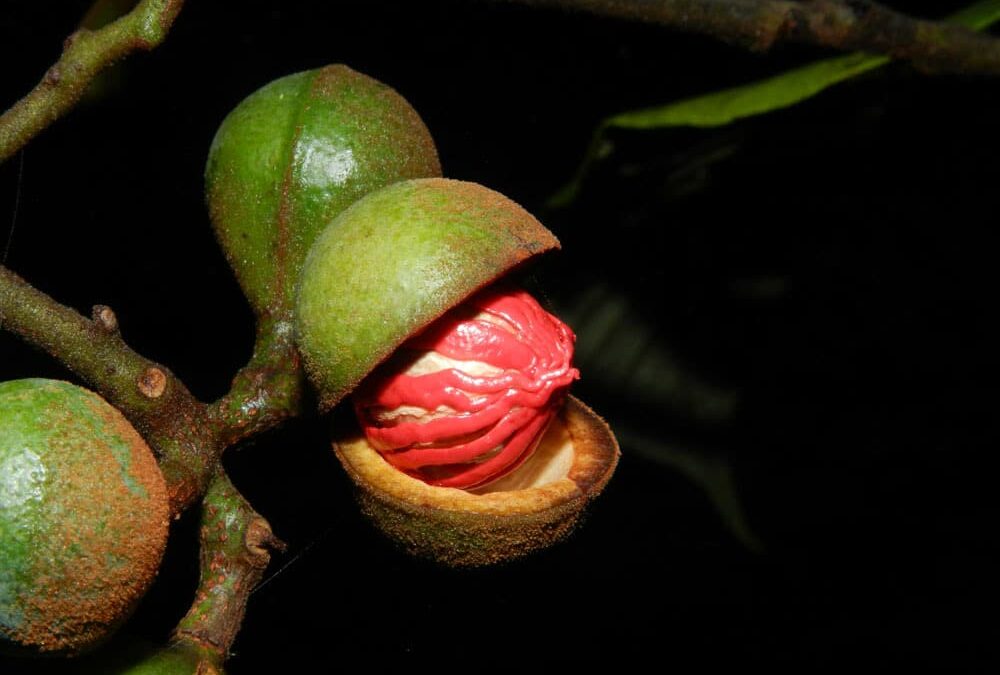
According to the World Health Organization, 65-80% of the developing world’s population relies on medicinal plants as their primary source of healthcare. [1] For a large portion of Latin America, these traditional medical treatments come from Virola plants. With more than 60 distinct species, and a natural habitat ranging from Mexico to Southern Brazil, Virola is the largest genus of the Myristicaceae family in the Americas, and the fourth largest in the world.
Folk remedies derived from Virola plants have been used to treat numerous maladies ranging from halitosis, mental instability, and various forms of cancer going back to before European explorers arrived in the region.
Thanks to advancing extraction techniques, these plants are now matriculating into the pharmaceutical industry. Data is still being collected on the full range of uses and side effects, but the tremendous utility of Virola plants is already clear. Considering the fact that most new drugs are derived from natural products, Virola plants may prove to be a pharmacological treasure trove beyond the effective medical applications that have already been catalogued. [2] The other exciting aspect of these plants comes from the fact that out of the 60 species that have been identified, most of the data derives from the seven common Virola species.
Virola Elongata
The first Virola species that researchers are studying is called Virola elongata, which is used by native people in Ecuador and Brazil to treat various digestive issues. The extraction process typically relies on either water or ethanol maceration to extract the concentrated chemical compounds from the bark from the plant’s stems. [3] When testing Virola elongata’s extract on rodents, studies show that it can provide antioxidant benefits, acidic reduction, and an increase in gastric mucus secretions. This can help to treat stomach pain, indigestion, and can relieve discomfort from ulcers by reducing their size. Additionally, Virola elongata extracts have psychoactive properties that have been used for a long time in traditional rituals. [4] Due to a high concentration oftryptamine alkaloids, large doses of Virola Elongata can produce hallucinogenic responses in users. [5] Tryptamine alkaloids are naturally occurring neuromodulators and neurotransmitters related to the hallucinogenic chemicals found in both psilocybin and DMT. More studies are needed to clarify the effects of Virola-derived tryptamines in a scientific research setting.
Virola Peruviana
Virola peruviana, the second Virola species actively studied, has some similarities to Virola elongata, but there are some key differences as well. Also indigenous to South America, Virola peruviana is found exclusively in the Peruvian Amazon. Additionally, Virola peruviana’s medicinal compounds are also extracted from its bark, but traditional practitioners used the coarse bark from the trunk of the tree as opposed to the stems used by Virola elongata.
As a result, a stronger is needed for the extraction process, the most efficient being petroleum ether. [6] The other commonality between these two Virola species is their medical applications, specifically their hallucinogenic properties. Virola peruviana‘s hallucinogenic compounds are also tryptamines, but the extraction produces dimethyltryptamine, or DMT. [7]
DMT is one of the most powerful hallucinogens available, which is why it has played a vital role in various indigenous spiritual rituals. The other aspect of DMT that may prove useful is that it metabolizes very quickly, making the experience powerful, but fast acting. These two factors make DMT useful in clinical settings as a possible therapy for psychological disorders like PTSD or depression. [8]
The reason Virola peruviana may prove invaluable for this research is that most DMT is usually sourced from ayahuasca, which can be difficult to source from due to legal restrictions. If researchers are able to extract DMT from a Virola source, it may lead to a legal loophole for DMT therapy that could help to treat patients in this developing branch of psychotherapy.
Virola Venosa
The third species of Virola plant researchers are focusing on is Virola venosa. This species is also indigenous to South America, but is found in an area of the Amazon that includes Columbia, Peru, and Brazil. Virola venosa’s medicinal compounds are also present in its bark, but unlike the previous two species of Virola plants, leaves are also used in the extracts. The typical solvent used for this extraction is methanol, and the medical uses are relatively limited compared to some of its sister species. [9]
Virola venosa can provide antioxidant benefits, but, Virola Venosa’s antioxidant properties have a special feature. [10] In addition to the reduction in heart disease and various cancers antioxidants provide, Virola venosa also potentially provides glucosidase inhibition. [11]
Glucosidases are the enzymes that are responsible for the hydrolytic breakdown of carbohydrates. The complex sugars take time to break down, and can often cause detrimental long term dietary consequences to people eating them. By inhibiting glucosidases, the body can absorb the other valuable nutrients in foods like rice, wheat, or potatoes but limits the absorption of complex sugars from these foods. This could translate into more effective weight loss strategies or regulating blood sugars for people who are diabetic. At this time, this is only a hypothesis, and more data is still needed to confirm this application.
Virola Oleifera
Virola oleifera is one of the two most complex Virola plants studied by researchers so far. The seeds, resin, leaves, and stem bark all can provide different medicinal values, but each also relies on different solvents to produce their extracts. [12][13][14]
Starting with the seeds, varioust oils are used to produce an extract which can provide multiple medical benefits. [15] So far, treatments include rheumatism, bronchial asthma, joint tumors, intestinal worms, halitosis, hemorrhoids, and skin diseases.
The resin also provides additional physical benefits like treating inflammation and chronic wounds, but also can be used for internal conditions like kidney obstructions, cancer, hemoptysis leukorrhea, or diarrhea. [16][17][18] Instead of oil, though, the resin extracts often rely on or plant fluid exudate for its extraction.
The stem bark and leaves also utilize alcohols for their extraction procedures, with the bark using ethanol and the leaves using methanol. The stem bark can also be used to treat inflammation and cancer, like the resin, and the leaves provide analgesic properties. Similar to other species of Virola plant extracts, several Virola oleifera extracts can be used to treat gastrointestinal issues and may provide antifungal protections as well. All of these benefits and high utilization of the entire plant translate to one of the most promising Virola species currently being studied.
Virola Surinamensis
Virola surinamensis is the other species of Virola plants that holds a broad range of potential medical benefits, and it is the only Virola species indigenous to the West Indies. Virola Surinamenis’ resin, stem bark, leaves, plantlet leaves and twigs have all been found to contain medicinal compounds. [19][20][21][22][23] Like Virola oleifera, the extraction techniques vary based on which part of the plant is being utilized, but the methods are similar.
Specific maladies of note include ulcers, gastric lesions, inflammation, all with antifungal and antibacterial properties. It is worth noting that the plantlet leaves extracts can also be used to treat malaria, and the twigs can be used for trypanocidal activity, which limits parasites that can cause sleeping sickness. A notable difference between Virola surinamenis and other Virola plants has to do with its extraction process, which uses more synthetic solvents. The extract from Virola surinamenis’ leaves utilizes hexane, and dichloromethane is used for extracts coming from the plant’s twigs. Otherwise, the other plant materials typically rely on ethanol or oils for their extractions, similar to the other species being studied.
Virola Sebifera
Virola sebifera is one of the most ubiquitous Virola species that is found in the area stretching from Brazil through Central America. This species relies on dichloromethane for its extraction, and contains all its medicinal compounds from its leaves. [24] The extract pulled from Virola sebifera has only been found to provide one medical benefit, but it is significant: cancer reduction. [25] The data collected so far indicates that these leaves contain cytotoxic and antiproliferative properties in cancer cells, specifically ovarian cancer. This may also be applicable to other kinds of cancer as well, but this is as far as the data goes at this point.
Virola Pavonis
The final species of Virola plants that are being studied is Virola pavonis. This species relies on decoction extraction, and it can use the roots, bark, or stems as the organic base. [26] Virola pavonis extracts have shown several potential medicinal benefits, including treating skin infections, fungal infections like oral mycosis, and have been shown to have antimicrobial properties during in vitro testing. [27] Essentially, Virola pavonis serves as a natural disinfectant that can be used both orally or cutaneously. Compared to some other species of Virola plants, this may seem underwhelming, but unclean hands are responsible for spreading 80% infectious diseases. [28] With this in mind, a disinfectant that can be used on hands, skin, in the mouth may provide gigantic medical and commercial benefits and it could serve as a replacement for high proof alcohol sanitizers.
Reference:
Palhares, Rafael Melo, et al. “Medicinal plants recommended by the world health organization: DNA barcode identification associated with chemical analyses guarantees their quality.” PloS one 10.5 (2015): e0127866.
Newman, David J., and Gordon M. Cragg. “Natural products as sources of new drugs over the nearly four decades from 01/1981 to 09/2019.” Journal of natural products 83.3 (2020): 770-803.
de Almeida, Guilherme Vieira Botelho, et al. “Chemical characterization and evaluation of gastric antiulcer properties of the hydroethanolic extract of the stem bark of Virola elongata (Benth.) Warb.” Journal of ethnopharmacology 231 (2019): 113-124.
Macre, W. Donald, and GH Neil Towers. “An ethnopharmacological examination ofVirola elongata bark: A South American arrow poison.” Journal of ethnopharmacology 12.1 (1984): 75-92.
Araújo, Ana Margarida, et al. “The hallucinogenic world of tryptamines: an updated review.” Archives of toxicology 89 (2015): 1151-1173.
Miles, D. Howard, et al. “Alkaloidal insect antifeedants from Virola calophylla Warb.” Journal of Agricultural and Food Chemistry 35.5 (1987): 794-797.
Lai, A., et al. “Phytochemical investigation of Virola peruviana, a new hallucinogenic plant.” Journal of Pharmaceutical Sciences 62.9 (1973): 1561-1563.
Reckweg, Johannes T., et al. “The clinical pharmacology and potential therapeutic applications of 5‐methoxy‐N, N‐dimethyltryptamine (5‐MeO‐DMT).” Journal of Neurochemistry 162.1 (2022): 128-146.
Fernandes, Kamila Rangel Primo, et al. “Phenolic compounds from Virola venosa (Myristicaceae) and evaluation of their antioxidant and enzyme inhibition potential.” Acta Amazonica 49 (2019): 48-53.
González-Rodríguez, María, et al. “Pharmacological extracts and molecules from Virola Species: traditional uses, phytochemistry, and biological activity.” Molecules 26.4 (2021): 792.
Fernandes, Kamila Rangel Primo, et al. “Compostos fenólicos de Virola venosa (Myristicaceae) e avaliação de seu potencial antioxidante e de inibição enzimática.” Acta Amazonica 49 (2019): 48-53.
Rezende, Keˆnnia R., and Massuo J. Kato. “Dibenzylbutane and aryltetralone lignans from seeds of Virola sebifera.” Phytochemistry 61.4 (2002): 427-432.
Kuroshima, Kätia N., et al. “Phytochemical and pharmacological investigations of Virola oleifera leaves.” Zeitschrift für Naturforschung C 56.9-10 (2001): 703-706.
Costa, E. S., et al. “Antimicrobial activity of some medicinal plants of the Cerrado, Brazil.” Phytotherapy Research: An International Journal Devoted to Pharmacological and Toxicological Evaluation of Natural Product Derivatives 22.5 (2008): 705-707.
Rodrigues, William Antônio. “Revisão taxonômica das espécies de Virola Aublet (Myristicaceae) do Brasil.” Acta Amazonica 10 (1980): 3-127.
Carvalho, Glaucimeire R., et al. “Development and evaluation of Virola oleifera formulation for cutaneous wound healing.” Antioxidants 11.9 (2022): 1647.
Bôa, Igor Santos Fonte, et al. “Resin from Virola oleifera protects against radiocontrast-induced nephropathy in mice.” PloS one 10.12 (2015): e0144329.
Contreras, Luis, et al. “High antioxidant activity and low toxicity of gold nanoparticles synthesized with Virola oleífera: an approach using design of experiments.” (2020).
Machado, Inês Ribeiro, et al. “Estudo Etnobotânico e Farmacológico de Virola surinamensis (Rol.) Warb.(Myristicaceae)–uma Revisão.” Biodiversidade Brasileira 11.1 (2021).
da Anunciaçao, Talita A., et al. “In vitro and in vivo inhibition of HCT116 cells by essential oils from bark and leaves of Virola surinamensis (Rol. ex Rottb.) Warb.(Myristicaceae).” Journal of Ethnopharmacology 262 (2020): 113166.
Paes, Steven Souza, et al. “(-)-5-Demethoxygrandisin B a New Lignan from Virola surinamensis (Rol.) Warb. Leaves: Evaluation of the Leishmanicidal Activity by In Vitro and In Silico Approaches.” Pharmaceutics 15.9 (2023): 2292.
Lopes, Norberto P., et al. “Antimalarial use of volatile oil from leaves of Virola surinamensis (Rol.) Warb. by Waiapi Amazon Indians.” Journal of ethnopharmacology 67.3 (1999): 313-319.
Lopes, Norberto Peporine, et al. “Flavonoids and lignans from Virola surinamensis twigs and their in vitro activity against Trypanosoma cruzi.” Planta medica 64.07 (1998): 667-669.
Denny, Carina, et al. “Antiproliferative properties of polyketides isolated from Virola sebifera leaves.” Phytotherapy Research: An International Journal Devoted to Pharmacological and Toxicological Evaluation of Natural Product Derivatives 22.1 (2008): 127-130.
Cooper, Glinda S., Cheryl Siegel Scott, and Ambuja S. Bale. “Insights from epidemiology into dichloromethane and cancer risk.” International journal of environmental research and public health 8.8 (2011): 3380-3398.
Ballesteros, Jose Luis, et al. “Research Article Ethnobotanical Research at the Kutukú Scientific Station, Morona-Santiago, Ecuador.” (2016).
Roumy, Vincent, et al. “Plant therapy in the Peruvian Amazon (Loreto) in case of infectious diseases and its antimicrobial evaluation.” Journal of ethnopharmacology 249 (2020): 112411.
Prater, Kayla J., et al. “Poor hand hygiene by college students linked to more occurrences of infectious diseases, medical visits, and absence from classes.” American journal of infection control 44.1 (2016): 66-70.Image from: https://www.inaturalist.org/taxa/182222-Virola
To all intents and purposes, it would seem that humanity, life on this planet, and the planet itself, have a timeline in which to accomplish evolutionary goals in alignment with larger cosmic cycles. According to various investigations into earth cataclysms, there are regular intervals where great upheaval is experienced upon the earth, often accompanied by a magnetic reversal – or what is generally referred to as a ‘pole flip.’ These geomagnetic reversals are said to be related to when our solar system passes through a particular portion of galactic space. One perspective is that there are regions of extremely low magnetic fields – sometimes called null zones – that precede geomagnetic reversals. Another perspective, gaining popularity, is that around every 12,000 years or so our solar system passes through an energized portion of galactic space known as the ‘galactic rift’ or ‘galactic sheet.’ This zone of heightened energy is a catalyst for triggering these periodic pole shifts upon the earth. These are very brief allusions to various forms of cataclysmic perspectives. What can be proposed, without little doubt, is that the earth goes through periods of relative calm (cosmically speaking), interspersed with cyclical interventions that bring great upheaval. Within these periods of ‘relative calm,’ which span in thousands of years in human-earth time (such as 12,000 years), various human civilizations rise and fall, and the human species has the opportunity to reach particular evolutionary goals. Presumably, these evolutionary goals for the human species are then either reset (repeated or transcended) after a cosmic intervention of great upheaval. There is reason to suppose that within the last one thousand years especially, there have been efforts to assist in the raising of human consciousness to a greater level than previously during this particular window of ‘cosmic opportunity.’
It can be surmised that there was a plan to raise the conscious energy of the West, for example, in line with a specific timeline. A certain modicum of information and knowledge had to be made available for people to have access to materials suited to their own mental development. Also, preparation had to have begun in order to lay the groundwork for later actualization – or a ‘switching on’ of a new consciousness frequency. If we take just a cursory glance at history, it can be seen how the initiate path and ancient knowledge in past times was heavily guarded and very seldom were its secrets channelled into the public domain. Initiate operations were carried out behind the scenes of everyday life or released in ways not recognizable to the masses. Such operations in past epochs that were released into the social currents of life have included the Troubadour movement, the Grail Quest, the Tarot, alchemy, Cabbalah, and others. Yet from the middle of the 19th century, from around 1850 onwards, there seems to have been a decision taken to release a stream of knowledge from the wisdom traditions into the public domain. This began with the rise of spiritualism that then led to Theosophy, Anthroposophy, occult traditions (e.g., the Golden Dawn), the Gurdjieff Work, and others. Also, from the early to mid-20th century, knowledge and wisdom from the East arrived upon western shores and many Teachers were sent to the West to prepare the psychology and mental reception of people in this hemisphere. Why did this grand operation suddenly appear – and what were its aims?
At the end of each developmental epoch, humanity receives energy in order to activate a new organ necessary for the incoming epoch. This new organ is required to receive the conscious energy that will be part of the future era. This energy is always made available as the incumbent era is in decline. Each new developmental organ within humanity allows for it to receive a wider spectrum of metaphysical reality. This, naturally, antagonizes those forces that are intent on maintaining their current power regime. For this reason, there tends to be a counter-initiative established by certain ‘ruling forces’ to block the incoming energies and to impede the general masses in the reception of aforesaid energies. At each particular epoch there is a scale of perception, or spectrum of awareness, which is dominant. At each given transition to a new developmental era for humankind, the ‘organ of perception’ is further activated so that there is greater access to, and comprehension of, metaphysical realities beyond the current scale. It may be that in our time now, organs of perceptive clairvoyance and telepathy are due for activation within humankind. This is evidenced by this faculty already being present (activated) within a small percentage of humankind. At each stage, there are forerunners within the general populace who display the new developmental faculties. In earlier times, such people were ostracized, heavily persecuted, or even killed, for showing such capacities. Such myths and folklore around witches, sorcerers, seers, and sages come to mind in this regard. There is always a precursor wave of people displaying the properties of the new developmental organ prior to a more widespread activation as the new epoch comes closer within the timeline. In each stage of human history there have been superstitions regarding such people, or the presence of such abilities, and yet in later times people look back upon these superstitions and laugh at their ‘primitive’ nature. Also, as people in past times did not have the capacities to access direct spiritual truths, and because it is a natural law that spiritual truths must be always made available to people, such wisdom was placed into human cultures through the way of myths, stories, legends, folklore and fairy tales, etc. Cultural dissemination of metaphysical knowledge thus had to be made via particular mediums or vehicles that were either co-opted or established specifically for these means. Again, such vehicles as the Cabbala, occultism, ceremonial magic, esoteric schools, etc., can be seen as transmissions of metaphysical knowledge, alongside others that took a more indirect path and may have emerged as cultural events and artistic movements.
It also happens that within the transitional period there is increased social and cultural friction, for such energetics may assist in the activation of the developmental organs. As Jalāl al-Dīn Rumi stated as far back as the 13th century: ‘New organs of perception come into being as a result of necessity. Therefore, O man, increase your necessity, so that you may increase your perception.’ There will be those people who are able to create the necessity by a force of will (inner drive) yet for the majority of people an external event or series of impacts (‘chaotic attractors’) may be required. It is these external impacts that frequently cause friction and upheaval, yet their presence is necessary, albeit unrecognized by most people at the time. Transitions between significant epochs within the life of humanity are thus often viewed as turbulent; and this is generally considered to be due to random or purely physical events with no metaphysical intention behind them. At the same time, there is always a portion of the populace who are unable to pass the ‘threshold of the epoch’ in terms of aligning with the frequencies of the incoming developmental impulse. This segment of society may then enter a path of devolvement for the remainder of the epoch as they have left the stream of evolutionary humanity. This process may be referred to as passing, or not, the threshold of initiation. Such a threshold could occur in alignment with a timeframe of cyclical catastrophe, as discussed above. It may well be said that a successful passing of the threshold entails entering upon a different frequency of reality, and thus consciousness. This shift to a developmental frequency (sometimes referred to as transcendence), allows for a segment of humanity to further the evolutionary goals of the species upon the new level. This necessity to pass the threshold might also occur around the same time as a catastrophic geological upheaval (from cosmic origins) yet not always. Either way, it is a time for intense active work.
The approach to such ‘thresholds’ within the overall transmutation octave can be said to be a time for immense ‘soul making’ and great activity on the part of the metaphysical impulse. It might also be framed in the context of reaping the most benefits within the timeframe available (the harvest) before the fields are to be burnt and sowed for renewal. At the same time, such chaotic periods are when the metaphysical impulse appears most absent and/or is a time of socio-cultural disarray. British historian Arnold Toynbee who, from his extensive meta-historical study on the rise and fall of civilizations, came up with his ‘Law of Progressive Simplification.’ By this, Toynbee indicated that civilizational growth was not so much measured by material resources but rather by its ability to transfer increasing amounts of energy and attention towards non-material growth, such as creativity, wellbeing, the inner life, etc. Toynbee also coined the term ‘etherealization’ to describe the historical process whereby a society learns to accomplish the same, or more, using less time and energy. This period of etherealization suggests a focus on metaphysical pursuits at the expense of deepening materialism. However, when materialistic pursuit becomes the overriding and dominant focus then this suggests a downturn into a period of civilizational decline. Such decline may also, at times, be aligned with both larger civilizational and geological periods at the end of a great cycle. Another British historian, Nicholas Hagger, has examined the last 5,000 years of world history and charted the rise and fall of 25 major civilizations that, he says, grew around a metaphysical Light/Fire impulse before declining. In his monumental work The Fire and the Stones, Hagger outlines how civilizations pass through 61 secularizing stages.1 He examines how the metaphysical Fire/Light sustains a civilization to its peak, and when this impulse fades or is withdrawn, the civilization goes into decline and eventual decay as the Fire/Light is extinguished. These instances where the metaphysical impulse emerges can be regarded as operations – injections or transmissions – of conscious energies in a bid to raise the general conscious energy of certain peoples and communities at particular times and places across the planet during the larger arc between grander cyclic renewals.
Even a cursory glance throughout the annals of history shows a vast dispersal and transmission of esoteric and mystical doctrines and teachings from a seemingly endless array of learned figures; some of whom have appeared to act in odd circumstances and through almost inspired behaviours. There is certainly no shortage of mystics, sages, and both direct and indirect teachers of what we may call the metaphysical fire. History is littered with the names of many of these messengers; although we can also surmise there would have been many more messengers or ‘transmitters’ that acted unseen and outside of the spotlight of recognition. Although the ‘wisdom stream,’ as it is referred to, is said to have been, and continues to be, present at all times throughout human history, there are periods of greater activity as well as fallow periods where the wisdom operations take a step back from public life. It would seem fair to say, considering the external circumstances of the present age, that humanity has entered a time of intense activity upon the metaphysical plane. This suggests that interventions and operations of the transcendental impulse – the metaphysical fire – have entered a heightened phase at this specific period, with perhaps a noticeable focus upon the West.
The twenty-first century started dramatically, and quite literally, with grand explosions, and rather than ceasing or decelerating has in fact been accelerating along these trends. Alongside external geopolitical circumstances, the so-called modern world has quickened its rush into materialism to a point where we may consider the situation as being hyper-materialist. Such an environment has been less than conducive to religio-spiritual ideals; on the contrary, a deep secularism has progressed parallel, or even intrinsic to, the march of materialism. In this context, the presence of mystics, sages, and spiritual teachers has been ambiguous. It would appear that these have split into several avenues: i) they are ridiculed by mass society and/or seen as relics of a past era; ii) they are viewed as exotic or oriental icons that attract the curiosity seekers; or, iii) rogue individuals and groups have set themselves up to commercially gain from the demand of such mystique.
A genuine wisdom source is likely, in most circumstances, to have stepped back from the mode/role of the outwardly ‘Spiritual Teacher’ some time ago. Certainly, in the West at least, the ‘oriental identity’ style of wisdom transmission would now be considered a non-operational mode by genuine sources. If such schools/groupings exist then they are more than likely to be the traces or residues of earlier, original impulses that are now perpetuated through static structures. The metaphysical impulse for the current period would most probably choose a medium most in-keeping with the milieu of its time. The question remains, however: what would such mediums be, and how could we recognize them?
What can be surmised from all this is that there will be various forms of the metaphysical impulse operating throughout diverse human cultures across the globe. Many, if not all, of these will go unnoticed by most people. This is partly because so few individuals are seeking for access to a genuine developmental impulse. As it is generally known, people attract those things in accordance with their own state of being and vibrational frequency. In order to attract the energetics of a developmental impulse, an individual must first do some of the work. And this requires a minimal amount of effort and focus. Resonant attraction is a two-way process; that is, there must be that which attracts and that which receives, and both elements are required. The essence of the human being is of the same substance from which it is originally derived (it’s Source). Hence, it retains the same vibratory signature and is naturally attracted to its counterpart. Resonant attraction does not get abolished by distance – the further away the parts are – yet its strength of attraction can become vastly diminished. The dense materialism of our times, coupled with a heavy, terrestrial, somewhat telluric, consciousness, has obscured the signal (the ‘attraction’) from getting through. The metaphysical impulse therefore requires that there is a greater lightness upon the waters of this planetary sphere. It is time for the coal within the coalmine to become as diamonds; and this requires a degree of crushing of the carbon. It may be surmised then that humanity is now passing through a phase of increased pressure – of chaotic nodes and catalysts – as an accelerated means to form diamonds within the carbon life of the human being.
References
1 Hagger, Nicholas (1991) The Fire and the Stones. Dorset: Element Books.
A recent publication in the “Medical Cannabis and Cannabinoids Journal,” authored by LECOM in collaboration with AYR Wellness (AYR), delves into the effects of medically approved cannabis on patients’ mental, social and physical well-being. The study showed that patients experienced notable enhancements across these domains, including increased energy levels, within the initial 30 days of treatment with medical cannabis.
This study is the partnership’s first publication; four further studies examining the medical benefits of cannabis are in the works.
The 90-day cohort study involved 103 adults (18 years of age and older) and was designed to evaluate the effects of medically prescribed cannabis on their psychological, social and physical well-being. Every 30 days, participants were required to complete electronic surveys tracking their overall quality of life and cannabis usage.
Furthermore, participants were required to document any negative effects they attributed to cannabis use, such as rapid heart rate, anxiety, dizziness, hallucinations or cognitive impairments. Additionally, participants had to disclose whether they consumed tobacco or alcohol products regularly during at least one-half of the study duration, including within the initial 30 days.
Analysis of the survey data revealed a substantial improvement in participants’ overall well-being and a significant decrease in pain levels between the 30- and 60-day intervals. Notably, individuals who used medical cannabis once daily exhibited the most significant enhancement in general health compared to those who consumed it more frequently, although this finding requires further validation due to the limited sample size of once-daily consumers (n=8).
Participants also reported reductions in emotional constraints, pain and fatigue. Those who consumed alcohol within the initial 30 days reported using medical cannabis less frequently and felt less emotional and energetic compared to nondrinkers. However, the frequency and quantity of alcohol consumption did not appear to influence these outcomes.
Individuals treating opioid addiction and PTSD with medical cannabis tended to use higher THC concentrations, whereas those managing anxiety and chronic pain opted for lower concentrations. Dry mouth, cough and increased appetite were the most commonly reported adverse effects, with no significant differences observed across frequency or modes of administration.
The authors noted that these findings contribute to destigmatizing medical cannabis use, highlighting its positive impact on patients’ lives over 90 days. They call for further research to comprehensively elucidate its medical efficacy and long-term effects.
This study goes on to confirm that patients accessing medical marijuana products from many of the licensed enterprises, such as Software Effective Solutions (d/b/a MedCana) (OTC: SFWJ) are actually deriving benefits from those products, in contrast to what detractors would want to believe.
NOTE TO INVESTORS: The latest news and updates relating to Software Effective Solutions Corp. (d/b/a MedCana) (OTC: SFWJ) are available in the company’s newsroom at https://cnw.fm/SFWJ
About CNW420
CNW420 spotlights the latest developments in the rapidly evolving cannabis industry through the release of an article each business day at 4:20 p.m. Eastern – a tribute to the time synonymous with cannabis culture. The concise, informative content serves as a gateway for investors interested in the legalized cannabis sector and provides updates on how regulatory developments may impact financial markets. If marijuana and the burgeoning industry surrounding it are on your radar, CNW420 is for you! Check back daily to stay up-to-date on the latest milestones in the fast -changing world of cannabis.
To receive SMS alerts from CNW, text CANNABIS to 888-902-4192 (U.S. Mobile Phones Only)
Please see full terms of use and disclaimers on the CannabisNewsWire website applicable to all content provided by CNW, wherever published or re-published: https://www.CannabisNewsWire.com/Disclaimer












Recent Comments