

Tether’s Sampling Event Coming to Calgary

Manitoba lifts ban on homegrown cannabis, pauses some new retail licences
By Steve Lambert
The Manitoba government’s plan to let people grow cannabis in their homes is being accompanied by a temporary pause on approval of some new retail outlets.
Justice Minister Matt Wiebe introduced a bill Wednesday that would lift the province’s ban on homegrown recreational cannabis.
The change would leave Quebec as the only province with a ban. All other provinces leave the matter to federal law, which allows a maximum of four plants per household.
Advertisement
“I want to emphasize that as we implement these changes, the safety of the public, and particularly of young people, is paramount,” Wiebe said.
Before the ban is lifted, the NDP government will develop regulations to govern homegrown cannabis with the aim of keeping it out of the hands of minors, Wiebe said.
The ban was enacted by the former Progressive Conservative government and was upheld in a court ruling last year. Jesse Lavoie, the activist who fought the ban, filed an appeal that has yet to be heard. He said he will drop the appeal if the government’s bill is passed into law.
The Opposition Progressive Conservatives say the proposed change needs a full discussion, because it is unclear how homegrown cannabis can be kept away from youngsters.
“In my experience as an investigator, there have been overdoses by children who have unintentionally got into cannabis products,” said Wayne Balcaen, the Tories’ justice critic and a former police officer.
On the retail side, the government is putting a temporary moratorium on new licences in urban areas for what are known as “controlled-access” stores that sell cannabis.
Unlike stand-alone stores that only admit adults, controlled-access outlets include convenience stores and gas stations that are open to all ages but put cannabis products out of the reach of customers.
There are 11 such outlets in urban areas already, and the government said it wants to take time to review whether adding more is necessary and socially responsible.
“We have questions as to whether we should be adding more of these locations, specifically in urban areas,” said Glen Simard, minister for liquor and lotteries.
The pause was welcomed by High Tide Inc., which operates stand-alone stores under the Canna Cabana brand.
“These (controlled-access) licences were intended to provide access to legal cannabis in rural communities without an established legal retail cannabis store,” Raj Grover, the company’s chief executive officer, said in a statement.
“We hope that the six-month review will help establish important guardrails to ensure that these licences are limited to under-serviced communities only.”

Indiva reports net revenue of $37.6 million in 2023, despite losses due to HC’s lozenge determination
Ontario’s Indiva reported net revenue of $37.6 million in 2023 as part of its most recent quarterly and annual report for 2023, an 11.3% year-over-year increase.
This increase in revenue was primarily due to the increase in the company’s edibles sales, which were $32.7 million, or 87.2% of sales. This was despite what Indiva says was a $4.6 million loss in revenue due to lower sales from its Wana Sour Gummies and the loss of lozenge revenue following Health Canada’s determination that such products were not compliant.
On May 30, 2023, Indiva and Canopy Growth Corporation entered into a contract manufacturing agreement whereby Canopy received control of all distribution, marketing, and sales of Wana branded products in Canada, and Indiva received the exclusive right to manufacture and supply those branded products in Canada to Canopy for a period of five years.
Losses from lozenges reduced Indiva’s net revenue in Q4 2023 by greater than $1 million compared to Q4 2022.
Still, the company says these losses were offset by growth in its Pearls by Grön brand line and the introduction of its No Future gummies and vapes, which accounted for greater than $6.7 million of incremental revenue in the quarter. Net revenue from No Future gummies in the last fourth quarter of 2023 was greater than 200% of the loss of Indiva’s lozenge revenue.
Increased profits also came from an 11.3% year-over-year decline in operating expenses, which the company attributes to lower marketing and sales expenses, lower research and development expenses, and lower share-based compensation.
Indiva’s EBITDA was $1.6 million, or 4.2% of net revenue in 2023, compared to a loss of $4.8 million in 2022. Adjusted EBITDA increased to a profit of $2.4 million compared to a loss of $1.5 million in the previous year, attributed to higher sales, improved margins, and lower operating expenses.
The company also wrote off $500,000 worth of old cannabis, as well as lozenges, which could not be sold following Health Canada’s determination that they were edibles, not “ingestible extracts”.
Since then, Indiva launched its 55-and 25-packs of Blips, an “ingestible extract” in Alberta and BC, with the Ontario launch slated for June 2024.
Comprehensive net loss for Indiva in fiscal year 2023, excluding one-time expenses and non-cash charges, was $4.4 million, compared to a loss of $8.4 million in fiscal year 2022.

Indiva’s edibles enjoy a significant market share across several provinces, with around 25% in Ontario, Alberta, and BC in the fourth quarter of 2023, based on figures from data platform Hyfire.
Using those same figures, Indiva says its Pearls by Grön gummies ranked as number two in the edibles category based on sales with a 14.5% share and ranked as number one with a 17.4% share based on units sold in Q4 2023.
Its No Future gummies, launched in late Q3 2023, ranked as the seventh most popular edible based on sales and ranked fifth based on units sold.
Indiva’s Bhang chocolates represented 32.6% of cannabis chocolate sales in the same time period, ranking as the top-selling product in this category based on units sold and second based on sales.
In 2023, Indiva began supplying Tilray Brands, Inc.’s medical platform with Indiva products and signed a non-exclusive agreement with Valiant Distribution Cannabis, a subsidiary of Canna Cabana Inc., for the distribution of its products in the province of Saskatchewan.
In 2023, Indiva also amended the terms of its existing non-revolving term loan facility with SNDL Inc. and entered into a supply agreement with SNDL whereby SNDL would supply Indiva with certain distillate products exclusively.
Indiva reports that it expects net revenue and margins to decline on a sequential basis in Q1 2024, which it attributes to seasonality, and remain flat year-over-year, but also expects to generate record net revenue and record EBITDA in 2024.

Study Shows Ayahuasca’s Painkiller Effects in Mice, No Toxic Effects
Ayahuasca is a psychoactive brew that has been used for centuries by Indigenous cultures in South America for divination, spiritual ceremonies and healing. It is made from the Psychotria viridis shrub and the Banisteriopsis caapi vine, which contain DMT and harmala alkaloids, respectively.
Interest in ayahuasca has grown in Europe and the United States over the last couple of years as people learn more about the brew’s potential therapeutic benefits in treating mental-health conditions such as anxiety, post-traumatic stress disorder and depression.
Now, new research has found that the brew can be used as a painkiller without any toxic effects. When the brew is consumed, it causes altered states of consciousness, which include emotional revelations, introspection and visions.
For their research, the investigators obtained 257 male mice weighing no more than 25 grams each, aged three to six months from Gonçalo Moniz Institute’s animal facilities. They kept each mouse in a ventilated cage at room temperature and provided unrestricted access to water and food.
The investigators then induced pain using different techniques, which included pressure application using nylon threads, hot-water tail immersion and formaldehyde injections. They then administered different concentrations of ayahuasca to the mice and compared their analgesic effects to reference analgesic and anti-inflammatory medications, such as dexamethasone and morphine.
They discovered that ayahuasca administered in concentrations above 120μL/kg had analgesic effects. However, the psychoactive brew had no anti-inflammatory effects nor did it alter the pain threshold of mice when their tails were dipped in hot water.
The investigators also explored the effects of repeated treatments, which included harmine; varying ayahuasca doses; gabapentin, which is used to manage neuropathic pain; and water, which was given to mice in the control group. Next, they observed how the mice behaved after receiving these treatments.
Harmine, a primary ingredient in ayahuasca, is a type of harmala alkaloid. This ingredient prevents DMT breakdown and allows it to induce psychedelic effects in the brain, which contributes to the psychedelic experience.
In their report, the investigators explained that the most effective ayahuasca dose was 600μL/kg, with optimum effects occurring seven hours after treatment. They explained that the brew’s effects lasted five to eight hours, with higher doses lasting for an additional two hours. They compared this to gabapentin, noting that the drug’s optimum effect could be felt about three hours after it was administered.
In addition, they observed that the daily administration of ayahuasca doses consistently decreased pain.
This research highlights the potential use of ayahuasca to manage pain. It should be noted, however, that it used mice instead of humans, which doesn’t guarantee that comparable outcomes will be observed when similar studies are done on humans.
The research’s findings were reported in the “Journal of Ethnopharmacology.”
Other start-ups such as Compass Pathways PLC (NASDAQ: CMPS) are also seeking to leverage the therapeutic potential of other psychedelics, including psilocybin, to develop formulations that meet FDA approval requirements.
About PsychedelicNewsWire
PsychedelicNewsWire (“PNW”) is a specialized communications platform with a focus on all aspects of psychedelics and the latest developments and advances in the psychedelics sector. It is one of 60+ brands within the Dynamic Brand Portfolio @ IBN that delivers: (1) access to a vast network of wire solutions via InvestorWire to efficiently and effectively reach a myriad of target markets, demographics and diverse industries; (2) article and editorial syndication to 5,000+ outlets; (3) enhanced press release enhancement to ensure maximum impact; (4) social media distribution via IBN to millions of social media followers; and (5) a full array of tailored corporate communications solutions. With broad reach and a seasoned team of contributing journalists and writers, PNW is uniquely positioned to best serve private and public companies that want to reach a wide audience of investors, influencers, consumers, journalists and the general public. By cutting through the overload of information in today’s market, PNW brings its clients unparalleled recognition and brand awareness. PNW is where breaking news, insightful content and actionable information converge.
To receive SMS alerts from PsychedelicNewsWire, text “Groovy” to 888-902-4192 (U.S. Mobile Phones Only)
For more information, please visit https://www.PsychedelicNewsWire.com
Please see full terms of use and disclaimers on the PsychedelicNewsWire website applicable to all content provided by PNW, wherever published or re-published: https://www.PsychedelicNewsWire.com/Disclaimer
PsychedelicNewsWire
San Francisco, CA
www.PsychedelicNewsWire.com
415.949.5050 Office
Editor@PsychedelicNewsWire.com
PsychedelicNewsWire is powered by IBN
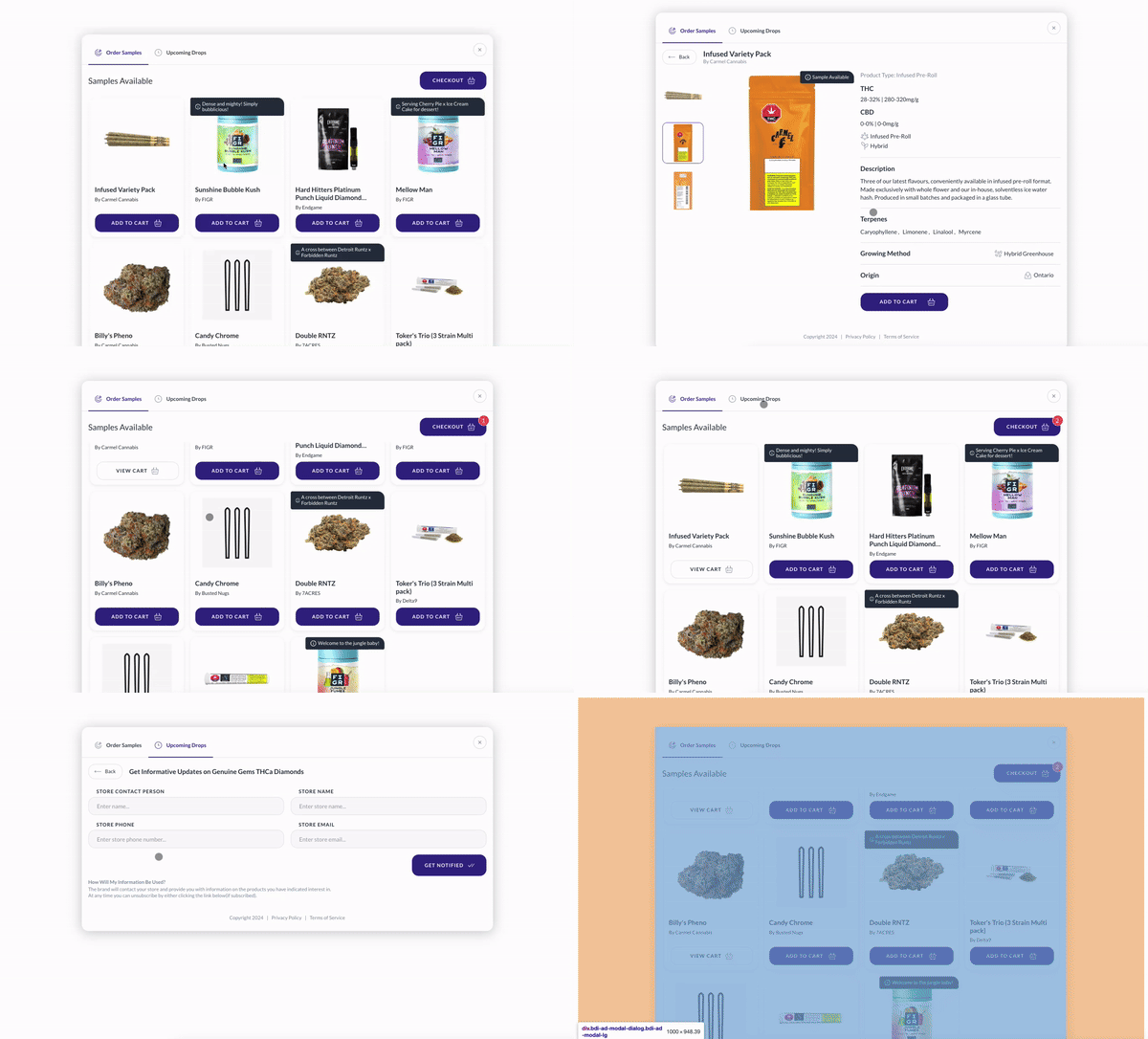
SampleDirect streamlines product marketing and sampling for cannabis brands

SampleDirect is a cost-effective solution for brands to effectively promote their products and gain traction in a market that’s constantly evolving with new offerings in streamlined product marketing, sampling, and education opportunities.
The platform serves as a hub for producers to showcase and promote their new products and available samples to an audience of over 3,000 private retail stores. Additionally, it provides a channel for announcing upcoming product launches in any privatized retail province across Canada before the product has launched at the provincial wholesaler. Retailers benefit from gaining insights into upcoming products and even have the opportunity to ‘try before they buy’.
“What sets us apart is our strategic partnership with Canada’s leading point-of-sale providers: Cova, Greenline, and TechPOS. By integrating with their systems, SampleDirect becomes instantly accessible to over 3,000 stores nationwide.”
Ryan Lalonde, Founder of SampleDirect
Ryan Lalonde, Founder of SampleDirect, explains that the platform was created to acknowledge the challenges brands encounter in consistently engaging with retailers amidst a highly competitive and dynamic market landscape.
“We see SampleDirect as the next evolution in the sampling and trade marketing space,” he explains. “We envision it as a virtual hub to facilitate real-time exchange of information and sample offerings between brands and retailers across virtually all licensed stores in Canada.”
Notably, he adds, SampleDirect provides complete visibility into ROI on marketing initiatives, addressing a longstanding concern for brands in the industry.
At its core, the digital platform offers sampling, pre-sale marketing, and education tools to brands and sales brokers, enabling interested retailers to learn about and sample products. This can happen even before they hit the shelves of major wholesalers like OCS, AGLC, and BCLDB.
“What sets us apart is our strategic partnership with Canada’s leading point-of-sale providers: Cova, Greenline, and TechPOS,” explains Lalonde. “By integrating with their systems, SampleDirect becomes instantly accessible to over 3,000 stores nationwide.”
Lalonde is also the founder of Buddi, a complimentary retail e-commerce platform supported by brand-sponsored ad placements on their menus.
This experience, he explains, has provided his team with firsthand insight into the unique intricacies of marketing cannabis in Canada, which is baked into SampleDirect.
“Throughout our tenure, we’ve closely collaborated with brands, recognizing their goal to carve a niche in a competitive landscape while increasingly having to adhere to strict budgetary constraints,” he says. “This firsthand experience has honed our understanding of the intricacies of cannabis marketing and the necessity of differentiation in a sea of seemingly similar offerings.”

“The confidence we hold in SampleDirect is underscored by the trust bestowed upon us by our partners Cova, Greenline, and TechPOS. Their decision to integrate SampleDirect as the first third-party solution directly into their point-of-sale backend UI speaks volumes.”
For retailers, these partnerships with industry-leading point-of-sale providers make SampleDirect easily accessible.
“It’s a testament to our, and their, commitment to delivering a valuable solution to the market—one that we’re immensely proud of and hope will be embraced by retailers and brands alike.”
A customizable platform, SampleDirect can serve the needs of large and small producers alike.
“Whether a brand relies on internal sales reps, brokers, or word-of-mouth marketing, our platform offers valuable benefits. For brands with sales teams, it serves as an amplifier for their marketing messages, enabling them to quickly reach a large audience, generate inbound leads, and identify promising sales opportunities.
“Conversely, for brands on tighter budgets, SampleDirect enables virtual operation of marketing and sales departments. From there, they could even send samples via direct mail to those potential or existing accounts.”
Interested parties can learn more at https://www.sampledirect.io/.
Sponsored content by: SampleDirect
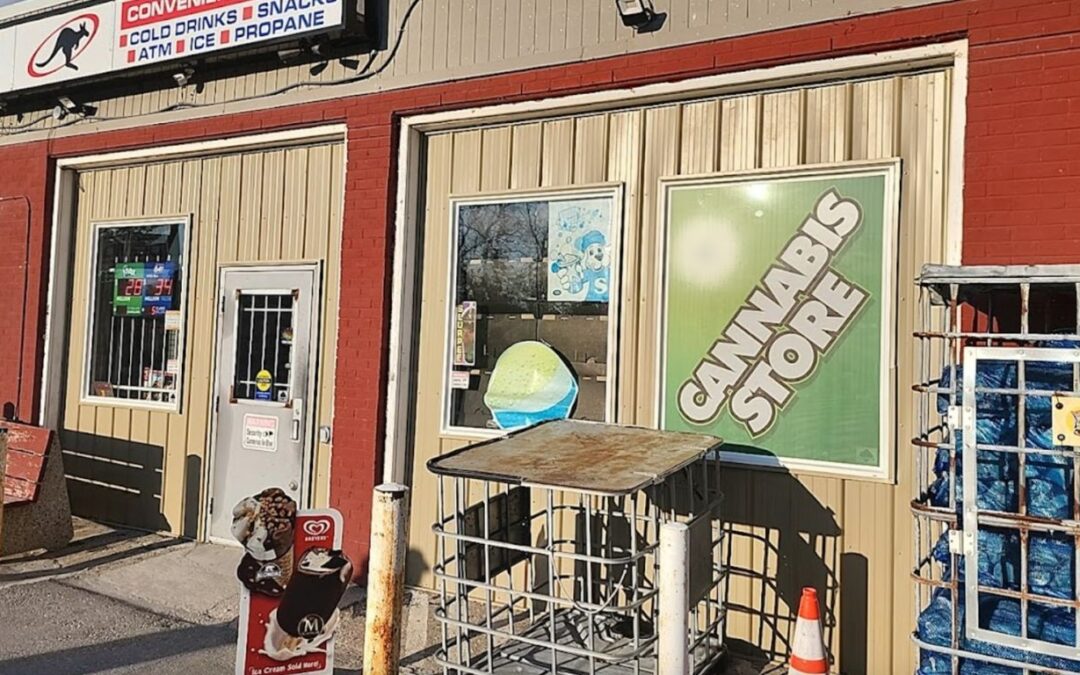
Manitoba to pause issuing controlled access retail cannabis licences
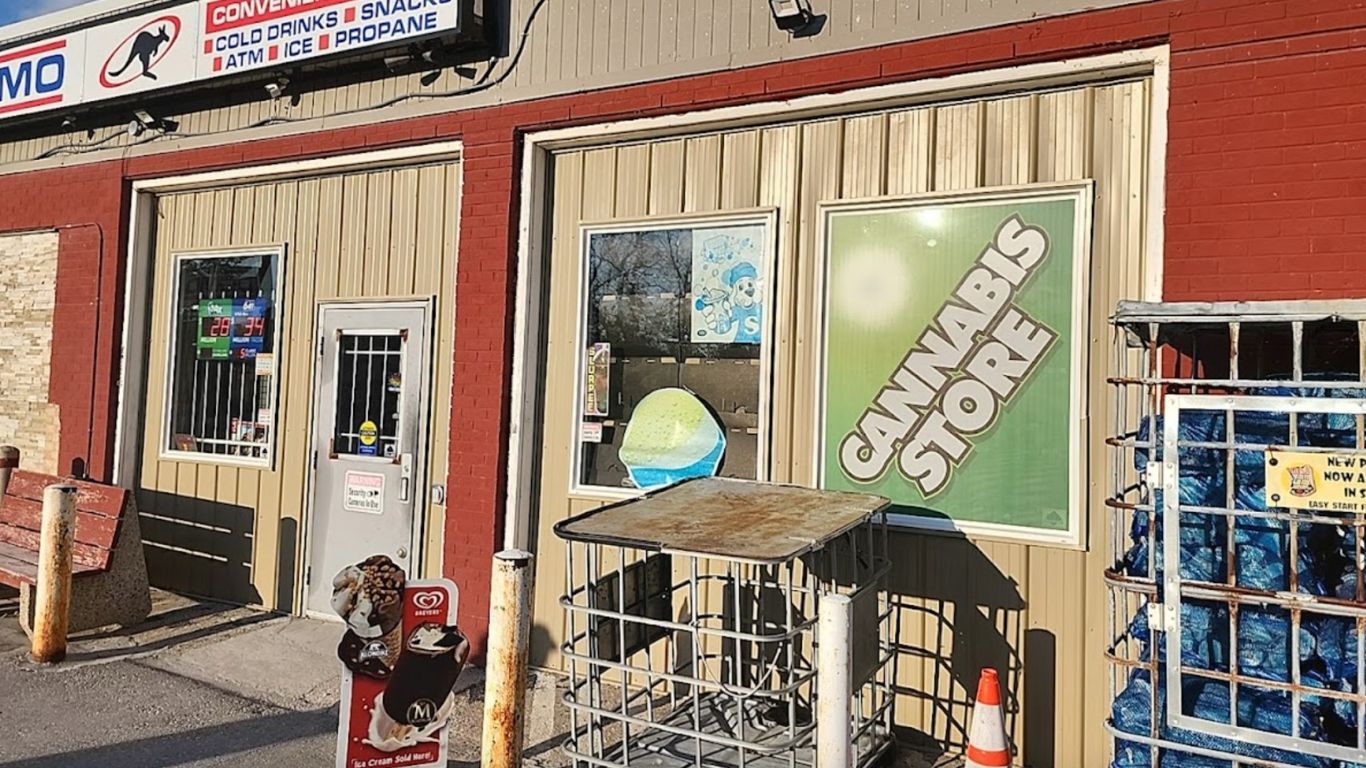
The Manitoba government says it will be placing a temporary freeze on any new licences that allow convince stores to sell cannabis.
Following the tabling of legislation that proposes to repeal the province’s ban on growing cannabis at home, Glen Simard the Minister responsible for the Manitoba Liquor and Lotteries Corporation, told media that the province will be pausing the issuance of new licences for “controlled access” cannabis stores in the province for at least six months.
A representative for Simard’s office confirms that the government is seeking to pause the issuance of new licences while it studies the issue further.
Such controlled access licences for retail cannabis stores allow for cannabis to be sold in convenience stores and gas stations that carry other non-cannabis products. According to provincial rules, businesses holding a controlled-access licence may allow young persons to enter the store, but cannabis must not be visible or accessible.
The province currently lists 205 cannabis stores licensed in the province, with 122 of them in Winnipeg. Eleven of these stores are “controlled access” stores.
Some cannabis retailers in the province have in the past expressed concern about such licences. Melanie Bekevich, the owner of Mistik Cannabis in Winnipeg, and a member of the Retail Cannabis Council of Manitoba (RCCMB), tells StratCann the organization had met with the Manitoba government to express their concerns with how these licences are being issued.
“The RCCMB is pleased that the Minister has been responsive to the industry’s calls for a review on the controlled access licence category,” says Bekevich. “This category was intended to provide access to legal cannabis for rural and remote communities, but we’re seeing most of these licences in Winnipeg and Brandon. A review of the category could ensure controlled access licensing is being used in the spirit of its original intent. The Minister will need to find a balance between limiting exposure of minors to cannabis sales and access for rural remote communities.”
Raj Grover the CEO of High Tide, which operates three Canna Cabana cannabis stores in the province, says he hopes the review provides better guidelines for these types of licences.
“We applaud Manitoba’s new NDP government for confirming today that it will place a six-month moratorium on new controlled access cannabis retail licences,” says Grover. “These licences were intended to provide access to legal cannabis in rural communities without an established legal retail cannabis store; however, many of the controlled access licences were granted to convenience and grocery stores within downtown Winnipeg. We hope that the six month review will help establish important guardrails to ensure that these licences are limited to under serviced communities only, as was originally intended.”
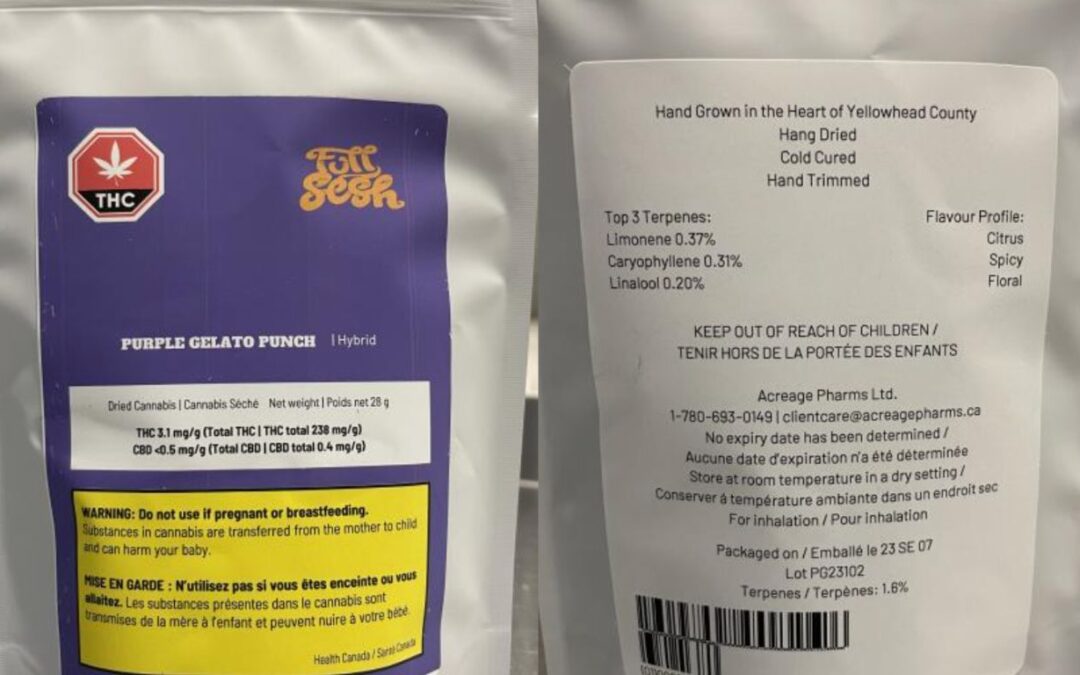
Recall notice issued for Full Sesh ounce sold in BC, found through Cannabis Data Gathering Program
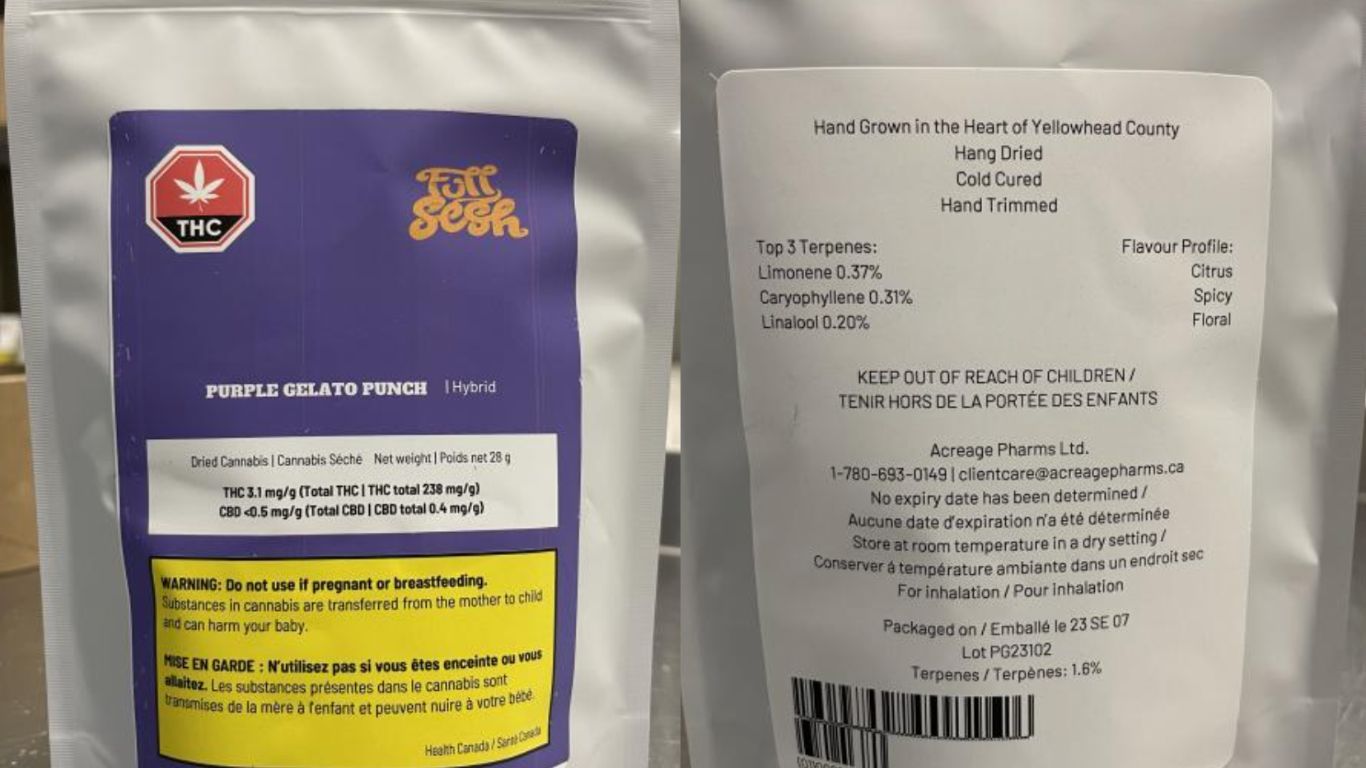
Health Canada has issued a recall notice for cannabis sold in BC due to potential microbial contamination.
The recall notice was published on April 24 for 28 gram SKUs of Full Sesh Purple Gelato Punch dried cannabis from Alberta’s Sirona Pharma Inc. The recall was first posted on the BC government’s cannabis website on April 22.
The recalled product was sold between September 18, 2023 and April 18, 2024. There were 1200 units of recalled product sold under SKU 1062615, Lot PG23102.
Health Canada reminds consumers that they can return the product to the retailer where the product was purchased. At the time the recall was issued, neither Health Canada nor Sirona Pharma Inc. have reported receiving any complaints or adverse reaction reports for the recalled cannabis product lot.

Health Canada says the product was discovered through their Cannabis Data Gathering Program, launched in 2023. As a result of that sampling, Health Canada determined that the affected product does not meet certain microbial contaminant limits for yeast, mould and bacteria as specified by the Good Production Practices requirements of the Cannabis Regulations.
As part of that program, Health Canada’s Regulatory Operations and Enforcement Branch Cannabis Laboratory (ROEB) randomly purchase cannabis products from authorized retailers in Canada.
This recall is the first Health Canada has reported as being triggered by this type of program. The majority of recalls for cannabis products in Canada since legalization have been due to labelling errors. In March, Sirona Pharma Inc. had another product recall, this time due to such a labelling error. The product labelled showed 1.4mg.g THC instead of the accurate amount of 14 mg/g.

The Law of Water : The Doctrine of Deception
The Law of Water :
The Doctrine of Deception
Introduction: The Law of the Land of Turtle Island
As the Original Peoples of the so called America’s our Constitutions are founded on our ancestral knowledge of our Creation as a People which extends to our Mother’s as Life Givers who connect us to a Territory and a Clan; Our Clan System is our Governing System. This is our Great Law our Common Law. The term “common law” has many connotations and in Black’s Law Dictionary; 10th edition, in the third definition of the word it simply states “the general law common to a country as a whole.” Our Common Law also acknowledges the interconnected relationship that governs all life on Earth where we must co-exist with all life. This is our Law of the Land.
The current man made law that all governments are ruled by is termed as the Law of Water which is also called Maritime Law where “maritime” means “of the Sea.” This international law governs all ships, shipping and commerce between Nation States and it’s jurisdiction is restricted to the water. Historically this law evolved out of Empire where today’s Roman Catholic Church is a front that governs all nations, courts, banks, contracts, trade and legal persons. This law of water is an extension of the Roman Catholic Church’s Papal Bulls that claim to rule over all land, property and souls.
How this Law of Water has come to rule over our Law of the Land despite our Treaties with the Crown is through fraud, deception and acts of genocide. It’s not that our leaders walked us to shore, left our canoe to go aboard their ships but it is deception and fraud that took us out of our vessel and placed us on the water from the beginning of our Nation to Nation Relationship.
The Information in this Publication is not Legal Advice. To give legal advice one has to be a lawyer in which a lawyer is “one who is authorized and licensed by the private Guilds of the Bar to practice law.” The Private Guilds of the Bar since the middle ages have been using merchant principles to commercialize the law and personally profit from crime. This is what it means to practice law. An attorney means “someone who proves you have given up your rights” and barrister is “someone who represents a dunce”. I do not claim to be doing any of these such things, so by definition I am not giving legal advice.
The Anishinabek Peoples speak of a dark Cannibal Spirit called the “Windigo” which means “Those in Excess” in the Anishinabek Language. The Windigo is a demonic entity that is always hungry for human flesh and stalk the villages. The Windigo possess the spirit of those who are not strong enough to resist and through them has taken over the body of those it possess and consumes the flesh and spirit of others in the home and village in times of scarcity of food. The Windigo has also come to be the embodiment of the greed of Colonization represented by the Crown.
This Publication is for Educational purposes of what the Crown, the Vatican and its law is so that our Spirits and Flesh may not be continued to be consumed. The publication is to help understand this Windigo so we may stand strong and return to the Law of the Land in which the Indigenous Peoples of the so called America’s can help Humanity in reclaiming ourselves from these Cannibals.
(Full Pdf Doc Available for Download-Link Here:


420 with CNW — Cannabis Taxes Are Underperforming Expectations in Several States

Approximately one-half of the U.S. population resides in states where recreational cannabis is legally accessible. Furthermore, 11 additional states, including Florida and Wisconsin, are contemplating legalization this year.
One of the primary arguments for the legalization of cannabis is the potential for increased state tax income. However, the amount of revenue generated depends on the regulatory decisions made by each state regarding the cannabis industry and the method of taxation employed.
Taxes on recreational cannabis typically revolve around factors such as potency, price, weight and quantity, similar to the taxation of other “sin products” such as alcohol and tobacco. Taxation of these goods is not merely a revenue-generating mechanism for the government but is also seen as a tool to influence public-health policies and mitigate the adverse effects associated with their consumption. These taxes are intentionally higher compared to taxes on other commodities.
The rationale behind aggressive taxation of such goods lies in the recognition that their usage imposes societal burdens such as increased healthcare costs and violence, termed as “negative externalities” by economists. Research has indicated potential health risks associated with cannabis, particularly among adolescents. Consequently, governments frequently structure cannabis taxes in a manner aimed at curbing its use.
Most states that have legalized cannabis implement a sales tax specific to marijuana. Some use weighted or quantity-based taxation techniques in addition to sales taxes. For example, a set of six cannabis brownies weighing a pound might be taxed based on their quantity or weight. Similar to the taxation of alcoholic beverages in many states, potency-based taxation is also utilized to regulate cannabis consumption. Spirits have significantly higher taxes than beer and wine. Similarly, cannabis can be taxed based on the level of THC.
Washington and Colorado became the first states to legalize cannabis for recreational use in 2012, with sales beginning in 2014. The states adopted an aggressive approach to cannabis taxation compared to others. Colorado, for instance, levies a marijuana sales tax of 15% for consumers and an additional 15% tax based on weight for retailers, in contrast to New Mexico’s 12% sales tax. Washington imposes an even higher tax rate of 37%.
Washington and Colorado anticipated substantial tax revenues from their burgeoning cannabis industries due to the high tax rates imposed. However, these predictions were based on estimates of illegal cannabis usage, leading to an overestimation of legal consumption, which is typically more expensive than illicit drugs.
Former Colorado governor John Hickenlooper predicted that cannabis taxes would bring in more than $130 million during the first year of sales in 2014. However, the actual revenue fell short, amounting to approximately $88 million. Washington faced a similar situation, with tax revenue significantly below projections. Furthermore, both states experienced a decline in tax revenue from tobacco and alcohol products, attributed to a shift in consumer preferences toward marijuana consumption. This led to a reduction in revenue from these sin goods, although overall tax revenue increased postlegalization, albeit not to the extent anticipated by policymakers.
Additionally, states such as Colorado, California and Oregon have witnessed a slowdown or decline in cannabis sales and revenue due to market maturation, leading to a drop in average cannabis prices and subsequent reductions in tax revenues.
Potency-based taxation appears resistant to falling prices, assuming consistent cannabis sales volumes. However, its effectiveness hinges on consumer preferences for products with high potency, which may not align with market realities. Moreover, suppliers could manipulate THC potency to avoid taxes, potentially leading to unintended consequences such as the proliferation of low-potency products.
Ultimately, there is no one-size-fits-all tax structure capable of guaranteeing a steady stream of cannabis tax revenue. While they have an impact on market dynamics, tax laws are not able to completely counteract demand swings. State tax collections are likely to continue declining or at least remain stagnant as the cannabis industry matures and becomes more competitive as additional states legalize its use.
Licensed companies that are bearing the heavy taxes imposed by the states in which they operate, such as Verano Holdings Corp. (CSE: VRNO) (OTCQX: VRNOF), likely long for a time when favorable tax reforms will be enacted so that the regulated market can outcompete the illicit marijuana actors.
About CNW420
CNW420 spotlights the latest developments in the rapidly evolving cannabis industry through the release of an article each business day at 4:20 p.m. Eastern – a tribute to the time synonymous with cannabis culture. The concise, informative content serves as a gateway for investors interested in the legalized cannabis sector and provides updates on how regulatory developments may impact financial markets. If marijuana and the burgeoning industry surrounding it are on your radar, CNW420 is for you! Check back daily to stay up-to-date on the latest milestones in the fast -changing world of cannabis.
To receive SMS alerts from CNW, text CANNABIS to 888-902-4192 (U.S. Mobile Phones Only)
For more information, please visit https://www.CannabisNewsWire.com
Please see full terms of use and disclaimers on the CannabisNewsWire website applicable to all content provided by CNW, wherever published or re-published: https://www.CannabisNewsWire.com/Disclaimer
CannabisNewsWire
Denver, CO
www.CannabisNewsWire.com
303.498.7722 Office
Editor@CannabisNewsWire.com
CannabisNewsWire is powered by IBN
Recent Comments