We are asking for help for Michael Gibbons, whose spiritual shamanic name is QuietBear. QuietBear has been in service to humanity and Mother Earth all of his life. By the time he was eighteen, he had saved four lives, served as a volunteer Fireman, worked in Law Enforcement, and served his country in the United States Air Force. Spiritually, he continued such work until 1989, when he became a shaman after seven intense years of formal study, and is proud to live under the teachings of the Twisted Hair Elders (https://newagora.ca/the-bear-truth/). In the course of all this work, he has experienced four near-death experiences, and each time was sent back by God, to complete work he has been asked to do.
The ‘deep state’ has no power over you. None. It can only try and make you believe it does.
And in this it is very clever, using sophisticated psychological techniques that give the impression of holding the dominant position and exercising the dominant power.
But this is a chimera; and immediately one sees it as such one manifests the authoritative position and the deep state is in check; it can only operate defensively.
This it does by putting up ever greater barriers to freedom of expression, movement and choice.
It knows it’s on the losing side, so has to pull all the tricks in the trade to make itself appear to be in control. It’s a psychological battlefield.
Edward Bernays, the founder of modern advertising, has had much to do with weaponising the powers of perception and deception. He found that you can get people to believe and do almost anything once you learn how to exploit their psyche with carefully chosen imagery and words. Once you tap into people’s widespread subconscious attraction to the trappings of seductive consumables.
The deep state’s corporate/banker led ‘seeming’ global dominance draws on Bernays’s cunning, using advanced insights concerning how to influence the functions of different areas of the human brain.
The objective is to come up with a blanket like web of virtual signposting pointing to the direction life must go in in order to overcome some purposefully manufactured crisis. A crisis that is claimed will otherwise cook, starve or destroy people and the planet.
People in a state of funk take all this to be real, of course, and plod on with their tunnel vision acceptance of the pathological diktats of the status quo.
The deep state cabal has a mental hold over their perception of what is and is not true, and rolls out the moderators, fact checkers and ‘sudden silencers’ to counteract anything that emerges as an emissary of truth. Many of us have had first hand experience of this executioner formula.
Nevertheless, ‘we the purposeful people’ are winning through. There is simply too much informative material on the loose for the thought/surveillance police to cover, in spite of their algorythmic interventions.
Their tactic is therefore to try to gain the upper hand by pushing harder on the ‘disaster agenda.’ This is exemplified by the global dissemination of the dystopian agenda laid out in Klaus Schwab’s Fourth Industrial Revolution.
The most ubiquitous cooked-up disaster is, of course, ‘man made global warming’ – with its stated solution to be the Transhuman. All steps in between are sold as vital to advancing the speed and efficiency of the ‘human to inhuman’ transformation process.
The digitalisation of life is central to the architects of control argument that humanity is incapable of managing itself and that, without their intervention, the outcome will be the complete breakdown of planetary life.
Only a race of soulless computer assisted ‘super beings’ can save the day, say the likes of Yuval Noah Harari, Elon Musk and Klaus Schwab.
Consider how this agenda plays on the psychology of those who have yet to find in themselves the self assurance to discard that which has no practical sense of purpose and no foundation in basic common sense.
The architects of control count on the majority remaining unresistant to the rolling out of their high tech hegemonic master plan. So much so that they can freely announce that by following it “You will own nothing and you will be happy.”
In the psychological battle for truth, the perpetrators of the lie have access to a vast storehouse of mind bending persuasion techniques to make their agenda seem the only choice.
They recognise that when a high percentage of individuals believe themselves to be unable to operate without a mobile phone – they will be sufficiently unfocussed and distracted so as to be unable to rebel against a fateful acceptance of slavery to the big brother of convenience.
Easily manipulated victims of digital mass hypnosis.
Here lies the rub: if the upwardly mobile urban ‘educated’ segment of society sees no problem conducting their lives within a credit card bubble of hypermarket convenience shopping, digital EMF communication systems, computer fed entertainment packages and a well paid job in a global or trans national corporation – where is the resistance going to come from?
If this genre of people are already too far gone to register an internal kick when faced by a high level plan to ‘happily’ have all their material assets taken away from them – then who or what is going to raise the alarm?
It looks to me as though only a small percentage of mankind can read the script being outlined for their future behind bars. Only a few can grasp the psychology of the insentient psychopath and his soulless urge to possess and control, at any price.
But once one moves outside the world of Godless urban shopping obsessed nine to fiver’s and ‘well educated’ university trained job hunters, a potential to get real starts to emerge.
Amongst those working people who regularly get their hands dirty, who till the fields; build shelters; repair cars; mend pipes; fix electrics and dig drains, the virtual reality digital cybernetic future of the Fourth Industrial Revolution – and Green New Deal – looks like pure phantasy. The ravings of the unhinged.
They don’t need to mentally struggle in order to try to grasp the twisted logic being broadcast by the global media mafia. They simply know in their gut that it’s so much ‘bull’.
It is those who form the foundation of pyramid who hold society together. Who glue together the basic infrastructure which supports our daily lives. And it is from here that an increasing percentage reject the psychology of mental indoctrination and the promotion of a digitalised virtual future. The ‘Throw out Green Deal’ remarkable, unified farmer uprisings happening in all parts of Europe and beyond are testimony to this. They are rising up against the imposition of phony ‘Net Zero by 2045’ rules that demand an end to farmers working the land and an end to the livestock that keep that land fertile.
These farmers are out in their tens of thousands. In Poland they are mounting month long tractor blockades of cities, supermarkets and border crossings. Coals miners, faced by being shut out by large scale ‘stop global warming’ redundancies, are joining the uprising.
Farmers say they will not cease their disruptions until their demands are met by government and by the EU.
This is the refreshingly undiluted language of genuine defiance.
It has the authorities rattled. Green Deal is, after all, the very backbone of the agenda to enslave us all to a Brave New World of synthetic everything – from food to nature to people.
The general public are in sympathy with the farmers’ actions. Approximately 80% of European citizens are on their side according to opinion surveys.
Getting a solid core of consumers to rise up and participate in this bottom up movement for the survival of real food and real farming will be vital to maintaining the momentum.
Coming from an unlikely place, a solid earthed uprising is gathering pace. The farmers’ demands are essentially for economic fairness, respect and recognition of the vital roll they play in the food security of the nation.
Under ‘Green Deal’ none of these demands are taken seriously. The WEF solution is not to support the agricultural community but to destroy it!
In the 2024 battle for truth, everyone should behave as resolutely as the farmers. The need is to be uncompromising in one’s face to face dealings with political liars and hypocrites.
We are the trustees of Planet Earth. In order to maintain its balance and equilibrium – we have no choice other than to enter into a pact-less fight against all opposing forces.
Those who have land, can grow food and draw water from the well, are the last independent individuals on the planet. They are not about to capitulate to a bunch of psychos in Brussels, London, Warsaw, Washington or Paris – and nor are we.
Everyone’s life is dependent upon having access to nourishing food. Therefore everyone’s life is dependent upon the survival and future prosperity of the farmer.
Support them now in their hour of need. Their need is also your need.
They have no future – and nor do we – without a life saving revolution that re-establishes the priorities for what is actually important in life. Think deeply about this and then act on it without delay.
And if you’re left in doubt – ask farmers who actually controls the food chain. Who is really in the driving seat when it comes to feeding the world?
Rise up, all good people. Take your destiny in both hands. Vigorously join together in forging a great victory for humanity over inhumanity.
Allowing one’s self to slide into a state of abject slavery is a doctrine of the graveyard.
All those retaining some life giving red blood corpuscles know that the road to truth accepts no compromise and can never be subverted by the orchestrated opium of mass indoctrination.
Julian Rose is an organic farmer, writer, broadcaster and international activist. He is author of four books of which the latest ‘Overcoming the Robotic Mind’ is a clarion call to resist the despotic New World Order takeover of our lives. Do visit his website for further information www.julianrose.info
Overcoming the Robotic Mind – Why Humanity Must Come Through
To investigate the impact of legal sales on youth usage, researchers conducted a comparative analysis of middle-school usage rates in New Mexico and Nevada, utilizing data from state-conducted surveys in 2017 and 2019. Notably, during this period, Nevada permitted adult-use cannabis sales while New Mexico restricted its use to medical purposes only.
Across both states, the study uncovered rises in the percentages of middle schoolers who had experimented with marijuana and those who reported using it within the past month.
In Nevada, the proportion of students admitting to ever trying marijuana increased from 9.7% in 2017 to 13.3% in 2019. Similarly, past 30-day usage surged from 6.3% to 8.9%. Meanwhile, in New Mexico, lifetime usage rose from 14.1% to 17.4%, with past 30-day usage climbing from 8.9% to 10.5%.
Despite these concerning trends, researchers refrained from directly attributing the rise to legalization. They stated that they didn’t discover convincing evidence linking cannabis legalization with an immediate spike in use among middle school students in Nevada, which is consistent with earlier research.
However, they deemed the general rise in cannabis use among middle-schoolers in both New Mexico and Nevada within the said period troubling due to the known health risks associated with early initiation of cannabis use.
The study, which was supported by a grant from the National Institute on Drug Abuse (NIDA), involved cooperation between researchers from the New Mexico Health Department and the universities of New Mexico and Nevada. Analysis across the two states revealed that female students, individuals of nonwhite ethnicity and those attending low-income Title I schools exhibited higher likelihoods of both past 30-day and lifetime marijuana usage.
The authors suggested that their findings were consistent with existing literature, which suggests that cannabis usage might serve as a coping mechanism for discrimination and poverty, with adolescent females increasingly reporting higher usage rates compared to males.
In terms of policy implications, the study underscored the importance of targeting prevention efforts toward groups at heightened risk rather than solely focusing on the legal status of cannabis for adults.
However, the researchers acknowledged certain limitations of their study, including the inability to account for the potential influence of neighboring states with differing marijuana policies, such as California and Colorado. Additionally, the study did not delve into the frequency of usage or changes in marijuana use disorder.
Several studies have been published dispelling the misconception that cannabis legalization permitting companies such as SNDL Inc. (NASDAQ: SNDL) to operate results in more teens accessing marijuana products. The data is consistent in showing that this isn’t the case.
About CNW420
CNW420 spotlights the latest developments in the rapidly evolving cannabis industry through the release of an article each business day at 4:20 p.m. Eastern – a tribute to the time synonymous with cannabis culture. The concise, informative content serves as a gateway for investors interested in the legalized cannabis sector and provides updates on how regulatory developments may impact financial markets. If marijuana and the burgeoning industry surrounding it are on your radar, CNW420 is for you! Check back daily to stay up-to-date on the latest milestones in the fast -changing world of cannabis.
To receive SMS alerts from CNW, text CANNABIS to 888-902-4192 (U.S. Mobile Phones Only)
Please see full terms of use and disclaimers on the CannabisNewsWire website applicable to all content provided by CNW, wherever published or re-published: https://www.CannabisNewsWire.com/Disclaimer
(CNW) — Toronto and Gail Yam, Israel — IM Cannabis Corp., a leading medical cannabis company with operations in Israel and Germany, welcomes the implementation of the medical cannabis regulatory reform in Israel on April 1st.
The reform, announced by the Israeli ministry of health on August 7, 2023, underwent a three-month delay due to the Israel-Hamas war following its initial announcement.
The Reform will be implemented in phases, as approved, and announced by the Israeli Ministry of Health. The key aspects of the initial phase, commencing today, April 1st, are as follows:
Change in the prescription process: patients with a wide range of diseases and medical conditions from Oncology to Parkinsons will no longer be required to obtain a license to receive medical cannabis. Patients will receive a prescription similar to those for other prescription medications. Pain and PTSD are not included in the Reform yet.
Medical cannabis will now be prescribed through the HMO’s, Israel’s public healthcare system: until the Reform, cannabis could not be prescribed through the HMO’s which cover the majority of the Israeli population.
The number of prescribing physicians is expected to increase: as of today, HMO physicians, who are dully trained and certified within their field of expertise, can prescribe medical cannabis as a first line treatment, as opposed to a last resort, based on medical discretion for the approved indications.
The cost for prescription is anticipated to be reduced: the Ministry of Health limited the cost for a medical cannabis prescription.
“We believe that by facilitating the access to medical cannabis, for many new patients, the new regulations will transform the medical cannabis market in Israel.” said Oren Shuster, CEO of IMC. “By improving the accessibility, increasing the potential number of prescribers, and lowering the cost of obtaining a cannabis prescription, we anticipate an increase in the number of medical cannabis patients.”
FRANKFURT, Germany (AP) — Marijuana campaigners in Germany lit celebratory joints on Monday as the country legalized possession of small amounts of cannabis for recreational use – a step that hasn’t ended the debate over the drug.
The German Cannabis Association, which campaigned for the new law, staged a “smoke-in” at Berlin’s landmark Brandenburg Gate when the law took effect at midnight. Other public consumption events were scheduled throughout the country, including one in front of the Cologne cathedral and others in Hamburg, Regensburg and Dortmund.
Germany becomes the third European Union country to legalize cannabis for personal use after Malta and Luxembourg. The government argued that legalization would undermine criminal trade in the drug, guard against harmful impurities, and free police to pursue more serious crimes while providing for protections against use by under-18s.
Advertisement
The new law legalizes possession by adults of up to 25 grams (nearly 1 ounce) of marijuana for recreational purposes and allows individuals to grow up to three plants on their own. Use is prohibited within 100 meters (109 yards) of the entrance to a playground or school. That part of the legislation took effect Monday.
German residents age 18 and older will be allowed to join nonprofit “cannabis clubs” with a maximum 500 members each starting July 1. Individuals will be allowed to buy up to 25 grams per day, or a maximum 50 grams per month — a figure limited to 30 grams for people under age 21. Membership in multiple clubs won’t be allowed.
The clubs’ costs will be covered by membership fees, which are to be staggered according to how much marijuana members use.
The legislation also calls for an amnesty under which sentences for cannabis-related offenses that will no longer be illegal are to be reviewed and in many cases reversed. Regional authorities worry that the judicial system will be overburdened by thousands of cases.
Over the past 20 years, the general trend has been for European Union member countries to reduce cannabis penalties in various ways, according to the European Monitoring Centre for Drugs and Drug Addiction.
Those could include making possession a civil offense or diverting offenders to treatment instead of the criminal justice system, or less strict enforcement. In the Netherlands, cannabisremains illegal but sale of small amounts in so-called coffee shops is tolerated by the public prosecution service. A number of countries in Europe permit medical cannabis under differing sets of rules.
But the law may not be the last word. It was pushed through by the current coalition of Chancellor Olaf Scholz’ Social Democrats, the Greens and the pro-business Free Democrats, against opposition from some of Germany’s federal states and the center-right Christian Democrats.
Christian Democratic leader Friedrich Merz has vowed that his party will reverse the legislation if it wins national elections expected in the fall of 2025.
Leading garden stores surveyed by the dpa news agency indicated they would not be adding cannabis plants to their horticultural offerings. The German Medical Association opposed the law, saying it could have “grave consequences” for the “developmental and life prospects of young people in our country.”
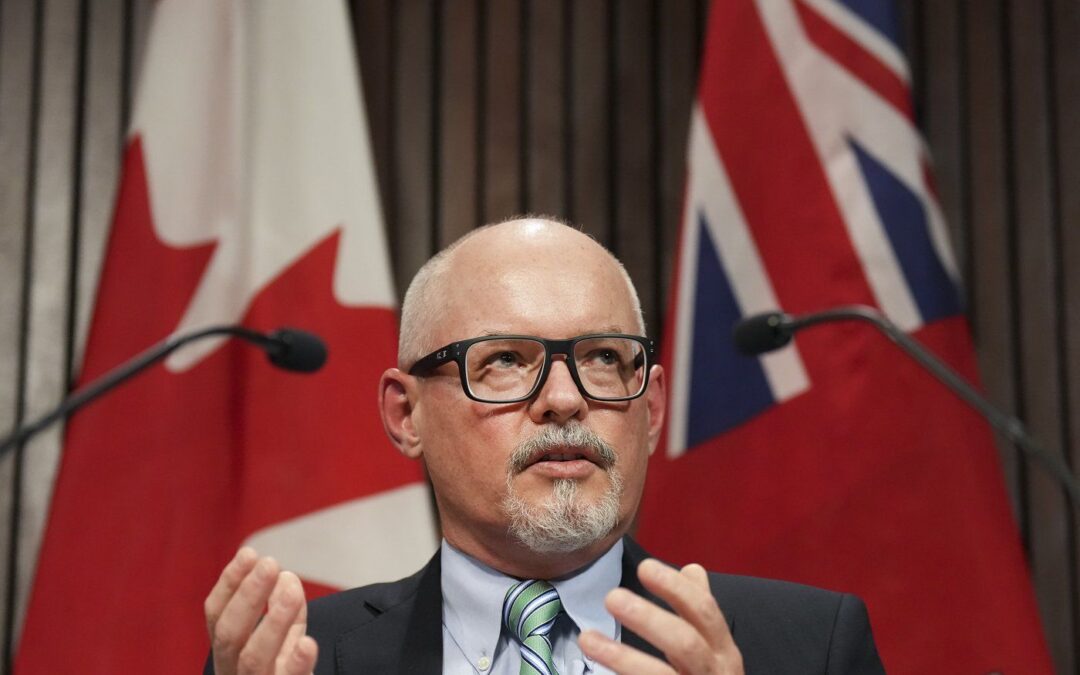
Ontario’s top doctor is calling on the province to immediately enact policy that will restrict access to alcohol, vapes and cannabis as the number of people who have died or visited a hospital due to using multiple substances has spiked in recent years.
But Dr. Kieran Moore, the province’s chief medical officer of health, also recommends Ontario decriminalize simple possession of unregulated drugs for personal use and make safer supply accessible to reduce the number of people in the province dying from preventable opioid overdoses each year.
“When we see preventable threats, like substance use, that harm too many people too young, devastate families, destroy communities, and reduce life expectancy, we must act,” the medical officer wrote in an annual report released this week.
“In recent years, some of the biggest threats to what had been a steady increase in life expectancy in Ontario have been the COVID-19 pandemic and preventable deaths related to substance use.”
Advertisement
Moore’s research suggests his “multi-pronged” recommendations can help officials prevent fatal overdoses and stop people, especially youth, from dangerously and increasingly using multiple legal substances.
Hannah Jensen, a spokeswoman for Ontario’s minister of health, said in an email on Thursday the government appreciates Moore’s “specific viewpoint” outlined in the report, but said recommendations to restrict legal substances while decriminalizing hard drugs are inconsistent.
Jensen said they “ignore the unintended consequences and significant public safety concerns experienced by other jurisdictions that have implemented similar proposals.”
She said Oregon, for instance, is considering repealing decriminalization measures passed in 2021 after experiencing “failing audits and increased public safety issues.” Legislators in that state tabled a bill earlier this year that would effectively repeal decriminalization measures when passed.
Moore said more than 2,500 people have died in Ontario each year in the past few years due to a toxic drug supply. And the number of opioid-related deaths among teens and young adults in Ontario tripled between 2014 and 2021.
He said research has found a safer drug supply is the solution to immediately prevent thousands more from dying in the coming years.
“The system must first take urgent steps to keep people alive, such as creating safe spaces where people can use unregulated drugs and providing regulated pharmaceutical alternatives,” he wrote in the report.
“With these harm reduction responses in place, people who are using opioids may be in a position to benefit from offers of education and treatment, and to make choices that enable them to reduce or even stop their opioid use.”
He also recommended Ontario decriminalize simple possession of hard drugs for personal use.
“Decriminalization … allows the justice and enforcement systems to focus their resources on stopping the organizations and individuals profiting from unregulated drug sales rather than on people who use substances whose needs would be better met in the health system,” he wrote in the report.
He noted Ontarians, especially youth, have also been a part of a “disturbing trend” in recent years of binge drinking and vaping.
The report, citing recently released data from the Canadian Institute for Health Information, found 33 per cent of adults said they used cannabis in 2020, an eight per cent increase from 2019. And when it released its cannabis survey in 2022, Health Canada reported the number of Ontarians who died of alcohol toxicity rose 16 per cent between 2018 and 2021.
“We have also seen concerning changes in substance use patterns and harms more broadly, including higher rates of vaping among non-smokers, increased unintentional poisonings in children from cannabis ingestion, and an ongoing high burden of hospitalizations and cancers caused by alcohol,” Moore said in the report.
He said that’s why efforts need to be made to “shift social norms by making Ontarians more aware of new evidence on alcohol-related harms.”
He suggested in the report, for example, that more restrictions on how legal substances are marketed can be implemented to educate people on the harms of substance use.
“The province does prohibit advertising of alcohol to minors on traditional media outlets like television, radio or print, but neither the federal nor the provincial government limits advertising on social media platforms, which is where youth get most of their information,” Moore said.
He also recommended Ontario “explore the value of increasing the legal minimum drinking age from 19 to 21” and “work with the federal government to require that all alcohol products have warning labels and signage that describe the risks and harms of drinking booze.
He said it’s common knowledge that Ontarians will continue to use the legal substances.
“The challenge is to help people understand the risks, and moderate or stop their use,” he said.
He said limiting the number of deaths and hospital visits due to the legal substances can save the province billions of dollars.
“In 2020, the harms associated with substance use cost Ontario about $18 billion – or $1,234 per person – in health care, social and legal/policing costs,” the report reads.
Moore argued his recommendations need to be implemented with the understanding that societal burdens, such as the affordability crisis, are driving more Canadians to use substances.
That’s why he said Ontario needs to implement his recommendations while working with all levels of government in developing affordable housing policies, programs for families that reduce the risk of adverse childhood experiences and domestic violence, and initiatives to improve social circumstances.
“This report calls for an all-of-society approach to improve health and reduce substance use harms: one that recognizes the complexity of human experience with substances, the factors that drive substance use, and the policy environment where public health policies may conflict with economic policies, and with public attitudes and perspectives,” he wrote.
Entrepreneurs, influencers, advocates, patients, investors, service providers, educators, and consumers of the cannabis spectrum, are all invited to attend the first-ever Cannabis Convention of Maryland that focuses on networking, learning, and discovering new cannabis products and services for the greater Maryland community.
NECANN organizes the foremost cannabis events, with a robust platform for cannabis enthusiasts to connect with industry experts and peers, presenting critical knowledge to expand businesses. NECANN has offered growth opportunities to the local communities throughout the northeast and beyond since 2014. It has boosted the cannabis economy by creating a hub of resources and communication available to the local markets.
Traders and service providers from the Maryland community can exhibit their products and services to gain visibility among the investors and key business experts of the cannabis industry. They can showcase their unique products at the exhibitor booths and pitch their businesses and products directly to investors, consumers, and others. Newbies quickly expand their knowledge base by connecting with industry veterans visiting the convention.
The attendees will witness an impressive lineup of powerful speakers and industry leaders. They will share useful insights about the current industry trends and important issues of the cannabis trade. These industry veterans will discuss engaging topics that impact & concern the cannabis community in Maryland.
The dedicated NECANN team works hard to give the attendees a wholesome and productive experience of networking, with meaningful exchanges among the attendees. Available information includes myriad topics covering every aspect of the cannabis industry, ranging from inventory, legal issues, packaging, insurance, regulations, security and testing, to cultivation, marketing, and more.
The Maryland Cannabis Convention & Expo promises to be a one-of-a-kind experience, where the cannabis community explores, discovers, and exchanges must-know information about the business of cannabis.
CannabisNewsWire (“CNW”) is a specialized communications platform with a focus on cannabis news and the cannabis sector. It is one of 60+ brands within the Dynamic Brand Portfolio @ IBN that delivers: (1) access to a vast network of wire solutions via InvestorWire to efficiently and effectively reach a myriad of target markets, demographics and diverse industries; (2) article and editorial syndication to 5,000+ outlets; (3) enhanced press release enhancement to ensure maximum impact; (4) social media distribution via IBN to millions of social media followers; and (5) a full array of tailored corporate communications solutions. With broad reach and a seasoned team of contributing journalists and writers, CNW is uniquely positioned to best serve private and public companies that want to reach a wide audience of investors, influencers, consumers, journalists and the general public. By cutting through the overload of information in today’s market, CNW brings its clients unparalleled recognition and brand awareness. CNW is where breaking news, insightful content and actionable information converge.
To receive SMS alerts from CNW, text CANNABIS to 888-902-4192 (U.S. Mobile Phones Only)
Please see full terms of use and disclaimers on the CannabisNewsWire website applicable to all content provided by CNW, wherever published or re-published: https://www.CannabisNewsWire.com/Disclaimer
A panel reviewing Canadian law on adult-use marijuana has recommended that pharmacy access be enabled for medical cannabis. This comes after Shoppers Drug Mart, the biggest pharmacy chain in the nation, requested that pharmacies be allowed to sell medical marijuana products.
By doing so, patient concerns on product shortages and delays in delivery could be addressed. Additionally, enabling this access would allow patients to freely consult with pharmacists on side effects and drug interactions at their own convenience.
The Cannabis Act, which legalized recreational marijuana, established a legal framework for producing, distributing, selling and possessing marijuana across Canada.
The panel, which was appointed by the government, also gave other recommendations, including maintenance of the current limit of THC for edibles. This suggestion was deemed a bit controversial as the current cap stands at 10mg, yet illicit edibles contain almost 100 to 200 times this limit.
It also suggested that the overall excise tax model be reviewed, noting that the average price of marijuana since legalization had decreased greatly, resulting in greater excise payments as sales percentages.
The panel also proposed that products with higher delta-9 THC potency have a higher tax imposed on them in comparison to lower-potency products. The goal of this was to discourage individuals from consuming higher-risk marijuana products and reduce their proliferation.
In addition, the panel suggested that an excise tax-sharing framework with First Nations be developed. It also admitted to the existence of challenges and barriers that faced Inuit, First Nations and Metis entrepreneurs and communities.
Chair Morris Rosenberg stated in the report that the issues had caused public-safety and public-health challenges in different communities. He explained that there was a critical need to look into these issues in an effort to protect public safety and health while also recognizing the rights of Indigenous peoples.
It is important to note that none of the recommendations given are legally binding.
What is clear, however, is that the federal government needs to set aside needed resources and funding to make sure that the marijuana framework is effectively implemented. Currently, the federal government employs hundreds to regulate the drug. This makes it an expensive system to maintain.
Some hope that some suggestions shall be considered for the next federal budget, which will be announced next month. This comes after the standing committee under the House of Commons recommended that duty be limited to a 10% ad valorem rate.
The proposed changes to Canadian marijuana law are issues that entities such as Aurora Cannabis Inc. (NASDAQ: ACB) (TSX: ACB) would be interested in because nearly all jurisdictions where marijuana is legal would benefit from such changes.
About CannabisNewsWire
CannabisNewsWire (“CNW”) is a specialized communications platform with a focus on cannabis news and the cannabis sector. It is one of 60+ brands within the Dynamic Brand Portfolio @ IBN that delivers: (1) access to a vast network of wire solutions via InvestorWire to efficiently and effectively reach a myriad of target markets, demographics and diverse industries; (2) article and editorial syndication to 5,000+ outlets; (3) enhanced press release enhancement to ensure maximum impact; (4) social media distribution via IBN to millions of social media followers; and (5) a full array of tailored corporate communications solutions. With broad reach and a seasoned team of contributing journalists and writers, CNW is uniquely positioned to best serve private and public companies that want to reach a wide audience of investors, influencers, consumers, journalists and the general public. By cutting through the overload of information in today’s market, CNW brings its clients unparalleled recognition and brand awareness. CNW is where breaking news, insightful content and actionable information converge.
To receive SMS alerts from CNW, text CANNABIS to 888-902-4192 (U.S. Mobile Phones Only)
Please see full terms of use and disclaimers on the CannabisNewsWire website applicable to all content provided by CNW, wherever published or re-published: https://www.CannabisNewsWire.com/Disclaimer
Pierre Poilievre announced today that he plans to improve the cannabis industry once he becomes President of Canada.
“For too long Canada’s hard-working weed-growers have toiled under the yoke of the Trudeau government’s communist cannabis regime,” said the lifetime politician in a press conference in front of the unlicensed Four Seasons Dispensary in downtown Toronto this morning.
“Behind me is the true entrepreneurial spirit of Canada,” Polievre said, gesturing to the business. “Unencumbered by anything except cold, hard profits, the young men affiliated with this—not a black market business, not a grey market business, but a free market business—are the true inheritors of Canada’s cannabis culture—not these stuffy corporate stores,” he said before lighting a joint and promising to end legalization when he’s elected to the White House of Canada.
Those in the crowd responded well.
“He really gets us,” said one person in a “Fuck Trudeau” shirt, flat-brimmed sports hat, wearing a giant bong around his neck. “Cannabis people know the Conservatives have their back, just like they always did when Stephen Harper first legalized corporate weed ten years ago.”
While unavailable for comment as of press time, Trudeau’s government is reportedly expecting to hit a “reset button” on legalization in an attempt to undermine Poilevre’s popular policy proposal.
“He’s scrambling,” said one staffer who asked not to be named. “He’s holed himself up in his palace in Smiths Falls where he’s been meeting with members of MADD Canada and corporate cannabis CEOs who are carefully guiding his understanding of the nuances of Canadian cannabis culture.”
An armada of lobbyists are said to be descending upon Ottawa to get selfies with Poilievre.
The federal government is expected to make several announcements this week on the cannabis file, StratCann has learned through a super-secret inside source.
Justin Trudeau and Chrystia Freeland are expected to make a joint announcement this week from Parliament where they will announce that they are hitting the restart button on cannabis legalization.
In a document shared with Stratcann by a source known only as DeepMint, Trudeau is expected to give a speech where he says that they now realize that building a cannabis industry around Stephen Harper’s over-built, over-engineered medical cannabis scheme was destined to fail from the beginning.
These announcements are coming as the cannabis community prepares for their 420 convoy, expected to converge on Ottawa in the coming weeks.
“We will not leave Ottawa until there are no more taxes on cannabis and no more regulations for edibles,” said Dabby Thumper, the convoy’s leader and spokesman. “It’s time Ottawa recognizes that the cannabis industry is the backbone of our economy, and we will do dabs all day long in downtown Ottawa until the Liberal Trudeau government acknowledges our demands, dissolves parliament, and replaces all MPs with cannabis CEOs.”
Trudeau’s speech, says DeepMint, was hastily put together after the convoy announced their plan to choke Ottawa in a thick cloud of dank smoke.
“He just didn’t realize how bad it was until the 57th lobbyist said taxes are too high and then he finally got it,” said Mint.
Although the specific details of the speech are unknown, according to one speech writer Trudeau and Freeland are expected to announce that legalization was just a goof, some good fun to rile up the Conservatives, and that they never really meant for it to get this far.
And so it is rumoured that beginning October 17, 2024, Canada will no longer issue licences for cannabis producers, instead favouring the efficiency and public safety of a free market. Anyone who wants to grow weed in their backyard and sell it to a retailer will be free to do so.











Recent Comments