

High Tide Closes Acquisition of Premium Canadian Cannabis Brand, Queen of Bud
Hyperlube H1 Keeps Conveyors Running Smoothly
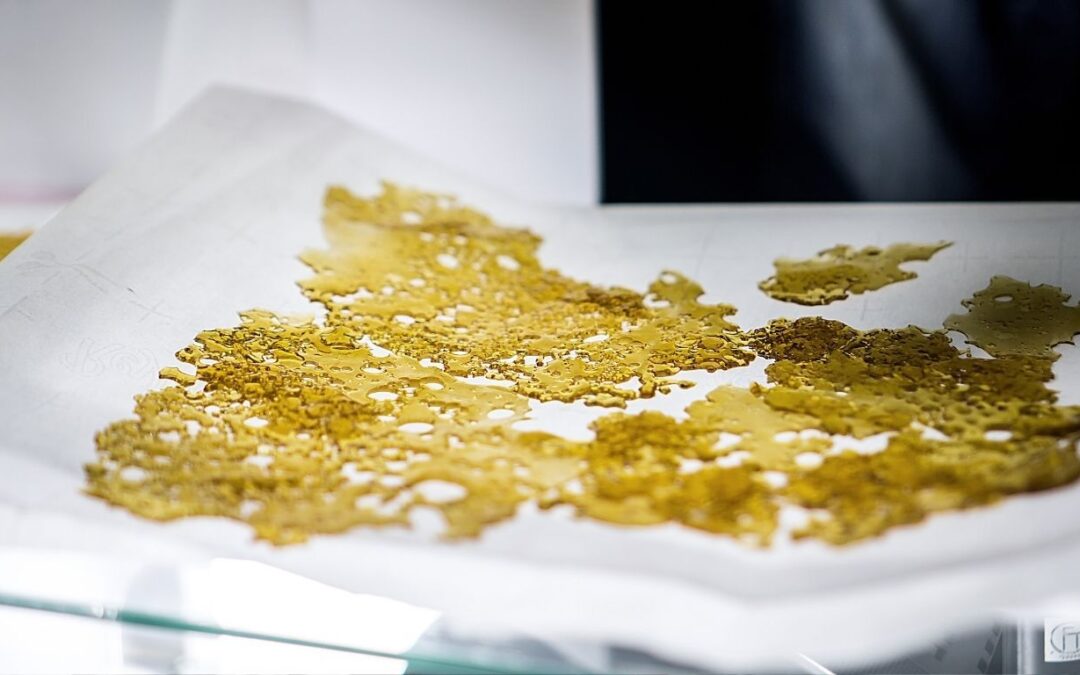
Police in BC raid clandestine shatter lab
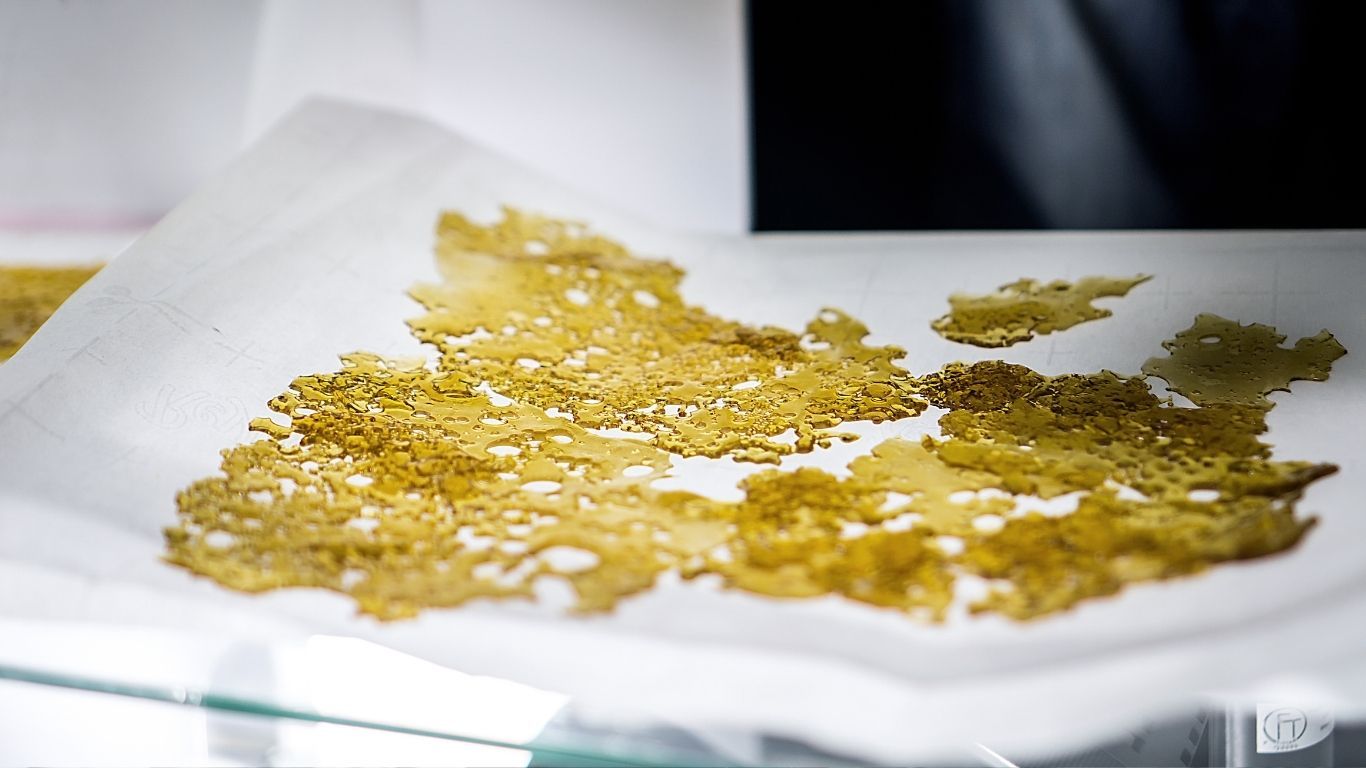
RCMP in Midway, BC, say they disrupted a lab used for manufacturing cannabis shatter.
The investigation began in early 2024 about a possible clandestine shatter lab on a rural property in Beaverdell, about an hour east of Kelowna.
As a result of that investigation, police secured a search warrant and executed a search on March 27, 2024.
The RCMP Federal Clandestine Laboratory Enforcement and Response (CLEAR) team and Forensic Identification Section (FIS) were mobilized to “assist, mitigate, and disassemble the lab”, said Corporal Alex Bérubé, spokesperson for the RCMP in British Columbia.
The investigation is ongoing, and police continue to gather evidence.

The Revival of Wisdom
The Revival of Wisdom
By Clinton
If you take a few steps back and look at the bigger picture you may see that there are many similarities and correlations between religions, cultures and even scientific disciplines. Is it possible that many of the religions and cultural teachings of the world originated from a single source? According to the Kybalion all nations have borrowed their knowledge and teachings from ancient Egypt, including India, Persia, Chaldea, Medea, China, Japan, Assyria, Greece and Rome. The book claims that much of the Esoteric knowledge and spiritual Wisdom of the world stems from Hermeticism, and rightfully so. Anyone who studies the concepts and principles of The Hermetic philosophy will find that they tend to resonate with many religious, cultural and even scientific teachings. It could even be said that the religious, cultural and scientific teachings of the world are now culminating and leading people to Truths about reality that the Hermetic philosophy has taught since the very beginning. For example, there are some striking similarities between various Christian concepts, ancient cultural teachings and scientific “discoveries” that may be reconciled and better understood through the Hermetic philosophy. Is it possible that many of today’s religions were born out of the Hermetic philosophy and evolved (or devolved depending on your perspective) into what they are today? How many ancient cultures have been influenced by the Hermetic Philosophy and to what extent? Is it possible that today’s science is simply rediscovering knowledge and information that was known to ancient civilizations from all over the world?
In modern societies religion and science are usually viewed as separate, and even opposing fields, however, many of the ancient civilizations of the past were deeply connected to the Sacred and practiced what may be referred to as the Sacred sciences. They had access to higher levels of knowledge as we can see in the Hermetic principles expounded through The Kybalion which may be interpreted as scientific, religious or even cultural. Today’s science has been reduced to physical, observable, recordable and repeatable phenomena, which, although relevant and important, is very superficial and only scratches the surface of reality. Although modern science appears to have advanced in many ways, it is also simultaneously and paradoxically descending into materialist reductionism, which is largely due to the influence of atheism, unconscious biases and man’s ever-increasing disconnection from, fear of, and hostility toward the Sacred. Man’s technology may be rapidly advancing, but he himself has fallen into psychological and spiritual stagnation and regression, devolving into a mechanical, inhuman automaton. Many people today automatically associate the words ‘atheist’ or ‘atheism’ with those who “believe in science”, but if you look at the etymology of the word, the adjective “atheos” simply means “Godless”. The word atheism, at its root, is just a fancy word for Godlessness, and although it is often associated with science and touted as if it were a school of thought for the more ‘intelligent’, ‘sensible’, and ‘advanced’ strata of the population, the Truth is that atheism is a disease. However, this is not an argument in favor of religion over science, most major religions and their churches are just as lost and corrupt as science and its institutions. Cultural teachings on the other hand, have preserved much of their ancient Wisdom, which stands the test of time and remains unchanging and eternal throughout the ages.
Ancient cultural teachings are particularly powerful because they are based on knowledge of, a relationship to, and interaction with the Sacred, whereas religions are often based on faith, belief and texts. Many of the ancient cultures and their ways of life have been labeled as ‘paganism’, an inadequate, dismissive and slanderous term whose definition displays a lack of understanding towards ancient knowledge and a misinterpretation of their practices. For example, showing reverence towards the earth, sun, moon, stars, cosmos, nature, etc., was not always necessarily worship of that specific object or aspect, but rather these things were used as conduits or portals to honor and pay homage to the sacred, animating force that dwells within and flows through all of creation. It is only by honoring the Sacred that human beings can live in a state of harmony and balance with the earth and nature, which is one of the distinguishing characteristics of a truly advanced civilization. One of the reasons that ancient civilizations built pyramids, temples, observatories and megalithic structures that were astronomically aligned was to emulate the beauty and order of the Cosmos, as the saying goes “Imitation is the sincerest form of flattery.”. This was not ‘paganism’ or ‘idolatry’, it was a higher form of piety that involved Wisdom, technologies and aspirations far beyond the comprehension of “civilized” men.
Refer a friend
Leave a comment
Share Clinton’s Substack
Thank you for reading Clinton’s Substack. This post is public so feel free to share it.


420 with CNW — New York to Evaluate Struggling Cannabis Industry as Hiccups Allow Illicit Market to Flourish

Kathy Hochul, the governor of New York, has issued an order to reassess the state’s adult-use cannabis licensing program due to various setbacks. Those hurdles, including lawsuits and administrative challenges, have not only stood in the way of the legal marijuana market but have also led to the proliferation of illicit sellers.
The assessment aims to identify ways to expedite license processing and facilitate quicker business openings. Additionally, the assessment will conduct a comprehensive review of the state’s Office of Cannabis Management’s (OCM) organizational structure and procedures.
Hochul, a member of the Democratic Party, has openly complained about the launch process of recreational cannabis in the state, referring to it as a failure. Since the commencement of sales in 2022, just a little more than 80 legal dispensaries have been established.
The initial phase of the legalization law allocated retail licenses exclusively to nonprofit organizations and people with previous cannabis-related convictions. Additionally, it introduced a $200 million equity fund aimed at assisting applicants adversely impacted by the drug war in setting up dispensaries.
However, the licensing procedure encountered legal obstacles and implementing the equity fund faced delays, thereby impeding the legal marijuana market from thriving. Consequently, unauthorized dispensaries began to emerge throughout the state, particularly in New York City. The situation became so problematic that Hochul requested online platforms such as Yelp and Google refrain from listing these illegal establishments.
Despite efforts to regulate the market, the regulatory bodies struggled to cope with the overwhelming number of license applications. The OCM, responsible for processing licenses, has only 32 employees dedicated to reviewing applications, while it has received about 7,000 applications last year.
This decision to review the program came shortly after a senior official at the agency was sent on administrative leave after allegations from the NY Cannabis Insider that the agency had exhibited biased enforcement practices, particularly targeting a cannabis processor. Commissioner Jeanette Moy of the Office of General Services, along with other state officials, will spend at least 30 days immersed in the agency as part of the assessment process. Together, the team will develop plans to improve the agency’s operations and set performance standards for subsequent projects.
OCM’s executive director, Chris Alexander, acknowledged the progress made in building an equitable marijuana market but emphasized the need for improvement in the agency’s operations. He expressed confidence in Moy’s leadership abilities and her capacity to steer the agency in the right direction.
The delays in having a flourishing legal marijuana market in New York is potentially stifling opportunities for local ancillary companies operating similar to Innovative Industrial Properties Inc. (NYSE: IIPR) that would have sprouted and carved out a niche for themselves in this state.
About CNW420
CNW420 spotlights the latest developments in the rapidly evolving cannabis industry through the release of an article each business day at 4:20 p.m. Eastern – a tribute to the time synonymous with cannabis culture. The concise, informative content serves as a gateway for investors interested in the legalized cannabis sector and provides updates on how regulatory developments may impact financial markets. If marijuana and the burgeoning industry surrounding it are on your radar, CNW420 is for you! Check back daily to stay up-to-date on the latest milestones in the fast -changing world of cannabis.
To receive SMS alerts from CNW, text CANNABIS to 888-902-4192 (U.S. Mobile Phones Only)
For more information, please visit https://www.CannabisNewsWire.com
Please see full terms of use and disclaimers on the CannabisNewsWire website applicable to all content provided by CNW, wherever published or re-published: https://www.CannabisNewsWire.com/Disclaimer
CannabisNewsWire
Denver, CO
www.CannabisNewsWire.com
303.498.7722 Office
Editor@CannabisNewsWire.com
CannabisNewsWire is powered by IBN
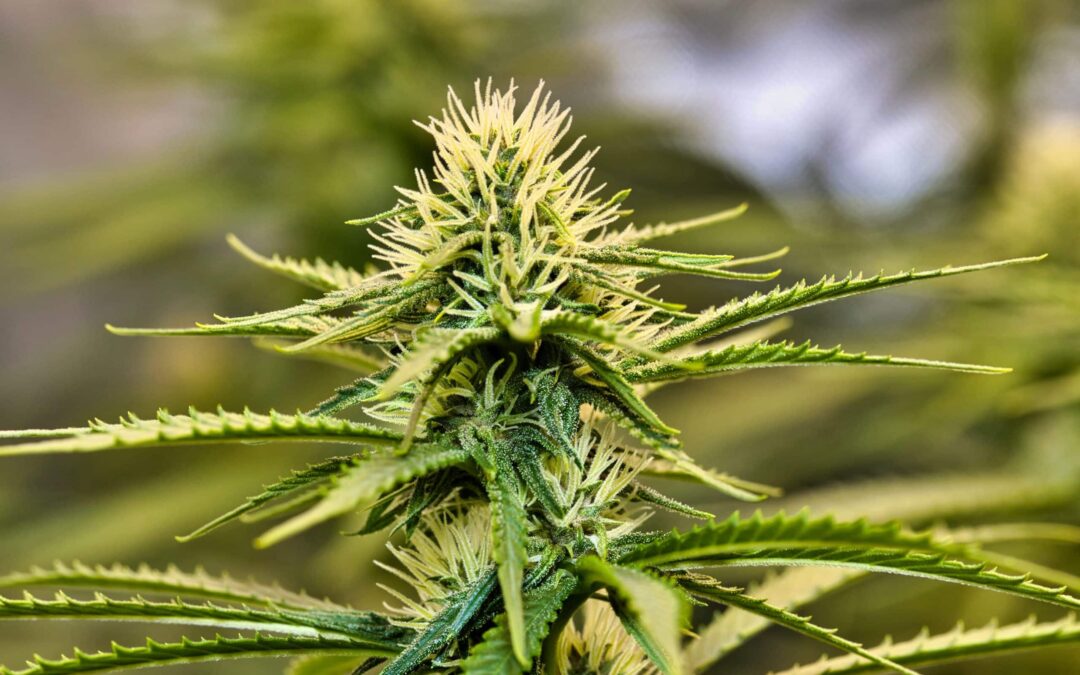
How To Choose The Best Solvent For Cannabis Extraction
For decades, there were only two ways to enjoy cannabis. Smoking was a standard classic, but eating it was a popular second choice. Now the industry is opening in ways that were never imagined before. Vaporizers, hand creams, candies, baked goods, pills, patches and more are some of the many new choices for cannabis connoisseurs. The reason for that is a chemical process known as extraction.
Essentially, by using a like ethanol, hexane, or carbon dioxide, cannabis can be deduced down to its most concentrated form. [1] This concentrated essence, called an extract, then can be added to all sorts of consumer products in ways that cannabis flowers never could. In order to successfully extract cannabis, the plant material must be combined with a solvent to allow for the chemical compounds to accumulate into the extract.
Some solvents have advantages of simplicity or higher yields, but there are a few key ideas that can help determine which solvent leads to the best result.
Safety Considerations
Safety should always be the primary focus when performing chemical procedures like cannabis extraction. With this in mind, different extraction methods will present different safety concerns. [2] Some extracts may be sensitive to heat or some solvents may be particularly prone to ignition or leaving undesired residues in the final product. [3]
Highly flammable solvents such as should be handled with care, especially with extractions methods that require heat like Soxhlet extraction.
The same is also true for petroleum based solvent like propane or butane, which also need to be handled with care and not be used around open flames. [4] One way to prevent the risks associated with these solvents is to use closed loop extraction systems. Closed loops use vacuums, and replace heat with pressure to extract the cannabis. It is also possible to use a solvent that is not flammable, like carbon dioxide. [5] Through supercritical fluid extraction it is possible to tune the solvent and improve the solvation parameters and make it easier to extract the from the plant material, but it does rely on more complicated equipment.
Though it exists all around us in the atmosphere, carbon dioxide is not completely risk-free either. If the laboratory is not properly ventilated, a carbon dioxide leak could lead potentially to asphyxiation. The same is true of other solvent like hexane, heptane, or ethyl acetate. [6][7][8]
Without the right ventilation, exposure to these gases could range from nausea and headaches to comas and death. The good news is that these safety concerns are easy to fix, and depending on the equipment used could lead to differences in the final result.
Final Purity and Yields
Once safety has been managed, it is time to look at how much cannabis extract can be produced from each solvent. The differences in yield can also be determined by solvent of choice and by the ideal extraction method.
With this in mind, ethanol emerged as an early leader for maximizing yields with simpler extraction methods. [2] With basic techniques like maceration, alcohol is often the most efficient solvent, with yields above 80%. There are a few reasons for this efficiency. High proof ethanol extracts the cannabis material, it evaporates at relatively low temperature, and it is easily recoverable following the extraction method.
This means that it is possible to reuse the ethanol in more than one extraction, increasing the efficiency. However, there is a second consideration when it comes to evaluating the purity, which is how much solvent remains in the extract. With this in mind, using a supercritical solvent like carbon dioxide may produce even better results. [7] The supercritical extraction has several advantages including lower toxicity, more versatility, the ability to selectively choose which compounds are extracted, and higher yields. Carbon dioxide can also be reused multiple times, and with more availability in the atmosphere, it lowers your costs even further. Considering carbon dioxide’s yields usually fall in the range of 70-80%, but avoid the risk associated with any residual solvents in the final product, supercritical extraction may be slightly more advantageous.
Intended Uses and Remaining Byproducts
The last thing to consider when selecting a solvent for cannabis extraction comes down to the final results. If the cannabis extract is going to be used in food products, is there a potential for harmful byproducts to remain in the extract? With this in mind, both ethanol and carbon dioxide provide safer alternatives compared to other solvents, regardless of intended use.
Beyond how consumers intend to use the products, there is also the question of what leftovers may remain after the extraction is complete. There will certainly be plant material that needs to be disposed of, but what about remaining solvents? Here again, ethanol and carbon dioxide provide some advantage, as both can either be reused or disposed of with very little ecological harm.
While it does come down to deciding which extraction method is the best, both ethanol and carbon dioxide have many advantages. They are reusable, produce high yields, and provide finished products that are safe to consumers with negligible byproducts. The biggest difference is that ethanol relies on a simpler extraction technique, and carbon dioxide is a cheaper and cleaner solvent but relies on more expensive extraction equipment.
References:
- Lazarjani, Masoumeh Pourseyed, et al. “Processing and extraction methods of medicinal cannabis: A narrative review.” Journal of cannabis research 3.1 (2021): 1-15.
- Al Ubeed, Hebah Muhsien Sabiah, et al. “A comprehensive review on the techniques for extraction of bioactive compounds from medicinal cannabis.” Molecules 27.3 (2022): 604.
- Munson, Curtis L., and C. Judson King. “Factors influencing solvent selection for extraction of ethanol from aqueous solutions.” Industrial & Engineering Chemistry Process Design and Development 23.1 (1984): 109-115.
- Al-Zouabi, Ihsan, et al. “ hash oil and dabbing: insights into use, amateur production techniques, and potential harm mitigation.” Substance abuse and rehabilitation (2018): 91-101.
- Rovetto, Laura J., and Niccolo V. Aieta. “ of cannabinoids from Cannabis sativa L.” The Journal of Supercritical Fluids 129 (2017): 16-27.
- Maqbool, Javeria, et al. “Comparative evaluation of ethyl acetate and n‐Hexane extracts of Cannabis sativa L. leaves for muscle function restoration after peripheral nerve lesion.” Food Science & Nutrition (2023).
- Attard, Thomas M., et al. “Utilisation of supercritical fluids for the effective extraction of waxes and Cannabidiol (CBD) from hemp wastes.” Industrial Crops and Products 112 (2018): 38-46.
- Khan, Iqra Haider, and Arshad Javaid. “Antifungal activity of leaf extract of Cannabis sativa against Aspergillus flavipes.” Pakistan Journal of Weed Science Research 26.4 (2020): 447.
Natural Substances and Treatment For Alcohol-Use Disorder
Humanity experiences over 3,000,000 deaths per year worldwide due to Alcohol. This translates to 5.3% of all deaths on the planet yearly [1]. Over 2,000,000 deaths annually from alcohol related illness alone, while the remaining are due to injury caused by its intoxicating use. Over 75% of the total are men, while women seem to have a less dominant predisposition to become addicted to the substance, possibly due to social and psychological reasons.
An estimated 2,300,000,000 people on the globe consume Alcohol regularly. With 45% of all the alcohol ingested considered “Hard Alcohol”, this sought after product is distilled and extracted from various plants growing in many different territories throughout the globe. [2] In contrast, beer, which is derived from fermented hops plants, takes up 34% of the total alcohol use, followed by wine, which is used by just 12% percent of the population.
Each type of plant that is contained in the specific alcohol addiction is characterized by different effects. Generally a person addicted to a distillate like Tequila, derived from an agave plant, is more prone to an aggressive behavior than that of a beer consumer.
This is due largely to each human’s personal metabolic make up, both in terms of biochemical interactions than psychological attitude. The variety of effects each plant can have on the personal state of being is beyond vast and can boil down to treatment of mental issues associated with the addiction. Partnered with alternative plant replacements, these methodologies can potentially remediate to damages caused by alcoholism.
Replacement Therapy
Kratom
Replacement therapy can be tricky if trading one addictive substance with another one. To make an example Kratom (Mitragyna speciosa) is a tall growing, broad leaf tree, predominantly growing in Asia is generally used as a stimulant that has become widely distributed in the Northern Hemisphere. This plant-derived product is in the form of a green powder both contained in capsules or free grains. The behavior of alcoholics consuming this substance can become aggressive with an upraised heartbeat when the replacement therapy is denied. Research shows this plant causing potential damage to the liver, respiratory system, and heart in long term users. [3] Kratom has shown potential in the opioid withdrawal programs, but in general is far from appropriate for alcohol addictions.
Adjuvant therapy
Cannabis
A much gentler form of plant extracts to use as adjuvant therapy against alcohol addiction is Cannabis Sativa L.. With Cannabis being mis-scheduled throughout the legal policies of the globe, it has taken a significant amount of time to gather data and research on the possibilities of this plant as a replacement therapy for alcohol addictions.
In the most recent months, the United States Dept of Health and Humans services has recommended rescheduling cannabis in schedule 3 for future ability to use in medical applications. Currently on a federal level, hemp derived products are legal if carrying no more than 0.3% of delta-9-tetrahydrocannabinol (THC-9), the psychotropic compound contained in cannabis. Depending on your Providence, State or Territory- one can access “Medical” or high THC-9 cannabis, which opens the doors to a plethora of plant extractions and creative product applications that can assist against alcohol addiction.
One of the easiest forms of alcohol replacement are cannabis derived drinks. Cannabis beers, seltzers, sake, and wine have gained great traction in the new world of cannabis extracts and product development. In addition, cannabis and hemp extracts are now being abundantly added to foods bringing anti-inflammatory and digestive support. With alcohol withdrawal syndrome, cannabis and hemp derived edibles can support the body for the craving of sugars and metabolites, offering also a reprieve from alcoholic yearnings.
Cannabis infused beverages can allow alcohol addicted consumers to still feel as if they are holding a drink, as they mentally adapt to not consuming alcohol. It also induces just the right amount of buzz to allow them to feel social and interact in settings where alcohol is present. In times where a knockout effect is desired, consuming cannabis infused edibles can bring the sure-fire effect the addict is looking for, with over consumption still providing that hangover feeling if not properly hydrated.
Other Plants to face alcohol addiction
Other amazing plants and plant-derived extracts which can be used to help alcohol withdrawal syndrome are listed below:
- Grape Juice: high sugar and potassium content is perfect for sugar metabolite cravings in alcohol addicts and helps to keep blood sugars even.
- Withania somnifera L. or Ashwagandha “Winter Cherry”: this evergreen shrubbery that grows in Africa and Asian regions has been used as an “adaptogen” meaning that it contains a chemical which helps in resisting both physical and emotional stress.
- Bacopa monnieri L. or Brahmi: this tropical plant is able to grow under water and its extracts are known for the antioxidant action and can help treat anxiety and epilepsy.
- Piper methysticum or Kava- The ground roots can produce calming and sedative effects. The plant extract can be found as adjuvant in coffees and teas as well as supplements. [4]
- Panax quinquefolius L. or Panax Ginseng: the ground root grown worldwide can be found in many health food stores in forms of pills, drinks, raw plant and can be added to a healthy diet for detox assistance.
Extracting your own fruit and vegetables at home can add a healthy habit to your life.
Taking time to grow your own garden and making a smoothie can change your life.
Add a couple drops of cannabis derived cannabidiol (CBD) to take the edge off any day and choose healthier plants to consume than alcohol containing beverages!
References:
[1] World Health Organization – https://www.who.int/news-room/fact-sheets/detail/alcohol
[2] Our World in Data- https://www.ourworldindata.org/alcohol-consumption
[3] Kratom| National Institute on Drug Policy- nida.nih.gov/research-topics/kratom
[4] Steiner GG. Kava as an anticraving agent: preliminary data. Pac Health Dialog. 2001 Sep;8(2):335-9. PMID: 12180513.

Rob Laurie Navigates Legal Frontiers: Indigenous law, cannabis advocacy and psychedelic reform
Cannabis lawyer Rob Laurie shares his journey into law fueled by a desire to advocate for those without a voice. Between the legal complexities that shape the future, coupled with the challenges of conservative ideologies, still there is hope for progress.
Laurie reflects on the importance of bringing authentic experiences to the table, “from Copperhead Road to Wall Street (or Bay Street), and back again.”
[embedded content]
Advertisement

Indiana Governor Enacts Bill Funding Psilocybin Research for First Responders, Veterans
Governor Eric Holcomb of Indiana recently signed a measure that includes provisions to fund clinical trials on psilocybin’s therapeutic benefits. The measure, which primarily focuses on healthcare issues, was recently amended to include language on psychedelics.
The reform provisions that legislators included to the broader measure were obtained from a standalone bill from Senator Ed Charbonneau, which cleared the Senate in February. In a press release, Charbonneau stated that the bill’s intention was to provide funds to help research institutions in the state in conducting research on the possible use of psilocybin in the treatment of mental-health conditions, with a focus on first responders and veterans.
Under the recently signed law, Indiana will establish a therapeutic psilocybin research fund to provide the aforementioned financial assistance. Any trial that obtains funding under the bill will need to include first responders and veterans in their study sample. The procedure to receive funding involves an application made by researchers to the state’s health department.
Eligible conditions for research include anxiety, PTSD, bipolar disorder, depression, migraines and chronic pain, as well as tobacco use disorder and alcohol use disorder. The trials conducted using provided funds will need to compare the effectiveness of psilocybin as a treatment for mental-health conditions with the effectiveness of currently used treatment options.
Officials are expected to come up with a process to administer the fund and process applications by July 1, 2024.
This development comes after a study committee suggested, during this year’s legislative session, that legislators authorize a psilocybin pilot program to study psychedelic-assisted therapy for mental health. The committee, which was established by the state, advised that the general assembly adopt an approach that focused on research, access and prudence.
The committee then noted that psilocybin had proven medical benefits and shouldn’t be classified as a Schedule I drug. At the federal level, psilocybin is illegal and is classified as a Schedule I substance under the Controlled Substances Act.
Indiana is one of many states where legislators are pursuing psychedelic reform, with a focus on therapeutic access and research. In Arizona, a House panel passed a Senate-approved measure to legalize psilocybin therapy centers where individuals could receive the drug in a supervised setting. In Maryland, the Senate and House approved a bill to establish a psychedelics task force that would conduct research on possible regulatory frameworks for therapeutic access to psychedelics like mescaline, psilocybin and DMT.
Legislators in Utah also recently passed a measure that would authorize a pilot program for hospitals to administer MDMA and psilocybin as alternative treatment options. The measure was forwarded to the governor’s desk. The research fund in Indiana facilitating psilocybin research could uncover scientific data that adds onto what for-profit enterprises such as Compass Pathways PLC (NASDAQ: CMPS) are doing to advance the field of psychedelic medicine.
About PsychedelicNewsWire
PsychedelicNewsWire (“PNW”) is a specialized communications platform with a focus on all aspects of psychedelics and the latest developments and advances in the psychedelics sector. It is one of 60+ brands within the Dynamic Brand Portfolio @ IBN that delivers: (1) access to a vast network of wire solutions via InvestorWire to efficiently and effectively reach a myriad of target markets, demographics and diverse industries; (2) article and editorial syndication to 5,000+ outlets; (3) enhanced press release enhancement to ensure maximum impact; (4) social media distribution via IBN to millions of social media followers; and (5) a full array of tailored corporate communications solutions. With broad reach and a seasoned team of contributing journalists and writers, PNW is uniquely positioned to best serve private and public companies that want to reach a wide audience of investors, influencers, consumers, journalists and the general public. By cutting through the overload of information in today’s market, PNW brings its clients unparalleled recognition and brand awareness. PNW is where breaking news, insightful content and actionable information converge.
To receive SMS alerts from PsychedelicNewsWire, text “Groovy” to 888-902-4192 (U.S. Mobile Phones Only)
For more information, please visit https://www.PsychedelicNewsWire.com
Please see full terms of use and disclaimers on the PsychedelicNewsWire website applicable to all content provided by PNW, wherever published or re-published: https://www.PsychedelicNewsWire.com/Disclaimer
PsychedelicNewsWire
San Francisco, CA
www.PsychedelicNewsWire.com
415.949.5050 Office
Editor@PsychedelicNewsWire.com
PsychedelicNewsWire is powered by IBN
Recent Comments