Municipalities in BC that reversed their ban on cannabis dispensaries have used industrial zones as a testing ground for their first store, and two owners offered differing opinions on the strategy.
Following the legalization of cannabis in 2018, the British Columbia and Ontario provincial governments allowed municipalities to opt out of permitting dispensaries.
Two dispensary CEOs who opened the first stores in Tofino and Delta, BC, say industrial zones were the only place they could start their business. Non-commercial locations were selected to address city government concerns about cannabis storefronts being visible to minors on their way to school or going home, the owners said.
When there is no store in Surrey, BC, what are people going to do?
Putting a municipality’s first store in an industrial area creates challenges for owners to reach customers, according to Vikram Sachdeva, CEO and founder of the Seed & Stone dispensary chain.
“This industrial area concept has to go away,” Sachdeva said.
Sachdeva opened Delta, BC’s first cannabis brick-and-mortar store, in November 2021 after working directly with the mayor and city staff to create a policy for dispensaries.
Sachdeva explained that the industrial location was a compromise with municipal officials who were hesitant about not allowing a dispensary downtown.
Since then, five more dispensaries have opened in Delta, including three in strip malls, BC’s Liquor and Cannabis Licensing data shows.
When Seed & Stone opened the first dispensary in Hope, BC, in September 2022, Sachdeva worked with local officials to ensure the location was in a strip mall.
Pitt Meadows, BC, is currently working with Seed & Stone on opening the municipality’s first cannabis storefront after agreeing to hear applications for dispensaries in July 2023.
A similar story with a different perspective played out on Vancouver Island.
The first Tofino, BC, cannabis store suggested to city officials that it should open in an industrial zone in January 2020, Michael Holekamp, CEO of Daylight Cannabis Company, said.
Holekamp said his store in Tofino, next to breweries and automotive shops, is a trial by the city before potentially opening up in commercial areas. “It makes sense up there,” Holekamp said.
Daylight Cannabis is currently operating with a temporary permit because Tofino still doesn’t have permanent regulations on dispensaries, Holekamp explained.
Small towns have limited commercial operation spaces in industrial areas, and Holekamp said he intentionally never requested municipal officials change the zoning of his store from industrial to commercial.
“Technically right now, there is no legal zoning,” Holekamp said.
A second dispensary has since opened in Tofino, this time in a commercial area, Holekamp confirmed.
Sachdeva argues that making a greater dent in the illicit grey market requires putting cannabis dispensaries where people already shop.
Health Canada’s 2023 survey showed that 73% of cannabis users reported purchasing cannabis through the legal market.
“When there is no store in Surrey, BC, what are people going to do?” Sachdeva said.
“They’re going to go to other municipalities, or they’re going to call their guy that they’ve been calling for the last five to ten years.”
Holekamp agreed that grey market competition was a concern but said whether or not it’s more prevalent in municipalities without dispensaries was hard to tell.
North Vancouver saw a slow growth of dispensaries after lifting its ban, according to Geoff Dear, owner of Muse Cannabis, the city’s first dispensary.
But within 12 to 18 months, there was greater competition in the city, and Muse felt it in their bottom line.
Dear said limits on the number of stores in cities and minimum distances between dispensaries can help fight market saturation.
Government data shows there are now 60 dispensaries in the ten municipalities that have lifted their prohibition on cannabis storefronts.
Local media reports show that Surrey, North Vancouver, Tofino, Hope, Delta, and Pitt Meadows in BC initially opted out of allowing dispensaries before reversing course.
In Ontario, the municipalities of Mississauga, Tecumseh, LaSalle, and Milton took the same path of granting dispensary permits after initially refusing to.
The number of dispensaries in each city that reversed its ban are Mississauga (24), North Vancouver (9), Milton (9), Delta (6), LaSalle (5), Hope (3), Tofino (2), Tecumseh (2), Surrey (0) and Pitt Meadows (0) according to BC’s Liquor and Cannabis Licensing and the Alcohol and Gaming Commission of Ontario.
Surrey, BC, announced on January 25 that it planned on allowing up to 12 dispensaries in the city after first exploring a lift on its ban in July 2023.
Mushrooms can be grown using various methods, but no matter the process, there has to be a starting material. The starting material consists of mycelium of a pure culture in a test tube, on an agar plate, or macerated in a syringe. But that pure culture itself has to come from somewhere. A pure culture of a mushroom fungus can be derived from a mushroom’s tissue culture or by propagating spores collected from a mushroom. A growing number of vendors offer spores of many mushroom-forming species in syringes, on spore prints, or in vials.
Preloaded Spore Syringes
Preloaded spore syringes are probably the most convenient way to inoculate a substrate with minimal equipment. One installs the needle on the syringe body (if it is not pre-installed) and injects the contents (using some semblance of sterile technique) into a bag or jar containing sterile grain, straw, sawdust, wood chips, or other media. Pretty straightforward.
Syringes provide an easy method of performing the multi-spore technique of generating mushroom-producing dikaryons. Not all species (e.g., Agaricus bisporus, the commercial button mushroom) require the formation of a dikaryon to be able to produce mushrooms, but others do. To generate random dikaryons, many spores are grown near each other, resulting in fusions between hyphae from spores having compatible mating types. When injecting directly into a fruiting substrate, expect genetic diversity in the resulting fruit bodies because mycelia of many different genetic combinations will colonise the substrate.
Isolating Dikaryons
A way of directly isolating dikaryons is by spreading spores from a syringe onto an agar surface and collecting hyphae from regions where primordia form. Primordia can take up to a month or more to appear. Primordia are tiny bundles of hyphae formed by successful matings that show up as dot-like structures on the mycelial surface. Primordia can later develop into mushrooms.
Isolation of colonies derived from single spores is readily accomplished by applying a small amount of spore solution from a syringe onto an agar surface and diluting it with additional sterile water. The concentration of spores in a syringe can vary widely, so some experimentation is required to get the dilution just right so that individual colonies can be picked off the agar surface before fusing with a neighbor.
More Than Spores
So, besides spores, what exactly do you get with a spore syringe? The spores are most often suspended in sterile distilled water, providing a nutrient-free environment that, although well-hydrated, is not conducive to germination. Spores of many fungi will germinate on plain water agar, but germination requires active cellular respiration and, therefore, oxygen. Spores on an agar surface have access to adequate oxygen, but spores surrounded by high-purity water in a syringe do not, so they tend to remain dormant. Dormancy is well maintained under typical refrigeration at around 4°C. Spores can remain viable in a syringe for 18 months or more if cold.
A bit of surfactant (detergent) added to a spore solution will help prevent spores from sticking and clumping together, and you may find some vendors using it. This is only advantageous in the case above, where single spore isolates are desired. Should anything else be added to the spore solution to preserve the spores or kickstart germination? Probably not. The point is to keep them dormant. They don’t need a built-in energy source since that will be provided once released into a nutrient-rich environment.
The use of the term “organic” to sell agricultural products is strictly regulated. Products sold internationally can receive the label if they meet local organic labeling requirements and conditions set by international trade agreements.
Cannabis is not a legal crop in most parts of the world, so it does not usually receive official organic labeling. Producers can label their products as organic but cannot legally claim to be certified organic. However, many cannabis producers are choosing to cultivate in a way that would meet current national and international standards for “organic.”
Some third-party certification services maintain standards for organic cannabis and certify legal farms and individual batches they produce. The first third-party organic certification available to cannabis cultivators was Clean Green, founded in 2004 by an attorney who worked with the USDA on their organic inspections. Clean Green was created to create a cannabis certification that mirrors the rigors of a USDA certification. Dragonfly Earth Medicine was founded in 2007 to certify all farmers who employ regenerative growing practices, including cannabis cultivators. While the biodynamic certifying group Demeter was founded in 1928, they did not begin to certify cannabis companies until more recently. The Cannabis Certification Council was founded in 2017 to certify cannabis both as organic and sustainable. Sun + Earth Certified and Certified Kind have recently been launched as alternate organic certifications focused specifically on the cannabis and hemp industries.
The State of California is leading the way for government-backed organic cannabis certification. Last year, regulations were approved to begin the OCal state-run organic certification program.
Not all cultivators are transparent with their growing practices. Discerning customers and budtenders can encourage dispensary management to stock products from cultivators who are transparent about their cultivation and production practices and receive third-party organic certification.
Cannabis use may increase the risk of developing a new anxiety disorder or worsen existing anxiety, a large Ontario study suggests.
The study looked at health data of 12 million people between January 2008 and March 2019 and found that 27.5 per cent of people who visited an emergency room for cannabis use developed an anxiety disorder for the first time within three years.
Lead author Dr. Daniel Myran, an adjunct scientist at the research institute ICES, said that in comparison, 5.6 per cent of the general population sought help for anxiety in an ER or outpatient setting over three years.
Advertisement
Myran, who is also an investigator at the Bruyère Research Institute and a clinician investigator at The Ottawa Hospital, said cannabis users may end up in an ER for multiple reasons, including hallucinations, being very high and disoriented or for withdrawal symptoms.
“They might have been having some kind of mental health concerns, were feeling quite depressed and also smoking cannabis very regularly. None of these people had an emergency room visit for anxiety when they first showed up,” he said.
The study did not include data on how much cannabis patients used or what is a safe amount, but Myran said it’s likely they were moderate to heavy users, consumed strong forms of the drug, or both.
Researchers also found that 12.3 per cent of cannabis users with pre-existing anxiety but no record of hospitalization visited an emergency room or were admitted to hospital because their anxiety symptoms worsened.
The study published Monday in the Lancet’s open access journal eClinical Medicine says that while people of all ages who had a cannabis-related ER visit were at higher risk of developing new anxiety disorders, the risk was particularly great for males up to age 24.
While some people may self-medicate by using cannabis to relieve anxiety, there is no robust evidence to suggest it is effective for that purpose, Myran said.
“If you’re having problems with your cannabis use or problems with mental health, the first place to start would be a primary care provider to understand what’s going on. And I’m sympathetic and understand that there’s challenges with accessing primary care in many parts of the country,” he said.
“The worrisome signal coming out of the data is that on average, there’s a very strong association between patterns of cannabis use that require care in the emergency room anddeveloping anxiety disorders,” said Myran, adding psychosis and schizophrenia are some conditions thathave been associated with heavy cannabis use.
The findings suggest a need for more conversations about potential links between cannabis use and mental health, especially for people who are vulnerable to worsening anxiety or developing it from heavy use, he said.
A Health Canada phone survey of 21,690 people aged 16 and over in 2022 found that nearly half of respondents had not noticed any education campaigns or public health messages about cannabisin the previous12 months.
About 35 per cent of people who reported using cannabis in the previous 30 days said they were high for one or two hours on a typical day. The highest use was among those aged 20 and 24.
Shea Wood, whose expertise includes cannabis and mental health as part of her work for the Canadian Centre on Substance Use and Addiction, said occasional cannabis use would have a minimal effect on most people when it comes to anxiety disorders.
“However, earlier use of cannabis has been linked to more psychological symptoms so it’s important for youth to delay their use of cannabis as long as possible,” she said in an email to The Canadian Press.
Most psychedelic research is still in its infancy and is concerned with understanding the mechanisms that allow psychedelics such as LSD and psilocybin mushrooms to deliver a myriad of mental health benefits. The existing body of scientific literature on the subject has found that several classic psychedelics have the potential to offer long-term relief against hard-to-treat mental disorders, including treatment-resistant depression and post-traumatic stress disorder.
However, several questions about psychedelics remain. Of these questions, a commonly asked one is whether different genders respond to psychedelics differently. Do women respond differently to psychedelic-based treatments than men? Furthermore, how can physicians account for different gender needs when approaching psychedelic-assisted therapy for various mental ailments?
Juan Pablo Cappello, CEO and cofounder of Nue Life, recently published an article looking at women and psychedelics in the “MIT Technology Review.” Nue Life is a ketamine-therapy platform focused on next-gen mental wellness. Cappello stated that the company was formed with the knowledge that women older than 40 years of age receive three to four times more antidepressant prescriptions in comparison to men. As a result, he noted, roughly one in every five women take antidepressants regularly.
Research has shown that women are also more likely to be affected by conditions such as anxiety, depression and post-traumatic stress disorder, which can all be potentially managed by psychedelic-assisted therapy. They also experience higher rates of dismissive treatment and misdiagnosis from healthcare providers compared to men.
However, women may not be as likely to take part in psychedelic-based studies as men because of childcare responsibilities, safety concerns and the stigma associated with drug use among women.
Taking these gender differences into account while designing psychedelic healthcare services will be critical to ensuring that healthcare providers can meet different gender needs adequately. In addition, the industry should place special research emphasis on hormonal fluctuations in women and how they can potentially affect the psychedelic experience.
Menstrual cycles, pregnancies and menopause are all characterized by hormonal fluctuations that can influence the therapeutic outcomes and subjective effects of various psychedelic-assisted therapies. This means the industry will likely have to invest in tailored psychedelic research that accounts for hormonal fluctuations with the potential to alter the psychedelic experience.
Women have been historically underrepresented in clinical trials in various medical fields, and this affects the quality of medical care they receive because it has limited medical understanding of women’s bodies. Industry stakeholders need to take extra steps to ensure women are adequately represented in psychedelic-based studies. Championing the inclusion of women in the nascent psychedelic research space and focusing on how gender differences affect psychedelic experiences will be key to developing specialized treatments.
The matter of paying special attention to gender concerns is something that psychedelic drug-development companies such as Seelos Therapeutics Inc. (NASDAQ: SEEL) need to take seriously so that any formulations that they commercialize are efficacious for both genders.
About PsychedelicNewsWire
PsychedelicNewsWire (“PNW”) is a specialized communications platform with a focus on all aspects of psychedelics and the latest developments and advances in the psychedelics sector. It is one of 60+ brands within the Dynamic Brand Portfolio @ IBN that delivers: (1) access to a vast network of wire solutions via InvestorWire to efficiently and effectively reach a myriad of target markets, demographics and diverse industries; (2) article and editorial syndication to 5,000+ outlets; (3) enhanced press release enhancement to ensure maximum impact; (4) social media distribution via IBN to millions of social media followers; and (5) a full array of tailored corporate communications solutions. With broad reach and a seasoned team of contributing journalists and writers, PNW is uniquely positioned to best serve private and public companies that want to reach a wide audience of investors, influencers, consumers, journalists and the general public. By cutting through the overload of information in today’s market, PNW brings its clients unparalleled recognition and brand awareness. PNW is where breaking news, insightful content and actionable information converge.
To receive SMS alerts from PsychedelicNewsWire, text “Groovy” to 888-902-4192 (U.S. Mobile Phones Only)
Please see full terms of use and disclaimers on the PsychedelicNewsWire website applicable to all content provided by PNW, wherever published or re-published: https://www.PsychedelicNewsWire.com/Disclaimer
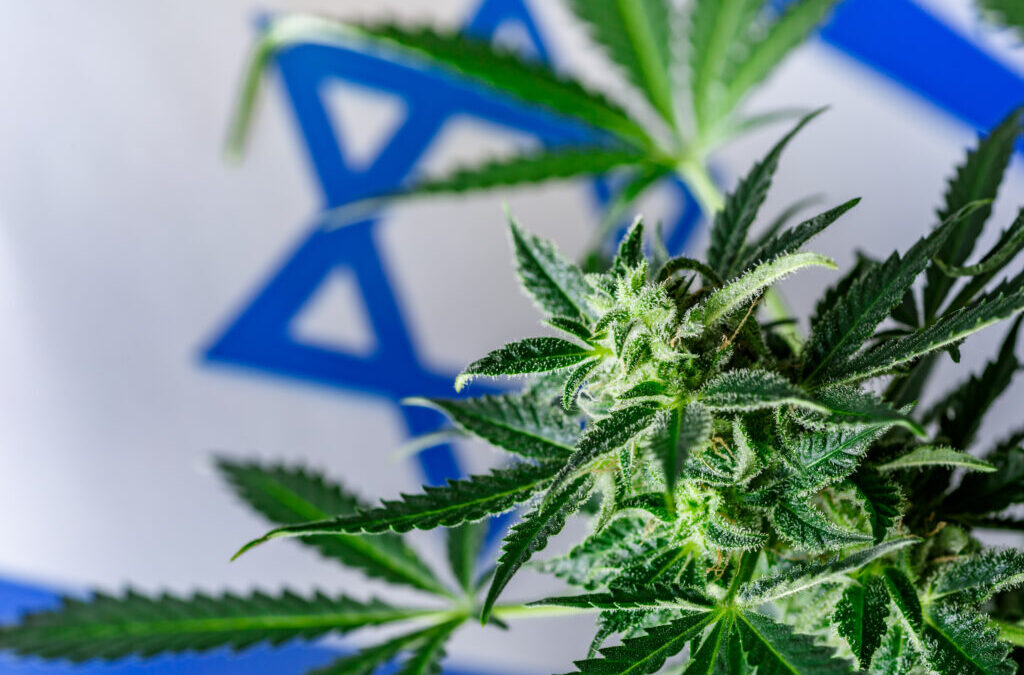
The “anti-dumping” initiative directed by the Israeli ministry of economy against 10 Canadian licensed producers exporting medical cannabis into the country has incited overarching financial concern in addition to a search for solutions.
From the perspective of Deepak Anand, principal, ASDA Consultancy Services, the solution to this matter, he says, is “easy!”
“If Israel really wants to put a stop to this, rather than going through this long, complicated and political process – they need to use the tools at their disposal,” says Anand.
“Since Canada only permits exports of cannabis for medical and scientific purposes, Israel could very easily not issue import permits, which would immediately resolve the issue as Health Canada would not issue export permits that would effectively stop any trade from occurring between the two countries.”
Advertisement
This line of thinking is not a foreign concept, for “there is already precedent here and is something Canada has already adopted,” he says, “by not allowing commercial imports of cannabis for medical purposes into the country. By not issuing/rejecting import permits for commercial quantities of medical cannabis,” writes Anand.
The investigation sheds light on the complexities of international cannabis, especially at a time of political instability and strained economies.
If Israel genuinely aims to halt the alleged dumping of Canadian cannabis due to an undermined domestic market, it could look towards its available tools, as Anand outlines.
This could prevent Health Canada from issuing export permits, effectively circumventing a costly legal process, and the additional financial burden on Canadian producers with product in Israel.








Recent Comments