A joint legislative committee in the state of Nevada recently heard testimonies on the therapeutic potential of psychedelics. The presentations centered on the impact and science of psychedelic-assisted therapy, with representatives of the Joint Interim Standing Committee focusing on the judiciary also discussing its concerns around psychedelic legalization.
The panel was introduced by Senator Rochelle Nguyen, who stated that the presentation’s purpose was to afford the committee an overview of psychedelics. Nguyen sponsored a measure that would establish a state working group to conduct research on psychedelics and come up with plans to permit regulated therapeutic access to the drugs. The aforementioned measure was signed into law in 2023 by Governor Joe Lombardo.
Among those who gave their testimonies was former Navy SEAL and Nevada Coalition for Psychedelic Medicines (NCPM) cofounder Jon Dalton. Dalton revealed to the committee that he’d suffered a number of traumatic brain injuries as a result of post-traumatic stress disorder (PTSD), and after standard treatments failed to work while still reducing his quality of life, he turned to psychedelics. Dalton added that he went to a psilocybin therapy clinic in Mexico based on the recommendation of a fellow veteran. The results, he noted, were transformational and profound, allowing him to assess core issues and memories that were the root cause of his troubles.
NCPM’s objective is to advocate for legalized and affordable access to psychedelic therapy, evidence-based policy reform and reduced penalties.
Retired Lt. Diane Goldstein, executive director of the Law Enforcement Action Partnership, also spoke at the hearing. She that the working group that would be created under Nguyen’s measure needed to look into the reduction of penalties for possessing psychedelics or the decriminalization of personal amounts of various psychedelics. She observed that this would help eliminate the stigma that keeps patients from reviewing preparation and dosage protocols with their primary physicians and therapists.
Goldstein also noted that none of the jurisdictions and cities that have decriminalized naturally occurring psychedelics had been met with any significant public safety or health issues.
Burton Tabaac, a neurologist, emphasized the need to look into innovative approaches that could provide relief to individuals in need. He explained that psychedelic-assisted treatments had demonstrated promise in addressing mental-health conditions such as depression, post-traumatic stress disorder, addiction and anxiety. Tabaac noted that Nevada had the opportunity to lead this transformative movement by promoting a forward-thinking and compassionate approach to mental health care.
A separate panel that also met last week included Deputy District Attorney John Jones of Clark County and Detective Joshua Garber of the Las Vegas Metropolitan Police Department. The panel gave a law enforcement perspective on the therapeutic use of psychedelics, with the bottom line being that while they had no objection to legalization for therapeutic use, they were skeptical of legalization beyond a medical setting.
Psychedelics startups such as Seelos Therapeutics Inc. (NASDAQ: SEEL) and other industry players will be pleased to see that consensus is growing in several jurisdictions regarding the role that hallucinogens can play in treating different mental-health conditions.
About PsychedelicNewsWire
PsychedelicNewsWire (“PNW”) is a specialized communications platform with a focus on all aspects of psychedelics and the latest developments and advances in the psychedelics sector. It is one of 60+ brands within the Dynamic Brand Portfolio @ IBN that delivers: (1) access to a vast network of wire solutions via InvestorWire to efficiently and effectively reach a myriad of target markets, demographics and diverse industries; (2) article and editorial syndication to 5,000+ outlets; (3) enhanced press release enhancement to ensure maximum impact; (4) social media distribution via IBN to millions of social media followers; and (5) a full array of tailored corporate communications solutions. With broad reach and a seasoned team of contributing journalists and writers, PNW is uniquely positioned to best serve private and public companies that want to reach a wide audience of investors, influencers, consumers, journalists and the general public. By cutting through the overload of information in today’s market, PNW brings its clients unparalleled recognition and brand awareness. PNW is where breaking news, insightful content and actionable information converge.
To receive SMS alerts from PsychedelicNewsWire, text “Groovy” to 888-902-4192 (U.S. Mobile Phones Only)
Please see full terms of use and disclaimers on the PsychedelicNewsWire website applicable to all content provided by PNW, wherever published or re-published: https://www.PsychedelicNewsWire.com/Disclaimer
“The great majority of us are required to live a life of constant, systematic duplicity. Your health is bound to be affected if, day after day, you say the opposite of what you feel, if you grovel before what you dislike and rejoice at what brings you nothing but misfortune. Our nervous system isn’t just a fiction, it’s part of our physical body . . .It can’t be forever violated with impunity.”
Boris Pasternak, Doctor Zhivago
Chronic health problems sap the joy from life. Whether suffering from a serious condition like cancer or heart disease or from ailments of a body subjected to years of stress, to live a vibrant life, we must heal the body. In this two-part video series, we explore how our mindset, and the state of our character, can make us sick, but also heal us. In this first video we explore how negative thought patterns, unresolved emotional states, stress, and trauma, can lead to disease, illness, and even premature death.
“I’ve come to believe that virtually all illness, if not psychosomatic in foundation, has a definite psychosomatic component.”
Candace Pert, Molecules of Emotion
Most of us intuitively recognize that there exists a tight coupling between body and mind. So intimate is the relationship that it may be better to view the mind and body as two-sides of the same coin, or as a unitary phenomenon, rather than as two separate entities. Or as Carl Jung wrote:
“The distinction between mind and body is an artificial dichotomy. . .In fact, so intimate is the intermingling of bodily and psychic traits that not only can we draw far-reaching inferences as to the constitution of the psyche from the constitution of the body, but we can also infer from psychic peculiarities the corresponding bodily characteristics.”
Carl Jung, Psychological Types
Most of us also recognize that the state of our mind can influence the health or sickness of our body. For example, it is well known that high levels of stress inhibit the immune system and increase the likelihood of sickness, and that excessive anxiety disrupts the functioning of the gut. While the mind-body connection is so obvious that to deny it is to defy common sense, the mainstream medical industry tends to overlook its influence. Doctors rarely consider to what degree an individual’s sickness is a result of disturbances of mind or character, and through such ignorance the medical establishment blinds itself to preventative and curative measures.
“There is nothing novel about the notion of the mind and body being intricately linked;” wrote the physician and author Gabor Mate “if anything, what is new is the belief, tacitly held and overtly enacted by many well-meaning doctors, that they are separable.”
While the mainstream medical industry, and the scientific establishment at large, devote far more time and resources to studying how our biology and chemistry lead to the onset of disease, there is a large and growing body of research that reveals the role the mind plays in generating and perpetuating sickness. For example, there is research on the nocebo effect, which is the opposite of the well-known placebo effect. The placebo effect occurs when a person’s health improves after taking an inert substance, such as a sugar pill, or undergoing a non-therapeutic treatment. Improvement in these cases, is often attributed to the mistaken, but beneficial belief, that the placebo has healing properties. Conversely, the nocebo effect occurs when negative expectations or beliefs induce a negative health outcome. Or as the medical doctor Lissa Rankin writes in Mind Over Medicine:
“The more you focus on the infinite ways in which the body can break down, the more likely you are to experience physical symptoms. Scientists call this phenomenon the nocebo effect.”
Lissa Rankin, Mind over Medicine
Voodoo death is an ancient analogue of the nocebo effect and occurs in cultures with a strong belief in the power of curses and spells. In such cultures, when a powerful individual, such as a shaman, curses someone the intense fear and distress this evokes in the cursed individual can lead to a rapid death. Herbert Basedow describes a case of voodoo death among the Aboriginal peoples of Australia:
“A man who realizes that he is being pointed out with the magic bone makes a pitiful impression. He is perplexed, his eyes staring at the dreaded bone, he stretches out his hands as if to stave off a deadly force that seeks to penetrate his body. His face turns white and his eyes become glassy, the expression on his face is hideously distorted, like a person suddenly paralyzed. . .After a while, he recovers somewhat and crawls to his cabin. From then on, he withers away and becomes increasingly ill, refusing to eat and taking no part in any of the tribe’s daily activities. Unless there is another shaman to undo the curse, he will die within a short period of time.”
Henri Ellenberger, The Discovery of the Unconscious
While voodoo deaths do not occur in the modern West, there is a related phenomenon the medical doctor Andrew Weil in his book Spontaneous Healing calls medical hexing. Medical hexing occurs when an individual diagnosed with a serious illness, is presented with grim statistics of survival, suggesting they only have so many weeks, months, or years to live. After being presented with this information many people will go on to die “on schedule”. Medical hexing is not simply a case of a terminal illness running its natural course. Instead, it points to the ability of the mind to influence matters of life or death. For there are cases of individuals who are misdiagnosed with a terminal illness, but who still die in line with the prognostic schedule presented to them, or as Lissa Rankin writes:
“The literature shows that patients believed to be terminal who are mistakenly informed that they have only a few months to live have died within their given time frame, even when autopsy findings reveal no physiological explanation for the early death.”
Lissa Rankin, Mind over Medicine
The cardiologist Herbert Benson notes that many surgeons possess an intuitive sense of the power of thoughts and expectations on matters of life and death, or as he said in an interview to The Washington Post:
“Surgeons are wary of people who are convinced that they will die. There are examples of studies done on people undergoing surgery who almost want to die to re-contact a loved one. Close to 100 percent of people under those circumstances die.”
Brian Reid, “The Nocebo Effect: Placebo’s Evil Twin,” The Washington Post, April 30, 2002
Our mindset and the overall state of our character also contributes to the onset and progression of chronic disease. In the book The Myth of Normal, Mate explores how chronic stress, maladaptive forms of emotional processing, and trauma elevate the risk for cancer, heart disease, autoimmune diseases, and other chronic ailments.
“Stress can show up in two forms:” writes Mate “as an immediate reaction to a threat or as a prolonged state induced by external pressures or internal emotional factors. While acute stress is a necessary reaction that helps maintain our physical and mental integrity, chronic stress, ongoing and unrelieved, undermines both.”
While we all experience the hardships, adversities, and challenges that trigger acute stress, chronic stress is typically a product of our character and mindset. Chronic stress, in other words, arises not merely from what happens to us, but also from how we react to the challenges we face. Courage, resilience, the seeking of wisdom and self-knowledge, and habits which elicit the relaxation response, all decrease the chance of being caught in the web of chronic stress. On the other hand, a lack of these character traits and habits increases our chance of being chronically stressed out, which primes our body for all sorts of illness, or as Mate writes:
“Over the long term, such a hormonal surplus [as caused by chronic stress]. . . can make us anxious or depressed; suppress immunity; promote inflammation; narrow blood vessels, promoting vascular disease throughout the body; encourage cancer growth; thin the bones; make us resistant to our own insulin, inducing diabetes; contribute to abdominal obesity, elevating the risk of cardiovascular and metabolic problems; impair essential cognitive and emotional circuits in the brain; and elevate blood pressure and increase blood clotting, raising the risk of heart attacks or strokes.”
How we relate to the so-called negative emotions of sadness, depression, anger, guilt, fear, and shame, is another key pathway modulating the influence of the mind on chronic disease. The healthy manner of approach to a negative emotion is to permit the expression of the emotion, to process it, but then to make whatever life changes are necessary to prevent these emotions from becoming chronic. The unhealthy approach is to supress, repress, or numb ourselves to the existence of the negative emotion, and to fail to make the changes required to prevent the emotional state from continually recurring long after the initial triggering event. Those who adopt the unhealthy approach greatly increase their risk of developing a chronic disease.
In The Myth of Normal Mate examines a wealth of scientific studies which reveal the danger of adopting a maladaptive relationship to our emotions. For example, a study at King’s College Hospital in London found “. . .that women with cancerous breast lumps characteristically exhibited “extreme suppression of anger and of other feelings” in “a significantly higher proportion” than the control group, which was made up of women admitted for biopsy at the same time but found to have benign breast tumors.”(Gabor Maté, The Myth of Normal) Studies on rheumatoid arthritis have discovered that “rheumatoid arthritis–prone individuals [display] an array of self-abnegating traits: a “compulsive and self-sacrificing doing for others, suppression of anger, and excessive concern about social acceptability.”” (Gabor Maté, The Myth of Normal)
Trauma is another factor that influences the development of chronic disease. The mechanism through which this occurs is the internal changes that result from the traumatic event, for as Mate notes “trauma is about what happens inside us, and how those effects persist. . .” Trauma leads to the mental agony of fear, guilt, shame, depression, and self-hate, and these mental states wreak havoc on the body. For example, Mate points to a study performed at the University of Toronto that revealed that men who had experienced a serious trauma as children were three times more likely to die from a heart attack and this was after normalizing for other contributing factors like alcohol or drug addictions.
“No matter how sophisticated our minds may be, the fact remains that their basic contents—what we think, believe consciously or unconsciously, feel or are prevented from feeling—powerfully affect our bodies, for better or worse.”
Recognizing the role that our mind, and the overall state of our character, plays in the onset of sickness, is not to cast blame on those who develop a chronic disease. Most people do not voluntarily adopt a mindset that predisposes them to illness and often it is events from infancy and childhood, that are far beyond one’s control, that set the stage for future suffering. What recognition of the influence of mind on body should do, is empower us. For just as the mind can make us sick, it can also heal us, and in part two of this series we explore the body’s natural capacity to heal and look at how it is influenced by our mindset and the state of our character.
“What if the key to health isn’t just eating a nutritious diet, exercising daily, maintaining a healthy weight, getting eight hours of sleep, taking your vitamins, balancing your hormones, or seeing your doctor for regular checkups?” writes Lissa Rankin. “Certainly, these are all important, even critical, factors to optimizing your health. But what if something else is even more important? What if you have the power to heal your body just by changing how your mind thinks, your heart feels, and your life force flows?”
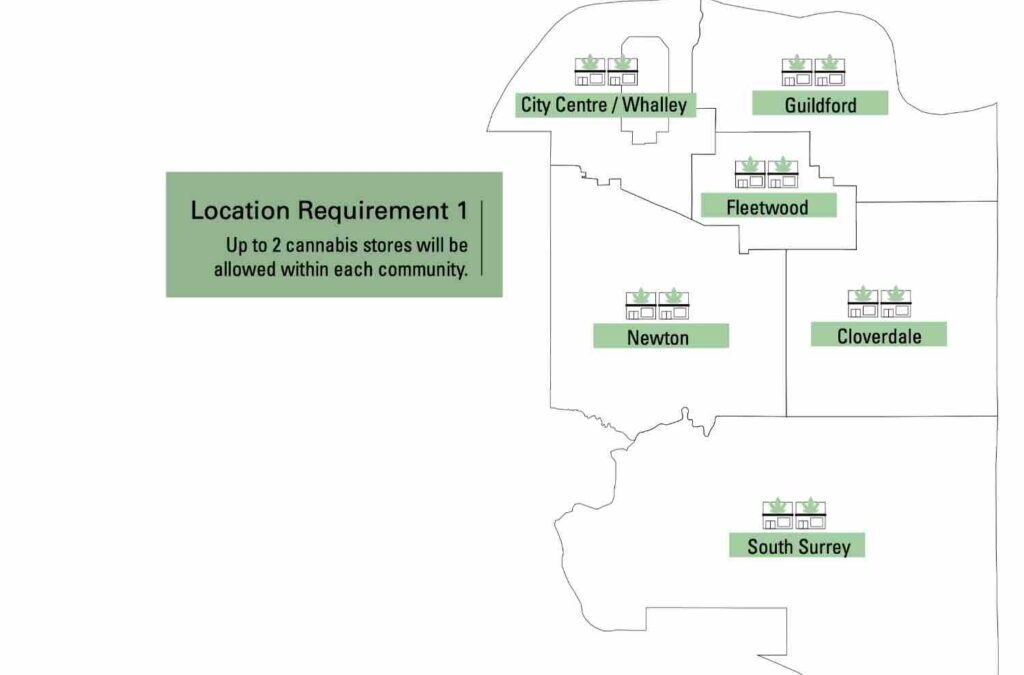
The city of Surrey, BC, which has banned cannabis stores since the beginning of legalization, is now proposing to allow up to 12 cannabis stores in the city.
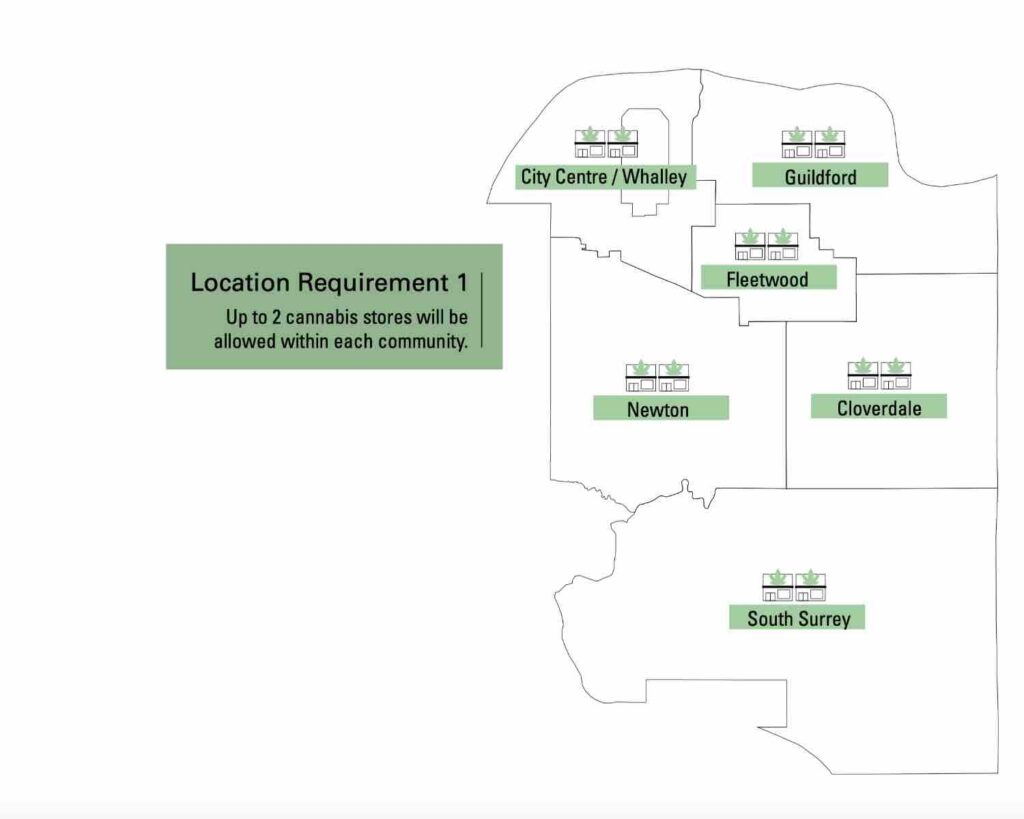
The plan, detailed in a survey the city recently posted online, says if it moves forward, there would be a maximum of two in each of Surrey’s six communities.
The city has developed a draft framework to guide the location and selection criteria, and is asking residents to complete the survey to provide feedback on the draft framework.
Surrey is the second-largest municipality in British Columbia, after Vancouver, with a population of more than 560,000 people. Vancouver, which has more than 660,000 people, currently has 80 cannabis stores, according to the city’s document (83 listed as open or in the queue according to BC).
The initial plan would have limited the number of store locations to one in each of Surrey’s six town centres (City Centre, Guildford, Fleetwood, Newton, Cloverdale, and Semiahmoo), with a preference for a city‐owned site in each Town Centre as the first location.
Graphic via City of Surrey
Councill expressed concern at the proposed locations and the idea of the city being a landlord for a cannabis business.
The new plan proposes a 200 m distance requirement from “sensitive uses and areas to limit exposure to children and youth,” as well as existing cannabis retail and production locations.
The city also says it has developed an application process for future cannabis retail store proposals. If applicants meet all pre-screening requirements, applications will then be reviewed and ranked based on the experience of the operator, a parking and access plan, visibility, lighting and crime prevention design, signage and building face design, and for Surrey-based businesses.
Deepak Anand, who lives in Surrey and is a principal at ASDA Consultancy Services, which works in the cannabis space, says the number of stores Surrey is proposing is not enough, given the city’s size.
“While Surrey moving away from being a retail desert five years after legalization is certainly progress, the ratio of one store for 47,000 people is, frankly, ridiculous. Surrey easily has the capacity and demand for over 80 stores based on its population and in comparison to other municipalities of its size.”
The Surrey Board of Trade released a statement today saying they applaud the new proposal, and hope it is implemented this spring.
“As the City invites public input through the Retail Cannabis Framework Survey, the Surrey Board of Trade supports a framework that is developed collaboratively with the cannabis industry and the public,” said Anita Huberman, President & CEO, Surrey Board of Trade. “Surrey can implement a safe and efficient cannabis regulatory framework, including amendments to zoning bylaws, business licence bylaws, bylaw notice enforcement bylaws, and municipal ticket information bylaws.”
The Surrey Board of Trade released a report last year calling on the local government to begin allowing cannabis retailers to operate in the municipality. Jasroop Gosal, Policy & Research Manager for the Surrey Board of Trade, said the board had concerns with how long the proposed plan will take to implement, while other cities in BC and across Canada have already moved forward.
Primrose is easy to find at your local garden center around this time of year. They’re an uplifting addition to the garden because when they bloom, it means spring is just around the corner!
Pretty Primrose
This flower’s botanical name, “primula,” literally means ‘the first.’ Many varieties, including the popular primula x polyantha, will bloom before the crocus or snowdrops appear. A tiny plant about eight inches in diameter, even the largest varieties, like the primula denticulate or drumstick primrose, grow to only a foot high. Flowers rise in clusters or on a single stem from a rosette of thick, leathery-looking leaves and appear in bright red to lemon yellow, with every imaginable variegation in between. The purple with a bright yellow center is my favorite!
Typically considered a short-lived perennial, many varieties will return year after year if given the proper care and attention. But be careful; primroses are toxic to pets and humans, so always wear garden gloves when handling the plant.
Planting
Primulas aren’t sun worshippers and are happiest if planted in a lightly shaded spot. Spreading through underground rhizomes, they quickly become root-bound if left in a small pot. After flowering in the late spring, repot the plant in a container twice the diameter of its root. This gives it space to grow, and the extra soil layers around its center keep it insulated during heat and cold periods.
Propagation, Watering, and Pests
Every three to five years, dig up the rootstock and cut it in half, returning both halves to a container or the garden bed.
Primulas like some moisture but don’t like to be too wet. This can cause fungal infections and crown or root rot, so use a well-draining porous soil.
As for pests, slugs and snails are common but can be deterred by crushing up some garlic and scattering it around the base of the plant. Repel spider mites and aphids with soapy water.
Do they survive year to year? Last winter, temperatures hovered around freezing for most of December and January, even on the mild west coast. Despite being buried under the snow for weeks, the primulas I planted in the ground the year before bloomed in mid-January.
Bring blooming primulas in pots under cover if it’s raining or snowing, and cover those planted in the ground with a bucket. They’re fussy about their flowers; too much precipitation will cause the blooms to be mushy.
The only extra attention I give my primulas is to pinch off the faded flowers and leaves to keep them blooming. Other than that, I water lightly and ignore them. They’re easy to care for and a great start to a new year and growing season.
Join me next month as we garden and grow together!
Shannon Ross has an idea to make BC cannabis the talk of the town again.
The once notorious province could get some of its edge back by letting people enjoy cannabis together in public, just like you would consume craft beer.
“I think the most effective thing we could do to get back on the stage and become a powerhouse, not only in British Columbia, but the whole international scene, is consumption spaces,” says Ross, co-founder of Antidote Processing in the Kootenays. “That would be a game changer.”
We’re not a financially successful industry for the majority of small businesses right now. We have our hands tied behind our back trying to create legal cannabis businesses.
Ross wants to know how the BC government plans to support consumption spaces. She says one of the biggest hindrances right now is the inability to get together and use cannabis socially. Ross wants public cannabis spaces to be similar to finding a place to enjoy a pint with pals. There’s still too much stigma around cannabis, she says.
She suggests creating farmers’ market-style gatherings as a valuable way for consumers to meet farmers, especially with the limitations placed on advertising.
“The marketing restrictions are so challenging on a federal level that the BC government could facilitate that consumer-grower connection and allow some marketing efforts to happen in a way that’s conducive to finding balance,” she says in an interview with StratCann.
There has to be a happy medium that encourages a certain level of responsible education and marketing, she adds.
“It’s really about connecting people and allowing them to consume,” she says, adding that even the big conferences are fading now.
Still, there are things that BC is doing well to set the stage for long-term relevance, namely farmgate and direct delivery. Ross calls them both tools for proactive change, but there are barriers to taking advantage.
The 15% markup on direct delivery products erodes the incentive, and getting retailers on board can be pretty tricky, she says. Also, there are extra expenses tied to both direct delivery and farmgate that cannabis businesses simply can’t justify.
“It takes a ton of resources that we don’t have yet,” says Ross.
“Right now the industry isn’t mature enough. We’re not a financially successful industry for the majority of small businesses right now. We have our hands tied behind our back trying to create legal cannabis businesses.”
On the bright side, Ross says the provincial government has been receptive and is showing some curiosity toward cannabis by attending industry events. She says they are hearing the voices of craft growers and adapting.
She argues that the federal government is the biggest problem, particularly the excise tax. She says that until the excise tax is reduced, people won’t jump on these programs.
“The biggest challenge is access to capital in order to meet a lot of the regulatory requirements. Banks don’t want to loan very much and there’s still so much stigma, just being able to have a low interest loan… even access to $25,000. A lot of people aren’t even able to transition to legal because there’s no access to capital.”
Kyp Rowe has a bit of a different perspective on which level of government is the most significant hindrance.
“The base hindrance is the province,” says Rowe, president of Victoria Cannabis Company (VCC). “Everybody wants to scream and yell at the feds with their excise tax, Health Canada, this, that, and the other thing. The biggest assholes in this entire industry are the provinces. The fact that they are quadruple-dipping into our pockets is making this entire industry unsustainable.”
Rowe lists the PST, GST, 15% direct delivery markup, and the province’s monopoly over the wholesale game.
“The whole thing is doomed to fail and to crush the small producer.”
While the Direct Delivery Program is a great start—“I love it,” he says—the 15% markup is aggravating. “I move my weed 30 feet into my farmgate store and I’ve got to cut them down 15%? That’s fucking ludicrous,” says Rowe.
“The Direct Delivery Program in totality as far as the rest of Canada is concerned is extremely progressive. It’s a way for the producers to make direct connections with the retailers without having the province right in the middle of it, mucking up the waters.”
Rowe also applauds farmgate but says it won’t benefit many BC producers.
VCC is only the third company to get its farmgate licence since the program came into effect over a year ago. He blames the low uptake on locations, as many facilities are in industrial parks or remote areas that don’t get much traffic. Conversely, VCC is located minutes from downtown Victoria and has 44,000 cars going past it daily.
Rowe says BC’s Liquor and Cannabis Regulation Branch made the process of getting its farmgate licence easy.
It was the City of Victoria that dragged their feet. He says it took a year to get on the city’s docket for rezoning as they kept getting bumped from the agenda. Then, in order to get approval, VCC had to pay $60,000 for a sidewalk, which cut down its parking availability.
“We had to harass the city.”
“Three levels of government you have to deal with in the cannabis industry. They don’t talk to each other. We don’t have any power. To effect change is almost impossible.”
~David Wylie. David is a writer, father, and founder of The Oz., which covers cannabis from a consumer perspective.
The Czech Republic has revealed its plan to legalize adult-use marijuana. Local news media outlets reported that the measure aimed at legalizing adult-use marijuana wouldn’t include regulations for a legal market. Expats.cz reported that the government tabled a draft marijuana regulation measure last week.
The Central European nation is among several other countries in Europe that are working on marijuana regulation. The country decriminalized the possession of marijuana for personal use in 2010, then legalized medical marijuana in 2013. However, the recreational use of marijuana remains illegal.
In 2022, the country publicized its plans to legalize adult-use marijuana, which included the creation of a legal market. With recent the news, however, it seems legalization will be limited to home cultivation, possession and the establishment of marijuana social clubs. One of the primary advocates of marijuana legalization in the country, the Pirate Party, said that the measure was a compromise and they were working out additions.
The proposed measure is part of the Czech government’s plan to address addiction via different initiatives. These include endorsing policy based on a scientifically proven and balanced approach to harm reduction and risk prevention in addiction management, as well as the regulation of addictive drugs based on their levels of harm.
The revised measure has already received criticism from the public, primarily centering on legalization without the establishment of a legal market.
Cannabis associations in the country noted in a joint press release that the lack of a regulated market failed to tackle the illicit market, which continued to make significant profits. However, this sentiment isn’t shared by all. Dr. Tomas Ryska, Astrasana Czechs MD, stated in a recent interview that the lack of regulation for a legal cannabis market is part of the plan.
The plan’s objective was to pressure the Christian and Democratic Union, give rise to negative sentiment in the media and demonstrate that citizens weren’t happy with legalization without the establishment of a regulated market.
The Christian and Democratic Union is the only party that opposes the creation of a legal marijuana market. In its argument, the party raised concerns about the possible increase in marijuana users and funds spent on addiction-prevention and treatment programs.
However, JindřichVobořil has consistently asserted that the market’s regulation can control sales, distribution and production, which would make prevention more effective while also generating tax revenues.
According to Ryska, the government plans to pursue the creation of a legal market in the near future.
Players that are in already established cannabis markets such as Cronos Group Inc. (NASDAQ: CRON) (TSX: CRON) will be watching the developments in the Czech Republic as those regulatory changes could eventually open international opportunities for these companies.
About CNW420
CNW420 spotlights the latest developments in the rapidly evolving cannabis industry through the release of two informative articles each business day. Our concise, informative content serves as a gateway for investors interested in the legalized cannabis sector and provides updates on how regulatory developments may impact financial markets. Articles are released each business day at 4:20 a.m. and 4:20 p.m. Eastern – our tribute to the time synonymous with cannabis culture. If marijuana and the burgeoning industry surrounding it are on your radar, CNW420 is for you! Check back daily to stay up-to-date on the latest milestones in the fast -changing world of cannabis.
To receive SMS alerts from CNW, text CANNABIS to 888-902-4192 (U.S. Mobile Phones Only)
Please see full terms of use and disclaimers on the CannabisNewsWire website applicable to all content provided by CNW, wherever published or re-published: https://www.CannabisNewsWire.com/Disclaimer














Recent Comments