Waiting for Trudeau

Waiting for Trudeau

Cannabis legalization was one of the crown jewels of Trudeau’s Liberal Party of Canada, arguably helping to catapult the party to a majority government in 2015. The move to legalize was a bold one, positioning Canada as a leader in an evolving global landscape at a time when public support for the issue was still relatively divided.

However, since cannabis was formally legalized in Canada in 2018, Trudeau and his federal Liberals have been almost entirely absent from the file. This is despite comments Trudeau made at a town hall meeting in March 2023 that it may be time for the government to look at how to support the sector more. 

On one hand, Trudeau and the Liberals not only avoiding the subject of cannabis legalization but also the sector in general makes sense. Supporting the legal industry isn’t as simple as supporting legalization as a concept, and many Conservative voters still hate all things weed. At the same time, those who supported the concept of legalization don’t necessarily support the current model, and public perception of the industry is informed by media coverage focussing on large, publicly traded companies with high-paid C-suite executives. 

In addition, Trudeau was always very clear that the goals of legalization were based on public health and safety, not economic growth. However, for legalization to be successful, it must be a viable private business sector. For many cannabis companies in Canada, from producers to retailers and all steps in between, being able to keep the lights on and make payroll is challenging, especially in such a highly regulated and taxed sector.

The federal excise tax alone can eat into 30% or more of a cannabis producer’s profits, something the industry has been loudly pointing out to anyone who will listen for years. 

Trudeau even said in the past that applying too much tax to cannabis will undermine the viability of the sector, driving people back to the black market, similar to what we’ve seen with tobacco. 

“The fact is that, if you tax it too much as we saw with cigarettes, you end up with driving things towards a black market, which will not keep Canadians safe — particularly young Canadians,” he said in 2015.

However, since Canada finally legalized, with the first cannabis being sold on October 17, 2018, Trudeau and the Federal Liberals have been, essentially, MIA on the file. Industry concerns about burdensome regulations and excessive levels of taxation are largely ignored. 

While the effort to establish a regulated industry was successful, an increasing number of cannabis businesses are failing, and the health of the industry itself is at stake. Rather than taking a victory lap on what was once one of the crowning policy proposals for the party, it’s now the forgotten toy at the bottom of the chest. Trudeau seems to have forgotten about cannabis almost entirely.

Nearly a year ago, Trudeau told the owner of a cannabis business in Newfoundland, who expressed many of these very concerns, that it was time for the federal government to look beyond the immediate public health and safety goals of legalization and see what the government can do “to make sure that this is a beneficial industry.

“There is a little more clarity about how the industry is evolving, and it’s easy to say ten years from now, fifty years from now, it will be great,” he continued. 

“Right now you’re in the industry, you have payroll you’re trying to make, you’re trying to support people. We want to try and get there for you as well. But this was done not because we were going to create jobs with it—although we knew that would happen. It was done out of a public health and justice approach. But hopefully we’re going to be able to catch up and be supportive of the real positive industry that it has become.”

Well, Mr Trudeau? 


On bringing a child into the world

On bringing a child into the world

On bringing a child into the world:

Earth knows what she is doing

by Charles Eisenstein 

This is a recording and partial transcript of an impromptu dialog (mostly me talking though). It was in response to the common reluctance of young people to want to have babies. Seeing what kind of times lie ahead, they wonder, Why should I bring a child into the world?

The recording starts in mid-sentence… sorry about that. The transcript is for the first part, on the topic of bringing children into the world, and the despair that comes from believing humanity is nature’s big mistake.

/subtack-interview-audios/s-2Ny2h9IXskc&si=26fb5e73fffd4e0aa6da28eab2da63c4&utm_source=clipboard&utm_medium=text&utm_campaign=social_sharing

Transcript:

Someone posed the following question to me once at a Q&A: “You owe everyone in this room an apology for selfishly having four children who will consume resources for the next 90 years. What’s your justification?”

I said, “I don’t have a justification. I didn’t do it out of a calculation.”

I don’t remember everything I said, but here is what I would say now. Part of it comes from recognizing what the purpose of a human being is, and that a human being even has a purpose.

When you don’t understand what the purpose of a human being is, then it looks like we’re just a burden on the planet. But actually, the purpose of a human being is to contribute to life and beauty on Earth, and its further unfoldment, which is what all species are here to do. That’s why in any ecosystem, if you remove a species — it’s not like the the deer are better off when you remove the wolves, or the plankton is better off when you kill the whales. It’s the opposite. And when you add a new species, when a new species is born, then ecosystem becomes more complex, which is the whole history of the Earth from multicellularity, to flowering plants, which is probably the most recent innovation, mammals, etc, etc. So that’s the purpose of life — to create more life. And the purpose of human beings also, we haven’t found that purpose yet, as a collective, though individual cultures did. But as for the mass of humanity, a mass society, civilization, we have not matured yet into the full enactment of the reason that life is here.

It requires some kind of an initiation to enter adulthood, the adulthood of the species. We’ve been in the childhood of the species, doing as children do — taking and taking and taking from the mother without stint. That’s normal. I don’t want my children to restrain themselves in how much they eat because they’re afraid dad can’t provide enough. A nursing mother doesn’t want the baby to nurse less out of concern that the mother can’t make enough milk, the job of the child is to receive and to grow, and to play.

Play is a discovery of gifts, and a practice of gifts that, upon maturity, get turned toward a creative purpose. So the initiation then for say, a young man, in a traditional society might include an ordeal that brings forth a transcendent part of the being that isn’t just selfish anymore, and that brings forth the understanding of a purpose to serve the whole tribe — the human tribe, but also the tribe of all life on Earth.

We can maybe say that civilization is going through that kind of ordeal right now, with all these crises that are converging upon us. And also coinciding with a new (for civilization) kind of love corresponding to the awakening of romantic love in an adolescent, where unlike the relationship to the mother, you’re no longer just wanting to receive, but you also want to give, you want to give a gift to your sweetie, you want to create together, eventually, maybe make a family together, do something together. Unless one of the partners is so immature that he’s acting like a big baby. But generally speaking, like this is a new phase of love and humanity (I mean civilization) is having intimations of it. We are wanting not just to take from Earth, but also to contribute, to give, to regenerate.

So to return to the question of why do I have four children — if these children understand and are awake to the purpose of a human being, then they will be a gift to the earth. I see my children as my gift to the future. They will be a boon to this planet, they will contribute to life and beauty. Because they’re not here to have it easy, they’re not here to enjoy a perfect world. And this one is so imperfect that, you know, we wouldn’t want to bring them into it. They’re here with hard task, a heroic task, and not in the sense of the hero’s journey hero, but heroic in the sense that you might not even ever get applauded for it, or celebrated for it. Because a lot of what needs to be done is so quiet and humble.

Anybody who has children who is able to impart the next stage of the realization of that purpose is giving a gift to the future.

Also, on another level, maybe a more esoteric level, difficult conditions are necessary for the growth of our capacity to love. Like the one woman whose son was murdered by Hamas, and says in my name, no vengeance, calling instead for peace, or the man whose daughter is kidnapped and held hostage and says no, we have to stop the war. Because, they say, I don’t want any other parent ever to go through this. Like that.

These souls come here, all of us, on purpose to a place that’s hard to love, so that we have to develop capacities. And hard to create beauty. We have to work against something, it’s like a muscle working against resistance, and that’s what strengthens the soul.

I have this have this vision of humanity in a pit. I made a film a short three minute film about how we got into the pit. But then there’s the sequel to it, which I haven’t produced yet. It’s how we get out of the pit. It is the pit of hell. This world is in it now. It’s my inside joke: we’re in the sixth or seventh circle of hell. I think of that when I wonder why we raise children this way in this society? Why do we do childbirth this way? Why do we die this way? Why do we warehouse old people in nursing homes? Why? This whole thing is so fucked up. Why? Well, this is just they way they do it in the seventh circle of hell.

And so how do we get out of the pit? Everybody’s scrambling and trying to climb up the walls, and somebody else grabs onto their ankle to try to climb up onto them, and pulls them down again, and the human condition goes on and on and on cycle after cycle after cycle. We’re like this writhing mass of humanity, trying to get out of hell, trying to better the human condition. And we have never succeeded. We are no better off now than we were in the middle ages, when public torture was normal. We’re no worse off either. It’s just like the forms of the suffering have changed.

So we’re trying to get out. Eventually, we realize that the only way out is to make a human tower. Some people, instead of trying to climb up onto others, they hunker down by the edge of the wall, and the next generation climbs onto their shoulders, and the next one climbs onto their shoulders, up and up and up. It’s also like a race, a long distance relay race. You go as far as you can, you’re exhausted, you stagger and fall. But you push your child out ahead of you, and they run the next leg. You hold your child up, and you become old, and you become become frail, and you can’t do anything anymore, you can’t create much anymore. And your last act of pushing somebody up to the next level of a wall is maybe reading stories to a three year old, when you’re in your rocking chair. You can still do that, and infuse a little bit of love into them, so that they can be stronger in their climb.

And someday they reach a certain point, and can go no farther. But there’s the next generation and the next and we push each other up the wall.

My mother, for example, was an innovator. She was one of the first women at Yale Law School. She was first in a lot of things. It was audacious then for a woman to go to law school back then. Her guidance counselor said, Well, you could be an executive secretary. Today it’s not audacious for women to go to law school, or medical school. More than half the people in medical school are women. But in my mother’s time… for my generation to even think the thoughts we are thinking required bold moves from the previous generation. We stand on their shoulders. And the same for the next generation. My kids are like, Dad doesn’t get it about this, about that, about the other thing. They don’t yet understand where I came from. And so each generation climbs upon the last, and then finally — and maybe it’s your generation — there’s the lip of the cliff! You reach up and you grab a root, and you pull yourself up.

Unfortunately, many of the parents today are pulling their kids down. They’re not trusting them. They’re not giving them the resources. You’re supposed to be pushing them up, and then they grab on, and they pull themselves up into the promised land, and they look around for a bit. Then maybe they put their hand down and pull us up. I feel like my kids do that for m. Then it gets a bit nonlinear, but we heal our ancestors also, in that way.

I’ve been encouraging people to have kids, but it’s a hard thing to do with the amount of despair in the world right now. There are no guarantees. In my parents’ generation and their parents’ generation. pretty much everybody believed that their children would have a better life than they did. It was called progress, and it was the religion of the time.

That’s not happening now, although in a way I think the next generation will have a better life, just not in the terms that a better life has been measured. But in terms of finding meaningful things to do, of having a sense that your life has meaning, that you’re contributing your gifts toward something important, that you are needed, and being part of a community that builds around doing something together, in those terms you will actually have a better life. And if you have another child, life may be even better still. It may be materially less secure, there might be more hardship, but lack of hardship doesn’t make anybody happy.

Tani:

That was beautiful. Thank you.

Charles:

That’s just one storyline. It’s not the whole truth, but it definitely has some truth in it.

Leslie:

I really like the sense that for whatever insecurity we may face, we wont face the kind of meaninglessness people do now. There are increasingly necessary roles to take, not just for fun or to make a living. No, there’s important work to do. And there are more people saying that and sort of pointing the way towards God. And that seems like a really important shift. Interesting, because at least in my age group, I have never seen higher levels of people who have no idea what they’re going to do or want to do or have any sort of desire with their life direction.

Charles:

Yeah, that’s interesting to hear you say that. It’s because we’re in the space between stories. There used to be a story about how to live your life, and how to be a man, how to be a woman, how to do it, get good grades, get a good job, make prudent investments, and so on. Well, that instruction manual no longer provides useful guidance.

And the new structures haven’t emerged yet. You can’t just go find a job that meets the need to do something meaningful. You have to kind of create one.

For our parents it was not the same. You study, you get a PhD, and you’ll get a job and you’ll contribute to the grand project of civilization. There used to be a map.

Tani:

I remember. It was still intact when we were younger,

Leslie:

I was appreciating the first half of what you’re sharing about adversity (before you got to the sixth circle of hell), about adversity just making us stronger. My friend this morning was saying, almost verbatim, the same thing. On a really similar topic. We were in a kind of evolving conversation on the Palestinian-Israeli conflict and how we meet it, how we embrace what is, the war that is. Adversity is here. How do we meet it?

Charles:

If someone doesn’t exercise some restraint, it’s gonna get bad fast.

Tani:

Which leads to the other question that you know, I think in his, in his like, you know, why bring another child into the world? I hear so much — it’s not expressed in this way, because this is not typically the way that most teenagers express themselves — but in his generation, I hear so much despair for the future of the US like, like that they won’t even get to live their lives out before we somehow implode or explode.

Charles:

The planet knows what it’s doing, though. There’s an intelligence to life that is obscured by the reigning ideology that life is just a chemical accident. Gaia knows what she’s doing. It was not an accident that easily accessible mineral deposits are available. It’s not an accident that life spent hundreds of millions of years laying down coil coal and oil, exactly where it was needed to power civilization.

We don’t understand very much. That’s one thing I learned in Taiwan. We don’t understand very much.

Leslie:

Hope you’re right.

Charles:

You know, hope is an interesting word. It can mean wishful thinking, but it can also mean a premonition of a possibility.

I like to invoke a kind of inverse logic that says, “If it were impossible, you wouldn’t be here.” It just wouldn’t make sense for you to be here and care so much, and be willing to express your gifts toward that possibility, if it were not possible. This is a kind of teleologic, a kind of reverse causality, but it feels true to me. There’s some sense that I wouldn’t be here, if it were useless. I wouldn’t have these gifts, if they were for no reason.

It’s like an ecology. It used to be thought that there were some species that were redundant. I remember one example of two different kinds of grass. They originally thought, well, these are completely redundant, they both occupy the same ecosystem niche. Why are there two? What a waste. The ecosystem would be fine with just one of them. But it turns out, that under certain extreme circumstances, one of the grasses does a lot better and helps stabilize the ecosystem. Like if there is a super drought or something. And in some other circumstance, the other grass meets the need.

In ecology, waste is food. The nitrogen that nitrogen fixing bacteria produce doesn’t really help them directly. But it helps a chain of being that circles back to them. I have this filling that just like in ecology, your gifts are for a reason. And to think otherwise is kind of an insult to Gaia, to say, well, humans are just a big mistake. Really? The gifts of our gifts of our hands and our minds — they’re just a big mistake? They were not created, they were not born for the same purpose as every other species. It is a perverse kind of anthropocentrism to say we’re nature’s exception. It’s no different saying we’re better than the rest of life than to say we’re the worst. It’s pretty arrogant to think that we’re nature’s mistake.

Share

Author and essayist

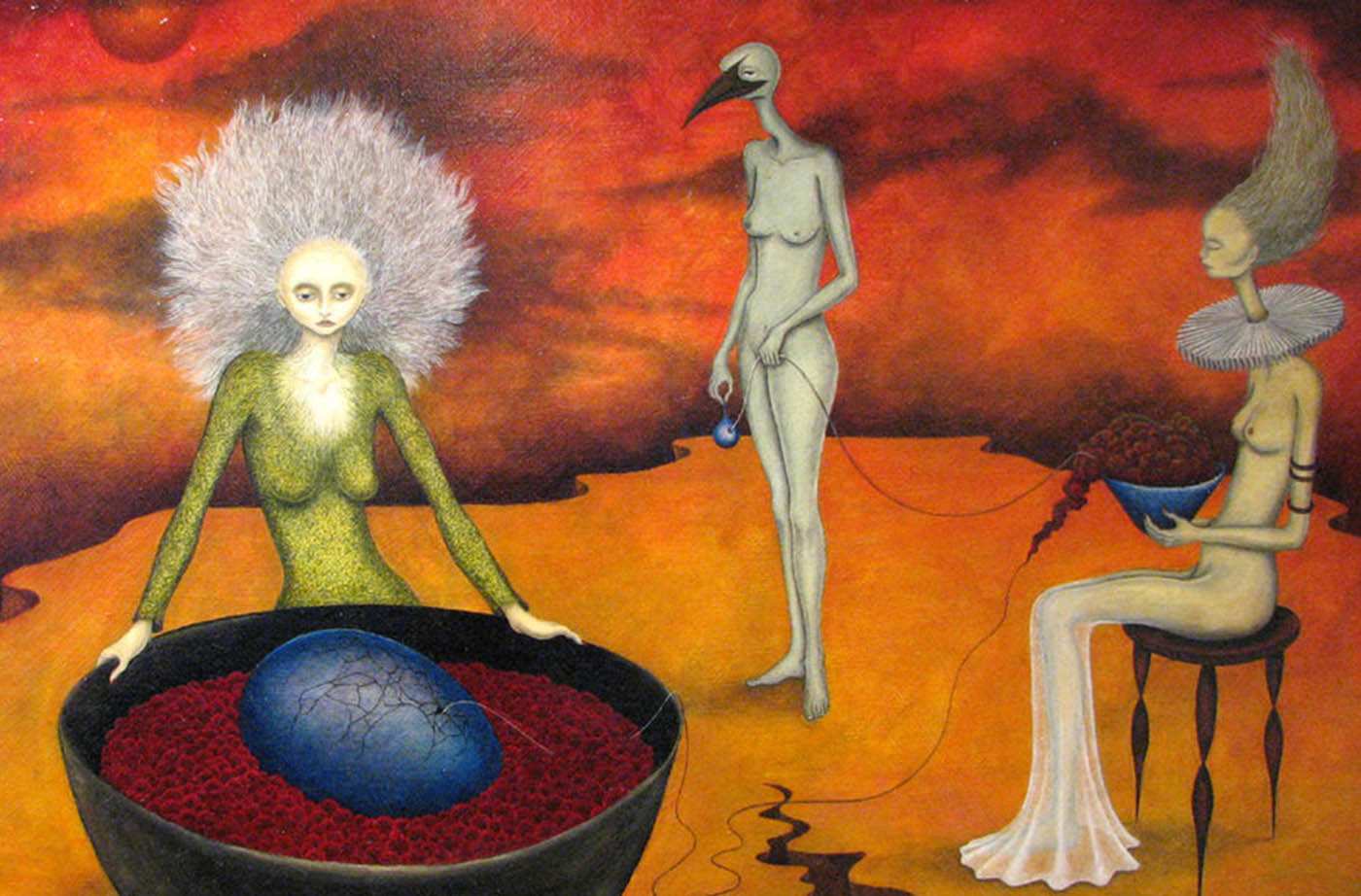
Image Art by Jenna Barton

Are You Ready to Receive More Abundance?

Are You Ready to Receive More Abundance?

Abundance Coming Your Way

Feel More Fully – Full – of Love, Abundance and Opportunity!

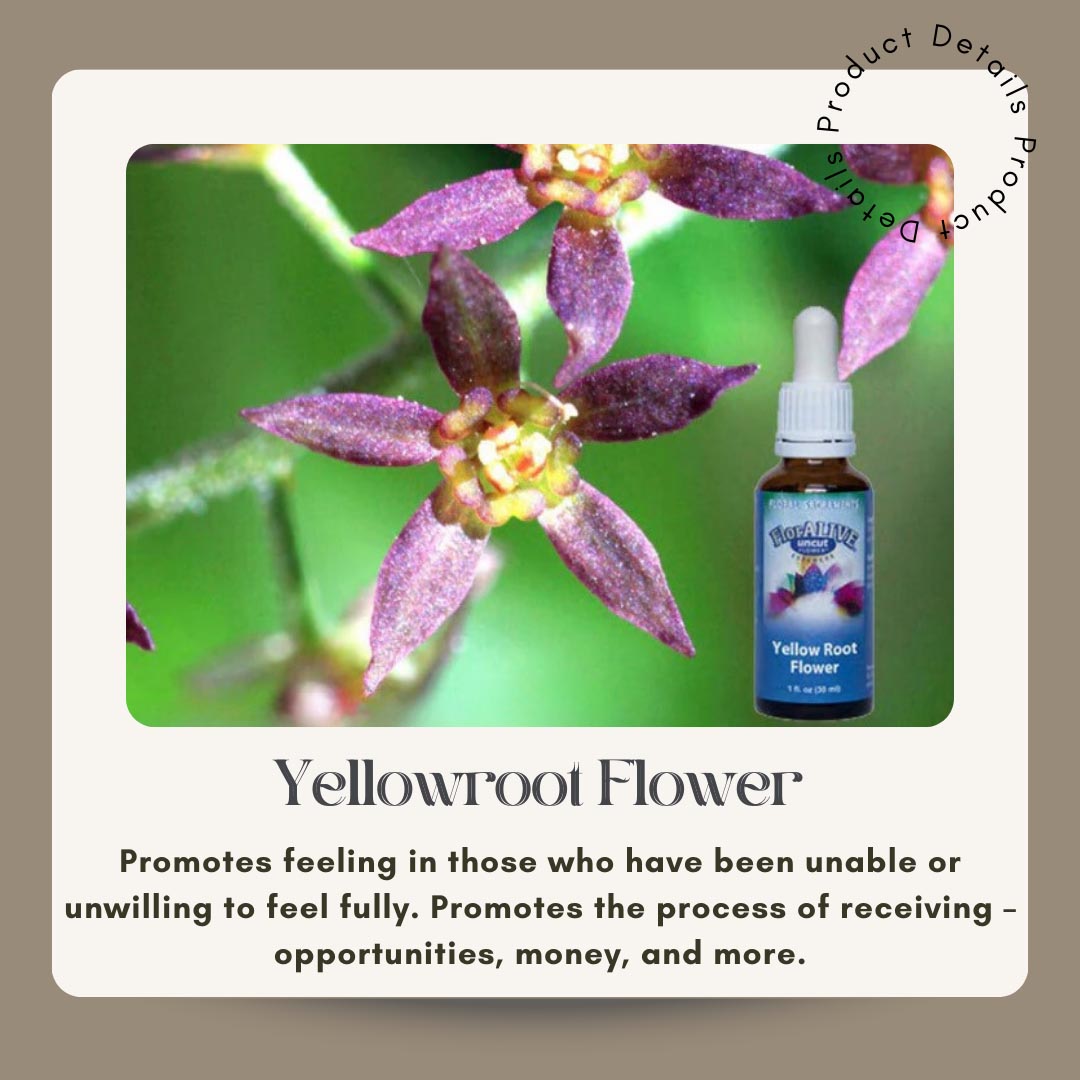
Helps clear those who have been unable or unwilling to feel fully.

Enhances the process of receiving – opportunities, money, and more.

LIVE uncut flower frequencies in pure water

Preserved with a small amount of organic grain spirits

One fluid ounce (30mL.) of liquid drops. Preferable to sip in water, or take straight

Affiliate with Us and Do Well While Helping Your Community Flower in Power! 

newnow@newagora.ca

On bringing a child into the world

Criminality in the White House: The Rise of the Political Psychopath

Criminality in the White House:

The Rise of the Political Psychopath

By John & Nisha Whitehead

There is no difference between psychopaths and politicians.

Nor is there much of a difference between the havoc wreaked on innocent lives by uncaring, unfeeling, selfish, irresponsible, parasitic criminals and elected officials who lie to their constituents, trade political favors for campaign contributions, turn a blind eye to the wishes of the electorate, cheat taxpayers out of hard-earned dollars, favor the corporate elite, entrench the military industrial complex, and spare little thought for the impact their thoughtless actions and hastily passed legislation might have on defenseless citizens.

Psychopaths and politicians both have a tendency to be selfish, callous, remorseless users of others, irresponsible, pathological liars, glib, con artists, lacking in remorse and shallow.

Charismatic politicians, like criminal psychopaths, exhibit a failure to accept responsibility for their actions, have a high sense of self-worth, are chronically unstable, have socially deviant lifestyles, need constant stimulation, have parasitic lifestyles and possess unrealistic goals.

It doesn’t matter whether you’re talking about Democrats or Republicans.

Political psychopaths are all largely cut from the same pathological cloth, brimming with seemingly easy charm and boasting calculating minds. Such leaders eventually create pathocracies: totalitarian societies bent on power, control, and destruction of both freedom in general and those who exercise their freedoms.

Once psychopaths gain power, the result is usually some form of totalitarian government or a pathocracy. “At that point, the government operates against the interests of its own people except for favoring certain groups,” author James G. Long notes. “We are currently witnessing deliberate polarizations of American citizens, illegal actions, and massive and needless acquisition of debt. This is typical of psychopathic systems, and very similar things happened in the Soviet Union as it overextended and collapsed.”

In other words, electing a psychopath to public office is tantamount to national hara-kiri, the ritualized act of self-annihilation, self-destruction and suicide. It signals the demise of democratic government and lays the groundwork for a totalitarian regime that is legalistic, militaristic, inflexible, intolerant and inhuman.

Incredibly, despite clear evidence of the damage that has already been inflicted on our nation and its citizens by a psychopathic government, voters continue to elect psychopaths to positions of power and influence.

Indeed, a study from Southern Methodist University found that Washington, DC—our nation’s capital and the seat of power for our so-called representatives—ranks highest on the list of regions that are populated by psychopaths.

According to investigative journalist Zack Beauchamp, “In 2012, a group of psychologists evaluated every President from Washington to Bush II using ‘psychopathy trait estimates derived from personality data completed by historical experts on each president.’ They found that presidents tended to have the psychopath’s characteristic fearlessness and low anxiety levels — traits that appear to help Presidents, but also might cause them to make reckless decisions that hurt other people’s lives.”

The willingness to prioritize power above all else, including the welfare of their fellow human beings, ruthlessness, callousness and an utter lack of conscience are among the defining traits of the sociopath.

When our own government no longer sees us as human beings with dignity and worth but as things to be manipulated, maneuvered, mined for data, manhandled by police, conned into believing it has our best interests at heart, mistreated, jailed if we dare step out of line, and then punished unjustly without remorse—all the while refusing to own up to its failings—we are no longer operating under a constitutional republic.

Instead, what we are experiencing is a pathocracy: tyranny at the hands of a psychopathic government, which “operates against the interests of its own people except for favoring certain groups.”

Worse, psychopathology is not confined to those in high positions of government. It can spread like a virus among the populace. As an academic study into pathocracy concluded, “[T]yranny does not flourish because perpetuators are helpless and ignorant of their actions. It flourishes because they actively identify with those who promote vicious acts as virtuous.”

People don’t simply line up and salute. It is through one’s own personal identification with a given leader, party or social order that they become agents of good or evil.

Much depends on how leaders “cultivate a sense of identification with their followers,” says Professor Alex Haslam. “I mean one pretty obvious thing is that leaders talk about ‘we’ rather than ‘I,’ and actually what leadership is about is cultivating this sense of shared identity about ‘we-ness’ and then getting people to want to act in terms of that ‘we-ness,’ to promote our collective interests. . . . [We] is the single word that has increased in the inaugural addresses over the last century . . . and the other one is ‘America.’”

The goal of the modern corporate state is obvious: to promote, cultivate, and embed a sense of shared identification among its citizens. To this end, “we the people” have become “we the police state.”

We are fast becoming slaves in thrall to a faceless, nameless, bureaucratic totalitarian government machine that relentlessly erodes our freedoms through countless laws, statutes, and prohibitions.

Any resistance to such regimes depends on the strength of opinions in the minds of those who choose to fight back. What this means is that we the citizenry must be very careful that we are not manipulated into marching in lockstep with an oppressive regime.

Writing for ThinkProgress, Beauchamp suggests that “one of the best cures to bad leaders may very well be political democracy.”

But what does this really mean in practical terms?

It means holding politicians accountable for their actions and the actions of their staff using every available means at our disposal: through investigative journalism (what used to be referred to as the Fourth Estate) that enlightens and informs, through whistleblower complaints that expose corruption, through lawsuits that challenge misconduct, and through protests and mass political action that remind the powers-that-be that “we the people” are the ones that call the shots.

Remember, education precedes action. Citizens need to the do the hard work of educating themselves about what the government is doing and how to hold it accountable. Don’t allow yourselves to exist exclusively in an echo chamber that is restricted to views with which you agree. Expose yourself to multiple media sources, independent and mainstream, and think for yourself.

For that matter, no matter what your political leanings might be, don’t allow your partisan bias to trump the principles that serve as the basis for our constitutional republic. As Beauchamp notes, “A system that actually holds people accountable to the broader conscience of society may be one of the best ways to keep conscienceless people in check.”

That said, if we allow the ballot box to become our only means of pushing back against the police state, the battle is already lost.

Resistance will require a citizenry willing to be active at the local level.

Yet if you wait to act until the SWAT team is crashing through your door, until your name is placed on a terror watch list, until you are reported for such outlawed activities as collecting rainwater or letting your children play outside unsupervised, then it will be too late

.

This much I know: we are not faceless numbers.

We are not cogs in the machine.

As I make clear in my book Battlefield America: The War on the American People and in its fictional counterpart The Erik Blair Diaries, we are not slaves.

We are human beings, and for the moment, we have the opportunity to remain free—that is, if we tirelessly advocate for our rights and resist at every turn attempts by the government to place us in chains.

The Founders understood that our freedoms do not flow from the government. They were not given to us only to be taken away by the will of the State. They are inherently ours. In the same way, the government’s appointed purpose is not to threaten or undermine our freedoms, but to safeguard them.

Until we can get back to this way of thinking, until we can remind our fellow Americans what it really means to be free, and until we can stand firm in the face of threats to our freedoms, we will continue to be treated like slaves in thrall to a bureaucratic police state run by political psychopaths.

WC: 1419

John Whitehead

Art by Mythos   https://www.artbymythos.com/

The Seven Stages of Spiritual Alchemy and What They Mean

The Seven Stages of Spiritual Alchemy and What They Mean

The Seven Stages of Spiritual Alchemy

and What They Mean

By Thomas Ellison, BA & MPhil in Literature w/ focus on Poetry

Spiritual alchemy is an ancient occult practice that seeks to liberate the soul from its attachment to matter. Let’s have a look at what each of the seven stages entails.

Spiritual alchemy is an ancient practice with the goal of spiritual transformation, not material. On the other hand, alchemy was an occult science and a forerunner to modern-day chemistry. It began during the medieval period and sought to transmute base metals, such as lead, into gold. Alchemy was practiced by people who wanted to attain material wealth and those who sought a universal elixir for immortality.

Spiritual alchemy, then, is an ancient philosophy that uses the metaphor of transforming metals into gold for attaining spiritual enlightenment. It is used to achieve contentment, harmony, and awareness by liberating one’s essence from one’s acquired personality. The personality contains the inauthentic part of the self, including one’s beliefs, concepts, opinions, wounds, fears, and phobias. In this way, the transmutation of lead into gold functions as a metaphor for the process of self-actualization and spiritual rebirth. Let’s take a closer look!

Spiritual Alchemy, Stage One: Calcination

thomas norton ordinall alchemy illustration

Illustration from The Ordinall of Alchem by Thomas Norton, c.1550-1600, via The Ferguson Collection at The University of Glasgow

Calcination, the first stage of spiritual alchemy, is also known as the black stage. The color black represents chaos, that which is hidden and buried, and the material of the unconscious. It also refers to the Materia Prima, which is the idea in occult sciences that all matter in the universe emerged from an original, primitive base.

Calcination refers to the burning of the Materia Prima until it is transformed into ash. In a spiritual sense, it refers to breaking with our worldly attachments, the desire for status, wealth, and the need to solidify our identity. It’s not to say these things are wrong, but according to the process, the development of a higher level of consciousness and the refinement of the spirit is hindered by these attachments.

Calcination also refers to the burning off of all of the superfluous elements of ourselves that no longer serve us. We are purified by fire, and the hardened and dead parts of ourselves have burned away. All that has calcified in ourselves is removed in a similar way to how hardened plaque buildup on teeth can be removed. Our preconceived notions about our identity and our beliefs are put to the test in the calcination stage. Our ideologies and neuroses begin to lessen their grip on the persona, enabling one’s true spirit to awaken.

The calcination stage has been likened to the Dark Night of The Soul. This sixteenth-century poem describes the journey of the soul to unification with God, whereby our former worldview is dismantled, and we undergo a kind of existential crisis. The beginnings of spiritual development are typically arduous since our former ties of identification are no longer valid, and we come face to face with the void.

Stage Two: Dissolution

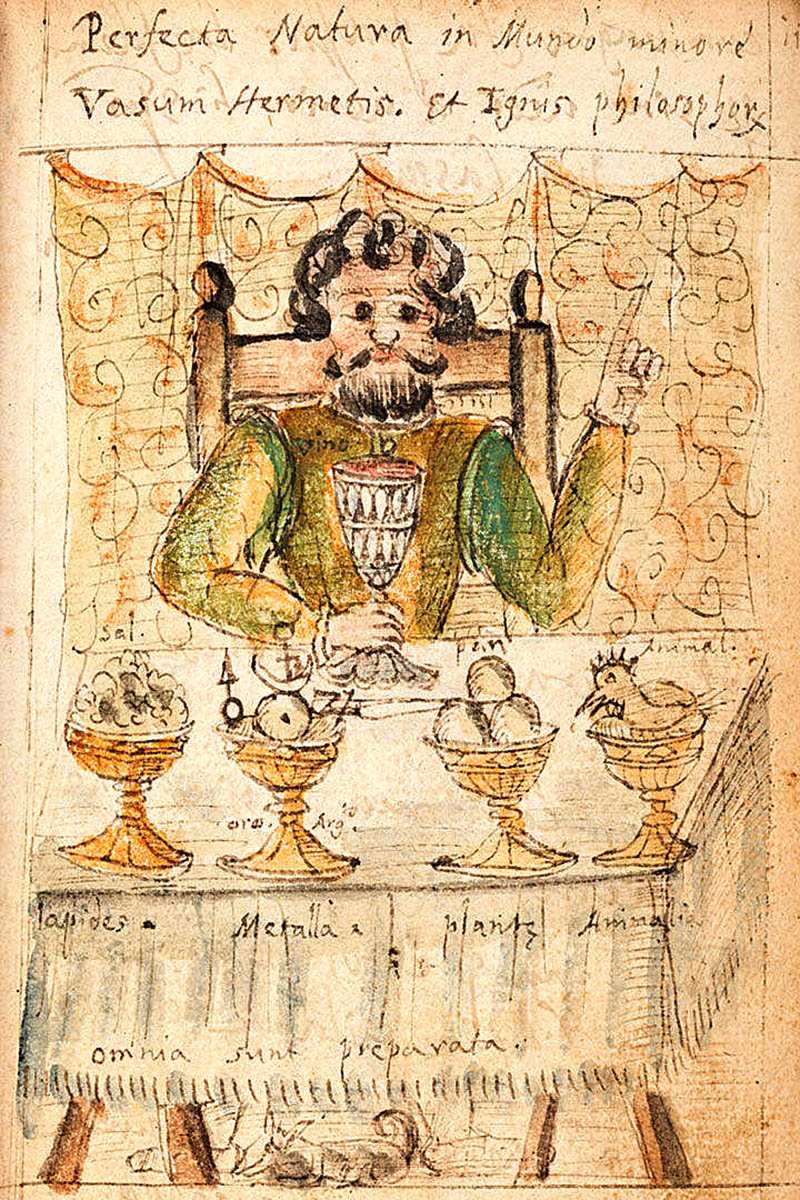
antonio neri perfect nature microcosm painting

Perfect Nature of the Microcosm by Antonio Neri, from Tesoro Del Mondo, 1599, via The Metropolitan Museum of Art, New York

The second stage of spiritual alchemy involves dissolving the ashes in water. Water could be interpreted as a symbol for the unconscious, which contains the hidden parts of ourselves of which we are afraid and up until now have not been explored. Dissolution can be understood as the stage in which we free ourselves from our inauthentic and acquired sense of identity.

In Chemistry, dissolution refers to the dissolving of solid material, such as salt dissolved in water. It can be understood in Jungian terms as the dissolution of the ego. Since the dissolution stage takes water as its symbol, it is also associated with intense emotions, as water often symbolizes the reservoir of emotions we contain within. The dissolution stage involves the outlet of repressed emotions from traumatic events that we have pushed down in our psyche. It can be a very cathartic step as we free ourselves of past painful experiences.

Stage Three: Separation

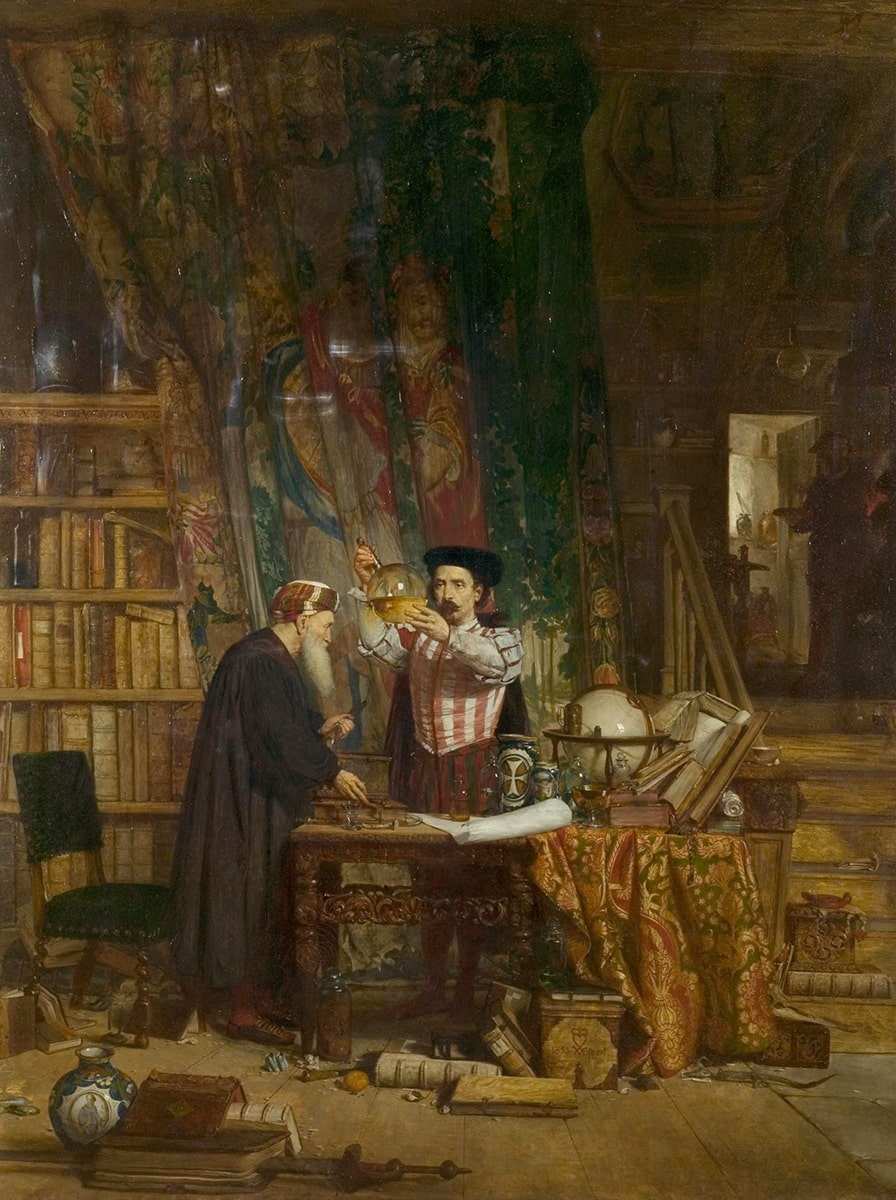
william fettes douglas alchemist painting

The Alchemist by Sir William Fettes Douglas, 1855, via Alchemy Website (part of The Ferguson Collection at The University of Glasgow)

In the separation stage, the pure essence is extracted from the rest of the mixture. As the first two stages were associated with fire and water, separation is related to the air element. In a spiritual sense, it can be understood as separation from one’s habitual thought processes or emotional trigger responses in order to step back and distinguish our essence from our acquired personality.

Separation is a very liberating stage where we can free ourselves of resentment towards ourselves and others. It is a kind of liberation from negative emotions. By doing so, we can become aware of our true feelings. We separate ourselves from our inauthentic selves and step closer to our essential or higher self. The separation occurs when we no longer identify with the character we have been playing, but rather we become the awareness itself. Awareness of our own thoughts, feelings, and desires, but without identifying with them or becoming attached to them.

The separation stage is a kind of detachment from our old skin. After the emptiness and suffering in the first stage of calcination, and then the fearful stage of dissolution where hidden emotions emerge, the separation stage comes as a welcome relief as we experience the stillness of being separated from our inferior and inauthentic qualities.

Stage Four: Conjunction

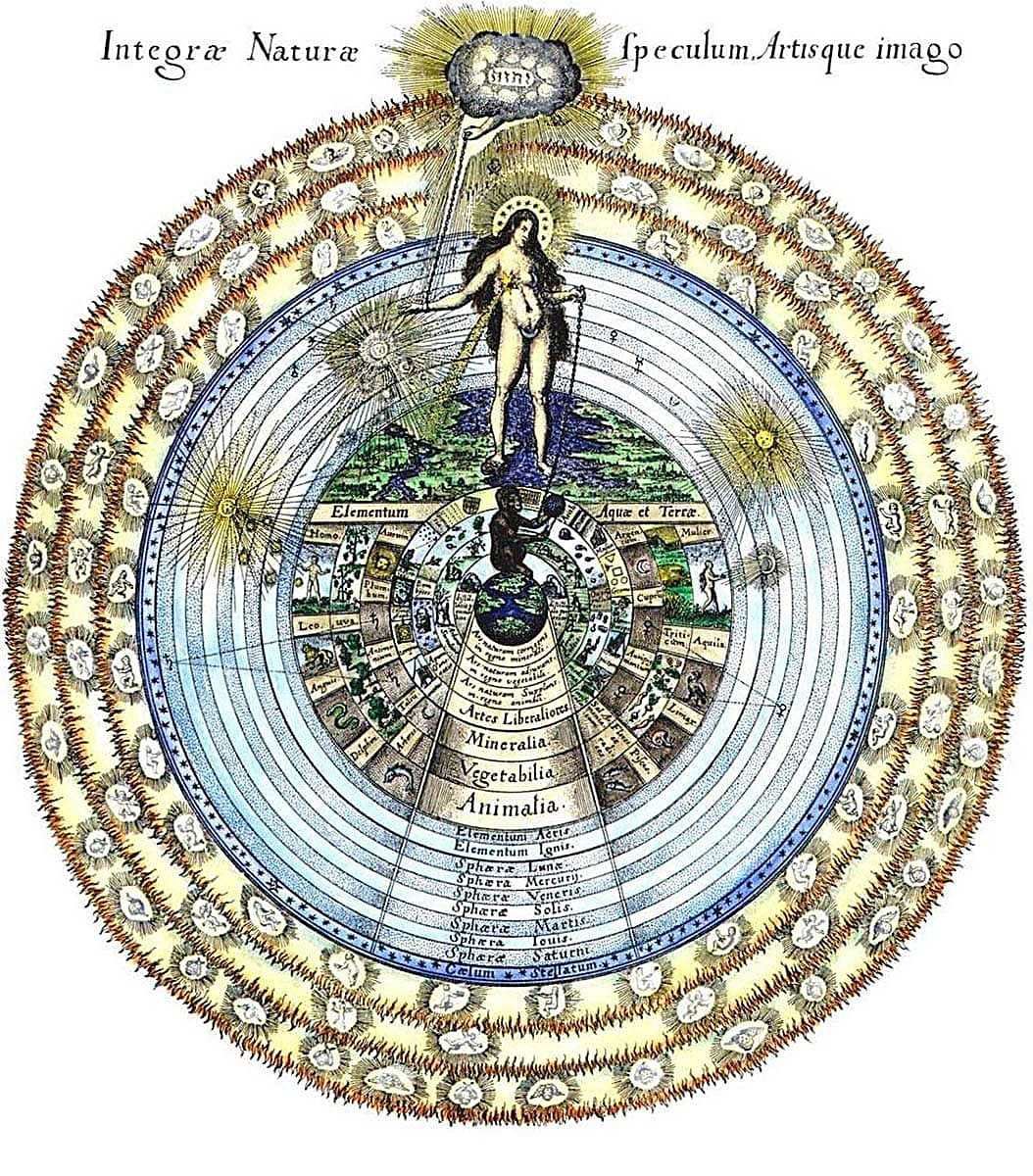
spiritual alchemy robert fludd anima mundi illustration

Anima Mundi, from Utriusque Cosmi Historia by Robert Fludd, 1617-21, via Alchemy Website (part of The Ferguson Collection at The University of Glasgow)

Conjunction refers to the process of combining the elements from the previous three stages. In a sense, we see what still remains within us, which is of value, and then begin to combine these elements to form one’s authentic self. After the first three stages of purification by fire, water, and air, our disparate elements are brought together under the earth element. We begin a process of embodiment as the spirit begins its process of materialization.

We begin to feel unified in body and soul, but we are still drawing together the different strands of our true self, and we are not yet finished. Polarities cease their conflict and come together, such as male and female, body and soul, spirit and matter. Harmony is achieved between the different elements of our being. The attributes typically associated with the feminine, such as intuition and emotion, unify with those attributes conventionally associated with the masculine, such as intellect and logic.

Stage Five: Putrefaction/Fermentation

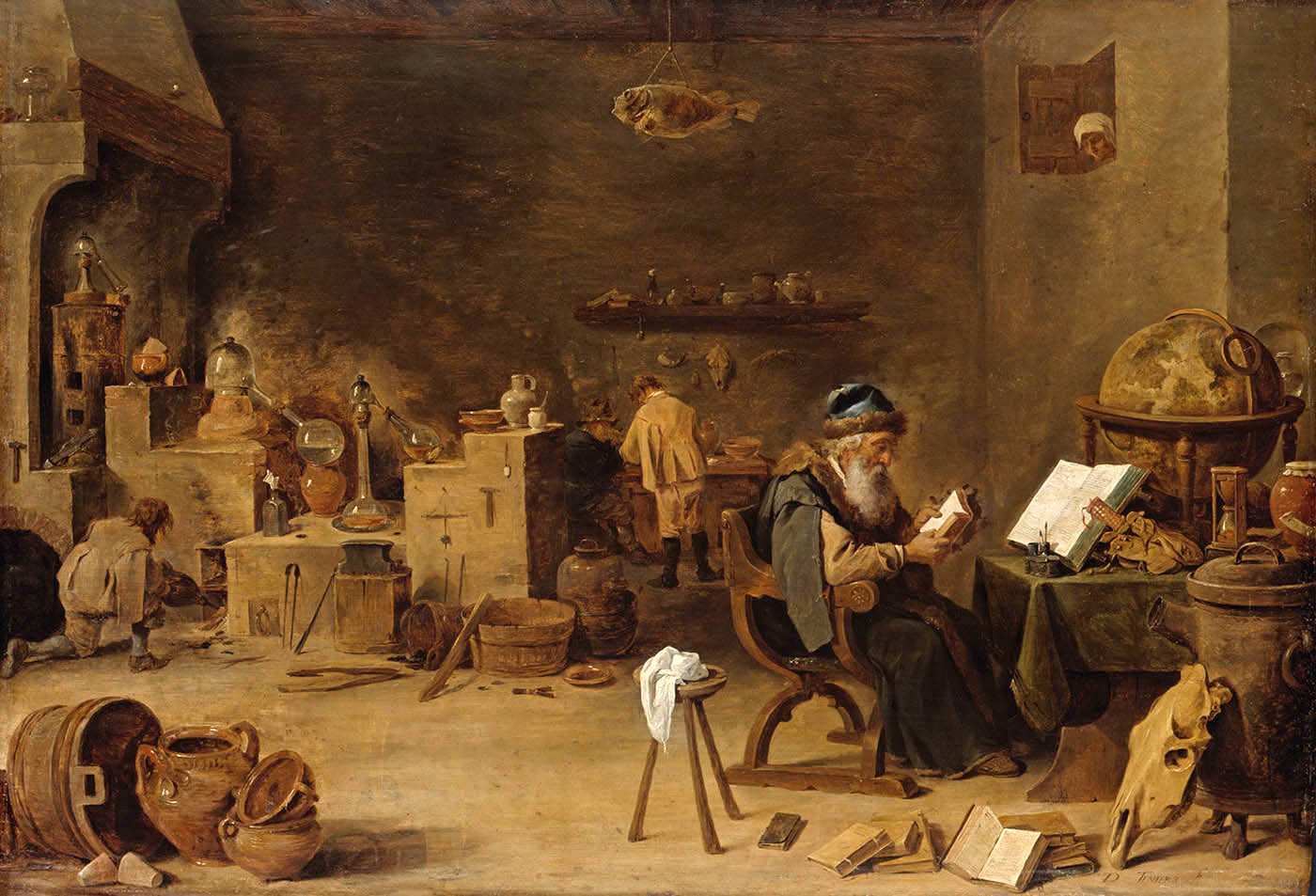
spiritual alchemy david teniers alchemist painting

The Alchemist by David Teniers the Younger, 1643-45, via The Metropolitan Museum of Art, New York

Putrefaction, or fermentation, is the fifth stage and describes the decay of one’s old self and the rebirth of one’s true self. The first four stages involved discarding our old, inauthentic self and drawing together the authentic elements within us. At this stage, however, we catch a glimpse of a more refined, authentic self. This stage can be likened to the rebirth of the phoenix from its own ashes.

The process can be split into two: putrefaction and spiritualization. Putrefaction is the rotting away of our former selves as the superfluous is let go. Putrefaction can be a difficult stage and can involve strong feelings of depression or despair since we fear losing our identity, which is associated with our old self.

Spiritualization, meanwhile, gives great relief as we begin to see the world in a new and luminescent way. It involves letting go of those parts of ourselves that no longer serve us in our present life, and, as a result, this step can be accompanied by blissful feelings of inner peace and contentment.

Stage Six: Distillation

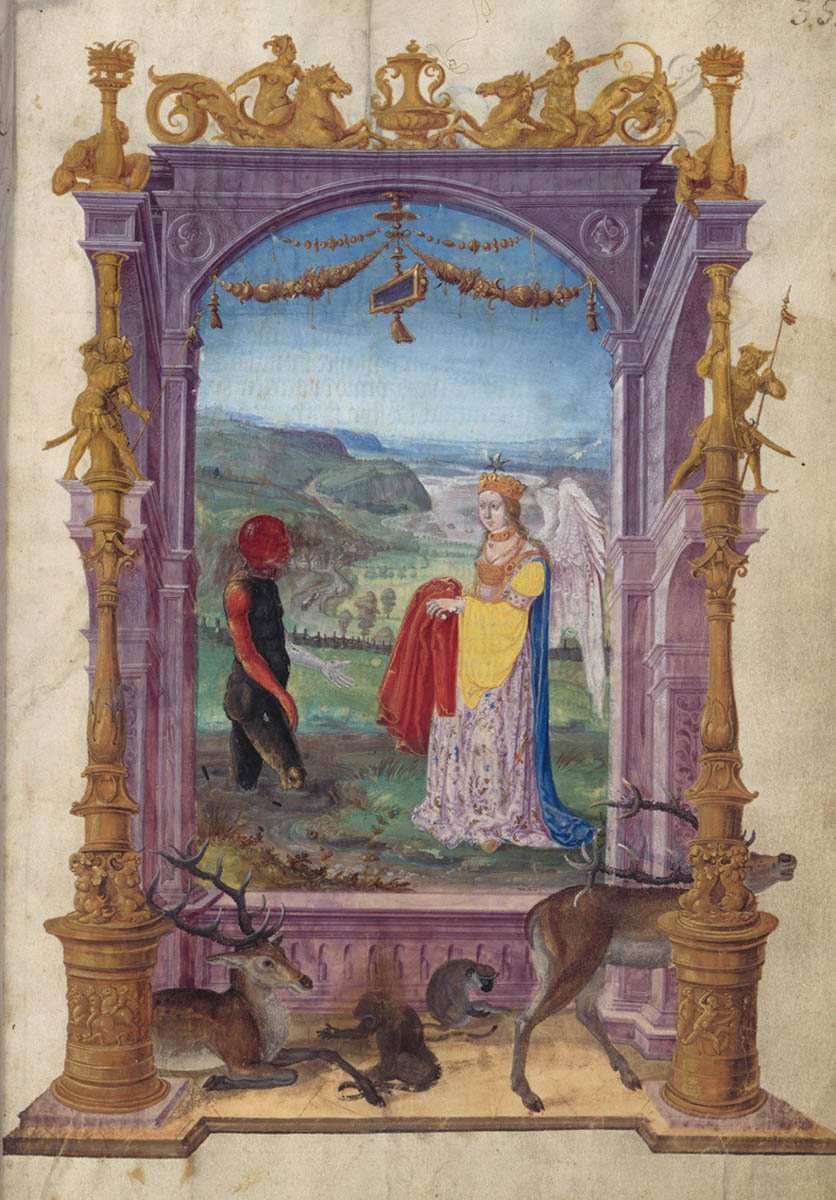
spiritual alchemy splendor solis illustration

Splendor Solis (The Splendour of the Sun), via The Ritman Library, Amsterdam

The distillation stage is the stage when all of the impurities are removed, and there is nothing left but the essence. In Chemistry, distillation involves boiling and condensation to separate components and is commonly used in desalination. A liquid is boiled until it evaporates, and as the steam condenses, the essence is liberated from the matter. It marks the point at which our essence becomes spiritualized. In others words, in spiritual alchemy, distillation is a metaphor for the actualization of one’s spirit.

In Jungian terminology, this stage also involves the assimilation of any shadow aspects into our true self. It is the distillation of one’s true self and represents a step up in consciousness as our core identity is freed from any inferior elements. At this stage, the ego has ceased dominating behavior as we begin to hear the voice of our soul. It also marks the point at which the conscious and unconscious aspects of the self are brought into harmony.

Stage Seven: Coagulation

occult joseph wright derby alchymist painting

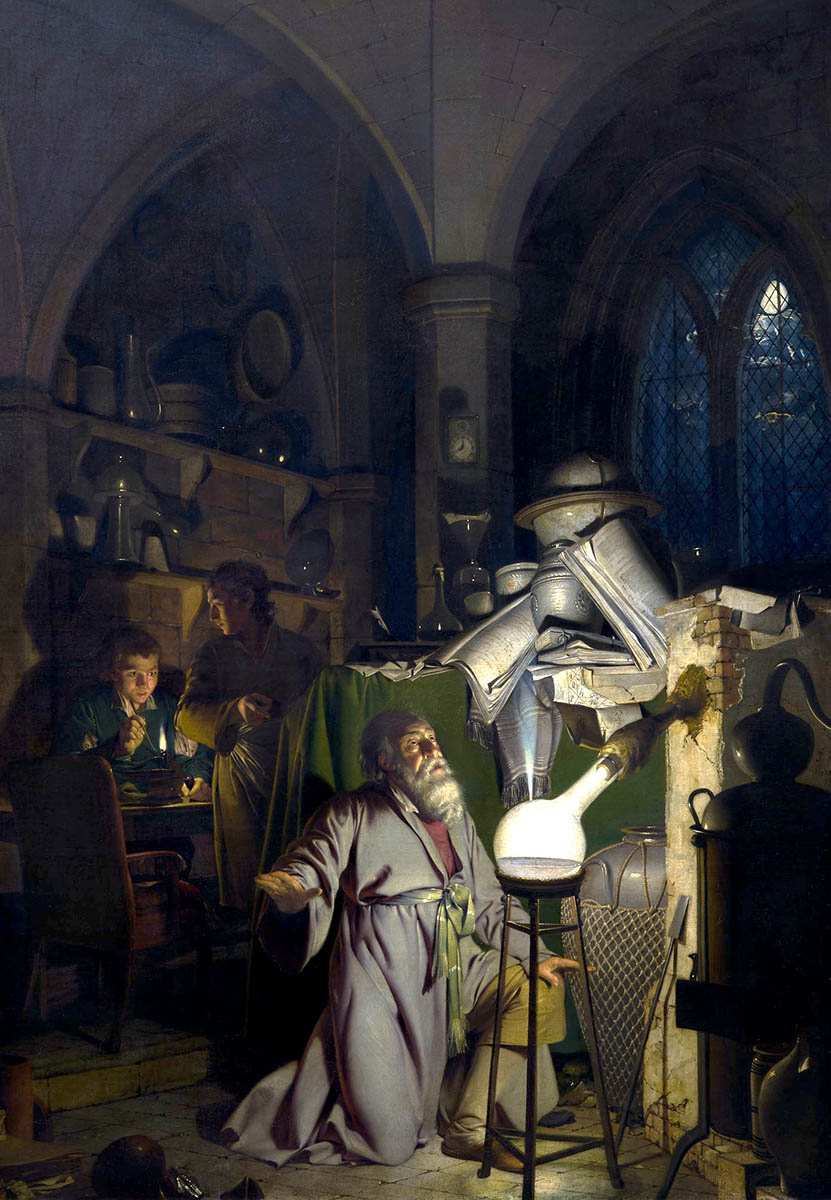
The Alchymist, in Search of the Philosopher’s Stone, Discovers Phosphorus by Joseph Wright of Derby, 1771, via Derby Museums

The final stage is coagulation, which describes the process of solidification where one’s essential self becomes whole. Coagulation refers to the process by which a liquid, typically blood, solidifies. It occurs when we are cut in order to form a scab. In spiritual alchemy, coagulation involves the solidification of our true self and can be likened to healing from a wound as we feel ourselves to be independent and complete.

Coagulation involves the complete unification of polarities: spirit and matter, body and soul, masculine and feminine, to form a single whole. In this final stage, one’s higher self emerges, and it can be likened to the point when the gold cools and solidifies.

Spiritual Alchemy, The Occult, & Art

spiritual alchemy karena karras genesis painting

Karena A. Karras, Genesis by Karena A. Karras, 2005, via Alchemy Website (part of The Ferguson Collection at the University of Glasgow)

Since the medieval period, some of the most imaginative and surreal artworks have taken spiritual alchemy and the occult as their subject. Artists have been inspired by the alchemical process and occult practices, particularly for their symbolic potency and the richness of meaning. Moreover, the links between different worlds, such as the spiritual and material, the conscious and the unconscious, the sensual and the scientific, make spiritual alchemy the perfect subject for painting.

Several notable historical figures were drawn to the alchemical practice, including Paracelsus, Hermes, and Carl Jung, who all found value in the emancipatory potential of spiritual alchemy. Spiritual alchemy was also taken as a subject by many artists from the medieval period to the present day. Alchemical symbols can be found in many works of art, such as the Tarot cards.

Spiritual alchemy is also a great larder of symbols, motifs, and themes that artists have accessed and interpreted in their own ways. Karena Karras is an excellent example as she merges human and animal, ghostly and corporeal, with alchemic motifs and vibrant use of color to create otherworldly dimensions. In summary, spiritual alchemy is a seven-stage process of spiritual renewal and transformation that uses the occult science as a metaphor. Outside of the realm of hard science, it has had a significant impact on painting and illustration, psychology, and spirituality.

Author Image

By Thomas EllisonBA & MPhil in Literature w/ focus on PoetryThomas works as a writer and lives in Leeds UK. He has a BA and an MPhil in Literature with a focus on poetry. In his spare time, he makes music and has interests in the Tarot, the I Ching, and visual art.

The Alchemist by David Teniers the Younger, 1643-45, via The Metropolitan Museum of Art, New York 

Adding “sweetness” to our Life

Adding “sweetness” to our Life

Adding “sweetness” to our life

& the recognition of sweetness

that we have overlooked.

To Help One Encounter the Sweetness in Life that Has Been Missing!

LIVE uncut flower frequencies in pure water

Preserved with a small amount of organic grain spirits

One fluid ounce (30mL.) of liquid drops. Preferable to sip in water, or take straight

Affiliate with Us and Do Well While Helping Your Community Flower in Power!  newnow@newagora.ca

Week in Weed – January 13, 2024

Week in Weed – January 13, 2024

In cannabis news this week, StratCann covered the newest Canadian cannabis survey that shows the legal market is continuing to eat into the illicit market in Canada, with nearly 3/4s of all purchases coming from the regulated market.

In another article, we highlighted that Canadians bought more than $16 billion worth of cannabis in the first five years of legalization.

We also looked at an update from BC as it continues putting off its decision on raising the retail store cap from eight, and Tilray’s newest quarterly report in which they lost less money than last year.

We also looked at two more cannabis stores in BC that were targeted in early morning burglaries.

Tether’s sampling event is coming to Vancouver on January 24, and we profiled Proficiency Testing Canada and how they are improving laboratory data quality with real cannabis samples.

In other cannabis news in Canada and elsewhere…

CTV interviewed the owners of The Vault Hemp & Cannabis Boutique in Manitoba, which has a new location opening in Gilbert Plains. The company’s first store was in an abandoned CIBC bank building, hence the name. The Gilbert Plains location is one of five new stores The Vault hopes to open in Manitoba in 2024, bringing the chain’s total to eight across the province.

University of Saskatchewan (USask) researchers are developing models to more accurately determine the effects of cannabis on consumers by conducting studies that utilize a novel cannabis smoke delivery system to burn commercially available cultivars. 

Sales of alcohol are down, while cannabis is up, writes CTV Atlantic.

THC BioMed Intl Ltd., located in Kelowna, BC, is facing delays in filing its annual financial statements due to unpaid auditor fees, which also led to a management cease trade order by the British Columbia Securities Commission. The company expects to receive payments from various provincial cannabis operations in Canada later this month, which it believes will be enough to settle the outstanding audit fees.

A new report shows that federal scientists in the US recommend easing restrictions on cannabis. The recommendations are contained in a 250-page scientific review provided to a Texas lawyer who sued the US Health and Human Services officials for its release and then published it online on Friday night. 


Legal market continues to eat into illicit market in Canada while reported cannabis use remains the same

Legal market continues to eat into illicit market in Canada while reported cannabis use remains the same

Health Canada’s most recent summary of its annual survey of cannabis users shows an increasing number of cannabis users say they are purchasing products through the legal, regulated market (73%).

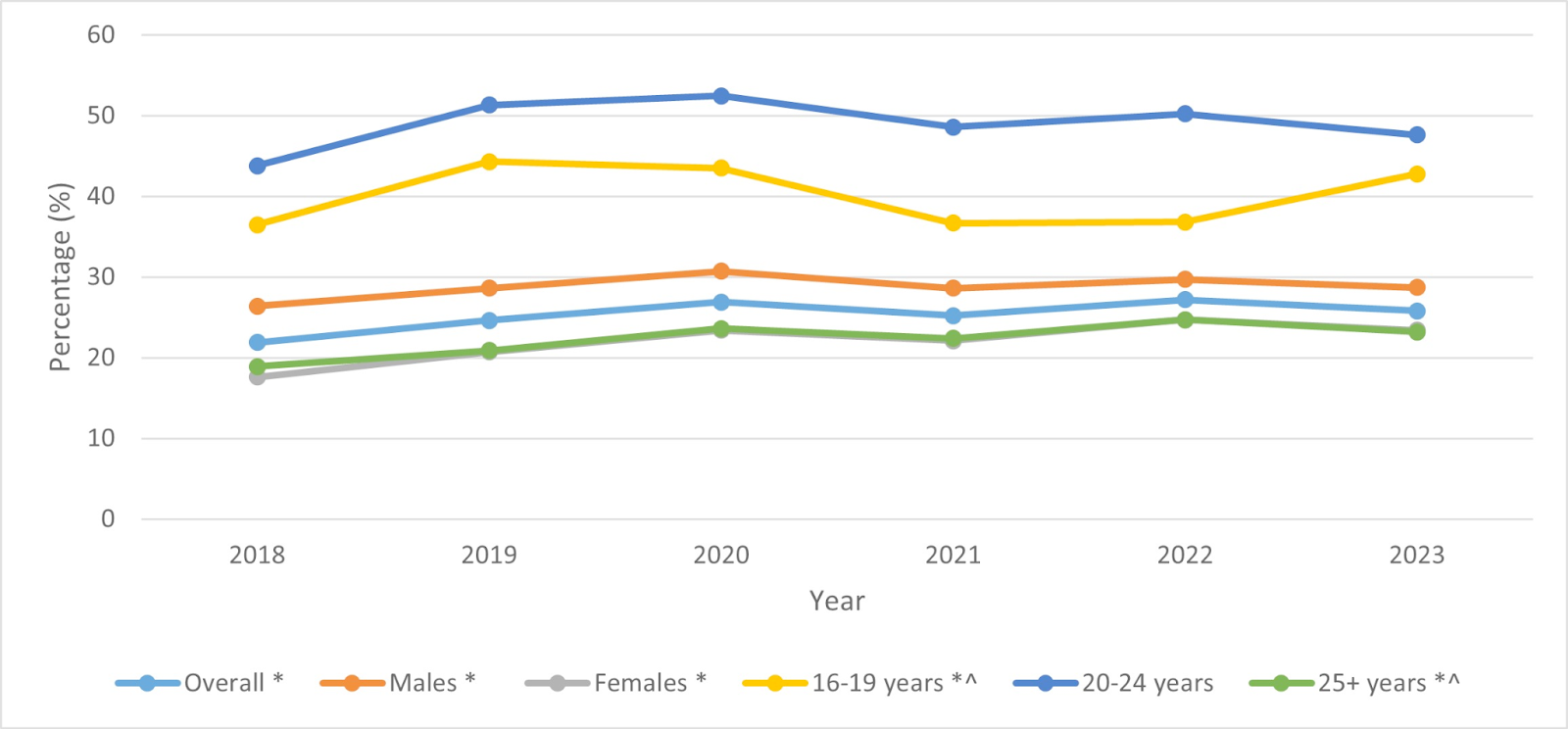
The percentage of respondents who use cannabis and reported daily, or almost daily, use has been stable since 2018 (~25%), including among youth (~20%).

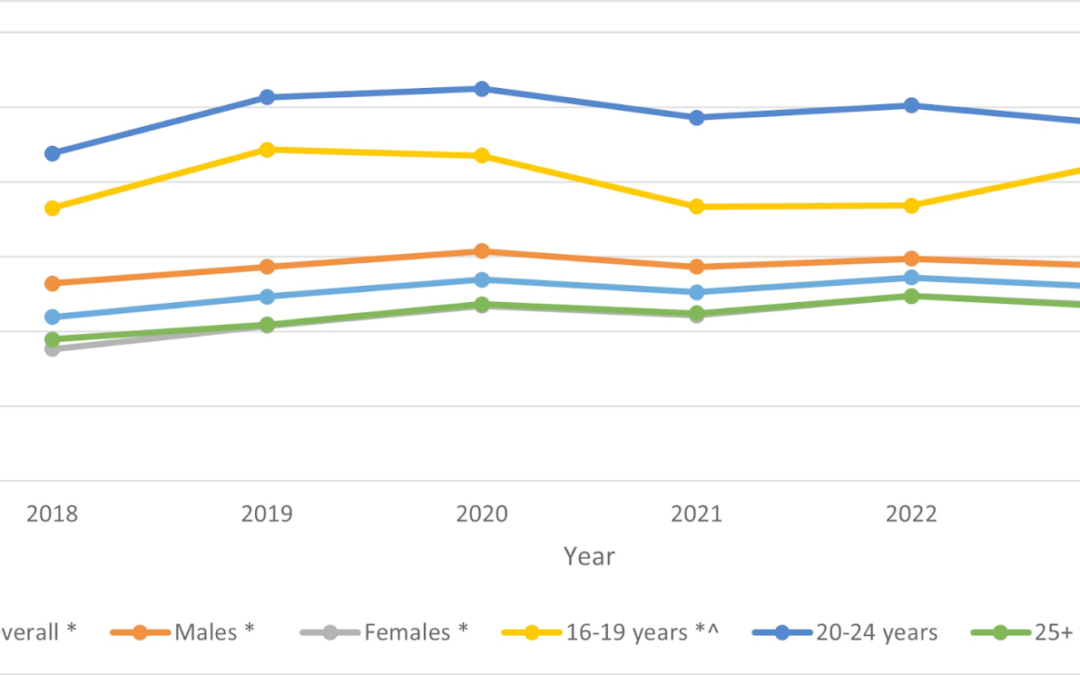
There was, however, an increase in the number of people aged 16-19 who reported using cannabis at least once in the past 12 months, from 37% in 2022 to 43% in 2023. This number has fluctuated between those two percentage points since legalization. 

All other age groups reported a slight decrease in cannabis use from the previous year. 

Past 12-month cannabis use for non-medical purposes, by sex and age group, 2018 to 2023

The annual Canadian Cannabis Survey (CCS), which Health Canada has been conducting and releasing since 2017, helps track trends among cannabis consumers before and after cannabis was legalized. 

The new 2023 survey results are based on data collected from May 2 to July 20, 2023, from around 11,690 respondents aged 16 and older across all of Canada.

The survey also asked Canadians about their perception of how socially acceptable products like alcohol, tobacco, e-cigarettes, and cannabis are. All products showed an increasing social acceptance, with regularly drinking alcohol being seen as the most accepted at 75%, followed by eating or drinking cannabis (58%), vaping cannabis (55%—this combines two questions on vaping dried cannabis and liquid/solid cannabis extracts), and smoking cannabis (54%).

The number of Canadians who reported using cannabis with alcohol and/or together declined in 2023.

The perceived risk of using these products was highest for smoking and vaping nicotine, although both were down slightly from the previous year. This was followed by drinking alcohol, which saw the perceived risk increase significantly from the previous years. The perceived risk of vaping cannabis also increased from the previous year, although less so than alcohol. 

Those perceived risk of smoking cannabis increased slightly from the previous year, a trend over the last few years, while the perceived risk of eating and drinking cannabis has continued to decline. 

Around 26% of those Canadians surveyed, aged 16 and older, admitted to consuming cannabis for non-medical purposes in the past 12 months. This number has remained relatively steady since legalization, which was 22% in 2018 and 27% in 2022.

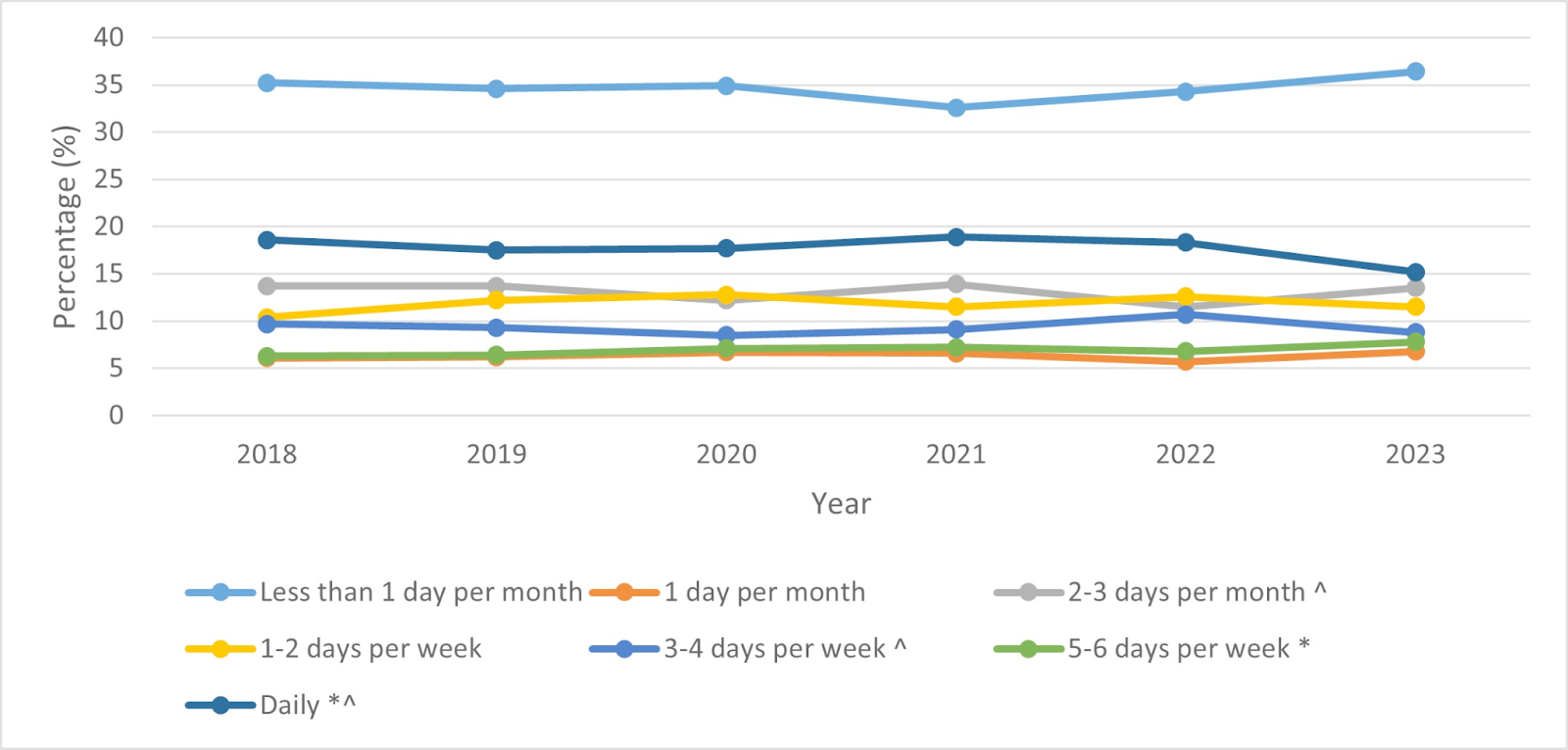
Of those Canadians who reported using cannabis, 57% reported using cannabis three days per month or less, while 15% reported daily cannabis use.

Fifteen percent reported getting their cannabis from a “social source” such as sharing with friends or family. Just 5% reported growing their own cannabis or having it specifically grown for them. Both of these sources have declined since legalization..

Only 3% of people reported using an illegal purchase source such as an illegal store, illegal website or “dealer”, down from nearly 30% in 2018. A new data point captured in 2023 shows that only 2% reported getting their cannabis from a storefront in a First Nation community.

Men continue to be more likely than women to report using cannabis, while those who identify as bisexual (56%), another sexuality (54%), or lesbian or gay (48%) were more likely to report using cannabis compared to those who identified as heterosexual or straight (23%).

Frequency of cannabis use for non-medical purposes among those who have used cannabis in the past 12 months, 2018 to 2023

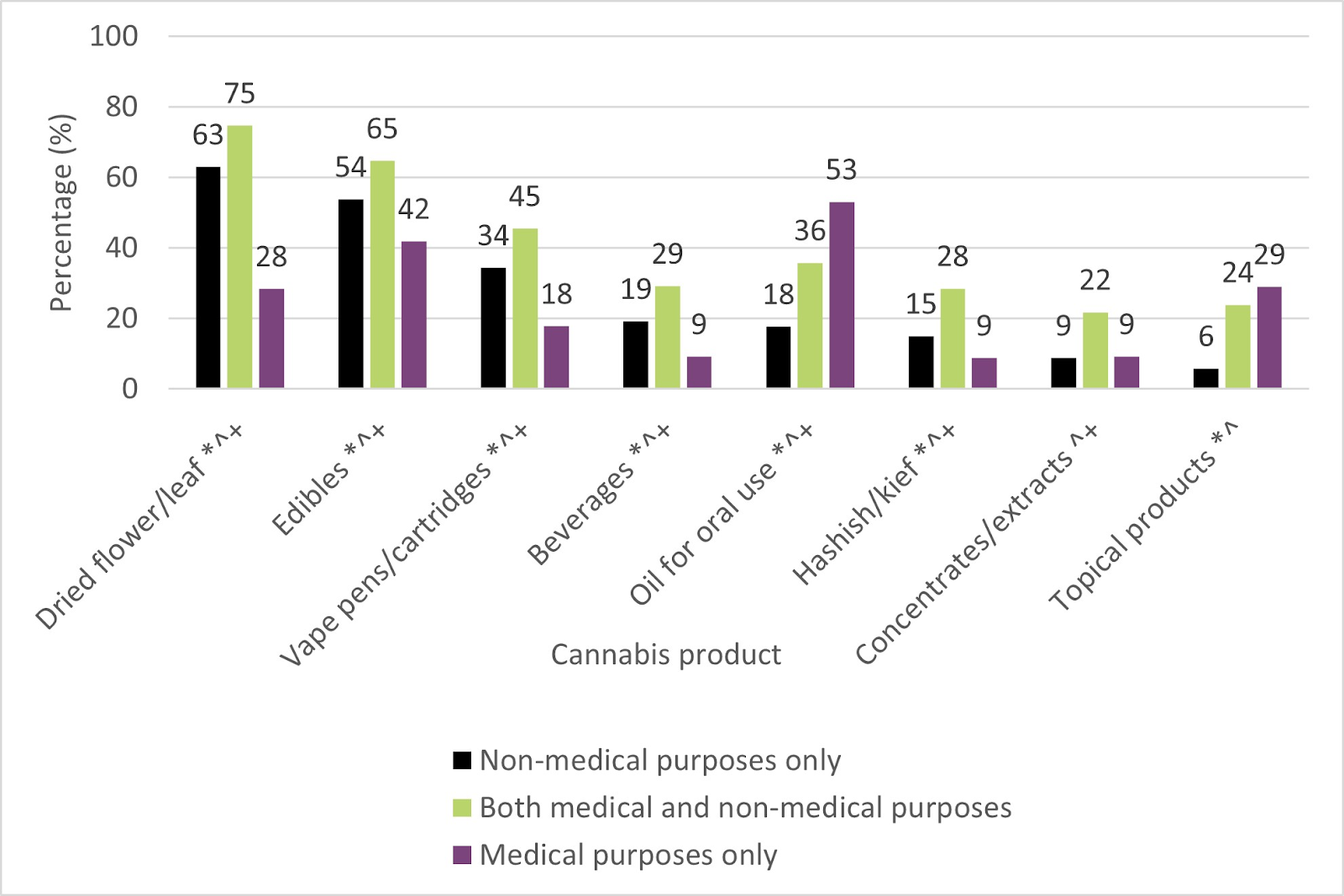
Dried flower continues to be the most commonly used cannabis product, although the figure continues to decline as other products become available. In 2023, 60% of cannabis users said they consumed dried flower, down from over 80% in 2018. 

Edibles were the second most commonly consumed cannabis product in Canada in 2023, at 54%, up about 41% in 2018. Vape pens were the third most popular cannabis product, with about  34% of consumers choosing these products, up from about 18% in 2018 (respondents could choose more than one product). 

Cannabis oils and capsules for oral use were the fourth most popular cannabis product in Canada, with 26% reporting using these products, up from about 18% in 2018. 

Cannabis products used among those who had used cannabis in the past 12 months, by reason for use, 2023

Dried flower was the product most commonly used daily or near-daily, followed by vape pens, ingestible oils and capsules, concentrates, and topicals. Edibles and beverages were more widely consumed less than once a month. 

Of those who smoked or vaped dried cannabis, the average amount used was just under 1 gram (down from 2018 and 2022). 

Those who used edible cannabis consumed about 1.4 servings (up from 2018 and 2022). 

The average amount of cannabis oil for oral use consumed was 2.3 millilitres (up from 2018 and 2022). 

In 2023, consumers who used vape pens reported using an average of 10.3 puffs a day. Those who drank cannabis beverages daily reported having 1.2 drinks.

Only around 10% of Canadians who reported using cannabis in the past 12 months, and just 4% of all Canadians, said cannabis had been grown in their home in the same reporting period, down from 2020 and 2022.

About one-fifth of those who reported having cannabis grown in their home (21%) said it was grown by a person authorized by Health Canada to grow for medical purposes for themselves or for another person. The average number of plants was 3.4. (People who reported more than 25 plants were not included in the averages to allow for comparability to previous years.)

Related Articles