Some Kentucky advocates are considering the idea of exploring ibogaine, a relatively unknown psychedelic drug, as a potential treatment for opioid addiction. The Kentucky Opioid Abatement Advisory Committee is thinking of funding ibogaine research as part of efforts to combat the spiraling opioid epidemic and save countless lives.
America has been in the grip of an opioid epidemic and has lost hundreds of thousands of people to opioid overdoses over the past two decades. Opioids have been the main treatment option for chronic pain conditions for several decades due to their incredible pain-relieving capabilities. However, they have an extremely high risk of dependence and addiction, causing many chronic pain patients to develop addictions that can become destructive and fatal.
Researchers have invested considerable time and funds into developing safer alternative pain relief medications for quite some time. Psychedelics, a class of outlawed drugs that have primarily been used recreationally for their hallucinatory effects, are now attracting considerable attention due to their potential mental-health benefits. This includes treating mental conditions such as substance use disorder, depression, anxiety and post-traumatic stress disorder (PTSD).
Ibogaine is extracted from a shrub called “iboga” that typically grows in Central Africa and is currently outlawed in the United States. However, the psychedelic has gained immense popularity in Mexico, where it is legal, as an alternative therapy for opioid-use disorder. However, unlike psychedelics such as psilocybin, which are relatively harmless even when taken recreationally, ibogaine can be deadly when taken without medical supervision.
Even so, the psychedelic has shown some promise as an alternative treatment for opioid addiction. Genís Oña, a researcher at International Center for Ethnobotanical Education, Research and Service, says we need better research to broaden our understanding of how ibogaine works.
Kentucky’s state opioid committee is planning to vote on whether or not the state should begin funding this ibogaine research. If the committee approves this move, $42 million of the nearly $840 million received as settlements from drug makers, distributors and pharmacies would be allocated to studying ibogaine therapy. This research would give scientists significant insight into the safety and efficacy of ibogaine therapy for opioid addiction at a time when America desperately needs such therapies.
Opioids were significantly responsible for the more than 100,000 overdose deaths that occurred in 2020, and Kentucky ranks second nationally in terms of drug-overdose deaths. Data from the Centers for Disease Control and Prevention also shows that the state has a drug-overdose death rate of 55.6 per 1,000 deaths and is only surpassed by West Virginia, which has an overdose death rate of 90 per 1,000 people.
While Kentucky considers funding studies to establish the efficacy of ibogaine in addressing opioid addiction, many startups such as Seelos Therapeutics Inc. (NASDAQ: SEEL) are focusing on developing a catalog of psychedelic-based treatments for several mental-health issues, including PTSD, depression and substance abuse.
About PsychedelicNewsWire
PsychedelicNewsWire (“PNW”) is a specialized communications platform with a focus on all aspects of psychedelics and the latest developments and advances in the psychedelics sector. It is one of 60+ brands within the Dynamic Brand Portfolio @ IBN that delivers: (1) access to a vast network of wire solutions via InvestorWire to efficiently and effectively reach a myriad of target markets, demographics and diverse industries; (2) article and editorial syndication to 5,000+ outlets; (3) enhanced press release enhancement to ensure maximum impact; (4) social media distribution via IBN to millions of social media followers; and (5) a full array of tailored corporate communications solutions. With broad reach and a seasoned team of contributing journalists and writers, PNW is uniquely positioned to best serve private and public companies that want to reach a wide audience of investors, influencers, consumers, journalists and the general public. By cutting through the overload of information in today’s market, PNW brings its clients unparalleled recognition and brand awareness. PNW is where breaking news, insightful content and actionable information converge.
To receive SMS alerts from PsychedelicNewsWire, text “Groovy” to 888-902-4192 (U.S. Mobile Phones Only)
Please see full terms of use and disclaimers on the PsychedelicNewsWire website applicable to all content provided by PNW, wherever published or re-published: https://www.PsychedelicNewsWire.com/Disclaimer
(Globe Newswire) Vancouver — Mydecine Innovations Group Inc., a forefront biotechnology company dedicated to revolutionising mental health and addiction treatment, proudly announces the company has received the issuance of a Notice of Allowance by the United States Patent and Trademark Office (USPTO) for their MYCO-005 compound, “Novel Aza-Substituted Psilocin Analogs and Methods of Synthesizing the Same Unique Compound (US20230348380A1).”
This composition of matter patent underscores Mydecine’s commitment to innovation in mental health therapeutics. MYCO-005, a novel compound, that mimics psilocin as an improved version engineered to act therapeutically similar to psilocin while dramatically reducing highly undesirable side effects from long-term sustained use of psilocybin and almost all-known classical serotonin agonists (LSD, DMT, etc.), specifically addressing valvular fibrosis concerns recognised by leading clinicians and FDA regulators. MYCO-005 is designed with selective binding to 5-HT2A receptors and does not bind to 5-HT2B receptors for both macro and microdosing.
In 2020, Mydecine filed its provisional patent application encompassing multiple families of psilocin analogs, with MYCO-005 emerging as a second-generation breakthrough. This compound addresses stability and receptor binding concerns associated with first-generation compounds, introducing a novel psilocin analog with potentially heart-safe microdose-enabling properties, eliminating a known cardiovascular risk factor.
Microdosing, gaining recognition as a potential treatment for ADHD, depression, and anxiety, is often hindered by the cardiovascular risks associated with psilocybin. Chief scientific officer, Rob Roscow, highlighted the risks linked to the 5-HT2B receptor and heart valve tissue fibrosis.
Advertisement
“Mydecine’s research on MYCO-005 demonstrates robust binding to the classic psychedelic 5-HT2A receptor while avoiding binding to the 5-HT2B receptor, suggesting an enhanced safety profile for microdosing,” stated Roscow. This advancement positions MYCO-005 as a safer alternative for those suffering from anxiety or depression disorders.
Mydecine Innovations Group continues to lead the way in biotechnological advancements, dedicated to pioneering safer and more effective solutions for mental health and addiction disorders.
September saw Arizona’s marijuana sales surpass $1 billion for the year following a pattern that both recreational and medical markets seemed to have stabilized over the previous few months. The state’s revenue department (ADOR) data for August and September reveals a consistent pattern, with medical sales remaining around one-third of recreational sales.
September’s medical sales were marginally below $27 million, down from $28.7 million in August. This represents the lowest in medical sales since the legalization of recreational marijuana in 2021. The last time medical sales surpassed $30 million was in June, and they have been consistently declining from the peak of $73.4 million in April 2021.
Contrastingly, recreational sales have remained robust, consistently surpassing $80 million since dropping below $90 million in May. August reported recreational cannabis sales at $85.8 million, followed by slightly more than $80 million in September. The recreational market has only failed to reach the $80 million mark twice —in May and June of 2022 at $79.3 million and $77.2 million, respectively.
However, those figures could alter because ADOR often modifies the figures from previous months with new reports. For example, the most recent announcement from ADOR raised July’s medical sales from $26.1 million to $27.3 million, while recreational sales changed from $77.4 million to $80.5 million.
As of September 2023, total medical marijuana sales for the year reached $267 million, while recreational sales amounted to nearly $797 million, culminating in a year-to-date total of almost $1.1 billion. Since the commencement of recreational cannabis sales in 2021, the industry has generated more than $4 billion, with approximately $2.5 billion attributed to adult-use sales.
The state has collected substantial taxes from both sectors, with $2.2 million and $2.4 million from medical cannabis sales in September and August, respectively, and $12.8 million and $13.7 million from recreational sales. Arizona applies a standard sales tax of 5.5% and a 16% excise tax on recreational sales. Medical patients only foot the standard 5.5% sales tax. Local jurisdictions add roughly 2% to all cannabis sales.
Around $174.5 million has been collected thus far in 2023 from the recreational sales excise tax. In 2021, recreational marijuana generated $33 million, and in 2022, the figure surged to $132.7 million. Since recreational cannabis legalization, the state has amassed more than $392 million in cannabis excise taxes.
The tax revenues are allocated to various sectors: 10% goes toward the justice reinvestment fund, which supports communities disproportionately impacted by cannabis criminalization; 34% goes toward community colleges; 31% goes toward public safety; and 25% goes to the Arizona Highway User Fund.
There were 121,047 qualified cannabis patient cardholders as of October 2023, compared to 123,795 in September. Before the introduction of recreational cannabis, there were 299,055 qualifying patients. The report also noted that 4,475 pounds of cannabis were purchased for medical purposes in October, down from 4,622 in September, bringing the total for the year as of October to 47,076 pounds.
The thriving marijuana industry in Arizona in a way depicts what is happening in many markets in which regulated cannabis sales are allowed and companies such as TerrAscend Corp. (TSX: TSND) (OTCQX: TSNDF) obtain licenses to commercialize innovative cannabis products.
About CNW420
CNW420 spotlights the latest developments in the rapidly evolving cannabis industry through the release of two informative articles each business day. Our concise, informative content serves as a gateway for investors interested in the legalized cannabis sector and provides updates on how regulatory developments may impact financial markets. Articles are released each business day at 4:20 a.m. and 4:20 p.m. Eastern – our tribute to the time synonymous with cannabis culture. If marijuana and the burgeoning industry surrounding it are on your radar, CNW420 is for you! Check back daily to stay up-to-date on the latest milestones in the fast -changing world of cannabis.
To receive SMS alerts from CNW, text CANNABIS to 888-902-4192 (U.S. Mobile Phones Only)
Please see full terms of use and disclaimers on the CannabisNewsWire website applicable to all content provided by CNW, wherever published or re-published: https://www.CannabisNewsWire.com/Disclaimer
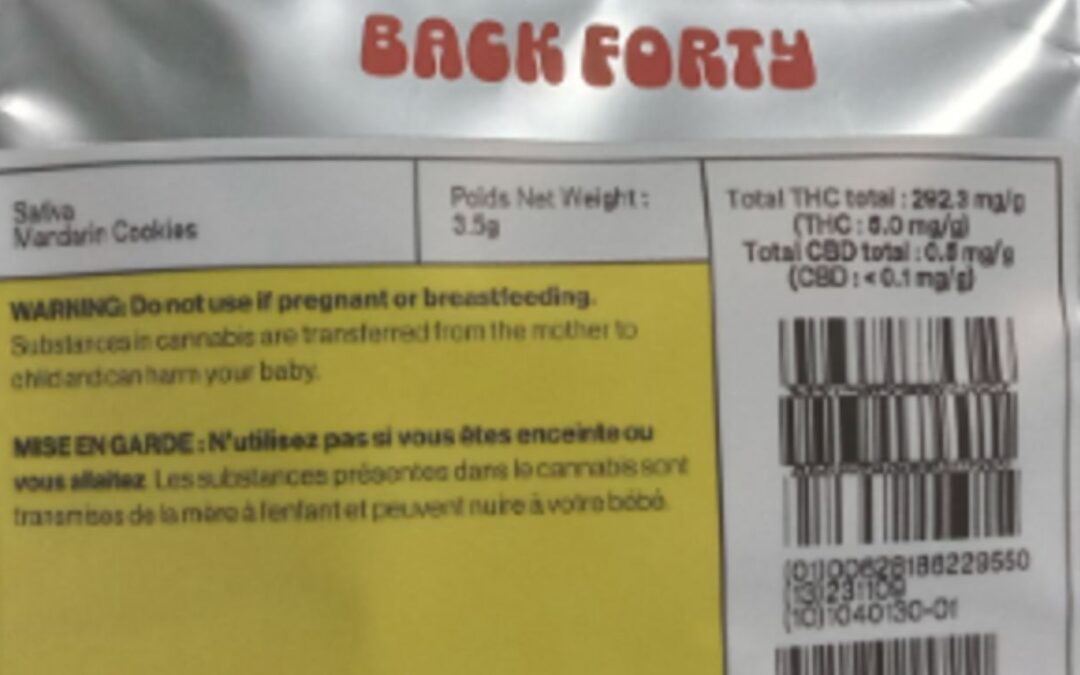
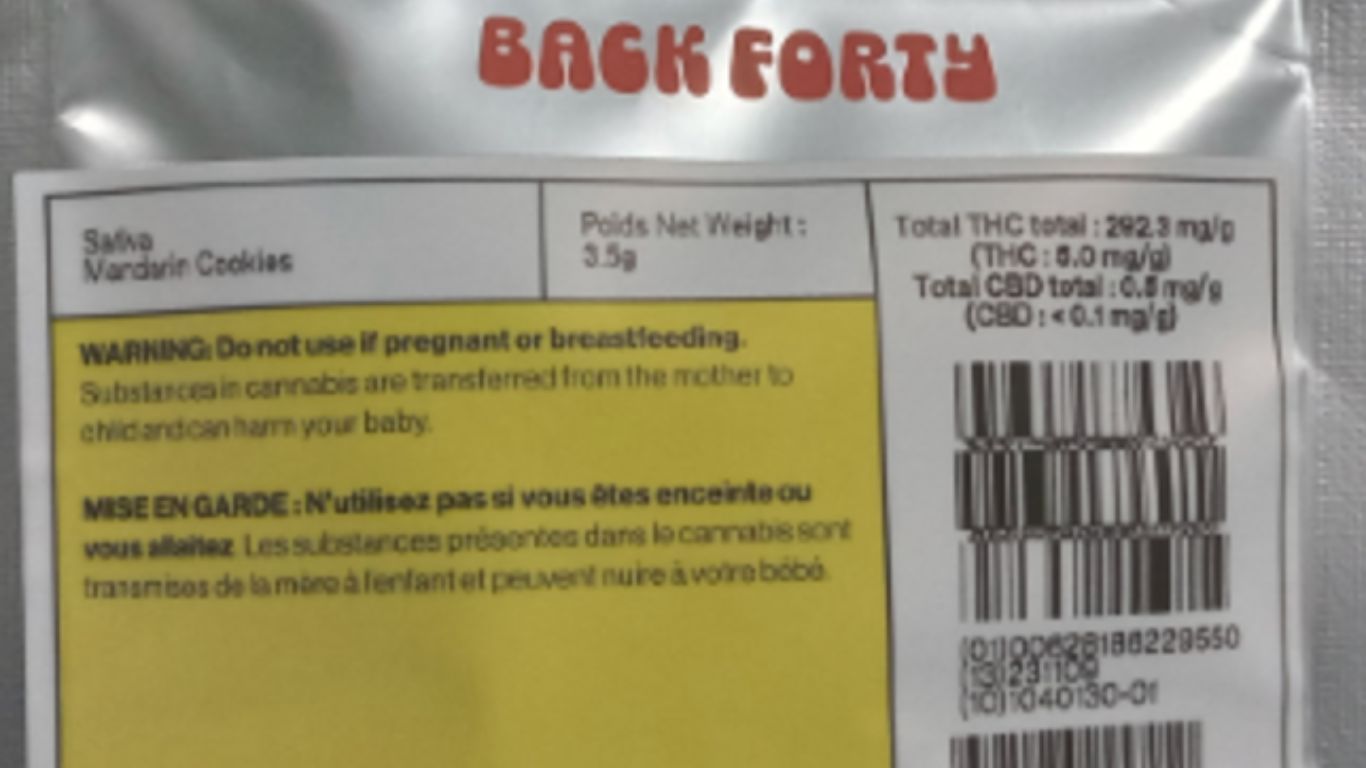
Auxly Ottawa has recalled one lot of its Back Forty Sativa Mandarin Cookies dried cannabis sold in Manitoba, due to a labelling and packaging error.
The printed value on the label of the 3.5 gram SKUs was 5.0 mg/g THC and 292.2 mg/g total THC. The actual values are 4.6 mg/g THC and 252.7 mg/g Total THC.
To date, Auxly Ottawa Inc. and Health Canada have not received any complaints related to the recalled lot, nor has Health Canada or Auxly Ottawa Inc. received any adverse reaction reports for the recalled cannabis product lot.
There were 571 units of recalled product sold in the Manitoba market from November 10 to November 21, 2023.
Health Canada says consumers should verify whether their product is affected and to contact the store where it was purchased if they wish to return the product. Labelling errors are the most common reason for cannabis recalls in Canada. Health Canada has issued more than a dozen recalls for cannabis products so far in 2023, mostly relating to inaccurately labelled THC and CBD levels.
In a significant development, multistate operators holding medical cannabis licenses in New York have received approval from state regulators to venture into the adult-use market starting Dec. 29, 2023. This approval comes one year after the state initiated recreational marijuana sales, signaling a notable progression in the unfolding narrative of New York’s adult-use cannabis sector.
The decision by the Marijuana Control Board (CCB) has long been anticipated, and it represents a pivotal moment that has sparked controversy throughout the rollout of the state’s recreational marijuana market. This move follows a ruling by the New York State Supreme Court on Dec. 1, 2023, wherein an injunction hindering the issuance of new recreational marijuana business licenses was lifted, clearing the path for regulatory authorities to greenlight the expansion.
During its meeting, the CCB gave the nod to six registered organizations, namely Columbia Care NY, Curaleaf NY, Etain, NYCanna, PharmaCann of NY and Valley Agriceuticals.
Earlier this year, it was reported that the state’s Office of Marijuana Management (OCM) had proposed allowing multistate operators to enter the recreational market by year-end. A three-year waiting period that was placed on the state’s 10 vertically integrated medical cannabis providers was essentially eliminated by this plan.
The primary purpose of the waiting time was to provide social-equity shops and smaller suppliers with a first-to-market advantage. However, when unlicensed cannabis businesses proliferated, particularly in New York City, the waiting period was altered.
Despite efforts to expand retail channels and hasten business operations, delays persisted in approving hundreds of CAURD licensees and applicants due to legal challenges over social equity provisions and licensing process.
In another development, the Office of Marijuana Management dealt a setback to the state’s small group of craft cultivators by announcing the discontinuation of the Marijuana Growers Showcase program by year-end. This decision, contrary to the preferences of smaller growers, marks a change in strategy for the showcases, which were initially designed to assist cultivators in selling excess inventory from the previous year.
According to the state, the showcase program has generated more than $4 million in sales this year. While adult-use cannabis retailers in New York have amassed more than $110 million in sales in the current year, this falls significantly short of the billion-dollar projections made prior to the launch of adult-use sales. The Office of Cannabis Management revealed that as of last week, 31 recreational marijuana stores are open statewide.
The growth and consolidation of the recreational cannabis market in New York State could give ancillary entities such as Innovative Industrial Properties Inc. (NYSE: IIPR) opportunities to expand their reach and serve clients in that jurisdiction.
About CNW420
CNW420 spotlights the latest developments in the rapidly evolving cannabis industry through the release of two informative articles each business day. Our concise, informative content serves as a gateway for investors interested in the legalized cannabis sector and provides updates on how regulatory developments may impact financial markets. Articles are released each business day at 4:20 a.m. and 4:20 p.m. Eastern – our tribute to the time synonymous with cannabis culture. If marijuana and the burgeoning industry surrounding it are on your radar, CNW420 is for you! Check back daily to stay up-to-date on the latest milestones in the fast -changing world of cannabis.
To receive SMS alerts from CNW, text CANNABIS to 888-902-4192 (U.S. Mobile Phones Only)
Please see full terms of use and disclaimers on the CannabisNewsWire website applicable to all content provided by CNW, wherever published or re-published: https://www.CannabisNewsWire.com/Disclaimer
The Deep State’s Persecution of Its Most Vulnerable Citizens
By John & Nisha Whitehead
“When the song of the angels is stilled, when the star in the sky is gone, when the kings and princes are home, when the shepherds are back with their flocks, the work of Christmas begins: to find the lost, to heal the broken, to feed the hungry, to release the prisoner, to rebuild the nations, to bring peace among the people, to make music in the heart.”—Howard Thurman, theologian and civil rights activist
The Christmas story of a baby born in a manger is a familiar one.
The Roman Empire, a police state in its own right, had ordered that a census be conducted. Joseph and his pregnant wife Mary traveled to the little town of Bethlehem so that they could be counted. There being no room for the couple at any of the inns, they stayed in a stable (a barn), where Mary gave birth to a baby boy, Jesus. Warned that the government planned to kill the baby, Jesus’ family fled with him to Egypt until it was safe to return to their native land.
Yet what if Jesus had been born 2,000 years later?
What if, instead of being born into the Roman police state, Jesus had been born at this moment in time? What kind of reception would Jesus and his family be given? Would we recognize the Christ child’s humanity, let alone his divinity? Would we treat him any differently than he was treated by the Roman Empire? If his family were forced to flee violence in their native country and sought refuge and asylum within our borders, what sanctuary would we offer them?
Those nativity scenes were a pointed attempt to remind the modern world that the narrative about the birth of Jesus is one that speaks on multiple fronts to a world that has allowed the life, teachings and crucifixion of Jesus to be drowned out by partisan politics, secularism, materialism and war, all driven by a manipulative shadow government called the Deep State.
The modern-day church has largely shied away from applying Jesus’ teachings to modern problems such as war, poverty, immigration, etc., but thankfully there have been individuals throughout history who ask themselves and the world: what would Jesus do?
What would Jesus—the baby born in Bethlehem who grew into an itinerant preacher and revolutionary activist, who not only died challenging the police state of his day (namely, the Roman Empire) but spent his adult life speaking truth to power, challenging the status quo of his day, and pushing back against the abuses of the Roman Empire—do about the injustices of our modern age?
Dietrich Bonhoeffer asked himself what Jesus would have done about the horrors perpetrated by Hitler and his assassins. The answer: Bonhoeffer was executed by Hitler for attempting to undermine the tyranny at the heart of Nazi Germany.
Martin Luther King Jr. asked himself what Jesus would have done about America’s warmongering. The answer: declaring “my conscience leaves me no other choice,” King risked widespread condemnation as well as his life when he publicly opposed the Vietnam War on moral and economic grounds.
Even now, despite the popularity of the phrase “What Would Jesus Do?” (WWJD) in Christian circles, there remains a disconnect in the modern church between the teachings of Christ and the suffering of what Jesus in Matthew 25 refers to as the “least of these.”
Yet this is not a theological gray area: Jesus was unequivocal about his views on many things, not the least of which was charity, compassion, war, tyranny and love.
After all, Jesus—the revered preacher, teacher, radical and prophet—was born into a police state not unlike the growing menace of the American police state. When he grew up, he had powerful, profound things to say, things that would change how we view people, alter government policies and change the world. “Blessed are the merciful,” “Blessed are the peacemakers,” and “Love your enemies” are just a few examples of his most profound and revolutionary teachings.
When confronted by those in authority, Jesus did not shy away from speaking truth to power. Indeed, his teachings undermined the political and religious establishment of his day. It cost him his life. He was eventually crucified as a warning to others not to challenge the powers-that-be.
Can you imagine what Jesus’ life would have been like if, instead of being born into the Roman police state, he had been born and raised in the American police state?
Consider the following if you will.
Had Jesus been born in the era of the America police state, rather than traveling to Bethlehem for a census, Jesus’ parents would have been mailed a 28-page American Community Survey, a mandatory government questionnaire documenting their habits, household inhabitants, work schedule, how many toilets are in your home, etc. The penalty for not responding to this invasive survey can go as high as $5,000.
Instead of being born in a manger, Jesus might have been born at home. Rather than wise men and shepherds bringing gifts, however, the baby’s parents might have been forced to ward off visits from state social workers intent on prosecuting them for the home birth. One couple in Washington had all three of their children removed after social services objected to the two youngest being birthed in an unassisted home delivery.
Then again, had Jesus’ parents been undocumented immigrants, they and the newborn baby might have been shuffled to a profit-driven, private prison for illegals where they first would have been separated from each other, the children detained in make-shift cages, and the parents eventually turned into cheap, forced laborers for corporations such as Starbucks, Microsoft, Walmart, and Victoria’s Secret. There’s quite a lot of money to be made from imprisoning immigrants, especially when taxpayers are footing the bill.
From the time he was old enough to attend school, Jesus would have been drilled in lessons of compliance and obedience to government authorities, while learning little about his own rights. Had he been daring enough to speak out against injustice while still in school, he might have found himself tasered or beaten by a school resource officer, or at the very least suspended under a school zero tolerance policy that punishes minor infractions as harshly as more serious offenses.
Had Jesus disappeared for a few hours let alone days as a 12-year-old, his parents would have been handcuffed, arrested and jailed for parental negligence. Parents across the country have been arrested for far less “offenses” such as allowing their children to walk to the park unaccompanied and play in their front yard alone.
Rather than disappearing from the history books from his early teenaged years to adulthood, Jesus’ movements and personal data—including his biometrics—would have been documented, tracked, monitored and filed by governmental agencies and corporations such as Google and Microsoft. Incredibly, 95 percent of school districts share their student records with outside companies that are contracted to manage data, which they then use to market products to us.
Jesus’ anti-government views would certainly have resulted in him being labeled a domestic extremist. Law enforcement agencies are being trained to recognize signs of anti-government extremism during interactions with potential extremists who share a “belief in the approaching collapse of government and the economy.”
While traveling from community to community, Jesus might have been reported to government officials as “suspicious” under the Department of Homeland Security’s “See Something, Say Something” programs. Many states, including New York, are providing individuals with phone apps that allow them to take photos of suspicious activity and report them to their state Intelligence Center, where they are reviewed and forwarded to law-enforcement agencies.
Viewed by the government as a dissident and a potential threat to its power, Jesus might have had government spies planted among his followers to monitor his activities, report on his movements, and entrap him into breaking the law. Such Judases today—called informants—often receive hefty paychecks from the government for their treachery.
Had Jesus used the internet to spread his radical message of peace and love, he might have found his blog posts infiltrated by government spies attempting to undermine his integrity, discredit him or plant incriminating information online about him. At the very least, he would have had his website hacked and his email monitored.
Had Jesus attempted to feed large crowds of people, he would have been threatened with arrest for violating various ordinances prohibiting the distribution of food without a permit. Florida officials arrested a 90-year-old man for feeding the homeless on a public beach.
Had Jesus spoken publicly about his 40 days in the desert and his conversations with the devil, he might have been labeled mentally ill and detained in a psych ward against his will for a mandatory involuntary psychiatric hold with no access to family or friends. One Virginia man was arrested, strip searched, handcuffed to a table, diagnosed as having “mental health issues,” and locked up for five days in a mental health facility against his will apparently because of his slurred speech and unsteady gait.
Without a doubt, had Jesus attempted to overturn tables in a Jewish temple and rage against the materialism of religious institutions, he would have been charged with a hate crime. More than 45 states and the federal government have hate crime laws on the books.
Had anyone reported Jesus to the police as being potentially dangerous, he might have found himself confronted—and killed—by police officers for whom any perceived act of non-compliance (a twitch, a question, a frown) can result in them shooting first and asking questions later.
Rather than having armed guards capture Jesus in a public place, government officials would have ordered that a SWAT team carry out a raid on Jesus and his followers, complete with flash-bang grenades and military equipment. There are upwards of 80,000 such SWAT team raids carried out every year, many on unsuspecting Americans who have no defense against such government invaders, even when such raids are done in error.
Instead of being detained by Roman guards, Jesus might have been made to “disappear” into a secret government detention center where he would have been interrogated, tortured and subjected to all manner of abuses. Chicago police have “disappeared” more than 7,000 people into a secret, off-the-books interrogation warehouse at Homan Square.
Indeed, as I make clear in my book Battlefield America: The War on the American People and in its fictional counterpart The Erik Blair Diaries, given the nature of government then and now, it is painfully evident that whether Jesus had been born in our modern age or his own, he still would have died at the hands of a police state.
Thus, as we draw near to Christmas with its celebration of miracles and promise of salvation, we would do well to remember that what happened in that manger on that starry night in Bethlehem is only the beginning of the story. That baby born in a police state grew up to be a man who did not turn away from the evils of his age but rather spoke out against it.
We must do no less.
How to Order Yours Today! Offer Expires Dec 31/2023
Use your affiliate link for either Healing Support promo or for Heartmend promo.
add 3 Healing Support (combination essence) and 3 Blue Eyed Grass to the shopping cart, then go to checkout and enter the coupon code for this promo which is: HSHOLIDAYS (not case sensitive).
You will only pay for the Healing Support. The Blue Eyed Grass will be free.
Or (One Coupon Per Order, But You May Order Twice if you Wish)
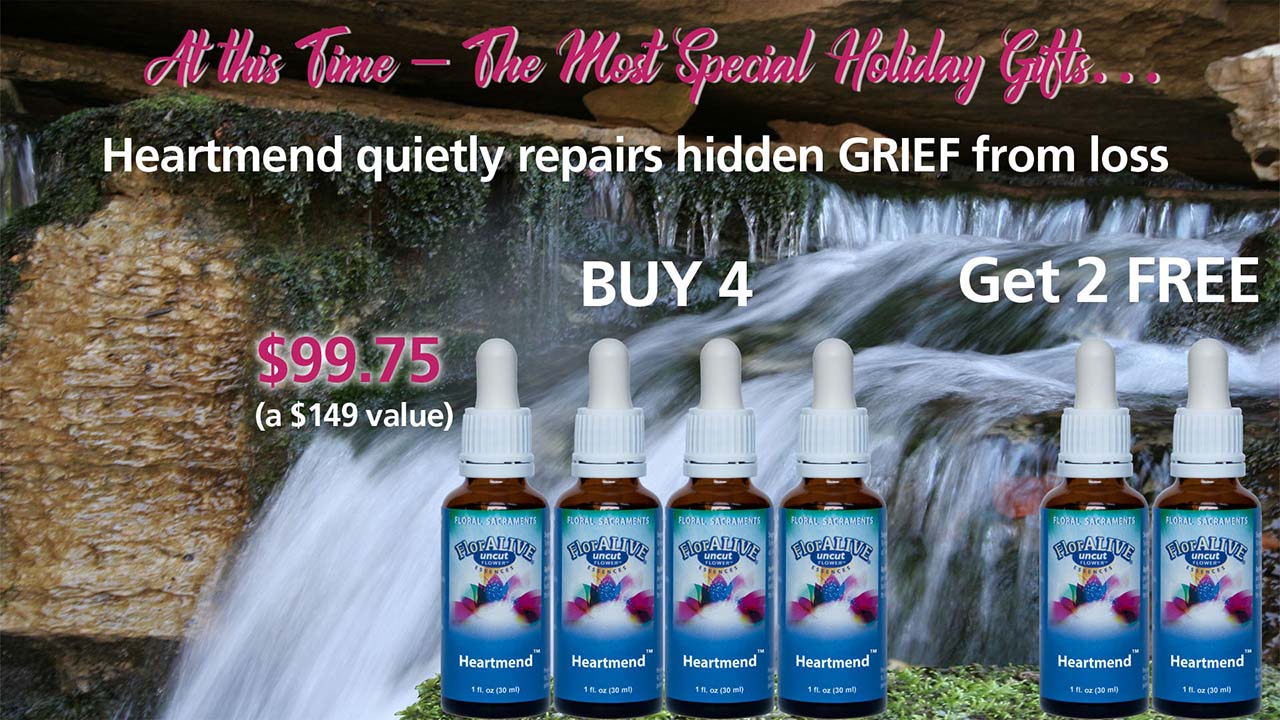
Add 6 Heartmend to shopping cart,. You only pay for 4, 2 will be free with when the coupon code HMHOLIDAYS is used.
For any other order you may still used our coupon code TheNewNow to receive 11% off.
Recent Testimonials from some big ‘healers’
”Just to let you know the two bottles have arrived safely. Already I recognize ‘distance attunement’ to my deeper healing needs.”
J.R.
”I did get the FlorAlive order and started the healing support essence. So far I’ve noticed I am more sensitive to things, as if my Cancer Crab shell has softened. I am also remembering more of my dreams a little more vividly. I do like it. ”
R.L.
”I’ve used up my bottles of Blue Eyed Grass and Healing Support with effective results.”
C.P.
As for me, I was lucky enough to have Dr. Davis do a personal session and create a unique blend which has worked wonders in opening my abundant path. Lorenzo
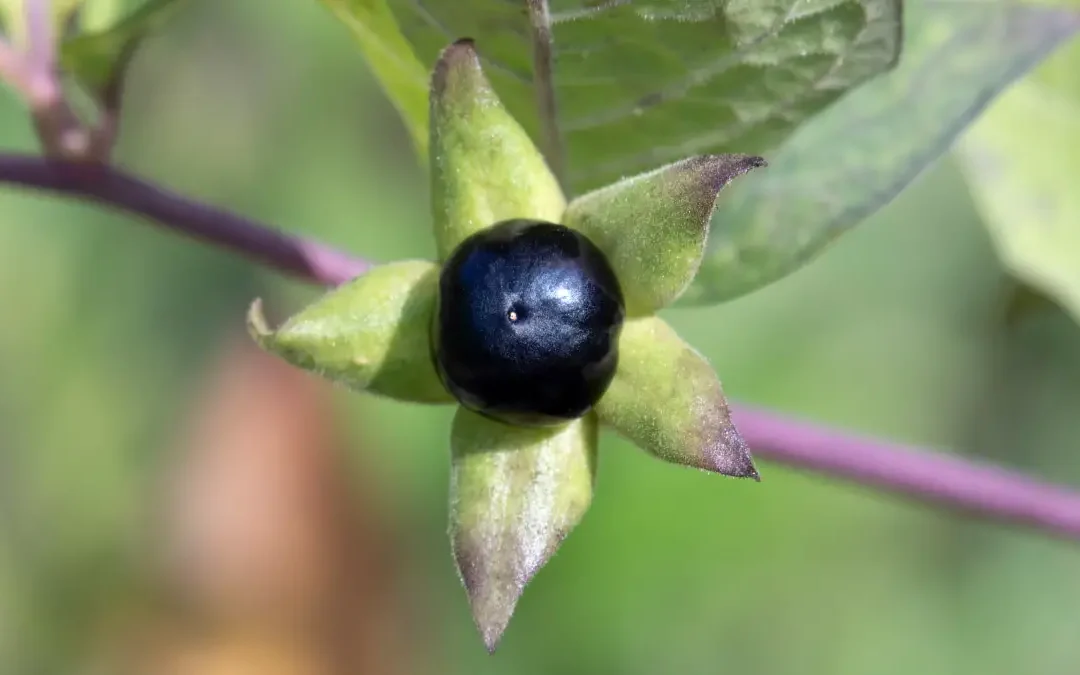
Atropa belladonna L. is a dangerous and toxic plant, belonging to the Solanaceae botanical family. The leaves and fruits, dark berries with an unfortunate pleasant taste, are rich in alkaloids, and this is the reason for the great medical interest for its extracts and isolated components.
The name of the Genus derives from Atropos, the Fate of Greek mythology who cuts the thread of life, causing death. The plant was in fact well known by the Greeks and Romans for its poisonousness. This is evidenced by its use by the poisoner Locusta, responsible for the death of the emperor Claudius and in turn executed with the same belladonna. [1]
The name of the Species belladonna means “beautiful woman”, it derives from a Renaissance custom. Courtesans used to squeeze the juice of the berries into their eyes to make them more beautiful and brighter, causing mydriasis. These women tolerated the blurring of vision caused by the dilation of the pupils and sometimes it also had a social meaning, to find even unattractive men appreciable. [2]
The toxic effects of Belladonna manifest themselves even just by touching it, as the alkaloidsare absorbed by the skin. Man is so sensitive that he can poison himself by eating animals that have fed on it. Animals exhibit mild effects and can therefore survive and become a human’s last poisonous meal. [1]
Active molecules
The principle chemical constituents of Atropabelladonna are 20 different types of tropanealkaloids, including atropine, atropamine, apoatropine, belladonnine, cuscohygrine, 1-hyoscyamine, 6-β-hyoscyamine, norhyoscyamine, N-methylpyrroline, N-methylpyrrolidine, scopolamine (also known as hyoscine), and tropine. [3]
L-hyoscyamine and atropine are present in the highest amounts in leaves, stems, roots, and fruits. They both contribute 99% of the total alkaloid content present in the leaves. Out of the total alkaloid complex, hycosamine was observed to contribute 87.6% in the leaves and 68.7% in the roots. The concentration of atropine in the fruit is 0.1%, whereas in the roots it ranges between 0.4% and 0.6%. [4]
It has been observed that the concentration of alkaloids varies from one plant to other due to varying environmental factors like geographical area, harvesting season, soil type, and climatic conditions. [4]
Tropanic alkaloids are heterocyclic organic bases containing a nitrogen (N) atom in reduced form. These molecules are obtained in plants from the amino acids through two main metabolic pathways of decarboxylation and reductive deamination. The tropane ring is obtained from the amino acid ornithine, while tropic acid is obtained from phenylalanine, through different enzymatic routes. The biosynthesis of tropane alkaloids is mainly carried out in the roots of Belladonna, from where they are transported to the stem, leaves, and fruits. [1]
Belladonna extracts
In the fresh drug, L-hyoscyamine is almost exclusively present, which is also the active form. In the dry drug we find the D and L forms of hyoscyamine in equal proportions, to form the racemate known generically as atropine. Drying leads to having 50% L-hyoscyamine and 50% D-hyoscyamine, it means a 50% reduction of the active compound in favor of the genesis of an inactive compound, i.e., the stereoisomer D; in fact, this results in a 50% reduction in source activity. [1]
Generally, alkaloids are extracted with few steps:
Drug is chopped and pulverized.
The pulverized drug is mixed with an aqueous acidic solution (maximum pH 2 to avoid decomposition).
Filtration: a first aqueous extract is obtained with alkaloids in the form of a salified base mixed with hydrophilic impurities.
Sodium bicarbonate or sodium hydrogen carbonate is added to the aqueous acid solution to raise the pH up to 7: the salified base is converted into free base.
Liquid-liquid extraction in organic allows the separation of alkaloids free bases from the hydrophilic impurities remaining in the alkaline aqueous solution.
By drying the organic solution, it is possible to obtain the dry extract.
Other methods consist of using freeze-dried extracts of Belladonna, percolation, or in vitro production. These techniques, especially the last one, could increase extraction yields. Analysis of Belladonna extracts is performed by the newest HPLC protocols. [1]
Pharmacodynamics of Belladonna
Belladonna alkaloids stimulate the Nervous System by functioning as antagonist of muscarinic receptors present in brain and autonomic effector nerves.
The affinity of atropine molecules is stronger for bronchial, heart, and gastrointestinal muscles. Atropine also involves the stimulation of respiratory, vagal, and vasomotor centers located in the medulla. That’s why atropine has a significant effect on the cardiovascularsystem. It is responsible for causing tachycardia, especially in adults. [5]
Scopolamine acts strongly on the iris and ciliary body and greatly influences the reduction of the bronchial, salivary, and sweat gland secretions. [5]
Passive mydriasis caused by atropine is used in Ophthalmology to examine the retina and other deep eye structures. At stomach level it can be used for the treatment of ulcers, gastritis, and coughs, for the inhibition of gastric secretion. At the intestinal level it allows the relaxation of the tone, in subjects suffering from constipation, in the treatment of muscle spasms and pyloric occlusion. [1]
It was observed that scopolamine quickly helps in relieving the symptoms of depression for a longer period of time by working as a non-selectivemuscarinic Acetylcholine Receptors Inhibitor (mAChRsI). [6]
The disproportion of neurotransmitters like acetylcholine or dopamine in the basal ganglia causes parkinsonism. Belladonna plant extracts seem to be quite effective in the management of parkinsonism primarily in the main symptoms: tremor, inflexibility, bradykinesia, and postural instability. Scopolamine works as an inhibitor of the acetylcholine receptor and thus helps to control the extreme salivation in Parkinson’s patients. [7]
The peripheral action of Belladonna alkaloids is directly on autonomic effector cells and not on nerve endings, producing in the eye, mydriasis, cycloplegia, and perhaps vasodilatation. This orally administered treatment action may tend to elevate the intraocular pressure. That is the reason why Belladonna extracts can be used in controlling symptoms in acute congestive Glaucoma patients. [8]
Quality and Safety of drugs
In drug discovery, the most important feature of natural products is their shelf-life, structural versatility, and a significant and beneficial role in curing several human diseases due to their safety and efficiency. There must be a good harmonization between the quality of raw materials, in process materials and the final products.
It has become essential to develop consistent and specific quality control methods using a combination of traditional and current instrumental methods. Standardization is an essential measurement for ensuring the quality control of herbal drugs. [9]
References:
Marcello Nicoletti: Botanica Farmaceutica – Storia, attività ed impieghi delle piante medicinali, 2007.
Kilmer, Frederick B. “Belladonna monographs.” Journal of the American Pharmaceutical Association, 1932.
Javed, S., Ahmad, A., Akash, M.S.H., Rehman, K., Al-Huqail, A.A. (2023). Belladonna. In: Zia-Ul-Haq, M., Abdulkreem AL-Huqail, A., Riaz, M., Farooq Gohar, U. (eds) Essentials of Medicinal and Aromatic Crops, 2023.
Cano Ortiz, A., Piñar Fuentes, J. C., & Cano, E. Some medicinal plants of interest for their content in alkaloids I. Biomedical Journal of Scientific & Technical Research, 2022.
Prusakov, P. Belladonna alkaloids. Encyclopaedia of Toxicology, 2014.
Anacker, C. New insight into the mechanisms of fast-acting antidepressants: What we learn from scopolamine. Biological Psychiatry, 2018.
Maurya, V. K., Kumar, S., Kabir, R., Shrivastava, G., Shanker, K., Nayak, D., et al. Dark classics in chemical neuroscience: An evidence-based systematic review of belladonna. ACS Chemical Neuroscience, 2020.
Ullman, Egon V.; Mossman, Frank D. Glaucoma and Orally Administered Belladonna. American Journal of Ophthalmology, 1950.
Amiri, Mohaddeseh, et al. “Environmental impact assessment of total alkaloid extracted from the Atropa belladonna L. using LCA.” GeoloGy, ecoloGy, and landscapes, 2017.
Organigram reported that net revenue increased 11% to $161.6 million in 2023, but the cannabis producer still had a net loss of $248.6 million, according to its new fiscal report.
The New Brunswick-based company had $233.6 million in gross revenue in the past year, paying $72 million in federal excise taxes. The cost of sales was $136.4 million.
The company leveraged their spending to help secure its position in several product categories in Canada, holding the top position in the milled flower, gummies, and hash categories, the number three position in Ontario and Quebec, and the number one position in Atlantic Canada (according to Organigram’s market scans). It also says it holds the number three position in dried flower.
Organigam introduced 16 SKUs in the last quarter of 2023, for a total of 143 in the market. It sells an array of cannabis products in Canada under brands like Edison Cannabis Co., SHRED, Big Bag O’ Buds, Holy Mountain, and others.
It also completed its first harvest at its “craft” cultivation and hash production facility in Lac-Supérieur, Quebec, which it acquired in 2021 from Laurentian Organic. Organigram has made significant inroads in the market with its SHRED X Rip-Strip hash brand.
Organigram also signed its first UK supply agreement with 4C Labs Ltd. to distribute medical cannabis to UK-based patients, along with its first German supply agreement with Sanity Group GmbH to distribute medical cannabis to Germany-based patients.
Organigram completed international shipments totalling $18.9 million in 2023, an increase of 25% over Fiscal 2022.
In November, British American Tobacco (BAT) announced that it would invest nearly $125 million into Organigram, more than doubling its equity position in the cannabis company from about 20% to 45%. The deal is still subject to shareholder approval.
As part of that partnership, Organigram and BAT are developing what they say are new technologies in the cannabis edible, vape, and beverage categories in addition to “new disruptive inhalation formats.” The launch of these new products will include gummies, which will feature “a new nano-emulsion technology.”
Organigram also invested in new vape technology in 2023 through a product purchase agreement with vaporization technology company Greentank, and reached an agreement with Phylos, a U.S. cannabis genetics company and provider of production-ready seeds, based in Portland, Oregon.
As part of the partnership, Phylos has been developing production-ready first-generation (“F1”) hybrid cannabis seeds for Organigram. The milestones achieved so far consist of delivery of a 1:1 THCV cultivar at 10%+ THCV potency; a 3:1 THCV cultivar at target 18% THCV (16% minimum); and four THC aroma specific cultivars (in either Berry, Citrus, or Gas).
The Moncton-based producer says it’s up-to-date on all its excise tax remittances but notes that many other producers are not, something it says acts as a “source of alternative financing”. It also notes that THC inflation remains a significant challenge in the industry, saying it has seen the stated amount of THC on some products inflated by more than 50%. Organigram says it’s confident that efforts by Health Canada and provincial boards like the OCS will help address this issue.
Edmonton — Albertans will soon see pot shops selling cannabis at some festivals and trade shows.
The province says it will begin allowing licensed cannabis retailers to operate temporary sales locations at adult-only events come Jan. 31.
The change to Alberta’s cannabis regulations comes months after the country marked its five-year anniversary of recreational pot being legalized.
Alberta has since been reviewing the pot market to determine what’s working, what needs to be improved and what’s redundant.
Advertisement
In addition to loosening restrictions around cannabis sales at events, Alberta will allow pot retailers to keep their products in locked display cases when their stores are closed.
That change also comes into effect at the end of January and will prevent stores from having to move all their products into a secured storage room at the close of every business day.











Recent Comments