To address high rates of suicide and post-traumatic stress disorder (PTSD) among veterans, the report calls on Veterans Affairs Canada (VAC) to immediately implement “a robust research program funded by VAC and the Department of National Defence (DND) in partnership with Health Canada, the Canadian Institutes of Health Research, and all other relevant partners.”
With psychedelic research, Veterans Affairs Canada has a real chance to live up to its mandate “to provide exemplary, client-centred services and benefits that respond to the needs of veterans, our other clients and their families.”
As a psychedelics researcher with an interest in veteran health, I couldn’t be happier, especially with the Senate focus on timeliness, equity and access.
Advertisement
Not only is my PhD on the therapeutic application of psilocybin, but my father was a veteran of the Canadian Forces, as is my brother and two uncles and both of my grandfathers. I grew up on Canadian Forces bases.
Canada’s veterans
Lt. Col. (ret’d) Jack Shore, my father, graduate of the Soldier Apprentice Program and a United Nations Peacekeeper in the Congo mission of the early 1960s, passed away as I was working as a guest co-editor of a special edition of the Journal of Military, Veteran, and Family Health. The theme of the edition is “Therapeutic use of psychedelics, entheogens, entactogens, cannabinoids and dissociative anesthetics for military members and veterans.”
While my Dad rarely talked about his time in the Congo, he experienced what we would now recognize as moral injury, and most likely PTSD. These conditions directly shaped our family life and upbringing. That was before Sudan, Rwanda, the Yugoslav wars and Afghanistan.
My childhood on bases occurred in time of relative peace, but Canada has now had a few generations of soldiers experience active combat.
To veterans of the Canadian Forces and to their families, we owe a duty of care, and not just to provide services and access to novel treatments. We also have a duty to care enough to do the science well and to tackle the public policy challenges (including regulatory drug reform) necessary to provide Canadian veterans with effective care.
“It is the Government of Canada’s duty to assure veterans that it is doing everything in its power, immediately, to respect its solemn commitment to support, at any cost, those who chose to defend us with honour.” — The Subcommittee on Veterans Affairs, Senate of Canada
The role of the VAC includes paying for the cost of health-care benefits and other services for veterans through the Public Service Health Care Plan and supplemental treatment benefits. While this single-payer provider model has advantages, it relies heavily on VAC staff and managers to assess and approve plans of care.
Developing a psychedelics research program for veterans should be seen as a public health priority. It will most likely require an independent panel of experts and stakeholders, including veterans, to help shape the agenda in a timely manner for the VAC.
Psychedelic therapies
The Canadian Institute for Military and Veteran Health Research (CIMVHR), founded in 2010, is well positioned as the Canadian hub for military, veteran and family health research to provide the infrastructure to foster collaboration, ensure stakeholder engagement and work on the knowledge translation so necessary to rapidly developing the capacity and expertise of Canadian researchers.
“When we have tried everything in our toolbox but still cannot help our patients, it is truly time for some new tools.” —Monnica Williams, Canada Health Research Chair in Mental Health Disparities
Psychedelic ketamine appears to have positive but short-lived outcomes in the treatment of mood disorders, and ketamine clinics require evaluation given recent FDA warnings about risks of commercialized mental health telemedicine and take-home doses.
Ultimately, the Canadian public may want to reconsider the policy framework that still severely limits access to these promising compounds for researchers, clinicians and those in need.
Veterans have taken it upon themselves to support each other and to advocate for change. The Heroic Hearts Project helps veterans access psychedelic therapies and has long championed the potential benefits of plant medicine ceremony.
Heroic Hearts Canada, which aims to provide Canadian veterans with equitable access to safe, effective and affordable psychedelic therapies, has recently partnered with University of Calgary for some important observational research.
Faster progress to medical use
The time lag from drug discovery to patient care is often decades, prompting the expression “valley of death” to refer to the gap between bench science and bedside care.
Given the real mental health needs of Canadian veterans, and the known limits on effectiveness for current standards of care, we must aim for quicker progress towards medical use, as both the United States and Australia have done. However, this progress must not be at the expense of safety and quality, and definitely not simply for commercialization.
Thought needs to be given to the development, evaluation and quality assurance of accessible programs for veteran-centred care, with Veterans’ voices at the table. It is time for more emphasis on psychedelics-related implementation science, the study of methods to promote the uptake (and identify barriers) of research findings into routine clinical use in order to improve effectiveness of health services.
Research funds now are best allocated towards large Phase 3 trials that treat wider cross-sections of the veteran community, to begin to assess the safety and efficacy of interventions such as the naturally ocurring and culturally significant psychedelic compounds ibogaine and 5-MeO-DMTand ayahuasca, and to invest in knowledge translation, program evaluation and training researchers and clinicians.
Apart from new biomedical research, it is time we recognized the widespread personal use of psychedelics, including among veterans, and develop safer use guidelines for psychedelics like those in place for alcohol and cannabis.
Given the pressing needs of Canadian veterans and the limitations of our current tools, the need for research on psychedelic therapies, as well as for timely and equitable access, is urgent.
SMITHS FALLS, Ont. — Canopy Growth Corp. says it has sold its This Works skin care and wellness brand to a U.K. investment firm.
The Smiths Falls, Ont.-based cannabis company says the deal with Inspirit Capital is valued at up to $15.9 million.
Under the deal, Canopy will receive an upfront payment of $4.6 million in cash and in other consideration, a loan note issued by Inspirit Capital and payments for reaching unspecified milestones.
Canopy says the deal has already closed and This Works’ leadership team, staff, and intellectual property will transfer to Inspirit Capital.
Advertisement
The pot firm purchased This Works for $73.8 million in 2019, saying the London-based company founded in 2004 would be integral to Canopy’s entry into the natural wellness industry.
This Works sells everything from moisturizers and cleansers to fragrances, sleep sprays and body oils.
“We are resolutely focused on achieving North American cannabis market leadership, and this completed sale represents a further step to enable this through the transformation of Canopy Growth into a simplified, asset-light, cannabis focused business,” said Canopy chief executive David Klein in a statement announcing the sale on Monday.
“In addition to realizing the proceeds from this sale which will further strengthen our financial position, we’re pleased to have found a buyer that is committed to the continued development of the This Works brand.”
By Timothy Schafer, Local Journalism Initiative Reporter
THE NELSON DAILY
The move to make Kootenay businesses climate resilient is one of the major upcoming economic development projects to be funded by the latest round of Economic Trust of Southern Interior grants.
The Central Kootenay Community Futures office will be receiving $30,000 for the Climate Resilient Kootenay Businesses project, announced late last week by the Economic Trust of Southern Interior (ETSI).
Advertisement
The CKCF project was one of 27 that were awarded a portion of the $.52 million of funding — through the fall funding intake — to help “build and diversify the region’s economy.”
Along with $1.1 million in funding announced through the Regional Transportation Enhancement funding program, it means over $3 million will be given out to communities and First Nations of the Southern Interior in the last fiscal year, said ETSI chief executive officer Laurel Douglas in a press release.
She said the money will help to create and maintain over 7,000 jobs in the Southern Interior.
“We are? proud of the transformative value this funding has on our Southern Interior communities,” she said.
The trust provides funding through five streams, including: building economic development capacity; supporting business resilience and growth; developing human capital; innovating and advancing key sectors; and creating value for the economic development ecosystem.
Since the trust was re-launched in April three years ago, it has approved $7.7 million in grant funding, supporting projects valued at over $17 million and created or maintained almost 18,000 jobs in the region, Douglas said.
In addition to the CFCK project, the Greater Trail Community Skills Centre will receive $15,000 for its EcoRenovate: Building a Sustainable Future awareness campaign, Kootenay Rockies Tourism Association will have $15,000 to spend on building regional cannabis trails, and the Rotary Club of Castlegar Sunrise will see $11,000 for the Ecolink, Castlegar to Selkirk. The Slocan Valley Chamber of Commerce will get $15,000 for its New Denver visitor centre feasibility study.
Last week, South Dakota’s attorney general released a ballot explanation for a prospective initiative that would legalize adult-use cannabis in the state and allow dispensaries to serve individuals aged 21 years of age and older. The resolution, which was sponsored by Emmett Reistroffer, would permit anyone aged 21 and older to cultivate, possess, ingest and distribute cannabis or cannabis paraphernalia. Reistroffer is the operations director at Genesis Farms, a medical marijuana company.
Under the measure, adults could also grow no more than 6 marijuana plants, with not more than 12 plants in every household; the can also possess up to three ounces of cannabis. It is important to note that driving while under the influence of cannabis would still be illegal, as would marijuana-related activity by those below the age of 21.
According to the final explanation by Attorney General Marty Jackley, property owners and employers could still prohibit the use of cannabis under the measure. Additionally, sales would occur via existing medical cannabis dispensaries, which could acquire dual-use licenses via the Department of Health.
With regard to possession, adults could possess no more than 24g of concentrated marijuana as well as other nonconcentrated marijuana products that contained less than 2,400mg of THC.
For the resolution to qualify for the 2024 ballot, organizers will need to collect no less than 17,510 signatures from registered voters by May 2024. Once placed on the ballot, a majority vote would allow the measure to pass.
In his latest statement, Reistroffer noted that he had no plans to campaign or collect signatures for the resolution in 2024 because he didn’t want to compete with the other legalization initiative that was already collecting signatures with the aim of being included in next year’s ballot.
Meanwhile, organizers for the other legalization proposal received the AG’s final summary a couple of months ago. The proposal, which is sponsored by South Dakotans for Better Marijuana Laws, would allow those aged 21 years of age and older to distribute marijuana. The initial form of this measure was amended to eliminate the word “sell.” This move made its language unclear, with the AG’s summary noting that legislative or judicial clarification was necessary.
A previous statement by Reistroffer highlighted some of the differences between his proposal and the South Dakotans for Better Marijuana Laws legalization measure. For instance, while his resolution included regulation and licensing via the health department, the other proposal did not touch on this matter. Additionally, while Reistroffer’s proposal would establish a path to legal sales that would generate sales tax for the state, the other proposal would generate no taxes. Furthermore, while his proposal focused primarily on legal sales and regulations, the other resolution mainly centered on noncommercial legalization.
Many marijuana companies, such as Curaleaf Holdings Inc. (CSE: CURA) (OTCQX: CURLF), may take an interest in the way the push to legalize cannabis in South Dakota plays out as the rift between different campaign groups could harm the reform movement.
About CNW420
CNW420 spotlights the latest developments in the rapidly evolving cannabis industry through the release of two informative articles each business day. Our concise, informative content serves as a gateway for investors interested in the legalized cannabis sector and provides updates on how regulatory developments may impact financial markets. Articles are released each business day at 4:20 a.m. and 4:20 p.m. Eastern – our tribute to the time synonymous with cannabis culture. If marijuana and the burgeoning industry surrounding it are on your radar, CNW420 is for you! Check back daily to stay up-to-date on the latest milestones in the fast -changing world of cannabis.
To receive SMS alerts from CNW, text CANNABIS to 888-902-4192 (U.S. Mobile Phones Only)
Please see full terms of use and disclaimers on the CannabisNewsWire website applicable to all content provided by CNW, wherever published or re-published: https://www.CannabisNewsWire.com/Disclaimer
Add 3 Healing Support (combination essence) and 3 Blue Eyed Grass to the shopping cart, then go to checkout and enter the coupon code for this promo which is: HSHOLIDAYS (not case sensitive).
You will only pay for the Healing Support. The Blue Eyed Grass will be free.
Or (One Coupon Per Order, But You May Order Twice if you Wish)
Add 6 Heartmend to shopping cart,. You only pay for 4, 2 will be free with when the coupon code HMHOLIDAYS is used.
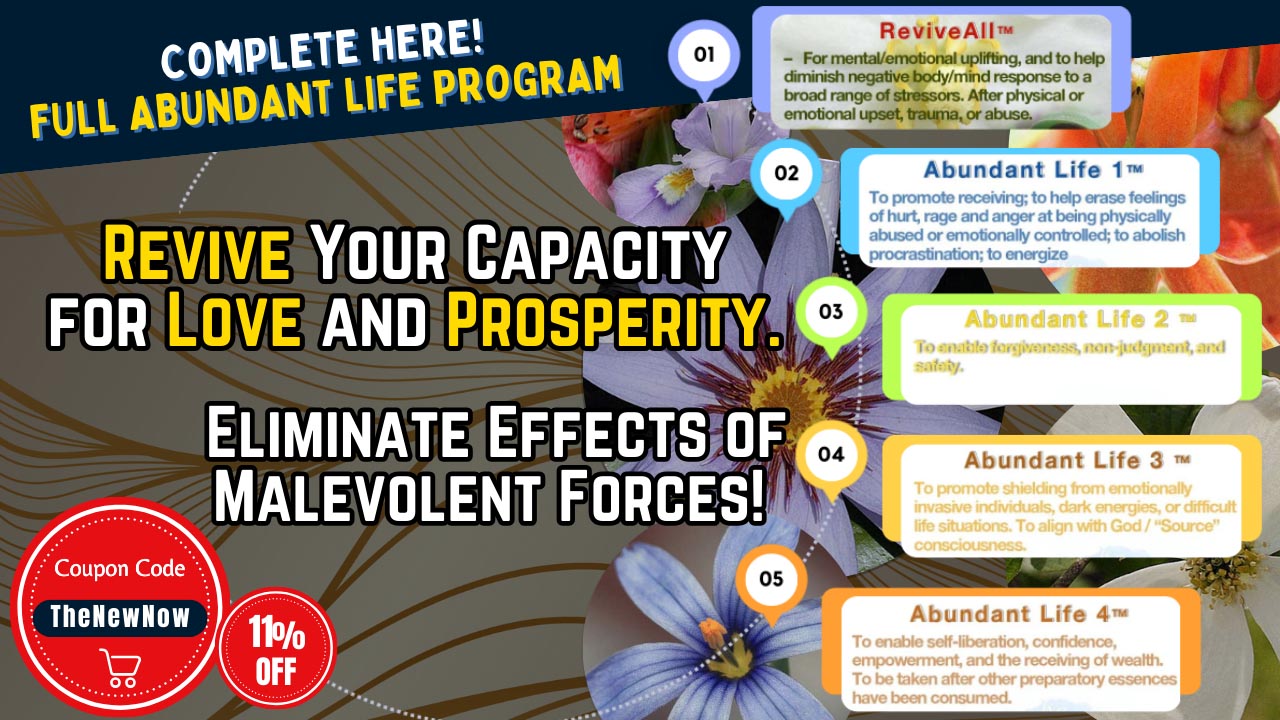
For any other order you may still used our coupon code TheNewNow to receive 11% off.
Recent Testimonials from Credible Sources
”Just to let you know the two bottles have arrived safely. Already I recognize ‘distance attunement’ to my deeper healing needs.”
J.R.
”I did get the FlorAlive order and started the healing support essence. So far I’ve noticed I am more sensitive to things, as if my Cancer Crab shell has softened. I am also remembering more of my dreams a little more vividly. I do like it. ”
R.L.
”I’ve used up my bottles of Blue Eyed Grass and Healing Support with effective results.”
C.P.
As for me, I was lucky enough to have Dr. Davis do a personal session and create a unique blend which has worked wonders in opening my abundant path. Lorenzo
The open-loop and closed-loop systems can be applied to methods of extracting phytocomplexes from plant matrices. It is possible to choose which of the configuration to use in order to obtain the maximum extraction yield while earning the most faithful extract composition and avoiding the risk for the operator and the environment.
Open-Loop Systems
An open-loop strategy is adopted in which multiple flows of input and outputs are possible, but usually, they follow either one of the following systems, including cradle to grave, cradle to gate, and gate to gate system, respectively. An example of such a close loop strategy was presented for the lignin recovery during pulp and bio- processes, followed by lignin utilization as an energy source. [1]
Open-loop extraction involves the collection of active ingredients from a plant matrix using an open-ended tube. It is possible to use lipophilic organic (n-hexane, n-pentane) or hydrophilic (ethanol) solvents.
Drying extracts or the separation of the solvent may lead to decomposition of the target compounds or even the production of artifact molecules
Exposition to flammable solvents of the operator
Closed-loop Systems
A close loop occurs when all the inputs and outputs are in the cycle, one of the products can be the raw material of other processes. The repeated washing extracts as many compounds as possible. The ISO 14044 standard defines a closed-loop strategy as the process of recycling a material without affecting its inherent properties in any way. [1]
The setting consists of:
Solvent reservoir;
Trim tube;
Evaporation chamber;
Consecutively vacuum pump, recovery pump and vacuum oven;
Gas detector.
This system provides a more stable and environmentally friendly platform for dealing with volatile extract. [2]
Supercritical fluids such as CO2, are the greenest and generally the most used in closed-loop protocols thanks to the possibility of reusing them several times or even being recovered for other processes. Risks are minimal, but this kind of systems are more expensive than others. The yield performance is significantly superior to open-loop and purer concentrates as the separation of the solvent from the extract is much simpler.
With hydrocarbon solvents the risk can be much bigger because these gasses are pressured and highly flammable. In a closed loop system, there is no possibility of solvent releases or leaks if the equipment is used safely, and maintenance is carried out according to risk control standards.
Essential Oils Industry
The industry of essential oils has always used open loop extraction methods like classical distillation in field from fresh raw material. During the 70’s the close loop systems took place in order to gain yield. The FDA started considering and as GRAF (Generally Recognized As Safe) usable and permitted solvents in the production of food. [3]
Residues, in small concentrations, are tolerable and the risk is minimal even with continuous exposure. Essential oils are commonly used for external treatment, but in many cases flavorings and other odorous products for culinary use have a strong derivation from the plant extractive industry.
Applications in Cannabinoid Extraction
Open-loop and closed-loop systems with butane hash oil (BHO) have been applied to extract terpenes with more flavors and aroma from Cannabis. However, the closed-loop system is often used, as it is much safer and with more advantages than the open-loop setting.
BHO is one of the cheapest and efficient solvents that offer the most desired final product. However, its most common disadvantage is being hard to handle in bigger batches, as it is highly flammable, colorless, and odorless. Therefore, the legal use of BHO is restricted to licensed producers. [2]
Some scholars in 2018 presented data for cannabinoid and content of six cannabis chemovar inflorescences and of extracts generated from their trim. Extracts were produced by extracting with supercritical CO2 in a closed-loop system for 6 h.
The temperatures of the extractor, separator and condenser were set correctly and operated at the right pressure. After separating the CO2 in the separator, the concentrated extract was treated in a vacuum oven for 24 h at a reduced pressure and at 49°C for the removal of residual water.
Additionally, the authors presented for each reported component the ratios between its concentration in the extract, on the one hand, and in the flowers, on the other. The conclusion reached was that the extraction protocol enhances the potency of both and terpenoids, but in a different fashion. [4]
References:
Aqib Hassan Ali Khan, Amna Kiyani, Mario Santiago-Herrera, Jesús Ibáñez, Sohail Yousaf, Mazhar Iqbal, Sonia Martel-Martín, Rocío Barros. Sustainability of phytoremediation: Post-harvest stratagems and economic opportunities for the produced metals contaminated biomass. Journal of Environmental Management. 2023.
Al Ubeed HMS, Bhuyan DJ, Alsherbiny MA, Basu A, Vuong QV. A Comprehensive Review on the Techniques for Extraction of Bioactive Compounds from Medicinal Cannabis. Molecules. Jan 2022.
Sexton M, Shelton K, Haley P, et al. Evaluation of cannabinoid and terpenoid content: cannabis flower compared to supercritical concentrate. Planta Med. 2018.
Health Canada’s Drug Analysis Service (DAS) identified 29 new psychoactive substances in 2022 within the country, including four cannabinoids.
The findings also identified eight hallucinogens, seven sedatives/hypnotics, five stimulants, two dissociatives, two opioids, and one other substance.
DAS operates several laboratories that analyze suspected illicit drugs seized by Canadian law enforcement agencies and samples submitted by public health partners. Health Canada warns that synthetic cannabinoids have been associated with adverse effects, including psychosis, hallucinations, and even fatalities.
The first three of these synthetic cannabinoids exhibit effects that are similar to delta-9-tetrahydrocannabinol (THC) and have the potential to be more potent than THC. The fourth, BZO-4en-POXIZID, was first developed in 2008 with the goal of targeting specific (non-psychoactive) therapeutic effects as a treatment for neuropathic pain.
The first NPS identifications in 2022 of these cannabinoids were in Saskatchewan, British Columbia, and Quebec.
The 4-fluoro-MDMB-BICA was first identified in Nanaimo, BC, in October 2022, along with ADB-BUTINACA.
ADB-BUTINACA was first found in Regina, SK, in July, co-occurring with Caffeine, Eutylone (ß-keto-Ethylbenzodioxolylbutanamine), and Xylazine.
ADB-FUBIATA was detected in Vancouver, BC, in July and was identified with α-PiHP (α-Pyrrolidinoisohexanophenone), Caffeine, Cocaine, Diphenhydramine, Etodesnitazene, Fentanyl, and Metonitazene.
BZO-4en-POXIZID was first identified in Lavaltrie, QC, in November, co-occurring with Caffeine, Fentanyl, Methamphetamine, and Xylazine.
DAS data is solely based on samples submitted to Health Canada laboratories.
Health Canada defines a new psychoactive substance (NPS) as a substance that has the potential to induce psychoactive effects, and has been identified in Canada for the first time in samples submitted to DAS for analysis by law enforcement agencies and public health partners.
Love is such a huge subject, let’s just say it’s about caring. Which brings us to the question of How Are You Conducting Your Life? When I was young I got the idea that the doorway to illumination was through the heart. And although I believe that it is foolish to attach to beliefs, now, many years later I believe even more that it may be true. And if one’s life is more suffering than joy, one might ask oneself, how am I conducting my life?
It seems that luck plays a big part in everyone’s life, both good and bad. And one might interpret this in different ways. One may not wish to call it “luck”, but rather think of it as “God’s will” or having the support of the Universe, or being in or out of alignment with all that is. Regardless, there is a large element to our lives that seems to be beyond our control. So it seems unfair to blame or praise anyone entirely for their particular plight or success. They may deserve credit for their successes and/or failures, but there will always be that element of which they had no control, that element that we can simply call “luck”. To push the point further, you might be born with all the qualities that humans admire, looks, strength, intelligence, wit, etc. or you might be born with a horrendous handicap like Helen Keller who was one of the most famous persons of the first half of the 20th century. She could not see or hear and yet due to the luck of having a truly caring and competent teacher she transcended it all to have an incredible life.
Now with this foundation I would like to suggest that perhaps the best way to conduct one’s life is to cultivate caring, caring for oneself and caring for others. And one way to measure how much one really cares is to observe just how considerate one is of others. Smoking cigarettes around others is either being unaware or not caring that one is contaminating the air for everyone around them. Dog owners who allow their dogs to bark loudly around others also may be either lacking consciousness or uncaring that many people find the sound of dog bark unpleasant to say the least. I know that I am very sensitive to loud unpleasant sounds like car sirens for example.
But aside from unpleasant loud sounds there are infinite other ways to be inconsiderate of others. And I believe that consideration for others needs to be cultivated throughout one’s life because to be super considerate of others is clearly a way of opening one’s heart and deepening one’s ability to care, that is, to be love, to be the embodiment of love, everyone’s birthright.
This caring and consideration can be extended to not accepting the unacceptables that we daily experience, the crimes against humanity, the wars and all the injustices. Unfortunately, people seem to have been numbed by the constancy and abundance of unacceptables in our lives and for this, the unacceptables have grown to monumental proportions. Which is an indication that there is not enough love, compassion, or caring within much of human society and until unconditional love for all becomes the norm, it seems unlikely that humanity will ever create the Eden that is forever possible.
add 3 Healing Support (combination essence) and 3 Blue Eyed Grass to the shopping cart, then go to checkout and enter the coupon code for this promo which is: HSHOLIDAYS (not case sensitive).
You will only pay for the Healing Support. The Blue Eyed Grass will be free.
Or (One Coupon Per Order, But You May Order Twice if you Wish)
Add 6 Heartmend to shopping cart,. You only pay for 4, 2 will be free with when the coupon code HMHOLIDAYS is used.
For any other order you may still used our coupon code TheNewNow to receive 11% off.
Recent Testimonials from some big ‘healers’
”Just to let you know the two bottles have arrived safely. Already I recognize ‘distance attunement’ to my deeper healing needs.”
J.R.
”I did get the FlorAlive order and started the healing support essence. So far I’ve noticed I am more sensitive to things, as if my Cancer Crab shell has softened. I am also remembering more of my dreams a little more vividly. I do like it. ”
R.L.
”I’ve used up my bottles of Blue Eyed Grass and Healing Support with effective results.”
C.P.
As for me, I was lucky enough to have Dr. Davis do a personal session and create a unique blend which has worked wonders in opening my abundant path. Lorenzo
But for those of us who have thrown off the myth of the machine, the next move is ours: for the gates of the technocratic prison will open automatically, despite their rusty ancient hinges, as soon as we choose to walk out.’
Lewis Mumford
The arrival of a mechanized society has long been a feared spectre. From philosophers (Jacques Ellul) to historians (Lewis Mumford), to humanist psychologists (Erich Fromm), the spectre and spectacle of the megamachine was ominously upon the horizon. It was feared that individual liberty within mass society would slip away from the control of the individual; the fear of losing individualism and privacy against a faceless machinic environment. The first wave of so-called progressive technology that arrived was an abundance of technique, management, and consumption. Society itself was in danger – still is in danger – of becoming the Machine. A grand overarching architecture based upon advancing technologies and governed by an elite technocracy.
These fears and anxieties still remain thanks largely to such pronouncements as have been made by Israeli historian Yuval Noah Harari. The fear of an automated future brings redundancy to human life and meaning. Recently, Harari announced that the immediate future holds little hope for a new underclass of ‘irrelevant’ and ‘useless’ people. In previous centuries, says Harari, people revolted against exploitation, oppression, tyranny, etc; now, they fear becoming irrelevant. He has stated that: ‘If we are not careful, we will end up with downgraded humans misusing upgraded computers to wreak havoc on themselves and on the world.’[i] Huge numbers of individuals will find themselves living in a society that doesn’t need them anymore – or so the prognosis goes. Yet this narrative is not set in stone. It is a prediction based upon present trends according to a world of increasing materialism, consumption, and capitalistic drives. It is a world based upon the past and the present, but not the future. And in the opinion of this author, it is a redundant projected timeline for it is not based upon the hope of the many but the greed of the few. With our present and emerging technologies, a revitalized hope can be brought to bear upon the citizens of this planet.
Hope is a vital aspect of any social change. It has been said that the worship of progress based upon present trends is an alienation of hope. Real hope for change is a state of being, an inner readiness. It is the humanization of hope that I speak of here. It is a rallying cry against the encroaching forces of dehumanization that speak loudly of transhumanism and synthetic, silicon futures. Certain groups and agencies are speaking about a Fourth Industrial Revolution and yet their visions are based upon machines, mergers, economics, and efficiency. They do not present a human-centric future but one where a new industrial, automated future makes an allowance for the human being but only as periphery to the primary race of great technological change. This de-centering of the human being from the core of life is a grand mistake and misplacement. The future shall be human, or it shall not be. A humanized technology is what is required for taking humanity further into the 21st century. Otherwise, a great misbalance may occur between human relations and the world we find ourselves within.
Contrary to a humanized technology is a dehumanizing one; that is, a tech-architecture and ecosystem of non-visible codes, algorithms, and machinic intellect that makes decisions upon which depends the freedom and quality of life of the individual. This unseen and almost ungovernable dependency is alienating, disquieting, and apathetic to the human condition. Any future technologized human civilization needs to redefine the ordering and organizing potentials of technology into facilitators, assistors, and a secondary management architecture (rather than as the primary management system). In other words, the technological architecture is to be fully decentralized and assisting humans from the background, upon request; and within industry to facilitate human working conditions. Technology should never be a substitution to a human life, but an enabler of human needs and potentials. Furthermore, a humanized technology is one that supports and assists the egalitarian nature of human society as opposed to instigating and sustaining hierarchical, elite societal stratifications. A humanized technology can only be a unifier and never a divider or segregator. Efficiency within humanized technology is never at the expense of the individual or the quality of their life but is an amplifier of these in support of human well-being. Efficiency and economy have become dirty words within the present-day technological society. When we think of such concepts we are reminded of cold, dry mechanization and scientific management principles. Until now, technology has not been sufficiently aligned to the needs of the changing human condition upon this planet. We need a new relationship to our devices, our digital networks and digital assistants, before we end up being compelled to adapt to this machinic environment rather than it adapting to a human one.
Any sufficiently advanced species visiting this planet could be forgiven for thinking that a terraforming project is underway for adapting the planet Earth for a machinic intelligence or A.I. form of species. The highly dense electromagnetic environment, the masts and antennas, the cameras and surveillance systems, the monitoring satellites, etc., etc. In 1987 the English poet Heathcote Williams published his epic poem ‘Autogeddon’ about the impact of the automobile. In it he wrote:
If an alien was to hover a few hundred yards above the planet
It could be forgiven for thinking
That cars were the dominant life-form,
And that human beings were a kind of ambulatory fuel cell:
The same can be said for the world of today if we replace ‘car’ with ‘technological infrastructure.’ Only the object of containment has changed; yet the subject of the containment has remained the same. If humanity is to transform itself from being ‘a kind of ambulatory fuel cell’ within the megamachine, then we need a recalibration of what technology means for human life.
The organization of human life is about quality rather than quantity. This needs to be programmed into the ‘intellect’ of our technologies. The attraction of automated convenience does not necessarily speak to our quality of life. Furthermore, convenience does not speak of contact and communion. In these years ahead we shall be redefining what it means to be a human being. We shall also be asking ourselves on what the social contract is – and we will need to deal with the new digital elephant in the room. Our social contract will have to become expanded to include our technological assistants and even perhaps the new denizens of A.I. (Artificial Intellect). What it means to be human, and the human social contract, will most likely need to be redefined within the coming years of civilizational readaptation.
Upshifted Relationships with Technology
A new orientation is in the making as humankind steps across the third decade threshold of the third millennium. The infantile obsession with our new toys and gadgets will need to be put aside, or put down, as we step into an adolescent phase. A renegotiation will be required so that the promises that technology holds for the human race can be brought to fruition rather than lingering within the infantile stage of centralization, control, censorship, conquest, and craving compulsions. A humanized technology plays a supporting role rather than a dominating one and does not seek to place human civilization within a cage of instrumental power. A humanized technology acts as a custodian to the adaptive needs of the human being. It does not devise means of subtly and slyly nudging and steering the individual into expected outcomes through a biased digital architecture. Nor does it seek to make gains from the individual’s privacy, data, or any other personal information as has been well documented within the world of surveillance capitalism.[iii]
In the coming years, humanity will no doubt seek a form of transcendence to go beyond certain social rituals and practices that are becoming redundant due to the welcomed arrival of specific forms of automation. The relief from particular forms of manual labour, as well as other types of monotonous work, can bring the average person out of a vicious cycle of dependency and allow new freedoms and creative explorations. New avenues of economic management can establish different roles for workers and release them from past drudgery. Young children can learn programming and coding skills so that they become their own architects of the future. A new generation of programmers that have ethics as a principal moral code that then becomes coded into the intellect of the machines. Yet this all assumes a move away from top-down corporatization and governmental censorship over technology, its patents, exploration, and utilization. And this presupposes a shift in human consciousness itself. Technology is a mirror to the human condition. It reflects us back to ourselves: our preoccupations, dreams, desires, and visions. If certain incumbent belief systems and ways of thinking are not transcended, then there is the danger that technologies will come to reflect the infancy of human thinking. We shall need to elevate our capacity for envisioning and truly wanting the values of compassion, collaboration, connection, and conscious awareness if we wish our technologies to assist us in transitioning to an upshifted future. If humanity becomes more aligned with a human-centric, value-driven future, then our technologies will reflect this. There is not one without the other. Humankind is in symbiosis with its creations and must be the ones to first set the moral, ethical, and conscious example. The rest will follow.
We can have a world of information, diagnoses, analyses, contact, and much more, at our fingertips. We can become more homo sapiens (wise) as well as homo ludens (playful). Wisdom and joy can become an integral part of our technological engagement if we can get the balance right. Our digitally assisted explorations into the farthest depths of space and sea; investigations of climate and environment; and engineering marvels and architectural splendours, can steer us forward into new insights. The human being alongside technological assistance can envision and construct a world currently beyond our imaginations. It can be done. But only if the right path is taken at this juncture in our human story. We are at a most critical and important time for the future of the human species – we are entering into a merger with another form of intellect. And in this, we need to ensure that the form, manner, and style of intelligence across the planet remains primarily organic based. Planet Earth is in coherence with organic life, and it would be unnatural to demote organic intelligence in favour of an artificial form of intellect. That is why this essay speaks of the hope of a humanized technological future. The primary concern has to be for the well-being of organic life on the planet, as well as for the planet itself. Present and future economic investments, alongside human efforts, time, and focus should be aimed at developing and establishing a technological environment that assists in liberating humanity from the chores and tasks of previous dependencies. This liberation can then trigger a new explosion in creative industries, imaginative explorations, and innovative pursuits hitherto not made possible for economically indentured societies. This could lead to a cultural renewal appropriate for laying the groundwork for a 21st century planetwide yet decentralized human civilization. A human civilization that is free from the shackles of outdated belief systems, power/control structures, and hierarchical greed.
Yet this liberation also requires a liberty of mind, body, and consciousness. We do not need to become cyborged or transhumanly tweaked. Neither do we necessarily need to implant devices inside of our bodies. These are fashions and consumer conveniences that we have been led into believing will better our days. Yet we can move beyond this ritualistic and immature thinking into a new era of technological comprehension, collaboration, and closeness. We can transcend ourselves through the inner world of the human being whilst orientating our outer world through a technological partnering. A partnership that is balanced, in harmony and equilibrium, and not overseen by a small, elite, technocratic group. A humanized technological future must be egalitarian and offer broad-ranging opportunities for all, regardless of class or social identities. In short, the only certifiable technological future is one that unifies rather than divides; promotes development and not alienation; and compels individuals to greatness rather than apathy. There is hope for a future of humanized technology, yet the consciousness shifts need to be occurring now so that the groundwork can be laid with appropriate values, ethics, and equitable vision. These are amongst the upshifts that can be promoted and shared for the world of today so that they may illuminate the world of tomorrow.
Endnotes
[i] Harari, Yuval Noah (2018) 21 Lessons for 21st Century. London: Jonathan Cape.
[ii] This poem was originally published in Whole Earth Review, Fall 1987: 26-29. Available online: http://cfu.freehostia.com/Members/colin/autogeddon/
[iii] See Surveillance Capitalism by Shoshana Zuboff
[embedded content]
DISCOUNT CODES:
IN THE UK: The code – INV20 – will give 20% off pre-orders until 31 October ordered direct from the publisher: https://spirit.aeonbooks.co.uk/product/inversion/95215
IN THE US: The code – INV20 – will give 20% off pre-orders until 30 October ordered direct from the publisher WITH FREE POSTAGE WITHIN US: https://spirit.aeonbooks.com/product/inversion/95215
How to Order Yours Today! Offer Expires Dec 31/2023
Use your affiliate link for either Healing Support promo or for Heartmend promo.
add 3 Healing Support (combination essence) and 3 Blue Eyed Grass to the shopping cart, then go to checkout and enter the coupon code for this promo which is: HSHOLIDAYS (not case sensitive).
You will only pay for the Healing Support. The Blue Eyed Grass will be free.
Or (One Coupon Per Order, But You May Order Twice if you Wish)
Add 6 Heartmend to shopping cart,. You only pay for 4, 2 will be free with when the coupon code HMHOLIDAYS is used.
For any other order you may still used our coupon code TheNewNow to receive 11% off.
Recent Testimonials from some big ‘healers’
”Just to let you know the two bottles have arrived safely. Already I recognize ‘distance attunement’ to my deeper healing needs.”
J.R.
”I did get the FlorAlive order and started the healing support essence. So far I’ve noticed I am more sensitive to things, as if my Cancer Crab shell has softened. I am also remembering more of my dreams a little more vividly. I do like it. ”
R.L.
”I’ve used up my bottles of Blue Eyed Grass and Healing Support with effective results.”
C.P.
As for me, I was lucky enough to have Dr. Davis do a personal session and create a unique blend which has worked wonders in opening my abundant path. Lorenzo
Deep Eutectic Solvents (DES) and Natural Deep Eutectic Solvents (NADES) are new generation Ionic Liquids (IL), that can be described as a mixture of two or more solid organic or inorganic compounds which under optimal conditions (temperature and stirring time) liquefies and form stable eutectics. These tailor-made solvents are very interesting for the food, pharmaceutical and cosmetics industries.
Due to their adjustable physical-chemical properties and their green character it is expected that DES and NADES could be the most widely used solvents in the future, not only in extraction processes but also in other research areas.
Revolutionary paper in 2003 described the preparation of DES based on different quaternary salts in combination with zinc chloride. [1] Based on their outcomes this mixture had a melting point of 23-25°C and was confirmed the most promising. The results available so far are based on various instrumental analyzes (NMR, crystallographic data, fast atomic bomb mass spectrometry and Fourier) and show that DES components are held together by the formation of hydrogen bonds and Van der Waals forces. [2] [3]
When the DES forming components contain abundant cellular ingredients (sugars and organic acids) these mixtures are called Natural Deep Eutectic Solvents (NADES). [4]
The physical-chemical properties of DES/NADES depend on:
the chemical properties of their starting compounds;
molar ratio between the components;
temperature;
water addition.
The high viscosity of DES/NADES at room temperature (RT) is one of the main disadvantages of these solvents, which still limits their use in large industrial scale. [5]
Even if viscosities and densities can be significantly reduced by adding water, this process should be done with caution, as a large excess of water could break the hydrogen bonds between the components and thus lose the eutectic properties of the produced. [6]
To produce tailor-made DES/NADES there are three methods that have been adopted and most frequently described: heating and stirring method [4], evaporation method [4] and freeze-drying method. [7]
Target Compounds
The secondary plant metabolites that cause pharmacological or toxicological effects in humans and animals are the bioactive compounds that the food, pharmaceutical and cosmetic industries are interested in. Product classes like terpenoids, alkaloids, sulfur and nitrogen-containing compounds and phenolic active ingredients (which are divided into several subclasses) are extraction targets.
Phenolic compounds have been recognized as excellent supplements in the production of functional foods and as substitutes for the synthetic additives used, due to their numerous beneficial effects on human health. Consequently, many studies have been conducted to optimize their extraction, however, due to their very different and complex structures, there is no universal method adopted for the extraction of all subclasses of plant polyphenols. [8]
It is worth noting that most DES/NADES used for the extraction of bioactive compounds are hydrophilic. This is not surprising considering the chemical properties of the target compounds.
However, some researches have recently, for the first time, introduced the use of tailor-made hydrophobic DES as extraction media for the isolation of various phyto- from Cannabissativa L. [9]
Techniques and innovations
The extraction technique and the solvents used are the predominant factors in the efficiency of the process. But other variables such as the chemical and physical properties of the target compounds, extraction time, temperature, pH, and type of matrix also have an important influence. The main challenge in extraction is to achieve maximum utilization and repeatability of the process in the shortest possible time and with minimum use of energy and chemicals.
All extraction techniques can be divided into two main groups: conventional (classical) and modern extraction techniques:
Conventional techniques are Maceration (heating and stirring method) and Soxhlet that usually uses organic solvents. The extraction solvent, the solid/solvent ratio and the process temperature are the most important parameters when it comes to extraction efficiency. However, these conventional techniques have numerous drawbacks, the most important of which are: long extraction time, high extraction costs (associated with the use of large quantities of organic solvents and energy), non-selective extraction, possibility of degradation or isomerization of analytes due to prolonged heating, negative environmental effects and inappropriate recycling practices for the solvents used.
Some of these shortcomings can be eliminated by replacing them with simpler and more effective Modern Extraction Techniques: ultrasound-assisted extraction (UAE), microwave-assisted extraction (), enzyme-assisted extraction (EAE), high intensity pulsed electric field (HIPEF), pressurized liquid extraction (), etc. [10]
Innovative extraction techniques such as UAE and MAE are most used with DES/NADES solvents. UAE is based on the formation of high-frequency (20–1000 kHz) ultrasonic waves that cause cavitation due to the expansion and contraction cycles of the material improving the process efficiency. All advantages and benefits of the UAE technique for the extraction of bioactive compounds have already been described with the proven extractability of green DES/NADES for the various bioactive compounds and certainly represents a promising alternative to classical long-term extraction protocols. [11]
MAE uses frequencies of 0.3–300 GHz, the process can be performed in the “closed-vessel system” or “open-vessel system”. In both cases, the MAE system increases the temperature rapidly, resulting in shorter extraction time and a higher extraction yield of the target analytes. [12]
Application cases
One of the pioneer’s papers on this topic was published in 2016, in which the authors demonstrated a possible application of the UAE-DES for the extraction of phenolic compounds from grape skin. The predominant phenolic compounds in grape skin are anthocyanins, these actives can exist in different forms; at pH 1 (pH value of acidic-based DES) they are mainly present in the form of the red flavylium cation, while at higher pH (between 2 and 4) they are present as blue quinoidal species. The extraction efficiency of the proposed UAE-DES methodology was superior to both conventional and MAE extraction methods. [13]
Later, some researchers have proposed a UAE-DES one-step methodology for the simultaneous extraction and characterization of polar bioactive compounds and volatile monoterpenes from peppermint leaves. In this study choline chloride:glucose NADES was selected as the most promising solvent. From an economic and environmental point of view, the proposed method can probably only be used for the chemical characterization of peppermint samples of different origins, while the potential for introduction into large-scale processes is limited. [14]
The first research paper describing the use of DESin combination withMAE for the extraction of four major bioactive compounds of Radix scutellariae was presented in 2015. [15]
One year later, other researchers have described the MAE-DES methodology for the isolation of bioactive compounds from the RadixSalviaemiltiorrhizae and have confirmed a statistically significant increase in extraction yields of five selected analytes compared to the results obtained by hot reflux extraction and UAE. [16]
In a recently published paper, a methodology based on MAE-DES pre-treatment in combination with microwave hydro-distillation of essential oils from cumin seed. Based on the results presented, the increased number of compounds was extracted after MAE-DES pre-treatment of the sample, resulting in an increase in the overall extraction yield. [17]
[2] Choi, Y.H.; van Spronsen, J.; Dai, Y.; Verberne, M.; Hollmann, F.; Arends, I.W.C.E.; Witkamp, G.J.; Verpoorte, R. Are natural deep eutectic solvents the missing link in understanding cellular metabolism and physiology? Plant Physiol. 2011.
[3] Smith, E.L.; Abbott, A.P.; Ryder, K.S. Deep Eutectic Solvents (DESs) and Their Applications. Chem. Rev. 2014.
[4] Dai, Y.; van Spronsen, J.; Witkamp, G.J.; Verpoorte, R.; Choi, Y.H. Natural deep eutectic solvents as new potential media for green technology. Anal. Chim. Acta 2013.
[5] El Achkar T., Fourmentin S., Greige-Gerges H. Deep eutectic solvents: An overview on their interactions with water and biochemical compounds. J. Mol. Liq. 2019.
[6] Vilková M., Płotka-Wasylka J., Andruch V. The role of water in deep eutectic solvent-base extraction. J. Mol. Liq. 2020.
[7] Gutiérrez M.C., Ferrer M.L., Mateo C.R., Monte F. Del Freeze-drying of aqueous solutions of deep eutectic solvents: A suitable approach to deep eutectic suspensions of self-assembled structures. Langmuir. 2009.
[8] Ignat I., Volf I., Popa V.I. A critical review of methods for characterization of polyphenolic compounds in fruits and vegetables. Food Chem. 2011.
[9] Křížek T., Bursová M., Horsley R., Kuchař M., Tůma P., Čabala R., Hložek T. Menthol-based hydrophobic deep eutectic solvents: Towards greener and efficient extraction of phytocannabinoids. J. Clean. Prod. 2018.
[10] Ivanović M., Razboršek M.I., Kolar M., Innovative Extraction Techniques Using Deep Eutectic Solvents and Analytical Methods for the Isolation and Characterization of Natural Bioactive Compounds from Plant Material, Plants 2020, 9(11), 1428.
[11] Chemat F., Rombaut N., Sicaire A.G., Meullemiestre A., Fabiano-Tixier A.S., Abert-Vian M. Ultrasound assisted extraction of food and natural products. Mechanisms, techniques, combinations, protocols, and applications. A review. Ultrason. Sonochem. 2017.
[12] Ameer K., Shahbaz H.M., Kwon J.H. Green Extraction Methods for Polyphenols from Plant Matrices and Their Byproducts: A Review. Compr. Rev. Food Sci. Food Saf. 2017
[13] Cvjetko Bubalo M., Ćurko N., Tomašević M., Kovačević Ganić K., Radojcic Redovnikovic I. Green extraction of grape skin phenolics by using deep eutectic solvents. Food Chem. 2016
[14] Jeong K.M., Jin Y., Yoo D.E., Han S.Y., Kim E.M., Lee J. One-step sample preparation for convenient examination of volatile monoterpenes and phenolic compounds in peppermint leaves using deep eutectic solvents. Food Chem. 2018
[15] Wei Z.F., Wang X.Q., Peng X., Wang W., Zhao C.J., Zu Y.G., Fu Y.J. Fast and green extraction and separation of main bioactive flavonoids from Radix Scutellariae. Ind. Crops Prod. 2015.
[16] Chen J., Liu M., Wang Q., Du H., Zhang L. Deep eutectic Solvent-Based Microwave-Assisted method for extraction of hydrophilic and hydrophobic components from radix salviae miltiorrhizae. Molecules. 2016.
[17] Zhao Y., Wang P., Zheng W., Yu G., Li Z., She Y., Lee M. Three-stage microwave extraction of cumin (Cuminum cyminum L.) Seed essential oil with natural deep eutectic solvents. Ind. Crops Prod. 2019.





















Recent Comments