Lexaria’s human oral nicotine study, NIC-H22-1, comparing world-leading brands and the company’s DehydraTECH(TM)-Nicotine tobacco-free pouch, reported positive results, including higher pleasurable effects and reduced negative effects
A new patent has been granted to Lexaria and is strategically important to the company’s oral nicotine sector research and development efforts
Lexaria continues to research diabetes control and weight loss with its DehydraTECH(TM)-CBD, announcing favorable animal study results and the intent to develop a human clinical study
Lexaria Bioscience (NASDAQ: LEXX, LEXXW), a global innovator in drug delivery platforms, has announced updates regarding its patented DehydraTECH(TM) technology – which improves the way that active pharmaceutical ingredients (“APIs”) enter the bloodstream by promoting healthier oral ingestion methods and increasing the effectiveness of fat-soluble active molecules. Lexaria’s primary focus for DehydraTECH research and development includes advancements of product candidates across key segments, including nicotine replacement, diabetes control and weight loss, and hypertension.
The company’s most recent announcement reported results from its 2023 human oral nicotine study NIC-H22-1, comparing Lexaria’s DehydraTECH(TM)-Nicotine tobacco-free pouch to world-leading brands ZYN(R) and on!. Using measurements to determine the median time required to reach comparable nicotine concentrations within the bloodstream (“Tmax”), Lexaria exhibited higher levels of certain pleasurable effects over the competition. DehydraTECH also provided the lowest frequency of unwanted negative effects, including moderate to severe nausea, demonstrating benefits from Lexaria’s formulation.
In addition to the announcement of favorable results from its NIC-H22-1 study, the company was recently granted a strategically important new patent in the oral nicotine sector by the United States Patent and Trademark Office, US Patent #11,700,875 Compositions and Methods for Sublingual Delivery of Nicotine. This new patent builds upon the company’s growing portfolio of 35 granted patents, with several more pending worldwide – spanning Lexaria’s research and development focus.
“We’ve always had an overwhelming determination and fierce conviction that we can make the world a better place and reduce the carnage caused by smoked cigarettes, and now we have human study data that demonstrates advantages of DehydraTECH processed nicotine relative to the competitive landscape,” said Chris Bunka, CEO of Lexaria (https://cnw.fm/8CwPl).
Separately, Lexaria also intends to conduct a human clinical study to examine its DehydraTECH-CBD formulation for diabetes control and weight loss. This intent comes after positive results were released in early August regarding its DIAB-A22-1 study in obese diabetic-conditioned animals, which achieved the following:
Lowered blood glucose levels by 19.9% (p<0>
Lowered overall body weight by 7% sustained over eight weeks
Witnessed a statistically significant increase in locomotor activity (p<0>
Lowered triglyceride levels by more than 25% (p<0>
Lowered blood urea nitrogen levels by 27.9% (p<0>
These successful pre-clinical results have the company determined to undertake a human study to investigate whether these improvements are also evidenced in humans. The study design is currently underway and will be submitted to an independent review board for approval.
As the company continues to grow and explore maximizing the potential of its DehydraTECH technology, a new wholly-owned subsidiary under the name Lexaria Nutraceutical Corp. (“LEXX Nutra”) has been formed. LEXX Nutra has been granted an exclusive, perpetual license entitling it to use DehydraTECH, or sublicense the use of DehydraTECH, to create consumer packaged goods and/or intermediate ingredients composed of any molecule except those associated with cannabis or nicotine. LEXX Nutra is also prohibited from using its licensing to manufacture any pharmaceutical product.
Lexaria Pharmaceutical Corp.’s licensing was also amended, ensuring it would only focus on manufacturing pharmaceutical products–excluding nicotine-associated molecules. The formation of Lexaria’s wholly-owned subsidiaries draws a distinct line in the sand for Lexaria, ensuring that proper research and development efforts for key indications are being diverted to the appropriate subsidiary.
NOTE TO INVESTORS: The latest news and updates relating to LEXX are available in the company’s newsroom at https://cnw.fm/LEXX
About CannabisNewsWire
CannabisNewsWire (CNW) is an information service that provides (1) access to our news aggregation and syndication servers, (2) CannabisNewsBreaks that summarize corporate news and information, (3) enhanced press release services, (4) social media distribution and optimization services, and (5) a full array of corporate communication solutions. As a multifaceted financial news and content distribution company with an extensive team of contributing journalists and writers, CNW is uniquely positioned to best serve private and public companies that desire to reach a wide audience of investors, consumers, journalists and the general public. CNW has an ever-growing distribution network of more than 5,000 key syndication outlets across the country. By cutting through the overload of information in today’s market, CNW brings its clients unparalleled visibility, recognition and brand awareness. CNW is where news, content and information converge.
To receive instant SMS alerts, text CANNABIS to 21000 (U.S. Mobile Phones Only)
Please see full terms of use and disclaimers on the CannabisNewsWire website applicable to all content provided by CNW, wherever published or re-published: http://CNW.fm/Disclaimer
Do you have questions or are you interested in working with CNW? Ask our Editor
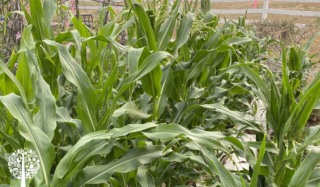
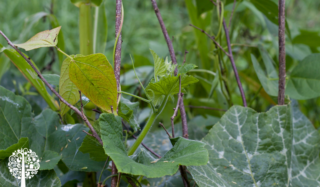
The veggie patch bursts with late summer and fall harvests, often including corn, beans, and squash. These crops are called the Three Sisters, and planting them together is a tried-and-true gardening method that has proven successful for over millennia.
History
The Three Sisters growing method was once widely used by Indigenous communities throughout North and South America.
The Haudenosaunee people of North America comprise the Mohawk, Onondaga, Oneida, Cayuga, Seneca, and Tuscarora. They explain that when the daughter of the Original Woman passed on, she was buried in “new earth,” and from that spot, three sisters emerged. One was tall with golden hair and wore a green shawl, and another wore a yellow dress. The third sister was in green and crawled on the ground. They encouraged each other to flourish; the golden-haired corn, green beans, and yellow squash.
Growing Together
Traditionally, corn is planted in mounded rows or circles 1.2 meters apart. Once the stalks are 25-30cm high, four or five bean seeds are evenly sown in a circle 60cm in diameter around each.
Patience matters. Getting excited and planting the beans too early (before the corn stalks are high enough) will pull them down and hamper their growth.
Once the beans have sprouted, plant the squash in the spaces between the corn or around the mound’s perimeter. The squash can be butternut, pumpkin, or zucchini.
Helping Hands
The growing corn stalk acts as a trellis for the climbing beans, stabilizing the corn in case of strong wind or rain. The squash leaves keep the soil cool and moist by blocking the hot evaporating rays of the sun. Its traditionally prickly leaves keep out animals and insects, like slugs and snails.
Nourishing The Soil
Plants take different things from the soil, and often growers rotate their crops to ensure the soil never gets too depleted of nutrients.
The same plot can be planted repeatedly in a Three Sisters garden because each plant builds and nourishes the soil. Beans have bacteria living on their roots that absorb nitrogen from the air. Corn requires a lot of nitrogen to grow. It’s a continuous cycle of reciprocity that doesn’t deplete the soil of nutrients.
Supplying Nutritional Needs
A Three Sisters diet is a healthy choice! Corn is rich in carbohydrates, beans contain protein, and squash is high in vitamin A.Together, corn and beans provide all ten of the essential amino acids our bodies need.
Agriculture and Agri-Food Canada sponsored the Three Sisters project, which has helped researchers and Indigenous community members better understand the nutritional benefits of a diet that includes corn, bean, and squash.
The project also strives to reconnect lost ancestral food traditions of healthy eating to the communities that discovered them. We all must get a broader understanding of sustainable growing methods once used to preserve biodiversity and reintroduce them to our modern growing habits.
ALBANY, N.Y. (AP) — A New York judge blocked the state’s retail marijuana licensing program on Friday, dealing a devastating blow to the fledgling marketplace after a group of veterans sued over rules that allowed people with drug convictions to open the first dispensaries.
New York Supreme Court Justice Kevin Bryant blocked the state from processing or issuing marijuana dispensary licenses with an injunction that faulted regulators for creating a program that is at odds with the state law that legalized the drug.
The order represents a severe setback for the state’s legal marijuana industry, which has been defined by a slow licensing rollout, a glut of excess marijuana crops and legal challenges that have allowed an illicit market to boom.
Advertisement
The veterans’ lawsuit argues that state marijuana regulators improperly limited the initial round of licenses to people with prior marijuana convictions, rather than a wider group of so-called social equity applicants included in the original law. The judge last week temporarily blocked the state’s program as legal arguments in the case played out, with Friday’s order extending the shut down.
In a statement, a representative for the veterans said state regulators’ failure to follow the law have kept licenses out of the hands of veterans and other minority groups who were supposed to be prioritized.
“From the beginning, our fight has always been for equal access to this new and growing industry,” the statement said, adding “We look forward to working with the State and the Court to open the program to all eligible applicants.”
Lawyers for the state have warned the judge that any halting of the licensing program would financially harm those who have already begun spending money to establish businesses under provisional licenses. The state Office of Cannabis Management did not immediately have a comment on the order Friday.
Bryant, in his order, wrote that potential financial woes are the fault of state regulators who were undeniably aware of legal problems with the licensing rules.
Still, the judge did grant an exemption to his order for licensees who met all the state’s requirements before Aug. 7 and is allowing applicants who are seeking an exemption to present their case before the court on a case-by-case basis. He has also ordered for state regulators to convene and begin finalizing marijuana licensing rules.
The order follows a vote in May in which state regulators eventually settled a federal lawsuit that blocked them from issuing licenses in the Finger Lakes region after a Michigan company alleged that New York’s licensing system unconstitutionally favors New Yorkers over out-of-state residents.
The legal challenges and slow rollout of licenses have led to complaints from farmers who grow marijuana that there aren’t enough legal sellers to handle their crops. Regulators last month approved the sale of marijuana at festivals in an attempt to address those complaints.
At the same time, authorities have been working to shut down illegal marijuana shops that have cropped up all over the state, particularly in New York City, as unlicensed sellers fill the legal vacuum.
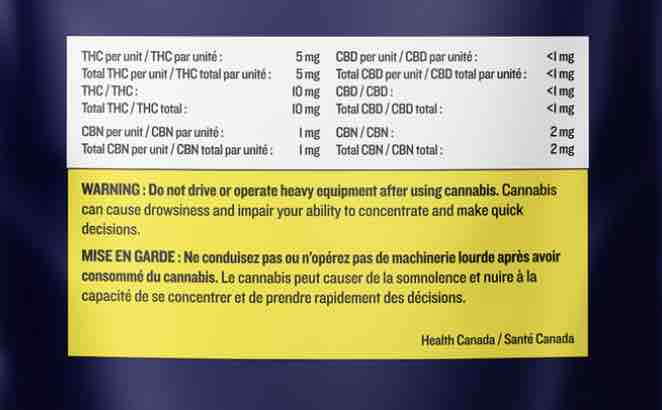
While Alberta’s AGLC maintains it has considered CBN within the THC limits on cannabis products like edibles, concentrates, or topicals, based on guidance from Health Canada, four other provincial cannabis agencies say they have received no such guidance.
A representative with Health Canada does confirm it is currently considering the development of a guidance document for licence holders concerning what it considers intoxicating cannabinoids other than delta-9-THC. They have not made any changes to the federal regulations at this time.
The information comes in the wake of Alberta’s provincial distributor, the AGLC, reportedly telling some cannabis producers that it was including CBN within the federal 10mg THC limit for edibles. The AGLC says this was based on guidance from Health Canada, but points to a guidance document Health Canada published earlier this year that made no reference to CBN, only delta-8-THC and delta-10-THC.
While the AGLC tells StratCann that the regulatory change came into effect in February of this year, representatives from four other provincial cannabis agencies—New Brunswick’s Cannabis NB, BC’s LDB, Ontario’s OCS, and Quebec’s SQDC—tell StratCann that they have not received any guidance or directive from Health Canada regarding minor cannabinoids in general, nor CBN specifically.
Cannabis NB:
“No, Health Canada has not provided guidance to Cannabis NB in regard to minor cannabinoids. Cannabis NB will continue to sell products that meet Health Canada guidelines and regulations,” writes Angela Bosse, a communications specialist with Cannabis NB.
BC LDB:
“The BC Liquor Distribution Branch (LDB) has not received any recent direction from Health Canada regarding minor cannabinoids and the THC limit for edibles,” says Kate Bliney, a communications officer with the LDB, who also notes that in December 2022, the LDB advised licensed producers that it would not be registering or replenishing any products that contain delta-8-THC.
“At this time, the LDB has not issued any directives regarding other minor cannabinoids,” she adds.
The SQDC:
“The SQDC has not received any regulatory change or directive on regulatory application regarding minor cannabinoids,” writes Fabrice Giguère, communications advisor and spokesman for the SQDC, in an email to StratCann.
“We currently don’t have a policy on the matter. We have no reason to believe that any of our suppliers’ edible products are not compliant with both the federal and provincial regulations relating to the limit of THC. Hence, we’re not planning on delisting or removing any edible products.”
“In Québec, the maximum THC content allowed for ready-to-eat products is set at 10mg per package and 5mg per distinguishable unit contained within the package. As for ready-to-drink products, the maximum THC content allowed is set at 5mg per distinct unit.”
The OCS:
“The OCS is unaware of any formal guidance provided by Health Canada to Licensed Producers (LPs) of cannabis relating to suggested limits on intoxicating cannabinoids,” Daffyd Roderick, Senior Director, Communications and Social Responsibility at the OCS. “Should Health Canada issue formal guidance, the OCS will work with its LPs to understand the impacts and to support their compliance, as appropriate.”
While the AGLC told StratCann via email last week that the Ontario Cannabis Store also implemented the same requirements in regard to CBN based on Health Canada’s recommendations earlier this year, the OCS notes the only change they made was in reference to delta8-THC, not CBN or any other minor cannabinoids.
“In December 2022, OCS made a proactive decision to begin limiting the sale of products containing delta-8 THC in response to health and safety concerns raised in the United States. At that time, the OCS communicated with both LPs and licensed cannabis retailers to notify them of this change, which was made out of an abundance of caution while the industry waited for formal guidance and direction from Health Canada on whether amendments are required to the Cannabis Act and its Regulations to address intoxicating cannabinoids and other synthetic derivatives not explicitly captured within the framework.
“OCS remains committed to enabling a vibrant cannabis marketplace that offers adult consumers access to innovative, legal cannabis products, transitioning consumers away from unregulated sources and promoting social responsibility in connection with cannabis. Clear and specific regulatory guidance from Health Canada on the matter of intoxicating cannabinoids is critical to achieving these objectives.”
While the AGLC claims the change came into effect in February 2023, several producers tell StratCann that the AGLC continued to accept orders of products that contained CBN and fell outside of the province’s interpretation of these products by having more than 10mg THC, with CBN included in that total.
AGLC points to a document they sent out in February as being the notice in question, but that document referred only to delta-8-THC and delta-10-THC, not CBN or any other minor cannabinoids.
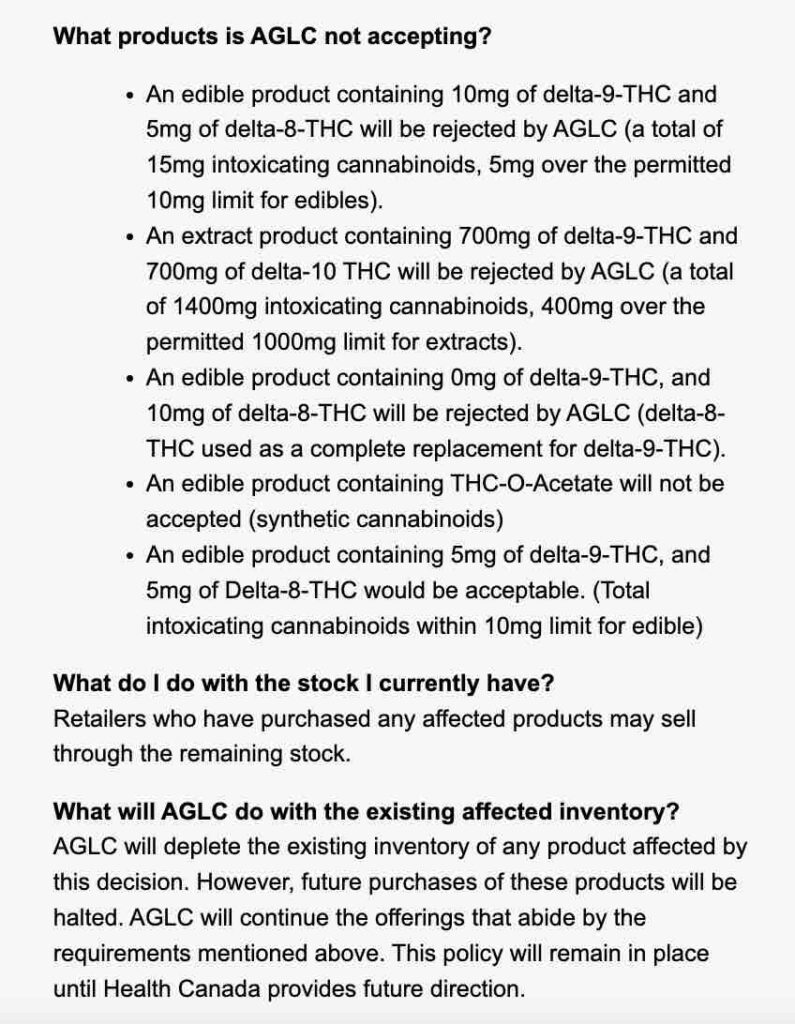
The AGLC also says the policy applies to any cannabis product “containing any combination of natural or synthetic intoxicating cannabinoids that exceed the THC limits set out for edibles and extract products in the Cannabis Regulations (10mg & 1000mg, respectively, per retail pack), including products with CBN.”
The 1,000mg THC limit would apply to concentrates and topicals.
From an AGLC memo sent to producers and retailers on February 15, 2023
The Alberta cannabis agency also maintains this rule about CBN was communicated to all LPs on Feb 15, 2023, when it says it requested LPs contact their respective AGLC category management specialists if they had any available products that were impacted by this policy.
“It recently came to our attention that there are certain SKUs which remain non-compliant with this requirement and so we have begun notifying affected LPs,” an AGLC comms person tells StratCann via email.
The AGLC says the list of cannabinoids it considers intoxicating is still changing and more could be added to the list in the future, which it says it is doing based on guidance from Health Canada.
“The cannabis plants make over 100 different minor/rare phytocannabinoids and there are also synthetic intoxicating cannabinoids created in lab,” continues AGLC’s communications team in an email to StratCann. “As such, the category of novel and minor intoxicating cannabinoids is still evolving. AGLC does not determine if a cannabinoid is intoxicating but instead follows guidance provided by Health Canada.
“The following are a few examples of intoxicating cannabinoids:
Synthetic cannabinoid derivatives (currently not allowed in Alberta): – tetrahydrocannabiphorol (THCP), tetrahydrocannabutol (THCB), tetrahydrocannabinol-O-acetate (THC-O) etc.
“As AGLC receives Health Canada guidance, it will continue to work with stakeholders to ensure LPs are aware of potential changes.”
A representative with Zelca, who was told by their category manager that one of their products was being immediately delisted, now says the AGLC has somewhat walked back their initial claim and will allow the sale of the in-stock Zelca product in question but will not be filling future orders.
Part of the confusion appears to be the inclusion of CBN as a “minor intoxicating cannabinoid” (MIC). While internal messaging shared with StratCann shows Health Canada is currently considering cannabinol (CBN) as a MIC, along with delta-8-THC, delta-10-THC, delta-6a-10a-THC, THC-O, HHC, THCV, THCP, and THCB, there is nothing official from Health Canada on the subject. However, the federal regulator has not issued any official regulator changes or guidelines regarding CBN to the provinces.
“Health Canada is also currently considering the development of a guidance document that would help licence holders understand the application of the Cannabis Act and its regulations on intoxicating cannabinoids other than delta-9-THC,” Anna Maddison, senior media relations advisor with Health Canada, tells StratCann via email.
“As with other topics and issues, Health Canada has regular discussions with licence holders and industry associations such as the Cannabis Council of Canada, National Cannabis Working Group of the Canadian Chamber of Commerce, and C-45 Quality Association. The topic of intoxicating cannabinoids other than delta-9-THC has been raised in these discussions.”
(Globe Newswire) Vancouver — EnWave Corporation will exhibit at ANUTEC – International FoodTec India 2023, bolstering its dedication to commercializing its proprietary Vacuum-Microwave Dehydration (VMD) technology in the Southeast Asian market.
EnWave will showcase its industry-leading VMD technologies, which have garnered global recognition for their ability to revolutionize food processing for high-quality snacks and ingredients.
EnWave will leverage ANUTEC as a platform to educate food industry professionals and stakeholders about the myriad benefits of VMD technology, to showcasing its patented Radiant Energy Vacuum (REV) VMD technology. EnWave will be exhibiting at Booth C-14 Hall 1 during the ANUTEC event, which is scheduled to take place September 7-9 in Mumbai, India.
By effectively preserving the nutritional content, taste, and quality of food products, REV technology has the potential to address critical challenges in food processing and contribute to a more sustainable and efficient food supply chain.
Advertisement
EnWave’s participation at ANUTEC underscores its leadership in the field of VMD but also demonstrates its commitment to catalyzing positive change and fostering innovation within the Southeast Asian food processing landscape.
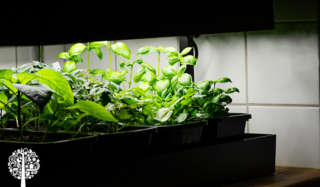
A strange sense of desire and urgency came over me one day when I was on Galiano a few years ago, and suddenly, I knew I needed to start growing food indoors. I needed to start fixing what was seemingly becoming an issue for many Canadians: access to fresh food. I immediately contacted friends in the growing industry to decide how to move forward with my indoor farm. This seemingly random desire to grow food has become more than just a hobby; it’s a near obsession.
Part of my obsession with having year-round access to all types of food is creating the right, cost-effective environment. I have been experimenting with this for three years and have spent a lot of time trying to perfect indoor food production. There is no reason for everyone not to produce food on a small scale at home. Over the years, society has removed people from nature; it’s time we reintegrate into the art of growing food for ourselves.
Choose Your Weapon
Small-scale indoor farming is relatively easy and cheap and doesn’t involve much work. However, as with most designs, the only thing the same is they are all different. We can grow indoors in many ways; one method is not better. Whether using hydroponics or soil, choose the right approach for you. On my farm, we use soil-based media. But if I lived in an apartment, I would seriously consider a media-less environment. Below, I will describe a simple and successful way to grow microgreens indoors using soil.
Microgreens
At Galiano Grow House, our primary focus for indoor food production started with microgreens. These small and fast-growing greens pack a substantial nutritional load and grow quickly. They are typically ready to eat in 8-14 days and require few nutrients and little artificial light. For microgreens, our typical crops include speckled peas, sunflowers, radishes, lentils, popcorn, fava bean, and buckwheat. My favorite, and one of the easiest to grow, is sunflower sprouts.
Materials For A Single Rack:
LED clone lights (2 @ 20 Watts per level) We use AELIUS LED
18″ -24″ by 48″ rack for growing, ideally with five shelves
20-30 Quad thick (ideally very thick as they last longer) trays
Seed (preferably local and organic)
Hypochlorous acid generator
Misc. hand tools, knives, etc.
General Tips
WATER TEMPERATURE
Water the prepared trays with warm (not hot) water (this is more important in the winter season).
Always water the plants with room temperature water.
Rince harvested microgreens with the coldest water possible before drying.
HYPOCHLOROUS
The hypochlorous must be made every day and used fresh.
Make the hypochlorous with room temperature water.
Trays that only served as a lid can be sprayed with hypochlorous and used again without washing.
Prepare by mixing:
1L of water
One teaspoon of sea salt
One teaspoon of white vinegar
Plug in the Hypochlorous Acid Generator and activate the first cycle. The Hypochlorous needs two cycles before it is ready.
SOIL MEDIA PREPARATION
Peat
Coco Earth
Perlite
50-gallon container (or any big container)
2L pot
Shovel
Gloves (optional)
MIXING INSTRUCTIONS
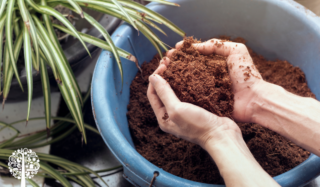
The microgreen soil media mix is composed of peat, coco coir and perlite in a ratio of 3-1-1.
With the 2L pot, scoop in the three components in this order: Peat-coco-peat-perlite-peat, and keep repeating until reaching the required quantity; always finish with the peat.
Mix thoroughly with a shovel.
Store the peat and soil media mix in barrels outside the grow room and cover them with a lid. During the winter, the materials can freeze and harden. Break the frozen clumps with a shovel before using the mix. During more humid seasons, the peat can grow mouldy when stored in the bag. When putting the peat in the barrel, mix well so it can oxygenate and dry.
TRAY PREPARATION
You will need:
10′ x 20′ microgreen tray
Soil media mix
2L pot
Using the 2L pot, scoop the soil media mix two times per tray for 4L of soil media per tray. Spread the soil evenly, breaking any clumps as you go.
Growing Sunflower Sprouts
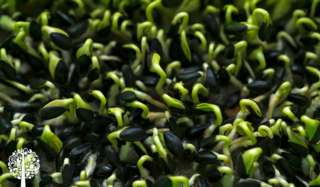
Add 100g of sunflower seeds to a 750 ml container and fill halfway with a mix of water and silica. Soak for 16-22 hours; if using large sunflower seeds, six hours will suffice.
After soaking, rinse the seeds and water the prepared tray of soil media before planting. Gently sprinkle the seeds evenly throughout the soil mix, then cover them with a clean tray weighted with rocks, wood, or slates so the seeds press into the media.
The day after planting, and every day after that, mist the seeds with water and spray them with hypochlorous acid. Nine to 12 days after planting the seeds, remove the lid and place the sprouts under the grow lights. Gently remove the shells from the greens.
Harvest Time
By day 13, the sprouts will be ready to harvest! Do not water microgreens before picking them; water generously the day before. Safely use a knife for harvesting. After, wash and dry them in a salad spinner. After washing, the sprouts will last longer if completely dry, so placing them on a tray under a fan is a good idea. Then, collect the greens and store them in a container in the fridge.
Before planting another crop, washing all of your trays well in a sink is essential. Spray them with hypochlorous acid and allow them to dry.
Growing microgreens at home is easy and fun! Enjoy your nutritious harvest in salads, omelets, sandwiches, and more!






Recent Comments