
by Grow Up Conference | Jul 27, 2023 | Cannabis Prospect Magazine, Media Partners

by Grow Up Conference | Jul 27, 2023 | Garden Culture Magazine, Media Partners
As plants in containers grow, they use valuable nutrients in the soil that they cannot replenish naturally. As a result, they may need extra compost or fertilizer regularly. Ideally, you should transplant ornamental shrubs or roses growing in containers every few years to refresh the soil and replace lost nutrients. But hügelkultur containers change all this, creating permanent, self-watering, nutrient-rich, long-term homes for all plant babies.
Container Gardens & Hügelkultur
Generally, hügelkultur gardening systems create large raised or sunken garden beds by layering rotting wood and other organic material.
By applying the same method on a smaller scale, hügelkultur gardens can be created using containers. Many ingredients needed are already in your recycling bin, kitchen scraps, yard, or along a favourite walking trail.
The recipe for assembling a hügelkultur container garden is as simple as layering and baking a lasagna. There are no set measurements; like extra cheese in a lasagna won’t harm the outcome, adding more compost or fewer coffee grounds won’t ruin the hügelkultur container.
Ingredients
- One well-draining medium to large container with a diameter of no less than 25cm and a depth of no less than 30cm is optimal. The bigger it is, the more room for layering.
- A bunch of twigs, small pieces of rotten logs, or branches.
- A medium-sized tub of yard waste, compost, or dried leaves.
- Green organics; anything you would put into your kitchen waste or paper recycling bin, such as apple peelings, orange rind, eggshells, old tea bags, coffee grounds, paper towels and even cardboard.
- One bag of ordinary topsoil.
Layering
Start by covering the bottom of the container 1/4 to 1/3 full of twigs or small branches, and pack it together as tightly as possible. You only add this layer once.
Continue by adding:
- 2-5 cm of yard waste.
- 2-5 cm of green waste (kitchen scraps). Mix in cardboard or paper towel with this layer, if desired.
- Another layer of yard waste.
Repeat the process, depending on how large your container is, or until about 40% of it is filled. Smaller, shallower containers won’t require as much layering as larger, deeper ones.
Use a watering can or hose to moisten the assembled layers. It will look like you’ve filled a perfectly good container with garbage or a compost pile that hasn’t matured. That’s great because that’s what you’re supposed to be doing: creating compost in a container!
The top organic layers act as a reacting agent, akin to baking soda in a recipe, to begin the decomposition process on the bottom wood layer.
Once you’ve added all the layers, cover with ordinary garden soil and water again. Remember, this is where plant roots will establish, so keep plenty of room for this top layer.
Long-Term Rewards

A hügelkultur container will grow anything from vegetables and perennials to large shrubs or annuals. As the material in the container breaks down, microbial life and essential nutrients, such as potassium, phosphorous and nitrogen, are released into the soil and absorbed by plant roots.
The energy released by the decomposing material at the beginning of the process will keep the container’s temperature warm. In winter, this heat will help newly planted perennials or shrubs stay cozy and may even prevent the container from freezing solid.
Over time, as the organic material decomposes, topsoil must be added. But the decaying wood at the bottom will continue to act as a sponge, keeping roots nice and moist. As long as it’s well-draining, any container can have a long and useful life as a hügelkultur garden!
by Grow Up Conference | Jul 27, 2023 | Garden Culture Magazine, Media Partners
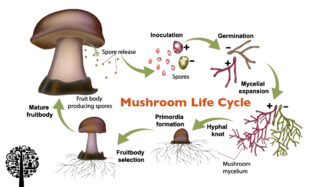
Mushroom cultivation has become increasingly popular over the past few years due to its many ecological benefits, including growing nutrient-rich and delicious mushrooms in a small space with minimal inputs. However, growing mushrooms can be complex, requiring careful attention to detail and a good understanding of the various stages involved in the growth cycle. In this article, we’ll focus on the growth cycle of mushrooms using fruiting bags, one of the most common ways people cultivate gourmet and medicinal mushrooms. Fruiting bags are most commonly made of polypropylene, allowing the cultivator to sterilize various nutrient-rich substrates on which mushrooms grow. We’ll take a closer look at each growth cycle stage and explore some everyday situations cultivators encounter and how to identify them to ensure a successful flush.
Stage 1: Inoculation
Inoculation is the first and perhaps most crucial stage when using fruiting bags to grow mushrooms. During inoculation, spawn, spores, or liquid culture of the desired mushroom species are introduced to a sterilized fruiting bag filled with a nutrient-rich substrate. However, several obstacles may present during this stage that can prevent a successful flush of mushrooms. One common scenario is failing to properly sterilize the substrate before inoculation, which can lead to microorganisms multiplying and overcoming the substrate before the mushrooms. Therefore, it’s essential to use a pressure cooker or autoclave to ensure that the substrate is entirely sterile before inoculation. Autoclave tape ensures your method reaches sterile temperature by changing color at 121°C.
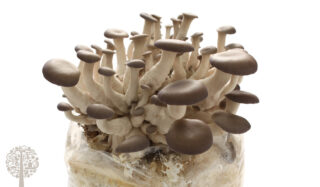
Another way to avoid contamination issues caused by under-sterilization is to purchase sterilized media from a reputable source. When using spawn as an inoculant, follow the recommended ratio of spawn-to-substrate for the specific mushroom species being grown. If too little spawn is used, the mycelium may not colonize the substrate properly. On the other hand, too much spawn can lead to rapid but weak mycelial growth. Using clean liquid cultures or spores from a reputable supplier can help minimize the risk of contamination and ensure that the desired mushroom species is introduced to the substrate. Working in a clean and sterile environment during inoculation is also essential to further reduce the risk of contamination. By taking these precautions, growers can increase their chances of a successful harvest and produce high-quality mushrooms.
Stage 2: Colonisation
After the inoculation stage, the colonization process begins. This stage involves mycelium growth throughout the substrate, which is the foundation for the eventual development of fruiting bodies. During colonization, it’s essential to maintain the proper temperature and humidity levels to support healthy mycelial growth. However, several issues can arise during this stage that will impact yields. One common problem is slow or uneven mycelial growth, which can be caused by inadequate moisture, insufficient oxygen, or incorrect temperature. To address this, growers will monitor the bags while colonizing and adjust the environmental conditions accordingly. Identifying contamination during colonization is crucial to prevent further spread down the line and maintain a continuous growth cycle. Contamination can occur for various reasons, including exposure to air due to an improperly sealed bag, inadequate sterilization, or the introduction of foreign bacteria or spores. Signs of contamination during colonization include unusual colors or odors in the substrate and abnormal or slow mycelial growth. Common contaminants include molds, bacteria, and yeast, often identified through visual inspection or an offputting smell. If contamination is detected, take immediate action to prevent further spread. Remove the contaminated bags from your healthy bags, seal them in a large garbage bag, and discard them as soon as possible. If you open one of the contaminated bags in your lab or grow area, you are opening yourself up to a mass contamination event, which leads to total crop failure. Growers should take precautions like wearing the appropriate PPE when working with their crops and ensuring all surfaces are clean and sanitized regularly.
Stage 3: Primordia Formation
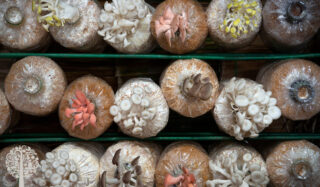
After the mycelium has fully colonized the substrate, primordia formation is the next stage in the growth cycle. Primordia are small, pin-like protrusions that eventually develop into mature fruiting bodies. Ensuring your temperature and humidity controls are dialed in for this part of the growth cycle is crucial, as it will dictate how many pins develop, dramatically affecting your yield. For example, some mushroom species require a drop in temperature or increased humidity to trigger primordia formation. Others require increased fresh air exchange to promote pinning, often done by slicing an “x” in the side of the fruiting bag. Adding an opening to the fruiting bag helps orient the mushrooms where they should grow. Once primordia have formed, they will continue to develop into mature fruiting bodies over several days or weeks, depending on the species. Proper care during primordia formation is crucial to ensure a healthy and abundant harvest. Any environmental fluctuations or contamination at this stage can cause the primordia to abort or fail to develop into mature fruiting bodies.
Stage 4: Fruiting

The fruiting process is the final stage in the mushroom growth cycle. During this stage, primordia erupt into giant mushrooms that dwarf the small pins they once were. This often happens in a short window, so watching your mushrooms as they start to take off is essential. Environmental conditions during the fruiting stage are crucial for ensuring a healthy and abundant mushroom harvest. Mushrooms, similarly to humans, are mostly made of water, so ensuring the air has enough moisture in it is very important, as the mushrooms will dry out very quickly. But, like people, some mushrooms may require different parameters to thrive, so do your homework first. For example, some mushroom species require high humidity and low temperatures, while others require the opposite conditions. One issue that can occur during the fruiting stage is irregular fruiting, where some areas of the substrate produce more fruiting bodies than others, or the mushrooms grow at a variable rate. This is frequently caused by an improper pin-set being formed due to fluctuating temperatures or humidity conditions. Removing the entire fruiting body when harvesting is essential if you plan to do a second flush. Any piece of the fruiting body left behind will be prone to contamination, especially Trichoderma.
Level Of Difficulty: You Decide!
Mushroom cultivation using fruiting bags can be as complex or as simple as you need! If you are a hobbyist looking to try new things, starting with a pre-inoculated kit is the way to go, as you only need to worry about the fruiting stage of the mushrooms. If you want to get more involved, there are kits you can purchase that include a pre-sterilized substrate, PPE, and liquid culture so you can experience more of the process yourself! Successful mushroom cultivation involves careful attention to detail, including proper substrate sterilization before inoculation, maintaining the right temperature and humidity levels during colonization, and ensuring appropriate environmental conditions for primordia formation and fruiting. While challenges may arise during each stage, identifying and addressing them early will increase the chances of a successful harvest.

by Grow Up Conference | Jul 27, 2023 | Extraction Magazine, Media Partners
Few people realize that myrcene occurs naturally in more than 200 plants worldwide, including cannabis. [1] This terpene belongs to the hydrocarbon fraction and is the most abundant terpene in modern commercial cannabis.
In fact, when laboratories test thousands of cannabis plants, myrcene represents more than 20% of the terpenes profile in commercial cannabis strains, even though individual samples often have variations in terms of terpenes content.
What Exactly Is Myrcene?
The most abundant terpene found in cannabis. Its earthy scent profile is recognizable to most, resembling a balsam fragrance with notes of musk and clove. To most people, it has a peppery or spicy taste with sweet undertones.
Some researchers theorize that together with other cannabis terpenes, they contribute to the overall potential therapeutic effect of cannabis, taking part in the entourage effect together with cannabinoids and other cannabis constituents. [2]
Will consuming myrcene get you high?
No, consuming it alone will not get someone high or make you exhibit any psychoactive symptoms. However, if you consume cannabis with myrcene as its dominant terpene, individuals can experience faster-acting and more powerful psychoactive effects.
Research surrounding the entourage effect has indicated that this stronger and more fast-acting high could be because myrcene plays a crucial role in facilitating the transport of cannabinoids into your brain.
What Are The Benefits Of Myrcene?
Anti-tumor potential
It has attracted a lot of attention for its potential anti-tumor capabilities, similar to other terpenes. According to recent studies, and can cause tumor cells to go through apoptosis or cell death while sparing cells that are healthy. [3]
Additionally, myrcene’s anti-inflammatory properties and antioxidant attributes are thought to play a role in the ability to prevent tumor growth and metastasis. These encouraging results demonstrate myrcene’s potential as a therapeutic cancer treatment agent.
Further research is required to fully comprehend the processes underlying myrcene’s anti-tumor capabilities and its safety and effectiveness in human subjects.
Sedative potential
In contemporary culture, cannabis strains with elevated levels of myrcene have been associated with inducing a phenomenon known as “couch lock,” characterized by sedation. Although empirical evidence validating these claims remains limited, a noteworthy study in 2002 indicated that it demonstrated sedative effects in mice when administered in high doses. [4]
The study highlighted that higher quantities of myrcene in cannabis could induce sedation and reduce locomotion in animal subjects. However, further research is essential to determine its effects on human subjects.
Diabetes treatment
Myrcene has also recently attracted interest due to its potential as a diabetes therapy. This terpene has anti-inflammatory and antioxidant capabilities, which may help reduce the chronic inflammation linked to diabetes.
Has reportedly shown promise in diabetes treatment capabilities by lowering blood glucose levels and enhancing insulin sensitivity in preclinical studies. [5] Its capacity to increase glucose uptake by cells may help in diabetic management.
What Are The Drawbacks Of Myrcene – The Wrap-Up
Evidently, it has many potential benefits, but that doesn’t mean this terpene is free from disadvantages. In fact, to some, myrcene is a dual-edged sword since its sedative effects, although beneficial in certain circumstances, can also be detrimental.
For example, although myrcene has positive sedative effects, these can also cause drowsiness and impair cognitive function, making daily tasks impossible – even for those who require this terpene for pain management.
Additionally, myrcene’s presence in cannabis can dominate and mask other desirable terpenes if the level is high enough, reducing the overall flavor complexity of the cannabis experience.
Moreover, some individuals may be sensitive to myrcene, experiencing adverse reactions like headaches or nausea.
That’s why, as with any cannabis compound, appropriate dosing and individual tolerance must be considered to ensure drawbacks are reduced and only therapeutic benefits are experienced.
References:
-
- Surendran, S., Qassadi, F., Surendran, G., Lilley, D., & Heinrich, M. (2021, June 9). Myrcene-what are the potential health benefits of this flavouring and aroma agent? Frontiers.
- Myrcene. Myrcene – an overview | ScienceDirect Topics. (n.d.).
- Surendran, S., Qassadi, F., Surendran, G., Lilley, D., & Heinrich, M. (2021b, July 19). Myrcene-what are the potential health benefits of this flavouring and aroma agent? Frontiers in nutrition.
- do Vale TG;Furtado EC;Santos JG;Viana GS; (n.d.). Central effects of citral, myrcene and limonene, constituents of essential oil chemotypes from Lippia Alba (mill.) N.E. Brown. Phytomedicine : international journal of phytotherapy and phytopharmacology.
- Yang, L., & Liao, M. (2021, October). Influence of myrcene on inflammation, matrix accumulation in the kidney tissues of streptozotocin-induced diabetic rat. Saudi Journal of biological sciences.

by Grow Up Conference | Jul 27, 2023 | Cannabis News Wire, Media Partners
A recent study has unveiled a fascinating connection between marijuana usage and an enhanced exercise experience, particularly for runners. The study, conducted by researchers at the University of Colorado Boulder, focused on 49 runners. The individuals were asked to evaluate their running experiences under two conditions: one after consuming cannabis and the other without any marijuana intake.
The findings, recently published in the “Cannabis and Cannabinoid Research” journal, revealed that participants had significantly fewer negative emotions and greater feelings of positive affect, dissociation, enjoyment and tranquility during their marijuana-influenced runs compared to their nonmarijuana runs. Furthermore, the intriguing concept of a “runner’s high” was more pronounced when marijuana was involved.
Although the runners’ pace was slightly affected after consuming marijuana, the researchers deemed the decrease of 31 seconds per mile statistically insignificant. Surprisingly, the study revealed that pain levels were lower after the cannabis-influenced runs, while perceived exertion remained unchanged between the two conditions.
The implications of these results point to the possibility that acute marijuana use might contribute to a more gratifying exercise experience for regular marijuana users. Nevertheless, the researchers emphasized the need for further investigations encompassing diverse methodologies, exercise types and populations to ascertain the potential long-term benefits and risks associated with this behavior.
Interestingly, the positive exercise effects of cannabis align with the findings of an earlier study from 2019, which revealed that individuals using marijuana to enhance their workouts tend to engage in a more wholesome amount of physical activity.
In addition, an unrelated study in 2020 demonstrated that older individuals who consumed cannabis were more inclined to participate in physical activities. The study found that older marijuana users had lower BMI at the start of the study, participated in more exercise days and were involved in more exercises during the study period than their noncannabis user counterparts.
Breaking yet another stereotype, a 2021 study highlighted that frequent marijuana users are more likely to be physically active than their nonusing counterparts. This counters the notion that cannabis consumption leads to a sedentary lifestyle.
On another note, the use of medical marijuana has shown significant improvements in the quality of life for individuals with conditions such as insomnia and chronic pain. A 2023 study by the American Medical Association (AMA) found that the positive effects of medical cannabis were sustained over time. Late last year, the AMA also revealed study results linking state legalization of cannabis with a decline in the prescription of opioids to some cancer patients.
These studies attesting to the beneficial and therapeutic effects of cannabis are probably the grounds upon which many companies such as IGC Pharma Inc. (NYSE American: IGC) have focused on developing standardized medicinal formulations from THC and other cannabinoids so that patients can have access to effective cannabis-based treatments which are approved by the FDA.
NOTE TO INVESTORS: The latest news and updates relating to IGC Pharma Inc. (NYSE American: IGC) are available in the company’s newsroom at https://cnw.fm/IGC
About CNW420
CNW420 spotlights the latest developments in the rapidly evolving cannabis industry through the release of two informative articles each business day. Our concise, informative content serves as a gateway for investors interested in the legalized cannabis sector and provides updates on how regulatory developments may impact financial markets. Articles are released each business day at 4:20 a.m. and 4:20 p.m. Eastern – our tribute to the time synonymous with cannabis culture. If marijuana and the burgeoning industry surrounding it are on your radar, CNW420 is for you! Check back daily to stay up-to-date on the latest milestones in the fast -changing world of cannabis.
To receive instant SMS alerts, text CANNABIS to 21000 (U.S. Mobile Phones Only)
For more information please visit https://www.CNW420.com
Please see full terms of use and disclaimers on the CannabisNewsWire website applicable to all content provided by CNW420, wherever published or re-published: http://CNW.fm/Disclaimer
Do you have questions or are you interested in working with CNW420? Ask our Editor
CannabisNewsWire420
Denver, Colorado
http://www.CNW420.com
303.498.7722 Office
Editor@CannabisNewsWire.com
CNW420 is part of the InvestorBrandNetwork.

by Grow Up Conference | Jul 27, 2023 | Media Partners, Stratcann
While the media continues to report on the hospitalization of young people in Canada due to ingesting cannabis edibles, a recent study shows that the source of these products is unclear and that many of these cases are due to products from the illicit, unregulated market.
The study looked at 160 cases since September 2018 of serious and life-threatening events associated with non-medical cannabis use in Canadian children and youth, as reported by the Canadian Paediatric Surveillance Program.
Of these 160 cases, almost two-thirds (63 percent or 101 out of 160) indicated ingestion of cannabis in edible form. Most of these cases (65 percent or 104 out of 160) did not know the source of the product, while another 20 percent reported sourcing from the illicit market. Fifteen percent said they involved products sourced from the legal market, including legal stores, licensed producers, or legal home-grown cannabis.
Adding to this is the potential that many parents may not want to disclose that the products accidentally ingested by children came from an illicit source, and some consumers are often not aware that the cannabis products they purchased from the illicit market are, in fact, illegal.
It is not uncommon to hear stories of consumers believing that the unregulated brick-and-mortar or online site where they purchase cannabis products was in fact legal, generally due to a misunderstanding around cannabis laws and jurisdictional authority in Canada. While federal and provincial regulations are clear that only cannabis produced by a federally-licensed producer is legal, misinformation about supposed “grey areas” in the law perpetuates this lack of clarity.
One recent example supporting this is a report out of Quebec, in which a local physician noted that several children had been hospitalized after eating cannabis products from the black market—products packaged to look like regular candy products and advertised as having, in some cases, hundreds of mg of THC.
“A child who takes a candy with 600mg of cannabis is taking a lethal dose,” warned paediatrician Claude Cyr in an interview with Radio-Canada Estrie [translated]. “In Quebec, we decided to limit the rate of THC. To the SQDC, that’s 10mg maximum per consumption of edibles.”
The 10mg THC limit on edibles is a federal limit. Furthermore, Quebec only carries a limited amount of edibles specifically geared not to appeal to young people, such as beef jerky and dehydrated vegetables, rather than traditional chocolates and candies.
Furthermore, while the media and some researchers try to argue that the increasing number of young people going to hospital because of cannabis edibles is due to legalization, they continue to ignore the sources of these products, as well as the growth of popular illicit edibles entering the market around the same time as edibles became legal. Illicit edibles are often packaged to mimic popular non-cannabis brands like Nerds, Oreos, Doritos, Skittles, and an array of other snack foods. These kinds of products are so common that in 2022, Mars Canada won a lawsuit against several illicit online cannabis retailers in Canada who had been selling products using logos and branding associated with Skittles. There are even examples of these products being sold to children in corner stores.
While edibles existed in the illicit market even before legalization, these copycat edibles only really began to proliferate in the Canadian market in 2019/2020, just as legal edibles were beginning to hit the market. For those researchers and writers observing this issue from afar—being unaware of these types of nuances—it could be easy to jump to conclusions and correlate the increase of cannabis-induced hospital visits by young people with the presence of these products in the legal market. But this clearly misses a significant part of the big picture.
In a previous opinion piece on this subject, I noted that while there have been media reports in the past few years of hospital visits due to young people consuming cannabis, none of these publicly available reports appear to be due to issues of legal cannabis edibles based on a scan of available news articles.
In December 2022, Health Canada released a warning regarding so-called “copycat edibles” that are increasingly being sold illegally across Canada and are often made to look like Skittles, Airheads, Jolly Ranchers, Nerds, and many other candies. Popular brands of chips like Doritos, Fritos, Cheetos, and Ruffles are equally common.
Such products are generally of much higher potency than legal edibles, which are limited to only 10mg THC per package and are not allowed to mimic known product packaging or to appeal to kids. They have also become much more common in the past few years, showing up in illicit online stores and sometimes sold in corner stores.
For example, in 2021, a three-year-old was taken to hospital in Ontario after consuming illegal edibles from a package listed as having 400mg of THC. York Regional Police in Ontario last year also seized illegal cannabis products from a Markham convenience store that was selling them to underage teens.
So while there may be legitimate examples of legal cannabis edibles leading to young people being admitted to hospital, the available evidence points to a much more nuanced picture—especially when it comes to unregulated products, often with very high amounts of THC, sold in packaging that can be easily confused with common candies and snacks.
by Grow Up Conference | Jul 26, 2023 | Cannabis News Wire, Media Partners
The changing legal framework surrounding marijuana makes it more difficult for companies to screen for marijuana-consuming applicants. According to an article by the Washington Post, the rapidly evolving state legislation concerning marijuana, combined with a shortage of eligible workers, has led to an increasing number of employers no longer requiring applicants to undergo a marijuana drug test as a condition for employment.
Amber Clayton, the senior director of knowledge center operations at the Society for Human Resource Management, explained that employers are grappling with the challenge of navigating these laws while ensuring the safety of their workforce. “We need to find a way to balance compliance with these laws while still maintaining a safe and productive work environment,” Clayton said.
Denise Polliciella, the founder and an attorney at Cannabis Attorneys of Michigan, voiced concerns over the exclusion of marijuana users from employment opportunities. She argued that many capable individuals are being sidelined unnecessarily, because marijuana use does not impede their job performance in any way.
Some employers, as reported by online work news platform Business, believe that eliminating mandatory marijuana drug tests could compromise workplace safety. This is due to the potential side effects of marijuana, such as hallucinations, disorientation, dizziness, fatigue and drowsiness.
Business noted that certain industries and professions, including school bus drivers, airline pilots and federal contractors, are heavily regulated, requiring drug testing for job candidates and employees. Marijuana is among the substances prohibited in these cases.
Michigan recently discontinued marijuana testing for most state jobs, with exceptions for law enforcement officers, healthcare providers and employees operating heavy machinery, according to CBS News.
According to the Pew Research Center, approximately 30% of U.S. adults support the legalization of marijuana for medical use, while 59% support its use for both medical and recreational purposes. Business highlighted the growing number of states, including the District of Columbia, three territories, and 37 states, that have legalized marijuana either for medical, recreational, or both purposes. This indicates a response to public demand.
Karger’s “Medical Cannabis and Cannabinoids” journal revealed that there are approximately 3.6 million legally registered medical cannabis patients alone. The Post mentioned that certain states have implemented laws to protect workers’ marijuana use during their personal time, leading some employers to consider excluding THC, the primary psychoactive component in cannabis, from their drug testing protocols, according to the National Library of Medicine.
As workplace rules evolve to accommodate workers who use marijuana, the demand for cannabis products is likely to grow as more employees feel comfortable using this substance for recreational or medicinal reasons. When this happens, the industry will grow faster, and entities such as Advanced Container Technologies Inc. (OTC: ACTX), which focus on addressing the needs of cultivators could see an uptick in their sales.
NOTE TO INVESTORS: The latest news and updates relating to Advanced Container Technologies Inc. (OTC: ACTX) are available in the company’s newsroom at https://cnw.fm/ACTX
About CNW420
CNW420 spotlights the latest developments in the rapidly evolving cannabis industry through the release of two informative articles each business day. Our concise, informative content serves as a gateway for investors interested in the legalized cannabis sector and provides updates on how regulatory developments may impact financial markets. Articles are released each business day at 4:20 a.m. and 4:20 p.m. Eastern – our tribute to the time synonymous with cannabis culture. If marijuana and the burgeoning industry surrounding it are on your radar, CNW420 is for you! Check back daily to stay up-to-date on the latest milestones in the fast -changing world of cannabis.
To receive instant SMS alerts, text CANNABIS to 21000 (U.S. Mobile Phones Only)
For more information please visit https://www.CNW420.com
Please see full terms of use and disclaimers on the CannabisNewsWire website applicable to all content provided by CNW420, wherever published or re-published: http://CNW.fm/Disclaimer
Do you have questions or are you interested in working with CNW420? Ask our Editor
CannabisNewsWire420
Denver, Colorado
http://www.CNW420.com
303.498.7722 Office
Editor@CannabisNewsWire.com
CNW420 is part of the InvestorBrandNetwork.
by Grow Up Conference | Jul 26, 2023 | Media Partners, Psychedelic News Wire
Drug reform activists in Minnesota scored a major win after Minneapolis Mayor Jacob Fred signed an order that requires the police department and related agencies to deprioritize the arrest, investigation and conviction of people for psychedelic-related charges. The executive order deprioritizes policing for certain psychedelics, stating that investigating and arresting Minneapolis residents for the cultivation, distribution, purchase or possession of entheogenic plants will be of the “lowest law enforcement priority.”
Psychoactive or entheogenic compounds refer to plants that naturally induce hallucinogenic experiences when ingested. They include mescaline, psilocybin (magic mushrooms), iboga and ayahuasca tea. However, Frey explained that these entheogenic plants such as magic mushrooms also exhibit benefits, especially for people with mental disorders, including post-traumatic stress disorder, anxiety, and severe depression.
Although most psychedelic-related research is still in its infancy, studies have found that various hallucinogenic compounds can deliver potent mental health benefits, granting patients long-term relief from severe mental health conditions with barely any side effects. Preliminary findings on the mental health benefits of psychedelics have been so encouraging that lawmakers in several states are already working to amend existing drug policies and legalize the therapeutic use of psychedelics.
In the meantime, investors and Big Pharma are pouring millions of dollars into furthering psychedelic research and funding the development of psychedelic-assisted therapies for conditions such as major depressive disorder and PTSD that often fail to respond to conventional treatments.
Frey said that he would not ignore the growing body of evidence pointing to psychedelics’ therapeutic potential. Furthermore, he said that he didn’t support the elimination of a tool that could help the country deal with its increasingly dire mental health crisis.
Noting that many Minneapolis residents use psychedelics for religious or health purposes, Frey directed the city’s police department to deprioritize law enforcement activities related to entheogens. However, Frey said that Minneapolis is only decriminalizing certain psychedelics, not legalizing recreational psychedelic use. The executive order also does not allow any “unlawful activities” associated with entheogens.
By deprioritizing the policing of psychedelic-related offenses, Frey said that the city would be able to direct resources to more crucial issues such as the fentanyl crisis and violent crime.
Law enforcement in Minnesota had already made psychedelics less of a priority prior to the Minneapolis executive order, with Minnesota Bureau of Criminal Apprehension data showing that police only made three psychedelic-related arrests in 2022. The executive order from Frey now codifies the decision to deprioritize psychedelic-related offenses into law.
As more entities such as Delic Holdings Corp. (CSE: DELC) (OTCQB: DELCF) continue to engage in psychedelics research and publish their findings, many more jurisdictions are likely to tweak their drug laws to accommodate psychedelic substances that hold a lot promise for improving human health.
NOTE TO INVESTORS: The latest news and updates relating to Delic Holdings Corp. (CSE: DELC) (OTCQB: DELCF) are available in the company’s newsroom at https://ibn.fm/DELCF
About PsychedelicNewsWire
PsychedelicNewsWire (PNW) is a specialized content distribution company that (1) aggregates and distributes news and information on the latest developments in all aspects and advances of psychedelics and their use, (2) creates PsychedelicNewsBreaks designed to quickly update investors on important industry news, (3) leverages a team of expert editors to enhance press releases for maximum impact, (4) assists companies with the management and optimization of social media across a range of platforms, and (5) delivers unparalleled corporate communication solutions. PNW stays abreast of the latest information and has established a reputation as the go to source for coverage of psychedelics, therapeutics and emerging market opportunities. Our team of seasoned journalists has a proven track record of helping both public and private companies gain traction with a wide audience of investors, consumers, media outlets and the general public by leveraging our expansive dissemination network of more than 5,000 key syndication outlets. PNW is committed to delivering improved visibility and brand recognition to companies operating in the emerging markets of psychedelics.
To receive instant SMS alerts, text “Groovy” to 844-397-5787 (U.S. Mobile Phones Only)
For more information please visit https://www.psychedelicnewswire.com
Please see full terms of use and disclaimers on the PsychedelicNewsWire website applicable to all content provided by PNW, wherever published or re-published: https://www.psychedelicnewswire.com/Disclaimer
Do you have questions or are you interested in working with PNW? Ask our Editor
PsychedelicNewsWire (PNW)
San Francisco, California
www.psychedelicnewswire.com
415.949.5050 Office
Editor@PsychedelicWire.com
PsychedelicNewsWire is part of the InvestorBrandNetwork.
by Grow Up Conference | Jul 26, 2023 | Grow Opportunity, Media Partners
(AP) Kuala Lumpur, Malaysia — Singapore executed a man Wednesday for drug trafficking and is set to hang a woman Friday — the first in 19 years — prompting renewed calls for a halt to capital punishment.
Mohammed Aziz Hussain, 56, was hanged at Singapore’s Changi Prison and has been buried, said activist Kirsten Han of Transformative Justice Collective, which advocates for abolishing the death penalty in Singapore. A citizen of the city-state, he was sentenced to death in 2018 for trafficking around 50 grams (1.75 ounces) of heroin, Han said.
Saridewi Djamani, a 45-year-old Singaporean woman, is due to be hanged Friday after she was convicted and sentenced in 2018 for trafficking around 30 grams (1.05 ounces) of heroin, the group and other human rights organizations said. Han said the last woman known to have been hanged in Singapore was 36-year-old hairdresser Yen May Woen, also for drug trafficking, in 2004.
“Singaporean authorities must immediately stop these blatant violations of the right to life in their obsessive enforcement of misguided drug policies,” Adilur Rahman Khan, secretary-general of the International Federation of Human Rights, said in a statement.
If Djamani’s is executed as planned, Singapore will have executed 15 people for drug offences since it resumed hangings in March 2022, an average of one execution every month, Transformative Justice Collective, Amnesty International and seven other groups said in a joint statement.
Anyone — citizens and foreigners alike — convicted of trafficking more than 500 grams (17.64 ounces) of cannabis and 15 grams (0.53 ounces) of heroin faces the mandatory death penalty.
Human rights groups, British business mogul Richard Branson and the United Nations have urged Singapore to halt executions for drug-related offenses as increasing evidence shows the death penalty is ineffective as a deterrent. But Singapore authorities insist that all prisoners get due process of law and that capital punishment remains key to helping halt both drug demand and supply.
The joint statement by Transformative Justice Collective and other groups noted that Law Minister K. Shanmugam reportedly acknowledged in a 2022 interview that Singapore’s harsh policy on drugs has not led to the arrest of the so-called drug kingpins.
“Instead of disrupting drug cartels the government of Singapore deliberately retains capital drug laws that, in practice, operate to punish low-level traffickers and couriers, who are typically recruited from marginalised groups with intersecting vulnerabilities,” the statement said.
The groups said Singapore is out of step with the global trend of more countries moving away from capital punishment.
Neighboring Thailand has legalized cannabis while Malaysia ended the mandatory death penalty for serious crimes this year. The groups urged Singapore to halt all executions and instead pursue effective measures to humanely address drug trafficking in the country.
by Grow Up Conference | Jul 26, 2023 | Grow Opportunity, Media Partners
(Globe Newswire) Delta, B.C. — Pure Sunfarms Corp., a wholly owned subsidiary of Village Farms International, Inc., continues growing its brand portfolio with the addition of Super Toast, a brand focused on convenience and ready-to-go products. Dipping into functional formats, Super Toast will offer ready to smoke products intended for consumers who are looking for easy ways to select and experience fresh and potent cannabis.
“Our family of brands is designed with the intention to meet the evolving needs and buying habits of consumers as they expand their cannabis usage occasions. Pre-ground flower now represents 10 per cent, and pre-rolls 30 per cent of dried flower sales. As a flower-first company, we see the potential in these categories. Super Toast is a fresh and fun brand, designed specifically for those looking for convenient, grab-and-go products in the formats they want at a great price.” — Mandesh Dosanjh, president & CEO, Pure Sunfarms
For the initial launch, the brand is bringing consumers two of the most popular to-go formats — fresh ground flower and whole gram pre-rolls.
Super Toast Ground Flower will be available in sativa, hybrid and indica varieties, with in-your-face aromas, locked in with a humidity pack. Each yellow Super Toast bag is packed with 7g of fresh, fluffy weed, ground just right with 20-26 per cent THC, no grinder needed:
- Sgt. Pineapple (Ground Flower): Super Toast’s Sgt. Pineapple offers 7g of potent bud, full of sweet and vibrant tropical aromas ground from whole hybrid flower.
- Citrus Abduction (Ground Flower): Super Toast’s Citrus Abduction is an intense mix of lemon, grapefruit and orange aromas. Available in 7g of powerful sativa, ground from whole flower.
- Triple Berry Supreme (Ground Flower): Super Toast’s Triple Berry Supreme is packed with berry aromas in a 7g bag of potent indica, ground from whole flower.
Super Toast 1g Hoagies are joints packed with a whole gram of single strain bud that always hits at 20% or more THC, packed in a reusable pop top tube.
- Hoagies (2 x 1g Joints): Freshly rolled hoagie-sized joints served up beefy, bulky and full of herbs. Stuffed with a whole gram of potent, fresh, strain du jour. Two in a pack, because two is better than one.
Super Toast products are now available in BC and will be in Ontario and Alberta in the weeks to come.



Recent Comments