The Emerging Pandemic: Corona to Cancer

The Emerging Pandemic: Corona to Cancer

www.natureofhealing.org

The Emerging Pandemic: Corona to Cancer

By

Over 260 Covid-19 Tests Formerly Approved for Emergency Use Have Been Recalled by FDA Due to Serious Problems or Company Failing to Providing Proper Documentation to Meet Testing Minimum Standards – FDA FAQs

Just when you thought you understood science, science changes the rules.

Yesterday, viruses had been responsible for infectious disease. The virus was known as a ‘contagion’. Today, The American Cancer Society says that viruses cause cancer.

In the Covidian Age, anything goes.

imageOpenClipart-Vectors from Pixabay” width=”300″ height=”279″>

So blame it all on a virus!  A virus is too small to notice, even with a microscope. And why would anyone question the wisdom of the experts, the only ones who claim to see these viruses?

Scientists claim that both DNA and RNA viruses have been shown to be capable of causing cancer in humans.

What virus? Where?

Previously, a virus could not survive outside a cell.

That’s because a virus is a particle, not an organism. It must use a cell’s organelles to function and survive.

If a virus cannot escape a living cell alive, then how does a virus spread disease? How does a virus cause cancer?

A wild virus would first need to be isolated and identified.

But that only happens in theory.

What is a Virus?

According to scientific consensus, a virus is an obligate intracellular pathogen. That means a virus is obligated to live forever within the confines of a cell membrane, its prison cell.

Viruses do not have enzymes required to reproduce. They do not have reproductive organs or a nervous system. They do not have a brain or a heart. Only inside a cell are viruses capable of replicating, which can eventually kill the cell. Then, they, too, die. Thus, a virus is completely dependent on the cell’s envelope for its survival.

imageOpenClipart-Vectors from Pixabay” width=”300″ height=”190″>

There is another way to appreciate the virus, in a positive light, as an exosome.

Exosomes are “naturally‐occurring particles.” They arise, organically, within cells for self-cleaning and communication.

According to a 2017 article in the journal Cell Adhesion and Migration, exosomes are “recognized as important mediators for cell-to-cell communication in many physiological and pathological situations, including immune response, cancer progression and metastasis, neuronal communication, cardiovascular diseases and progression of neurodegenerative diseases.”

No matter what you call them, viruses or exosomes, they cannot be isolated due to contamination issues.

In the paper titled, Is Complete Purification/Isolation of a “Virus” Even Possible?, the medical literature summarizes the challenges of purification and isolation:

  • In order to claim a particular particle is a “virus” and can cause the symptoms of disease associated with it, logic dictates that it must be completely separated from all other potential variables/factors in order to prove that particular particle is indeed the cause of disease. This is the only logical way to show that no other particles in the sample could have been the cause of disease and in the case of genomics, that the DNA/RNA sequences belongs to only that particular particle which is believed to be a “virus.”
  • Viruses” are considered exosomes in every sense of the word as they are identical in size, shape, and appearance.
  • Exosome isolation remains a challenge for biomedical research. There is still no consensus over which purification technique produces the best results.
  • There is no methodology providing enough robustness regarding purification yield, selectivity, and reproducibility.
  • Contamination from other vesicles, molecules or particles that overlap is expected.
  • The main difference is that exosome research regularly attempts purification using one or multiple methods whereas Virology does not…. the methods discussed all suffer from contamination from other particles.

This begs the question: Did Coronavirus ever exist?

No Proof Of Coronavirus

Image by Tumisu from Pixabay

In 2020, while the media spread rumor and innuendo about a viral threat killing scores of people in every part of the world, a July 2021 CDC documents sailed under the radar.

The CDC admitted that Coronavirus has not been isolated.  See page 41. This assertion has not been updated to suggest otherwise.

Since no quantified virus isolates of the 2019-nCoV were available for CDC use at the time the test was developed and this study conducted, assays designed for detection of the 2019-nCoV RNA were tested with characterized stocks of in vitro transcribed full length RNA (N gene; GenBank accession: MN908947.2) of known titer (RNA copies/µL) spiked into a diluent consisting of a suspension of human A549 cells and viral transport medium (VTM) to mimic clinical specimen.

Before anyone could question the validity of the virus, the PCR test kits were rolled out to offer proof of the supposed “Coronavirus.” Meanwhile, the inventor of the PCR test in 1983, Kary Mullis, claimed that the PCR test is NOT to be used as a diagnostic test.

Does the PCR test identify a virus that does not exist?

Could the PCR test have been used to exaggerate COVID case numbers?

Read on…

The False Flag Tests

Millions Covid-19Tests Recalled for Bacterial and other contamination issues – unite4truth.com

imageGordon Johnson from Pixabay” width=”300″ height=”300″>

In April of 2020, the CDC knew the COVID Pandemic was the product of an inappropriate test.

On December 31, 2021, The CDC admitted the PCR test cannot differentiate between SARS-CoV-2 and influenza viruses.

After December 31, 2021, CDC will withdraw the request to the U.S. Food and Drug Administration (FDA) for Emergency Use Authorization (EUA) of the CDC 2019-Novel Coronavirus (2019-nCoV) Real-Time RT-PCR Diagnostic Panel, the assay first introduced in February 2020 for detection of SARS-CoV-2 only.

According to an April 2021 report, the state of New York uses the Wadsworth antibody test to develop a Baseline Standard for Measurement of Covid-19 infection rates.

However, Wadsworth antibody testing documentation states the company did not have SARS-CoV2 antibody material to develop baseline standards for development of SARS-CoV2 antibody tests, so instead utilized biotin-streptavidin technology.

The FDA issued a warning in 2017 flagging false positive test results which covers the biotin-streptavidin technology utilized in New York State. However, this warning is not included on public information sheets by the state. Other problems?

  • Biotin is flagged for false positive error for Wadsworth Covid-19 Antibody tests, 70% of the population take a multi-vitamin, many with a B7 vitamin (Biotin) component in the supplement and biotin naturally occurs in food.
  • test detects multiple other infectious organisms, test is non specific to SARS-CoV2.
  • test has a specificity rate that will create up to 100% false positives when used in the very populations employed most often to study, low incident rate populations and people with suspected. respiratory infections.
  • There is no standard reference SARS-CoV2 antigen material available; accordingly, absolute analytical sensitivity cannot be calculated.
  • Wadsworth antibody testing reveals testing protocols that will generate up to 100% false positives test results due to protocol recommendations and test method errors.

According to a March 2021 United4Truth article, the CDC Emergency Use guidelines state specifically that a positive test result with RT PCR Emergency Use only testing does not equate to being either symptomatic or contagious due to SARS-CoV2:

We assert these issues have created serious and potential individual and public health harm, and create legal liability issues for health professionals charged with implementing protocols that go against the evidence based standards required for safe, legal, and ethical practice. – CDC
imageMvezo Karamchand Hay from Pixabay” width=”300″ height=”258″>

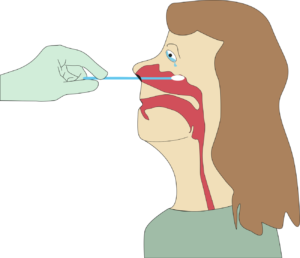
Further, there are the problems and errors associated with PCR amplification.  RT PCR tests work by detecting the presence of a shortened strand of RNA through amplification of testing sample material.

Every cycle that the test material is run through decreases the amount of available material, so when run through too many cycles, the material detected is nothing more than non-infectious dead matter.

Over 260 Covid-19 Tests formerly approved for Emergency Use have been Recalled by FDA Due to Serious Problems. Further, companies failed to provide proper documentation to meet testing minimum standards. In essence, millions of Covid-19Tests have been recalled for bacterial and other contamination issues.

Such is the state of ‘science’ today.

Lab Born Cancer Virus

What remains unspoken is that the SARS-CoV2 virus was created in a lab and patented for profit.

However, written proof is found in the July 2015, a U.S. patent for “an attenuated coronavirus” (SARS-CoV2) was filed, and subsequently granted in November 2018 to the CDC. showing that the spiked suspension “isolates” were created in a lab for use in vaccines.

How is the virus known as SARS-CoV2 able to be identified by a PCR test?

The synthetic SARS-CoV2 virus contains an isolate material inserted into it using CRISPR technology. This isolate material is called A549 cells.

The A549 cells are adeno-carcinomic-human-alveolar-basal-epithelial-cells, and constitute a cancer cell line that was first developed in 1972 by D. J. Giard, et al. through the removal and culturing of cancerous lung tissue in the explanted tumor of a 58-year-old caucasian male. The A549 cells are spliced into the host genome using CRISPR technique.

…we infected the GeCKOv2 pool of A549ACE2 cells with SARS-CoV-2 virus (Isolate USA-WA1/2020 NR-52281) at either a high (0.3) or a low (0.01) MOI. We verified that SARS-CoV-2 infects A549ACE2 cells by staining for the nucleocapsid (N) protein at 24 h post-infection (Figure 1B), and at day 6 post-infection, we measured cell survival for both the high and low MOI conditions (Figure 1C)…. Next, we extracted genomic DNA, and via amplicon sequencing…..as expected given that SARS-CoV-2 rapidly kills A549ACE2 cells without CRISPR perturbations

A Canadian Naturopathic doctor found that the PCR test protocol developed by the World Heath Organization to detect COVID-19 actually tests for chromosome 8, which is present in all humans.

In other words, the PCR test identifies only human DNA, not viral particles.

Now you know why the test gives 80% false-positive results for COVID-19 and why so many people tested positive are described as asymptomatic. They don’t have any COVID-19. They have what everyone has, chromosome 8. – Amandha Dawn Vollmer ND, Canadian College of Naturopathic Medicine, Toronto

Cancer, The Emerging Pandemic

What they don’t want you to know is that there is no direct evidence pathogenic viruses exist and cause disease in humans. ….. The Covid-19 Fraud and war on humanity has been an example of how far the lie can be pushed. Once the Covid-19 show ends, there will be another virus waiting in the wings, unless the people can see, the emperor has NO clothes……..” – Dr. Sam Bailey 

imageOpenClipart-Vectors from Pixabay” width=”270″ height=”388″>

Cancer centers are noticing a clear trend upward in cancer rates. Worldwide, cancer rates are rising in younger populations.

How do cancer rates rise in a technologically-advanced medical landscape? Why is antibiotic resistance rising if western medicine is advancing? Why do medical experts avoid these questions?

In 2021, Idaho doctor, Ryan Cole, MD observed a 20-fold increase in endometrial cancer in his practice since the mRNA vaccine roll-out. He claims humans are modifying the immune cells that keep cancer in check. In the down regulating of the immune system he sees a dramatic drop in killer T-cells that results in an uptick in conditions of low immune status: Herpes, melanomas, cervical lesions, Shingles, Mononucleosis, autoimmune disease, and solid tumor cancers.

A September, 2022 study in the journal Nature Reviews Clinical Oncology showed that the incidence of ‘early onset cancers,’ in adults under 50 years old has been increasing in the U.S. and many parts of the world since the 1990s. What has changed?

  1. PCR testing is the gateway test for a false positive diagnosis of viral infections.
  2. Synthetic mRNA (HPV) and SARS-CoV2 vaccines have been deployed into the human genome worldwide.
  3. SARS-CoV2 envelope contains a human cancer sequence (A549 cells).
  4. SARS-CoV2 research is called Gain of Function (GoF), which makes particles more deadly.

Think Frankenstein.

Synthetic Immunity

The gene-encoded or mRNA, vaccines work poorly because they are synthetic replication of the already synthetic SARSr-CoV-WIV spike proteins and possess no other epitopes. The mRNA instructs the cells to produce synthetic copies of the SARSr-CoV-WIV synthetic spike protein directly into the bloodstream wherein they spread and produce the same ACE2 immune storm the the recombinant vaccine does. The vaccine recipient has no defense agains the bloodstream entry. – Major Joseph Murphy Letter to DoD

Image by Clker-Free-Vector-Images from Pixabay

The first generation mRNA vaccines encode the DNA to create a foreign “spike protein” in the body. This technology induces complex reprogramming of innate immune responses.

A June 2022 study in the journal Virology showed that immunity declined in vaccinated people after two doses. The published conclusion? “As a safety measure, further booster vaccinations should be discontinued.”

Without a normal immune response, there is no antibody response and no killer T cell activation. Cells can grow of control, into cancers [See Immunity Malfunction].

Enter: The 2nd generation monoclonal antibodies that target synthetic spike proteins, and replace the innate immune system with a synthetic one.

Monoclonal antibodies may be required for people who cannot develop or maintain an adequate immune response after vaccination.  – Covid19 Prevention Network

As with EUA vaccines, the new monoclonal antibody drugs are not FDA-approved. And there are dozens of patented monoclonal antibody technologies soon to be released.

The WHO recommends two new second generation monoclonal antibody drugs, for those who are at high risk of hospitalization (baricitinib & sotrovimab). Warnings for these drugs include cancer, blood clots, and death.  Some of these drugs are being paired with Remdesivir, a known cause of adverse events.

Another 2nd Gen COVID drug, REGEN-COV was previously withdrawn as a treatment for patients with advanced cervical cancer. Still others, such as COVAX and RELCoVax are injectable gene-therapy promoted by media doctors who push a 4-pronged WHO strategy. RelCoVax introduces Aluminum (neurotoxin) directly into human cells.

Think Gulf War Illness.

Rewrite the Narrative

Image by StockSnap from Pixabay

With the spread of Big Tech also comes the spread of misinformation, in big ways. The new narratives seek to create a Medical Technological Age of ‘tele-everything’. Speech generators such as Voicebox suggest Artificial Intelligence (A.I.) will edit messages similar to how CRISPR edits genomes.

Experts Say the ‘New Normal’ in 2025 Will Be Far More Tech-Driven, Presenting More Big Challenges.’

Many respondents said their deepest worry is over the seemingly unstoppable manipulation of public perception, emotion and action via online disinformation – lies and hate speech deliberately weaponized in order to propagate destructive biases and fears. They worry about significant damage to social stability and cohesion and the reduced likelihood of rational deliberation and evidence-based policymaking.

The FDA and WHO are betting you will continue to allow new and untested drugs into your body for new and unproven viruses.

Are the Centers for Disease Control and Prevention (CDC) really Centers for Disease Creation and Promotion?

The rules have changed. There are no saviors or Protectors. The protector is the original, innate immune system, a birth right.

It’s time for humanity to step up and reclaim responsibility for its organic origins. It’s time to rewrite the narrative before inorganic Artificial Intelligence, and gene therapy, does it for us.

Related Articles:

420 with CNW — Five Challenges Marijuana Equity Companies Face

420 with CNW — Five Challenges Marijuana Equity Companies Face

image

Social-equity founders in America’s state-level cannabis industry are facing a myriad of challenges despite enjoying purported industry support. Social equity refers to a set of policies designed to give people who were disproportionately affected by the drug war a leg up in the cannabis industry.

These policies are meant to give communities that endured over policing and harsh sentencing for decades due to prohibitionist cannabis laws a chance to benefit from a drug that was once used to persecute them. However, despite the good intentions behind social-equity provisions, founders from communities of color and lower-income communities still struggle to carve a space for themselves in the lucrative marijuana sector.

Lack of capital is one of the chief issues hindering the success of social-equity founders. Although social-equity provisions allow them to get their foot into the door, they offer little support afterward.

Social-equity applicants have an even harder time securing capital because cannabis is still illegal at the federal level and applicants have extremely limited options for sourcing capital.  This makes it difficult for social-equity founders to open and grow businesses in the cannabis sector, especially since they often have to pay extremely high state taxes and fees.

Limited connections also hinder the growth of cannabis businesses owned by social-equity founders. Since they often come from lower-income communities with little generational wealth, these founders typically don’t have the connections they may need to navigate the cannabis industry.

Without the right connections, these individual may struggle to source capital, secure deals and find more opportunities for growth.

High taxes prevent social-equity, founder-owned businesses from achieving their true potential.  America’s state-level cannabis industry is notorious for its complicated and costly taxes, with cannabis businesses in most states paying more taxes compared to the alcohol industry.

Cannabis’s status as a federally prohibited drug also deprives cannabis businesses of tax benefits, such as tax deductions for certain expenses.

Furthermore, local and state governments often enforce excise taxes in ways that favor larger businesses over small businesses, which tend to be owned by social-equity founders. High taxes at every step of the value chain increase operational costs and raise prices, making it harder for social-equity founders to compete with illicit sellers who can price their products significantly cheaper.

Misreading contracts can be a costly mistake for social-equity founders. As they often struggle to access capital, these founders are more likely to do the majority of the work themselves, including the legal work.

Retaining a cannabis attorney may be a little costly, but it will ensure that paperwork is handled efficiently and save the potential financial and reputational cost of misreading contracts.

Long-term resources will be critical to the survival of social-equity, founder-owned businesses in the cannabis space. Navigating the cannabis industry can be a significant challenge, and even large businesses with major financial backing have seen their fortunes turn. With little to no connections and limited access to capital, social-equity businesses face a high risk of bankruptcy or closure.

As these challenges are gradually addressed, equity businesses could thrive and create more business opportunities for ancillary entities such as Advanced Container Technologies Inc. (OTC: ACTX) that sell cultivation equipment and other products designed to meet the needs of marijuana-touching businesses.

NOTE TO INVESTORS: The latest news and updates relating to Advanced Container Technologies Inc. (OTC: ACTX) are available in the company’s newsroom at https://cnw.fm/ACTX

About CNW420

CNW420 spotlights the latest developments in the rapidly evolving cannabis industry through the release of two informative articles each business day. Our concise, informative content serves as a gateway for investors interested in the legalized cannabis sector and provides updates on how regulatory developments may impact financial markets. Articles are released each business day at 4:20 a.m. and 4:20 p.m. Eastern – our tribute to the time synonymous with cannabis culture. If marijuana and the burgeoning industry surrounding it are on your radar, CNW420 is for you! Check back daily to stay up-to-date on the latest milestones in the fast -changing world of cannabis.

To receive instant SMS alerts, text CANNABIS to 21000 (U.S. Mobile Phones Only)

For more information please visit https://www.CNW420.com

Please see full terms of use and disclaimers on the CannabisNewsWire website applicable to all content provided by CNW420, wherever published or re-published: http://CNW.fm/Disclaimer

Do you have questions or are you interested in working with CNW420? Ask our Editor

CannabisNewsWire420
Denver, Colorado
http://www.CNW420.com
303.498.7722 Office
Editor@CannabisNewsWire.com

CNW420 is part of the InvestorBrandNetwork.

Study Suggests Psychedelic Microdosing Could Heighten Authenticity

Research into psychedelics is increasingly revealing that these purportedly dangerous drugs may have potent mental health benefits. While modern antidepressants work by influencing the levels of hormones such as serotonin in the brain, psychedelics seem to deliver their benefits by influencing the mind and perception.

Their unique effects allow psychedelics to deliver long-term benefits against a myriad of mental disorders, with minimal side effects.

Clinical studies have found that psychedelics, including psilocybin, can treat conditions such as major depressive disorder when conventional treatments have failed. A recent study looking at the potential benefits and risks of microdosing psychedelics has found that there may be an association between microdosing and increased authenticity.

Microdosing refers to the practice of taking tiny doses of psychedelics while remaining within the therapeutic dose to avoid experiencing any mind-bending effects. It has gained popularity in recent years as more people turn away from conventional treatments in favor of psychedelics to treat conditions like anxiety and depression.

According to the recent study, microdosing psychedelics may result in a heightened feeling of authenticity in users. Researchers recruited 18 participants and collected data over the course of a month during 192 observation sessions. The individuals were asked to provide assessments of their state of authenticity on nonmicrodosing and microdosing days.

The research team also recorded the activities the participants engaged in over the study period and the level of satisfaction they drew from these activities.

Mixed-effects models were used to analyze the data after emotional states, trait authenticity and demographic information were used as control variables. The researchers measured state authenticity using the Real-Self Overlap Scale while an indicator variable was used to assess the microdosing. A mixed-effects model was then used to test the hypotheses that microdosing psychedelics was somehow associated with increased authenticity.

The researchers found that microdosing resulted in elevated levels of the of state authenticity on the day of dosing and the day after. They also discovered that the 18 study participants found more satisfaction in daily activities after microdosing psychedelics and were more likely to cook, read write and engage in chores.

The findings suggest that microdosing psychedelics may make users feel more authentic and increase the satisfaction they derive from daily activities. The researchers behind the study indicate that microdosing may help individuals feel more connected to their emotions and thoughts and make it easier for them to act in ways that genuinely mirror their internal desires and values.

While these studies point to the potential benefits of microdosing, it is important to keep in mind that these psychedelics could pose some risks to users, which is why a lot of companies such as atai Life Sciences N.V. (NASDAQ: ATAI) are focusing their drug-development efforts on formulations that require to be used in a clinical setting.

About PsychedelicNewsWire

PsychedelicNewsWire (PNW) is a specialized content distribution company that (1) aggregates and distributes news and information on the latest developments in all aspects and advances of psychedelics and their use, (2) creates PsychedelicNewsBreaks designed to quickly update investors on important industry news, (3) leverages a team of expert editors to enhance press releases for maximum impact, (4) assists companies with the management and optimization of social media across a range of platforms, and (5) delivers unparalleled corporate communication solutions. PNW stays abreast of the latest information and has established a reputation as the go to source for coverage of psychedelics, therapeutics and emerging market opportunities. Our team of seasoned journalists has a proven track record of helping both public and private companies gain traction with a wide audience of investors, consumers, media outlets and the general public by leveraging our expansive dissemination network of more than 5,000 key syndication outlets. PNW is committed to delivering improved visibility and brand recognition to companies operating in the emerging markets of psychedelics.

To receive instant SMS alerts, text “Groovy” to 844-397-5787 (U.S. Mobile Phones Only)

For more information please visit https://www.psychedelicnewswire.com

Please see full terms of use and disclaimers on the PsychedelicNewsWire website applicable to all content provided by PNW, wherever published or re-published: https://www.psychedelicnewswire.com/Disclaimer

Do you have questions or are you interested in working with PNW? Ask our Editor

PsychedelicNewsWire (PNW)
San Francisco, California
www.psychedelicnewswire.com
415.949.5050 Office
Editor@PsychedelicWire.com

PsychedelicNewsWire is part of the InvestorBrandNetwork.

High Tide files preliminary base shelf prospectus to replace expired base shelf prospectus

The prospectus has been filed in each of the provinces and territories in Canada. The prospectus, when final and effective, will enable the company to offer, issue and sell, from time to time: common shares, warrants, units, subscription receipts, debt securities, convertible securities, or any combination of such securities for up to an aggregate offering price of C$100,000,000 (or its equivalent), in one or more transactions during the effective period.

The company has also filed a corresponding shelf registration statement relating to the Securities with the United States of America Securities and Exchange Commission under the U.S. Canada Multijurisdictional Disclosure System.

The company may also use the prospectus in connection with an “at-the-market distribution” in accordance with applicable securities laws, which would permit securities to be sold on behalf of the company through the TSX Venture Exchange, the Nasdaq Stock Exchange, (or other existing trading markets) as further described in the applicable prospectus supplement. To date, no agreement has been entered into with respect to such a distribution.

Advertisement

The company may use the net proceeds from the sale of Securities for general corporate purposes, capital projects, internal expansion, or for the acquisition of other businesses, assets or securities by the company or one of its subsidiaries.

This press release does not constitute an offer to sell or the solicitation of an offer to buy securities, nor will there be any sale of the Securities in any jurisdiction in which such offer, solicitation or sale would be unlawful prior to the registration or qualification under securities laws of any such jurisdiction. If any securities are offered under the prospectus, the terms of any such securities and the intended use of the net proceeds resulting from such offering would be established at the time of any offering and would be described in a prospectus supplement filed with the applicable securities regulatory authorities at the time of such offering and would be made available by High Tide.

How Can Cannabis Roots Be Used Medicinally?

How Can Cannabis Roots Be Used Medicinally?

Almost every part of the cannabis plant can be utilized beneficially. Aside from the potent buds, the stems can produce fibers and building materials, the seeds can be used in food production, and the leaves hold potential as a green biomass fuel source. [1][2][3][4] Cannabis roots are one of the most overlooked parts of the cannabis plant.

@media(min-width:0px){#div-gpt-ad-extractionmagazine_com-medrectangle-3-0-asloaded{max-width:580px!important;max-height:400px!important;}}

Though they are not a potent source of cannabinoids, cannabis roots hold the potential to treat a variety of medical conditions thanks to the active compounds contained in them. In fact, cannabis roots were first employed medically as a treatment for gout by Pliny the Elder during the Roman Empire. [5]

Since then, herbalists and medical professionals from all over the world use cannabis roots to treat many other maladies. Depending on preparation and administration methods, cannabis roots could potentially provide a new source of cannabis based medicines.

Mixing and Pulverizing Raw Roots

The most rudimentary form of preparation is to use the roots in their raw form. By avoiding any applications of heat or concentration methods, the raw plants allow the medicinal constituents to remain unaltered. These medicinal compounds include triterpenoids, monoterpenes, alkaloids, sterols, and choline in varying amounts. [6][7][8][9][10] Ground cannabis roots provide a cooling sensation, so they can be applied directly onto burns to provide fast relief. [11] The same also works for joint pain caused by inflammation, with dermal application providing relief from the physical pain. [12]

@media(min-width:0px){#div-gpt-ad-extractionmagazine_com-medrectangle-4-0-asloaded{max-width:250px!important;max-height:250px!important;}}

This method often mixes the ground root with a fat or butter to help the application, but it also recommended to combine them with wine to allow oral consumption, to help relieve gastrointestinal distress. [13][14]

Making Juice or Decoction

Like the basic raw materials, cannabis root juice and decoction can relieve consequences of burns, inflammation or gastrointestinal diseases. The advantage of these two preparation methods over basic raw material is that the medical constituents from cannabis roots become more concentrated, allowing for increased dermal and oral absorption.

This increased absorption allows for more treatments to emerge, one of the most significant relating to complications surrounding childbirth. The juice from cannabis roots is common medeicine of Chinese Medicinal practitioners to prevent postpartum hemorrhaging. [15] When consuming the oral solution, women in childbirth can experience thickening vaginal discharge, which can help to stop excessive bleeding, flooding, or spotting. This thickening not only stops hemorrhaging, but can also help retain the placenta.

Decoction, on the other hand, is more typically applied directly to the troubled area, instead of being absorbed through the stomach. This concentrated form of cannabis roots serves one additional purpose beyond pain relief: vermin removal. [16] This technique was employed by various cultures in different ways.

@media(min-width:0px){#div-gpt-ad-extractionmagazine_com-box-4-0-asloaded{max-width:300px!important;max-height:250px!important;}}

The Ancient Greeks applied it directly to ears to remove ear worms, and in Burkina Faso it is used intrarectally to remove intestinal parasites.[17] Additionally, an 18th century Persian medical text called Makhzan-al-Adwiya records using cannabis use as a treatment for infections in horses [18].

It is unclear how effective these treatments are compared to synthetic alternatives, but they are often employed as traditional medicinal solutions from around the world.

Why Boiling the Roots?

Boiling the plant roots helps to break down the plant matrix. This helps extract more efficiently the highest concentration of medicinal ingredients. Boiled roots represent the first known medicinal application of cannabis roots by Pliny the Elder to treat gout in Ancient Rome. [19] This practice was authentic for the Roman Empire as far away as for China.

By boiling roots and wrapping any area of physical discomfort, pain relief from joint pain, rheumatism, and arthritis can be achieved. Direct compresses of boiled cannabis roots may also be used to treat “hard tumors,” but the word “tumor” does not necessarily mean cancer the way we think of it today. [20] This terminology stems from the 12th century, and could refer to anything from ulcers, sores, or pulled muscles. [21]

This same source also touted boiled cannabis roots as a treatment for fevers, but that may be tied in with an additional effect. In various Bangladeshi communities, boiled cannabis roots were touted as the treatment for sexually transmitted diseases. [22] Specifically, these communities used the roots to treat gonorrhea and syphilis, both of which are bacterial infections. This implies that cannabis roots may hold antibacterial properties, but there is no conclusive link.

Additional evidence does exist to support this claim though, as cannabis roots are useful in Argentina and Uganda as treatments for malaria, and it is helpful with treating erysipelas. [13][23][24] Each of these three conditions is bacterial, but the additional evidence may only be a correlation and not a causation.

Additionally, boiled cannabis roots can also be used to induce vomiting when taken orally. [25] This may provide an option to help remove toxins, similar to the vermin removal of juice or decoction. It is interesting to note that this has an opposite effect to other parts of the cannabis plant that have been known to prevent nausea.[26] Evidence is still developing, but the answer to this may reside in the lack of cannabinoids found in cannabis roots, compared to other parts of the plant. [27]

References:

    1. Deng, Gang, et al. “Planting density and fertilization evidently influence the fiber yield of hemp (Cannabis sativa L.).” Agronomy 9.7 (2019): 368.
    2. Sorrentino, Giuseppe. “Introduction to emerging industrial applications of cannabis (Cannabis sativa L.).” Rendiconti Lincei. Scienze fisiche e naturali 32.2 (2021): 233-243.
    3. @media(min-width:0px){#div-gpt-ad-extractionmagazine_com-leader-1-0-asloaded{max-width:468px!important;max-height:280px!important;}}

    4. Iftikhar, Amna, et al. “Applications of Cannabis sativa L. in food and its therapeutic potential: From a prohibited drug to a nutritional supplement.” Molecules 26.24 (2021): 7699.
    5. Ţîţei, Victor, et al. “Biomass quality of hemp, Cannabis sativa L. and prospects of its use for various energy purposes.” Agronomy 63 (2020): 2.
    6. Bostock, John, and Henry T. Riley. “Pliny the Elder: The natural history.” Perseus at Tufts (1855).
    7. Jin, Dan, et al. “Secondary metabolites profiled in cannabis inflorescences, leaves, stem barks, and roots for medicinal purposes.” Scientific Reports 10.1 (2020): 1-14.
    8. Allen, Keith D., et al. “Genomic characterization of the complete terpene synthase gene family from Cannabis sativa.” PloS one 14.9 (2019): e0222363.
    9. Radwan, Mohamed M., et al. “Cannabinoids, phenolics, terpenes and alkaloids of cannabis.” Molecules 26.9 (2021): 2774.
    10. Jin, Dan, et al. “Identification of chemotypic markers in three chemotype categories of Cannabis using secondary metabolites profiled in inflorescences, leaves, stem bark, and roots.” Frontiers in Plant Science 12 (2021): 699530.
    11. Wahby, Imane, et al. “Analysis of choline and atropine in hairy root cultures of Cannabis sativa L. by capillary electrophoresis‐electrospray mass spectrometry.” Electrophoresis 27.11 (2006): 2208-2215.
    12. Odieka, Anwuli Endurance, et al. “The medicinal natural products of Cannabis sativa Linn.: A review.” Molecules 27.5 (2022): 1689.
    13. Hammell, D. C., et al. “Transdermal cannabidiol reduces inflammation and pain‐related behaviours in a rat model of arthritis.” European journal of pain 20.6 (2016): 936-948.
    14. Manfred, Leo. Siete mil recetas botánicas a base de mil trescientas plantas medicinales. No. 581.634 M35 1979. 1979.
    15. @media(min-width:0px){#div-gpt-ad-extractionmagazine_com-large-mobile-banner-1-0-asloaded{max-width:468px!important;max-height:280px!important;}}

    16. Elhendawy, Mostafa A., et al. “Chemical and biological studies of Cannabis sativa roots.” Medical cannabis and cannabinoids 1.2 (2019): 104-111.
    17. Tan, Fang, et al. “Chinese materia medica used in medicinal diets.” Journal of Ethnopharmacology 206 (2017): 40-54.
    18. Butrica, James L. “The medical use of cannabis among the Greeks and Romans.” Journal of Cannabis Therapeutics 2.2 (2002): 51-70.
    19. Nadembega, Pascal, et al. “Medicinal plants in Baskoure, Kourittenga province, Burkina Faso: an ethnobotanical study.” Journal of ethnopharmacology 133.2 (2011): 378-395.
    20. Russo, Ethan. “Cannabis in India: ancient lore and modern medicine.” Cannabinoids as therapeutics (2005): 1-22.
    21. Aldrich, Michael. “Therapeutic Cannabis.” Cannabis in medical practice: A legal, historical and pharmacological overview of the therapeutic use of marijuana (1997): 35.
    22. Van Pelt, Blair. “Characterization of Medicinal Properties of Cannabis sativa L. Roots.” (2008).
    23. Masic, Izet. “Thousand-year anniversary of the historical book:“Kitab al-Qanun fit-Tibb”-The Canon of Medicine, written by Abdullah ibn Sina.” Journal of research in medical sciences: the official journal of Isfahan University of Medical Sciences 17.11 (2012): 993.
    24. Rahmatullah, Mohammed, et al. “A survey of medicinal plants used by Garo and non-Garo traditional medicinal practitioners in two villages of Tangail district, Bangladesh.” American Eurasian Journal of Sustainable Agriculture 5 (2011): 350-357.
    25. Tabuti, John RS. “Herbal medicines used in the treatment of malaria in Budiope county, Uganda.” Journal of ethnopharmacology 116.1 (2008): 33-42.
    26. Rubin, Vera, ed. Cannabis and culture. Walter de Gruyter, 2011.
    27. Hourfane, Sohaib, et al. “A Comprehensive Review on Cannabis sativa Ethnobotany, Phytochemistry, Molecular Docking and Biological Activities.” Plants 12.6 (2023): 1245.
    28. Rock, E. M., et al. “Cannabidiol, a non‐psychotropic component of cannabis, attenuates vomiting and nausea‐like behaviour via indirect agonism of 5‐HT1A somatodendritic autoreceptors in the dorsal raphe nucleus.” British journal of pharmacology 165.8 (2012): 2620-2634.
    29. Parker, Linda A., Erin M. Rock, and Cheryl L. Limebeer. “Regulation of nausea and vomiting by cannabinoids.” British journal of pharmacology 163.7 (2011): 1411-1422.
420 with CNW — Five Challenges Marijuana Equity Companies Face

420 with CNW — Ukraine to End Cannabis Prohibition to Help Manage Mental-Health War Effects

image

Ukrainian members of parliament (MPs) have unanimously approved a measure to legalize marijuana, aiming to provide relief for war veterans struggling with physical and psychological trauma. The proposed bill, which permits the medical use of cannabis, effortlessly passed its initial reading, garnering support from 268 out of 344 legislators. Prior to becoming law, it must undergo a second reading in parliament and obtain the signature of President Volodymyr Zelensky.

The significant backing for medical cannabis marks a notable shift in attitudes toward the substance since Russia’s invasion of Ukraine.

In 2021, a similar bill faced resounding defeat. Today, cannabis is recognized as a viable alternative to traditional prescription drugs for treating the extensive physical and mental injuries endured by thousands of civilians and soldiers during the war. Tymofiy Mylovanov, the director of the Kyiv School of Economics and an advisor to President Zelensky, affirmed, “Both veterans and the wounded rely on marijuana, and the legislature aims to legalize its usage.”

While Ukraine does not publicly disclose its casualty figures, estimates suggest they are lower than the estimated 200,000 Russian soldiers who have been injured or killed. Leaked U.S. intelligence documents in April indicated that by February, Ukraine had experienced between 124,500 and 131,000 casualties, with up to 17,500 fatalities.

According to a report released by the WHO in February, approximately 25% of the Ukrainian population and 60% of its soldiers may be suffering from PTSD or depression due to the war. Furthermore, the report highlighted the sidelining of mental-health services in favor of bolstering trauma unit capacities.

Advocates for medical-marijuana legalization assert that cannabis can alleviate pain and symptoms associated with post-traumatic stress disorder (PTSD), often offering a safer alternative to prescription opioids. President Zelensky has expressed support for the legalization of medical marijuana. Leading up to the vote, numerous prominent Ukrainians also voiced their endorsement of the legislation.

Yanina Sokolova, a television presenter, shared a photograph on her Facebook page depicting a Ukrainian soldier lying in a hospital bed following an injury caused by a Russian landmine. The explosion had partially severed his left leg, ultimately leading to a complete amputation. “He experiences excruciating pain constantly, 24/7. It’s unbearable,” Sokolova reported.

In light of such circumstances, Sokolova continued: “I can identify numerous groups of patients experiencing various painful symptoms. They all urgently require medical marijuana.”

Across the globe, the legalization of medical marijuana has been steadily gaining traction, with the United Kingdom permitting its prescription by doctors in 2018.

The medical use of marijuana is on the rise around the world. This could be the reason why we are seeing more enterprises such as IGC Pharma Inc. (NYSE American: IGC) taking steps to develop pharmacy-grade formulations from THC and other cannabinoids so that patients can have marijuana medicines that they can obtain through doctor prescriptions in the healthcare system.

NOTE TO INVESTORS: The latest news and updates relating to IGC Pharma Inc. (NYSE American: IGC) are available in the company’s newsroom at https://cnw.fm/IGC

About CNW420

CNW420 spotlights the latest developments in the rapidly evolving cannabis industry through the release of two informative articles each business day. Our concise, informative content serves as a gateway for investors interested in the legalized cannabis sector and provides updates on how regulatory developments may impact financial markets. Articles are released each business day at 4:20 a.m. and 4:20 p.m. Eastern – our tribute to the time synonymous with cannabis culture. If marijuana and the burgeoning industry surrounding it are on your radar, CNW420 is for you! Check back daily to stay up-to-date on the latest milestones in the fast -changing world of cannabis.

To receive instant SMS alerts, text CANNABIS to 21000 (U.S. Mobile Phones Only)

For more information please visit https://www.CNW420.com

Please see full terms of use and disclaimers on the CannabisNewsWire website applicable to all content provided by CNW420, wherever published or re-published: http://CNW.fm/Disclaimer

Do you have questions or are you interested in working with CNW420? Ask our Editor

CannabisNewsWire420
Denver, Colorado
http://www.CNW420.com
303.498.7722 Office
Editor@CannabisNewsWire.com

CNW420 is part of the InvestorBrandNetwork.