By Owen Fullerton, Local Journalism Initiative Reporter
St. Lawrence College is partnering with local health and wellness startup Neuma to deliver the country’s first college level psychedelics foundations program with a focus on experiential learning.
As the medicinal potential of psychedelics like psilocybin continues to be explored, the Neuma Centre believes there’s value to people gaining an understanding of the history, science, principles, and philosophy of psychedelics and bringing those things into real practice.
Neuma hosted a launch event last Thursday at the college to talk about why they think starting the “Foundations for Psychedelic Exploration” course is important, and as an opportunity for people to ask questions about and provide feedback on what Neuma is doing and the new course they’ll be delivering.
Advertisement
Nearing a year old, Neuma’s goal is to provide more tools for mental health and wellness that people can use on their own.
The Wellness Centre’s Co-Founder Cory Firth says that Neuma thinks it’s necessary to be empowering not just practitioners, but individuals as well, and the program is designed to do that.
“It’s designed to provide a level of foundational theory of where psychedelics have come from,” Firth said.
“We have developed this program as a way to empower people on their journeys. So it’s not about providing information just to the practitioners because psychedelics don’t fit inside of the same system that we have now for mental health.”
He says having this educational foundation can help provide a safer environment for the substances to be used and a more empowered mental health culture that in some cases can be less reliant and straining on the medical system itself.
The course will have 28 interactive lessons that people can complete at their own pace, with Firth saying it would probably take five weeks if someone wanted to get through it quickly.
The program starts with an Indigenous Worldview delivered by land-based education experts and includes optional opportunities for experiential learning using cannabis guided by Neuma practitioners.
If and when regulations expand to allow the use of other psychedelics, Neuma plans to integrate the use of those into their work.
While the course isn’t part of any SLC program or curriculum – all the course material is designed and delivered by Neuma – a partnership between the school’s Innovation and Business Engagement team and the Wellness Centre lends some more credibility and accountability to the course through the college providing an assessment portion for the curriculum.
Those who complete the course also have the option of receiving a microcredential from the college if they wish.
Director of Innovation and Business Engagement at SLC, John Conrad, says while there really isn’t an existing industry at this time, the college sees the increased exploration of psychedelics and wants to get itself ready for when a job market does exist in the space.
He says it provides an opportunity for the school to be more involved in the space from the ground up.
“So as the industry opens up and grows that we’re able to be along with them,” Conrad said.
“For us it’s getting in at the start with them and being able to grow with them, and grow with the industry.”
The partners were connected initially through City of Kingston’s Health Innovation Kingston project, as well as Firth’s alumni status at the college.
Conrad adds that down the road there could be potential to see some of the concepts in this course introduced to existing programs at SLC.
While there’s reason to be excited thinking about the potential to integrate programming and build a deeper relationship, he said the focus for the college right now is creating space for Neuma to expand on their work.
“There is certainly interest in further conversation and dialogue, I think there’s a lot more exploration that has to be done,” Conrad said.
“What we’re excited about is there’s a local company that’s trying to do big things… whatever that looks like I think the college wants to be a part of that.”
The course has classes beginning on August 1 with early registration closing on July 15.
It comes at a cost ranging from $1,245 to $1,445 with Neuma offering a pay what you can option to those who have limited funds.
(Globe Newswire) Toronto — Organigram Holdings Inc. announced today that, further to its earlier press releases, it has completed the proposed consolidation of the company’s issued and outstanding common shares at a consolidation ratio of four pre-consolidation common shares for every one post-consolidation common share.
As of the date hereof, and following the share consolidation, there are 80,498,692 common shares issued and outstanding. Immediately prior to the share consolidation, the company had 321,994,768 common shares issued and outstanding. No fractional common shares will be issued in connection with the share consolidation and no cash will be paid in lieu of fractional post-consolidation common shares. In the event that a registered shareholder would otherwise be entitled to receive a fractional common shares upon the occurrence of the share consolidation, such fraction will be rounded up or down to the nearest whole number.
A letter of transmittal with respect to the consolidation is being mailed to the company’s registered shareholders only. All registered shareholders with certificated common shares will be required to send their share certificate(s) representing pre-consolidation common shares, along with a properly executed letter of transmittal, to the company’s transfer agent, TSX Trust, in accordance with the instructions provided in the letter of transmittal for share certificates representing post-consolidation common shares following the share consolidation or, alternatively, a direct registration system (DRS) advice/statement representing the number of post-consolidation common shares they hold following the share consolidation.
Registered shareholders may also obtain a copy of the letter of transmittal by accessing the company’s SEDAR profile at www.sedar.com or the company’s EDGAR profile at www.sec.gov. No action is required by beneficial shareholders (i.e. non-registered shareholders) to receive post-consolidation common shares in connection with the consolidation. Beneficial shareholders who hold their common shares through intermediaries and who have questions regarding how the share consolidation will be processed should contact their intermediaries with respect to the share consolidation.
Advertisement
It is anticipated that the post-consolidation common shares will commence trading on the Toronto Stock Exchange (TSX) and Nasdaq Global Select Market (Nasdaq) under the new CUSIP number 68620P705 (CA68620P7056) at market open on July 7, 2023, subject to final confirmation from the TSX and the Nasdaq. The company’s name and current trading symbol (NASDAQ: OGI, TSX: OGI) will remain unchanged following the consolidation.
As previously described, the share consolidation was implemented to ensure the company continues to comply with Nasdaq listing requirements. On January 23, 2023, the company received notification from Nasdaq that, as a result of its common share price falling below an average of US$1.00 for a consecutive 30 trading-day period, it is not in compliance with the continued listing standards. The company expects the share consolidation to restore compliance with the Nasdaq’s continued listing standards, and to continue to provide access to a broad universe of investors, access to equity capital and trading liquidity.
In addition, the share consolidation may also provide the potential benefits of (i) enhancing the marketability of the common shares given that an increase in the price per common share could increase the interest of institutional and other investors with policies that prohibit them from purchasing shares below a minimum price, and (ii) reducing volatility as a result of small changes in the share price of the common shares.
The therapeutic properties of cannabis have been widely recognised by the international scientific community for decades now. However, the illegal status of cannabis, especially of its active ingredient THC, has made its use in the therapeutic field particularly difficult. For this reason, in many European states and beyond, a debate has been going on for years about the possibility of using cannabis for medicinal purposes, involving governments, regulators and law enforcement on the one hand, and doctors and patients on the other.
As a result, several states in Europe have introduced specific laws and programmes to allow patients to use cannabis preparations in various forms to alleviate the symptoms of a range of pathological conditions. In the absence of a European Union framework law, each individual state has its own laws regulating the use of Medical Cannabis, some more restrictive, some more permissive.
In order to get a complete picture of the legal status of Medical Cannabis access in various European states, the following sections will consider the legislation of those states that have opened up to its use, in particular:
Advertisement
⁕ Belgium,
⁕ Czech Republic,
⁕ Denmark,
⁕ Germany,
⁕ Ireland,
⁕ Italy,
⁕ Malta,
⁕ Poland,
⁕ Portugal,
⁕ Sweden,
⁕ Switzerland,
⁕ U.K.
Currently, the therapeutic use of cannabis and/or cannabinoids in Europe is regulated in the countries described in this guide, each with a different modality, as well as in others, whereas pilots or very tight Government control are applied, such as:
⁕ France: The Medical Cannabis program is operational until March 26, 2024, and has successfully treated around 2,200 patients over the past two years. Six producers have gained approval for nine products, which are being provided to the program at no cost by the producers. Presently, a tender process is underway to obtain additional supply for the final year of the program, and the producers will be paid for the products delivered.
⁕ Luxembourg: The initial Medical Cannabis program came to a close in 2021, followed by an extensive evaluation of its effective-ness. The launch of a second pilot program is anticipated shortly, with an estimated 1,000 patients served annually. The supply of Medical Cannabis products is limited, sourced from only three suppliers.
⁕ The Netherlands: The market for Medical Cannabis is solely sup-plied by one local producer, under a meticulously controlled sup-ply arrangement, with government monitored distribution. There is no provision for market entry except through direct negotiations with the government. Currently, the country caters to roughly 13,000 patients each year.
⁕ Cyprus, Finland, Greece, North Macedonia, Norway: In these Countries Medical Cannabis treatment is legal, but the low patient count is due to an underdeveloped infrastructure for treatment. This is attributed to various factors such as a scarcity of prescribing doctors, limiting conditions for prescribing, an incomplete regulatory framework for Medical Cannabis treatment, unavailability of products, inadequate awareness of structures and processes for medical cannabis treatment, and so on. In these markets, Medical Cannabis is only accessible under exceptional circumstances, with individual patients granted authorization for its use. Importation of products occurs in minimal quantities on their behalf.
The laws of the various states are updated to September 2022. As the legal situation of cannabis in Europe is constantly evolving, in some cases the current legislation, as well as the type and prices of products that can be purchased, may not be in line with this text. However this manuscript is subject to early review for both the science and the new regulatory and product frameworks.
Law references that regulate prescription
The law regulating the use of cannabis and its derivatives in Germany is the German Narcotic Drugs Act (Betäubungsmittelgesetz). Originally, cannabis was one of the narcotic substances that could not be marketed except under special conditions (Section 1, Annex 1).
As of 2017, cannabis was moved to Schedule 3. As an effect of this, the possibility of dispensing cannabis for medical purposes has been increased. In accordance with the new indications, since 2017 the use of Medical Cannabis is only permissible if it originates from a cultivation under state control, in accordance with the UN Single Convention on Narcotic Drugs and in preparations authorised as finished medicinal products. However, as the growth in demand cannot be met by local cultivation, the import of Medical Cannabis is becoming increasingly important.
Differences on private and public healthcare system/insurance system
The German Social Security Code, Vol. 5 of 20 December 1988, sets out the conditions for reimbursement by public health insurance.
Patients suffering from serious illnesses may, under certain circumstances, be reimbursed by public health insurance. The basic reimbursement price is set at EUR 4.30/gram. Patients with private insurance will have to pay the full cost in advance and request reimbursement through the insurer.
Who can prescribe Medical Cannabis and on what situation?
In Germany, as of Q1 2023, any doctor can prescribe Medical Cannabis, but under certain conditions. In fact, patients may receive a prescription for Medical Cannabis from a doctor if:
⁕ there is no general standard therapy for the patient’s illness;
⁕ first line therapy is not applicable according to the treating physician’s justified assessment, taking into account the side effects and the patient’s state of illness;
⁕ there is a reasonable possibility that Medical Cannabis will have a positive effect on the disease process or symptoms.
If the above requirements are met, health insurers must reimburse the costs of cannabis-based therapies, except in exceptional circumstances. Since ‘exceptional circumstances’ are not well defined in the law, this has allowed insurers to reject most claims for reimbursement.
Pathologies for which cannabis can be prescribed
In Germany, technically any disease can be treated if it meets the above requirements. The most commonly treated conditions are:
⁕ pain,
⁕ spasticity,
⁕ anorexia,
⁕ epilepsy,
⁕ ADHD,
⁕ Gilles de la Tourettes syndrome.
Medical products/varieties available for prescription and routes of administration allowed
The following products are available in Germany:
⁕ Sativex®
⁕ Epidolex®
⁕ Canemes ® (Nabilone),
⁕ Cannabis inflorescences,
⁕ Preparations with inflorescences: they can be ground, used in an oil tincture
⁕ Extracts prepared in pharmacies.
The routes of administration allowed are:
⁕ Oral (oil, capsule, extract, tincture),
⁕ Inhalation,
⁕ Topical.
How does a prescription look like?
In Germany, prescriptions containing narcotics must include:
⁕ Name of active ingredient and manufacturer,
⁕ Quantity and dosage,
⁕ Insurance number,
⁕ Patient’s name and address.
How patients get their medicine
When a patient receives a prescription for cannabis or its derivatives for the first time, he or she must obtain approval from his or her health insurance company (it can only be refused in special cases).
Afterwards, the patient must go to an authorised pharmacy. Currently, not many pharmacies stock Medical Cannabis and are sufficiently trained in this field. Customers often have to contact many local pharmacies before they can receive the prescribed cannabis therapy. Home delivery or pick-up is common as far as private clinics are concerned.
Medical Cannabis treatment average prices
In Germany, the price of cannabis sold on public prescription is set by the government (see table above). Patients with public insurance can purchase unprocessed cannabis flow-ers at a fixed cost of EUR 4.26/gram, plus a fixed surcharge of between 90% and 100%, depending on the size of the prescription. Patients may receive insurance reimbursement if they fall within the parameters.
Florida Attorney General Ashley Moody is working hard to keep a cannabis legalization initiative off the 2024 ballot. The attorney general recently issued a brief to the Florida Supreme Court detailing why she is opposed to the addition of the legalization measure on next year’s ballot.
Moody had received a two-week extension from the court to give her more time to finish the brief, and she submitted it on the Monday deadline. The Attorney General’s office is looking to nullify the marijuana legalization measure based on the argument that its ballot summary’s language is “affirmatively misleading” in several ways.
According to Moody, the summary does not take adequate steps to inform Florida voters that cannabis will remain illegal at the federal level. She notes in her brief that prior court opinions on ballot legalization measures did not stress the fact that “voters need clear guidance” before being asked to eliminate state-level penalties for possessing a substance that would still be illegal per the federal law. The note stated that “rampant disinformation in the press” and the measure’s sponsor made the need for clarity in the measure summary even more necessary.
Moody also argued that the ballot measure was misleading because it suggested the legislation would raise the number of cannabis retailers when the reality is it would simply allow existing operations to expand their retail outlets. Increased competition in the cannabis marketplace would increase product quality and professionalism among cannabis producers and retailers while reducing retail prices, the brief explained.
However, Moody said in her note, the state only allows medical marijuana treatment centers to take part in the cannabis trade at the moment, and the ballot measure won’t take any steps to change this. Moody states that the measure is also misleading because it would leave “reasonable voters” with the impression that they have limited immunity for the possession of up to three ounces of cannabis when in reality they would be subject to certain penalties for possessing more than the allowable amounts of cannabis.
Furthermore, the measure would limit the legislature’s ability to increase the maximum possession limit for cannabis and home marijuana cultivation in its entirety, allowing companies such as Trulieve, which financed the measure, to “entrench their monopoly in the marijuana market.”
Finally, the attorney general said that the ballot measure is misleading because it does not mention that the Florida Department of Health won’t be granted “constitutional regulatory authority” in the adult-use cannabis industry like it has medical cannabis. She noted that the bill neglected to disclose that there will be a significant period after legalization when medical cannabis dispensaries take part in the unregulated recreational cannabis trade.
In general, Moody concluded, the measure asks voters to usher in major changes to the state constitution without explaining what those changes would be; The bill should therefore be nullified, she states.
It is interesting to note that most controversy regarding marijuana in Florida and indeed around the world hinges on the recreational use of the substance. Enterprises that specialize in leveraging the medicinal properties of the plant, such as IGC Pharma Inc. (NYSE American: IGC), are insulated from those debates because they operate in a stable environment guided by the FDA drug-development protocols.
NOTE TO INVESTORS: The latest news and updates relating to IGC Pharma Inc. (NYSE American: IGC) are available in the company’s newsroom at https://cnw.fm/IGC
About CNW420
CNW420 spotlights the latest developments in the rapidly evolving cannabis industry through the release of two informative articles each business day. Our concise, informative content serves as a gateway for investors interested in the legalized cannabis sector and provides updates on how regulatory developments may impact financial markets. Articles are released each business day at 4:20 a.m. and 4:20 p.m. Eastern – our tribute to the time synonymous with cannabis culture. If marijuana and the burgeoning industry surrounding it are on your radar, CNW420 is for you! Check back daily to stay up-to-date on the latest milestones in the fast -changing world of cannabis.
To receive instant SMS alerts, text CANNABIS to 21000 (U.S. Mobile Phones Only)
Please see full terms of use and disclaimers on the CannabisNewsWire website applicable to all content provided by CNW420, wherever published or re-published: http://CNW.fm/Disclaimer
Do you have questions or are you interested in working with CNW420? Ask our Editor
The world-historical context in which Heidegger raises the question of Being is one which he has described as “the darkening of the world, the flight of the gods, the devastation of the earth, the transformation of men into a mass, the hatred and suspicion of everything creative” – J. L. Mehta
Sartre and Freud were not the only thinkers to lament our penchant for self-deception. The expert on the subject, in all its nuances, was German philosopher Martin Heidegger.
Known best for his first book Being and Time, Heidegger’s initial concern in the book is the identity of the questioner of life – the questioner of Being. Who is the person who thinks philosophically? What does he know about his subject of interest, and what does he know about himself? Is it possible for him to come upon his quarry – the nature of Being and meaning of existence – before he first possesses Self-knowledge? Not according to sages of the first rank.
Heidegger insists that the latter inquiry is of greater philosophical importance, since Being is rather an elusive and, arguably, impenetrable mystery. In Being and Time, the author successfully refocuses attention on the questioner of life and seeker after meaning.
…to work out the question of Being adequately, we must make an entity, the inquirer, transparent in his own Being – T. B. Yagi
Being itself could not be experienced without a more original experience of the essence of man and vice versa – Martin Heidegger
It was a direction first explored by German philosopher Immanuel Kant. Technically, in philosophy, it is the province of Epistemology, the branch of philosophy concerned with what there is to know, and how we come to know about it.
Prior to Kant’s time the focus was on the branch of philosophy known as Metaphysics. By and large, metaphysicians concentrate on abstract problems, such as the existence and nature of God and substance of reality, etc. However, metaphysicians rarely delved deeply into the nature of consciousness itself. Metaphysics is closer to theology or religion, in that the identity of God takes precedence over the identity of man. The very term metaphysics means “beyond” or “greater” than the physical.
Metaphysics, and the questions it gave rise to, dominated the attention of thinkers from the era of Plato and Aristotle onwards. The neo-Platonists Plotinus and Porphyry, etc, were metaphysicians, as were all the Christian “scholastics” who followed them. Aquinas, Anselm, Augustine, Dun Scotus, and so on, can be listed as metaphysicians.
Martin Heidegger (1889-1976), had the temerity to critique and overthrow the entire metaphysical tradition. After all, why waste time and thought on that which is “beyond” the physical, when we as humans are very much in the physical? We are in every sense Beings-in-the-World. Although his thought was highly idiosyncratic, he was not without predecessors. Chief among his influences were the poets Friedrich Holderlin and Rainer Maria Rilke. Other thinkers of the first rank whose work inspired him were Soren Kierkegaard, Friedrich Nietzsche, Karl Jaspers, Franz Brentano, Henri Bergson, Edmund Husserl, Oswald Spengler and possibly Martin Buber. Heidegger openly cited Heraclitus as an influence and was probably aware of the work of his contemporary Otto Rank. Heidegger met and was on good terms with the founders of Existential Psychology. Ludwig Binswanger and Medard Boss corresponded with Heidegger and cited him as a major influence, as did Gestalt Psychologist Maurice Merleau-Ponty. Heidegger’s classes were filled with many later leading intellectuals, including William Richardson, Hannah Arendt, Jurgen Habermas, Leo Strauss, Arnie Naess, Herbert Marcuse and George Steiner, etc. His work influenced Jean-Paul Sartre, Gabriel Marcel, Paul Tillich, Michel Foucault, Jacques Derrida, Richard Rorty, Charles Taylor, and a host of others. He was offered illustrious posts by the leading Japanese masters of Taoism. Not wanting to leave Germany, he declined every offer. In return, the most eminent Taoist masters sent their sons and daughters to Germany to attend Heidegger’s classes. Their personal memoirs contradict all the diatribes and accusations made against Heidegger by academics and the media. Werner Heisenberg, one of the foremost quantum theorists, visited and consulted with Heidegger at his residence in Freiberg.
…Heidegger takes his central task to be the overcoming of metaphysics – Julian Young
Heidegger didn’t think much of the metaphysical tradition. He knew it inside-out, but thought that philosophy had been seriously derailed by the those lost in metaphysical abstraction. The bulk of his writings brilliantly deconstruct the precepts and principles of metaphysics. He doesn’t leave much standing.
Heidegger had more in common with ancient pre-Socratic sages, namely Heraclitus and Parmenides. Commenters see signs of eastern traditions in Heidegger’s writings, and debate about whether he was influenced by Taoism, Zen and other oriental schools of thought. Heideger’s later writings tend to be mystical in complexion. His thought certainly influenced the founders of the deep-ecology movement. Poetic allusions to nature are to be found throughout his books and lectures, and he ended his academic career pointing not to philosophy, per se, but to poetry, art and craft as important and legitimate paths to truth.
Indeed, Heidegger’s writings not only concern the being who asks questions about Being, but also the whole problem of Truth and what it is.
This unique entity which raises the question of Being is not a chair, a fork, or a tree; it is rather the sort of entity that can make Being as its concern and Heidegger calls this entity ‘Dasein’ – T. B. Yagi
…Dasein is an entity that understands its own being. Dasein exists; and this means it makes choices. It is distinguished from all other entities by comporting itself toward its own existence – Richard Sembera
Is truth merely a matter of subjective judgment, or is it something objectively certain? Indeed, what is a “subject?” Who is the person you take yourself to be?
If it turns out that a subject is little more than a pastiche of social customs and conventions, is it likely such an artificial construct can apprehend truth? Surely, a man must first be a wholesome Self before that can happen.
Being and Time (1927), was immediately hailed as one of the greatest works of all time. Heidegger’s thought had a dramatic impact on metaphysics, ontology, religion, ethics, epistemology, sociology, psychology, science, technology, phenomenology, philology, ecology, deconstructionism, humanism, feminism, postmodernism, and other schools of thought.
For me Heidegger has always been the essential philosopher…My entire philosophical development was determined by my reading of Heidegger – Michel Foucault
Fundamental to Heidegger’s teachings on the nature of Truth is the word itself; not in English or German, but in ancient Greek. The origin of the word is aletheia, which means “revealing,” “uncovering,” “unconcealing” or “unveiling.” It also connotes “unforgetting.”
Heidegger used the metaphor of light to illustrate what he had in mind. In order for a light to shine forth, it must be uncovered from darkness by darkness. It emerges from the darkness and its identity as light depends on what we know and experience as darkness. It can be poetically said that light is actually a form or manifestation of darkness. It is a revelation of the darkness from which it emerges.
We’ve learned to call light the “opposite” of darkness, but Heidegger emphatically rejects this convention. It’s due to contamination from erroneous dualistic paradigms that must be scrapped. He was strongly opposed to the metaphysical philosophy of Descartes. He was one of the foremost critics of Cartesianism and related traditions.
Clouds pass and sunlight beams forth. The sky is flooded with light. But in less than a minute clouds can again gather and obscure the sun’s rays. Isn’t the search for and manifestation of truth akin to this?
The act that reveals also makes us aware of something else, which is that unveiling continues and never ceases. It’s not a one-time affair. All acts of revealing truths also involve more unveiling. Why is this? Heidegger emphasizes the importance of this question.
It fascinated early Grecian sages, which is why the word aletheia was employed by them, but the insightful concept grew less important as Greek civilization declined. Since then, this most fundamental of all philosophical truths has lain dormant. For Heidegger all later approaches to finding truth are misgiven and wrongheaded. His critiques of metaphysical thinking are also directed to the basic precepts of science, technology and religion. They come about due to the forgetting of the ultimate question and Truth of Being..
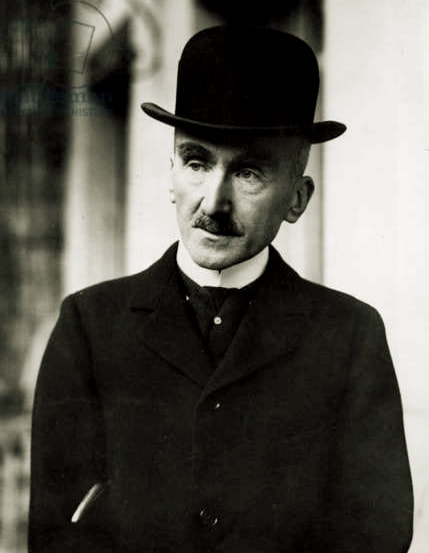
Scholars argue over who was Heidegger’s foremost influence. A few believe it was French philosopher Henri Bergson (1859-1941). He certainly had insightful things to say about the phenomenon of time. Heidegger says of him “…Bergson tried to conceive the concept of time more originally. He made it more clear than any previous philosopher that time is interwoven with consciousness.” Bergson also opposed Cartesianism, and as a Vitalist, he opposed hard dualism. His theory of the Elan Vital has largely been confirmed by Bruce Lipton, Rupert Sheldrake, and others.
While Being makes philosophy possible, it can never be grasped by philosophy – Katrin Froese
Why is it, Heidegger asked, that an act of unveiling a truth is invariably an act of partial unveiling? What is it about reality, that for every revelation, more remains to be revealed? Why is there no final denouement to the process? On close inspection, unconcealment is really a form of concealment. Why has this not been a concern?
Of course, this has massive implications for psychology and psychoanalysis, since the discovery and description of the “unconscious” seems to confirm Heidegger’s teachings. The workings of our minds are largely veiled. And the process of unveiling those workings is by no means a straightforward affair. Even when a client in therapy believes himself honest and forthcoming, he can be horribly wrong.
One does not control their ego’s defences any more than they control the blinking of their eyelids. Many times one must deny an aspect of themselves in order to come upon a greater truth about their identity. For example, an aggressive “superior” type may need to realize that his entire personality typology is an inauthentic compensation for underlying feelings of inferiority. Accepting the premise organically brings a hidden truth to light, while a false notion that once occupied the light of awareness is dimmed or altogether extinguished.
Likewise, a narcissist may never be healed until they discover the autophobia or self-loathing lying beneath their conscious image of themselves. The revelation includes an act of veiling, just as Heidegger says. The revealed truth shines forth whilst something else recedes into darkness. One could say a piece of darkness was illumined whilst another part, previously illumined, falls back into obscurity.
But that’s not where the mystery ends. After all, what brought this strange alternating dynamic and sequence into being in the first place? Why is life this way and not another?
What is the Being which makes possible all beings? – Martin Heidegger
Does this explain why, in the pursuit of knowledge, there’s plenty of pursuit but little in the way of knowledge?
The Greeks were insightful when they chose the word aletheia to denote the complex phenomenon of truth. It affirms that so much more is involved between seeker and that which is sought. For Heidegger it was vital that we accept this veiling-unveiling process as ontological or fundamental to consciousness. There can be no understanding of the nature of Being without first grasping this principle. Metaphysicians, scientists and theologians primarily concern themselves with bright truths and final moments of total revelation. As Heidegger shows, they are about as far from truth as one can get.
For a Christian, knowing God leads to complete insight into the nature of reality. The scientist also has before him a captivating vision of total understanding of reality, courtesy of reason, intellect and experiment. It’s not going to happen, says Heidegger. How can it happen when the very act of uncovering a secret entails covering another one? For any bonfire to burn brightly, all things above, below and to the side must be thrown into darkness. There can be no sunlight without shadow, and the more brightly the illumination, the darker the surrounds must inevitably be. What does this mean for man’s endless and voracious quest for knowledge?
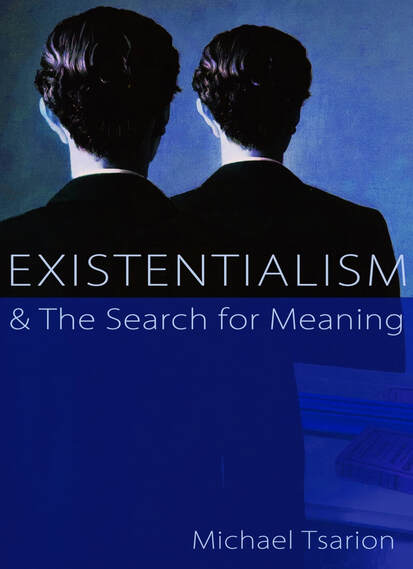
In my forthcoming book Existentialism and the Search for Meaning, I delve deeply into the thought of Heidegger and other major Existentialists.
The capacity to bear anxiety is one measure of selfhood – Rollo May
Heidegger was also the greatest exponent of what it means to be an “authentic” being. As explained elsewhere, it’s not a frivolous or abstract denotation. Far from it. It defines a critically important comportment toward reality.
Heidegger’s description of authentic Dasein (Man) is far too involved to cover here. However, his ideas about the role of death are of great importance. Life and death are certainly not opposites, and yet their profound connection has not been sufficiently explored by any thinker except Heidegger.
At a certain age, a child becomes aware of death’s reality and inevitability. At some point, in the future, life ceases. Okay, asks Heidegger, what happens to people when the full impact of this reality seizes them? Although the moment of life’s termination lies in the future, the present is dramatically affected by thoughts of mortality. One becomes aware of their “temporal finitude.” As a result, one experiences deep frustration and anxiety. It feels as if an abyssal chasm has opened under one’s feet. Anything and everything one does is doomed to end forever. One’s whole life appears as a brief blip and then – nothing.
No one can change this terrible state of affairs, and science has no remedy to offer. One can turn to faith-based religions to quell angst, but despair and dread haunt the mind nonetheless. They are ontological.
This, says Heidegger, is the actual state of affairs existentially. The mood of dread underlies consciousness, and every aspect of our being is permeated with this concern over mortality. His term for this state is Being-Toward-Death. Man is literally this, and nothing can be understood about the quality of human existence until death stands forth as an issue. Some people make it a matter of concern, while others live long lives without ever attending to it. Neither group can make the problem go away.
…as he worked it out in “Being and Time,” the mood of Angst is more fundamentally constitutive of Dasein than any other mood, and confronting and resolutely taking up Angst is a defining feature of authentic existence – Richard Capobianco
Because of this basic existential condition, Dasein experiences changes to his being and comportment toward existence. There are two basic reactions to temporal finitude and the inevitability of death, says Heidegger. A person can either resolutely face up to it, or choose to flee all thought of it. Authentic Dasein confronts death bravely and decides to live more fully and vitally in the present, knowing that one day it will all be over. Inauthentic man gives the matter no thought at all, and flees into “ontic” existence, into the domestic and social spheres where he drowns out feelings of dread. To do so successfully entails finding causes and ideals to live for. As Existentialist philosopher Gabriel Marcel says, it means becoming preoccupied by problems. He often capitalizes the term to emphasize the sphere of the Problematic into which most humans flee to avoid thinking about their existential predicament. Marcel was highly influenced by Kierkegaard and Heidegger. He was undoubtedly the thinker who best grasped the essence of Heidegger’s philosophy.
Pure Being and pure Nothing are the same – Georg Hegel
…Heidegger takes nothing to be equivalent to being – Zhihua Yao
Whoopie…look at me Mama…far too busy to think about nothingness…
To be independent of public opinion is the first formal condition of achieving anything great or rational, whether in life or in science – Georg Hegel
The ontic sphere of existence is a curious place. Dasein sacrifices his being to inhabit it. He becomes Das Man, the grey nondescript “everyman,” happy to be like everyone else. In fact he demands people be like him, because, in his inauthentic mode of being it’s essential he has company and companionship. He does’t want to be alone in the darkness of his shrunken existence. He’s bound to exchange quality for quantity, silence for noise, aloneness for entanglement.
His vision of the future alters also. He is still highly motivated by desires and aspirations. He has a long list of projects that must be accomplished, and his life has meaning because of future plans and dreams. This is, in fact, key to his commitment to the Problematic. It allows him to co-opt the plethora of “equipment” at hand around him which he utilizes to complete personal projects. It’s utilized as tools for the “problems” standing in the way of his future intentions and dreams. So involved is Das Man in this state of affairs, that he becomes defined as a being by it. Fortunately for Das Man, the noise of the Problematic world does the trick. He never need think about his underlying dread again. Heidegger believed that science and technology arose as the social expression of Das Man’s inauthentic comportment toward the problem of temporal finitude.
Authentic Dasein, on the other hand, does not choose such a path. He doesn’t immerse himself in ontic preoccupations. He does not compulsively evade his ontological condition. Instead, he faces it and, as a result, undergoes profound changes to his being. Even if, on an everyday level, he works within the world of the Problematic, his thinking remains with the questions that really matter. He generally feels like an Outsider, even though he can always alleviate his angst by giving up and joining Das Man in his highly extraverted world. In most cases, the quality of his life is far deeper and richer than his counterpart.
Two attributes mark his authenticity, says Heidegger. First, he exists in a state of sorge or care. Secondly, his thinking is an expression of gratitude. Heidegger noted that the German word for thanks (Danken) is etymologically related to the word for thinking (Denken). All right, he asked, where is the person whose thought is an act of gratitude for existence?
Sorge or care is not necessarily directed toward other people. Rather, it is the concern over the quality of one’s being now that one accepts themselves as Being-Toward-Death. Who else can possibly upgrade my lifestyle? Who else can project their mind forward in time to the moment of death and return it to the present in a state of reverence and gratitude except myself? Another person’s demise is not as existentially impactful and meaningful as my own. Nor should it be. No! this is the most personal act of thought there can be. The thinking, actions and behavior of other people have no say in this process. At all times the quality of life lies in one’s own hands. No one can live for me, and no one can die for me.
…since each Dasein must encounter itself through itself, such an encounter must be a personal one. In place of all the abstract ideas which the philosophers of the tradition occupied themselves with, Kierkegaard and Heidegger have rectified the focus in these ways that we now have a clearer understanding of who we are and our way of Being-in-the-world – T. B. Yagi
Dasein’s vision of the future isn’t one of denial and resistance. By contemplating nothingness, authentic Dasein lets it instruct him. He enters into relationship with it, and as a result lives each minute with increased lucidity, intensity and gratefulness. What we call the “present” is far more real for him, and time itself takes on a meaning not commonly found in others.
As Heidegger puts it, if I know death is the possibility that puts an end to all my possibilities, I pick my present possibilities with care. What I do and who I am becomes infinitely more important to me. Being-Toward-Death is existentally Self-Owned.
What Dasein creates and establishes is imbued with greater meaning than his counterpart is aware of. He has not fled from himself because of the discomfort of his underlying angst. He dialogues with it and thereby positively intensifies his being. He does not flit away time and energy in wasteful pursuits, and doesn’t depend on facile religious soporifics to dull his constitutional dread of nonexistence. He accepts the burden of legitimate despair and doesn’t take refuge in neurotic misery.
Heidegger’s profound statements about authenticity and enchancing the quality of one’s existence make a mockery of the many bogus New Age techniques which capture the attention of inauthentic types.
…one of the archaic senses of the English word “authentic,” according to the Oxford English Dictionary, is precisely “belonging to himself” – Taylor Carman
As Jean-Paul Sartre said, authentic man doesn’t live in Bad Faith with himself. He respectfully grasps his essential freedom and makes good use of it.
As the Existentialist psychologists put it, Dasein chooses not to inherit the shame experienced subconsciously by Das Man; the shame felt for living an inauthentic life and not possessing the will to do otherwise. Some Existentialists even note the problem of guilt experienced by Das Man for adhering to a life of falsity. Inwardly, they say, we do blame ourselves for taking the easy road of conformity. It means disowning a part of ourselves – our conscience and Selfhood – and there’s a terrible price to pay for doing so. They maintain that a state of decay will soon result because of our inauthentic choices. The status quo will be nigh on impossible to change, because, as Heidegger warned, Das Man establishes many an inhuman institution, organization, corporation and government bent on promoting inauthentic types.
Heidegger, Marcel, Sartre, and other leading Existentialist thinkers, were not interested in handing down exacting manuals explaining what do do about the state of decay. They knew the dangers of influence. They understood how dependent humans are on manuals and hand-rails. They lamented our chronic dependence on authority-figures, and looked with disdain on educational systems and religious institutions, which fostered and catered to the needs of inauthentic men. Some Existentialists were cautiously skeptical of science and psychology. For Heidegger, and those influenced by his writings, even the advent of Psychoanalysis was doubted and challenged.
Hey, what do you mean by saying that my memories of what happened when I was a kid are not valid? If I say it happened pal, it happened!. Doesn’t matter that I’m paying you to believe all my lies…Oops! I mean memories…
According to Kierkegaard, one ought to be continually creating his own selfhood every instant of his life – Rollo May
Was Freud just offering another set of instuctions on how to live and endure an inauthentic life? Were he and his followers another batch of omnipotent authority-figures preventing weak people from standing on their own feet?
Analysis may look good at the start, and be lauded for “helping” folks. However, Sartre and others suspected that behind the window-dressing psychoanalysis may gradually erode a person’s self-reliance. This is especially true if a client’s secret wish is exactly that, to evade responsibility and sovereignty. Unable or unwilling to rely on one’s inner voice, one seeks out what they take for an all-knowing authority-figure. It might be God or the local shrink. What’s the difference?
Existentialists warned about how this abnegation of personal responsibility spirals out of control, and has massive consequences for society as a whole. They understood that if and when inauthenticity becomes institutionalized – if authentic types are vilified and censored by society – dire years lay ahead. Civilization was in peril.
Even though the great Existentialists were not in total agreement, they believed that one of the chief ways humans escape ontological anxiety is to gather together in large groups. Crowd-consciousness appeals not to Outsiders but to those in deep dread over temporal finitude. If my life doesn’t go on forever, I must get busy. I must make a humongous impact while I’m alive. Let me do something astonishing and worthwhile.
Of course, in reality this usually means acting in an irrational, histrionic manner. It also means clustering together with others of a similar mindset. My actions are endorsed by a mass of others just like me. I must be doing something good. My life must have meaning, right?
Of course my society and my leaders know just how to funnel my energies into all sorts of inauthentic channels. There’s always charity-work to be done, and so many poor mouths to feed. There are so many activities I can lose myself in, for the good of humanity.
Such an unthinking, urbanized entity ardently and compulsively seeks a sense of belonging. He easily clusters with others of his kind, just like an ant or termite in a hive. For an Existentialist, the more people are inclined to gather in large masses, the more danger there is for society as a whole.
So long as we remain in the womb of this externalized and public existence, we are spared the terror and the dignity of becoming a Self – William Barrett
With every increase in the degree of consciousness, and in proportion to that increase, the intensity of despair increases: the more consciousness, the more intense the despair – Soren Kierkegaard
However, as said, there are no one-size-fits-all solutions and remedies for the condition of Das Man. He makes a decision to immerse himself in domestic and social spheres – the Problematic – because of a fundamental dread generated by thoughts of mortality and temporal finitude. It cannot be appeased except by artificial substances, which have in fact become more and more ubiquitous in our society. No wonder!
Angst brings Dasein back from its absorption in the world of the they…Dasein is for the most part in flight from itself and seeks refuge in the ‘tranquillized familiarity’ of ontic and inauthentic modes of being – Richard Capobianco
Dude, I took your advice and feel so much better. I just conformed, swallowed those wonderful sky blue pills, and hey-presto no more anxiety…This artificial happiness is so rad…All anxieties tranquilized, all boredom amused…
If I take death into my life, acknowledge it, and face it squarely, I will free myself from the anxiety of death and the pettiness of life – and only then will I be free to become myself – Martin Heidegger
Nevertheless, the great Existentialists realized that the only legitimate solution is for a person to resolutely face his Being-Toward-Death and change his or her relationship with death and nothingness.
Doing so does not mean turning to some dessicated religious doctrine from the past. It does not mean taking advice from anyone at all. After all, are they not in the same existential predicament? Is their death not a matter for their contemplation? Must they not confront their own temporal finitude and the anxiety arising from it? Is this not what legitimate philosophy must attend to?
The term “authenticity,” then, is by no means spurious. Although mocked and dismissed by many, we see that it has the utmost merit and substance. It defines the key moment in a person’s life when the mystery of death first becomes apparent. Inevitably, it generates fear and awe, and it is how one decides to deal with their angst that defines them as authentic or otherwise. One is not asked to deny the moods which arise. Rather, one is asked to understand them. No other person can influence another’s mind when it comes to this supreme rite of passage.
Every man is born as many men and dies as a single one – Martin Heidegger
Awareness of one’s own death snatches one from the clutches of the ‘they’: since Dasein must die on its own – dying is not a joint or communal enterprise – Michael Inwood
When Dasein befriends death, he become authentic in that second. If he recoils from all thought of it, he is automatically inauthentic. There’s nothing obscure or abstract about it. Those who choose to exist in Bad Faith – as inauthentic beings – cannot hope for their lives to be wholly rich, intense and meaningful. It’s just not possible.
If man is to find his way once again into the nearness of Being he must first learn to exist in the nameless…Before he speaks man must first let himself be claimed again by Being, taking the risk that under this claim he will seldom have much to say – Martin Heidegger
Those addicted to artificial happinesss cannot tell it from the genuine article. Even if they could, they wouldn’t care too much for it. As Jean Baudrillard warned, the man who occupies an artificial environment soon becomes artificial himself. He should have added that the artificial society comes into being because of artificial people. And there’s a lot of them around.
Authenticity requires an active seeking of meaning – Sara Mills
What must be made clear is this – an institution made by inauthentic types is not capable of ingratiating anyone but an inauthentic type. It is bound to promote and favor men and women of identical profile. Given its own way it will eradicate the authentic man from history. Criminals and prostitutes prefer the company of other criminals and prostitutes. Moral men are not usually invited to the party. So it is in this case. If one asks what is to be done about this sorry state of affairs, the answer is not encouraging.
How tragic, then, that civilization must teeter and collapse before these basic tenets of Existentialism are accepted and embodied. Apparently, days of painful unveiling and unforgetting lie ahead, and one thing above all needs remembering. Regardless of which course humanity decides to take, freedom of choice lies at the heart of it. One is completely and radically free to choose a life of mediocrity and docility or a life of insight and meaning. The man who wakes to find himself drenched in shame over choosing falsely and subverting his own potential, cannot deny that his shame derives from his crime against freedom.
Surely this explains why freedom is so difficult to locate in our world. Das Man, and the corrupt inhuman institutions he gives rise to, stand accused of desecrating truth, virtue and freedom. How long do you think they’ll remain intact before plunging into the abyss, taking the rest of us down with them?
A phenomenon called infodemic was also configured, which describes the increase in flow of information about a subject—some accurate, others not—, which makes it difficult for the population to select reliable information. –Journal of Rev Panam Salud Publica, May 2021
People live in the Information Age, which can be a good thing and a bad thing.
What to trust? Where to go? Trust the message? Trust the messenger? Conflicts of interest?
Only you can discern the information coming at you from all angles.
Take the case of ivermectin, a well known drug for animals and humans, alike. It has a long history of use against intestinal worms and parasites.
Do recommendations for ivermectin’s recent use for (Covid) disease control suggest that large groups of people have parasites?
During the start of the pandemic, few scientific studies evaluated the profile of people who used ivermectin as a means of prevention against ‘COVID-19.’ In fact, only one population-based study in Manaus, Brazil estimated use, noting that 38% of people self-medicated to prevent or treat COVID-19, and 31% of them used ivermectin.
According to an ongoing, double-blind, randomized, placebo-controlled platform JAMA study, ivermectin does not improve recovery time when compared with a placebo. [Note: study identifies conflicts of interest]. The FDA has not approved ivermectin for patients with Covid-19.
While some individuals contend that ivermectin helped them recover from ‘COVID symptoms,’ this is considered anecdotal evidence. Others claimed it provided no benefit in their recovery.
So why are some doctors and government officials so eager to see an untested drug applied to infectious disease? Does ivermectin have another purpose beyond its use as an anti-parasitic drug?
…several herbal medicines have safety margins superior to those of reference drugs and enough levels of evidence to start a clinical discussion about their potential use as adjuvants in the treatment of early/mild common flu in otherwise healthy adults within the context of COVID-19.
Ivermectin & Infertility
Ivermectin Facts:
Ivermectin has an alias, Mactizan, distributed in poor countries for “tropical diseases.”
Fertility reduction is a global effort by global organizations such as the WHO and UNICEF in poor countries. The easiest way to increase infertility is to introduce it as “global assistance” through drugs and vaccines. Between the large donations by the Gates Foundation and underwriters such as the World Bank, the drug ivermectin has become a household name.
The UN Population Agenda
Spencer Davis from Pixabay” width=”312″ height=”207″>
Anti-fertility vaccines studies:
Over the past 18 years, the WHO Task Force on Vaccines for Fertility Regulation has been supporting basic and clinical research on the development of birth control vaccines directed against the gametes or the preimplantation embryo. J Human Reproduction, 1991
Most anti-fertility research is carried out in countries other than the United States. For instance, the National Institute of Immunology in New Delhi, India studies the biological antibody response of vaccines against follicle stimulating hormone (FSH), luteinizing hormone (LH), and gonadotropin releasing hormone (GnRH).
A study in male rats using diphtheria toxoid as the GnRH vaccine carrier reveals that antibody titers rise, testosterone levels fall, weight of testis decreases, and the prostate disappears. Int J Immunopharmacol, Apr. 1992
Further, DNA vaccines have been studied for infertility since 2002.
In these cases, HPV DNA was bound to the sperm surface and played a role in the infertility by affecting many sperm parameters. – Minerva Endocrinol (Torino), Mar 2022
SARS-CoV-2 orchitis and reduced male fertility may be long-term complications of COVID-19. – Med Sci Monit, Mar 2022
If not vaccines, then drugs?
Anti-fertility drug studies
Gerd Altmann from Pixabay” width=”398″ height=”216″>
With over 20 years of use, there are a number of very concerning studies showing deleterious direct effects of Ivermectin:
Cytogenetic study revealed partial effect of ivermectin on meiosis. Meanwhile, the combined treatment of ivermectin and verapamil induced stronger effects on germ cells, increased frequency of meiotic structural chromosomal aberrations and increased X–Y chromosomal dissociation, raising the attention to the genetic quality of mature sperm.
However, studies show adverse health effects not publicly reported. The recipient, poorer countries are:
American Samoa, Angola, Benin, Brazil, Burkina, Faso, Burundi, Cambodia, Cameroon, Central African Republic, Chad, Colombia, Congo, Cook Islands, Côte d’Ivoire, Democratic Republic of the Congo, Ecuador, Egypt, Ethiopia, Fiji, Ghana, Guatemala, Guinea, Guyana, Haiti, India, Indonesia, Kenya, Kiribati, Liberia, Malawi, Malaysia, Mali, Marshall Islands, Mexico, Mozambique, Niger, Nigeria, Niue, Palau, Papua New Guinea, Senegal, Sierra Leone, South Sudan, Sri Lanka, Sudan, São Tomé and Príncipe, Tanzania, Thailand, Timor-Leste, Togo, Tuvalu, Uganda, Vanuatu, Venezuela, Vietnam, Wallis and Futuna & Yemen
WikiImages from Pixabay” width=”300″ height=”190″>
Meanwhile, in the U.S., according to a lawsuit supported by the American Civil Liberties Union, four Arkansas jail inmates suffered side effects including vision problems, diarrhea, and bloody stools after the physician at Washington County jail treated their covid with high doses of ivermectin without their knowledge. The case has prompted media comparisons to the infamous Tuskegee experiment.
The inmates were told that their treatment consisted of vitamins, antibiotics, and steroids, according to their court filing. They received ivermectin doses as much as six times higher than that recommended for deworming, the drug’s normal use. They only learnt that they had received ivermectin six months later. – BMJ 2022
In another unethical experiment, the government of Mexico gave Ivermectin kits to people who tested positive for Covid-19 in 2021. The conclusion of their paper reported: “The study supports ivermectin-based interventions to assuage the effects of the COVID-19 pandemic on the health system.” However other research questioned the lack of evidence, saying that the study was unable to prove safety or effectiveness.
In a 2003 study titled, “An inadvertent exposure of ivermectin to pregnant women during mass drug administration...”, the Journal Tropical Medicine & International Health states, “these drugs are not to be taken while pregnant.” Why are women in large studies not warned?
Is ivermectin a wonder drug, able to eradicate parasites and malaria, eliminate river blindness, cure scabies, stop Coronavirus symptoms, and beat cancer without causing harm in the process?
Spreading Confusion
What to do?
The public health agencies provide conflicting opinions (see below). If there are contradictions and inconsistencies from the scientific narratives, question the advice, and follow your gut.
World Health Organization: “We recommend not to use ivermectin, except in the context of a clinical trial.” US Centers for Disease Control and Prevention: “ivermectin has not been proven as a way to prevent or treat COVID-19.” National Institutes of Health (A): 2022 – “There is insufficient evidence for the COVID-19 Treatment Guidelines Panel (the Panel) to recommend either for or against the use of ivermectin for the treatment of COVID-19.”
National Institutes of Health (B) – July 2021, Ivermectin was listed as approved for the treatment of Covid-19. European Medicines Agency: “use of ivermectin for prevention or treatment of COVID-19 cannot currently be recommended outside controlled clinical trials.” US Food and Drug Administration: “The FDA has not authorized or approved ivermectin for use in preventing or treating COVID-19 in humans or animals. … Currently available data do not show ivermectin is effective against COVID-19.”
Ivermectin is not FDA-approved for Covid19. Nor is it officially approved by any U.S. agency. For that matter, many mRNA COVID vaccines are not FDA-approved, though they are “authorized” for use. Why authorize experimental-use vaccines and not experimental-use drugs, such as Ivermectin?
Again, the question must be asked; is the withdrawal of ivermectin as an approved drug done to favor more toxic FDA-approved drugs such as Remdesivir, with known liver and kidney toxicity?
When taking the drug, ivermectin, always be careful when combining certain supplements that are heavily promoted by holistic media doctors. This applies to any medical drug:
Research Berberine. Berberine inhibits both P-gp, and Cytochrome P450, CYP 3A4, and lowers the body’s defenses against cytotoxic and mutagenic effects of drugs like ivermectin.
Erin Stone from Pixabay” width=”300″ height=”200″>
In general, there is some evidence that natural substances as isolates, such as CBD, THC, Curcumin, and Berberine can all inhibit P-glycoprotein and liver enzymes, which increase ivermectin toxicity. For more details on the CBD-Pgp-ivermectin relationship, see Tim Truth’s explanation.
Moral: Do your research when mixing synthetic drugs with isolates from the whole plants. Better to use the whole plant as food rather than expensive supplements. Further, always check the package insert since your doctor is not likely to do so.
Question Everything
All allopathic drugs are toxic. They come with direct adverse effects, both known and unknown. However, the poison is in the dose. As each person is unique, each person gets a choice.
Some people have turned to animal drugs when human drugs do not work, or when doctors withhold or withdraw alternative treatments. The anti parasitic animal drug, Fenbendazole, is a repurposed veterinary ant parasitic drug, being used to treat all types of human cancers. This shows that all cancers appear to be related to parasitic infections, even if not all parasitic infections meet the criteria for “cancer.”
The studies identified in this article, or any article must be scrutinized. Is ivermectin safe and effective at low doses for short periods?
What about going back to Nature and herbal medicine if the only options are experimental?
Do medical researchers give too high a dose, by design, to elicit a safe response, thereby ensuring a non-FDA approval?
Are governments overmedicating whole populations for fertility control?
If couples cannot perceive that cytotoxicity and infertility are direct effects of current standard vaccine and drug therapies, will they be able to conceive children?
Will couples be forced to go through the revolving door of medical specialists to undergo expensive fertility treatments, with no guarantees and more drug-induced adverse effects?















 Pexels from Pixabay” width=”350″ height=”233″>
 Spencer Davis from Pixabay” width=”312″ height=”207″>
 Gerd Altmann from Pixabay” width=”398″ height=”216″>
 WikiImages from Pixabay” width=”300″ height=”190″>
 Erin Stone from Pixabay” width=”300″ height=”200″>



Recent Comments