
by Grow Up Conference | Oct 16, 2024 | Grow Opportunity, Media Partners
(CNW) Edmonton – Aurora Cannabis Inc., the Canadian based global leader in medical cannabis, in conjunction with MedReleaf Australia, is pleased to announce an enhanced product range of premium medical cannabis oil in Australia. This expansion reinforces Aurora’s dedication to providing high-quality, innovative cannabis solutions to patients around the world. Now available for physicians to prescribe, the new cannabis oils include a variety of cannabinoid ratios to suit diverse patient needs.
The newly launched cannabis oil products include Aurora THC 25 (Sativa) in a 30mL bottle, Aurora THC 25 (Indica) in a 30mL bottle, Aurora 12.5:12.5 oil in a 30mL bottle, Aurora 50:50 oil in a 30mL bottle, and Aurora 10:100 oil in a 30mL bottle. Each formulation offers varying cannabinoid ratios to support personalized treatment options for patients.
“We are thrilled to bring this enhanced range of cannabis oil products to the Australian market,” said Andre Jerome, Executive Vice President, Global Business Development at Aurora. “Our mission is to offer healthcare providers and their patients a broader selection of treatment options that meet their various medical needs. By expanding our product portfolio, we continue to demonstrate our commitment to advancing patient care through high-quality, science-driven cannabis solutions.”
The newly available oils are developed and manufactured at Aurora’s Canadian TGA and EU GMP certified facility, add to the expanding lineup with increased cannabinoid variety. The new products allow Doctors to tailor treatments more precisely, enhancing patient care. These offerings are another step forward in MedReleaf Australia’s mission to expand access to quality medical cannabis options for patients across the country.
Key features of Aurora’s new cannabis oil products include:
- Comprehensive Cannabinoid Profiles: Designed to provide targeted and effective relief with a variety of THC and CBD ratios.
- High Standards of Quality and Safety: Manufactured in TGA-GMP certified facilities, adhering to rigorous quality control measures.
- Broad Selection: Wide range of unique oil formulations, allowing for customized patient care.
by Grow Up Conference | Oct 16, 2024 | Grow Opportunity, Media Partners
(CNW) Vancouver – A group of cannabis growers have formed a collective; the BC Cannabis Alliance, and have launched a campaign to clarify the economic challenges of the cannabis industry, including how revenues are distributed throughout a complex supply chain. The campaign is aimed to inform retailers, consumers, and the general public about just where each dollar spent on cannabis goes.
As one example, for every $10 spent on cannabis in the legal market, only around one to two dollars ever makes it to the grower, and often only months after having “sold” it. While consumers might see retail prices and think the industry is doing well, the reality is that it is often just the government making the bulk of those profits—from taxes as well as from distribution markups.
The BC Cannabis Alliance is highlighting the challenges faced by small-scale BC growers and processors due to the 15% “Proprietary Fee” imposed on direct-to-retailer sales. This program was introduced to support BC’s craft growers. However, because this 15% markup is paid to the BCLDB, many small businesses are unable to benefit from the program as intended.
“The addition of this 15% markup to be paid to the government, despite them not ever handling the product at any point in the supply chain, is an example of the government saying one thing ‘to support small farms’ and doing the opposite,” says Alannah Davis, CEO of Dabble Farms. “The BC government got this right with craft breweries and it’s time to make it right with cannabis too.”
This high fee directly impedes small producers’ ability to deliver quality cannabis to consumers at a fair price, further reducing the already limited margins for these businesses. Lower tariffs stimulate commerce. The International Trade Administration found that a 1% tariff reduction typically results in a 2% increase in imports. While the context differs here, the underlying economic principles remain consistent. By improving conditions for small-scale producers, we can enhance the selection, quality, and affordability of quality craft cannabis for consumers.
We, the passionate producers of BC’s cannabis, urge the Finance Minister to consider reducing this “Proprietary Fee”, contributing to the welfare of small cannabis producers, and to the wider BC community. By signing this petition, you stand with us in requesting a fair and competitive environment for cannabis producers. Please, lend your voice today. https://www.change.org/p/reduce-the-15-proprietary-fee-that-craft-cannabis-producer-are-paying-the-bcldb?utm_medium=custom_url&utm_source=share_petition&recruited_by_id=63b42540-76c5-11ef-929a-df059444ca8e

by Grow Up Conference | Oct 16, 2024 | Cannabis News Wire, Media Partners
The state of Missouri recently awarded social-equity cannabis dispensary licenses to lucky lottery winners. Among them was David Huckins, a disabled veteran who learned in June that he’d be receiving 1 of 57 microbusiness licenses that the state stipulated would be awarded to disadvantaged business owners. Those who fit this description include disabled veterans, individuals with nonviolent cannabis offenses and those with lower incomes.
This program is part of the constitutional amendment to legalize the recreational use of cannabis that voters approved in 2022. Under the amendment, the program would award 33 wholesale licenses for cultivation facilities and 24 dispensary licenses.
Despite knowing that he was awarded the license, it wasn’t until last week that Huckins was notified that he’d passed the review process confirming his eligibility for the program.
A report released by the Division of Cannabis Regulation shows that only 7 of the 24 dispensary licenses were certified. The remaining winners of dispensary licenses were found to be ineligible, with the division noting that they failed to present sufficient documentation that they met the criteria. Additionally, 15 of the 33 wholesale licenses required to establish cannabis cultivation facilities were also rated ineligible.
This highlights the issues plaguing the microbusiness program, with some parties trying to cheat the system by submitting invalid applications. The Independent reveals that 14 of the dispensary licenses are likely linked to groups marijuana regulators have clamped down on previously. The groups include investors within the state as well as from Michigan and Arizona that have been accused of using disadvantaged individuals as proxies to acquire licenses. This practice involves recruiting applicants to apply for the lottery in large numbers to increase chances of winning.
In most cases, once the recruited applicants obtained licenses, investors often shut them out from the business, gaining full control and pocketing almost all if not all the profits.
Division spokesperson Lisa Cox announced that licensees that weren’t cleared received notices of pending revocation. Each licensee will have 30 days to respond to any concerns the division raised, during which they will be allowed to submit any information or records demonstrating why their licenses shouldn’t be revoked.
During the first lottery round, whose results were announced last October, it took roughly three months after issuing notices for the division to confirm revocation of licenses. In October 2023, 37 dispensary licenses were certified, with 9 out of the 11 remaining ones being revoked.
Established marijuana companies such as Green Thumb Industries Inc. (CSE: GTII) (OTCQX: GTBIF) operating in other jurisdictions are likely to applaud the measures taken in Missouri to keep undeserving individuals or entities from benefiting from the social-equity program intended to make some amends for the excesses of the era of marijuana prohibition.
About CannabisNewsWire
CannabisNewsWire (“CNW”) is a specialized communications platform with a focus on cannabis news and the cannabis sector. It is one of 60+ brands within the Dynamic Brand Portfolio @ IBN that delivers: (1) access to a vast network of wire solutions via InvestorWire to efficiently and effectively reach a myriad of target markets, demographics and diverse industries; (2) article and editorial syndication to 5,000+ outlets; (3) enhanced press release enhancement to ensure maximum impact; (4) social media distribution via IBN to millions of social media followers; and (5) a full array of tailored corporate communications solutions. With broad reach and a seasoned team of contributing journalists and writers, CNW is uniquely positioned to best serve private and public companies that want to reach a wide audience of investors, influencers, consumers, journalists and the general public. By cutting through the overload of information in today’s market, CNW brings its clients unparalleled recognition and brand awareness. CNW is where breaking news, insightful content and actionable information converge.
To receive SMS alerts from CNW, text CANNABIS to 888-902-4192 (U.S. Mobile Phones Only)
For more information, please visit https://www.CannabisNewsWire.com
Please see full terms of use and disclaimers on the CannabisNewsWire website applicable to all content provided by CNW, wherever published or re-published: https://www.CannabisNewsWire.com/Disclaimer
CannabisNewsWire
Denver, CO
www.CannabisNewsWire.com
303.498.7722 Office
Editor@CannabisNewsWire.com
CannabisNewsWire is powered by IBN

by Grow Up Conference | Oct 15, 2024 | Media Partners, Stratcann
Avant Brands generated $9.6 million in gross revenue and $8.5 million in net revenue in Q3 2024, but reported a net loss of $2.5 million after all associated costs.
While losses compared to $1.3 million in revenue in Q3 2024, the company saw an increase in the amount of cannabis sold, a continued push into international exports, and a decrease in the cost of sales.
Gross and net revenue were company records, as was the $5.1 million generated from export wholesale revenue in the three months ending August 31, 2024. Avant sold the equivalent of 3,087 kg of cannabis in this three-month period, a $2 million increase over $6.5 million of net revenue in the same period in 2023 from the sale of 1,558 kg of cannabis.
The company’s cost of sales was $4.3 million in the three-month period ending August 31, 2024, down from $4.5 million in Q3 2023.
Gross margin as a percentage of net sales increased compared to the same period in the previous year, which Avant attributes to growth in “high margin export wholesale revenue and production improvements leading to increased yields and lower average cost per gram.”
Recreational revenue accounted for 33% of net revenues in Q3 2024, with domestic wholesale revenue totalling 7% and export wholesale revenue comprising 60% of net revenues. This compares to 61% for recreational revenue in Q3 2023, with the remainder coming from export wholesale revenue at 36% with domestic wholesale revenue,
Avant Brands Founder & CEO Norton Singhavon said in a press release:
“Avant Brands is on a strong trajectory, and our Q2 2024 results demonstrate the effectiveness of our strategic initiatives. We are capitalizing on the growing international demand for premium cannabis products, while also achieving record profitability. With a focus on international markets and operational excellence, we are well-positioned for long-term success.”
Avant Brands operates several production facilities: 3PL Ventures in Vernon, BC, The Flowr Group Okanogan in Kelowna, BC, Avant Craft Cannabis in Edmonton, Grey Bruce Farms in Tiverton, ON, Tumbleweed Farms in Chase, BC, and Greentec Bio-Pharm in Kelowna, BC.
by Grow Up Conference | Oct 15, 2024 | Cannabis News Wire, Media Partners
According to a recent examination of the existing data, teenagers who use marijuana typically do poorly academically. The JAMA Pediatrics study analyzed information from 63 different studies involving nearly 440,000 adolescents.
The findings revealed that marijuana use during teenage years is likely associated with lower academic performance, decreased chances of finishing high school, less likelihood of enrolling in college or university, and a higher likelihood of dropping out of school and being frequently absent.
One significant point the researchers noted was that marijuana use among teens is widespread, with about 22% of high school students in the United States using cannabis at least once in the previous month. Another concern is that today’s marijuana is much stronger than it used to be, with THC levels increasing from 4% in 1995 to 14% in 2019.
The study also highlighted long-term effects, stating that heavy marijuana use during adolescence could lead to lasting changes in the brain’s structure. These changes might interfere with memory, cognitive function and attention span, all of which are critical to academic success.
To investigate the potential academic consequences, the team analyzed data from numerous studies that looked at cannabis use, school performance and even employment among young people. While not all the data was equally reliable, the researchers identified evidence — classified as “moderate certainty” — linking marijuana use with several negative outcomes. Specifically, they found that teens who used marijuana had:
- 39% higher chances of earning lower grades
- 50% lower odds of obtaining a high school certificate
- 28% less likelihood of attending university
- 31% decreased chance of earning a post-secondary degree
- more than twice as likely to drop out of high school
- more than twice as likely to miss school often
While the research team also found some evidence, though weaker, suggesting marijuana use could be tied to unemployment, the risks generally increased the more frequently a teen used the drug. Starting at an early age (before or around 16) also seemed to worsen the academic impact.
Although the findings suggest a strong link between marijuana use and poor school outcomes, the researchers acknowledged that they couldn’t definitively prove marijuana is the direct cause. For instance, teens struggling with other substance-use problems or mental-health concerns might be more likely to use marijuana and face challenges in school. However, the researchers adjusted their results to account for such factors.
One thing is clear: As marijuana becomes more accepted and decriminalized in various parts of the world, its use among teenagers is on the rise. U.S. national data suggests that more than three million teens aged between 12 and 17 years of age had used marijuana in the past year — more than any other illegal drug.
Given these trends, the researchers emphasized the urgent need for effective programs to prevent early marijuana use and protect youth from the potential negative consequences.
The age-verification activities that licensed companies such as Tilray Brands Inc. (NASDAQ: TLRY) (TSX: TLRY) implement contribute to restricting access to marijuana by minors, but much more needs to be done by all stakeholders to keep marijuana away from teens.
About CNW420
CNW420 spotlights the latest developments in the rapidly evolving cannabis industry through the release of an article each business day at 4:20 p.m. Eastern – a tribute to the time synonymous with cannabis culture. The concise, informative content serves as a gateway for investors interested in the legalized cannabis sector and provides updates on how regulatory developments may impact financial markets. If marijuana and the burgeoning industry surrounding it are on your radar, CNW420 is for you! Check back daily to stay up-to-date on the latest milestones in the fast -changing world of cannabis.
To receive SMS alerts from CNW, text CANNABIS to 888-902-4192 (U.S. Mobile Phones Only)
For more information, please visit https://www.CannabisNewsWire.com
Please see full terms of use and disclaimers on the CannabisNewsWire website applicable to all content provided by CNW, wherever published or re-published: https://www.CannabisNewsWire.com/Disclaimer
CannabisNewsWire
Denver, CO
www.CannabisNewsWire.com
303.498.7722 Office
Editor@CannabisNewsWire.com
CannabisNewsWire is powered by IBN
by Grow Up Conference | Oct 15, 2024 | Grow Opportunity, Media Partners
The area surrounding Creemore, Ontario, has long been an agricultural frontier. From the first settlers who carved out an existence on its rocky hills, to the modern farms surviving and thriving through technological and business-model innovations. At Purple Hills, our team and families have contributed to that history, from those first farm settlements to one of the newest legal farm enterprises – cannabis cultivation and processing.
Today, our land management and production practices look to the past for inspiration, while leveraging the technologies at our disposal to maximize efficiency and minimize our environmental impact. We have dedicated ourselves to producing high quality products through sustainable, regenerative and transparent practices.
This year, we formed The Purple Hills Centre, a not-for-profit organization that operates our animal sanctuary, manages and promotes our most important environmental initiatives and works to better understand the potential of regenerative agriculture for carbon sequestration and soil health.
The Purple Bin Program
Our most ambitious and impactful project to date has been the widely adopted Purple Bin program – a cannabis packaging waste collection and upcycling initiative. Since starting the program in January of 2024, we have collected almost 4,000,000 grams of packaging and hardware waste from 800 cannabis retailers across the country. As we collect and sort, we’re constantly searching for the best upcycling opportunities for all the materials.
The immediate uptake, enthusiastic participation and positive feedback from retailers and consumers alike has powered the program to heights we only dreamed about; its overall success is incredibly humbling. Not only have these bins diverted waste from streets, parks and landfills, they’ve served as a motivational spark for the industry to adopt more sustainable packaging solutions, with numerous industry participants signing our petition to change the rules and regulations that contribute so heavily to the waste issue, in the first place. We believe that a true partnership can exist between producers, retailers, suppliers and the government to tackle this waste issue from the imperfect regulations that contribute to excessive cannabis packaging through to the decisions made across the entire supply chain.
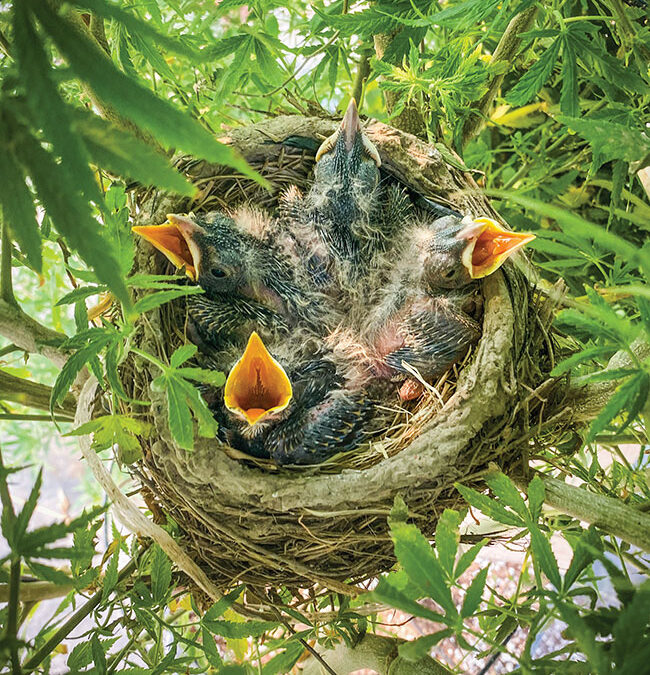
Baby birds and other wildlife can be found nesting in the outdoor cannabis crop.
As the hundreds of industry friends and community members who have visited our events and tours know, the Purple Hills Centre sits atop the beautiful Ten Hill. From there you get an incredible view of the whole landscape; a tapestry of rolling green fields, a great lake, big sky, colourful crops, grazing livestock, and of course, our fellow farmers and stewards working the land like so many before them.
This portrait of connectivity is what Purple Hills aspires to – an ecosystem that is enriched and supported, not exploited, by its stewards. We’re proud to call Creemore home and we’re even prouder to bring this pursuit of positive growth far beyond the valley where this dream was born.
Peter Miller, the founder and CEO of Purple Hills, is a lifelong entrepreneur with a focus on businesses and industries with the greatest potential for environmental and economic value creation.
by Grow Up Conference | Oct 15, 2024 | Grow Opportunity, Media Partners
(CNW) Toronto – RIV Capital Inc., an acquisition and investment firm with a focus on building a leading multistate platform, and Cansortium Inc., a vertically integrated, multi-state cannabis company operating under the FLUENT™ brand, today announced that they have received New York Cannabis Control Board approval for their previously announced business combination.
“We are thrilled to have received regulatory approval in New York to move forward with our business combination transaction, bringing us closer to completing this important step for both of our companies in the fourth quarter of 2024,” said Robert Beasley, CEO of Cansortium. “The respective teams have worked diligently and collaboratively since announcing the transaction to facilitate a smooth transition following the closing, and I remain confident that the full integration of our two companies will bring tremendous value for our stakeholders.”
“With this integration process already well underway, we are strongly positioned to become more competitive and better equipped with the resources needed to develop even better cannabis products to serve New York consumers rapidly expanding demand,” said Dave Vautrin, chief retail officer and interim CEO of RIV Capital. “Since launching adult-use sales in New York earlier this year we’ve seen tremendous momentum at all three of our co-located locations and the rapid expansion of our statewide wholesale business. Beyond adult use, we will lean on the medical program expertise of Fluent to further support our current medical locations and look to potential expand the reach to more New Yorkers.”
The Business Combination is expected to close in the fourth quarter of 2024, subject to, the satisfaction of the other closing conditions set forth in the Arrangement Agreement. Further details regarding the Business Combination, including the principal closing conditions and the anticipated benefits for RIV Shareholders, can be found in RIV Capital’s management information circular dated July 12, 2024 in respect of the RIV Meeting and in the joint press release issued by RIV Capital and Cansortium on May 30, 2024, both of which can be found under RIV Capital’s SEDAR+ profile at www.sedarplus.ca.
The combined business of Cansortium and RIV Capital will operate under the Cansortium name and Cansortium common shares will continue to trade on the Canadian Securities Exchange under the symbol “TIUM.U” and on the OTCQB Venture Market under the symbol “CNTMF.”

by Grow Up Conference | Oct 15, 2024 | Media Partners, Psychedelic News Wire
Psilocybin is a psychedelic compound found in hundreds of species of hallucinogenic mushrooms. When ingested, the body converts the compound into psilocin, which is known to act on serotonin 2A receptors in the brain.
Numerous studies have shown that psilocybin can alter an individual’s cognition, mood and perception when consumed. Research has also found that the psychedelic may cause profound changes to an individual’s sense of space, self and time.
Now new research has looked into how this psychedelic affects activity in the brain and, particularly, its influence on individual neurons. For their research, the investigators studied mice that had been genetically modified, which allowed them to visualize neural activity via imaging techniques. Each mouse was trained to run on a treadmill in a fixed position, where they navigated various auditory, visual and tactile cues.
The treadmill used had been designed to imitate a virtual environment, with every mouse receiving a reward after lap completion. This system allowed investigators to analyze and record neural activity in the retro splenial cortex as each mouse performed the task. This region is important for spatial navigation and orientation.
Once this was done, the investigators carried out imaging sessions to monitor brain activity, which began by recording baseline neural activity in every mouse and administering a saline or psilocybin solution.
The investigators then compared neural activity before and after drug administration, observing that psilocybin had a huge effect on neurons in the retro splenial cortex. In their report, the researchers explained that following drug administration, neuron specificity to certain locations decreased significantly. This highlighted a reduction in the brain’s ability to encrypt spatial information.
This, they theorized, could explain why individuals under this psychedelic’s influence may experience a disrupted sense of space. Additionally, the scientists observed that psilocybin decreased coordination between neurons, which suggests that the psychedelic distorted normal patterns of communication in this particular cortex.
The investigators also pretreated some mice with ketanserin, which blocks serotonin 2A receptors. Their objective was to observe if this would modify the impact of psilocybin.
In their report, the researchers explained that changes observed in neural activity as mentioned above were prevented. This hints at these receptors interfering with the effects psilocybin has on the brain. The investigators are now focused on exploring how psilocybin affects other regions of the brain, particularly those that play a role in decision-making and motivation.
The study’s findings were reported in the “European Journal of Neuroscience.”
Many more entities, such as Compass Pathways PLC (NASDAQ: CMPS), are looking to leverage the different mechanisms of action of hallucinogens in order to develop therapeutics from these substances. As more becomes known about psychedelics, many of these medicines could become legally available around the country.
About PsychedelicNewsWire
PsychedelicNewsWire (“PNW”) is a specialized communications platform with a focus on all aspects of psychedelics and the latest developments and advances in the psychedelics sector. It is one of 60+ brands within the Dynamic Brand Portfolio @ IBN that delivers: (1) access to a vast network of wire solutions via InvestorWire to efficiently and effectively reach a myriad of target markets, demographics and diverse industries; (2) article and editorial syndication to 5,000+ outlets; (3) enhanced press release enhancement to ensure maximum impact; (4) social media distribution via IBN to millions of social media followers; and (5) a full array of tailored corporate communications solutions. With broad reach and a seasoned team of contributing journalists and writers, PNW is uniquely positioned to best serve private and public companies that want to reach a wide audience of investors, influencers, consumers, journalists and the general public. By cutting through the overload of information in today’s market, PNW brings its clients unparalleled recognition and brand awareness. PNW is where breaking news, insightful content and actionable information converge.
To receive SMS alerts from PsychedelicNewsWire, text “Groovy” to 888-902-4192 (U.S. Mobile Phones Only)
For more information, please visit https://www.PsychedelicNewsWire.com
Please see full terms of use and disclaimers on the PsychedelicNewsWire website applicable to all content provided by PNW, wherever published or re-published: https://www.PsychedelicNewsWire.com/Disclaimer
PsychedelicNewsWire
San Francisco, CA
www.PsychedelicNewsWire.com
415.949.5050 Office
Editor@PsychedelicNewsWire.com
PsychedelicNewsWire is powered by IBN
by Grow Up Conference | Oct 15, 2024 | Garden Culture Magazine, Media Partners
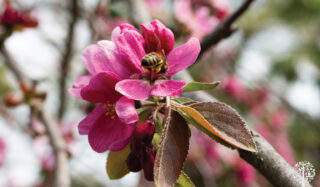
As a child, I had two big crab apple trees in my backyard. The pink and white blossoms made the landscape feel like a fairyland when they bloomed in late spring. The trees were a beacon for bees, who flocked to them to gather sweet nectar from the aromatic flowers.
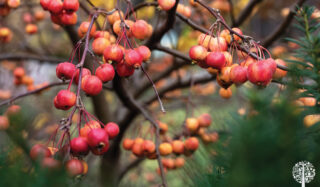
As the season progressed, the trees became places to climb or sit under and read during hot days. In late summer, the apples that weren’t harvested fell to the ground or remained on the tree, providing food for birds and neighborhood wildlife.
Although the apples were tart and not great for eating raw, they were delicious once they turned into pies, tarts, crisps, apple sauce, or jelly. In autumn, the transformation of the leaves to bright red, orange, and yellow added one final ornamental touch to the landscape.
Why You Should Plant Crab Apples
When considering edimentals, fruit trees aren’t often top of the list, but these yearly stalwarts are vital components of the edimental garden.
To learn more about edimentals: What is an Edimental Garden? | Garden Culture Magazine
Deliciously Low-Maintenance
Crab apple trees are tough. Most varieties are hardy to climate zone 4 (-30°C) and can tolerate most soil types as long as regularly watered, given a good mulch of compost around their base, and planted in full to part sun. In late winter, remove any dead, dying, diseased, or crossing branches and any suckers growing out of their base. By doing this, the trees will happily produce fruit for decades. The trees in my backyard were at least 50 years old.
Most crab apple trees aren’t prone to pests and disease, but you can purchase disease-resistant varieties to minimize the chances of apple scab, fire blight, and apple rust. Pests like Japanese beetles, caterpillars, and apple maggots will rarely do enough damage to impact the tree’s health. Deer, on the other hand, will enjoy light fruit snacks hanging from lower branches.
More commonly, crab apples, as most fruit trees, are propagated by grafting. The flowering part of an existing tree (the scion) is attached to the lower part of another tree (the rootstock). The fruit produced from the graft is identical to the scion used and retains the same appearance and taste as the originally grown apple.
Sweet and Tart
You can make many recipes with a harvest of crab apples. Every fall, I gather crab apples from a friend’s tree and make crab apple jelly. But what about crab apple liqueur? Fill a jar with chopped crab apples and 1 ½ cups of vodka. Store out of sunlight on its side and rotate the jar daily for two weeks. Strain and enjoy. It’s that easy!
For more recipes: Crab apple recipes – BBC Food
Crab Apple Varieties
There are around 35 species of crab apple trees and hundreds of hybrids. Most garden centers will carry crab varieties ranging from 4 meters to a whopping 12 meters in height. There’s a size to fit every garden.
This tree is highly ornamental, with pink-white flowers in late spring.
Pink Glow
Pink Glow produces single, white flowers in spring, followed by larger-than-average dark pink fruits in summer.
Comtesse de Paris
White flowers and oval-shaped fruits follow Pink buds on this tree.
Wisley Crab
Delicately scented, reddish-purple flowers appear in spring, followed by dark red fruit on the Wisley crab.
Winter Gold
Winter Gold features white spring flowers, yellow fruit, and dark green leaves that turn red and orange in autumn.
To learn more about crab apple trees, Search the RHS website for gardening knowledge / RHS
You won’t be disappointed if you add this edimental to your garden!
by Grow Up Conference | Oct 15, 2024 | Extraction Magazine, Media Partners
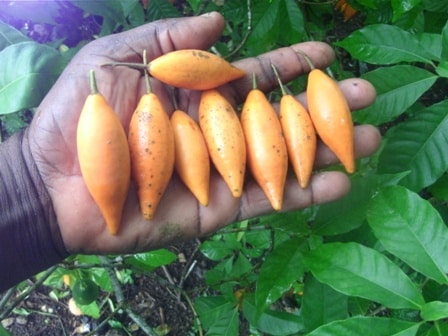
Iboga alkaloids are a class of natural organic substances that have inspired chemists since the early 1900s. They owe their name to the Tabernanthe iboga, from which ibogaine, the main representative of the alkaloids contained in this plant, was first isolated. T. iboga is a 0.9 to 1.5 meters-height shrub belonging to the family of Apocynaceae. It grows in Central Africa, in the Congo basin. [1] The definition of “iboga alkaloids” has different levels, the first one refers to the above-mentioned botanical origin, and the second level refers to those psychoactive compounds that are used in Central African spiritual rituals. Finally, the third level refers to a common chemical structure, composed of an indole nucleus and an isoquinuclidine system. [2]
Even though there are around 100 compounds belonging to the iboga alkaloid class, ibogaine is by far the most studied and widely commercialized one. Its medical history in the Western world began in the early 1900s, when the substance was used to treat asthenia and as a neuromuscular stimulant, and nowadays ibogaine’s success is due to its high potential as an anti-addictive drug. [1]
Among the iboga alkaloids contained in T. iboga there are:
- Ibogaine
- Tabernanthine
- Voacangine
- Isovoacangine
- Coronaridine,
- Ibogaline
- Ibogamine
- Noribogaine
- Conophararyngine
Ibogaine’s power has been known and mastered since long before the Western discovery of this plant. Indeed, T. iboga is considered a sacred plant in the Bwiti religion, due to its entheogenic properties which play a central role in the associated rituals and philosophy. Furthermore, this plant acquired political relevance against the French occupation. [3]
Tribal and Spiritual Use
Iboga’s root bark has been used by the Central African native population against psychological and physical fatigue since ancient times. However, the discovery of this plant’s hallucinogenic power might not have been human. Indeed, several accounts by natives report the observation of boars, gorillas, and porcupines digging up T. iboga’s roots and eating them, only to go into a wild frenzy, jumping around and perhaps fleeing from frightening visions. [1]
According to the Bwiti tradition, Pygmies – an ethnic group native to the jungle of the Congo basin – have been the first ones to discover the psychoactive activity of T. iboga. Afterward, this substance was incorporated into the Bwiti’s cult, which spread out from Gabon to all the surrounding territories. Bwitists communities are small sects composed of 40-50 members, which makes the whole religion very heterogeneous and different from sect to sect. A common element within communities is precisely iboga, which is used both in normal celebrations and in initiations. [4]
Furthermore, the high importance of this plant to Bwitists is a cause of profound distance between them and other Christians in the area, particularly Catholic missionaries. Indeed, since the arrival of European settlers in the area, local people have been the object of a Christian conversion attempt that reached a peak of cruel persecution during French colonialism in the years from 1920 to 1940. [3], [4]
As a consequence, Bwiti’s cult has been deeply contaminated by Christianism and some Bwitists even consider themselves Christians. However, the consumption of iboga remained a factor of both resistance against Western occupation and preservation of identity. [3] The difference between Christians and Bwitists has been very clearly explained by Nengue Me Ndjoung Isidore, a Bwitist religious leader, who affirmed:
“The Catholic church is a beautiful theory for Sunday, the iboga on the contrary is the practice of everyday living. In church, they speak of God, with iboga, you live god”. [4]
As previously mentioned, iboga is used during initiations to the Bwiti’s cult. Here, the initiates assume a few hectograms of the powdered root over 12 hours. The ritual lasts 72 hours and the climax of the experience of contact with the sacred is reached on the third night.[4]
Another interesting fact is that natives prize iboga as an aphrodisiac even more highly valued than yohimbine, a constituent of Corinanthe yohimbe, probably the most famous African “aphrodisiac”. [1]
Importance in the Western World
The Western history of ibogaine and the other iboga alkaloids begins in 1864, when the French navy’s surgeon brought back from Gabon some specimens of T. iboga, having heard of its aphrodisiac power during his explorations. In 1901 Ibogaine was isolated and crystallized from T. iboga root bark. This substance quickly becomes popular in the treatment of “asthenia” and depression, both in Europe and the United States. However, at the beginning of the ’60s, the first study on 19 individuals was published regarding ibogaine’s effect on acute opioid withdrawal.
At the end of the same decade, in a global panorama of fight against hallucinogens, the World Health Assembly classifies ibogaine with hallucinogens and stimulants as “a substance likely to cause dependency or endanger human health” and the drug is banned from both American and European market. This decision caused a setback to research on ibogaine, but preclinical studies continued to be carried on, and, even though the substance is illegal in numerous states, some private clinics administer doses of iboga as an experimental drug to treat addiction. [5]
Regarding its production, ibogaine was first extracted from T. iboga but the first procedures to extract this compound – based on alcohol or haloalkanes extraction followed by chromatography – were very difficult and expensive and the main struggle was to identify ibogaine in the total alkaloids extract, which are at least 48 in T. iboga. Another way to obtain ibogaine with a much better purity degree, it’s to extract the total alkaloids with an acidic solution followed by alkaline treatment, hydrochlorination, and finally dissolution and recrystallization with . [6]
It should be noticed that extracting ibogaine from T. iboga presents some ethical and environmental issues. First, T. iboga is sacred to the Bwiti cult, and its cultivation and harvesting should serve only religious and spiritual functions. [7] Secondly, ibogaine only accounts for 0.3% of the root bark weight of T. iboga, which is too little considering that the plant has to be completely eradicated to extract ibogaine. In contrast, other plants have been found to contain iboga alkaloids that can be used as precursors for ibogaine’s semisynthesis. The most popular one is Voacanga Africana, whose roots contain ~1.7% of voacangine. This compound can be extracted easily and efficiently with methanol and ibogaine can be obtained with a two-step reaction.[7], [8]
Activity on the Central Nervous System
Ibogaine’s chemical effect on the nervous system is very complex since this molecule interacts with several neurotransmitter systems and receptors.
This intricate interaction probably contributes to iboga’s remarkable psychoactive properties and can explain some of its paradoxical effects on the nervous system. [2], [9]
All iboga alkaloids have similar activity on the nervous system but, as already mentioned, ibogaine stood up for its anti-addictive properties. Once again, this activity might result from a synergistic effect on several receptors:
- First of all, ibogaine shows light agonist activity on µ- and κ-opioid receptors, which results, as some works state, in the reduction of cocaine and morphine self-administration in mice and rats.[5], [9]
- There is evidence of ibogaine acting as an antagonist on the N-methyl-D-aspartate receptor (NMDA) receptor.
- This class of molecules induces a state called dissociative anesthesia, marked by catalepsy, amnesia, and analgesia.
- Another activity that might affect both the hallucinatory process and anti-addictive activity is the interaction with the serotonergic system. Indeed, ibogaine binds to serotonin transporters causing altered serotonin neurotransmission. In particular, it inhibits the uptake of serotonin, resulting in an anti-depressant effect. [5], [9]
- Ibogaine lowers the concentration of dopamine but increases its metabolites concentration and, finally, it binds with high affinity to sigma 2 receptors, which might be linked to the occurrence of tremors after ibogaine assumption, which is one of the drug’s adverse effects.
18-methoxycoronaridine (18-MC) is an ibogaine synthetic equivalent that was found to be a good equivalent to the latter for its anti-addictive activity but without tremorigenic side effects.[5], [10] However, 18-MC presents the same adverse effects of ibogaine on heart rate, since both substances modulate cardiac ion channels. They prolong the QT interval, inducing bradycardia. Between 1990 and 2008, 19 fatalities were associated with ibogaine assumption: six were attributed to acute heart failure or cardiopulmonary arrest. However, the majority of the subjects presented pre-existing pathologies or were found to have other opioids in circulation. [10]
Ibogaine presents a half-life of 2-4 hours and its primary metabolite called noribogaine not only presents anti-addictive properties as well but has a much longer half-life, accounting for 24-49 hours.[9] Therefore many biological effects might have been mistakenly attributed to ibogaine instead of noribogaine. [10] Furthermore, the latter compound, as long as another iboga alkaloid called ibogamine, possesses acetylcholinesterase inhibitory activity, which might be promising for the treatment of Alzheimer’s. [9]
Ibogaine shows great potential for the treatment of addiction, but its side effects might represent a strong hurdle to such an application. However, since ibogaine toxicity is strongly dose-dependent, microdosing could be a good solution to avoid side effects while maintaining beneficial ones. Furthermore, the many and diverse iboga alkaloids present similar structures and biological activity and certainly deserve further studies to unlock intriguing alternatives to ibogaine with potentially reduced toxic effects. [9]
Bibliography
[1] H. G. Pope, “Tabernanthe iboga: an African Narcotic Plant of Social Importance.”, Econ. Bot., vol. 23, no. 2, pp 174-184, 1969.
[2] C. Lavaud and G. Massiot, “The Iboga Alkaloids,” Prog Chem Org Nat Prod, 2017. doi: 10.1007/978-3-319-49712-9_2.
[3] M. Kohek, M. Ohren, P. Hornby, M. Á. Alcázar-Córcoles, and J. C. Bouso, “The Ibogaine Experience: A Qualitative Study on the Acute Subjective Effects of Ibogaine,” Anthropol Conscious, vol. 31, no. 1, pp. 91–119, 2020, doi: 10.1111/anoc.12119.
[4] “Samorini/buiti.” Accessed: Sep. 13, 2024. [Online]. Available: https://www.samorini.it/doc1/sam/bui_int.htm
[5] K. R. Alper, “Ibogaine: A Review, Alkaloid”, Chem Biol, vol 56, pp 51-69, 2001.
[6] C. W. Jenks, “Extraction studies of Tabernanthe iboga and Voacanga africana,” Nat Prod Lett, vol. 16, no. 1, pp. 71–76, 2002, doi: 10.1080/1057563029001/4881.
[7] R. N. Iyer, D. Favela, G. Zhang, and D. E. Olson, “The iboga enigma: The chemistry and neuropharmacology of iboga alkaloids and related analogs,” Nat Prod Rep, vol. 38, pp. 307-329, 2021, doi: 10.1039/d0np00033g.
[8] F. Krengel, M. V. Mijangos, M. Reyes-Lezama, and R. Reyes-Chilpa, “Extraction and Conversion Studies of the Antiaddictive Alkaloids Coronaridine, Ibogamine, Voacangine, and Ibogaine from Two Mexican Tabernaemontana Species (Apocynaceae),” Chem Biodivers, vol. 16, no. 7, 2019, doi: 10.1002/cbdv.201900175.
[9] B. M. M. Michele and A. A. Sophie, “A review of the mechanisms involved in the neuroprotection and neurotoxicity of Iboga alkaloids,” Pharmacological Research – Natural Products, vol. 1, 2023, doi: 10.1016/j.prenap.2023.100006.
[10] X. Koenig and K. Hilber, “The anti-addiction drug ibogaine and the heart: A delicate relation,” Molecules, vol. 20, 2015, doi: 10.3390/molecules20022208.



Recent Comments