
by Grow Up Conference | Oct 7, 2024 | Media Partners, Stratcann
Despite almost six years of legal, regulated cannabis in Canada, illicit online retailers continue to prosper, seemingly with minimal interference from federal authorities.
These unlicensed sellers operate without regulation, with limited retail expenses, and almost no tax obligations compared to the rigorous requirements expected of licensed stores.
Industry players see this long-standing problem and continued proliferation as a threat to an already beleaguered sector that is doing its best to adapt to a minefield of challenges.
“There has been little to no enforcement, whether that is law enforcement or through website owners and registrars,” said Adrian Cheek, Lead Researcher for Coeus, a data company that examines all types of illicit online activity.
Cheek added that this lack of enforcement is not a new kink in the system but something that has gone almost unchecked since legalization in 2018. He explained that there are several different reasons for this, the first being that enforcement of these businesses is a federal mandate with any budget mainly committed to cracking down on illegal brick-and-mortar stores.
Although it can be easy to point the finger at law enforcement, Cheek feels this issue does not necessarily fall entirely on their shoulders. He pointed out that the people who do the work are often bound by instructions and mandates that have come from other powers.
He has spoken to law enforcement agencies across the country, and says there’s an overwhelming sense of frustration coming from them. They understand what can be done but are not given the tools, finances, or proper support.
“Disrupting the online business itself is actually relatively simple,” he said. “You could literally do this overnight and probably take down 70% of the online activity, from a cannabis perspective, in Canada.”
He added that the problems mainly lie in jurisdictional issues because many online stores don’t indicate where they are based. Further, only Quebec and Ontario have an actual cannabis task force designed to deal with illicit online activity.
“It’s not to say that law enforcement doesn’t talk to each other, they absolutely do,” said Cheek. “But those communications are limited, the information-sharing is limited, and obviously if there are no resources in the province they’re talking to, then essentially nothing gets done.”
The issue is not only relegated to Canada either. The same problem exists across the border in the United States, with a similar lack of online enforcement. Cheek gave an example of some data Coeus has collected over the last few weeks regarding New York-based online cannabis sales. When raids have occurred, and people have been arrested, there is clear evidence that products are moving across the border.
“New York State, for example, has its own cannabis task force but they have exactly the same issue, whereas they are only mandated to tackle brick-and-mortar. It actually states that in their legal documentation.”
What about law enforcement and government?
StratCann reached out to the RCMP for comment on their practices in these areas.
“In keeping with its mandate, the RCMP’s Federal Policing program investigates, and disrupts the most serious and complex criminal threats to the safety and security of Canadians and Canadian interests, including TSOC (transnational and serious organized crime) involvement in the illegal cannabis market,” said Robin Percival, a spokesperson for the organization.
Percival added that the policing responsibility is a collaborative effort for different facets of law enforcement in Canada. “Federal, provincial, and municipal police services share responsibility to enforce the Cannabis Act. As such, an integrated response to criminal involvement in the cannabis market is essential to uphold public safety.”
As for any steps being taken outside the police system, the Ontario Cannabis Store is doing what it can to inform the government of the necessity of enforcement against unlicensed online cannabis ventures.
“The OCS mandate does not include enforcement against illegal cannabis sellers. However, the OCS works continuously with other government stakeholders to ensure they understand the challenges facing the cannabis industry and the importance of enforcing the law against illegal cannabis operators,” said Solomon Israel, Senior Communications Advisor.
Israel added that another mandate of theirs is to improve public awareness of the risks of illicit cannabis. They have completed several educational campaigns in the past, and have one planned for the near future. “We will be launching an exciting new educational campaign this month to coincide with the sixth anniversary of cannabis legalization.”
What can be done?
One of the more obvious ways Cheek believes will help this issue would be for the Canadian federal government to mandate a budget for online enforcement of illegal websites. The lack of funding is one of the wrenches in the whole system when it comes to policing. He added that the system is “malfunctioning from top to bottom,” and the people who can actually do something about it are mired in red tape.
“From an evidence-gathering standpoint, the evidence is already there, it’s in your face,” he said. “[These illicit websites] openly sell the products, they are not on provincial lists, often they are selling scheduled drugs alongside [cannabis], and they are providing payment information. All of that information is obtainable in less than a minute on the website.”
Cheek added that identifying the websites and actively working to take them down is the first step, but a consistent, sustained effort needs to be implemented in order to actually make an ongoing difference.
“If you took 700 websites down today, 450 would probably come back within 24 hours,” he said. “If you have the right components in place to be looking for those 450, [they] could be very quickly disrupted again.”

by Grow Up Conference | Oct 7, 2024 | Cannabis News Wire, Media Partners
The government of Ukraine recently approved a list of medical conditions that qualify for medical marijuana following the enactment of the country’s marijuana legislation by President Volodymyr Zelensky. The Ministry of Health shared a list of roughly 20 medical conditions eligible for marijuana treatment, noting that more conditions could be included later if medically approved.
The current list covers a variety of health issues, including neuropathy, multiple sclerosis, shingles, cerebral palsy, chemotherapy-related complications, childhood epilepsy and Parkinson’s disease.
While Zelensky and other officials have said access to medical marijuana can help soldiers address mental and physical wounds incurred during the nation’s ongoing war with Russia, post-traumatic stress disorder (PTSD) is currently not a qualifying medical condition.
The Ministry of Health also clarified the guidelines for using marijuana-based medicines, emphasizing the need for strict state control. Patients are advised to stop treatment if they don’t see therapeutic effects within one to three months or if they experience serious side effects, including mental-health issues.
The country has begun importing cannabis products following the decision to move marijuana from list 1 to list 2 of Ukraine’s drug classification system. This shift allows cannabis to be prescribed for medical use.
The legislation was initially approved last year but faced opposition when the Batkivshchyna party attempted to block it by introducing a resolution to repeal the bill. That resolution was ultimately rejected in January this year, clearing the way for the law to take effect. Opponents of the measure also tried to stop it by submitting hundreds of amendments, described by critics as “spam,” to slow the process. Despite these efforts, 248 votes were cast in favor of the bill.
The responsibility for regulating marijuana cultivation and processing will fall to Ukraine’s Ministry of Agrarian Policy. The State Agency on Medicines and the National Police will oversee the distribution of cannabis for medical use and ensure compliance with the law.
Zelensky has been vocal in his support for medical cannabis. In an address to parliament last year, he urged lawmakers to adopt best practices from around the world to help alleviate the pain and suffering of Ukrainians, especially given the country’s ongoing war. He stressed the need to legalize marijuana-based medicines for persons in need while ensuring that production is properly regulated.
The current reform is opposed to that of Russia, Ukraine’s longstanding foe. Russia has always opposed marijuana reform on a national and international level and has expressed disapproval of nations such as Canada that have legalized the drug.
The medical marijuana program is taking shape in Ukraine, and it might be an industry that companies such as Aurora Cannabis Corp. (NASDAQ: ACB) (TSX: ACB) could keep an eye on since it could present an international market that they could venture into.
About CNW420
CNW420 spotlights the latest developments in the rapidly evolving cannabis industry through the release of an article each business day at 4:20 p.m. Eastern – a tribute to the time synonymous with cannabis culture. The concise, informative content serves as a gateway for investors interested in the legalized cannabis sector and provides updates on how regulatory developments may impact financial markets. If marijuana and the burgeoning industry surrounding it are on your radar, CNW420 is for you! Check back daily to stay up-to-date on the latest milestones in the fast -changing world of cannabis.
To receive SMS alerts from CNW, text CANNABIS to 888-902-4192 (U.S. Mobile Phones Only)
For more information, please visit https://www.CannabisNewsWire.com
Please see full terms of use and disclaimers on the CannabisNewsWire website applicable to all content provided by CNW, wherever published or re-published: https://www.CannabisNewsWire.com/Disclaimer
CannabisNewsWire
Denver, CO
www.CannabisNewsWire.com
303.498.7722 Office
Editor@CannabisNewsWire.com
CannabisNewsWire is powered by IBN

by Grow Up Conference | Oct 7, 2024 | Grow Opportunity, Media Partners
(Globe Newswire) Vancouver – Rubicon Organics Inc., a licensed producer focused on cultivating and selling organic certified and premium cannabis, is pleased to announce the publication of its fourth annual Environmental, Social and Governance Report measuring the year ended December 31, 2023.
Rubicon Organics is committed to incorporating environmental, social, and governance principles into our operations and has established itself as a leader in ESG within the cannabis industry. This ESG Report covers the period from January 1 to December 31, 2023, showcasing our dedication to embedding transparency, sustainability, and responsible business practices across all facets of our operations, including governance, environmental stewardship, and community engagement. Our goals are ambitious, and we remain committed to accountability by mindfully measuring and openly reporting our progress on this ESG journey.
Highlights of the ESG Report:
- Cut our carbon footprint by 48% to 2,064 tonnes, led by a reduction in use of natural gas achieved through the BC Hydro site upgrade in late 2022.
- Increased our landfill waste diversion to 66% through recycling, repurposing waste as biofuel and a focus on composting.
- With an active focus on employee satisfaction, and respectful workplace culture, voluntary turnover reduced by 14% year over year.
“We believe we are establishing industry benchmarks and building a robust and resilient cannabis industry in Canada. Our journey towards achieving our vision begins with our people. Governance from our Board of Directors sets the tone for the standards we uphold. Our engaged and diverse team fuels our sustainability performance, bolstered by strong governance, a supportive culture, committed leadership, and our vision, mission, and values” said Margaret Brodie, Chief Executive Officer.
Click here to read a copy of the full report.
by Grow Up Conference | Oct 7, 2024 | Grow Opportunity, Media Partners
(Globe Newswire) Toronto – Tilray Brands, Inc., a global lifestyle and consumer packaged goods company, announced the launch of new Charlotte’s Web CBD gummies in Canada. Designed specifically for daily CBD consumers, Charlotte’s Web CBD Rest Gummies and CBD Life Gummies offer an easy, delicious, and convenient way to incorporate CBD into your wellness routine.
The new gummies are available in a 30-pack bottle with two distinct flavors: Berry & Fruit and Turmeric & Ginger. Each gummy contains 25mg of premium CBD, ensuring a consistent and enjoyable experience.
Crafted in the pristine northern Okanagan Valley of British Columbia, these gummies leverage Charlotte’s Web’s proprietary hemp genetics. They feature full-spectrum CBD hemp extract, meticulously blended with functional herbs and botanical supplements to provide synergistic support for targeted wellness benefits.
Charlotte’s Web Rest Gummies in Berry & Fruit is specially formulated to support your wind-down routines and is a great way to reward yourself post-workout, pre-bedtime, or anywhere between for the ultimate way to rest or reset after a long day.
Charlotte’s Web Life Gummies in Turmeric & Ginger are specifically formulated to support an active lifestyle from day to night, helping you conquer your life’s busiest days.
The Charlotte’s Web CBD Rest and Life CBD gummies are available at select cannabis retailers across Ontario. They will become available through the Tilray Medical website and soon to be in select provinces and retailers this October and November.
by Grow Up Conference | Oct 7, 2024 | Cannabis News Wire, Media Partners
In May 2023, Minnesota Governor Tim Walz signed House File 100 into law, legalizing the recreational use of marijuana in the state. The law went into effect on Aug. 1, 2023, making it legal for Minnesotans to use, possess and grow marijuana in the state. The state is about three months away from allowing retailers to sell and purchase recreational marijuana.
Experts expect the medical marijuana industry to be negatively affected if transitions in other states are anything to go by. Data from the Cannabis Regulatory Agency in Michigan shows that in August 2024, medical-marijuana sales totaled about $1.2 million, a significantly small figure, especially when compared to recreational sales, which hit $294 million.
Currently, more than 48,000 individuals in the state buy marijuana, thanks to Minnesota’s medical program, which started enrolling people in 2015.
The state legalized medical marijuana in May 2014 when then Governor Mark Dayton signed into law a legislation that legalized its use for several medical conditions, including HIV, Tourette’s syndrome, epilepsy and Crohn’s disease. There are two licensed retailers in the state, namely Green Goods and RISE, which operate 15 dispensary locations between them. These locations don’t seem to be enough, as patients often must drive long distances just to get to a dispensary.
Chelsea Swanson, a St. Francis patient, reveals that she must drive almost 30 miles just to get a dispensary. Swanson, who was skeptical of marijuana before she started using it to manage her pain and nausea, hopes that the launch of recreational dispensaries will eliminate the need to travel that far to access the drug. She adds that with the opening of these stores, she won’t have to enroll in any regulatory program. However, she continues, access to top-quality products makes the trip worth it, revealing that she has since stopped using prescription medications to manage her symptoms.
State officials plan to circumvent any impact to the medical-cannabis industry by imposing a tax on recreational products, while medical products remain tax free. Limits on potency and possession will also be imposed on recreational products. This is in addition to eliminating the $200 enrolment fee that patients pay annually for the medical marijuana program.
Officials will also make patient recertification a once-every-three-years thing instead of an annual affair, while also reducing the age limit for registered caregivers to buy marijuana flower to 18 from 21. Further, patients in medical programs in other states will also be allowed to purchase products in the state under a visiting patient option.
As established entities such as Cronos Group Inc. (NASDAQ: CRON) (TSX: CRON) have seen in the markets where they operate, sales of medical marijuana tend to drop as adult-use sales are launched, so the entities operating in Minnesota should expect similar adjustments in consumer patterns.
About CannabisNewsWire
CannabisNewsWire (“CNW”) is a specialized communications platform with a focus on cannabis news and the cannabis sector. It is one of 60+ brands within the Dynamic Brand Portfolio @ IBN that delivers: (1) access to a vast network of wire solutions via InvestorWire to efficiently and effectively reach a myriad of target markets, demographics and diverse industries; (2) article and editorial syndication to 5,000+ outlets; (3) enhanced press release enhancement to ensure maximum impact; (4) social media distribution via IBN to millions of social media followers; and (5) a full array of tailored corporate communications solutions. With broad reach and a seasoned team of contributing journalists and writers, CNW is uniquely positioned to best serve private and public companies that want to reach a wide audience of investors, influencers, consumers, journalists and the general public. By cutting through the overload of information in today’s market, CNW brings its clients unparalleled recognition and brand awareness. CNW is where breaking news, insightful content and actionable information converge.
To receive SMS alerts from CNW, text CANNABIS to 888-902-4192 (U.S. Mobile Phones Only)
For more information, please visit https://www.CannabisNewsWire.com
Please see full terms of use and disclaimers on the CannabisNewsWire website applicable to all content provided by CNW, wherever published or re-published: https://www.CannabisNewsWire.com/Disclaimer
CannabisNewsWire
Denver, CO
www.CannabisNewsWire.com
303.498.7722 Office
Editor@CannabisNewsWire.com
CannabisNewsWire is powered by IBN

by Grow Up Conference | Oct 7, 2024 | Garden Culture Magazine, Media Partners
Every August, the crab apple trees on David Quinton’s residential street in Vancouver, Canada, are laden with fresh fruit. People come with ladders and long poles to reach the highest branches where the ripest apples hide. Others wait until they fall to the ground, then fill their buckets.
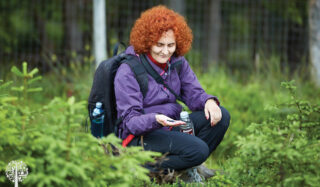
This is foraging. Different from a harvest of leafy greens, basil, or radishes garnered from a cultivated vegetable patch or community garden, foragers harvest food growing unhindered by human intervention in urban areas, suburban side streets, and along riverbanks, seashores, and remote forested regions. Throughout history, foraging has always been part of the human experience. However, the advent of industrialized agriculture and improved logistics in transporting goods changed the idea of going into the forest to look for wild asparagus. Why bother when we can find it with little to no effort at the grocery store? The price was worth the convenience until now.
The Guardian newspaper [1] reports that, in New Zealand, where inflation impacts food costs, increasing numbers of people are foraging to supplement the contents of their pantries. Nature’s bounty is offered at no charge but invisible to those who don’t know where to look or what foods are edible.
Learning About The Wild Side
The founder of Swallow Tail Canada [2], Robin Kort, is a trained chef and foraging enthusiast. She knows all the best places in British Columbia’s southern coastal rainforest to find wild edibles such as fiddlehead and licorice ferns, big-leaf maple flowers, and oyster mushrooms.
Kort says the pandemic caused people to think twice about traveling, and as a result, they have become more connected to their local environments. Her company offers online courses and foraging field trips throughout Metro Vancouver that educate participants on how to gather and prepare fresh kelp or trap a Dungeness crab without leaving the shore.
She says that people want to learn where to find local food and are excited about harvesting the green pinecones of British Columbia’s infamous Douglas Fir tree to make syrup.
The company’s website, swallowtail.ca, provides resources on what’s in season and is also clear that foraging is not about overindulgence. For example, if Kort is at the beach and only spots two pieces of kelp instead of ten, she won’t take any. She believes those two pieces are better served as part of the ecosystem than on her dinner plate.
Foraging Equals Sustainability
For Jonathan Forbes, foraging has always been about sustainability. His family lived in Toronto during the 1950s, and he remembers going out with his mother, a keen forager, to gather mushrooms, ginger, and leeks from the ravines, wetlands, and meadows across the region. Many of those areas have since been developed, and Toronto City Parks has a bylaw forbidding foraging to help preserve the area’s delicate biodiversity. The law also prevents the over-harvesting of the edibles found growing in the ravines denoted by the city as environmentally significant areas.
A keen environmentalist, Forbes believes that people will pay more attention to the natural world and learn how to care for it sustainably if they develop a relationship with it through food. So, in 1998, he started Forbes Wild Foods[4] to generate that awareness.
Expert foragers across Canada gather edibles for the company. Milkweed pods, cattail hearts, and even spruce tips are preserved and sold to restaurants, hotels, gift shops, food and health stores, and individuals. Only foods growing in natural abundance are harvested. The company prides itself in ensuring the foraging is done sustainably, encouraging harvesters to look at what they are taking as a pie. That means only cutting a slice of what is available each year so that nature can replenish the stock. The company also works to reintroduce wild foods to lands needing remedial attention, such as overgrazed woodlots and pastures. Adding native plants to a landscape helps repair the soil and enhance the ecosystem.
Fulfilling A Collective Need
In 2010 and 2011, Christchurch, New Zealand, experienced destructive earthquakes; large swaths of the city were demolished. The red zone, a ribbon of land stretching from the coastline to the inner city, was designated too unstable to rebuild, and 8,000 houses were destroyed[5]. However, vegetation, including fruit and nut-producing trees, remains in the area. Eleven years after the quakes, it has become a favorite spot for foraging, making a dramatic difference to Joanna Wildish’s household food costs. So she’s created Otautahi Urban Foraging[6], a shared resource for people in Christchurch to find plants, berries, and other supplies like firewood, pinecones, and seaweed.
Although wild foods have become trendy for restaurants that pay foragers to gather for them, Wildish says that practice is the opposite of what foraging is all about. She views foraging as a local community experience with a collective focus on sharing and maintaining nature’s abundance. She’d like to see foraging areas developed like food forests, as places people can go to supplement edible needs.
A Bountiful Harvest In More Ways Than One
Back in Vancouver, the crab apple harvest is in full swing. The normally quiet residential street is a hive of activity. A few years ago, the city came to chop the trees down, but after Quinton told them how people harvested the fruit, they went away and haven’t come back, he says. As a result, the ripe apples are everywhere, including on the ground and hanging from lower branches. What’s left after the human frenzy will be eaten by urban wildlife, like raccoons, skunks, and coyotes.
In New Zealand, Wildish says foraging is about leaving as much as possible, not only for other people but for animals, birds, bugs, and reseeding. I’m conscious of this as I fill my buckets with apples in Vancouver. I’ll share what I don’t use to make crab apple jelly with neighbors or take it to a community cupboard or fridge.

Summer in Canada is winter in New Zealand. As I harvest crab apples, Wildish is bundled up and is also out and about harvesting nutrient-rich purple nettle, dandelion, and onion weed. But it’s more than a free harvest of chickweed that makes foraging worthwhile. Being in nature, Wildish says, gives her a strong sense of inner resilience and belonging to the earth; this can serve as an inspiration to us all as we go about our harvests.
Sources:
- Foraging takes hold in New Zealand’s wild places | New Zealand | The Guardian (bit.ly/3A6ueds)
- About Us | Swallow Tail Canada (swallowtail.ca)
- Foraging prohibited by Toronto bylaw, city warns | CTV News (bit.ly/3y2m0jR)
- About – Forbes Wild Foods (wildfoods.ca)
- Residential red zone – Wikipedia (bit.ly/3bosAcH)
- Otautahi Urban Foraging | Facebook (facebook.com/Otautahi.Urban.Foraging)

by Grow Up Conference | Oct 7, 2024 | Extraction Magazine, Media Partners
The method was introduced at the beginning of the 1950s. GC is designed for the separation of volatile components such as terpenes. Very complex mixtures can be solved through the identification of the peaks resulting from the Gas Chromatograph allowing the recognition and quantification of all the substances in the mixture. It is the preferred choice both for aromatic gaseous mixtures such as essential oils, but also for identifying organic contaminants, residues and verifying safety and quality standards in food samples. [1]
The sample is initially vaporized, upstream of the injector, injected into the column and run through it. Different compounds in the sample interact differently with the stationary phase, leading to their separation as they travel at varying speeds through the column. [1]
Components and Process of Gas Chromatography
When pumped into the injector port the sample is vaporized immediately. The carrier gas, the mobile phase, transports the vaporized mixture into the column. The sample travels through the column and its components interact with the stationary phase, in this way an affinity or, better said, retention gradient is created which will determine different elution times and therefore detection of the output signal. This is important information for the characterization of substances.
The Injector
The injector is where the sample is introduced into the GC system. A consistent into the column ensures an accurate separation and analysis.
The Column
The column is chosen based on the needs of the analysis in progress, it is the most important part of the Gas Chromatograph and is often composed of fused silica, a “glass” which is internally coated with the stationary phase.
Here some examples:
- Capillary columns: are more commonly used due to their high resolution.
- Packed columns: use solid stationary phase for compound separation.
- Planar columns use microfabricated channels on silicon wafers for fast, efficient separation in gas chromatography, enhancing speed and resolution.
- Narrow bore columns: with small internal diameters, provide high resolution and efficiency in gas chromatography, ideal for complex mixture analysis.
- Water-compatible ionic liquid-coated columns: offer enhanced selectivity and stability for chromatographic separations, particularly in aqueous environments, improving analytical performance. [2]
The Mobile Phase
The mobile phase, or eluent, is therefore an inert gas, commonly helium, hydrogen or nitrogen. The choice of eluent gas affects the separation. The affinity for the stationary phase and for the mobile phase (which is continuously refluxed) creates sections of concentration gradient of eluent and solutes in it. These gradient segments are defined as theoretical plates, and the more efficient the choice of the stationary and mobile phases is, the smaller and more numerous these plates will be, furthermore the entire separation will gain in resolution.
The peaks will be very distinct and the identification precise.
How to choose the mobile phase with respect to the characteristics of the gas type
- Helium: is widely used due to its inertness and optimal flow characteristics.
- Hydrogen: offers faster analyses and higher efficiency but requires safety precautions.
- Nitrogen: offers slower analyses but excellent resolution and inertness. [2]
The Stationary Phase
As mentioned above, the stationary phase is a coating inside the column, it can be solid or liquid. Parameters such as affinity and temperature ramp programming determine the detection characteristics of the analytes at the column outlet, such as retention time, but also influence the quality of the separation itself.
For the separation, the affinity for the stationary phase is therefore exploited, in fact for non-polar compounds stationary phases are made of dimethylpolysiloxane, a non-polar coating, while for polar compounds the columns are chosen with polar stationary phases such as polyethylene glycol. [2]
At this point we must highlight the rule according to which compounds with greater affinity for the stationary phase move more slowly and are eluted last, while those with lower affinity travel faster and elute first, with consequent separation.
The Detector
Let’s go back to describing the detector, that is, that part of the equipment responsible for quantifying and identifying the components as they are eluted from the column. As the separated compound exits the column, passing through the detector, it generates a signal proportional to the amount of each constituent.
We can mention some detectors: Flame Ionization (FID) highly performing in the detection of hydrocarbons; Mass Spectrometers (MS) that provide detailed molecular information on compounds of interest; Electron Capture Detectors (ECDs) which quantify the compounds that absorb electrons by measuring the decrease of these in the supplied current, due to capture by the target chemical species. [1]
The Data System
The data system records the signals from the detector and converts them into a chromatogram: a graphical representation of the composition of the sample.
The Chromatogram
How is it possible to understand the meaning of the chromatogram? It is a rather complex process for unknown compounds, but for known compounds it is possible to compare the retention times found in the scientific literature.
Obviously, laboratory methods must be the same for two studies to be compared, and analyses are often carried out following known methods. Furthermore, an essential step is the preparation of the calibration line. This line is created by providing the detector, with increasingly larger quantities in terms of concentration, of the same standard molecule which will then correspond to specific detector responses. It is also possible to compare the concentrations of unknown samples, detected in the chromatogram, thanks to the comparison with those of known molecules.
The area under the curve of these peaks must be compared to that of the calibration line in order to obtain an accurate quantification of the analyte concentration.
Fundamental Parameter: Temperature
The temperatures of both the injector and the column are fundamental parameters that significantly impact the separation and analysis of compounds.
Injector Temperature
Vaporization of the sample at the injector level can occur at a minimum of 200°C to a maximum of 300°C. The inlet temperature is set above the boiling point of the analytes to prevent any condensation which could lead to poor reproducibility and peak broadening. At the same time, care must be taken not to set a temperature that causes the decomposition of thermally labile chemical species. [2]
Column Temperature
The column temperature, controlled by the oven, determines the separation efficiency and resolution of the analytes. It can be isothermal, that is constant temperature, or programmed temperature ramp. Isothermal conditions are suitable for simple mixtures, where all components have similar boiling points.
For more complex mixtures with a wide range of boiling points, temperature programming is used, starting at a lower temperature to separate volatile components and gradually increasing to elute higher-boiling compounds. Typical column temperatures range from 40°C to 350°C. The choice of temperature program depends on the volatility and thermal stability of the analytes and the desired resolution. [2]
Optimizing both injector and column temperatures is essential for achieving high-quality chromatographic separations, minimizing analysis time, and ensuring reproducibility.
Practical Examples of GC in Botanical Extracts Analysis
The following examples demonstrate the versatility and effectiveness of gas chromatography in various applications related to botanical extracts, contaminants detection, and food safety compliance.
Scientists in 2012 examined the volatile profile of lavender essential oil (Lavandula angustifolia L.) using gas chromatography-mass spectrometry (GC-MS). Compound separation performed by GC, followed by MS, allows the molecular components to be accurately identified and quantified. The researchers analyzed key volatile compounds such as linalool, linalyl acetate and camphor, which are evaluative for the quality and therapeutic properties of lavender oil. This study demonstrated the effectiveness of GC-MS in profiling complex botanical extracts. [3]
In 2014, authors evaluated planar columns for analyzing chamomile (Matricaria chamomilla L.) essential oils. The planar columns provided separation efficiency comparable to conventional narrow bore columns. This study highlighted the effectiveness of planar columns in analyzing complex botanical extracts, demonstrating their application in profiling chamomile volatiles such as bisabolol oxides and chamazulene. [4]
In 2019, it has been demonstrated that the use of direct injection GC-FID is profitable to analyze peppermint (Mentha piperita L.) herbal teas. By using water-compatible ionic liquid-coated columns, it was possible to accurately quantify volatile compounds such as menthol and menthone. This method significantly reduced analysis time and improved reliability by eliminating intermediate sample preparation steps. [5]
The analysis of sage (Salvia officinalis L.) essential oil using Linear Retention Indices (ITS) on planar columns showed reliable identification of terpenoids like α-pinene and β-pinene. This approach is particularly useful for in-field analysis where micro-GC with mass spectrometry is still developing. ITS are a method used in GC to standardize the retention times of compounds for better comparison and reproducibility.
Developed by van Den Dool and Kratz in 1963, ITS are calculated using a reference series of n-alkanes (hydrocarbons) under identical chromatographic conditions. The index assigns a numerical value to each compound based on its retention time relative to the n-alkanes. The use of ITS provides confident identification of analytes, essential for quality control and regulatory compliance. [6]
Cereal samples were analyzed to verify the presence of mycotoxins: Aflatoxins, Ochratoxin A and Trichothecenes. The main contaminants of foodstuffs stored at too high temperatures and in lack of oxygen are in fact a tool for molds to survive an unfavorable environment. Unfortunately for consumers, these are secondary metabolites produced by molds of the Aspergillus, Penicillium and Fusarium genera.
Harmful to human health, they have concentration limits regulated by law. The method used by the researchers is GC-ECD, which allowed the accurate determination of mycotoxin concentrations, ensuring compliance with safety standards. [7]
Research conducted in 2005 aimed to develop a method for detecting pesticide residues in fruits and vegetables using GC-MS/MS. The method performs separation of compounds via GC, followed by two MS for detailed molecular analysis, improving sensitivity and specificity. It enabled the identification and quantification of multiple pesticide residues in a single analysis, providing a reliable approach to monitoring food safety and compliance. [8]
Troubleshooting Common Issues in GC
GC can present several problems that affect the precision and trustworthiness of the analysis.
Baseline noise in the GC can result from contaminated carrier gases, dirty injector ports, or degraded columns. To resolve this issue, be sure to use high purity carrier gas, clean and maintain inlet ports regularly, and replace the column when necessary. In a study conducted in 2018, researchers took on the challenge of separating volatile organic compounds (VOCs) from roasted coffee using ionic liquid columns. Low bleed (the natural degradation process of stationary phase) and high thermal stability of the ionic liquid columns were observed, which helped reduce baseline noise. They emphasized the importance of using proper temperature settings for the column and injector to further minimize baseline noise. [9]
Peak tailing often occurs due to active sites in the column or improper column conditioning. To resolve peak tailing, condition the column according to the manufacturer’s instructions before use, and ensure the column is properly deactivated. Using guard columns or inline filters can also help protect the analytical column from contamination and reduce peak tailing. For example, in the analysis of sage essential oil reported above, the authors used planar columns with optimized stationary phases to minimize peak tailing and achieved reliable separation of terpenoids. [6]
Poor resolution between peaks can result from incorrect column choice, improper temperature programming, or inadequate column length. To improve resolution, select a column with the appropriate stationary phase and dimensions for the specific analysis. Optimize the temperature program to allow sufficient separation time for closely eluting compounds. In the study on peppermint herbal teas already mentioned, the researchers used water-compatible ionic liquid-coated columns and optimized temperature settings to achieve clear separation and accurate quantification of key volatile compounds. [4]
A drifting baseline can be caused by fluctuations in carrier gas flow, temperature inconsistencies, or leaks in the GC system. To address this issue, ensure stable carrier gas flow by regularly checking and maintaining gas lines and pressure regulators. Verify that the oven and injector temperatures are stable and accurately controlled. Additionally, inspect the system for any potential leaks and repair them promptly. The study on chamomile VOCs highlighted the importance of stable carrier gas flow and precise temperature control in maintaining a stable baseline and achieving consistent results. [5]
References:
- Chiara Cordero, Cecilia Cagliero, Erica Liberto, Barbara Sgorbini, Patrizia Rubiolo, Carlo Bicchi, 9 – Gas chromatography. Editor(s): Yolanda Pico, Chemical Analysis of Food (Second Edition), Academic Press (2020).
- Skoog, D.A., Holler, F.J., & Crouch, S.R. “Principles of Instrumental Analysis (7th ed.)”. Cengage Learning (2018).
- Stanley Deans, Louise McGarvey, John Caldwell, “Analysis of volatile components in lavender essential oils by gas chromatography-mass spectrometry.” Phytochemistry (2012).
- Cagliero, C., Sgorbini, B., Cordero, C., Liberto, E., Bicchi, C., & Rubiolo, P. “Analytical strategies for multipurpose studies of a plant volatile fraction.” Handbook of Chemical and Biological Plant Analytical Methods (2014).
- Barbara Sgorbini, Chiara Cordero, Cecilia Cagliero, Erica Liberto, Patrizia Rubiolo, Carlo Bicchi, “Quantitative analysis of volatile compounds in peppermint herbal teas using water-compatible ionic liquid coated columns.” Journal of Chromatography A (2019)
- Cecilia Cagliero, Barbara Sgorbini, Erica Liberto, Chiara Cordero, Patrizia Rubiolo, Carlo Bicchi, “Evaluation of planar columns for the analysis of sage essential oils.” Journal of Chromatography A (2016).
- Rudolf Krska, Reingard Schuhmacher, Hans L. Müller, “Gas chromatographic analysis of mycotoxins in cereals.” Food Control (2001).
- Imma Ferrer, Michael Thurman, E. Michael Zweigenbaum, “Determination of pesticide residues in fruits and vegetables by gas chromatography tandem mass spectrometry.”, Analytical Chemistry (2005).
- João Amaral, Philip Marriott, Eduardo Bizzo, Marcelo Rezende, “Challenging separation of roasted coffee volatiles using ionic liquid columns.” Journal of Chromatography A (2018).

by Grow Up Conference | Oct 7, 2024 | Media Partners, Stratcann
An Alberta-based cannabis beverage company is calling on Health Canada to do more to address what they say are flaws in potency testing for cannabis products, especially beverages, which are leading to inaccurate THC levels.
Citing internal testing confirmed by third parties that revealed a significant variance between labelled THC levels and actual THC levels in a number of cannabis beverages in Canada, Callum Hanton, CEO of Bubble Bud Inc., the company behind Zéle Beverages, says these products put consumers and the integrity of the legal market at risk.
“The lack of accurate, standardized testing protocols for cannabis beverages is allowing products with THC levels an average of 41% above legal limits to flood the market,” said Hanton, in a press release.
“Some beverages were tested to be overdosed by over 71%. Not only does this compromise product consistency and market integrity, it also exposes consumers to serious health risks from unknowing overconsumption.”
According to a study published by cannabis testing lab Agilent Technologies, part of the challenge with creating accurate and reproducible testing of cannabinoid concentrations in cannabis beverages is because of the use of nano-emulsions to dissolve cannabinoids.
This could potentially lead to inaccurate internal testing results for these types of beverages in their formulation stage, which could lead to more cannabinoids being added to the products. It’s noteworthy that some of the cannabis products tested by Hanton’s team were around a year old.
Callum says he wants to see Health Canada do more to validate methodologies used by different cannabis testing labs to ensure that the products consumers buy are what they think they are buying. While many beverages had much higher levels of THC than advertised, some were also well below advertised amounts.
“Right now, if you go buy a THC beverage in Canada, there is a 95% chance it’s 23-36% overdosed and a 99% chance that you pick up a can and it’s dosing is wrong, with the overall average being Canadians consume 41% more THC than advertised in their cannabis beverages” he told StratCann
Hanton says he has provided Health Canada with access to his testing of cannabis beverages in Canada that showed two different data sets, indicating a significant variation in the percentage difference between measured milligrams of THC and advertised milligrams of THC. The variations range from 71% over-label claims to 47% under-label claims. He says he also provided them with the same validation letters he provided to StratCann for the purpose of verifying his claims.
“To explain this another way,” reads one of the documents provided to StratCann for verification,
“if one sampled a randomly selected drink from the above brands and flavours, 95% of the time there would be between 23% and 36% more THC than advertised.”
Part of the challenge, says Hanton, is that testing methodology for cannabis beverages presents challenges in terms of accuracy due to how these drinks are formulated. However, one of the two people who validated the testing says in their report that in the instances where THC levels were higher than the label amount, the producing company would likely have to be aware of these discrepancies.
Hanton tells StratCann he’s frustrated by what he sees as a lack of action from Health Canada.
“They were provided with both initial tests, raw data, the full report and validation letters in January 2024. We had numerous follow-up conversations with them and they chose to sit on it.
“Inaction is not going to increase the integrity of our industry. This is undermining the stability and growth of our industry. We have to be able to trust that Health Canada does their job and that there is transparent and independent oversight of testing laboratories.
“I want to see bad actors identified and I want to see those products that carry a risk for Canadians to be removed. We want the implementation of robust consistent testing methodologies across the industry. We want Health Canada to do the job they said they would do in 2018.”
A representative for Health Canada says the agency has been made aware of the testing and testing reports available from Bubble Bud Inc., but did not provide comment on any specific actions taken based on these reports.
“We can confirm that all issues and complaints brought to our attention—including any concerns related to licence holder activities as they pertain to the Cannabis Regulations—are taken seriously. Generally, when non-compliances are observed, action is taken, which often includes engaging with licence holders to rectify the situation,” said the reply, in part.
“The department continues to verify and conduct testing of cannabis products produced by the licensed industry. Health Canada’s Cannabis Laboratory (CL) analyzes legal cannabis products and provides scientific support to compliance and enforcement activities for the cannabis inspection program. The CL also provides analytical services for illicit cannabis seized by Canadian law enforcement agencies. The CL is accredited to the international standard ISO/IEC 17025 and uses high-quality scientific standards and procedures for cannabis analysis.”

by Grow Up Conference | Oct 5, 2024 | Media Partners, The New Agora

Into the Labyrinth: A Guide to Navigating Chaos
“The road to heaven feels like hell. The road to hell feels like heaven.” ~Unknown
The labyrinth is a metaphor for navigating change. It stands as a monolithic structure that represents both the unknown and the subtle art of transforming the unknown into wisdom. More importantly, it is a mythopoetic symbol for finding oneself.
The labyrinth is the place you go to shed your cultural conditioning. It’s where you stretch your comfort zone into discomfort. In fact, anything outside your comfort zone could be considered Labyrinth. The conflicting/connecting cosmos that outflanks you even as it binds you—Labyrinth. The horizon disguised as a boundary—Labyrinth. The infinite universe juxtaposing both your inner-verse and outer-verse—Labyrinth.
The labyrinth is adventure, Hero’s Journey, Truth Quest. It’s a Turing Test for how to play the Infinite Game. Are you just a “robot” conditioned to play finite games or are you “alive!” reconditioned to play the Infinite Game of life?
In the labyrinth one does not lose oneself; one finds oneself. It’s in the comfort zone where you lose yourself. It’s the comfort zone that kills. It’s only outside the comfort zone where you truly come alive. And it’s the only place where you can experience Rebirth.
This is not to say that the comfort zone is not necessary. Not at all. The comfort zone is vital as a sojourn, as a temporary resting place, as a sacred space to lick one’s wounds and unpackage heavy shadows, reassociate disassociated states, unscramble madness back into magic. It’s a place to mix the ingredients you found on the path of heroism. But first the heroism. First the hunt. First the sacrifice. First the surrender. First the leap of courage into the labyrinth to find those vital ingredients.
So as not to get lost in the labyrinth, you must prepare your return before your departure. You must leave yourself outs. Litter the path with breadcrumbs. Tie Ariadne’s Thread to the center of your comfort zone before your leap into the unknown.
Ariadne’s thread is both a metaphor for following one’s own path and for strategically staying ahead of the curve. It’s Symbolic of outflanking the ego (cultural conditioning/comfort zone) and surrendering to the Soul (adventure/quest). In Jungian terms Ariadne is the guiding power of the anima/animus who helps the hero in his/her katabasis.
A Katabasis is a descent into the underworld, or a literary account of such a journey to the land of the dead, constituting a temporary visit followed by an Anabasis (ascent). But without the preparation, without the Thread, the lifeline, the umbilical connection to health, there may not be an ascent.
As Sun Tzu said, “Sweat more during peace; bleed less during war.” You can’t have a testimony without having a test. But there’s no reason why you shouldn’t be prepared for the test. Just don’t allow your “preparing” to become an excuse for not executing. Don’t rest on your laurels. Don’t allow the comfort zone to cripple you. Don’t become a status quo junkie hooked on safety, security, and comfort. Grab Ariadne’s thread and take a leap!
Take the risk. Do it despite the tiny-hearted. Do it despite authority. Do it despite the status quo. Be unapologetic. Just be strategic about it. Be fluid, flexible, and smart. And Ariadne will guide you.
In the labyrinth you meet your thousand-and-one selves. Every twisting turn reveals a new layer. Each mirrored passageway unveils a deeper mask. You begin to see, really see, how you are masks all the way down perceiving delusions all the way up. You begin to feel, truly feel, the legion of yourself. And the deeper you travel the more your individuality crumbles into a multitude.
As Friedrich Nietzsche poetically explained, “You lie in wait for yourself in caverns and forests. Lonely one, you are going the way to yourself! And your way goes past yourself, and past your seven devils! You will be a heretic to yourself and witch and soothsayer and fool and doubter and unholy one and villain.”
And as Joseph Campbell more poignantly put it, “All the gods, all the heavens, all the hells are within you.”
Indeed. All the heroes, all the villains, all the light and all the darkness are within you. You are the fountainhead, and the cosmos is the fountain. You are a vehicle that the universe maneuvers to perceive itself. Nothing reveals this more than a journey through the labyrinth.
And nothing is more frightening than the actualization of your own darkness.
Above all, the labyrinth teaches this: you are a multitude. You are Legion. You are death and darkness and evil and madness. You are devil and demon and Minotaur. Your shadow is your most “alive” aspect. It’s your fierceness, your cunning, your audacity, your primal lust. And it will devour you if you don’t incorporate it. It will lay you low if you don’t integrate it. It will control you subconsciously if you don’t associate it with consciousness.
Fortunately, you are Multitude. You are Legion. You are also life and light and goodness and sanity. You are angel and Overman and God. Thus, understanding that you are whole, you don’t renounce the shadow, but return to it with full engagement by making a double movement, a connecting dance: from dark to light and back again to darkness, so that at every step, you are making the movement of infinity and the sign of the Yin Yang.
Like Kierkegaard’s Knight of Faith practicing the Principle of Correspondence, you bring the material to the spiritual and the spiritual back again to the material, imbuing your life with divine significance.
When it comes down to it, this is what navigating the labyrinth is all about: dancing between the smoke and mirrors, between life and death, between love and loss, between deadly darkness and healing light, between blinding light and courageous dark, between finitude and infinity.
With your darkness made conscious, the labyrinth doesn’t stand a chance. You navigate the changing landscape like a whirling ninja dervish. Crisscrossing crossroads. Balancing on tripwires. Tiptoeing through mine fields. Cutting with curiosity like a razor-sharp question mark in the dark. Striking like a cobra, sinking your fangs into the “forbidden” fruit of the primal truth that has been forsaken for too long. Transforming like a Phoenix, cultivating rebirth, practicing resurrection. Traversing Self.
All the while, Ariadne’s Thread dangles behind you—vital, primal, umbilical—connecting you to the Homeland, to the womb, to the “ordinary world,” to the safety net of the comfort zone. Where you will eventually return and reorient disorientation, unlock mystery, rediscover the magic in the madness, and concoct your magic elixir for the tribe.
But only in hindsight will you realize—the ingredients are your soul.
Image source: Transcend by Jacky Gerritsen
About the Author:
Gary Z McGee, a former Navy Intelligence Specialist turned philosopher, is the author of Birthday Suit of God and The Looking Glass Man. His works are inspired by the great philosophers of the ages and his wide-awake view of the modern world.
This article (Into the Labyrinth: A Guide to Navigating Chaos) was originally created and published by Self-inflicted Philosophy and is printed here under a Creative Commons license with attribution to Gary Z McGee and self-inflictedphilosophy.com. It may be re-posted freely with proper attribution, author bio, and this statement of copyright.
by Grow Up Conference | Oct 5, 2024 | Media Partners, Stratcann
This week at StratCann, contributor Dave Dormer spoke with an Edmonton city councillor who says provinces need to amend rules to allow cannabis industry growth, and we shared marketing and promotion compliance efforts from Health Canada (including a correction of a few of our own figures).
We also looked at a new report that calls for more of a public health focus to US cannabis laws, while Aurora and UBC partnered on research to breed fruity-smelling cannabis, Mother Labs has a plan to bring its cannabis to the German market, and Sea Dog Farm spoke about why they revoked their micro cultivation licence.
New survey info from Statistics Canada shows people using less cannabis than the year prior. In Quebec, 16 people were arrested in connection to production sites operated by individuals police say are linked to organized crime. In Edmonton, police want help identifying a man in a fake beard robbing cannabis stores.
And, of course, a new month means a new cannabis jobs update, listing just a handful of the many positions available in the Canadian cannabis industry.
In other cannabis news…
Cannabis Now ran a long piece on Newfoundland’s Oceanic Releaf with the company CEO, Taylor Giovannini. The CEO also made news in 2023 when she called out Trudeau on the federal government’s abandonment of the cannabis industry.
Kelowna’s Hi Cannabis was broken into early Sunday morning, causing thousands of dollars in damage.
This comes less than a week after another store, The Vault Cannabis Ltd., burned down. Once the fire was extinguished, a burned-out vehicle was located inside.
A man accused of robbing Cannabis NB with a BB gun and stealing thousands from the same store now has a warrant out for his arrest after missing court on Friday, October 4.
Halton police in Ontario are looking for one suspect following the armed robbery of a cannabis shop, Buds House, in Burlington on Tuesday, October 1.
Switching to a flat-rate tax or a standardized excise stamp would help the industry ‘overnight,’ the Cannabis Council of Canada’s Paul McCarthy tells the Hill Times (paywall). The article also quotes Frank Grossi, CEO and president of cannabis producer Bloom House Cannabis, and Crystal Cure Cannabis CEO Jonathan Wilson.
In late September, workers at Kiaro Cannabis in Port Coquitlam joined UFCW 1518, becoming the latest members of the BC Budtender Union.
Edmonton’s Bubble Bud Inc. issued a press release urging Health Canada to act on what it says are deficiencies in cannabis beverage testing. More on this from StratCann next week.
Molecule Holdings Inc., a Canadian cannabis beverage production company, announced that it entered into a contract manufacturing agreement with unnamed “globally-recognized leading cannabis company.”
Greenway Greenhouse Cannabis Corporation announced that it has now sold more than 30,000 KG of product.
A pair of Nova Scotia Legal Aid lawyers appeared in Dartmouth provincial court Tuesday on behalf of two Montreal women arrested in a cannabis seizure at the Halifax airport this summer, reports Saltwire.
Canada saw substantial decreases in medical cannabis patient registrations, but the remaining patients stabilized their purchasing frequencies and increased their purchase sizes, according to a new research paper.
International cannabis news…
US Customs and Border Protection (CBP) officers at the Port of Buffalo between New York state and Ontario discovered ecstasy pills, ecstasy gummies, and more than four pounds of cannabis in two commercial shipments at the Peace Bridge border crossing.
The New York Times ran an in-depth piece on the potential harms associated with cannabis use.
California Governor Gavin Newsom signed a bill that gives licensed cannabis lounges the right to sell food and offer ticketed events, creating Amsterdam-style cannabis cafes where people can smoke weed and eat food at the same business.
California’s Unified Cannabis Enforcement Taskforce (UCETF) seized more than $2.3 million in illegally cultivated cannabis, including 2,652 plants in a single operation. In addition to the illegally cultivated cannabis, UCETF seized multiple bags of an illegal pesticide.
This November, an Oregon ballot measure will ask voters whether to make it easier for cannabis workers to unionize.
Vermont’s cannabis regulatory panel has paused all new retail license applications. Board members said the decision is because of concerns that the market is oversaturated in some areas.
Finally, although cannabis possession and consumption was recently legalized in Germany, some cities are placing restrictions on where and when it can be consumed. In Kaiserslautern in southwest Germany, consumption is now prohibited on school days from 7 am to 6 pm in the vicinity of city hall and other areas. The ban will stay in effect until at least October 31, 2025, and offenders could face fines of up to EU€30,000, according to the city. A similar ban is planned for the Messeplatz area of Germany during the October festival later this month.







Recent Comments