
by Grow Up Conference | Sep 11, 2024 | Cannabis News Wire, Media Partners
New data released by the state of Kentucky shows that almost 5,000 applications were submitted by businesses in the state to acquire licenses to sell medical cannabis. This comes after the state legalized medical marijuana for Kentuckians with different debilitating illnesses in March 2023, when SB 47 was signed into law by Governor Andy Beshear.
The application period for those who wished to participate in the state’s medical marijuana program ran from July 1 to Aug. 31, 2024, with 88% of the applications coming in during the last four days. Applicants were only allowed to file applications for one type of license: processor, dispensary or cultivation.
Officials revealed that 4,096 of the 4,998 applications made were for dispensaries that would sell medical marijuana, while 5 were from safety compliance facilities and 917 applications were for processors and cultivators. The state plans to issue 10 tier-1 cultivation licenses, 4 tier-2 cultivation licenses, 2 tier-3 cultivation licenses, 10 processor licenses, and 48 dispensary licenses.
For dispensaries, the state has been divided into 11 geographic zones, with zones that contain Lexington and Louisville receiving 6 dispensaries each while the remaining zones get 4 dispensaries each. It is expected that each county in a zone will have at least 1 dispensary each, excluding Fayette and Jefferson, which will have 2 dispensaries each. Retail stores will also be allowed to run delivery services.
Gov. Beshear stated that from the results, there was a lot of interest among individuals in the state, adding that this was proof the program would meet its objectives. He provided additional insight into how the permits would be awarded, revealing that a lottery would determine those selected to receive the permits. The Office of Medical Cannabis is already reviewing applications, having increased its staff to ensure the licenses are issued before the year ends.
Despite the significant number of applications, the state plans to issue only 48 permits in 2024. The state decided to limit the number of dispensary licenses to ensure that every patient across the state who needed to access medical cannabis can do so.
Some are concerned that large out-of-state companies may have submitted multiple applications, but the system has been set up to prevent these organizations from gaining an unfair advantage. The state will hold its first lottery next month, with the exact date being announced in the next two weeks. Medical marijuana sales in the state are expected to commence in January 2025.
The positive steps that are being taken to roll out the medical cannabis program in Kentucky are bound to be cheered by the overall industry, including established entities such as Verano Holdings Corp. (CSE: VRNO) (OTCQX: VRNOF), since the patients who need these products will soon access them legally at one of the many licensed facilities within the state.
About CannabisNewsWire
CannabisNewsWire (“CNW”) is a specialized communications platform with a focus on cannabis news and the cannabis sector. It is one of 60+ brands within the Dynamic Brand Portfolio @ IBN that delivers: (1) access to a vast network of wire solutions via InvestorWire to efficiently and effectively reach a myriad of target markets, demographics and diverse industries; (2) article and editorial syndication to 5,000+ outlets; (3) enhanced press release enhancement to ensure maximum impact; (4) social media distribution via IBN to millions of social media followers; and (5) a full array of tailored corporate communications solutions. With broad reach and a seasoned team of contributing journalists and writers, CNW is uniquely positioned to best serve private and public companies that want to reach a wide audience of investors, influencers, consumers, journalists and the general public. By cutting through the overload of information in today’s market, CNW brings its clients unparalleled recognition and brand awareness. CNW is where breaking news, insightful content and actionable information converge.
To receive SMS alerts from CNW, text CANNABIS to 888-902-4192 (U.S. Mobile Phones Only)
For more information, please visit https://www.CannabisNewsWire.com
Please see full terms of use and disclaimers on the CannabisNewsWire website applicable to all content provided by CNW, wherever published or re-published: https://www.CannabisNewsWire.com/Disclaimer
CannabisNewsWire
Denver, CO
www.CannabisNewsWire.com
303.498.7722 Office
Editor@CannabisNewsWire.com
CannabisNewsWire is powered by IBN
by Grow Up Conference | Sep 11, 2024 | Extraction Magazine, Media Partners
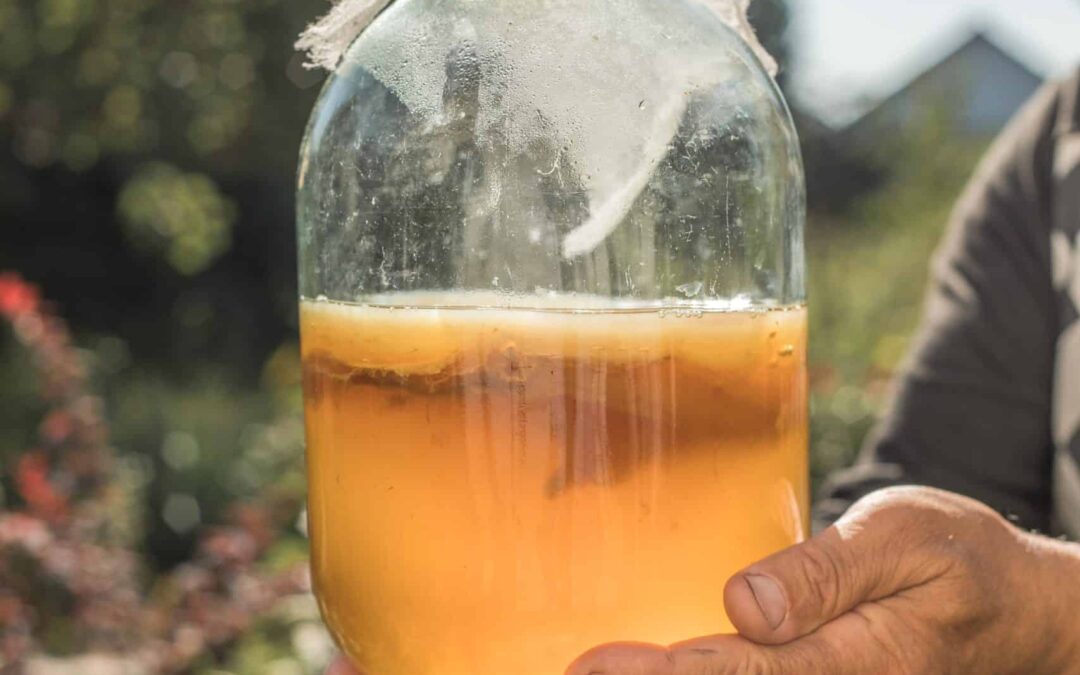
Kombucha is a fermented beverage whose taste reminds of apple cider: it is slightly sweet, acidic, and sparkling. Kombucha consists of two components: a sour liquid broth made of fermented tea in the presence of sucrose, and a flat cellulose pellicle layer.
Kombucha’s popularity is now spread all over the world and is forecast to increase. Half of its consumption is attributed to North America, followed by the European market, with the United Kingdom and Russia leading the consumption. It is also gaining increasing interest in China, where the search for probiotic drinks is very diffused, and in the Middle East and Northern Africa, thanks to this beverage’s health benefits and non-alcoholic nature. [1]
Even though its success is mainly due to Western markets, Kombucha’s origin is set in Eastern Asia, probably in the region of Manchuria, in Northern China, where it was prized by the Tsin Dynasty around 220 B.C thanks to its detoxifying and energizing properties. As a matter of fact, another name for the microbial colony that is responsible for the beverage is “Manchurian mushroom”, along with “tea fungus”.
The etymology of the word “kombucha” is unclear: some theories say it’s the union between the Japanese words kombu (seaweed) and cha (tea), while others support the hypothesis that Kombu was the name of the Korean physician who cured the digestive problems of the Japanese Emperor Inkyo with the tea fungus. With the expansion of trade routes, kombucha arrived in Russia and East Germany, and after World War II it became popular also in France and Italy. [2], [3]
Fermentation Parameters
Kombucha’s fermentation lies on many different factors and not all of them are easy to control, such as the microbiological composition of the broth. However, some of them are particularly crucial for the final taste and properties. One fundamental factor is which substrate is used for fermentation.
The most common is black tea, which represents 75% of total tea production and is obtained by Camellia sinensis’s leaves, after being rolled, oxidized, and dried. Another common substrate is green tea, where leaves are steamed to prevent oxidation of catechins. [1] The absence of the oxidation process gives green tea a lighter flavor and a different polyphenol content.
Even though tea is usually used for Kombucha’s fermentation, other substrates have been tried as an alternative, obtaining similar results. For example, sweetened Echinacea (Echinacea purpurea L.) and winter savory (Satureja montana L.) have given characteristics comparable to traditional Kombucha, but reduced fermentation time; fermented coconut water with Kombucha’s consortium presented different biological activities.
Recently, after only six days of fermentation, Kombucha with improved sensorial and functional properties was obtained by grape juice, which leads to the conclusion that studying therapeutic effects of kombucha obtained by alternative substrates might be a promising direction.
Another key parameter is fermentation time, which usually ranges from 7 to 60 days, when the excess of CO2 creates a starved environment for bacteria to live. After 7 days all kinds of Kombucha’s nutrients are present in the beverage and after the 10th day its taste starts to assume a vinegary taste, due to the increasing concentration of acetic acid.
Furthermore, the pH decreases, due to organic acid concentration: it is important that pH does not get below 3, which is the one of the digestive tract. Finally, fermentation temperature ranges from 22 to 30 °C, but some metabolites, such as vitamin C, were obtained in higher concentrations with temperatures above this threshold. [4]
Biological Composition and Microbial Ecosystem
As previously anticipated, Kombucha’s fermentation is due to a gelatinous consortium of bacteria and yeast that floats on top of the liquid phase and takes the shape of the bowl. [2] Its name is SCOBY, which stands for Symbiotic Culture of Bacteria and Yeasts, and its composition is not unique since it depends on the source of the inoculum for the tea fermentation.
The principal components are both Saccharomyces and non-Saccharomyces osmophilic yeasts, acetic acid, and lactic acid bacteria. [4], [5] The metabolic pathway also remains undefined, since the precise interactions between different microorganisms are unknown. Yeasts are responsible for the first sucrose degradation into glucose and fructose, which can undergo both aerobic and anaerobic fermentation, giving either CO2 or as metabolites. [4]
On the other hand, bacteria produce acetic acid and gluconic acid from ethanol and glucose through aerobic fermentation, respectively. During the first period of fermentation, a biofilm of cellulose is produced thanks to the genus Gluconacetobacter xylinus which synthesizes uridine diphospho-glucose (UDPGlc) – a cellulose’s precursor – from gluconic acid.
Cellulose’s synthesis increases as long as the presence of oxygen at the medium/air interface is guaranteed, allowing only the bacteria on the surface to maintain their activity, whereas the ones that are in the liquid are kept in a dormant state due to the progressive lack of oxygen and can be used for further inocula. [4] [6] However, when SCOBY becomes too thick and starts to sink into the liquid, the oxygen supply is insufficient for bacteria to carry out their metabolic activity and cellulose’s production stops.
On the other hand, while bacteria perform aerobic fermentation on the surface, yeasts are kept on SCOBY’s bottom, where oxygen supply is reduced and anaerobic fermentation leads to the production of ethanol and other fruity organic compounds, that are responsible for kombucha’s aromas. [5]
The presence of both Saccharomyces and non-Saccharomyces yeasts avoids the risk of stuck fermentation and the production of organic acids, and the consequent pH decrease, inhibits pathogenic bacteria’s growth, enabling safe drinking. [4]
Chemical Composition and Properties
Many bioactive compounds in Kombucha are the ones contained in green and black tea. These plants are renowned for their high polyphenol content, the most abundant antioxidants in the diet. The main polyphenols in green tea are catechins, that in black tea are oxidized to thea-flavins and thea-rubigins, causing a less bitter taste and a darker color.
Polyphenols are associated with:
- the prevention of cancer
- increased immunity
- Arthritis prevention
- and inflammation reduction.
Another class of abundant compounds due to bacteria fermentation are organic acids and their content strongly depends on the starter culture used. Acetic acid is responsible for kombucha’s vinegary flavor, and its concentration reaches its peak of 11 g/L on day 30 of fermentation and then starts to drop since, after the depletion of sugar and ethanol, bacteria start to use acetic acid as a carbon source. Lactic acid is mainly found in Kombucha made from green tea.
The metabolism of glucose produces glucuronic acid which is the most significant detoxifier in the human organism. [1], [6] Naturally produced by a healthy liver, its function is to conjugate different lipidic compounds through a process called glucuronidation, producing more hydrophilic molecules that can be excreted through the kidneys or the digestive tract.
Glucuronic acid is also important as a precursor in the biosynthesis of L-ascorbic acid (AA), also known as vitamin C, in acetic acid bacteria. AA is a water-soluble vitamin that, like all the other vitamins, is not synthesized within the body and has to be supplemented in the diet. Vitamin C is found in many vegetables and fruits such as citrus fruits, peppers, broccoli, and strawberries.
It has numerous functions, first of all protecting the immune system, reducing cholesterol levels, and collagen synthesis. Collagen is the principal fibrous protein of animals’ connective tissue, hence AA plays a crucial role in wound repair and healing/regeneration process. [1], [7]
Amino acids belong to another class of compounds that is commonly found in food and beverages. Many of them have been identified in tea, the most abundant being theanine, accounting for 50% of total amino acids. Even though this class of compounds is essential for the human organism, one of their byproducts, biogenic amines (BAs), represents a threat to health when contained in high ratios.
BAs, such as histamine, putrescine, or serotonin are produced endogenously through of amino acids and are essential for several metabolic activities. However, BAs can also be produced by decarboxylase-positive microorganisms in fermented food and beverages. In this case, BAs content might exceed the toxic threshold and some toxic effects might occur.
Hence, in non-fermented beverages, no BA content is a quality indicator, stating the absence of unwanted microorganisms. However, even though three potential BAs precursors have been identified in Kombucha (lysine, phenylalanine, and tryptophan), no BAs have been found in the analyzed samples.
Ethanol is present in Kombucha in a range of 0.7-1.3% by volume, as a byproduct of yeast fermentation, while caffeine serves as an essential nitrogen source for yeasts and bacteria to build new cells. [1]
Alongside all the beneficial properties attributed to the above mentioned compounds, the presence of the whole plethora of Kombucha’s microorganisms provides this beverage with probiotic effects, i.e. live microorganisms that, when consumed, cause beneficial changes in a person’s gut microbiota. [1]
However, there is a lack of scientific data about Kombucha’s beneficial properties and a few cases of adverse effects have been reported. However, in all cases, side conditions, such as existing pathologies, might have contributed to the acuity of the intoxication. A very important factor to keep under control to avoid unwanted contamination is to work under hygienic conditions [6].
Furthermore, pregnant women should avoid drinking Kombucha because of the presence of heparin, a protein contained in the tea that inhibits the blood-clotting system. Tea also contains tannins, polyphenols that cause tooth stains by binding to the hydroxyapatite component of the enamel. However, this kind of stain can be removed by bleaching treatment. [1], [3], [6]
Cellulose Biofilm
As anticipated above, the species Gluconobacter xylinum is not capable of synthesizing acetic acid from ethanol, but instead one of its metabolic pathways leads to the formation of a cellulosic biofilm.
This microbial cellulose is secreted through 3.5 nm-diameter pores and lies extracellularly in the form of fibrils attached to the bacterial cell. Each newly produced film is called “daughter” and is the closest to the surface, while the SCOBY is also known as the “mother” and consists of all the previous overlapped film layers that are located below the most recent one. [5]
This kind of cellulose exists into two forms, cellulose I and II. The first is a ribbon-like polymer that forms crystals, while the second is an amorphous polymer, more thermodynamically stable. It is hypothesized that Kombucha’s colonies might produce a different cellulose polymer than the one obtained by standard sources.
The main difference between Kombucha derived cellulose and plant-derived one, is the first one’s purity. Indeed, polymers such as hemicellulose, lignin, or pectin are completely absent. Furthermore, this biofilm is 100 times thinner than the one obtained from plants, but its water-holding capacity is over 100 times higher. [4]
A similar cellulosic floating network obtained by the fermentation of coconut water is a popular delicacy in the Philippines called “Nata de Coco” and other microbial cellulosic biofilms have been known to be used in Brazil to heal skin burns and other dermal injuries since ancient times. [3]
However, its astonishing properties make the SCOBY a promising candidate for innovative materials, even though the production costs remain a limitation for such applications. This material has been studied as an alternative eco-packaging, a biomaterial for medicine, and a supplement for animal feeding. [8] However, it showed its most promising results in the bio-absorption of heavy metals in aqueous solutions such as wastewater. [3], [5]
These results make Kombucha an interesting topic to be further explored not only for its potential health benefits, about whom data are still insufficient, but also as a promising new generation material.
References:
[1] P. Bishop, E. R. Pitts, D. Budner, and K. A. Thompson-Witrick, “Chemical Composition of Kombucha,” Sep. 01, 2022, MDPI. doi: 10.3390/beverages8030045.
[2] J. Jarrell, T. Cal, and J. W. Bennett, “The Kombucha consortia of yeasts and bacteria,” Mycologist, vol. 14, no. 4, pp. 166–170, 2000, doi: 10.1016/S0269-915X(00)80034-8.
[3] R. Jayabalan, R. V. Malbaša, E. S. Lončar, J. S. Vitas, and M. Sathishkumar, “A review on kombucha tea-microbiology, composition, fermentation, beneficial effects, toxicity, and tea fungus,” 2014, Blackwell Publishing Inc. doi: 10.1111/1541-4337.12073.
[4] S. A. Villarreal-Soto, S. Beaufort, J. Bouajila, J. P. Souchard, and P. Taillandier, “Understanding Kombucha Tea Fermentation: A Review,” Mar. 01, 2018, Blackwell Publishing Inc. doi: 10.1111/1750-3841.14068.
[5] R. M. D. Coelho, A. L. de Almeida, R. Q. G. do Amaral, R. N. da Mota, and P. H. M. de Sousa, “Kombucha: Review,” Dec. 01, 2020, AZTI-Tecnalia. doi: 10.1016/j.ijgfs.2020.100272.
[6] J. M. Leal, L. V. Suárez, R. Jayabalan, J. H. Oros, and A. Escalante-Aburto, “A review on health benefits of kombucha nutritional compounds and metabolites,” CYTA – Journal of Food, vol. 16, no. 1, pp. 390–399, Jan. 2018, doi: 10.1080/19476337.2017.1410499.
[7] S. Chambial, S. Dwivedi, K. K. Shukla, P. J. John, and P. Sharma, “Vitamin C in disease prevention and cure: An overview,” Oct. 01, 2013, Springer. doi: 10.1007/s12291-013-0375-3.
[8] I. Diez-Ozaeta and O. J. Astiazaran, “Recent advances in Kombucha tea: Microbial consortium, chemical parameters, health implications and biocellulose production,” Sep. 16, 2022, Elsevier B.V. doi: 10.1016/j.ijfoodmicro.2022.109783.

by Grow Up Conference | Sep 10, 2024 | Media Partners, Stratcann
Toronto Police say they have made four arrests in connection with a series of break-ins of cannabis, electronics, and cellular phone stores in the Toronto area.
The arrests were announced on September 10, in relation to a series of break-ins from Sunday, November 26, 2023, to Friday, August 23, 2024. During that time, the Toronto Police Service and Durham Regional Police Service responded to 27 calls for nighttime break-and-enters into retail establishments. Police have dubbed the investigation Project Nightcrawler.
Police alleged that a group of suspects targeted and forced entry into cannabis, electronics, and cellular phone stores while armed and wearing masks. Police also allege the suspects discharged a firearm while fleeing the scene of one break-in, and that the suspects stole over $50,000 worth of cannabis, cannabis-related products, cellular phones and accessories, electronics and computers.
Police say they have arrested three adult males and one 16-year-old male. A 17-year-old male youth and a 41-year-old woman are also wanted in connection with these arrests.
Break-ins of cannabis stores have been an ongoing issue in Canada. Some provinces, like British Columbia and Alberta, have removed their requirements for window coverings for cannabis stores in part in response to concerns about retailer safety. Retailers in Ontario have called on the province to make similar changes.
by Grow Up Conference | Sep 10, 2024 | Cannabis News Wire, Media Partners
The U.S. marijuana industry, valued at $32.1 billion, entered Labor Day weekend for the second consecutive year with significant developments regarding the Biden administration’s attempts to change marijuana’s classification. Despite this milestone, the reaction has been one of disappointment rather than celebration, following the recent announcement that a crucial hearing about cannabis rescheduling won’t take place until December. This delay led to frustration and a slight dip in cannabis stock values.
Last year, the industry had a more optimistic outlook during this period as federal health regulators had recommended recognizing cannabis as medicine, a major step forward in marijuana reform. However, this year brings a less favorable situation as Anne Milgram, chief of the U.S. Drug Enforcement Administration (DEA), issued a notice in the Federal Register announcing a Dec. 2, 2024, hearing, signaling that the rescheduling of marijuana is unlikely to occur before 2025. Consequently, cannabis businesses will need to wait a while longer for potential tax relief at the federal level.
Representative Earl Blumenauer, cochair of the Congressional Marijuana Caucus, expressed his dissatisfaction, accusing the DEA of holding up progress on a matter that the White House considers important. On the other hand, some observers, such as Shawn Hauser of the legal firm Vicente, say they expected these kinds of delays and pointed out that a hearing was always a real possibility.
Blumenauer’s disappointment mirrors the sentiments of many in the marijuana industry, including prominent entities such as Green Thumb CEO Ben Kovler, who voiced his frustration on social media. The market responded accordingly, with Green Thumb’s stock dropping by more than 8.5%, while other major cannabis companies, including Curaleaf Holdings, Trulieve Cannabis Corp. (CSE: TRUL) (OTCQX: TCNNF) and Verano Holdings, experienced similar declines.
The cannabis community’s disappointment spilled onto social media, with industry leaders and advocates expressing their discontent with President Biden, Milgram and even among themselves. Speculation also arose that a potential Republican presidential win, particularly by Donald Trump, could undo the rescheduling process. However, these are only rumors with no factual backing.
Industry insiders, including lobbyists, lawyers and some marijuana executives argue that the December hearing should not be surprising, emphasizing that the rescheduling process initiated by Biden’s executive order in October 2022 remains on track.
The final rule publication will follow the administrative law judge’s hearing, although no specific timeline is mandated by the Administrative Procedure Act. Barring any extended legal challenges, a final decision could still be made before Biden’s term ends on Jan. 25, 2025.
The specifics of who will participate in the December hearing remain unclear. As the industry prepares its case, experts anticipate a showdown with familiar opponents such as Smart Approaches to Cannabis.
About CNW420
CNW420 spotlights the latest developments in the rapidly evolving cannabis industry through the release of an article each business day at 4:20 p.m. Eastern – a tribute to the time synonymous with cannabis culture. The concise, informative content serves as a gateway for investors interested in the legalized cannabis sector and provides updates on how regulatory developments may impact financial markets. If marijuana and the burgeoning industry surrounding it are on your radar, CNW420 is for you! Check back daily to stay up-to-date on the latest milestones in the fast -changing world of cannabis.
To receive SMS alerts from CNW, text CANNABIS to 888-902-4192 (U.S. Mobile Phones Only)
For more information, please visit https://www.CannabisNewsWire.com
Please see full terms of use and disclaimers on the CannabisNewsWire website applicable to all content provided by CNW, wherever published or re-published: https://www.CannabisNewsWire.com/Disclaimer
CannabisNewsWire
Denver, CO
www.CannabisNewsWire.com
303.498.7722 Office
Editor@CannabisNewsWire.com
CannabisNewsWire is powered by IBN

by Grow Up Conference | Sep 10, 2024 | Media Partners, Stratcann
A BC-based credit union that has partnered with a BC financing agency to provide invoice factoring to BC cannabis producers says they have already provided more than $5 million in payments to the industry since launching earlier this year.
They’re ready to expand the program to more BC cannabis growers and processors.
Community Savings and We Can Capital Inc. first launched the pilot project in February aimed at giving BC cannabis producers more direct access to working capital, allowing participants to essentially sell their invoices from the BC or Ontario distribution centres.
Factoring is a financial service where a business can sell its outstanding invoices to a factoring company in exchange for immediate cash.
Under the program, a BC cannabis producer delivers its finished goods and issues an invoice to the provincial board with which they have a sales agreement. Rather than waiting 14, 30, or even 60 days for payment from the province, producers can sell that invoice, receiving a 75-82.5% advance from Community Savings and We Can Capital on the same day.
“Cannabis businesses should have access to the same banking products as every other business in Canada,” says Mike Schilling, President and CEO of Community Savings Credit Union. “We are proud to be a pro-cannabis industry credit union that is fighting against banking discrimination and stepping up to provide affordable access to invoice factoring for licensed producers.”
“The fact that we just launched this program in February and have already achieved $5.3 million in invoice factoring this year, demonstrates the need and demand for this service. We are here to support BC cannabis producers and help grow their businesses.”
As an example of how the program has matured, Community Savings says it has already been able to increase the purchasing limit from $500,000 to $750,000 for Nelson, BC-based cannabis producer Woody Nelson.
Toby Summers, Director of Woody Nelson Inc., said: “Community Savings’ and We Can Capital’s foresight to create offerings to support BC’s underserved cannabis industry has been transformative for Woody Nelson. The liquidity provided by Community Savings’ factoring line has ensured Woody Nelson has the necessary supply chain inventory to support rapid growth, which has been instrumental in achieving our first quarter of positive EBITDA.”
Joshua Reynolds, Partnership Director of We Can Capital Inc., says the success of a company like Woody Nelson, which he says has been able to increase its output because of the more ready access to capital, proves the factoring program works and proves they are ready to move out of the pilot phase and expand it to more BC producers.
“Partnering with Community Savings to work with Toby and the Woody Nelson team reaffirms my dedication to bolstering the financial stability of this dynamic industry. Witnessing firsthand the transformative impact of instant working capital on a company is truly inspiring. It’s a privilege for We Can Capital to contribute to such a vital sector and support the growth and success of businesses like Woody Nelson.”
Earlier this year, Dayna Lange, the CFO of Tricanna Industries and Community Savings Credit Union cannabis member, told StratCann the program will help cannabis producers like Tricanna build better supply chain relationships.
“Having instant access to our own money has been a game-changer for the way we approach the continued growth and reputation of our business,” says Lange. “With a one-day funding and settlement model, we are able to continue to increase sales and maintain strong relationships with our suppliers. This is long overdue, and we are very encouraged to see mainstream financial services supporting BC cannabis.”

by Grow Up Conference | Sep 10, 2024 | Grow Opportunity, Media Partners
(Globe Newswire) Vancouver – HYTN Innovations Inc., a pharmaceutical company specializing in the development, formulation, and manufacturing of psychoactive and psychotropic compounds, including cannabinoids and psilocybin, is proud to announce the establishment of international manufacturing and pricing agreements with 4C LABS, a leading importer and distributor of cannabis-based pharmaceuticals in the United Kingdom. These agreements aim to enable the production of cannabis products in bulk and final packaged forms for distribution in the UK and other global markets. Through this partnership HYTN will act as the manufacturer, packager and exporter of pharmaceutical quality cannabis goods that 4C LABS may purchase and subsequently import and distribute into the UK market.
HYTN’s Good Manufacturing Practice (GMP) license, granted by Health Canada, and its PIC/S certification from Australia’s Therapeutic Goods Administration (TGA), are key credentials that enable partnerships with internationally accredited distributors, these credentials, combined with 4C LABS’ expertise and licences in cannabis operations in the UK, create a robust foundation for the business collaboration with 4C Labs. Under the Agreements, HYTN intends to manufacture new products for 4C LABS while also serving as a co-manufacturing center for the production of existing products currently produced at various locations, with the aim of enhancing operational efficiency for both companies. The agreements do not provide for a fixed, mandatory or minimum order by 4C LABS.
“This partnership validates the ongoing regulatory work HYTN has been undertaking,” stated Elliot McKerr, CEO of HYTN. Adding “By integrating 4C Labs’ deep understanding of cannabisprocurement and consumer demand with our advanced GMP-certified manufacturing processes, we are well-positioned to deliver high quality cannabis products to international markets. This collaboration not only highlights our commitment to expanding the company’s global presence but also marks a significant milestone in HYTN’s advancement into non-sterile pharmaceutical production.”
Greg Dobbin, CEO of 4C LABS, added, “Partnering with HYTN provides us with a significant competitive advantage. HYTN’s proximity to high quality Canadian cannabis flower, coupled with their rigorous adherence to GMP standards and innovative manufacturing platform, will allow us to work towards delivering top quality products and competitive pricing to our customers.”
While the initial focus of this partnership is to supply products to the UK market, both companies recognize substantial growth opportunities in Germany and Australia. The German medical cannabis market is rapidly emerging as one of Europe’s largest, with an estimated value of CAD $2 billion1, while the Australian market, valued at over AUD $200 million in 20222, continues to expand. As these markets require GMP-certified production and distribution, both firms have identified this partnership as providing the necessary framework to support global expansion.
by Grow Up Conference | Sep 10, 2024 | Grow Opportunity, Media Partners
By Lindsay Whitehurst And Stephany Matat
WASHINGTON (AP) — Donald Trump has signaled support for a potentially historic federal policy shift to reclassify marijuana as a less dangerous drug, putting his position in line with that of his Democratic opponent, Kamala Harris.
The commonality reflects a major shift toward broad public support for legalization in recent years and marks the first time that both major-party presidential candidates support broad cannabis reform, according to the U.S. Cannabis Council.
The Republican presidential nominee posted on his social media platform late Sunday that he would “continue to focus on research to unlock the medical uses of marijuana to a Schedule 3 drug,” and also said he would be voting “yes” on a proposal to allow the sale of marijuana to adults for any reason in Florida.
Coming shortly before the two will meet for a pivotal debate, Trump’s post sets up the possibility that he could criticize Harris for her past cannabis prosecutions when she was district attorney in San Francisco. Because drug prosecutions disproportionately affect nonwhite defendants in the U.S., the line of attack could also fit with Trump’s efforts to increase his support among nonwhite men.
Harris backs decriminalization and has called it “absurd” that the Drug Enforcement Administration now has marijuana in the Schedule I category alongside heroin and LSD. Earlier in her career, she oversaw the enforcement of cannabis laws and opposed legalized recreational use for adults in California while running for attorney general in 2010.
Harris has absorbed attacks on her prosecutorial record on the debate stage before, most notably from Democrat-turned-Trump supporter Tulsi Gabbard, who ran for the Democratic presidential nomination in 2020 and announced in 2022 that she was leaving the party.
Trump said during his 2016 run that pot policy should be left up the states. During his term in the White House, though, then-Attorney General Jeff Sessions lifted an Obama-era policy that kept federal authorities from cracking down on the marijuana trade in states where the drug is legal.
The DEA process to change the drug’s federal classification is already underway, kickstarted by President Joe Biden’s call for a review. But the DEA hasn’t made a final decision on the shift, which would not legalize recreational marijuana outright. It may not decide until the next presidential administration, putting a spotlight on the candidates’ positions.
Federal drug policy has lagged behind that of many states in recent years, with 38 having already legalized medical marijuana and 24 legalizing recreational use.
About 70% of adults supported legalization in a Gallup poll taken last year, the highest level yet recorded by the polling firm and more than double the roughly 3 in 10 who backed it in 2000. Support was even higher among young voters, a key demographic in seven main battleground states.
“We believe cannabis reform is a winning issue,” said David Culver, senior vice president of public affairs at the U.S. CannabisCouncil, in a statement Monday.
The federal policy shift would wouldn’t legalize marijuana outright for recreational use. Instead, it would move marijuana out of Schedule I to the Schedule III category, alongside ketamine and some anabolic steroids.
The proposed shift is facing opposition from advocates who say there isn’t enough data and from attorneys general in more than a dozen states, according to the group Smart Approaches to Marijuana.
Trump chimed in on the ballot question on the same day that Florida Gov. Ron DeSantis, a fellow Republican who previously challenged him for the 2024 presidential nomination, spoke at City Church Tallahassee, where he ardently opposed two ballot initiatives this November: one to enshrine abortion rights and the other to legalize recreational marijuana.
For months DeSantis has publicly opposed the marijuana amendment, saying it would reduce the quality of life in Florida cities by leaving a marijuana stench in the air.
The Florida Republican Party has also formally denounced the amendment, saying in a May resolution that it would “benefit powerful marijuana special interests, while putting children at risk and endangering Florida family-friendly business and tourism climates.”
___
Matat reported from West Palm Beach, Fla. Associated Press writer Bill Barrow in Atlanta contributed to this report.

by Grow Up Conference | Sep 10, 2024 | Media Partners, Psychedelic News Wire
Interest in psychedelics has increased significantly these last few years, with researchers finding out more about the potential mental health benefits of substances such as LSD, mescaline, DMT and psilocybin. Thus far, research has determined that these drugs induce intense emotional experiences and alter individuals’ perception and cognition, with some also causing mystical experiences.
Now, a recently conducted review has found that the therapeutic potential of these substances extends beyond mystical experiences.
The study authors argued that psychedelic benefits weren’t universal, noting that the drugs could also induce existential crises, anxiety and depersonalization. In their review, they highlight the importance of understanding these serious effects, particularly in a clinical context, because they may play a significant role in both the risks and benefits linked to psychedelic therapy.
The review also criticizes techniques used to measure the acute subjective effects of these substances, calling attention to the limitations and inconsistencies that impede clinical practice as well as research. Acute subjective effects include heightened affect, visual alterations, ineffability, emotional breakthrough and a sense of connectedness, among others.
Tools such as the 5D Altered States of Consciousness scale and the Mystical Experience Questionnaire have been used to evaluate these effects. Despite these tools being popular, the authors claim that they may not sufficiently forecast long-term therapeutic outcomes or even capture the entire range of experiences.
To make any advancements in this field, the authors demand that new and more comprehensive measures be developed which can accurately evaluate the diverse acute effects of psychedelics. This, they note, should include the creation of tools validated via strict empirical tests.
The authors’ findings have huge implications for the future of psychedelic therapy and research.
It is expected that scientists will be able to better understand how these substances affect the mind and how they contribute to mental health once the focus shifts from mystical experiences. This, in turn, may facilitate the development of efficacious therapeutic protocols that minimize the risks of these drugs while maximizing their benefits.
The need for empirically validated and data-driven measures becomes more important as scientific and public interest in psychedelics continues to increase. The review provides recommendations for clinicians and researchers alike, including suggestions on the development of next-gen psychometric tools and best practices for measuring acute subjective effects.
The review was authored by Roland R. Griffiths, Brandon Weiss, Sean P. Goldy and David B. Yaden. The researchers’ findings were published in “Nature Reviews Psychology.”
This study provides plenty of food for thought for the broader psychedelics industry, including companies such as Mind Medicine Inc. (NASDAQ: MNMD) (NEO: MMED) (DE: MMQ), to find more rigorous ways of measuring the effects of psychedelics on the mind. This is particularly critical given the recent rejection by the FDA of an MDMA drug with a recommendation that another phase 3 trial be done.
About PsychedelicNewsWire
PsychedelicNewsWire (“PNW”) is a specialized communications platform with a focus on all aspects of psychedelics and the latest developments and advances in the psychedelics sector. It is one of 60+ brands within the Dynamic Brand Portfolio @ IBN that delivers: (1) access to a vast network of wire solutions via InvestorWire to efficiently and effectively reach a myriad of target markets, demographics and diverse industries; (2) article and editorial syndication to 5,000+ outlets; (3) enhanced press release enhancement to ensure maximum impact; (4) social media distribution via IBN to millions of social media followers; and (5) a full array of tailored corporate communications solutions. With broad reach and a seasoned team of contributing journalists and writers, PNW is uniquely positioned to best serve private and public companies that want to reach a wide audience of investors, influencers, consumers, journalists and the general public. By cutting through the overload of information in today’s market, PNW brings its clients unparalleled recognition and brand awareness. PNW is where breaking news, insightful content and actionable information converge.
To receive SMS alerts from PsychedelicNewsWire, text “Groovy” to 888-902-4192 (U.S. Mobile Phones Only)
For more information, please visit https://www.PsychedelicNewsWire.com
Please see full terms of use and disclaimers on the PsychedelicNewsWire website applicable to all content provided by PNW, wherever published or re-published: https://www.PsychedelicNewsWire.com/Disclaimer
PsychedelicNewsWire
San Francisco, CA
www.PsychedelicNewsWire.com
415.949.5050 Office
Editor@PsychedelicNewsWire.com
PsychedelicNewsWire is powered by IBN

by Grow Up Conference | Sep 10, 2024 | Media Partners, Stratcann
Police in Hay River in the Northwest Territories have charged a 70-year-old-man under the Cannabis Act after they found 40 cannabis plants on his property.
Hay River RCMP noted the plants when responding to a call for service at a residence in August. On Friday, September 6 RCMP obtained a search warrant to investigate the plants further, resulting in 40 confiscated plants.
The man was charged with possessing more than four cannabis plants, and is set to appear in court at a future date.
Adults 19 and over can grow up to four cannabis plants per household in the Northwest Territories (NWT). Plants must be grown indoors.
Hay River is located on the south shore of Great Slave Lake and has a population of about 3,000 people. There are six approved cannabis vendors in NWT, one of which is also authorized to sell online within the Territory.

by Grow Up Conference | Sep 9, 2024 | Media Partners, Stratcann
The BC government has filed its fourth unexplained wealth order (UWO) application, seeking to seize $5.6 million worth of properties connected to what police say was a large, illegal cannabis production and distribution business.
Police became aware of the three houses, two in Vancouver and one in Abbotsford, after they responded to reports of shots being fired at an east Vancouver residence in September 2022.
In their investigation, police found more than $1.5 million in Canadian and US cash, spent shell casings, and an illicit cannabis operation along with packaged cannabis. The investigation also led police to an illicit cannabis operation at the Abbotsford property, operating outside of the scope of medical production authorizations, as well as a large amount of cash at another Vancouver property.
The civil forfeiture suit, first filed on December 4, 2023, names Jianxin Uang and Xiao Zhen Jean Li. Huang was arrested for murder on October 18, a little over a month after the reports of shots fired that opened the investigation on Sept. 10. One man was reported dead, according to the Vancouver Police Department (VPD), while another was said to be recovering.
“We are steadfast in identifying people who are involved with guns, gangs and drugs, and seizing their ill-gotten assets to prevent them from profiting from the misery of others,” said Mike Farnworth, Minister of Public Safety and Solicitor General, in a press release on September 9.
“We believe these properties, money and other items are proceeds and instruments of unlawful activity, namely, the black-market production and illegal distribution of cannabis. Through this court application, we are seeking a court order that will require the defendants to produce evidence to prove these items were received and purchased through legal means, and the source of the cash is legitimate.”
Last year, the BC government passed the Civil Forfeiture Amendment Act, 2023, giving it the power to begin legal proceedings against property connected to illegal cannabis grow operations. The government had pursued such cases prior to the passage of the 2023 law, as well. BC’s civil forfeiture program was created in 2006 and has come under criticism from civil liberties groups.
In December 2023, the BC Supreme Court put a pause on the province’s efforts to seize $12 million in properties connected to illegal cannabis and psilocybin dispensaries.
In May 2024, The BC Civil Forfeiture Office began civil forfeiture proceedings against two properties following investigations into the sale and distribution of illicit cannabis by a company operating in Surrey, BC. The investigations by Surrey RCMP into the illicit sales and distribution of cannabis took place from April 2020 to February 2022. The two properties are located in Maple Ridge and Mission.
Featured image of 4372 Victoria Dr in Vancouver via Google Maps






Recent Comments