
by Grow Up Conference | Aug 23, 2024 | Grow Up News

Snoop Dogg partners with Grow Up Award winner, Futurola, a leading smoking-accessories brand, to launch a new line of co-branded cannabis accessories. The collaboration will introduce innovative, premium products globally, blending Futurola’s expertise with Snoop’s iconic status.
LOS ANGELES, Aug. 22, 2024 /PRNewswire-PRWeb/ — Rap legend, entrepreneur, and cannabis flower connoisseur Snoop Dogg and iconic smoking-accessories brand Futurola have sealed a partnership for a new line of co-branded cannabis accessories.
“I’m excited about this collaboration,” Snoop said. “Futurola is the industry leader, and the products are innovative and of premium quality.” Futurola partners Toby Skard and Patrik Eriksson expressed their enthusiasm about this collaboration expected to launch worldwide later this year.
“Futurola takes pride in our latest partnership with superstar Snoop Dogg,” said Skard. “Together, we have created a collection of exclusive products that merge our expertise in innovative smoking accessories with Snoop’s iconic status.”
“I’m excited about this collaboration, Futurola is the industry leader and the products are innovative and of premium quality.” —Snoop Dogg
Added Eriksson, “Snoop is revered in the cannabis space for his love of the plant and advocacy on the world stage. These premium products will launch a new era of excitement in the smoking accessories sector as people all over the world Roll a Double G®.”
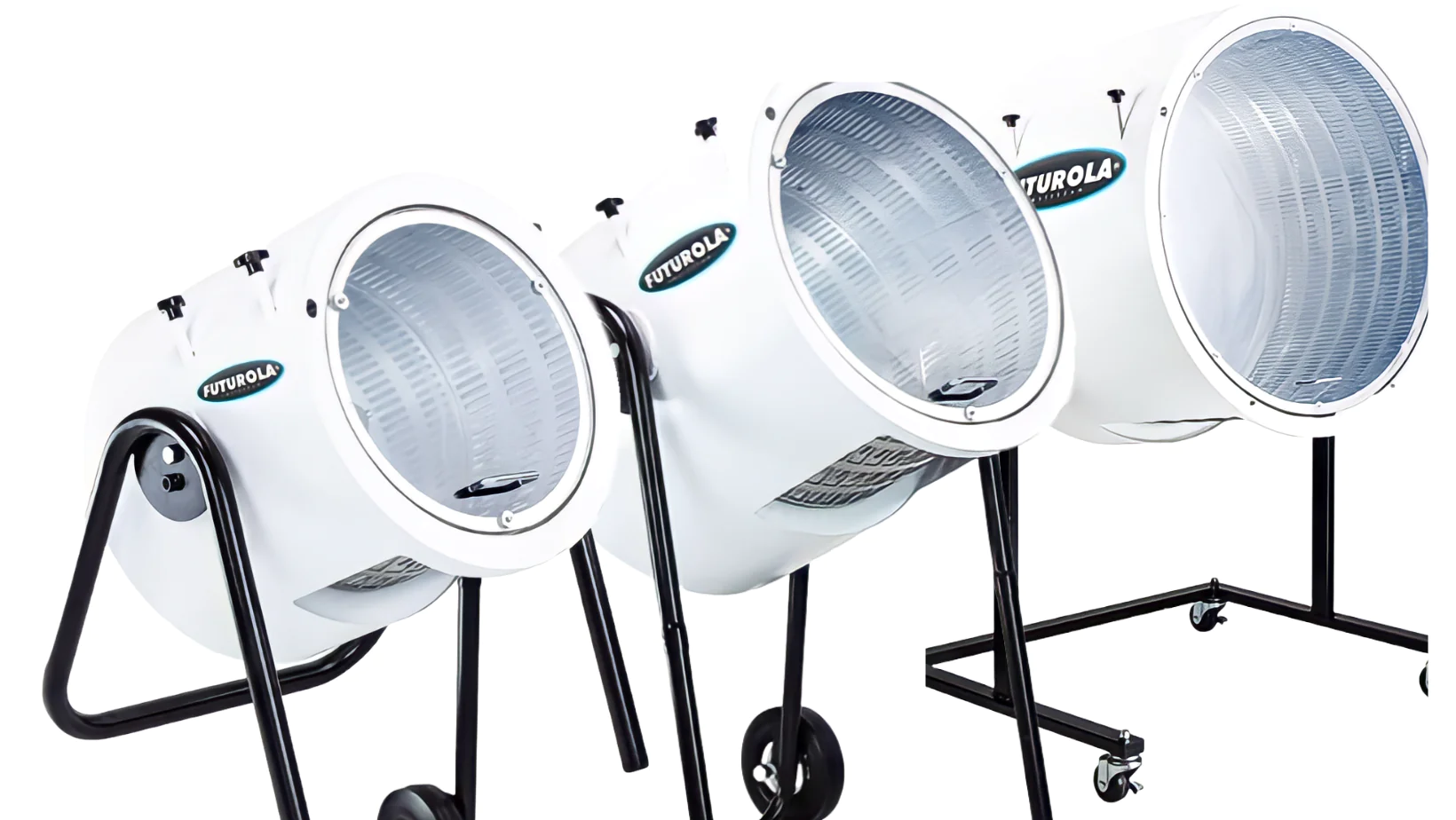
Futurola and Snoop Dogg share a connection to Amsterdam, where the company was founded in a coffee shop and the music mogul opened his first Smoke Weed Every Day (S.W.E.D.) coffee shop earlier this month. Now based in Los Angeles, Futurola offers everything for the ultimate smoking experience except the flower: papers, cones, trays, and machines that shred bud and wrap it into tight, uniform joints. Snoop Dogg continues to mesmerize crowds on stage and will drop his twentieth studio album, Missionary, later this year.
Come visit Futurola at Grow Up Alberta, Booth #101, September 30 – October 1, 2024
About Futurola
Established in 1996 at Future Coffee Shop in Amsterdam, Futurola emerged from the heart of European smoking culture, where a passion for smoking rituals thrived. What began as a mission to revolutionize the art of joint-rolling became an international smoking-accessories phenomenon, as well-known for creating successful celebrity partnerships as for its iconic joint-rolling machines. Experience the Future of Rolling® at Futurola.com.
About Snoop Dogg
Rapper, music producer, actor, author, publisher, investor, entrepreneur, philanthropist, and cannabis advocate Snoop Dogg has been an icon of hip-hop culture since 1992. With more than 35 million albums sold worldwide and awards including an American Music Award, a Primetime Emmy, and 17 Grammy nominations, he is a bona fide superstar. Snoop’s empire includes Death Row Records as well as the Smoke Weed Every Day (S.W.E.D.) brand of products, dispensaries, and coffee shops.
Media Contact
Media Relations, Futurola, 1 (310) 258-9982, press@futurola.com, https://futurola.com/

by Grow Up Conference | Aug 23, 2024 | Cannabis News Wire, Media Partners
Governor Gavin Newsom of California is working toward regulating intoxicating products derived from hemp, via the state Department of Cannabis Control. The governor is actively looking into ways to increase enforcement, close loopholes and prevent underage kids from having access to unsafe marijuana and hemp products.
In a recent statement, Gov. Newsom argued that these products needed to be subjected to safety and health regulations, just as marijuana products are. This sentiment is echoed by most observers, who agree that at some point, marijuana and hemp will be subject to the same rules. What those rules will be and when that will occur remains unknown, however.
It doesn’t help that legislators in California have failed to control the proliferation of hemp products, with the senate failing to call AB 2223 for a hearing last week. This means that the measure’s proposal to regulate hemp products and impose taxes and product-safety rules has been stalled for now.
This is a win for hemp advocates, because it helps maintain the current status quo for intoxicating cannabinoids derived from hemp in the state. Origins Council’s policy director, Ross Gordon, stated that the now-defunct measure address two related but different dilemmas. The first one is hemp products that are sold at liquor stores and gas stations, and the second issue is how and whether hemp needed to be integrated into the marijuana supply chain.
A previous version of AB 2223 was vehemently opposed by the Origins Council, partly because it would have permitted hemp-derived cannabinoids into California’s framework for cannabis. This would mean that out-of-state growers of hemp would be allowed to compete with local cannabis farmers who already grapple with strict regulations and heavy taxes.
Remarkably, the same measure was partly supported by the California Cannabis Industry Association (CCIA). In a letter penned earlier this month in support of the measure, the CCIA stated that the legislation would fulfill a commitment allowing the integration of cannabinoids derived from hemp with the regulated marijuana supply chain.
Caren Woodson, CCIA board president, added that this would create opportunities to significantly improve customer access to high-quality and safe products while decreasing costs for legal marijuana businesses. The letter also claimed that integration had been implemented in different parts of the country, mentioning 18 states where hemp and cannabis products were sold under one regulatory framework. This includes states such as New York, where products derived from hemp are sold to nearly anyone, and Minnesota, where hemp drinks with low levels of THC are permitted for sale.
The entire cannabis industry, including leading entities such as Cronos Group Inc. (NASDAQ: CRON) (TSX: CRON), will be watching to see which way this matter is eventually resolved and whether or not the decisions taken in California spill over into other jurisdictions.
About CannabisNewsWire
CannabisNewsWire (“CNW”) is a specialized communications platform with a focus on cannabis news and the cannabis sector. It is one of 60+ brands within the Dynamic Brand Portfolio @ IBN that delivers: (1) access to a vast network of wire solutions via InvestorWire to efficiently and effectively reach a myriad of target markets, demographics and diverse industries; (2) article and editorial syndication to 5,000+ outlets; (3) enhanced press release enhancement to ensure maximum impact; (4) social media distribution via IBN to millions of social media followers; and (5) a full array of tailored corporate communications solutions. With broad reach and a seasoned team of contributing journalists and writers, CNW is uniquely positioned to best serve private and public companies that want to reach a wide audience of investors, influencers, consumers, journalists and the general public. By cutting through the overload of information in today’s market, CNW brings its clients unparalleled recognition and brand awareness. CNW is where breaking news, insightful content and actionable information converge.
To receive SMS alerts from CNW, text CANNABIS to 888-902-4192 (U.S. Mobile Phones Only)
For more information, please visit https://www.CannabisNewsWire.com
Please see full terms of use and disclaimers on the CannabisNewsWire website applicable to all content provided by CNW, wherever published or re-published: https://www.CannabisNewsWire.com/Disclaimer
CannabisNewsWire
Denver, CO
www.CannabisNewsWire.com
303.498.7722 Office
Editor@CannabisNewsWire.com
CannabisNewsWire is powered by IBN

by Grow Up Conference | Aug 22, 2024 | Media Partners, Stratcann
An Edmonton festival welcomed its first official cannabis consumption space at this year’s Edmonton Fringe Festival from August 15-25th.
The fenced and age-gated space provides a place for festival attendees to purchase and consume cannabis edibles and beverages, along with alcohol-free mocktails in an exclusive space.
Positive Intent Events (PIE) recently launched the adult’s only, alcohol-free cannabis consumption garden space as a way to encourage safe, responsible cannabis consumption at festivals and other events.
The PIE Experience Garden Event has been located inside the gates of the Edmonton Fringe Fest since the first day of the ten day event located across the street from the Strathcona Farmers Market. PIE operates an age-check for entry and a second age-check to order and receive delivery of cannabis products on-site.
Cannabis deliveries are in partnership with Edmonton retailer NUMO Cannabis. Guests can also order in advance by visitingNUMO’s online store for pickup at the PIE Garden.
“Our vision for Positive Intent Events is to create event spaces for adults who want a fun, responsible cannabis consumption experience while enjoying music, art, and entertainment,” said Daffyd Roderick, Managing Partner, PIE. “The Fringe Festival’s courage to be the first top-level event organizer to support an exclusively adults-only cannabis garden event demonstrates their commitment to creating amazing guest experiences and perfectly aligns with our goals for PIE.”
The updates to the Gaming, Liquor and Cannabis Regulation that allow licensed cannabis retailers to set up temporary sales at adults-only events, like trade shows and festivals, were announced by the provincial government in December 2023 and took effect in January 2024. A statement from the province says the aim is to reduce barriers for businesses and “better combat the illegal market.”
Earlier this year, Alberta began allowing cannabis retailers to apply for a licence extension for the purposes of selling cannabis at a minors-prohibited entertainment event or cannabis industry trade show. However, municipal licensing for on-site sales has remained an issue for other cannabis consumption spaces at Alberta events this year.
The Edmonton International Fringe Theatre Festival is in its 43rd iteration this year, highlighting hundreds of theatre productions across dozens of venues in the city for 11 days.
Related Articles

by Grow Up Conference | Aug 22, 2024 | Media Partners, The New Agora
Engineering a Crisis: How Political Theater Helps the Deep State Stay in Power
by John & Nisha Whitehead
“The two ‘sides’ of mainstream politics are not fighting against one another, they’re only fighting against you. Their only job is to keep you clapping along with the two-handed puppet show as they rob you blind and tighten your chains while your gaze is fixed on the performance.” – Caitlin Johnstone
A failed assassination attempt on a presidential candidate. An incumbent president withdrawing his re-election bid at the 11th hour. A politicized judiciary that fails to hold the powers-that-be accountable to the rule of law. A world at war. A nation in turmoil.
This is what controlled chaos looks like.
This year’s election-year referendum on which corporate puppet should occupy the White House has quickly become a lesson in how the Deep State engineers a crisis to keep itself in power.
Don’t get so caught up in the performance that you lose sight of what’s real.
This endless series of diversions, distractions and political drama is the oldest con game in the books, the magician’s sleight of hand that keeps you focused on the shell game in front of you while your wallet is being picked clean by ruffians in your midst.
It’s the Reichstag Fire all over again.
It was February 1933, a month before national elections in Germany, and the Nazis weren’t expected to win. So they engineered a way to win: they began by infiltrating the police and granting police powers to their allies; then Hitler brought in stormtroopers to act as auxiliary police; by the time an arsonist (who claimed to be working for the Communists in the hopes of starting an armed revolt) set fire to the Reichstag, the German parliamentary building, the people were eager for a return to law and order.
That was all it took: Hitler used the attempted “coup” as an excuse to declare martial law and seize absolute power in Germany, establishing himself as a dictator with the support of the German people.
Fast forward to the present day, and what do we have? A discontented citizenry, a disconnected government, and a Deep State that wants to stay in power at all costs.
So what happens? Trump has a near miss, Biden bows out, and politics becomes exciting to the masses again.
It works the same in every age.
This is how the police state will win, no matter which candidate gets elected to the White House.
You know who will lose? Every last one of us.
After all, politics today is not about Republicans and Democrats.
Nor is it about abortion, healthcare, higher taxes, immigration, or any of the other buzzwords that have become campaign slogans for individuals who have mastered the art of telling Americans exactly what they want to hear.
Politics today is about one thing and one thing only: maintaining the status quo between the Controllers (the politicians, the bureaucrats, and the corporate elite) and the Controlled (the taxpayers).
Indeed, it really doesn’t matter what you call them – the 1%, the elite, the controllers, the masterminds, the shadow government, the police state, the surveillance state, the military industrial complex – so long as you understand that no matter which party occupies the White House in 2025, the unelected bureaucracy that actually calls the shots will continue to do so.
In other words, no matter who wins this next presidential election, you can rest assured that the new boss will be the same as the old boss, and we – the permanent underclass in America – will continue to be forced to march in lockstep with the police state in all matters, public and private.
Consider the following a much-needed reality check, an antidote if you will, against an overdose of overhyped campaign announcements, lofty electoral promises and meaningless patriotic sentiments that land us right back in the same prison cell.
FACT: According to a scientific study by Princeton researchers, the United States of America is not the democracy that it purports to be, but rather an oligarchy, in which “economic elites and organized groups representing business interests have substantial independent impacts on U.S. government policy.”
FACT: Despite the fact that the number of violent crimes in the country is down substantially, the lowest rate in sixty years, the number of Americans being jailed for nonviolent crimes such as driving with a suspended license continues to skyrocket.
FACT: Thanks to an overabundance of 4,500-plus federal crimes and 400,000-plus rules and regulations, it is estimated that the average American actually commits three felonies a day without knowing it. In fact, according to law professor John Baker, “There is no one in the United States over the age of 18 who cannot be indicted for some federal crime. That is not an exaggeration.”
FACT: Despite the fact that we have 38 million Americans living at or below the poverty line, 13 million children living in households without adequate access to food, and 1.2 million veterans relying on food stamps, enormous sums of taxpayer money continue to be doled out on wasteful programs that do little to improve the plight of those in need.
FACT: Since 2001 Americans have spent $93 million every hour for the total cost of the nation’s so-called war on terror.
FACT: It is estimated that 5 million children in the United States have had at least one parent in prison, whether it be a local jail or a state or federal penitentiary, due to a wide range of factors ranging from overcriminalization and surprise raids at family homes to roadside traffic stops.
FACT: According to a Gallup poll, Americans place greater faith in the military and the police than in any of the three branches of government.
FACT: At least 400 to 500 innocent people are killed by police officers every year. Indeed, Americans are now eight times more likely to die in a police confrontation than they are to be killed by a terrorist. Americans are 110 times more likely to die of foodborne illness than in a terrorist attack. Police officers are more likely to be struck by lightning than be made financially liable for their wrongdoing.
FACT: On an average day in America, over 100 Americans have their homes raided by SWAT teams. Most of those SWAT team raids are for a mere warrant service. There has been a notable buildup in recent years of heavily armed SWAT teams within non-security-related federal agencies such as the Department of Agriculture, the Railroad Retirement Board, the Tennessee Valley Authority, the Office of Personnel Management, the Consumer Product Safety Commission, the U.S. Fish and Wildlife Service, and the Education Department.
FACT: For all intents and purposes, we now have a fourth branch of government: the surveillance state. This fourth branch came into being without any electoral mandate or constitutional referendum, and yet it possesses superpowers, above and beyond those of any other government agency save the military. It is all-knowing, all-seeing and all-powerful. It operates beyond the reach of the president, Congress and the courts, and it marches in lockstep with the corporate elite who really call the shots in Washington, DC. The government’s “technotyranny” surveillance apparatus has become so entrenched and entangled with its police state apparatus that it’s hard to know anymore where law enforcement ends and surveillance begins. They have become one and the same entity. The police state has passed the baton to the surveillance state.
FACT: Everything we do will eventually be connected to the Internet. By 2030 it is estimated there will be 100 trillion sensor devices connecting human electronic devices (cell phones, laptops, etc.) to the Internet. Much, if not all, of our electronic devices will be connected to Google, which openly works with government intelligence agencies. Virtually everything we do now – no matter how innocent – is being collected by the spying American police state.
FACT: Americans know virtually nothing about their history or how their government works. In fact, according to a study by the National Constitution Center, 41 percent of Americans “are not aware that there are three branches of government, and 62 percent couldn’t name them; 33 percent couldn’t even name one.”
FACT: Only six out of every one hundred Americans know that they actually have a constitutional right to hold the government accountable for wrongdoing, as guaranteed by the right to petition clause of the First Amendment.
Perhaps the most troubling fact of all is this: we have handed over control of our government and our lives to faceless bureaucrats who view us as little more than cattle to be bred, branded, butchered and sold for profit.
As I make clear in my book Battlefield America: The War on the American People and in its fictional counterpart The Erik Blair Diaries, if there is to be any hope of restoring our freedoms and reclaiming control over our government, it will rest not with the politicians but with the people themselves.
One thing is for sure: the reassurance ritual of voting is not going to advance freedom one iota.
Constitutional attorney and author John W. Whitehead is founder and president of The Rutherford Institute. His most recent books are the best-selling Battlefield America: The War on the American People, the award-winning A Government of Wolves: The Emerging American Police State, and a debut dystopian fiction novel, The Erik Blair Diaries. Whitehead can be contacted at staff@rutherford.org.
Nisha Whitehead is the Executive Director of The Rutherford Institute. Information about The Rutherford Institute is available at www.rutherford.org.
More info on the unelected U.S. bureaucracy: https://aim4truth.org/?s=senior+executive+service
Image: https://kyraxys.online/sitio/
by Grow Up Conference | Aug 22, 2024 | Cannabis News Wire, Media Partners
While ensuring children get a good night’s sleep is crucial for their development, research suggests sleep habits in childhood might also influence future drug use. A recent study conducted by researchers from the Pennsylvania State University (Penn State) and published in the Annals of Epidemiology indicates that teens who experienced later bedtimes and shorter sleep durations during their earlier years were more likely to have experimented with alcohol or marijuana by the age of 15.
The researchers focused on examining sleep habits during various childhood stages to understand how they relate to substance use in adolescence, a connection few previous studies have explored. The study assessed two main aspects of sleep health: the length of sleep overall and the regularity of bedtime. According to the researchers, children, particularly those in school, who stay up late are likely to struggle with achieving quality sleep.
The study analyzed data from 1,514 participants involved in the Future of Families and Child Well-being Study, a comprehensive longitudinal study that tracks children from various cities across the Unites States. Parents were asked to report their child’s usual weekday bedtime at ages nine, five, and three, along with how long they slept at ages nine and five.
The researchers discovered a noteworthy pattern while examining the relationship between early bedtimes, sleep duration and subsequent substance use in children. Teens whose bedtime at age nine was later than that of their friends had a 45% higher likelihood of having tried alcohol by the time they were 15. Neither the amount of sleep at age five nor age nine, nor the time spent sleeping demonstrated a comparable association with alcohol consumption.
When it came to cannabis use, sleeping an hour less at age nine was linked to a 19% increased risk of marijuana experimentation, while having a later bedtime at age five was linked to a 26% higher likelihood of taking the drug by age fifteen.
The study also gathered self-reported data from fifteen-year-olds regarding their substance use, bedtime and sleep duration. The findings showed that teens that went to bed later had a 39% higher likelihood of consuming alcohol and a 34% greater chance of using cannabis. Furthermore, a 28% higher likelihood of alcohol usage was linked to sleeping one hour less each night, although this correlation did not hold for cannabis use.
These findings highlight the significance of sound sleeping habits for long-term well-being, particularly in the school-age years. The researchers emphasize that creating regular, appropriate bedtimes and fostering sleep-friendly surroundings are essential tactics for fostering healthy sleeping habits.
The age-verification processes that licensed companies such as Tilray Brands Inc. (NASDAQ: TLRY) (TSX: TLRY) are required to implement at their retail outlets can help in keeping marijuana out of the hands of minors and shield them from any possible harms growing brains could suffer from early exposure to the substance.
About CNW420
CNW420 spotlights the latest developments in the rapidly evolving cannabis industry through the release of an article each business day at 4:20 p.m. Eastern – a tribute to the time synonymous with cannabis culture. The concise, informative content serves as a gateway for investors interested in the legalized cannabis sector and provides updates on how regulatory developments may impact financial markets. If marijuana and the burgeoning industry surrounding it are on your radar, CNW420 is for you! Check back daily to stay up-to-date on the latest milestones in the fast -changing world of cannabis.
To receive SMS alerts from CNW, text CANNABIS to 888-902-4192 (U.S. Mobile Phones Only)
For more information, please visit https://www.CannabisNewsWire.com
Please see full terms of use and disclaimers on the CannabisNewsWire website applicable to all content provided by CNW, wherever published or re-published: https://www.CannabisNewsWire.com/Disclaimer
CannabisNewsWire
Denver, CO
www.CannabisNewsWire.com
303.498.7722 Office
Editor@CannabisNewsWire.com
CannabisNewsWire is powered by IBN

by Grow Up Conference | Aug 22, 2024 | Media Partners, Psychedelic News Wire
Psychedelics are known to alter an individual’s mood, perception and cognitive processes when ingested. These substances can also alter one’s perception of time, induce hallucinations, and lead to deep introspective and emotional experiences. Individuals who use psychedelics have reported that the drugs may facilitate inner healing through promoting introspection and emotional release. The drugs can also help alleviate feelings of depression and isolation by creating a feeling of unity and interconnectedness.
Now new research has looked into whether psilocybin can prompt inner healing for patients with depression. The research is based on a hypothesis that people who consume a high psilocybin dose may report stronger feelings of internal healing as compared to people who receive a dose akin to a placebo.
Joseph Peill, the author of the study, and his colleagues recruited 59 participants who suffered from depression that ranged from moderate to severe forms of the disorder. Their study was a segment of a larger experiment that analyzed the impacts of synthetic psilocybin therapy with the effects of escitalopram, an antidepressant. Both therapies were administered together with psychological support.
In the study, the participants were grouped into two groups, with one group receiving 1mg of the psychedelic, working as the placebo. The second group received 25mg of the psychedelic. Once the drug’s effects wore off, each participant was required to rate whether they felt like their brain/mind/body was healing naturally and/or by itself.
In addition, each participant completed a number of evaluations, including the Emotional Breakthrough Inventory, the Beck Depression Inventory for depressive symptoms, the Altered States of Consciousness questionnaire, the Challenging Experiences Questionnaire and the Mystical Experience Questionnaire.
The researchers determined that subjects who received 25mg of the psychedelic reported considerably more pronounced feelings of internal healing in comparison to the placebo group. In their report, the researchers suggested that inner healing could be a part of the experience of using psilocybin.
The researchers also discovered a link between greater decreases in symptoms of depression and higher scores on inner healing in the higher-dose group two weeks after the treatment’s administration. This, the researchers explained, indicated that inner healing could play a part in psilocybin’s therapeutic effects.
These findings make huge contributions to the scientific understanding of psilocybin’s psychological effects. It is important to note, however, that the study sample was relatively small and feelings of inner healing were self-reported.
Other researchers involved in the study included Fernando Rosas, Miriam Marguilho, Tommaso Barba, Christopher Timmermann, David Erritzoe, Kyle T Greenway and Robin Carhart-Harris. The study’s findings were reported in the “Journal of Psychopharmacology.”
As more startups such as Seelos Therapeutics Inc. (NASDAQ: SEEL) conduct their own studies on psilocybin, many more insights about this hallucinogen are likely to be brought to our attention over the coming years.
About PsychedelicNewsWire
PsychedelicNewsWire (“PNW”) is a specialized communications platform with a focus on all aspects of psychedelics and the latest developments and advances in the psychedelics sector. It is one of 60+ brands within the Dynamic Brand Portfolio @ IBN that delivers: (1) access to a vast network of wire solutions via InvestorWire to efficiently and effectively reach a myriad of target markets, demographics and diverse industries; (2) article and editorial syndication to 5,000+ outlets; (3) enhanced press release enhancement to ensure maximum impact; (4) social media distribution via IBN to millions of social media followers; and (5) a full array of tailored corporate communications solutions. With broad reach and a seasoned team of contributing journalists and writers, PNW is uniquely positioned to best serve private and public companies that want to reach a wide audience of investors, influencers, consumers, journalists and the general public. By cutting through the overload of information in today’s market, PNW brings its clients unparalleled recognition and brand awareness. PNW is where breaking news, insightful content and actionable information converge.
To receive SMS alerts from PsychedelicNewsWire, text “Groovy” to 888-902-4192 (U.S. Mobile Phones Only)
For more information, please visit https://www.PsychedelicNewsWire.com
Please see full terms of use and disclaimers on the PsychedelicNewsWire website applicable to all content provided by PNW, wherever published or re-published: https://www.PsychedelicNewsWire.com/Disclaimer
PsychedelicNewsWire
San Francisco, CA
www.PsychedelicNewsWire.com
415.949.5050 Office
Editor@PsychedelicNewsWire.com
PsychedelicNewsWire is powered by IBN

by Grow Up Conference | Aug 22, 2024 | Grow Opportunity, Media Partners
(Globe Newswire) Toronto – Tilray Brands, Inc., a leading lifestyle and consumer packaged goods company, announced the release of premium cannabis brand, BROKEN COAST’s latest small batch flower strain, ‘Milk & Cookies’, joining the brand’s renowned craft cannabis portfolio of Cherry Cheesecake, EmergenZ, Sour OG, Holy Grail Kush, and Amnesia Haze. This potent indica strain features sweet vanilla and nutty earthy flavors, making it the perfect choice for unwinding after a long day or sharing with friends.
“We are excited to add Milk & Cookies to our premium cannabis strains lineup,” said Kevin Anderson, master grower at Broken Coast. “Crafted with care, this small batch strain offers a warm and comforting experience with a potent punch, making it a perfect choice for passionate indica lovers. We’re proud to share this latest addition with our community and can’t wait to see how they enjoy it.”
Classic and comforting, Broken Coast’s ‘Milk & Cookies’ is a Cookies & Cream x Triple OG cross, thickly blanketed in milky trichomes and cultivated with meticulous care, ensuring each small batch meets the highest standards. The cannabis plants are nurtured in strain-specific conditions to optimize their potential, inspected for optimal purity, hang-dried, carefully hand-trimmed, cold cured, and hand-packaged.
Broken Coast’s Milk & Cookies flower is available in Canada across select regions and licensed retailers, including British Columbia and Alberta, and soon to be available in Ontario, Manitoba and Saskatchewan this Fall with further expansion nationwide. In pre-rolls, Milk & Cookies can be found in Ontario in 5×0.5g and 3×0.5g in Alberta.

by Grow Up Conference | Aug 21, 2024 | Media Partners, Stratcann
Police in London, Ontario closed at least two Indigenous-owned cannabis stores on August 21 as part of an enforcement action. Ontario Provincial Police say they will provide more information on the raids later this week.
Police have in the past said the stores, Spirit River Cannabis, were on their radar going back nearly two years. In 2022, OPP told CBC they were looking into the stores after the grand opening on Dec. 3 at its 72 Wellington St. location in London.
Since that time, a second location at 685 Richmond St. has also opened. Both these stores were targeted this week by OPP in these most recent enforcement actions, with both locations being closed and, according to at least one eye witness, officials carrying away products.
“This property has been closed” reads an interim closure notice posted by OPP on one of the businesses doors, as shown in a picture posted online. Local media have also now confirmed the closures. The notice goes on to say anyone wishing to enter the premises must receive judicial permission, or face the possibility of charges like breaking and entering.
The business has a poster outside both locations noting sections 25 and 35 of the Canadian Constitution Act. Section 35 of the Constitution Act says that the existing aboriginal and treaty rights of the aboriginal peoples of Canada are recognized and affirmed. Section 25 ensures that the designated rights and freedoms of Indigenous peoples are protected.
Some Indigenous store owners and other legal experts have argued that federal and provincial cannabis laws don’t apply to Indigenous-owned cannabis businesses. While the majority of these stores have opened on recognized treaty territory, some have opened on traditional lands outside of those treaty territories. The latter tend to be more likely to face enforcement by police or bylaw officers.
In 2022, Spirit River’s owner, Maurice French told CBC News that he follows regulatory standards under the rules and bylaws created by the Northshore Anishabek Cannabis Association, which he said are similar, if not more rigorous, than the rules set out by the Alcohol Gaming Commission of Ontario (AGCO). The AGCO oversees Ontario’s retail cannabis regulations.
OPP say they will provide more information on the closures and apparent raids later this week.
French has faced enforcement action in the past in relation to cannabis stores he’s operated in Chippewa of the Thames First Nation. In 2018 RCMP raided his store there, but in 2022 the federal government dropped all charges against French. He had argued that the police raid against his business had violated his rights to sell a traditional product. By dropping charges, the Crown did not have to see that argument weighed in court.
Indigenous-owned-or-affiliated cannabis stores have been popping up in Ontario, and in several other provinces both on First Nations reserve land and, to a lesser degree, on traditional territory outside of those reserve lands. Some provinces, like New Brunswick, have argued they cannot enforce provincial cannabis laws on First Nations Lands, while other provinces like British columbia have said they can, but tend to tread lightly. Authorities in these and other provinces are less hesitant to target Indigenous owned or affiliated stores that are operating outside of reserve territory. Bylaw agents and law enforcement in New Brunswick recently in the Moncton area, although at least one of these stores quickly reopened.
Some owners of cannabis stores licensed and regulated by their respective provincial agencies have for years now expressed frustration at having to compete with unregulated stores, regardless of who owns them. A report earlier this year said Toronto had more than 50 such unlicensed stores operating in the city at the time.
In 2022 in BC a handful of cannabis stores took the government to court over what they argued was a lack of enforcement against stores operating on First Nations land without provincial authorization. The court later rejected their argument. However earlier this year, the province’s bylaw enforcement team raided several cannabis stores operating on First Nations land twice over the course of several months.
The owner of an Indigenous-owned cannabis store in Vernon, BC, that was raided by the province after opening outside of reserve land in 2020 filed suit against the BC government arguing the province’s laws are unconstitutional. That case has yet to be resolved.
In a recent court case in Nova Scotia, a judge rejected an attempt by several Indigenous cannabis store owners in the province to argue they can operate without provincial approval.
OPP recently raided six Indigi-Smoke locations in south western Ontario.
More of this raid as information from OPP becomes available.
Featured image via reddit
Related Articles
by Grow Up Conference | Aug 21, 2024 | Cannabis News Wire, Media Partners
Cannabis corporations are spending more than ever to sway lawmakers in Congress, as evidenced by a federal lobbying report analysis. This expenditure is motivated by the first real steps toward federal marijuana legalization in a generation as well as threats from competitors using hemp as a raw material.
Marijuana companies spent nearly $4 million in the first and second quarters of 2024, a significant increase from $2.4 million in 2023. This surge in spending mirrors a similar uptick in late 2022, when cannabis banking reform seemed imminent during a congressional session. The current rise, however, is more significant because it takes into account the larger range of legislation that is being considered, such as the farm bill and the Biden administration’s efforts to reschedule cannabis, which may lessen the restrictions imposed by Section 280E.
Charlie Panfil, a prominent lobbyist with the Daschle Group, a public policy agency based in Washington, DC, says there is increasing awareness that marijuana reform is becoming a more bipartisan subject.
While the spending data show the resources being used to influence politicians at the federal level, the data does not fully convey the scope of the endeavors. Significant time and effort is also devoted to cannabis-related problems by powerful political players with strong interests in marijuana, such as the beer behemoth Anheuser-Busch and the tobacco company Altria Client Services. However, lobbying reports do not completely reflect this.
A wide range of entities have been interacting with Congress on cannabis-related issues during the past year. These include large insurance corporations, financial unions, and lobbyists for state and municipal government agencies.
Despite these efforts, the impact remains uncertain. It is unlikely that the current Congress will adjourn with any major advancements toward a new farm bill or banking reform. This may indicate that the legal loophole allowing the online sale of intoxicating hemp-derived goods in the majority of the United States will remain in place.
Furthermore, the U.S. Department of Justice’s rescheduling procedure is largely outside the purview of Congress, and Section 280E will stay in force until the process is completed, a procedure that is unlikely to be influenced by lobbyists.
Advocacy groups and individual marijuana multistate operators (MSOs) in Washington, DC, continue to have a substantial amount of spending power. For instance, Cresco Labs Inc. (CSE: CL) (OTCQX: CRLBF), an MSO based in Chicago, has invested $1.24 million this year for internal lobbyists and to keep the services of significant government relations companies such as Brownstein Hyatt Farber Schreck, which also represents credit unions in congressional lobbying on marijuana banking. Compared to the $250,000 the company spent in the first half of 2023, this is a significant rise.
Curaleaf Holdings also spends $290,000 every quarter on lobbying. Of that amount, $80,000 goes to Brownstein Hyatt Farber Schreck, $140,000 goes to its in-house lobbyist and $70,000 goes to Cozen O’Connor Public Strategies, an advisory company.
In some instances, the spending by cannabis companies rivals that of major companies. For instance, the $80,000 that Cresco Labs paid to Brownstein Hyatt Farber Schreck is the same amount that McDonald’s paid to Brownstein Hyatt Farber Schreck during the same period.
The additional challenges that cannabis companies encounter as a result of federal cannabis regulation are also highlighted by the companies’ higher spending. This might encourage legislators to delay resolving these difficulties because cannabis companies will have to keep paying for lobbying services for a longer period if these concerns remain, according to some observers.
About CNW420
CNW420 spotlights the latest developments in the rapidly evolving cannabis industry through the release of an article each business day at 4:20 p.m. Eastern – a tribute to the time synonymous with cannabis culture. The concise, informative content serves as a gateway for investors interested in the legalized cannabis sector and provides updates on how regulatory developments may impact financial markets. If marijuana and the burgeoning industry surrounding it are on your radar, CNW420 is for you! Check back daily to stay up-to-date on the latest milestones in the fast -changing world of cannabis.
To receive SMS alerts from CNW, text CANNABIS to 888-902-4192 (U.S. Mobile Phones Only)
For more information, please visit https://www.CannabisNewsWire.com
Please see full terms of use and disclaimers on the CannabisNewsWire website applicable to all content provided by CNW, wherever published or re-published: https://www.CannabisNewsWire.com/Disclaimer
CannabisNewsWire
Denver, CO
www.CannabisNewsWire.com
303.498.7722 Office
Editor@CannabisNewsWire.com
CannabisNewsWire is powered by IBN
by Grow Up Conference | Aug 21, 2024 | Cannabis News Wire, Media Partners
As of last week, medical cannabis was legal in Ukraine. This comes about half a year after President Volodymyr Zelensky signed the medical marijuana bill into law, making access to these drugs easier so soldiers could address the mental and physical wounds incurred during the country’s ongoing war with Russia, which invaded Ukraine more than two years ago.
In an update on the new policy, the Ministry of Health stated that marijuana, along with its extracts, resin and tinctures, were excluded from the list of possibly dangerous substances.
Prior to this, the drug’s circulation was banned, but now it’s permitted with some restrictions. Licensing regulations that ensure the cultivation of medical marijuana in Ukraine have been developed and will soon be considered by the Cabinet.
It is important to note that the drug’s chain of circulation, from cultivation or import to dispensing the drug will be subject to license control.
In a post on Facebook, the ministry added that this was a huge step forward in offering care to patients in need of certain treatments. Ukraine had already begun importing cannabis products since the drug was moved to List II of the nation’s drug code, easing access for medical use with a prescription.
While legislators passed the medical marijuana bill in December 2023, the Batkivshchyna party tried to block it by forcing consideration of a legislation to revoke the bill. That legislation failed earlier this year, clearing the bill’s path to enactment. The opposition had also tried to derail the cannabis bill by filing hundreds of amendments. This had also failed, however, with the bill being approved by 248 votes.
The legislation’s taking effect will legalize medical marijuana for patients with post traumatic stress disorder (PTSD) and other serious illnesses that have resulted from the country’s ongoing conflict with Russia. While the legislation stipulates that medical marijuana may only be dispensed to patients with cancer and warborne PTSD, the health committee’s chair stated in July that legislators heard daily from patients with illnesses such as epilepsy and Alzheimer’s disease.
The National Police and State Agency on Medicines will hold enforcement and oversight authorities associated with the distribution of the drug. The Ministry of Agrarian Policy is also expected to hold regulatory responsibilities over marijuana growing and processing operations.
In an interview, the country’s deputy prime minister for European and Euro-Atlantic Integration, Olha Stefanishyna, stated that patients would first have access to imported drugs. She explained that where the drugs came from would depend on foreign manufacturers that possessed the required documents and were approved at the registration stage.
The list of approved conditions that make patients eligible to access medical marijuana shall be published in the coming days.
The coming into force of the medical cannabis law could create a window of opportunity for some established entities, such as Verano Holdings Corp. (CSE: VRNO) (OTCQX: VRNOF), in case they pick an interest in growing their footprint into this international market.
About CannabisNewsWire
CannabisNewsWire (“CNW”) is a specialized communications platform with a focus on cannabis news and the cannabis sector. It is one of 60+ brands within the Dynamic Brand Portfolio @ IBN that delivers: (1) access to a vast network of wire solutions via InvestorWire to efficiently and effectively reach a myriad of target markets, demographics and diverse industries; (2) article and editorial syndication to 5,000+ outlets; (3) enhanced press release enhancement to ensure maximum impact; (4) social media distribution via IBN to millions of social media followers; and (5) a full array of tailored corporate communications solutions. With broad reach and a seasoned team of contributing journalists and writers, CNW is uniquely positioned to best serve private and public companies that want to reach a wide audience of investors, influencers, consumers, journalists and the general public. By cutting through the overload of information in today’s market, CNW brings its clients unparalleled recognition and brand awareness. CNW is where breaking news, insightful content and actionable information converge.
To receive SMS alerts from CNW, text CANNABIS to 888-902-4192 (U.S. Mobile Phones Only)
For more information, please visit https://www.CannabisNewsWire.com
Please see full terms of use and disclaimers on the CannabisNewsWire website applicable to all content provided by CNW, wherever published or re-published: https://www.CannabisNewsWire.com/Disclaimer
CannabisNewsWire
Denver, CO
www.CannabisNewsWire.com
303.498.7722 Office
Editor@CannabisNewsWire.com
CannabisNewsWire is powered by IBN







Recent Comments