by Grow Up Conference | Aug 6, 2024 | Media Partners, Stratcann
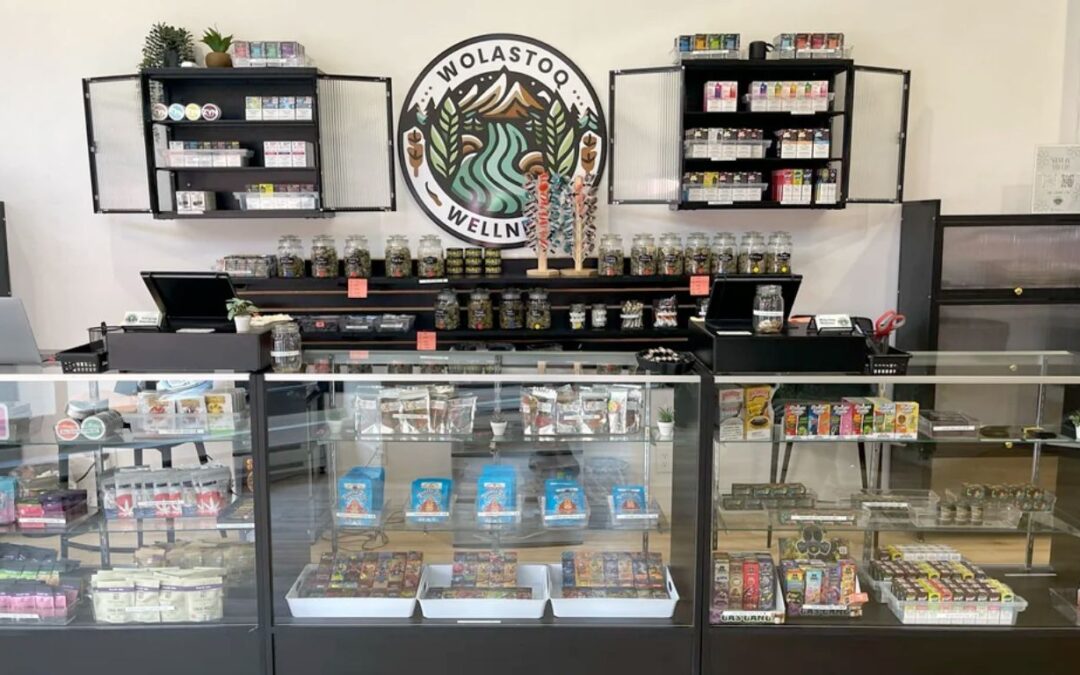
Inspectors in New Brunswick seized a variety of cannabis products from an unlicensed store in Moncton on July 29.
The cannabis products, along with illegal vape products and 4,580 contraband cigarettes, were also seized from Wolastoq Wellness at 899 Main St.
Items seized under the province’s Cannabis Control Act included:
- 3,440 grams of dry cannabis
- 173 grams of hashish
- 755 rolled cannabis joints
- 195 grams of THC derivatives
- 229 edible cannabis products
- 116 cannabis vape cartridges
No charges were laid as of the time of publication, but authorities say the investigation is ongoing. Under new laws in New Brunswick, inspectors can enter any place or vehicle to which the provincial Cannabis Act applies and seize any cannabis, document, or item that an inspector believes may be evidence.
A post online says the store opened in May. In a “coming soon” post in March on the company’s Instagram page, the company promises a “curated selection of sacred medicines, local crafts, and responsibly sourced tobacco and cannabis products.” An August 5th post says the company is hiring.
Under the new law, landlords cannot knowingly permit a place to be used for the distribution or sale of cannabis in violation of the act or its regulations.
Authorities first applied these new laws in a seizure on July 24 in Saint John.
A representative with the province previously said that more than 100 illegal cannabis stores are operating in New Brunswick as of April 1.
Also in July, a man in New Brunswick received a $3,250 fine for selling cannabis without a licence after entering a guilty plea.

by Grow Up Conference | Aug 6, 2024 | Media Partners, Psychedelic News Wire
Oregon regulators have issued the state’s first-ever psychedelic edibles manufacturer license to Spiritus Oregon, a Milwaukie-based company that manufactures psilocybin edibles. The company offers its edibles under the Horizon Edibles brand, noting in a press release that its dark chocolate edibles were dosed with homogenized, dried mushrooms. This, they stated, had a nutty, earthy flavor.
According to its site, Spiritus provides white-label products and manufactures its own psilocybin edibles. It is also licensed as a commercial kitchen. Horizon Edibles president, Michael Briggs, stated that the company’s products were meant to be eaten. He added that their focus had been to make their products safer than consuming dried mushrooms.
On precise dosing, the company claims its standards permit a variation of only 0.2 mg and 0.5 mg on micro and large doses of psilocybin, respectively. At the state level, Oregon permits 20% variation in psilocybin doses in products. In its press release, Horizon noted that a deviation of this size could induce a totally unique experience for its consumers as well as patients.
Briggs explained that consumers needed to trust that they would have consistent experiences and that they would receive et exactly what they paid for. The company uses a sophisticated way to manufacture their psilocybin products, which begins by extracting psychoactive chemicals from the mushrooms and ensuring that the chitin is removed.
Chitin makes up the fiber that coats the mushrooms. Its removal enables easier digestion by consumers, eliminating the likelihood of gastrointestinal distress, which occurs when individuals consume dried mushrooms.
This latest license by the regulators comes after the Oregon Health Authority awarded its first manufacturer license to Satori Farms PDX LLC, a woman-owned business, in March of last year. The authority issued other types of licenses between April and May 2023, including Oregon’s first service center and psilocybin facilitator licenses. It also awarded the first license to test products in a laboratory.
In other news, a lawsuit filed against officials in Oregon argues that the state’s first-in-the-country psilocybin regulation discriminates against people with disabilities who can’t travel to service centers where the drug is administered. This, the plaintiffs noted, unfairly prevents these persons from accessing the drugs, which could benefit their well-being and health. Under the cited law, psilocybin services are provided strictly by licensed service centers, under the supervision of a facilitator.
Recently released reports also indicate that the state’s psilocybin centers may be finding it hard to attract paying clients, despite its legality and the huge interest in the program at its launch.
While entities in Oregon, such as Spiritus Oregon, are offering edible psilocybin products to qualifying clients, many enterprises such as Compass Pathways PLC (NASDAQ: CMPS) prefer developing therapeutics that can gain FDA approval and be commercialized. It remains to be seen which of these approaches will stand the test of time.
About PsychedelicNewsWire
PsychedelicNewsWire (“PNW”) is a specialized communications platform with a focus on all aspects of psychedelics and the latest developments and advances in the psychedelics sector. It is one of 60+ brands within the Dynamic Brand Portfolio @ IBN that delivers: (1) access to a vast network of wire solutions via InvestorWire to efficiently and effectively reach a myriad of target markets, demographics and diverse industries; (2) article and editorial syndication to 5,000+ outlets; (3) enhanced press release enhancement to ensure maximum impact; (4) social media distribution via IBN to millions of social media followers; and (5) a full array of tailored corporate communications solutions. With broad reach and a seasoned team of contributing journalists and writers, PNW is uniquely positioned to best serve private and public companies that want to reach a wide audience of investors, influencers, consumers, journalists and the general public. By cutting through the overload of information in today’s market, PNW brings its clients unparalleled recognition and brand awareness. PNW is where breaking news, insightful content and actionable information converge.
To receive SMS alerts from PsychedelicNewsWire, text “Groovy” to 888-902-4192 (U.S. Mobile Phones Only)
For more information, please visit https://www.PsychedelicNewsWire.com
Please see full terms of use and disclaimers on the PsychedelicNewsWire website applicable to all content provided by PNW, wherever published or re-published: https://www.PsychedelicNewsWire.com/Disclaimer
PsychedelicNewsWire
San Francisco, CA
www.PsychedelicNewsWire.com
415.949.5050 Office
Editor@PsychedelicNewsWire.com
PsychedelicNewsWire is powered by IBN

by Grow Up Conference | Aug 6, 2024 | Garden Culture Magazine, Media Partners
You may have noticed the mysterious acronym floating around, whether scrolling through your newsfeed or listening to current events. PFAS, or per- and poly-fluoroalkyl substances, have quietly woven themselves into the fabric of our everyday lives. While lead contamination and ongoing microplastic concerns have held the spotlight over the years, PFAS have stealthily crept into the narrative, and their effects are becoming more apparent as ongoing research begins to bear fruit. These unsettling consequences have unfolded since the 1930s when PFAS chemicals were invented and the rise of nonstick products started. Found in common items like food packaging, stain-proof rugs, waterproof clothing, nonstick cookware, and even firefighting foam, these substances have become pervasive and under-regulated in our environment, and they’re not going anywhere in our lifetime until researchers can reliably remove them.
The Rise of PFAS
Dubbed ‘forever chemicals,’ PFAS are a large group of substances that earned this nickname due to their stubborn, long-lasting nature in the environment and our bodies. Composed of strongly-bonded carbon and fluorine atoms that resist easy degradation, some forms of PFAS can take over 1,000 years to break down in nature and around seven to reduce by half in our bloodstream. They travel freely through various channels, including the atmosphere, surface water, soil, and groundwater.
A staggering 98% of Americans have detectable levels of PFAS in their blood. There’s been “some sort of statistical association between PFAS and every major organ system in the body”, according to Elsie Sunderland, associate professor of environmental science and engineering in the Department of Environmental Health at Harvard T.H. Chan School of Public Health. PFAS are linked to asthma, high cholesterol, immune suppression, thyroid diseases, liver and kidney damage, certain types of cancer, reduced fertility, and low birth weight. But this is just the beginning; ongoing research continues to uncover more.
Although they have been measured in air and dust particles, PFAS primarily enter our bodies when we eat and drink from contaminated sources. The substances can wind up in food in many ways, from leaching off paper and plastic food packaging to infiltrating the soil.
According to the Wisconsin Department of Health Services, studies have demonstrated that PFAS can be taken up by plants from contaminated soil and irrigation water; the amount that ends up in a particular plant depends on a few factors, including soil properties, produce type, water frequency, and PFAS levels in the water and soil itself.
The Gardener’s Dilemma: Are PFAS Safe For My Garden?
So, as we grapple with the ubiquity of PFAS, a pressing question arises for every gardener: how can we shield our gardens and bodies from these forever chemicals?
The good news is that there are many steps you can take, and simple yet effective measures can make a significant impact. Washing all produce in clean water and peeling or scrubbing root vegetables before eating can remove PFAS lingering on the surface. Adding high organic carbon sources like compost, peat, and manure that do not contain PFAS to garden soil has also been reported to reduce plant uptake.
However, these precautions don’t consider one of the primary sources of PFAS: water. Watering your garden with PFAS-laden water perpetuates the problem and exacerbates it as you inadvertently reintroduce these persistent chemicals into the ecosystem you seek to protect. Switching to filtered water, or water from another safe source, is the most effective option to mitigate PFAS exposure in your garden. While activated carbon filters, on average, remove just 73% of PFAS, researchers at Duke University and North Carolina State University found that reverse osmosis filters and two-stage filters using a treatment train reduced PFAS by 94% or more. Depending on budget and availability, any filtration method offers a significant improvement over having no system in place.
If you’re highly concerned about PFAS contamination in your area, you may want to consider adopting an alternative gardening practice altogether. Hydroponic gardening with filtered water eliminates the risk of PFAS in your soil, allowing for precise control over every aspect of your garden. A controlled indoor gardening environment, such as greenhouse growing, may also offer better protection against pollutants.

Hope for the Future: What is in store for PFAS?
With the effects of PFAS only recently yielding results, the current regulatory landscape is consequentially patchwork, with varying levels of oversight across different regions. While some areas have established limits and guidelines for PFAS concentrations in water and soil, others are still formulating comprehensive regulations. In 2023, the EPA proposed the first federal drinking water rule for PFAS. The EPA “will require public water systems to monitor for six PFAS chemicals, notify the public if the levels of these PFAS exceed the proposed regulatory standards, and take action to reduce the level of PFAS in the water supply.”
Other highlights include:
● Measuring and monitoring of PFAS in population blood, food, and marine life
● Accelerating PFAS cleanup from the environment
● Strengthening policy and reducing the procurement of PFAS
● Expanding programs and resources
● Closing critical research gaps in PFAS detection, disposal, health effects, and
PFAS-alternatives
● Bolstering community engagement and information sharing.
These updated guidelines are being implemented specifically within the United States. Globally, the regulation of PFAS varies. Health Canada has established guidelines for PFAS in drinking water, and the European Union has imposed restrictions and outright bans on certain PFAS. In Australia, the government has launched a voluntary phase-out program for some PFAS and has restricted their use of firefighting foam. The promise of a PFAS-free tomorrow hinges upon progress in measuring, monitoring, and cleanup. As research broadens and community awareness grows, the hope is that regulatory frameworks will strengthen and PFAS will be systematically controlled and eradicated.
Addressing the presence of PFAS in our gardens and remaining aware of their impact is
not just a matter of environmental responsibility but a crucial step towards safeguarding our health and the well-being of future generations. While we await the integration of broader safety measures, the reinforcement of established laws, and the widespread removal of contaminants from the environment, we can play a pivotal role by taking proactive steps to mitigate PFAS exposure.

by Grow Up Conference | Aug 5, 2024 | Cannabis News Wire, Media Partners
A recent study indicates that the availability of medical cannabis might lead to increased parenting time by improving patients’ overall health. Published in the “Journal of Applied Economics,” the research notes that medical cannabis legalization enhances sleep and reduces inactivity, aligning with its health benefits.
According to the study, the legalization of medical cannabis can have a positive effect on a child’s development by allowing parents to spend more time with their kids, particularly if they are younger than six years old, a critical age for parental involvement. These advantages, however, are dependent on parents not abusing cannabis.
Legalizing medical marijuana, according to the researchers, results in more time spent with children. This is seen in both passive childcare, where parents watch over their children while working on other tasks, and active childcare, where parents play with their kids. Parents who are likely to benefit from medical marijuana and have greater parenting experience overall — especially those with small children — have more significant impacts from the drug.
The study’s data came from the American Time Use Survey (ATUS) conducted by the United States Bureau of Labor Statistics between 2003 and 2019. Participants in the ATUS recorded their daily activities every 15 minutes.
To measure the increase in parenting time, the researchers compared education levels between groups. Parents with some college education generally spent more time on active parenting than those with less education. The educational difference was reflected by a four-minute increase (12.56%) in active childcare and a ten-minute increase in passive childcare, accounting for 8.92% of the difference.
Nonworking parents spend more time on active childcare than working parents, with the study showing a 22-minute difference. The difference in childcare costs between working and nonworking parents can be attributed to treatment effects on active childcare (18%) and passive childcare (7%).
Parents with children under six years of age as well as those on weekends showed greater increases in parenting time. The report highlights that the increases are focused on activities such as playing with and looking after children, with no significant effect on more demanding tasks such as planning or organizing for children.
One argument is that medicinal marijuana facilitates the management of pain and other ailments, allowing parents to spend more time with their kids doing less physically demanding activities. This is consistent with the use of medical marijuana to treat depression, anxiety, insomnia and chronic pain.
Interestingly, men showed a greater increase in parenting time post-legalization compared to women, which aligns with previous research indicating men’s higher increase in marijuana use following legalization. Moreover, the effect was more pronounced in states with higher religious activity.
The study found no evidence that medical cannabis legalization negatively impacted productive time use, such as home production and market work, or led to increased tobacco or drug use.
However, a key drawback of the study is the lack of individual-level cannabis use data in the ATUS. “Moreover, it is imperative to interpret the results in light of the USA’s global leadership in the consumption of opioid analgesics, which could serve as a viable alternative to medical cannabis,” the authors noted.
The findings of this study are likely to provide some additional validation for numerous companies such as Software Effective Solutions Corp. (d/b/a MedCana) (OTC: SFWJ) that are engaged in commercializing medical marijuana products that target different health conditions, such as chronic pain.
NOTE TO INVESTORS: The latest news and updates relating to Software Effective Solutions Corp. (d/b/a MedCana) (OTC: SFWJ) are available in the company’s newsroom at https://cnw.fm/SFWJ
About CNW420
CNW420 spotlights the latest developments in the rapidly evolving cannabis industry through the release of an article each business day at 4:20 p.m. Eastern – a tribute to the time synonymous with cannabis culture. The concise, informative content serves as a gateway for investors interested in the legalized cannabis sector and provides updates on how regulatory developments may impact financial markets. If marijuana and the burgeoning industry surrounding it are on your radar, CNW420 is for you! Check back daily to stay up-to-date on the latest milestones in the fast -changing world of cannabis.
To receive SMS alerts from CNW, text CANNABIS to 888-902-4192 (U.S. Mobile Phones Only)
For more information, please visit https://www.CannabisNewsWire.com
Please see full terms of use and disclaimers on the CannabisNewsWire website applicable to all content provided by CNW, wherever published or re-published: https://www.CannabisNewsWire.com/Disclaimer
CannabisNewsWire
Denver, CO
www.CannabisNewsWire.com
303.498.7722 Office
Editor@CannabisNewsWire.com
CannabisNewsWire is powered by IBN
by Grow Up Conference | Aug 5, 2024 | Cannabis News Wire, Media Partners
When the state of New York legalized adult-use marijuana, thousands of retail outlets started selling the substance without first obtaining licenses. These illegal establishments defied the authorities and remained open for more than a year due to lax enforcement. However, their luck turned when the state enacted new regulations in April.
The office of the sheriff in New York City reveals that since the laws were strengthened in April, approximately 700 unlicensed cannabis shops have been closed. This success is largely attributed to the increased enforcement powers that local authorities were given in the new laws, and the opening of more licensed shops has given state residents closer outlets from which they can legally buy recreational marijuana.
According to estimates from city officials, the 60 state-sanctioned marijuana shops in New York City were eclipsed by the unlicensed outlets, which numbered about 2,900. However, the tide is changing, and entities licensed to sell recreational marijuana admit that the recent wave of enforcement has started producing visible results against the wanton operation of illegal retail outlets. Order is being restored to the industry.
Sasha Nutgent, retail director at Manhattan-based Housing Works Cannabis Company, says in the past, enforcement was a joke, but this is no longer the case. Housing Works Cannabis Company made history back in December 2022 when it opened and completed the first legally sanctioned sale of recreational marijuana in the state.
But, how did the state get swamped by these illegal sales outlets? The 2021 law that made adult-use marijuana legal didn’t give local authorities sufficient power to take action against unlicensed cannabis shops. Instead, enforcement powers were vested in the Office of Cannabis Management (OCM). This left local authorities with limited power to act against the proliferating unlicensed outlets.
To make matters worse, bureaucratic red-tape snagged the pace at which businesses could be licensed and allowed to start selling recreational marijuana. Given that demand for the substance was high, unlicensed shops popped up everywhere. The impunity with which they operated contributed to Governor Kathy Hochul describing the rolling out of legal adult-use sales as “a disaster.”
With new enforcement rules allowing local authorities to inspect and seize products, and even impose fines on illegal shops, some degree of sanity is returning to the industry. Enforcement raids on suspected illicit shops are now frequent, and many of them have had their products seized and shops shuttered as administrative hearings proceed. Since April, the sheriff’s office has managed to write up violations amounting to at least $57 million, although statistics aren’t available regarding how much of that money has been remitted to the state by the entities fined.
The legal industry now finally has a chance to take off as unlicensed sellers are weeded out one at a time. This positive turn in the direction of the legal cannabis industry in New York State is likely to be seen as a welcome development by licensed companies across the board, including entities such as Cronos Group Inc. (NASDAQ: CRON) (TSX: CRON) that operate in other legal marijuana markets.
About CannabisNewsWire
CannabisNewsWire (“CNW”) is a specialized communications platform with a focus on cannabis news and the cannabis sector. It is one of 60+ brands within the Dynamic Brand Portfolio @ IBN that delivers: (1) access to a vast network of wire solutions via InvestorWire to efficiently and effectively reach a myriad of target markets, demographics and diverse industries; (2) article and editorial syndication to 5,000+ outlets; (3) enhanced press release enhancement to ensure maximum impact; (4) social media distribution via IBN to millions of social media followers; and (5) a full array of tailored corporate communications solutions. With broad reach and a seasoned team of contributing journalists and writers, CNW is uniquely positioned to best serve private and public companies that want to reach a wide audience of investors, influencers, consumers, journalists and the general public. By cutting through the overload of information in today’s market, CNW brings its clients unparalleled recognition and brand awareness. CNW is where breaking news, insightful content and actionable information converge.
To receive SMS alerts from CNW, text CANNABIS to 888-902-4192 (U.S. Mobile Phones Only)
For more information, please visit https://www.CannabisNewsWire.com
Please see full terms of use and disclaimers on the CannabisNewsWire website applicable to all content provided by CNW, wherever published or re-published: https://www.CannabisNewsWire.com/Disclaimer
CannabisNewsWire
Denver, CO
www.CannabisNewsWire.com
303.498.7722 Office
Editor@CannabisNewsWire.com
CannabisNewsWire is powered by IBN
by Grow Up Conference | Aug 5, 2024 | Extraction Magazine, Media Partners
When it comes to botanical extraction, deciding which extraction technique is the best requires evaluating several variables. On the manufacturing side, details like equipment, solvents, or energy requirements can play a role, but there are also questions about the final product to consider as well. Some companies may find it more beneficial to invest in better practices designed to increase their yields or minimize their environmental impacts.
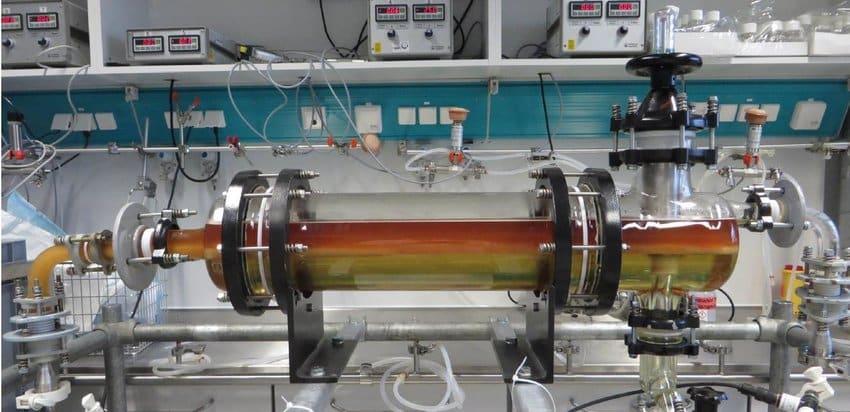
With this in mind, one of the best extraction techniques may be Aqueous Two Phase Systems (ATPS) extraction, which relies on basic physical properties of the to effectively isolate compounds in a solution. [1] The technique itself is relatively simple, but there is a large amount of adaptability that may better address more customized needs. As a result, ATPS extraction is proving vital to multiple industries that rely on botanical extraction to develop their products.
What is an ATPS Extraction Method
Picture a jar filled with a solution that is equal parts oil and water. If the jar is shaken, the two liquids may temporarily blend, but they don’t stay that way. When left to sit for an extended amount of time, those two components will naturally separate back into their two layers, each one distinct from the other. The reason oil and water don’t mix with each other comes down to the molecular structures of the two substances. Oil is made up of fats, whereas water consists of hydrogen atoms bonded with oxygen. When the jar is shaken up, individual fat molecules may go in between the water molecules, but they don’t break any hydrogen bonds that would break the water molecules apart from the oxygen. [2]
Since the molecular bonds aren’t actually breaking, the blended solution separates based on density. Water molecules are denser than the lipids in the oil, so they sink to the bottom. In this process, the steps involve mixing the solution, followed by a period of separation. Imagine if, during the mixing period, botanical material could be absorbed into the solution, with various components bonding to specific solvents, before the inevitable separation of the components.
This is the general concept behind ATPS extraction. Though it is simple in design the practice becomes a little more complicated. With most ATPS extractions, there needs to be some kind of catalyst that prompts the separation to occur. To do this, a variable in the solution, like PH, temperature, or ionic bonds, is altered within the solution. [3] [4][1][5] The last variable, Ionic bond changes, can happen with the introduction of new materials into the solution like alcohols or salts that cause polarity. Introducing the catalyst prompts the separation of the solution into its various layers.
To keep things even more interesting, it is also possible to add second or third catalysts to separate solutions into more layers, but that may depend on what kinds of solvents, organic materials, and available equipment. Regardless of how many catalysts or separations that are ultimately employed, the final stage of the extraction involves isolating the layers and thus separating the desired extraction material. The full process entails the solution mixing, absorption into the solution, and the ultimate separation of the polymers.
Benefits of ATPS
ATPS extraction is not difficult, and as a result has become a relatively common extraction strategy. As a result of this simplicity and ubiquity, there are a lot of advantages that have been identified when it comes to ATPS extraction. Certain advantages will vary based on specific details of the extraction, but there are some commonalities.
For starters, ATPS extraction is fast and inexpensive. [6] During the extraction procedure, the absorption phase may take some time, but the catalyst, separation, and isolation should happen quickly. Catalysts vary, but they may entail adding heat or salts to the solution. Compared to other extraction methods, which may rely on complex equipment or extended extraction times, ATPS extraction can improve both speed and cost. Additionally, ATPS extraction tends to rely on water based solvents, compared to more harmful solvents that other extraction methods may rely on.
Using water based solvents can provide advantages for both customers and manufacturers. For consumers, there are fewer risks associated with water based solvents, especially if the products are meant for human consumption. This may depend on the intended use of the product, but water is safer than many other solvents for human exposure.
On the manufacturing end, water is a cheap solvent that can be reused multiple times. Not only does this benefit the bottom line by lowering operating costs, but it can also minimize the environmental impact, which may serve as a marketing point. Additionally, manufacturers may find that ATPS extraction can increase the potency of their extracts as well by minimizing any potential molecular damage that could have resulted from exposure to other solvents. [7]
This means that manufacturers are able to lower their costs, reuse their materials, and provide better products to customers at the same time. By tweaking variables like solvents or catalysts, manufacturers may be able to further customize their extraction procedures to better focus on an aspect of production like sustainability or consumer safety, if they so choose.
This customization serves as one of the greatest advantages to ATPS, because systems can be developed that are either very simple or very complex, depending on what may be needed. This may involve additional equipment, faster saturation times, altered catalysts, solvents, or botanical material, and more. It may also be possible to augment the procedure with things like ultrasonication or improved solvent combinations like using alcohol and salt combinations to produce better yields. [8][9] This massive amount of adaptability means that any manufacturer can design an ATPS extraction technique that fulfills their exact needs efficiently.
As a result, if the extraction system can be customized, it can also be scaled. This means that if manufacturers design a system that works for them, it is possible to scale up the equipment to increase production further. In fact, depending on the needs of the extraction, it may be possible to have a solution set up that is constantly absorbing, separating, and isolating components for a non-stop extraction of biological materials. All of these aspects add up to lower costs, lower environmental impact, better products for customers, and a high potential to customize and scale operations to match any extraction company’s needs.
Ways to Use ATPS Extraction
It can be difficult to specify aspects of ATPS extraction because of how customizable it can be. All of these variables are beneficial for the extractor, but it can be difficult to understand how one of these systems can best be employed. Instead of focusing on the specifics within a particular ATPS extraction system, it may be better to look at some real use cases to understand how it is being utilized. One of the most common ways in the botanical extraction industry revolves around food production. [10]
ATPS has been used to separate and extract all sorts of useful compounds from organic materials. This may come in the form of isolating proteins, increasing fiber, or limiting carbohydrates and sugars within the original food source. Food manufacturers looking to utilize these systems may be able to alter their products on a molecular level to increase nutritional properties or flavors to better address market needs.
The same also applies to feedstocks that may also be used to feed livestock instead of humans as well. [11] Feedstock is similar to food production, but the goal of these two different food sources is different. Food intended for humans may alter their products to meet specific nutritional needs, whereas food meant for livestock may be intended only to fatten up the animals.
Different goals should mean different procedures, but the general practices may be similar. Going beyond food, plant material extracts can provide health benefits in other ways besides eating them. A lot of plant material, including vitamins and minerals, are used for health supplements and in many medications. In fact, estimates are that between 25-40% of all pharmaceuticals rely on plant materials for their production. Because of this, ATPS extraction is also being utilized in the pharmaceutical industry. [12] This could also be in the form of basic materials or ingredients like lipids that may need to be extracted.
The same can be true for a lot of plant material that goes into the production of dyes and color products.[13] Depending on what the dies are used for, the plant material extracted with ATPS extraction could be used for either the cosmetic or textile industries. The biological material needed to make these bright colors faces less risk of damage when using ATPS extraction compared to other extraction methods. Though food, pharmaceuticals, cosmetics, textiles are good starts, this is only the beginning for how ATPS extraction is changing industries using organic extraction to develop new materials.
Though research is still early, it is possible that certain plant materials may be able to use ATPS extraction to replace fossil fuels in several heavy industries. This could involve using sugar, lipids, and fungi to develop fermented biofuels, starch from algae to make bioplastics, or polysaccharides to create biopolymers for various industrial applications. [14][15][16]
This may seem like it is getting into the realm of science fiction, but as long as there is a push for green sustainable practices, it is possible that ATPS extraction may play a role in developing better ways to fill these industrial needs.
References:
- Iqbal, Mujahid, et al. “Aqueous two-phase system (ATPS): an overview and advances in its applications.” Biological procedures online 18 (2016): 1-18.Silverstein, Todd P. “The real reason why oil and water don’t mix.” Journal of chemical education 75.1 (1998): 116.
- Silverstein, Todd P. “The real reason why oil and water don’t mix.” Journal of chemical education 75.1 (1998): 116.
- Pietruszka, N., et al. “New polymers forming aqueous two‐phase polymer systems.” Biotechnology progress 16.3 (2000): 408-415.
- Ferreira, Juliana Ferrari, José Carlos Curvelo Santana, and Elias Basile Tambourgi. “The effect of pH on bromelain partition from Ananas comosus by PEG4000/phosphate ATPS.” Brazilian Archives of Biology and Technology 54 (2011): 125-132.
- Xu, Wenzhuo, et al. “Ionic-Liquid-Based Aqueous Two-Phase Systems Induced by Intra-and Intermolecular Hydrogen Bonds.” Molecules 27.16 (2022): 5307.
- Torres-Acosta, Mario A., et al. “Economic analysis of the production and recovery of green fluorescent protein using ATPS-based bioprocesses.” Separation and Purification Technology 254 (2021): 117595.
- Nouri, Erfan, and Gholam Khayati. “A Review of Background and Application of ATPSs in Protein and Enzyme Extraction.” Journal of Solution Chemistry (2024): 1-35.
- Liao, Longren, et al. “Ultrasonication followed by aqueous two-phase system for extraction, on-site modification and isolation of microalgal starch with reduced digestibility.” Ultrasonics Sonochemistry 106 (2024): 106891.
- Tan, Zhi-jian, Fen-fang Li, and Xue-lei Xu. “Extraction and purification of anthraquinones derivatives from Aloe vera L. using alcohol/salt aqueous two-phase system.” Bioprocess and biosystems engineering 36 (2013): 1105-1113.
- Khan, Bilal Muhammad, Kit-Leong Cheong, and Yang Liu. “ATPS:“Aqueous two-phase system” as the “answer to protein separation” for protein-processing food industry.” Critical reviews in food science and nutrition 59.19 (2019): 3165-3178.
- Selvakumar, Pitchaivelu, et al. “A practical implementation and exploitation of ATPS for intensive processing of biological feedstock: a novel approach for heavily biological feedstock loaded ATPS.” Separation and purification technology 75.3 (2010): 323-331.
- Xu, Yan, et al. “Liquid-liquid extraction of pharmaceuticals by aqueous two-phase systems.” Braz. J. Pharm. Sci 37.3 (2001): 305-320.
- Borges, Gabriella Alexandre, et al. “A method for dye extraction using an aqueous two-phase system: Effect of co-occurrence of contaminants in textile industry wastewater.” Journal of environmental management 183 (2016): 196-203.
- Huang, Wei-Dong, and Y-H. Percival Zhang. “Analysis of biofuels production from sugar based on three criteria: Thermodynamics, bioenergetics, and product separation.” Energy & Environmental Science 4.3 (2011): 784-792.
- Di Caprio, Fabrizio, et al. “Microalgae Biorefinery: Optimization of Starch Recovery for Bioplastic Production.” ACS Sustainable Chemistry & Engineering 11.46 (2023): 16509-16520.
- Macagnan, Karine Laste, Mariane Igansi Alves, and Angelita da Silveira Moreira. “Approaches for enhancing extraction of bacterial polyhydroxyalkanoates for industrial applications.” Biotechnological Applications of Polyhydroxyalkanoates (2019): 389-408.

by Grow Up Conference | Aug 3, 2024 | Media Partners, Stratcann
This week at StratCann, we looked at the current state of cannabis sampling. This was one of the last pieces written for us by longtime contributor Tim Wilson, who is stepping away from the cannabis beat for a bit. We hope to hear from him again sooner than later!
We also ran our monthly cannabis jobs overview, looked at a recall from Canna Farms due to a labelling error, and checked in on Health Canada’s commitment to providing updates on the state of CBD and NHPs.
Uber Eats and Leafly announced they were expanding their delivery menu options for cannabis stores into the Alberta market, and the OCRC has a new board chair.
It was also a busy week for financial reports from the pubcos. We looked at Cannara Biotech’s Q3 2024 results, Tilray’s Q4 2024, MTL’s 2023-2024 report, Greenway’s annual report, Nova Cannabis’ Q2 2024, and SNDL’s Q2 2023.
Lastly, Delta 9’s monitor filed a sale and investment process notice for Delta 9 Bio-Tech.
In other Cannabis news
ROSE LifeScience Inc. received a Cannabis Research Licence from Health Canada, authorizing non-therapeutic research on cannabis, permitting in-house sensory and other consumer preference testing. ROSE is majority-owned by Village Farms International.
Just months after a successful 4-20 event that saw strong community support, downtown Prince George was once again home to a cannabis street festival on Saturday, July 27. The Street Summer Fest had a 19+ safe consumption site, as well as live music, dancers, food trucks, local businesses, and more.
High Tide announced the closing of $15 million in subordinated debt facility and opened four more stores in Alberta and Ontario.
Statistics Canada examined the cannabis industry’s impact on GDP over the past five months. There were modest gains in the legal sector and declines in the illicit sector.
Aurora Cannabis Inc. announced a collaboration with a company that will launch its newly developed CBD lozenge on Aurora’s Canadian medical cannabis patient platform. The agreement between Aurora and Cogent International Manufacturing Ltd is expected to have an initial term of 24 months, and the first SKU is targeted for later in 2024.
A recent study compared the effects of oral THC, microdose LSD, and methamphetamine on brain activity. Although only LSD was said to have significantly increased neural complexity, oral THC did, unsurprisingly, induce an altered state of consciousness with strong subjective effects.
Psychology Today also looked at some of the hype around CBG.
Law enforcement
Eco Green Leaf Bar in Diamond Valley, Alberta, has reopened after being rammed by a truck during a burglary.
Two Cannabis NB employees have been charged with stealing thousands of dollars worth of cash and product from their employer, with one then falsely reporting the store had been robbed, reports the Telegraph-Journal.
Officers in New Brunswick used new inspection powers to seize products from an unlicensed store in Saint John.
Police in Saskatchewan intercepted four pallets of cannabis en route from BC to Ontario.
An Ontario farmer found 538 cannabis plants on his land, alerting the OPP.
During July 30 searches on Commercial St. in Nova Scotia, officers found and seized hundreds of small quantity packages of illegal cannabis, tobacco, and vape products, as well as a quantity of psilocybin. Two men were arrested.
A PEI man also landed in jail for driving to work while impaired by cannabis.
In international cannabis news
New Zealand recently approved changes to its Medicinal Cannabis Scheme, allowing companies to export cannabis immediately. Trade Minister Todd McClay said the changes provide opportunities for New Zealand cultivators and manufacturers. The article also includes comments from Helius Therapeutics, the New Zealand Medicinal Cannabis Council, and Regulation Minister David Seymour.
Czech Republic is considering cannabis legalization. While growing up to three plants at home and possessing up to 600 kg of cannabis is being considered, clubs or shops appear to be off the table for now.
New York City’s sheriff’s office says it has shuttered around 700 illegal stores since new state regulations passed in April. Officials had estimated some 2,900 unlicensed vendors throughout New York City—compared to around 60 licensed dispensaries currently operating. New York still has only 150 dispensaries statewide.
And finally, Missouri is banning the sale of drinks, candy and other foods made with hemp-derived Delta-8 THC and other unregulated CBD products.
by Grow Up Conference | Aug 3, 2024 | Media Partners, Stratcann
Following Delta 9 Cannabis’s recent CCAA filing, the company’s court-appointed Monitor has begun an investment process seeking interest in, and opportunities for, a sale of, or investment in, all or part of Delta 9 Bio-Tech’s assets and business operations.
On July 31, Delta 9’s Monitor, Alvarez & Marsal Canada Inc. (A&M) issued a sale and investment process notice (SISP) and distributed letters and NDAs to known potential bidders, with a bid deadline of October 28, 2024.
If required, an auction will be held on October 30, with a closing date deadline of November 12. The monitor may extend the dates set out in the SISP with the consent and approval of Delta 9 Bio0Tech, Fika Herbal Goods, Delta 9’s Interim Lender, and SNDL Inc.
In a press release earlier in July, Delta 9 stated that obtaining CCAA protection was in the best interest of it and its shareholders, especially in light of recent “aggressive” actions by its creditors, namely recent demand notices from SNDL Inc. on May 21 and July 12 and SNDL’s recent acquisition of all the Company’s senior secured debt for $21 million.
On July 15, Delta 9 announced that it had entered into a binding term sheet for the FIKA Company to act as a plan sponsor to its CCAA proceedings. Through this process, FIKA would acquire Delta 9’s retail cannabis and distribution business while also assisting with a sale and investment solicitation process for the assets of the licensed cannabis production business. In exchange, Delta 9 would receive equity in FIKA.
FIKA will participate in and fund the costs of Delta 9’s CCAA proceedings through interim financing and present one or more plans of compromise or arrangements to Delta 9’s creditors. Under the agreement, FIKA will provide up to $3 million to fund the costs of the CCAA proceedings and up to $13 million to repay the secured obligations owing to SNDL Inc.
A receiving a recent extension of its CCAA filing, granted after a court hearing on July 24, Delta 9 and its subsidiaries—Delta 9 Logistics Inc., Delta 9 Bio-Tech Inc., Delta 9 Lifestyle Cannabis Clinic Inc., and Delta 9 Cannabis Store Inc.—included the approval of the $16 million FIKA has offered in interim financing, as well as a key employee retention plan in the amount of $650,00.
In an affidavit posted on July 22, Delta 9 CEO John Arbuthnot says Delta 9’s current excise tax arrears are approximately $7,800,000. The affidavit continues that in November 2023, the company applied to the Canada Revenue Agency (CRA) for relief of interest and penalties “due to financial hardship.” Arbuthnot believes there is a chance to reduce that amount by approximately $2 million.
Because of Delta 9’s tax arrears, the CRA moved to only renew the company’s excise licence on a 30-day basis, beginning in December 2023. Delta 9 Bio-Tech was also required to enter into a payment plan to address its owed excise tax in monthly payments of $50,000.
To keep the licence renewed, the company must make not only the $50,000 payment but also the go-forward monthly excise tax amount, which Arbuthnot says is a significant financial strain on the company.
The Toronto Stock Exchange (TSX) has scheduled the delisting of Delta 9’s common shares on the TSX for August 22, 2024, for failure to meet the TSX’s continued listing requirements. Trading in the Common Shares is currently halted on the TSX.
Bio-Tech is the largest cannabis producer in the province of Manitoba and owns a 98,804 sq ft. cultivation and processing facility in Winnipeg, Manitoba. The facility contains 297 320 sq ft shipping containers modified into modular “grow pods.”
The Company says it has been able to cultivate cannabis at a cash cost of $0.60 to $0.70/gram.
The company was first licensed in 2014 and was one of the first handful of federally licensed cannabis producers under Canada’s first commercial medical cannabis program, the MMPR.
by Grow Up Conference | Aug 2, 2024 | Media Partners, Stratcann
Christina Lake Cannabis reported a loss and comprehensive loss of nearly $1.6 million from $3.3 million in sales in the three month period ended May 31, 2024.
The company released their Q1 and Q2 2024 financial statements on June 25, 2024, with $1.2 million in losses in Q1 from just under $3 million in sales.
As at May 31, 2024, the Company had working capital of $4,957,122 (2023 – $6,009,129), which consisted of cash of $1,427,361 (2023 – $1,468,028), receivables of $1,746,747 (2023 – $1,846,669), prepaid expenses of $54,221 (2023 – $462,322), inventory of $3,928,919 (2023 – $5,654,514), and assets held for sale of $581,767 (2023 – $nil).
Current liabilities, being accounts payable and accrued liabilities, the current portion of loan and current portion of convertible debentures, were $2,781,893 (2023 – $4,004,171).
Christina Lake Cannabis’ (CLC) operates a facility on a 32-acre property that includes over 950,000 square feet of outdoor grow space, offices, propagation and drying rooms, research facilities, and a facility dedicated to processing and extraction. Christina Lake Cannabis also owns a 99-acre plot of land adjoining its principal site.
The company focuses its production on extracts and distillate for its B2B client base, with cultivars specifically developed for outdoor cultivation for the purpose of extraction. CLC has determined the fair value, less costs to sell, and less incremental processing costs of cannabis distillate to be $1.53 per gram. The average harvested yield of biomass is 1,306 grams per plant, with an average yield from dried biomass to distillate of 6% to 9% depending on the cultivar.
In November 2022, the company reported an average selling price of $3 a gram for dried flower. In November 2023, that had dropped to $1.90.
On June 1, 2024, CLC entered into a 24-month rental agreement for equipment with a monthly payment of $1,700 per month. The company has the option to purchase the equipment at the end of the rental period. A director of CLC owns the rental company.
by Grow Up Conference | Aug 2, 2024 | Media Partners, Stratcann
Connie Dejak, the board chair of the Ontario Cannabis Retail Corporation (OCRC), doing business as the Ontario Cannabis Store (OCS), has resigned, ending her three-year term early. Former Toronto City Councillor Gary Crawford replaces her.
Dejak, the President/CEO of Runnymede HealthCare Centre, joined the board in 2019 and became board chair in December 2020. Her term was scheduled to end in December 2025; however, her position is now listed as resigned.
Runnymede HealthCare Centre is a rehabilitation and complex continuing care hospital in Toronto.
Dejak is being replaced by former Toronto City Councillor Gary Crawford. Crawford served as a city councillor for Ward 36, Scarborough Southwest, for nearly 14 years, and submitted his resignation on July 22, 2023.
“We would like to congratulate Gary Crawford, who has been appointed the new chair of the Ontario Cannabis Retail Corporation (OCRC),” a communications representative at the OCS told StratCann via email. “His appointment took effect on July 25, 2024. We are confident in his leadership and vision for the future of the organization.
“We would also like to extend our sincere gratitude to Connie Dejak who had tendered her resignation as Chair of the OCRC board, and we wish her well in her future endeavours.”
“It should be noted,” they added, “that the appointment to the Chair position is made by the government through the Public Appointments Secretariat.”
The board currently has nine members, including the chair and co-chair, all serving part-time positions. The President and CEO of the OCS, David Lobo, reports to the board.
Depending on experience, board members can be compensated up to $200 a day, vice-chairs receive up to $250 a day, and chairs receive up to $350 a day.
From 2019-2023, Dejak received $61,845 in remuneration (2019-2020 $1,525, 2020-2021 $6,975, 2021-2022 $33,425, 2022-2023 $19,950).
As a city councillor, Crawford served as the Budget Chief from 2014 to 2023 and served on committees such as the Budget, Planning and Growth, Economic Development, and the Executive Committee.
He also served on City Boards and Agencies including East Metro Youth Centre, Sony Centre for the Performing Arts as Interim Chair, Harbourfront Centre, St. Lawrence Centre for the Performing Arts, the Toronto Centre for the Arts and the Toronto Arts Council. He has chaired the Mayor’s Task Force on the Arts, the Theatres Working Group, and Co-chaired the Film Board.
In 2007, Crawford ran in the Ontario provincial election for the Progressive Conservative Party of Ontario (PCPO) from the riding of Scarborough Southwest, but was not elected.






Recent Comments