
by Grow Up Conference | Aug 2, 2024 | Cannabis News Wire, Media Partners
The public comment period for the U.S. Drug Enforcement Administration’s (DEA) proposed marijuana rescheduling rules recently ended, and now the agency will analyze the responses, marking the first time they are considering public opinions on cannabis. Approximately 43,000 comments were submitted by individuals, researchers and organizations, making it the highest number of responses the DEA has ever received for a proposed regulation change.
The drug markets and legal regulation director at the Drug Policy Alliance, Cat Packer, highlighted that the huge response demonstrates the public’s great interest in cannabis legalization in the United States.
People used this opportunity to share their opinions and personal experiences on marijuana usage and legalization, in addition to talking about the proposed policy. Some raised worries that minors could be harmed by cannabis rescheduling or that it acts as a gateway drug. On the other hand, many people talked about their positive experiences and mentioned how cannabis helped with ailments including autism, anxiety and seizures.
According to a preliminary review, the majority of commenters felt that rescheduling was insufficient and demanded larger measures toward federal legalization. The DEA’s proposal aims to reclassify marijuana from Schedule 1 to 3, which would recognize it as a medication eligible for approval by the U.S. Food and Drug Administration (FDA), though it would remain federally illegal in most situations.
Packer drew attention to the fact that the discrepancy between federal and state laws is not resolved by rescheduling. Moreover, it doesn’t address the past racial injustices associated with the criminalization of cannabis or the racial inequities that followed.
Packer’s viewpoint is reflected in the majority of responses, many of which call for complete legalization. After doing a keyword analysis on the comments, the Drug Policy Alliance discovered that 59% of respondents wanted cannabis to be treated the same as tobacco or alcohol and completely descheduled, or decriminalized.
The comments were also examined by Headset, a marijuana data platform, utilizing the most recent iteration of OpenAI’s language model. An estimated 57% of comments supported descheduling cannabis, while 35% supported rescheduling and 8% wanted marijuana to stay classified as a Schedule 1 drug, according to the analysis. These findings are consistent with a Pew study that found 32% of Americans think cannabis should only be allowed for medical use, while 57% of Americans say it should be allowed for both recreational and medical usage.
The AI analysis provided additional insights, such as a pattern where opposition to medical cannabis came in waves of form letters, whereas support for legalization appeared more organically. Packer hypothesized that those making comments would be swayed by President Joseph Biden’s prior remarks regarding the legalization of cannabis, particularly his pledge to decriminalize it during the 2020 campaign.
The next steps in the process are uncertain as the DEA navigates this unprecedented situation. CEO and cofounder of the National Cannabis Industry Association, Aaron Smith, stated that although he sees rescheduling as a step in the right direction and hopes it happens before year’s end, he understands that the DEA is unlikely to completely deschedule cannabis based only on public sentiment.
Packer, meanwhile, had doubts regarding the schedule, speculating that several circumstances would cause the procedure to be postponed until after the next presidential election or possibly until the conclusion of Biden’s term. In addition, the DEA could be forced to postpone its decision indefinitely if it is sued or has a public hearing. Packer stressed that federally criminalizing marijuana will still have negative consequences, even if the rescheduling goes on.
Smith also questioned how the DEA would handle the relatively low support for rescheduling alone. She noted that if the DEA proceeds with making cannabis a Schedule 3 substance, only 35% of those who commented would be satisfied, potentially leaving a significant portion of the public disappointed.
Stakeholders such as Verano Holdings Corp. (CSE: VRNO) (OTCQX: VRNOF) will be waiting to see how this rescheduling pans out and when the final rule is published.
About CNW420
CNW420 spotlights the latest developments in the rapidly evolving cannabis industry through the release of an article each business day at 4:20 p.m. Eastern – a tribute to the time synonymous with cannabis culture. The concise, informative content serves as a gateway for investors interested in the legalized cannabis sector and provides updates on how regulatory developments may impact financial markets. If marijuana and the burgeoning industry surrounding it are on your radar, CNW420 is for you! Check back daily to stay up-to-date on the latest milestones in the fast -changing world of cannabis.
To receive SMS alerts from CNW, text CANNABIS to 888-902-4192 (U.S. Mobile Phones Only)
For more information, please visit https://www.CannabisNewsWire.com
Please see full terms of use and disclaimers on the CannabisNewsWire website applicable to all content provided by CNW, wherever published or re-published: https://www.CannabisNewsWire.com/Disclaimer
CannabisNewsWire
Denver, CO
www.CannabisNewsWire.com
303.498.7722 Office
Editor@CannabisNewsWire.com
CannabisNewsWire is powered by IBN
by Grow Up Conference | Aug 2, 2024 | Media Partners, Stratcann
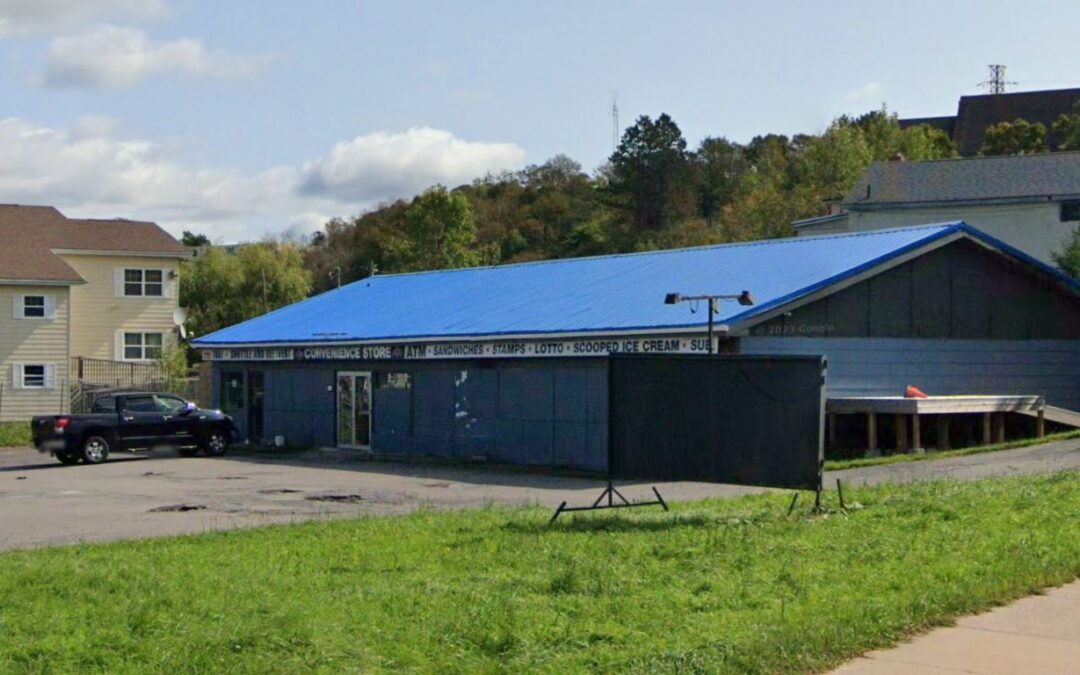
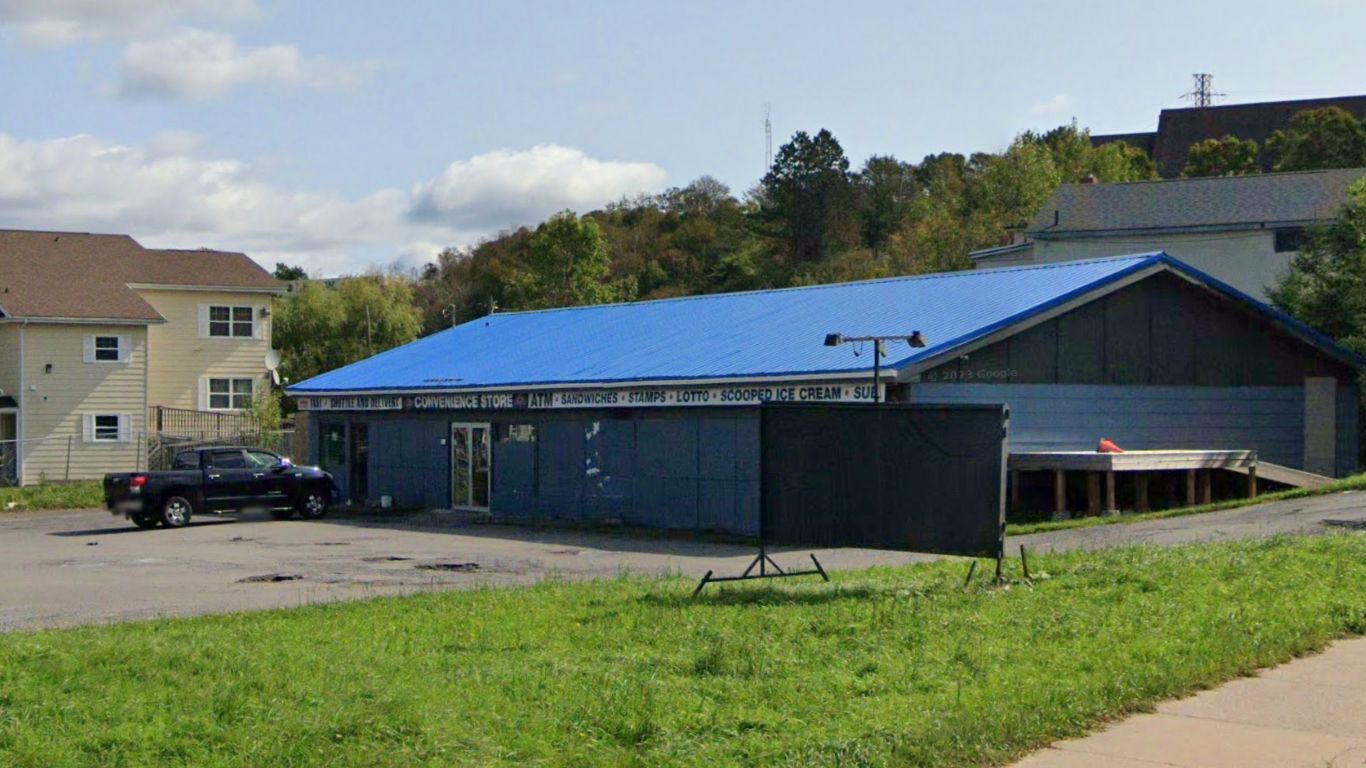
Cannabis products were seized from an unnamed dispensary in Saint John, New Brunswick, on July 24.
Items seized under the province’s Cannabis Control Act included:
- 875 grams of cannabis bud
- 480 grams of hashish
- 100 packs of cannabis edibles
- 200 cannabis cigarettes
- 20 packages of cannabis shatter
- 50 cannabis vape pens
No charges were laid when the inspection was made.
A press release says this inspection was the first time the New Brunswick Department of Justice and Public Safety used its new authority under the Cannabis Control Act.
New Brunswick recently passed legislation to give its peace officers more powers to enforce provincial cannabis rules. This includes the ability of provincial inspectors to enter any place or vehicle to which the act applies and seize any cannabis, document or item an inspector believes may be evidence.
A representative with the province previously said that more than 100 illegal cannabis stores are operating in New Brunswick as of April 1.
In July, a man in New Brunswick received a a $3,250 fine for selling cannabis without a licence after entering a guilty plea.
Featured image shows a Google street view of the 24 Taylor Ave location as of September 2023.
Related Articles
by Grow Up Conference | Aug 2, 2024 | Media Partners, Stratcann
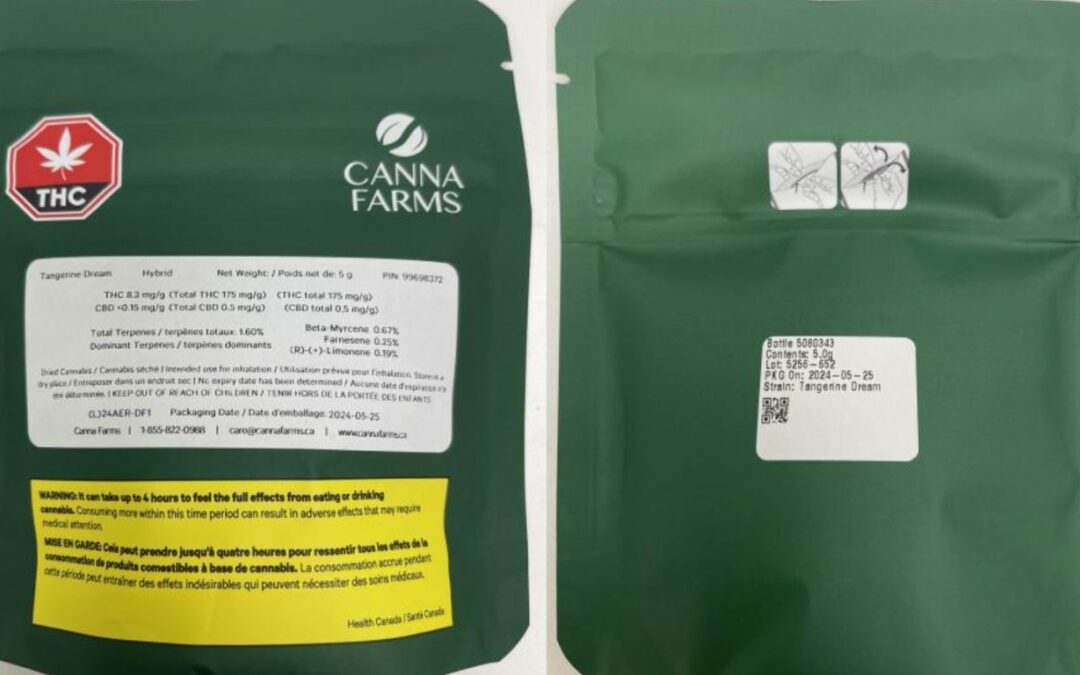
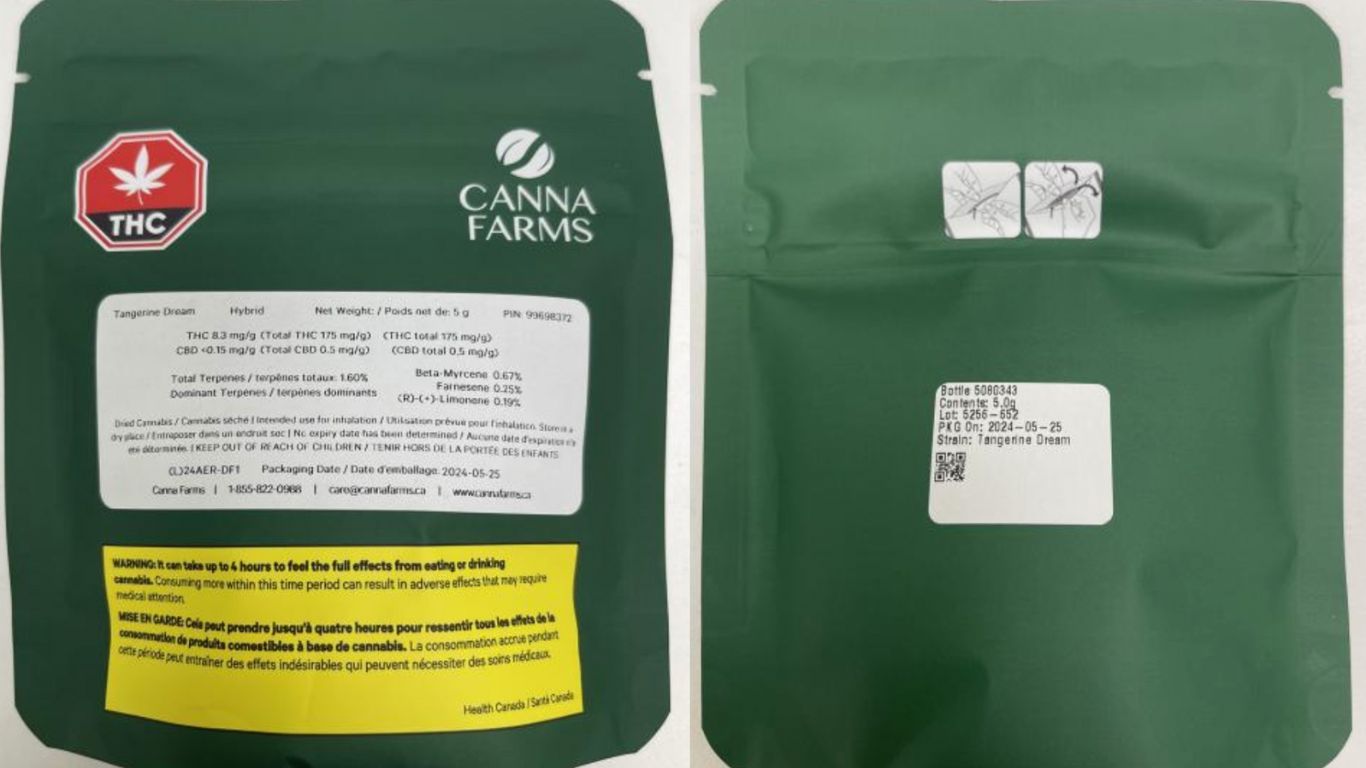
Canna Farms has recalled one lot of its Tangerine Dream five gram dried cannabis sold through its medical sales channel for incorrect labelling as of August 2.
The products were sold with incorrect cannabinoid values, where the total labelled THC and total CBD are lower than the actual total THC and total CBD values in the product.
The printed value of THC was 8.3 mg/g, while the correct amount was 3.7 mg/g. The total labelled THC was 175 mg/g, while the accurate amount was 246 mg/g. The labelled CBD was <0.15 mg/g, while the correct amount should have been <0.1. mg/g. Total CBD was labelled as 0.5 mg/g but should have been 1.4 mg/g
Health Canada has not received any complaints related to the recall as of publication. Canna Farms Ltd. has currently received one complaint which noted that the label on the product was incorrect. Neither Canna Farms Ltd. nor Health Canada have received any adverse reaction reports for the recalled cannabis product lot.
There were 23 units of recalled product sold from May 31, 2024, to July 23, 2024, under lot number 24AER-DF1. Affected clients can contact Canna Farms directly.
Canna Farms’ parent company, MediPharm, recently announced it was closing the Canna Farms BC facility and moving operations to Ontario.
Labelling errors remain the most common reason for cannabis product recalls in Canada.

by Grow Up Conference | Aug 2, 2024 | Media Partners, Stratcann
Indian Head RCMP and Saskatchewan Highway Patrol on Monday seized nearly 540 kilograms of cannabis in a traffic stop on July 29.
Indian Head RCMP responded to a request for assistance with a roadside traffic stop after the Saskatchewan Highway Patrol pulled over a tractor-trailer unit on Highway #1 approximately five kilometres east of Indian Head, about an hour from Regina.
A 40-year-old man, Inderjit Singh from Hamilton, Ontario, who was driving from British Columbia to Ontario, was arrested at the scene. Officers seized four pallets of dried cannabis weighing approximately 1,180 pounds or 537 kilograms.
“It goes without saying that this is a significant amount of cannabis,” says A/Commr. Rhonda Blackmore, commanding officer of Saskatchewan RCMP. “We want to remind the public that although cannabis is legal to use, there are still parameters around the substance, including a public possession limit. In this case, illegal cannabis was being transported across the country to be sold from a non-licensed dealer. This violates product safety and quality control requirements, putting the public’s health and wellbeing at risk, in addition to the fact it’s illegal.”
Singh has been charged with possession for the purpose of distributing, Section 9(2), Cannabis Act; and possession of unstamped cannabis product, Section 158.11 (1), Excise Act. He is scheduled to appear in Indian Head Provincial Court on October 15, 2024
Saskatchewan Highway Patrol officers with the Provincial Protective Services Branch assisted in the investigation. Police say the bust is related to organized crime.
“Thanks to the diligent observance of the Saskatchewan Highway Patrol, we were able to prevent organized crime from profiting from illegal activity,” Corrections, Policing and Public Safety Minister Paul Merriman said. “This is another example of the work our officers do to ensure public safety and our important partnership with the RCMP.”
No images of the seizure were provided to the media.
by Grow Up Conference | Aug 2, 2024 | Cannabis News Wire, Media Partners
Earlier this month, the National Transportation Safety Board (NTSB) wrote to the U.S. Drug Enforcement Administration (FDA) highlighting its concerns regarding a rule that would reschedule marijuana under the Controlled Substances Act. The board explained that moving marijuana to Schedule 3 would prevent continued testing for cannabis use by transportation employees as labs certified by the U.S. Department of Health and Human Services (HHS) aren’t permitted to test for substances under this category.
It implored the DEA to make sure that rescheduling cannabis didn’t compromise employee testing as this would have implications on the certification of school bus drivers.
The agency then added that the elimination of cannabis testing would get rid of a layer of safety oversight employers had been in charge of for years now while also preventing the Departments of Health and Human Services and Transportation from conducting drug tests to deter the use of cannabis by their employees.
Additionally, the rescheduling of cannabis would prevent the NTSB from keeping results from drug tests as evidence in its investigations. The agency regularly reviews toxicological evidence in its investigations, including drug-screening testing of commercial vehicle operators under the Department of Transportation (DOT).
This evidence, it noted, demonstrated that cannabis impaired the abilities required to safely operate a vehicle and carry out other tasks related to safety by altering how an individual perceives things and slowing their reaction time, risk evaluation and decision-making.
In its letter, the NTSB stated that its transportation safety research and incident and accident investigations had shown that cannabis was a widespread drug that induced effects which impaired an individual’s performance. It also noted that interactions with transport systems is one of the key ways in which the public could be exposed to risk from the effects of cannabis.
This perspective, the board added, formed the basis of its recommendations to improve safety in transportation. It was also why the agency believed more attention needed to be paid to safety in transportation, particularly when it came to the conversation on cannabis rescheduling.
Earlier this year, the Biden administration announced that it was planning to reschedule cannabis from Schedule 1. Other drugs under this category include ecstasy, LSD and heroin. Drugs under this classification have a very high abuse potential and no accepted use medically.
Following this announcement, a spokesperson for the Federal Motor Carrier Safety Administration stated that there weren’t any changes that would be made to alcohol testing and commercial drivers’-license drug-testing requirements.
Cannabis industry actors, such as Cresco Labs Inc. (CSE: CL) (OTCQX: CRLBF), may be wondering why similar concerns aren’t expressed by the NTSB about other intoxicants, such as alcohol, since their excessive use can also adversely impact driving.
About CannabisNewsWire
CannabisNewsWire (“CNW”) is a specialized communications platform with a focus on cannabis news and the cannabis sector. It is one of 60+ brands within the Dynamic Brand Portfolio @ IBN that delivers: (1) access to a vast network of wire solutions via InvestorWire to efficiently and effectively reach a myriad of target markets, demographics and diverse industries; (2) article and editorial syndication to 5,000+ outlets; (3) enhanced press release enhancement to ensure maximum impact; (4) social media distribution via IBN to millions of social media followers; and (5) a full array of tailored corporate communications solutions. With broad reach and a seasoned team of contributing journalists and writers, CNW is uniquely positioned to best serve private and public companies that want to reach a wide audience of investors, influencers, consumers, journalists and the general public. By cutting through the overload of information in today’s market, CNW brings its clients unparalleled recognition and brand awareness. CNW is where breaking news, insightful content and actionable information converge.
To receive SMS alerts from CNW, text CANNABIS to 888-902-4192 (U.S. Mobile Phones Only)
For more information, please visit https://www.CannabisNewsWire.com
Please see full terms of use and disclaimers on the CannabisNewsWire website applicable to all content provided by CNW, wherever published or re-published: https://www.CannabisNewsWire.com/Disclaimer
CannabisNewsWire
Denver, CO
www.CannabisNewsWire.com
303.498.7722 Office
Editor@CannabisNewsWire.com
CannabisNewsWire is powered by IBN
by Grow Up Conference | Aug 2, 2024 | Media Partners, Stratcann
SNDL Inc. brought in $228.1 million in net revenue in the second quarter of 2024, a gross profit of $58.1 million, and a $4.6 million loss in adjusted operating income, announced in their most recent quarterly report ending June 30, 2024.
The Alberta company, which operates liquor and cannabis retail stores as well as cannabis production, saw the bulk of its revenue from its liquor stores, followed by cannabis retail and cannabis production.
Adjusted operating income from SNDL’s liquor retail was $8.2 million, while its cannabis retail was $2.3 million. Its cannabis operations showed an adjusted operating loss of $13 million.
Net revenue from SNDL’s cannabis retail was $76 million, up from $71.9 million in the same quarter in 2023. The company attributes this increase to newly opened and acquired stores and an increase in “proprietary licensing arrangements,” and brought in $3.8 million from its proprietary data licensing program.
It also reported same-store sales growth of 2.3% year-over-year.
As of August 1, 2024, SNDL has 82 Spiritleaf stores (20 corporate and 62 franchise stores), 100 Value Buds stores, four Superette stores, and one Fireside Store. SNDL owns 65% of Nova Cannabis, which operates Value Buds. SNDL’s 187 stores across Canada represent 10% of private cannabis stores in the country.
SNDL also manages several investments, which include Canadian cannabis companies like Indiva, Delta 9, and Nova Cannabis, along with several US cannabis companies.
Its brand portfolio in the Canadian cannabis market includes Top Leaf, Contraband, Palmetto Vacay, Versus, Value Buds, Grasslands, and Bonjak. It operates a cannabis processing facility and an edibles facility in BC, a cannabis beverages facility in Ontario, and a cultivation facility in New Brunswick.
Net revenue for SNDL’s cannabis operations was $25 million for the three months ended June 30, 2024, up from $20.9 million in the same quarter in 2023. Gross profit after cost of sales was 12.7%, or $$3.2 million, from bulk and packaged sales.
The company says the increase in net revenue is from increased distribution and operational efficiencies.
Related Articles
Featured image via SNDL.com
by Grow Up Conference | Aug 2, 2024 | Cannabis News Wire, Media Partners
- A recent report projects that the cannabis market, which totaled an estimated $27.7 billion in 2022, will reach $82.3 billion by 2027
- The forecast includes businesses and enterprises involved in the cultivation, processing, distribution and sale of cannabis and cannabis-related products
- MedCana is building technology, laboratories, growing facilities and scientific teams to provide premium pharmaceutical-grade cannabis extracts to the world
With the worldwide cannabis market projected to see a compound annual growth rate (“CAGR”) of 24.3% in the next three years, Software Effective Solutions (d/b/a MedCana) (OTC: SFWJ) is committed to strengthening its foothold in the growing space. The company, which is committed to being a global force for better cannabis products, is determined to be the world’s premier resource for pharmaceutical cannabis products.
“The cannabis market is estimated at $27.7 billion in 2022 and is projected to reach $82.3 billion by 2027, at a CAGR of 24.3%,” reported a MarketsandMarkets article earlier this year (https://cnw.fm/NorFm). “In recent years, the cannabis industry has experienced significant growth and expansion, driven by increasing legalization efforts in various parts of the world, shifting public attitudes towards cannabis use and recognition of its potential medicinal benefits. This growth has led to the emergence of a diverse range of companies, including large-scale producers, dispensaries, manufacturers of cannabis-derived pharmaceuticals, technology firms developing innovative cultivation and extraction methods, and ancillary businesses providing services such as packaging, branding, and legal support.”
Noting that the term “cannabis industry” refers to the collection of businesses and enterprises involved in the cultivation, processing, distribution and sale of cannabis and cannabis-related products, the article outlines several factors likely to contribute to the sector’s growth, including legalization efforts, product innovation, investment and M&A activity, and the regulatory landscape.
The article also noted that “the medical cannabis segment is expected to continue growing, driven by increasing recognition of cannabis’s therapeutic properties and its potential to treat various medical conditions. Pharmaceutical companies are also investing in cannabis-based medications, contributing to market expansion.” In addition, “The recreational cannabis market is [also] forecasted to see continued growth, particularly in regions where legalization has occurred or is expected. Changing attitudes towards cannabis use and increasing consumer acceptance are key drivers in this segment.”
These factors all point to a promising cannabis sector moving forward, with MedCana committed to doing the work necessary to become a leader in the space. The company is building the technology, laboratories, growing facilities and scientific teams needed to provide premium pharmaceutical-grade cannabis extracts to the world, all with absolute integrity, sustainability and social responsibility (https://cnw.fm/D4Au8).
MedCana is a global infrastructure and holding company in the cannabis industry. The company currently has five divisions focused on pharmaceutical cannabis production, as well a software division focused on managing processes for plant-to-patient operations. The recent acquisition of an irrigation and greenhouse technology division has rounded out MedCana’s portfolio of holdings.
For more information, visit the company’s website at www.MedCana.net.
NOTE TO INVESTORS: The latest news and updates relating to SFWJ are available in the company’s newsroom at https://cnw.fm/SFWJ
About CannabisNewsWire
CannabisNewsWire (“CNW”) is a specialized communications platform with a focus on cannabis news and the cannabis sector. It is one of 60+ brands within the Dynamic Brand Portfolio @ IBN that delivers: (1) access to a vast network of wire solutions via InvestorWire to efficiently and effectively reach a myriad of target markets, demographics and diverse industries; (2) article and editorial syndication to 5,000+ outlets; (3) enhanced press release enhancement to ensure maximum impact; (4) social media distribution via IBN to millions of social media followers; and (5) a full array of tailored corporate communications solutions. With broad reach and a seasoned team of contributing journalists and writers, CNW is uniquely positioned to best serve private and public companies that want to reach a wide audience of investors, influencers, consumers, journalists and the general public. By cutting through the overload of information in today’s market, CNW brings its clients unparalleled recognition and brand awareness. CNW is where breaking news, insightful content and actionable information converge.
To receive SMS alerts from CNW, text CANNABIS to 888-902-4192 (U.S. Mobile Phones Only)
For more information, please visit https://www.CannabisNewsWire.com
Please see full terms of use and disclaimers on the CannabisNewsWire website applicable to all content provided by CNW, wherever published or re-published: https://www.CannabisNewsWire.com/Disclaimer
CannabisNewsWire
Denver, CO
www.CannabisNewsWire.com
303.498.7722 Office
Editor@CannabisNewsWire.com
CannabisNewsWire is powered by IBN

by Grow Up Conference | Aug 2, 2024 | Extraction Magazine, Media Partners
Ayahuasca – meaning Vine of Souls or Vine of Dead in the Incan Quechua language [1]– is a hallucinogenic beverage that has been used for thousands of years in the Amazon region and occupies a primary position in mestizo (literally, ethnically mixed) folk medicine. Other names for ayahuasca are yagé, hoasca, daime, and caapi, and the complexity of this brew’s botanical and chemical composition reflects the ethnographic variety of all the tribes whose rituals are strongly affected by its presence.[1] [2]
Indeed, in Western society ayahuasca and, more in general, hallucinogens are used idiosyncratically and recreationally; they are often self-prescribed, assumed outside any magical or metaphysical ritual, and have no-healing purpose. [2] On the other hand, in the Amazonian tradition ayahuasca consumption always happens within therapeutic ceremonies that are often conducted at night and followed by further processes such as cleansing baths, discussions, and psychological integration. [1]
The person leading the ceremony, also in charge of the healing process, is called ayahuasquero and could be defined with Western words as a doctor, a psychotherapist, and a priest. By assuming the drug, the ayahuasquero connects to supernatural dimensions and this privileged communication with the spirits’ world can be used for healing, diagnosis of an illness, or divination. Furthermore, the ayahuasquero uses different tools such as singing, smoking, and blowing tobacco, to control the setting of the patient’s experience with ayahuasca. [1] [2]
Botanical composition and plant teachers
The main component in ayahuasca brew is Banisteropsis caapi (belonging to the family of Malpighiaceae). However, its bark or stems are rarely boiled alone. More frequently, the brew contains admixtures such as the malpighiaceae Diplopterys cablerana and the rubiaceous Psychotria virdis, which are crucial in the hallucinatory process. [1] [3]
Besides these main and constant components, a whole plethora of plants can be added to the brew, depending on the situation and purpose of the ceremony. These plants are referred to as plant teachers and convey access to the spirit dimension. Indeed, in the cosmology of many Amazonian people, every living being has a twofold character, sacred and secular and it’s by contacting the sacred dimension that knowledge and powers can be acquired. [2]
The two dimensions are strongly interconnected since many spiritual qualities have been attributed to the spiritual world through attentive observation and experimentation. Is indeed by studying Amazonian people’s cosmology and religion that a lot of knowledge about the natural world and pharmacology can be acquired. [2]
These plants are particularly important during the apprenticeship of a future ayahuasquero when they are assumed along with a strict diet and sexual abstinence. Indeed, it’s through the diet that plants reveal themselves and open the mind of the initiate.
Plant teachers usually have one or more of the following characteristics:
- producing hallucinations if taken alone;
- modifying the effects of ayahuasca beverage;
- producing dizziness;
- possessing strong emetic and/or cathartic properties;
- bringing on especially vivid dreams. [3]
This last aspect is particularly important, since the initiate’s learning process mainly takes place during dreams, which are said to be brighter and more intense during this period. [2], [3]
Bobinsana
A plant that seems to be widespread in the Amazonian medicinal culture is Calliandra angustifolia, better known as bobinsana, belonging to the Fabaceae family. [4] [5] Despite the frequency of this plant’s use, the literature about it is very poor. However, it is known that this plant is mainly used as an anti-inflammatory, antiarthritic, depurative, anti-cancer, and tonic. [4]
The anti-inflammatory and the antiarthritic activity are the only ones documented. Indeed, it has been proven that crude extract of C. angustifolia’s bark and stems has an in-vivo inhibitory activity of cyclooxygenase 1 (COX-1) in rats. This enzyme catalyzes the biosynthesis of prostaglandins, arachidonic acid-derived lipid compounds that play a key role in the inflammation process. Since COX inhibitors are drugs used to treat arthritis, this explains the diffused custom in South America to use bobinsana to treat rheumatisms. [6]
Phytochemical Composition of Bobinsana Extract
C. angustifolia extract contains many compounds such as harmala alkaloids, amino acids, cyanogenic glycosides, tannins, saponins, and sterols. [4] How the plant’s biological activity relies on its chemical composition has not been documented yet. However, besides these strictly pharmacological aspects, bobinsana’s popularity in the Amazon region is due to its property of being a plant teacher.
Bobinsana isn’t hallucinogenic itself, its bark is added to ayahuasca decoction to open the mind and provide courage. [3], [5]Furthermore, bobinsana’s extract can be found on several websites that, among its characteristics, report the induction of lucid dreams. Even though there is no scientific evidence, this property might rely on another chemical component of C. angustifolia extract: pipecolic acid and its derivatives. [4]
Also known as 2-piperidine carboxylic acid, this molecule is a chiral cyclic non-protein amino acid derived from L-lysine metabolism. [7 ]Pipecolic acid is an important nitrogen source in different environments and it’s gaining increasing interest from a pharmaceutical point of view as a precursor for peptides and polyketides formation, local anesthetic, and potential enzyme inhibitor.
Another important property is that a link between the γ-Aminobutyric acid system and pipecolic acid has been observed in mice’s brains. Indeed, pipecolic acid has shown partial agonist activity on GABA postsynaptic receptors, namely it boosts GABA response. Even though there is a lack of information on bobinsana’s biological role in the ayahuasca hallucination process, this last activity could be the one playing a key role in the whole synergistic event and particularly in lucid dreams. [7]
Lucid Dreams and Hallucinations Biochemistry
The principal hallucinogenic molecule in ayahuasca brew is N,N-dimethyltryptamine (DMT), a derivative of the amino acid tryptophan. Endogenous DMT can be found both in plants and animals, including humans, but its precise role remains substantially unknown. Exogenous DMT can be assumed through at least 50 species of plants, among which D. cabrerana and P. virdis that are used to prepare ayahuasca. DMT can be assumed through ingestion, inhalation, and intramuscular or intravenous injection.
However, in the first case, monoamine oxidase (MAO) enzymes degrade it before it reaches the brain, thus avoiding any possible psychoactive effect. This is the reason why another fundamental component of ayahuasca is B. caapi, which contains MAO inhibitors such as harmala alkaloids. [1] [2] DMT has an effect on several biochemical process, among which the dopaminergic system, by inducing the release of dopamine, which takes place particularly during sleep. Phenomena such as hallucinations are linked to abnormal dopaminergic neurotransmission. [1] [8]
The lucid dreaming (LD) phenomenon takes place during rapid-eye movement (REM) sleep and it’s a physiological state of consciousness where dreamers become aware that they are dreaming. While LD is happening, the paralimbic network, a region of the cerebral cortex, is active. [8], [9] This network is often referred to as “default mode network” because it defaults whenever the attention is turned away from the self to another task. Different compartments of this network interact via gamma oscillations, that are generally related to consciousness and self-awareness. [8] On the other hand, while sleeping, neural activity is characterized by low-frequency oscillations called delta oscillations. [9]
The increased release of dopamine, triggered by DMT [1], not only strengthens the phase-amplitude relationship between delta and gamma oscillations but also reduces the level of free GABA in the brain cortex.[8] Since pipecolic acid acts as a GABA agonist, it might affect the induction of gamma oscillations and thus on the dreams’ brightness and consciousness. [1], [7], [8]
These are the characteristics of such a powerful plant, bobinsana, but yet so mysterious to our Western eyes. Attempting to give a scientific explanation of ayahuasca and plant teachers’ power is an ambitious scope given the thousands of years during which Amazonian medicine and plural traditions have developed. Every theory will always be partial without taking into account the multidimensional nature of these people’s cosmology and world.
References:
- E. James, J. Keppler, T. L Robertshaw, and B. Sessa, “N,N-dimethyltryptamine and Amazonian ayahuasca plant medicine,” Human Psychopharmacology, vol. 37, no. 3. John Wiley and Sons Ltd, May 01, 2022. doi: 10.1002/hup.2835.
- L. E. Luna, “Biodynamic Constituents in Ayahuasca Admixture Plants: An Uninvestigated Folk Pharmacopoeia” in Ethnobotany, Evolution of a Discipline, R.E. Schultes and S. von Reis. Dioscorides Press, 1995, pp 349-361.
- L.E. Luna, “The concept of plants as teachers among four mestizo shamans of Iquitos, Northeastern Peru”, Journal of Ethnopharmacology, vol. 11, 1984, pp 135-156.
- “Technical Data Report for Bobinsana (Calliandra angustifolia)” Copyright 2006 by Dr. Leslie Taylor, ND. Available online: https://www.rain-tree.com/reports/bobinsana-tech-report.pdf
- V. Caballero-Serrano et al., “Traditional ecological knowledge and medicinal plant diversity in Ecuadorian Amazon home gardens,” Glob Ecol Conserv, vol. 17, Jan. 2019, doi: 10.1016/j.gecco.2019.e00524.
- C. A. Dunstan, Y. Noreen, G. Serrano, P. A. Cox, P. Perera, and L. Bohlin, “Evaluation of some Samoan and Peruvian medicinal plants by prostaglandin biosynthesis and rat ear oedema assays” Journal of Ethnopharmacology, vol. 57, 1997, pp 35-56.
- M. M. Al-Rooqi et al., “Recent advancements on the synthesis and biological significance of pipecolic acid and its derivatives,” Journal of Molecular Structure, vol. 1268. Elsevier B.V., Nov. 15, 2022. doi: 10.1016/j.molstruc.2022.133719.
- H. C. Lou, K. Rømer Thomsen, and J. P. Changeux, “The Molecular Organization of Self-awareness: Paralimbic Dopamine-GABA Interaction,” Frontiers in Systems Neuroscience, vol. 14. Frontiers Media S.A., Jan. 28, 2020. doi: 10.3389/fnsys.2020.00003.
- A. A. Oldoni, A. D. Bacchi, F. R. Mendes, P. A. Tiba, and S. Mota-Rolim, “Neuropsychopharmacological Induction of (Lucid) Dreams: A Narrative Review,” Brain Sci, vol. 14, no. 5, p. 426, Apr. 2024, doi: 10.3390/brainsci14050426.
by Grow Up Conference | Aug 2, 2024 | Extraction Magazine, Media Partners
Ayahuasca – meaning Vine of Souls or Vine of Dead in the Incan Quechua language [1]– is a hallucinogenic beverage that has been used for thousands of years in the Amazon region and occupies a primary position in mestizo (literally, ethnically mixed) folk medicine. Other names for ayahuasca are yagé, hoasca, daime, and caapi, and the complexity of this brew’s botanical and chemical composition reflects the ethnographic variety of all the tribes whose rituals are strongly affected by its presence.[1] [2]
Indeed, in Western society ayahuasca and, more in general, hallucinogens are used idiosyncratically and recreationally; they are often self-prescribed, assumed outside any magical or metaphysical ritual, and have no-healing purpose. [2] On the other hand, in the Amazonian tradition ayahuasca consumption always happens within therapeutic ceremonies that are often conducted at night and followed by further processes such as cleansing baths, discussions, and psychological integration. [1]
The person leading the ceremony, also in charge of the healing process, is called ayahuasquero and could be defined with Western words as a doctor, a psychotherapist, and a priest. By assuming the drug, the ayahuasquero connects to supernatural dimensions and this privileged communication with the spirits’ world can be used for healing, diagnosis of an illness, or divination. Furthermore, the ayahuasquero uses different tools such as singing, smoking, and blowing tobacco, to control the setting of the patient’s experience with ayahuasca. [1] [2]
Botanical composition and plant teachers
The main component in ayahuasca brew is Banisteropsis caapi (belonging to the family of Malpighiaceae). However, its bark or stems are rarely boiled alone. More frequently, the brew contains admixtures such as the malpighiaceae Diplopterys cablerana and the rubiaceous Psychotria virdis, which are crucial in the hallucinatory process. [1] [3]
Besides these main and constant components, a whole plethora of plants can be added to the brew, depending on the situation and purpose of the ceremony. These plants are referred to as plant teachers and convey access to the spirit dimension. Indeed, in the cosmology of many Amazonian people, every living being has a twofold character, sacred and secular and it’s by contacting the sacred dimension that knowledge and powers can be acquired. [2]
The two dimensions are strongly interconnected since many spiritual qualities have been attributed to the spiritual world through attentive observation and experimentation. Is indeed by studying Amazonian people’s cosmology and religion that a lot of knowledge about the natural world and pharmacology can be acquired. [2]
These plants are particularly important during the apprenticeship of a future ayahuasquero when they are assumed along with a strict diet and sexual abstinence. Indeed, it’s through the diet that plants reveal themselves and open the mind of the initiate.
Plant teachers usually have one or more of the following characteristics:
- producing hallucinations if taken alone;
- modifying the effects of ayahuasca beverage;
- producing dizziness;
- possessing strong emetic and/or cathartic properties;
- bringing on especially vivid dreams. [3]
This last aspect is particularly important, since the initiate’s learning process mainly takes place during dreams, which are said to be brighter and more intense during this period. [2], [3]
Bobinsana
A plant that seems to be widespread in the Amazonian medicinal culture is Calliandra angustifolia, better known as bobinsana, belonging to the Fabaceae family. [4] [5] Despite the frequency of this plant’s use, the literature about it is very poor. However, it is known that this plant is mainly used as an anti-inflammatory, antiarthritic, depurative, anti-cancer, and tonic. [4]
The anti-inflammatory and the antiarthritic activity are the only ones documented. Indeed, it has been proven that crude extract of C. angustifolia’s bark and stems has an in-vivo inhibitory activity of cyclooxygenase 1 (COX-1) in rats. This enzyme catalyzes the biosynthesis of prostaglandins, arachidonic acid-derived lipid compounds that play a key role in the inflammation process. Since COX inhibitors are drugs used to treat arthritis, this explains the diffused custom in South America to use bobinsana to treat rheumatisms. [6]
Phytochemical Composition of Bobinsana Extract
C. angustifolia extract contains many compounds such as harmala alkaloids, amino acids, cyanogenic glycosides, tannins, saponins, and sterols. [4] How the plant’s biological activity relies on its chemical composition has not been documented yet. However, besides these strictly pharmacological aspects, bobinsana’s popularity in the Amazon region is due to its property of being a plant teacher.
Bobinsana isn’t hallucinogenic itself, its bark is added to ayahuasca decoction to open the mind and provide courage. [3], [5]Furthermore, bobinsana’s extract can be found on several websites that, among its characteristics, report the induction of lucid dreams. Even though there is no scientific evidence, this property might rely on another chemical component of C. angustifolia extract: pipecolic acid and its derivatives. [4]
Also known as 2-piperidine carboxylic acid, this molecule is a chiral cyclic non-protein amino acid derived from L-lysine metabolism. [7 ]Pipecolic acid is an important nitrogen source in different environments and it’s gaining increasing interest from a pharmaceutical point of view as a precursor for peptides and polyketides formation, local anesthetic, and potential enzyme inhibitor.
Another important property is that a link between the γ-Aminobutyric acid system and pipecolic acid has been observed in mice’s brains. Indeed, pipecolic acid has shown partial agonist activity on GABA postsynaptic receptors, namely it boosts GABA response. Even though there is a lack of information on bobinsana’s biological role in the ayahuasca hallucination process, this last activity could be the one playing a key role in the whole synergistic event and particularly in lucid dreams. [7]
Lucid Dreams and Hallucinations Biochemistry
The principal hallucinogenic molecule in ayahuasca brew is N,N-dimethyltryptamine (DMT), a derivative of the amino acid tryptophan. Endogenous DMT can be found both in plants and animals, including humans, but its precise role remains substantially unknown. Exogenous DMT can be assumed through at least 50 species of plants, among which D. cabrerana and P. virdis that are used to prepare ayahuasca. DMT can be assumed through ingestion, inhalation, and intramuscular or intravenous injection.
However, in the first case, monoamine oxidase (MAO) enzymes degrade it before it reaches the brain, thus avoiding any possible psychoactive effect. This is the reason why another fundamental component of ayahuasca is B. caapi, which contains MAO inhibitors such as harmala alkaloids. [1] [2] DMT has an effect on several biochemical process, among which the dopaminergic system, by inducing the release of dopamine, which takes place particularly during sleep. Phenomena such as hallucinations are linked to abnormal dopaminergic neurotransmission. [1] [8]
The lucid dreaming (LD) phenomenon takes place during rapid-eye movement (REM) sleep and it’s a physiological state of consciousness where dreamers become aware that they are dreaming. While LD is happening, the paralimbic network, a region of the cerebral cortex, is active. [8], [9] This network is often referred to as “default mode network” because it defaults whenever the attention is turned away from the self to another task. Different compartments of this network interact via gamma oscillations, that are generally related to consciousness and self-awareness. [8] On the other hand, while sleeping, neural activity is characterized by low-frequency oscillations called delta oscillations. [9]
The increased release of dopamine, triggered by DMT [1], not only strengthens the phase-amplitude relationship between delta and gamma oscillations but also reduces the level of free GABA in the brain cortex.[8] Since pipecolic acid acts as a GABA agonist, it might affect the induction of gamma oscillations and thus on the dreams’ brightness and consciousness. [1], [7], [8]
These are the characteristics of such a powerful plant, bobinsana, but yet so mysterious to our Western eyes. Attempting to give a scientific explanation of ayahuasca and plant teachers’ power is an ambitious scope given the thousands of years during which Amazonian medicine and plural traditions have developed. Every theory will always be partial without taking into account the multidimensional nature of these people’s cosmology and world.
References:
- E. James, J. Keppler, T. L Robertshaw, and B. Sessa, “N,N-dimethyltryptamine and Amazonian ayahuasca plant medicine,” Human Psychopharmacology, vol. 37, no. 3. John Wiley and Sons Ltd, May 01, 2022. doi: 10.1002/hup.2835.
- L. E. Luna, “Biodynamic Constituents in Ayahuasca Admixture Plants: An Uninvestigated Folk Pharmacopoeia” in Ethnobotany, Evolution of a Discipline, R.E. Schultes and S. von Reis. Dioscorides Press, 1995, pp 349-361.
- L.E. Luna, “The concept of plants as teachers among four mestizo shamans of Iquitos, Northeastern Peru”, Journal of Ethnopharmacology, vol. 11, 1984, pp 135-156.
- “Technical Data Report for Bobinsana (Calliandra angustifolia)” Copyright 2006 by Dr. Leslie Taylor, ND. Available online: https://www.rain-tree.com/reports/bobinsana-tech-report.pdf
- V. Caballero-Serrano et al., “Traditional ecological knowledge and medicinal plant diversity in Ecuadorian Amazon home gardens,” Glob Ecol Conserv, vol. 17, Jan. 2019, doi: 10.1016/j.gecco.2019.e00524.
- C. A. Dunstan, Y. Noreen, G. Serrano, P. A. Cox, P. Perera, and L. Bohlin, “Evaluation of some Samoan and Peruvian medicinal plants by prostaglandin biosynthesis and rat ear oedema assays” Journal of Ethnopharmacology, vol. 57, 1997, pp 35-56.
- M. M. Al-Rooqi et al., “Recent advancements on the synthesis and biological significance of pipecolic acid and its derivatives,” Journal of Molecular Structure, vol. 1268. Elsevier B.V., Nov. 15, 2022. doi: 10.1016/j.molstruc.2022.133719.
- H. C. Lou, K. Rømer Thomsen, and J. P. Changeux, “The Molecular Organization of Self-awareness: Paralimbic Dopamine-GABA Interaction,” Frontiers in Systems Neuroscience, vol. 14. Frontiers Media S.A., Jan. 28, 2020. doi: 10.3389/fnsys.2020.00003.
- A. A. Oldoni, A. D. Bacchi, F. R. Mendes, P. A. Tiba, and S. Mota-Rolim, “Neuropsychopharmacological Induction of (Lucid) Dreams: A Narrative Review,” Brain Sci, vol. 14, no. 5, p. 426, Apr. 2024, doi: 10.3390/brainsci14050426.
by Grow Up Conference | Aug 1, 2024 | Media Partners, Stratcann
Nova Cannabis Inc. has released its interim consolidated financial statements and management’s discussion and analysis for the three and six months ended June 30, 2024.
The company reported a record of $69.2 million in revenue for the three months ended June 30, 2024, the company’s second quarter of 2024. This translated to $16.8 million in gross profits and $859,000 in net and comprehensive earnings, up from a $333,000 loss in the previous quarter.
Nova’s revenue had declined in the past three quarters from a previous peak of $67.7 million in Q3 2023 to $67.4 million in Q4 2023 and $64.3 million in Q1 2024.
As of June 30, 2024, the Alberta-based retail chain owns and/or operates 99 locations across Alberta, Ontario, and Saskatchewan, primarily under its “Value Buds” and “Firesale Cannabis” banners.
The company currently has 61 cannabis stores in Alberta, 34 in Ontario, three in BC, and one in Saskatchewan. It has about a 19% market share in Alberta and a 4% share in Ontario.
Nova’s approach with their Value Buds and Firesale stores is to gain market share by operating in the near term at profit margins of 14-17%, around half that of many other cannabis stores.
Value Buds also sells products under its Value Buds label from its parent company, SNDL.
While Nova says its financial performance and liquidity have improved since the year ended December 31, 2023, it also notes that its ability to continue as a going concern relies on the ongoing support of its majority shareholder, SNDL, through the Revolving Credit Facility and the management and administrative services agreement made effective March 22, 2021.
SNDL is the parent company of Nova Cannabis, and as of June 30, 2024, SNDL Inc. holds an approximate 65% ownership interest in Nova.
On April 1, 2024, Nova and SNDL extended the maturity date of the Revolving Credit Facility to March 31, 2026, and amended the Revolving Credit Facility to remove SNDL’s right to demand repayment before the maturity date, subject to certain conditions. Nova and SNDL also agreed to increase the annual base fee payable by Nova under the Service Agreement from $1.25 million to $5.8 million per year.
On March 31, 2022, SNDL completed its acquisition of all of Alcanna Inc.’s issued and outstanding common shares, including its majority-owned subsidiary, Nova Cannabis Inc. This acquisition brought Alcanna’s ownership of cannabis stores in Alberta, Saskatchewan, and Ontario, along with liquor stores in Alberta and BC.
Those Ontario stores operate under Spirit Leaf Ontario Inc.’s licence to comply with Ontario regulations that don’t allow producers like SNDL to directly or indirectly own or control more than a 25% interest in any licensed Ontario cannabis retailer.
Earlier this year, SNDL Inc. agreed to assign its rights to own or operate four Dutch Love stores to Nova Cannabis Inc., giving Nova a footprint in BC’s retail cannabis space.
“For the three months ended June 30, 2024, cash provided by operating activities was $1.5 million, a $1.1 million decrease from the $2.6 million cash provided by operating activities for the same prior year period. The decrease in cash provided is primarily related to the decrease in non-cash working capital items of $0.7 million.
“On August 1, 2024, the Company had a cash and cash equivalents balance of $ 5.3 million.”
Nova’s Diesel and Berries SKUs were launched in May in Alberta and Ontario in 14 gram and 28 gram flower and 28 x 0.5 gram pre-roll formats, representing the Company’s first pre-rolls in the market.
Nova’s most recent quarterly report also notes that it continues to use its “proprietary data licensing program” to “deliver continued margin and revenue expansion through program optimizations and its ability to provide market-driven solutions”.
The company boasts that its access to its broad data and analytics “allows the opportunity to realize incremental revenue through intellectual property optimization.”
Its proprietary licensing brought in $3.8 million in the most recent quarterly report, up from $2.7 million in the same quarter in 2023. Proprietary licensing revenue was just under $3.3 million in Q1 2024, up from $1.5 million in Q1 2023.
Nova’s previous quarterly report noted that the increase in proprietary licensing revenue was due to an “updated proprietary licensing services agreement, scalable for customers’ needs, which allows customers to purchase specific sales data to assist them with planning for current and future product decisions.”





Recent Comments