The Cannabis Regulators Association (CANNRA) is requesting that the U.S. Drug Enforcement Administration and Biden Administration offer clarity on how rescheduling cannabis will affect enforcement by the federal government, particularly in legal states. In a public comment to the DEA’s administrator Anne Milgram, CANNRA leaders explained that without federal guidance, territorial and state government agencies would be left guessing and hypothesizing about these dynamics and their possible effects on legal programs regulated by states, and the populations impacted by these programs in various jurisdictions, among other things.
CANNRA is an organization that represents hemp and cannabis regulators in more than 45 states and territories in the United States. This nonpartisan organization doesn’t make a stand on the proposal to reschedule the drug but rather, seeks guidance on how the change will impact enforcement priorities, policies, and interactions with local and state officials.
CANNRA also stressed its commitment to supporting its members in the successful implementation of the final regulation on rescheduling. The proposal to reschedule cannabis at the federal level was officially announced in May, with the public comment period coming to an end on July 22, 2024.
In its statement, CANNRA also highlighted areas where guidance related to the drug’s rescheduling was necessary. Apart from its impact on federal enforcement priorities, guidance on requirements and allowance for interstate commerce under the new classification was needed.
The organization noted that it would be important to offer clarity on how marijuana’s rescheduling would impact banking for the marijuana industry as well as current hindrances to research on cannabis. Further federal guidance would also be needed on how cannabinoids would be regulated under the new schedule.
In other news, bipartisan legislators are working to eliminate a section of a spending measure that would block the U.S. Department of Justice from rescheduling cannabis. Representative Nancy Mace revealed last week that she was focused on ensuring rescheduling happens, even though she was more in favor of the drug being fully descheduled.
A similar amendment to the Commerce, Justice, Science and Related Agencies spending resolution was introduced in the House by Representative Rashida Tlaib.
Despite this progress, Republican lawmakers are still trying to block the Biden administration from rescheduling marijuana. Earlier this month, a group of GOP legislators penned a letter discussing their stance against rescheduling the drug. The letter claimed that the proposal wasn’t based on science but on politics.
Senator James Lankford and Representative Pete Sessions led this charge, with the letter being signed by 23 other Senate and House Republican congressional legislators.
This clarity that the state regulators are seeking would also be of great help to marijuana companies such as Cresco Labs Inc. (CSE: CL) (OTCQX: CRLBF) since their operations or plans may need to change in light of the change in federal cannabis classification.
About CannabisNewsWire
CannabisNewsWire (“CNW”) is a specialized communications platform with a focus on cannabis news and the cannabis sector. It is one of 60+ brands within the Dynamic Brand Portfolio @ IBN that delivers: (1) access to a vast network of wire solutions via InvestorWire to efficiently and effectively reach a myriad of target markets, demographics and diverse industries; (2) article and editorial syndication to 5,000+ outlets; (3) enhanced press release enhancement to ensure maximum impact; (4) social media distribution via IBN to millions of social media followers; and (5) a full array of tailored corporate communications solutions. With broad reach and a seasoned team of contributing journalists and writers, CNW is uniquely positioned to best serve private and public companies that want to reach a wide audience of investors, influencers, consumers, journalists and the general public. By cutting through the overload of information in today’s market, CNW brings its clients unparalleled recognition and brand awareness. CNW is where breaking news, insightful content and actionable information converge.
To receive SMS alerts from CNW, text CANNABIS to 888-902-4192 (U.S. Mobile Phones Only)
Please see full terms of use and disclaimers on the CannabisNewsWire website applicable to all content provided by CNW, wherever published or re-published: https://www.CannabisNewsWire.com/Disclaimer
Age-related macular degeneration is a disease significantly impacting the quality of life, making it difficult for individuals to perform everyday activities such as reading, driving, and recognizing faces
InMed is currently developing a pipeline of drugs, like INM-089, to treat diseases with a high unmet medical need
Delivers improved retinal pigment epithelium integrity, neuroprotection and photoreceptor improvement in in vivo preclinical disease model
Age-related macular degeneration (“AMD”) is a prevalent eye condition that primarily affects older adults, leading to vision loss in the central part of the retina, known as the macula. This disease significantly impacts the quality of life, making it difficult for individuals to perform everyday activities such as reading, driving, and recognizing faces. InMed Pharmaceuticals (NASDAQ: INM), a clinical stage company developing a pipeline of pharmaceutical drug candidates to treat several diseases with a high unmet medical need, is at the forefront of developing innovative treatments for this debilitating condition, with their flagship product INM-089 showing great promise.
AMD is the leading cause of vision loss among people aged 50 and older. It comes in two forms: dry AMD, which is more common and less severe, and wet AMD, which is rarer but more severe. The exact cause of AMD is not fully understood, but it is believed to involve a combination of genetic and environmental factors.
Results from several in vitro and in vivo studies demonstrated several pharmacological effects in the potential treatment of dry AMD. These include:
providing neuroprotection of photoreceptors and improving photoreceptor function
preserving retinal function in the back of the eye
improving integrity of the retinal pigment epithelium (“RPE”)
improve the thickness of “outer nuclear layer” (“ONL”) of the retina where photoreceptors are located (Based on widely accepted ocular research, the thickness of the outer nuclear layer is strongly correlated with photoreceptor preservation and visual acuity.)
INM-089 is also a proprietary small molecule compound acting as a preferential signaling ligand of cannabinoid receptor 1 (“CB1”) and cannabinoid receptor 2 (“CB2”). CB1 and CB2 receptors are both part of the endocannabinoid system that is found throughout the human body and is responsible for many homeostatic functions. CB1 receptors are primarily located in the brain and central nervous system, while CB2 receptors are involved in modulating neuroinflammation and immune responses.
InMed’s commitment to scientific excellence is reflected in its robust pipeline of cannabinoid-based treatments. In addition to INM-089 for AMD, the company is developing therapies for other serious conditions, including dermatological and Alzheimer’s diseases. Their research and development efforts are supported by a team of experienced scientists and industry professionals dedicated to bringing new treatments to market.
As InMed continues to advance INM-089 through pre-clinical studies, the company’s commitment to innovation and patient care remains steadfast. The future looks promising for those affected by AMD, thanks to the pioneering efforts of InMed Pharmaceuticals and their dedication to developing life-changing therapies.
NOTE TO INVESTORS: The latest news and updates relating to INM are available in the company’s newsroom at https://cnw.fm/INM
About CannabisNewsWire
CannabisNewsWire (“CNW”) is a specialized communications platform with a focus on cannabis news and the cannabis sector. It is one of 60+ brands within the Dynamic Brand Portfolio @ IBN that delivers: (1) access to a vast network of wire solutions via InvestorWire to efficiently and effectively reach a myriad of target markets, demographics and diverse industries; (2) article and editorial syndication to 5,000+ outlets; (3) enhanced press release enhancement to ensure maximum impact; (4) social media distribution via IBN to millions of social media followers; and (5) a full array of tailored corporate communications solutions. With broad reach and a seasoned team of contributing journalists and writers, CNW is uniquely positioned to best serve private and public companies that want to reach a wide audience of investors, influencers, consumers, journalists and the general public. By cutting through the overload of information in today’s market, CNW brings its clients unparalleled recognition and brand awareness. CNW is where breaking news, insightful content and actionable information converge.
To receive SMS alerts from CNW, text CANNABIS to 888-902-4192 (U.S. Mobile Phones Only)
Please see full terms of use and disclaimers on the CannabisNewsWire website applicable to all content provided by CNW, wherever published or re-published: https://www.CannabisNewsWire.com/Disclaimer
Global Affairs Canada and the Canadian Cannabis Council say they are dismayed by the recent preliminary decision from the Israeli government to consider imposing import fees on Canadian cannabis products.
The Israeli Commissioner for Trade Levies at the Ministry of Economy and Industry, Danny Tal, recently posted the decision following an investigation that began in January of this year.
According to the report, the preliminary findings determined a fair price and profit margin for Canadian companies selling cannabis into the Israeli market. A final version, with finalized recommendations, is expected later this year.
In the course of the investigation, it was determined that the large volume of cannabis sold into the Israeli medical market from Canada was having a significant impact on both the local market and domestic companies’ ability to compete.
“The root data on which this decision was based was fundamentally incorrect, making the decision unreliable. We object to the process Israel has taken in this investigation. Any government or jurisdiction following should look closely here and not make the same mistakes.”
According to Tal’s report, these products were sold at lower prices that, he argues, do not reflect the normal course of business and are lower than production costs or prices in the Israeli market, especially given the additional cost of exporting cannabis from Canada.
Based on investigations into Canadian production costs, including packaging and shipping, as well as additional export costs, the commissioner’s preliminary report recommends a floating levy or tariff on Canadian cannabis products, ranging from 63% to 369%.
These figures are based on the commissioner’s investigation into production costs and market rates for domestic sales of cannabis in Canada.
Paul McCarthy, the President of the Cannabis Council of Canada (C3), says the organization is “severely disappointed” that the Israeli government’s anti-dumping investigation completely disregarded the concerns C3 put forward in their response for feedback to the Ministry.
C3 has previously highlighted its concerns that the Israeli government’s investigation leaned on pricing in the “Canada Spot Index” provided by a private, third-party agency, which they say does not represent all of the factors that add to the cost of cannabis exports from Canada.
“This process has been flawed from the beginning,” McCarthy tells StratCann. “The Canada Spot Index is not representative of a domestic whole price for cannabis, nor is it an appropriate comparison with Israeli wholesale prices for bulk product: it includes various mark-up fees that do not belong to producers, packaging costs that are specific to individualized products, and federal and provincial cannabis excise taxes (all of which we pointed out in our response).”
“Investigators failed to assess domestic market conditions correctly,” he continues. “The root data on which this decision was based was fundamentally incorrect, making the decision unreliable. We object to the process Israel has taken in this investigation. Any government or jurisdiction following should look closely here and not make the same mistakes.”
A representative from Global Affairs Canada also tells StratCann that they were let down by Israel’s preliminary decision. Global Affairs Canada manages Canada’s diplomatic and consular relations, promotes Canadian international trade, and leads Canada’s international development and humanitarian assistance.
“We are disappointed with Israel’s preliminary determination in its self-initiated investigation on alleged dumping of imports of medical cannabis from Canada. We are in contact with Canadian industry and we are reviewing the details of Israel’s preliminary determination, and we will continue to closely monitor Israel’s investigation to ensure that it is conducted in accordance with all applicable WTO rules.”
The preliminary report states that the commission will also submit a report on its findings to the World Trade Organization.
The floating prices exist, explains a notice by the commissioner (Translated), “when the foreign producer exports the goods at prices lower than their production costs or their price in the country of origin. Such imports are defined in the World Trade Organization as “unfair trade,” and according to the WTO’s Export Convention, the country may protect its domestic market in such cases by imposing an export levy, which compares the import price to the price that reflects fair competition.”
The World Trade Organization defines such imports as “unfair trade.” According to the WTO’s Export Convention, a country may protect its domestic market in such cases by imposing an export levy, which compares the import price to the price that reflects fair competition.
Curaleaf Holdings had decided to step away from hemp. The New York-based cannabis multistate operator initially ran a hemp farm in Lexington, Kentucky, for its CBD product line starting in 2018. According to its annual filings, Curaleaf terminated its lease, stopped all hemp-related manufacturing and wholesale operations in Kentucky by the end of September last year and listed its assets for sale.
However, Curaleaf recently reentered the hemp business, following a larger cannabis industry trend for licensed businesses. The company introduced a new range of THC-derived hemp products on June 24, 2024, under The Hemp Co. brand.
The hemp-based, shelf-stable intoxication products, including drinks, candy and other items bearing the Curaleaf brand, are legal across 25 state lines and can be purchased online and through well-known retailers such as DoorDash.
Matt Darin, Curaleaf CEO, stated that there wasn’t a single “eureka moment” that influenced the company’s decision. According to him, spending time with legislators in Washington, where Farm Bill 2018 unintentionally legalized a national trade in hemp-derived THC, highlighted a key point: hemp is legal at the federal level, while cannabis is not.
Despite Curaleaf’s strong advocacy for marijuana reform, this legal distinction significantly influenced the company’s strategy. The shift mirrors a broader industry trend of large MSOs embracing hemp.
Curaleaf, as with a lot of big MSOs, is a member of the U.S. Cannabis Council, a D.C.-based lobbying group representing licensed cannabis businesses. The group wrote to federal lawmakers in April urging them to eliminate the loophole in Farm Bill 2018 that allowed hemp-derived cannabinoids to be sold legally across the country. The regulatory change hasn’t happened yet, though.
In response, instead of pushing for stricter regulations on intoxicating hemp products, which face less taxation and regulatory burden than state-legal cannabis, MSOs are entering the hemp market.
Whether more companies will follow this path or focus on opening new recreational markets remains to be seen. For instance, Trulieve Cannabis Corp. (CSE: TRUL) (OTCQX: TCNNF) has invested more than $40 million in a recreational cannabis legalization ballot measure in Florida.
Meanwhile, Capitol Hill’s lax attitude toward hemp may be about to change. Representative Mary Miller (R) proposed an amendment in the House version of the Farm Bill in late May that would outlaw THC-containing edible hemp products.
While the GOP-dominated House Committee on Agriculture has progressed with a farm bill draft that includes this prohibition, neither the Democratic-controlled Senate nor the entire House of Representatives have seriously addressed it as of yet. It’s also unclear if Congress will approve a farm bill this year.
For now, the status quo permits the sale of THC products derived from hemp online and across state borders, with some state-specific restrictions. This ongoing opportunity for brand expansion remains highly attractive.
About CNW420
CNW420 spotlights the latest developments in the rapidly evolving cannabis industry through the release of an article each business day at 4:20 p.m. Eastern – a tribute to the time synonymous with cannabis culture. The concise, informative content serves as a gateway for investors interested in the legalized cannabis sector and provides updates on how regulatory developments may impact financial markets. If marijuana and the burgeoning industry surrounding it are on your radar, CNW420 is for you! Check back daily to stay up-to-date on the latest milestones in the fast -changing world of cannabis.
To receive SMS alerts from CNW, text CANNABIS to 888-902-4192 (U.S. Mobile Phones Only)
Please see full terms of use and disclaimers on the CannabisNewsWire website applicable to all content provided by CNW, wherever published or re-published: https://www.CannabisNewsWire.com/Disclaimer
New research has determined that psilocybin may impact the brain. Psilocybin is the primary psychoactive compound found in hallucinogenic mushrooms. When ingested, it distorts an individual’s perception of time, among other changes.
Researchers have observed that in animals, psilocybin causes neuroplasticity in the hippocampus and cortex. The new study was carried out by investigators at the Washington University School of Medicine in St. Louis. For their study, the researchers used functional MRI scans to observe brain activity in seven healthy individuals prior to, during and after they consumed methylphenidate or psilocybin.
During the trial, 40 mg of methylphenidate and 25 mg of psilocybin was administered to the healthy participants. Their objective was to establish a connection between subjective experiences and changes in brain networks.
Each of the participants was required to rate their feelings of awe, connectedness and transcendence of space and time via questionnaire while under the influence of psilocybin. To do this, the researchers used the Mystical Experience Questionnaire, which measures the quality and intensity of mystical experience with a maximum score of 150.
They observed that the changes in an individual’s functional networks correlated with the intensity of their subjective experience. Dr. Ginger E. Nicol, the cosenior author of the study, explained that this allowed the researchers to collect accurate data on psilocybin’s effects in each participant. Nicol added that utilizing this approach in clinical trials could help identify what determines individuals who benefit or don’t benefit from these drugs, as well as how to make better use of the drugs.
In their report, the researchers explained that psilocybin temporarily interrupts the default mode network, which is involved in introspective thinking. This disruption induces the psychedelic experience and may explain the psychedelic’s potential to treat mental-health conditions such as post-traumatic stress disorder and depression.
Dr. Joshua S. Siegel, the first author of the study, stated that while much is known about the psychological and cellular/molecular effects of psilocybin, less is known about what happens inside the brain. The researchers observed that after psilocybin’s serious effects had worn off, minute differences observed in scans taken prior to the drug’s administration persisted.
In their report, the scientists warn against self-medicating with psilocybin because the drug isn’t approved for use by the U.S. Food and Drug Administration. They also highlight the importance of conducting human clinical trials to better understand the basis of the behavioral effects of psychedelics.
The researchers reported their findings in the “Nature” journal.
With other ongoing studies on psilocybin by enterprises such as Compass Pathways PLC (NASDAQ: CMPS), the mysteries of this psychedelic compound are likely to be largely unlocked over the coming years.
About PsychedelicNewsWire
PsychedelicNewsWire (“PNW”) is a specialized communications platform with a focus on all aspects of psychedelics and the latest developments and advances in the psychedelics sector. It is one of 60+ brands within the Dynamic Brand Portfolio @ IBN that delivers: (1) access to a vast network of wire solutions via InvestorWire to efficiently and effectively reach a myriad of target markets, demographics and diverse industries; (2) article and editorial syndication to 5,000+ outlets; (3) enhanced press release enhancement to ensure maximum impact; (4) social media distribution via IBN to millions of social media followers; and (5) a full array of tailored corporate communications solutions. With broad reach and a seasoned team of contributing journalists and writers, PNW is uniquely positioned to best serve private and public companies that want to reach a wide audience of investors, influencers, consumers, journalists and the general public. By cutting through the overload of information in today’s market, PNW brings its clients unparalleled recognition and brand awareness. PNW is where breaking news, insightful content and actionable information converge.
To receive SMS alerts from PsychedelicNewsWire, text “Groovy” to 888-902-4192 (U.S. Mobile Phones Only)
Please see full terms of use and disclaimers on the PsychedelicNewsWire website applicable to all content provided by PNW, wherever published or re-published: https://www.PsychedelicNewsWire.com/Disclaimer
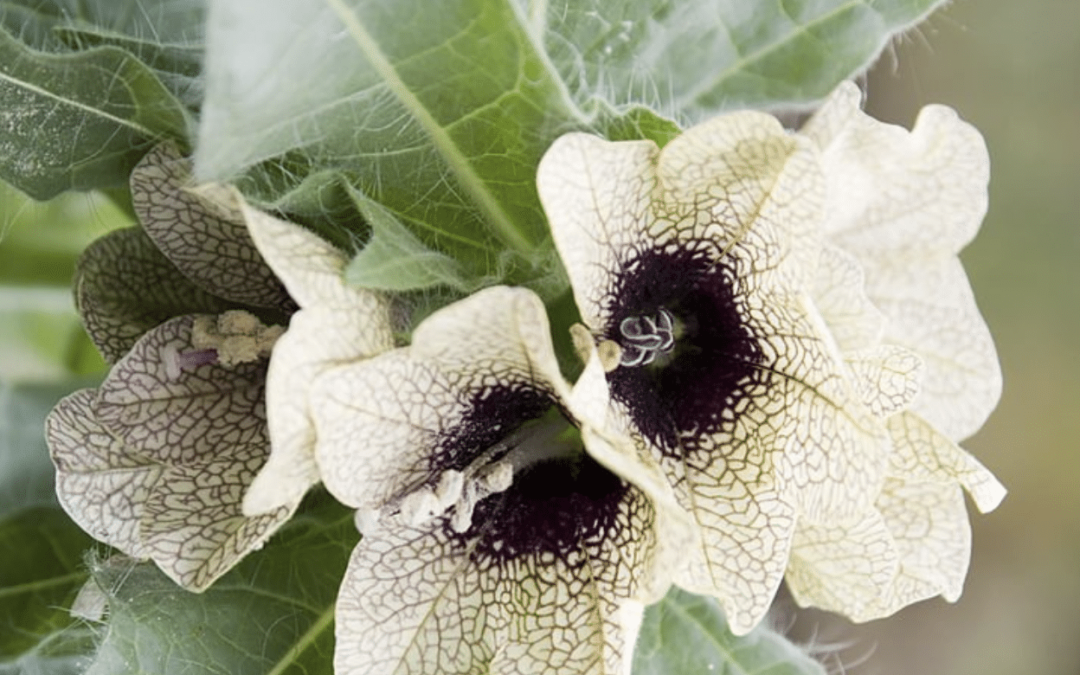
According to the World Health Organization (WHO), nearly 80% of the world’s population relies on herbal medicine for primary healthcare. Among the various plants used, the Hyoscyamus species stand out for their rich phytochemical composition. By understanding these aspects, we can better appreciate the therapeutic potential and safety considerations of using these plants in traditional and modern medicine. The findings highlight the importance of phytochemical research in validating and optimizing the use of herbal medicines for healthcare around the world. [1]
The species of pharmaceutical interest are:
Hyoscyamus albus L., which with its plant extracts was a medicine traditionally used as an anti-asthmatic and antispasmodic. It is now important for applications in anti-diabetictreatment. [2]
Hyoscyamus niger L. has a long medicinal history, used as a sedative and painkiller. It treated mental disorders, epilepsy, insomnia, neuralgia, asthma, colic, toothache, and various pains. Seed oil was applied for neuralgic, dental, and rheumatic pain. It also treated bronchitis, conjunctivitis, urinary issues, and more. Since 2016, studies have been conducted in favor of the use of crude extracts for the treatment of pathologies affecting the cardiovascular system. [2]
Hyoscyamus reticulatus L., was used in asthma, gastric ulcers, for motion sickness and in Parkinson’s disease. It was also used as mydriatic, spasmolytic, analgesic, sedative and as antidote for intoxications of many poisons. Researchers demonstrated that some extract could show antibacterial activity, but not every extraction method performed this efficacy against the most investigated human pathogens. [2]
Extraction Methods
Alkaloids
The sample preparation involves the collection and drying of the plant material (leaves, seeds, roots) which will then be ground into a very fine powder. The crude extract is obtained by dissolving the powder in an acidic aqueous solution (e.g., dilute HCl) or using Soxhlet extraction, then filtering to remove plant debris.
To proceed with the isolation of alkaloids it is necessary to adjust the pH to basic (for example with ammonia). By performing a liquid-liquid extraction with an organic (e.g., chloroform) and drying, the crude extract is obtained. It is possible to recrystallize to obtain purealkaloids.
Characterization is achieved by confirming the presence of the compounds of interest via TLC and quantifying them via HPLC or MS. Verification can be performed with structural analysis using NMR or IR.
Phenols
Sample preparation always includes collecting and drying the plant material (leaves, seeds, roots) and then grinding it into a fine powder. Extraction is performed by soaking powder in an organic solvent (e.g., methanol or ) using maceration or Soxhlet extraction, then filtering.
To remove non-phenolic compounds, the residue is dissolved in water and separated by partitioning with an organic solvent (for example ethyl acetate). Column chromatography can be used for further purification.
Characterization is achieved by confirming the presence of the compounds of interest via TLC and quantifying them via HPLC or Spectrophotometry. Verification can be performed with structural analysis using NMR or IR.
Phytochemical Composition of The Hyoscyamus Species
Herbal medicine primarily used the leaves of the plant, but also made use of the roots and seeds of the plant.
Preliminary phytochemical analysis showed that Hyoscyamus albus L. contains various chemical constituents, including alkaloids, flavonoids, tannins, terpenes, saponins, carbohydrates, cardiac glycosides, and anthraquinones. Total polyphenol content is 48.54 ± 7.82 mg GAE/g dry weight, total flavonoid content is 27.39 ± 0.87 mg rutin/g dry weight, and total alkaloid content is 1%. The majority of the isolated alkaloids were hyoscyamine (atropine) with percentages of 63.8%, 77.8%, 70.2%, 66.3%, and 80.4% found in the roots, stems, leaves, flowers, and seeds, respectively.
Scopolamine was the second most common alkaloid, with percentages of 4.2%, 9.1%, 16.6%, and 6.4% found in the same locations. The hairy roots of the plant H. albus L. were used to extract sesquiterpene-type phytoalexins, in particular these molecules are antimicrobial and often antioxidative substances synthesized by plants in response to pathogen attack or stress. They help protect plants from infections and enhance their resistance to diseases. [1]
Hyoscyamus niger L. contains 0.06–0.13% tropane alkaloids (hyoscyamine, apohyoscine, scopolamine, skimmianine, apoatropine, α-belladonnine). Root cultures show hyoscyamine at 7.8 ± 1.6 mg/g and scopolamine at 29.97 ± 0.60 mg/g. Various steroidal glycosides and saponins have been identified in seeds, along with lignanamides and non-alkaloidal compounds like hyoscyamide and β-sitosterol.
Hyoscyamus niger L. yielded a number of flavonoids when it was analyzed, including rutin and spiraeoside. The chlorogenic acid, quercetin-3O-glucosiderhamnoside-rhamnoside (QGRR), and rutin in H. niger L. leaves were found at concentrations between 0.4 and 0.0, and 9.2 and 0.5 mg/g, respectively. In the epicalyxes, they measured 3.5±0.4 mg/g dry weight. [1]
Hyoscyamus reticulatus L. contains high levels of the tropane alkaloids hyoscyamine (0.031-0.056% dry weight) and scopolamine (0.011-0.015% dry weight):
A titration of Iranian samples yielded a hyoscyamine concentration of 0.031% and a scopolamine concentration of 0.025%. [3]
Turkish leaves had 0.011-0.027% total alkaloids, with leaves containing the highest and stems the lowest. [4]
Ten tropane alkaloids were identified in vitro, including hyoscyamine and scopolamine. Total phenolics were 15.86 mg GAE/g in hexane extracts and 24.25 mg GAE/g in water extracts. The leaves had chlorogenic acid (3.4 mg/g), quercetin-3O-glucoside-rhamnoside (19.9 mg/g), and rutin (8.9 mg/g). [1]
Alkaloid synthesis can be modulated by external factors such as light, heat, altitude, soil structure, and nitrogen content in soil or herbicide applications. It has been reported that there is a negative correlation between soil pH and tropane alkaloids, meaning that the lower the pH, the lower the concentrations of alkaloids produced. In fact, pH increases with nutritional elements very often used in chemical fertilization such as Ca, N, K and P. [5]
Therapeutic Application in Recent Studies
Hyoscyamus species exhibit diverse pharmacological effects.
Anti-Diabetic Effects
Researchers in 2023 analyzed Hyoscyamus albus L. ethanolic leaves extract and identified 18 distinct phenolic compounds. Among these, p-coumaric acid (6656.8 ± 3.4 µg/g), gallic acid (6516 ± 1.7 µg/g), luteolin (6251.9 ± 1.3 µg/g), apigenin (6209.9 ± 1.1 µg/g), and rutin (5213.9 ± 1.3 µg/g) were identified as the most abundant polyphenolic molecules. In the in vitro antidiabetic experiment, the ability of the plant extract to inhibit α-glucosidase and α-amylase activities was examined.
The results indicated that the extract exhibited a higher inhibitory effect on α-amylase compared to α-glucosidase. Additionally, rutin, kaempferol, and quercetin, known for their anti-inflammatory properties, were found in relatively high concentrations in H. albus, suggesting its potential for mitigating and treating chronic human conditions. [6]
Docking simulations revealed that luteolin, fisetin, and rutin exhibited the most promising inhibitory activity against both enzymes, as indicated by their high contrasting inhibition scores. Phenols have been shown to reduce blood glucose levels through various mechanisms, including the downregulation of carbohydrate digestion and intestinal glucose uptake, activation of pancreatic insulin production, stimulation of hepatic glucose release, and facilitation of glucose assimilation in insulin-sensitive tissues. [6]
To further investigate the in vivo antidiabetic effects, an experiment was conducted using induced diabetic mice. The results demonstrated that the plant extract effectively reduced the levels of cholesterol and triglycerides. These findings suggest that H. albus L. may have therapeutic potential for managing hyperlipidemia, a common complication associated with diabetes. This highlights its potential as a natural remedy for diabetes and related conditions. [6]
Cardiovascular Effects
Scholars in 2016 concluded that Hyoscyamus niger L. crude extract caused a dose-dependent fall in the arterial blood pressure of rats under anesthesia. In guinea-pig atria, exhibited a cardiac depressant effect on the rate and force of spontaneous atrial contractions. The cardioprotective activity of the crude powder of the H. niger L. was studied in rats. Many biochemical parameters were evaluated to assess the cardioprotective effect of crude powder extracts in isoproterenol induced myocardial injury. When administered orally for 30 days, the crude powder of H. niger L. aqueous suspension was effective in protecting the heart of rats from isoproterenol-induced lipid oxidation and activation of antioxidant enzymes. [7]
Antimicrobial Activity
Researchers in 2020 determined the antimicrobial activity of the ethyl alcohol seed extract obtained from H. reticulatus L. against some Gram-positive and Gram-negative bacteria and to perform elemental chemical analysis of the seed contents of H. reticulatus by the XRF method. X-ray fluorescence is a non-destructive analytical technique used to determine the elemental composition of materials.
The seeds were ground and prepared for analysis. Standard strains of Salmonella enteritidis, Escherichia coli, Pseudomonas aeruginosa, Staphylococcus aureus, and Yersinia enterocolitica were used to determine the antimicrobial effects of the ethyl alcohol seed extract. The results showed that the ethyl alcohol extract of H. reticulatus seeds used in this study had no antibacterial effects. [8]
However, other authors reported that the alkaloids extracted from the flowers, stems, and roots of H. reticulatus L. and H. niger L. had a strong antimicrobial effect. [8] And even other researchers stated in their study that the methanol extract of the aboveground parts of H. reticulatus had antibacterial activity. [9]
Therefore, it can be said in the first reported study that the antibacterial active substances in H. reticulatus L. seed have not been revealed due to the extraction method or solvent. Appropriate extraction methods can be investigated by determining the active ingredients responsible for the activity in the extract. [5]
References:
Bonde, Atul Ramesh, and Rukhsana Mahiboob Pinjari. “Therapeutic Importance of Hyoscyamus Species-A Review.” (2023)
Al-Snafi, Ali Esmail. “Therapeutic importance of Hyoscyamus species grown in Iraq (Hyoscyamus albus, Hyoscyamus niger and Hyoscyamus reticulates)-A Review.” IOSR Journal of Pharmacy 8.6 (2018)
Souri E, Amin G, Dehmobed-Sharifabadi A, Nazifi A and Farsam H. Antioxidative activity of sixty plants from Iran. Iranian Journal of Pharmaceutical Research. (2004)
Kartal M, Kurucu S, Altun L, Ceyhan T, Sayar E, Cevheroglu S and Yetkin Y. Quantitative analysis of lhyoscyamine in Hyoscyamus reticulatus L by GC-MS. Turk J Chem. (2003)
Akbaş, Perihan, et al. “Determination of the content of Hyoscyamus reticulatus seeds by XRF method and antibacterial characteristics of ethyl alcohol extract.” Eskişehir Technical University Journal of Science and Technology A-Applied Sciences and Engineering 21.1 (2020)
Lekmine, Sabrina, et al. “LC/MS-MS analysis of phenolic compounds in Hyoscyamus albus L. extract: In vitro antidiabetic activity, in silico molecular docking, and in vivo investigation against STZ-induced diabetic mice.” Pharmaceuticals 16.7 (2023)
Vallabi DE and Elango V. Preliminary studies on cardio protective effect of Hyoscyamus niger Linn in male albino rats. Journal of Chemical and Pharmaceutical Research (2016).
Chalabian F, Majd A, Mehrabian Saeid, Falahian F. A Study Of Growth Inhibitory Effect of Alkaloids of Two Species of Genus Hyoscyamus on Some Kinds Of Microbes of Skin (2002)
Bazzaz BS, & Haririzadeh G. Screening of Iranian plants for antimicrobial activity, Pharmaceutical Biology (2003)
According to the World Health Organization (WHO), nearly 80% of the world’s population relies on herbal medicine for primary healthcare. Among the various plants used, the Hyoscyamus species stand out for their rich phytochemical composition. By understanding these aspects, we can better appreciate the therapeutic potential and safety considerations of using these plants in traditional and modern medicine. The findings highlight the importance of phytochemical research in validating and optimizing the use of herbal medicines for healthcare around the world. [1]
The species of pharmaceutical interest are:
Hyoscyamus albus L., which with its plant extracts was a medicine traditionally used as an anti-asthmatic and antispasmodic. It is now important for applications in anti-diabetictreatment. [2]
Hyoscyamus niger L. has a long medicinal history, used as a sedative and painkiller. It treated mental disorders, epilepsy, insomnia, neuralgia, asthma, colic, toothache, and various pains. Seed oil was applied for neuralgic, dental, and rheumatic pain. It also treated bronchitis, conjunctivitis, urinary issues, and more. Since 2016, studies have been conducted in favor of the use of crude extracts for the treatment of pathologies affecting the cardiovascular system. [2]
Hyoscyamus reticulatus L., was used in asthma, gastric ulcers, for motion sickness and in Parkinson’s disease. It was also used as mydriatic, spasmolytic, analgesic, sedative and as antidote for intoxications of many poisons. Researchers demonstrated that some extract could show antibacterial activity, but not every extraction method performed this efficacy against the most investigated human pathogens. [2]
Extraction Methods
Alkaloids
The sample preparation involves the collection and drying of the plant material (leaves, seeds, roots) which will then be ground into a very fine powder. The crude extract is obtained by dissolving the powder in an acidic aqueous solution (e.g., dilute HCl) or using Soxhlet extraction, then filtering to remove plant debris.
To proceed with the isolation of alkaloids it is necessary to adjust the pH to basic (for example with ammonia). By performing a liquid-liquid extraction with an organic (e.g., chloroform) and drying, the crude extract is obtained. It is possible to recrystallize to obtain purealkaloids.
Characterization is achieved by confirming the presence of the compounds of interest via TLC and quantifying them via HPLC or MS. Verification can be performed with structural analysis using NMR or IR.
Phenols
Sample preparation always includes collecting and drying the plant material (leaves, seeds, roots) and then grinding it into a fine powder. Extraction is performed by soaking powder in an organic solvent (e.g., methanol or ) using maceration or Soxhlet extraction, then filtering.
To remove non-phenolic compounds, the residue is dissolved in water and separated by partitioning with an organic solvent (for example ethyl acetate). Column chromatography can be used for further purification.
Characterization is achieved by confirming the presence of the compounds of interest via TLC and quantifying them via HPLC or Spectrophotometry. Verification can be performed with structural analysis using NMR or IR.
Phytochemical Composition of The Hyoscyamus Species
Herbal medicine primarily used the leaves of the plant, but also made use of the roots and seeds of the plant.
Preliminary phytochemical analysis showed that Hyoscyamus albus L. contains various chemical constituents, including alkaloids, flavonoids, tannins, terpenes, saponins, carbohydrates, cardiac glycosides, and anthraquinones. Total polyphenol content is 48.54 ± 7.82 mg GAE/g dry weight, total flavonoid content is 27.39 ± 0.87 mg rutin/g dry weight, and total alkaloid content is 1%. The majority of the isolated alkaloids were hyoscyamine (atropine) with percentages of 63.8%, 77.8%, 70.2%, 66.3%, and 80.4% found in the roots, stems, leaves, flowers, and seeds, respectively.
Scopolamine was the second most common alkaloid, with percentages of 4.2%, 9.1%, 16.6%, and 6.4% found in the same locations. The hairy roots of the plant H. albus L. were used to extract sesquiterpene-type phytoalexins, in particular these molecules are antimicrobial and often antioxidative substances synthesized by plants in response to pathogen attack or stress. They help protect plants from infections and enhance their resistance to diseases. [1]
Hyoscyamus niger L. contains 0.06–0.13% tropane alkaloids (hyoscyamine, apohyoscine, scopolamine, skimmianine, apoatropine, α-belladonnine). Root cultures show hyoscyamine at 7.8 ± 1.6 mg/g and scopolamine at 29.97 ± 0.60 mg/g. Various steroidal glycosides and saponins have been identified in seeds, along with lignanamides and non-alkaloidal compounds like hyoscyamide and β-sitosterol.
Hyoscyamus niger L. yielded a number of flavonoids when it was analyzed, including rutin and spiraeoside. The chlorogenic acid, quercetin-3O-glucosiderhamnoside-rhamnoside (QGRR), and rutin in H. niger L. leaves were found at concentrations between 0.4 and 0.0, and 9.2 and 0.5 mg/g, respectively. In the epicalyxes, they measured 3.5±0.4 mg/g dry weight. [1]
Hyoscyamus reticulatus L. contains high levels of the tropane alkaloids hyoscyamine (0.031-0.056% dry weight) and scopolamine (0.011-0.015% dry weight):
A titration of Iranian samples yielded a hyoscyamine concentration of 0.031% and a scopolamine concentration of 0.025%. [3]
Turkish leaves had 0.011-0.027% total alkaloids, with leaves containing the highest and stems the lowest. [4]
Ten tropane alkaloids were identified in vitro, including hyoscyamine and scopolamine. Total phenolics were 15.86 mg GAE/g in hexane extracts and 24.25 mg GAE/g in water extracts. The leaves had chlorogenic acid (3.4 mg/g), quercetin-3O-glucoside-rhamnoside (19.9 mg/g), and rutin (8.9 mg/g). [1]
Alkaloid synthesis can be modulated by external factors such as light, heat, altitude, soil structure, and nitrogen content in soil or herbicide applications. It has been reported that there is a negative correlation between soil pH and tropane alkaloids, meaning that the lower the pH, the lower the concentrations of alkaloids produced. In fact, pH increases with nutritional elements very often used in chemical fertilization such as Ca, N, K and P. [5]
Therapeutic Application in Recent Studies
Hyoscyamus species exhibit diverse pharmacological effects.
Anti-Diabetic Effects
Researchers in 2023 analyzed Hyoscyamus albus L. ethanolic leaves extract and identified 18 distinct phenolic compounds. Among these, p-coumaric acid (6656.8 ± 3.4 µg/g), gallic acid (6516 ± 1.7 µg/g), luteolin (6251.9 ± 1.3 µg/g), apigenin (6209.9 ± 1.1 µg/g), and rutin (5213.9 ± 1.3 µg/g) were identified as the most abundant polyphenolic molecules. In the in vitro antidiabetic experiment, the ability of the plant extract to inhibit α-glucosidase and α-amylase activities was examined.
The results indicated that the extract exhibited a higher inhibitory effect on α-amylase compared to α-glucosidase. Additionally, rutin, kaempferol, and quercetin, known for their anti-inflammatory properties, were found in relatively high concentrations in H. albus, suggesting its potential for mitigating and treating chronic human conditions. [6]
Docking simulations revealed that luteolin, fisetin, and rutin exhibited the most promising inhibitory activity against both enzymes, as indicated by their high contrasting inhibition scores. Phenols have been shown to reduce blood glucose levels through various mechanisms, including the downregulation of carbohydrate digestion and intestinal glucose uptake, activation of pancreatic insulin production, stimulation of hepatic glucose release, and facilitation of glucose assimilation in insulin-sensitive tissues. [6]
To further investigate the in vivo antidiabetic effects, an experiment was conducted using induced diabetic mice. The results demonstrated that the plant extract effectively reduced the levels of cholesterol and triglycerides. These findings suggest that H. albus L. may have therapeutic potential for managing hyperlipidemia, a common complication associated with diabetes. This highlights its potential as a natural remedy for diabetes and related conditions. [6]
Cardiovascular Effects
Scholars in 2016 concluded that Hyoscyamus niger L. crude extract caused a dose-dependent fall in the arterial blood pressure of rats under anesthesia. In guinea-pig atria, exhibited a cardiac depressant effect on the rate and force of spontaneous atrial contractions. The cardioprotective activity of the crude powder of the H. niger L. was studied in rats. Many biochemical parameters were evaluated to assess the cardioprotective effect of crude powder extracts in isoproterenol induced myocardial injury. When administered orally for 30 days, the crude powder of H. niger L. aqueous suspension was effective in protecting the heart of rats from isoproterenol-induced lipid oxidation and activation of antioxidant enzymes. [7]
Antimicrobial Activity
Researchers in 2020 determined the antimicrobial activity of the ethyl alcohol seed extract obtained from H. reticulatus L. against some Gram-positive and Gram-negative bacteria and to perform elemental chemical analysis of the seed contents of H. reticulatus by the XRF method. X-ray fluorescence is a non-destructive analytical technique used to determine the elemental composition of materials.
The seeds were ground and prepared for analysis. Standard strains of Salmonella enteritidis, Escherichia coli, Pseudomonas aeruginosa, Staphylococcus aureus, and Yersinia enterocolitica were used to determine the antimicrobial effects of the ethyl alcohol seed extract. The results showed that the ethyl alcohol extract of H. reticulatus seeds used in this study had no antibacterial effects. [8]
However, other authors reported that the alkaloids extracted from the flowers, stems, and roots of H. reticulatus L. and H. niger L. had a strong antimicrobial effect. [8] And even other researchers stated in their study that the methanol extract of the aboveground parts of H. reticulatus had antibacterial activity. [9]
Therefore, it can be said in the first reported study that the antibacterial active substances in H. reticulatus L. seed have not been revealed due to the extraction method or solvent. Appropriate extraction methods can be investigated by determining the active ingredients responsible for the activity in the extract. [5]
References:
Bonde, Atul Ramesh, and Rukhsana Mahiboob Pinjari. “Therapeutic Importance of Hyoscyamus Species-A Review.” (2023)
Al-Snafi, Ali Esmail. “Therapeutic importance of Hyoscyamus species grown in Iraq (Hyoscyamus albus, Hyoscyamus niger and Hyoscyamus reticulates)-A Review.” IOSR Journal of Pharmacy 8.6 (2018)
Souri E, Amin G, Dehmobed-Sharifabadi A, Nazifi A and Farsam H. Antioxidative activity of sixty plants from Iran. Iranian Journal of Pharmaceutical Research. (2004)
Kartal M, Kurucu S, Altun L, Ceyhan T, Sayar E, Cevheroglu S and Yetkin Y. Quantitative analysis of lhyoscyamine in Hyoscyamus reticulatus L by GC-MS. Turk J Chem. (2003)
Akbaş, Perihan, et al. “Determination of the content of Hyoscyamus reticulatus seeds by XRF method and antibacterial characteristics of ethyl alcohol extract.” Eskişehir Technical University Journal of Science and Technology A-Applied Sciences and Engineering 21.1 (2020)
Lekmine, Sabrina, et al. “LC/MS-MS analysis of phenolic compounds in Hyoscyamus albus L. extract: In vitro antidiabetic activity, in silico molecular docking, and in vivo investigation against STZ-induced diabetic mice.” Pharmaceuticals 16.7 (2023)
Vallabi DE and Elango V. Preliminary studies on cardio protective effect of Hyoscyamus niger Linn in male albino rats. Journal of Chemical and Pharmaceutical Research (2016).
Chalabian F, Majd A, Mehrabian Saeid, Falahian F. A Study Of Growth Inhibitory Effect of Alkaloids of Two Species of Genus Hyoscyamus on Some Kinds Of Microbes of Skin (2002)
Bazzaz BS, & Haririzadeh G. Screening of Iranian plants for antimicrobial activity, Pharmaceutical Biology (2003)
According to the World Health Organization (WHO), nearly 80% of the world’s population relies on herbal medicine for primary healthcare. Among the various plants used, the Hyoscyamus species stand out for their rich phytochemical composition. By understanding these aspects, we can better appreciate the therapeutic potential and safety considerations of using these plants in traditional and modern medicine. The findings highlight the importance of phytochemical research in validating and optimizing the use of herbal medicines for healthcare around the world. [1]
The species of pharmaceutical interest are:
Hyoscyamus albus L., which with its plant extracts was a medicine traditionally used as an anti-asthmatic and antispasmodic. It is now important for applications in anti-diabetictreatment. [2]
Hyoscyamus niger L. has a long medicinal history, used as a sedative and painkiller. It treated mental disorders, epilepsy, insomnia, neuralgia, asthma, colic, toothache, and various pains. Seed oil was applied for neuralgic, dental, and rheumatic pain. It also treated bronchitis, conjunctivitis, urinary issues, and more. Since 2016, studies have been conducted in favor of the use of crude extracts for the treatment of pathologies affecting the cardiovascular system. [2]
Hyoscyamus reticulatus L., was used in asthma, gastric ulcers, for motion sickness and in Parkinson’s disease. It was also used as mydriatic, spasmolytic, analgesic, sedative and as antidote for intoxications of many poisons. Researchers demonstrated that some extract could show antibacterial activity, but not every extraction method performed this efficacy against the most investigated human pathogens. [2]
Extraction Methods
Alkaloids
The sample preparation involves the collection and drying of the plant material (leaves, seeds, roots) which will then be ground into a very fine powder. The crude extract is obtained by dissolving the powder in an acidic aqueous solution (e.g., dilute HCl) or using Soxhlet extraction, then filtering to remove plant debris.
To proceed with the isolation of alkaloids it is necessary to adjust the pH to basic (for example with ammonia). By performing a liquid-liquid extraction with an organic (e.g., chloroform) and drying, the crude extract is obtained. It is possible to recrystallize to obtain purealkaloids.
Characterization is achieved by confirming the presence of the compounds of interest via TLC and quantifying them via HPLC or MS. Verification can be performed with structural analysis using NMR or IR.
Phenols
Sample preparation always includes collecting and drying the plant material (leaves, seeds, roots) and then grinding it into a fine powder. Extraction is performed by soaking powder in an organic solvent (e.g., methanol or ) using maceration or Soxhlet extraction, then filtering.
To remove non-phenolic compounds, the residue is dissolved in water and separated by partitioning with an organic solvent (for example ethyl acetate). Column chromatography can be used for further purification.
Characterization is achieved by confirming the presence of the compounds of interest via TLC and quantifying them via HPLC or Spectrophotometry. Verification can be performed with structural analysis using NMR or IR.
Phytochemical Composition of The Hyoscyamus Species
Herbal medicine primarily used the leaves of the plant, but also made use of the roots and seeds of the plant.
Preliminary phytochemical analysis showed that Hyoscyamus albus L. contains various chemical constituents, including alkaloids, flavonoids, tannins, terpenes, saponins, carbohydrates, cardiac glycosides, and anthraquinones. Total polyphenol content is 48.54 ± 7.82 mg GAE/g dry weight, total flavonoid content is 27.39 ± 0.87 mg rutin/g dry weight, and total alkaloid content is 1%. The majority of the isolated alkaloids were hyoscyamine (atropine) with percentages of 63.8%, 77.8%, 70.2%, 66.3%, and 80.4% found in the roots, stems, leaves, flowers, and seeds, respectively.
Scopolamine was the second most common alkaloid, with percentages of 4.2%, 9.1%, 16.6%, and 6.4% found in the same locations. The hairy roots of the plant H. albus L. were used to extract sesquiterpene-type phytoalexins, in particular these molecules are antimicrobial and often antioxidative substances synthesized by plants in response to pathogen attack or stress. They help protect plants from infections and enhance their resistance to diseases. [1]
Hyoscyamus niger L. contains 0.06–0.13% tropane alkaloids (hyoscyamine, apohyoscine, scopolamine, skimmianine, apoatropine, α-belladonnine). Root cultures show hyoscyamine at 7.8 ± 1.6 mg/g and scopolamine at 29.97 ± 0.60 mg/g. Various steroidal glycosides and saponins have been identified in seeds, along with lignanamides and non-alkaloidal compounds like hyoscyamide and β-sitosterol.
Hyoscyamus niger L. yielded a number of flavonoids when it was analyzed, including rutin and spiraeoside. The chlorogenic acid, quercetin-3O-glucosiderhamnoside-rhamnoside (QGRR), and rutin in H. niger L. leaves were found at concentrations between 0.4 and 0.0, and 9.2 and 0.5 mg/g, respectively. In the epicalyxes, they measured 3.5±0.4 mg/g dry weight. [1]
Hyoscyamus reticulatus L. contains high levels of the tropane alkaloids hyoscyamine (0.031-0.056% dry weight) and scopolamine (0.011-0.015% dry weight):
A titration of Iranian samples yielded a hyoscyamine concentration of 0.031% and a scopolamine concentration of 0.025%. [3]
Turkish leaves had 0.011-0.027% total alkaloids, with leaves containing the highest and stems the lowest. [4]
Ten tropane alkaloids were identified in vitro, including hyoscyamine and scopolamine. Total phenolics were 15.86 mg GAE/g in hexane extracts and 24.25 mg GAE/g in water extracts. The leaves had chlorogenic acid (3.4 mg/g), quercetin-3O-glucoside-rhamnoside (19.9 mg/g), and rutin (8.9 mg/g). [1]
Alkaloid synthesis can be modulated by external factors such as light, heat, altitude, soil structure, and nitrogen content in soil or herbicide applications. It has been reported that there is a negative correlation between soil pH and tropane alkaloids, meaning that the lower the pH, the lower the concentrations of alkaloids produced. In fact, pH increases with nutritional elements very often used in chemical fertilization such as Ca, N, K and P. [5]
Therapeutic Application in Recent Studies
Hyoscyamus species exhibit diverse pharmacological effects.
Anti-Diabetic Effects
Researchers in 2023 analyzed Hyoscyamus albus L. ethanolic leaves extract and identified 18 distinct phenolic compounds. Among these, p-coumaric acid (6656.8 ± 3.4 µg/g), gallic acid (6516 ± 1.7 µg/g), luteolin (6251.9 ± 1.3 µg/g), apigenin (6209.9 ± 1.1 µg/g), and rutin (5213.9 ± 1.3 µg/g) were identified as the most abundant polyphenolic molecules. In the in vitro antidiabetic experiment, the ability of the plant extract to inhibit α-glucosidase and α-amylase activities was examined.
The results indicated that the extract exhibited a higher inhibitory effect on α-amylase compared to α-glucosidase. Additionally, rutin, kaempferol, and quercetin, known for their anti-inflammatory properties, were found in relatively high concentrations in H. albus, suggesting its potential for mitigating and treating chronic human conditions. [6]
Docking simulations revealed that luteolin, fisetin, and rutin exhibited the most promising inhibitory activity against both enzymes, as indicated by their high contrasting inhibition scores. Phenols have been shown to reduce blood glucose levels through various mechanisms, including the downregulation of carbohydrate digestion and intestinal glucose uptake, activation of pancreatic insulin production, stimulation of hepatic glucose release, and facilitation of glucose assimilation in insulin-sensitive tissues. [6]
To further investigate the in vivo antidiabetic effects, an experiment was conducted using induced diabetic mice. The results demonstrated that the plant extract effectively reduced the levels of cholesterol and triglycerides. These findings suggest that H. albus L. may have therapeutic potential for managing hyperlipidemia, a common complication associated with diabetes. This highlights its potential as a natural remedy for diabetes and related conditions. [6]
Cardiovascular Effects
Scholars in 2016 concluded that Hyoscyamus niger L. crude extract caused a dose-dependent fall in the arterial blood pressure of rats under anesthesia. In guinea-pig atria, exhibited a cardiac depressant effect on the rate and force of spontaneous atrial contractions. The cardioprotective activity of the crude powder of the H. niger L. was studied in rats. Many biochemical parameters were evaluated to assess the cardioprotective effect of crude powder extracts in isoproterenol induced myocardial injury. When administered orally for 30 days, the crude powder of H. niger L. aqueous suspension was effective in protecting the heart of rats from isoproterenol-induced lipid oxidation and activation of antioxidant enzymes. [7]
Antimicrobial Activity
Researchers in 2020 determined the antimicrobial activity of the ethyl alcohol seed extract obtained from H. reticulatus L. against some Gram-positive and Gram-negative bacteria and to perform elemental chemical analysis of the seed contents of H. reticulatus by the XRF method. X-ray fluorescence is a non-destructive analytical technique used to determine the elemental composition of materials.
The seeds were ground and prepared for analysis. Standard strains of Salmonella enteritidis, Escherichia coli, Pseudomonas aeruginosa, Staphylococcus aureus, and Yersinia enterocolitica were used to determine the antimicrobial effects of the ethyl alcohol seed extract. The results showed that the ethyl alcohol extract of H. reticulatus seeds used in this study had no antibacterial effects. [8]
However, other authors reported that the alkaloids extracted from the flowers, stems, and roots of H. reticulatus L. and H. niger L. had a strong antimicrobial effect. [8] And even other researchers stated in their study that the methanol extract of the aboveground parts of H. reticulatus had antibacterial activity. [9]
Therefore, it can be said in the first reported study that the antibacterial active substances in H. reticulatus L. seed have not been revealed due to the extraction method or solvent. Appropriate extraction methods can be investigated by determining the active ingredients responsible for the activity in the extract. [5]
References:
Bonde, Atul Ramesh, and Rukhsana Mahiboob Pinjari. “Therapeutic Importance of Hyoscyamus Species-A Review.” (2023)
Al-Snafi, Ali Esmail. “Therapeutic importance of Hyoscyamus species grown in Iraq (Hyoscyamus albus, Hyoscyamus niger and Hyoscyamus reticulates)-A Review.” IOSR Journal of Pharmacy 8.6 (2018)
Souri E, Amin G, Dehmobed-Sharifabadi A, Nazifi A and Farsam H. Antioxidative activity of sixty plants from Iran. Iranian Journal of Pharmaceutical Research. (2004)
Kartal M, Kurucu S, Altun L, Ceyhan T, Sayar E, Cevheroglu S and Yetkin Y. Quantitative analysis of lhyoscyamine in Hyoscyamus reticulatus L by GC-MS. Turk J Chem. (2003)
Akbaş, Perihan, et al. “Determination of the content of Hyoscyamus reticulatus seeds by XRF method and antibacterial characteristics of ethyl alcohol extract.” Eskişehir Technical University Journal of Science and Technology A-Applied Sciences and Engineering 21.1 (2020)
Lekmine, Sabrina, et al. “LC/MS-MS analysis of phenolic compounds in Hyoscyamus albus L. extract: In vitro antidiabetic activity, in silico molecular docking, and in vivo investigation against STZ-induced diabetic mice.” Pharmaceuticals 16.7 (2023)
Vallabi DE and Elango V. Preliminary studies on cardio protective effect of Hyoscyamus niger Linn in male albino rats. Journal of Chemical and Pharmaceutical Research (2016).
Chalabian F, Majd A, Mehrabian Saeid, Falahian F. A Study Of Growth Inhibitory Effect of Alkaloids of Two Species of Genus Hyoscyamus on Some Kinds Of Microbes of Skin (2002)
Bazzaz BS, & Haririzadeh G. Screening of Iranian plants for antimicrobial activity, Pharmaceutical Biology (2003)







Recent Comments