Toronto – To further enable a vibrant cannabis marketplace, the Ontario Cannabis Store (OCS) announced today that it will reduce its payment processing timelines for Flow-Through products.
The OCS’s standard payment term for Licensed Producers is up to 60 days. Effective immediately, the OCS is adjusting its internal service standards in an effort to pay Licensed Producers for Flow-Through products more expediently, at approximately 15 days, where possible.
With quicker access to cash, this change is expected to better support Licensed Producers in their operations and result in more consistency in Flow-Through supply for Ontario’s Authorized Cannabis Store network. This move builds on earlier changes made by the OCS to improve its internal service standards for suppliers to 40 days for Stocked products and 30 days for Flow-Through products, where possible.
The OCS remains committed to providing best-in-class wholesale capabilities and working with Licensed Producers and retailers to provide a seamless experience rooted in selection, service, and quality-for-price.
Advertisement
About Flow-Through Flow-Through is an OCS distribution model that offers retailers an expanded catalogue of wholesale-exclusive items that are not stocked in the OCS Distribution Centre. Flow-Through orders ship from the Licensed Producer and “flow through” the OCS Distribution Centre to the retailer. This channel enables Ontario’s authorized cannabis stores to stock unique and seasonal innovations based on real demand and provides Licensed Producers with the ability to list more products with the OCS.
Thanks to our sponsors for supporting StratCann’s work!
A reported explosion and fire at a cannabis facility near London, Ontario, took over an hour to get under control the night of Monday, June 8, reports the London Fire Department.
According to local media, the London Fire Department was on scene around 7:30 PM, responding to the active incident. The Ontario Fire Marshal’s office has been called to investigate.
The cause is unknown at this point in the investigation, but CTV reports damages are over $1 million. A company representative tells StratCann that everyone is okay and that they expect to release an official statement in the coming days.
StratCann will provide more information on this story as it evolves.
Active Incident – Mutual Aid – Thames Centre – Structure Fire – Evelyn Dr.
LFD on scene assisting Thames Centre with a structure fire involving a cannabis growing facility. Truck 7 deployed for aerial operations. #ldnontpic.twitter.com/hnIYUTDFyU
— London Fire Department (@LdnOntFire) July 9, 2024
Insight & News
Browse Categories
Thanks to our sponsors supporting StratCann’s work!
Recent Articles
Are you of legal age in your jurisdiction? By clicking “Enter” you are verifying you are of legal age to view the content of this website, or click “Exit” to leave.
(CNW) Calgary — SNDL Inc. has completed the acquisition of the principal indebtedness of Delta 9 Cannabis Inc. from Connect First and Servus Credit Union Ltd. for a purchase price of CAD $28,138,284 pursuant to a purchase and sale of indebtedness agreement dated July 5, 2024.
As a result of the Debt Acquisition, SNDL has become Delta 9’s senior secured creditor with a first priority security interest in all of the assets of Delta 9 and certain Delta 9 subsidiaries. The purchased indebtedness brings Delta 9’s total indebtedness owing to SNDL to CAD $40,653,352.
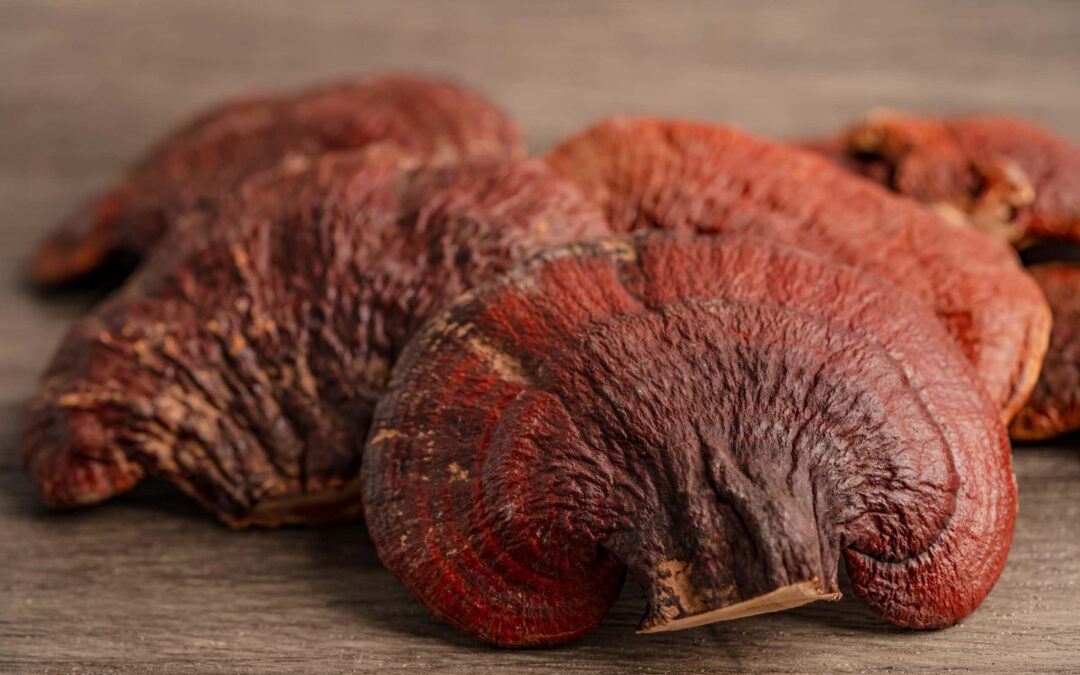
Over the last 30 years, mushrooms have exploded in popularity across the world. [1] In 1997, the average person consumed 1 kilogram of mushrooms per year, today the average is 4.7 kilograms. This constitutes a 30x increase in three decades, with more than 34 million metric tonnes of mushrooms sold across the world every year. This is especially true in Asia, where 82.8% of mushrooms were produced as of 2020. [2] A major reason for this is that multiple Asian cultures value mushrooms as both a food source and as a powerful medicine in traditional healing remedies. While the taste of mushrooms is evident, new research is identifying exactly how these fungi improve health.
The primary theory resides in the fact that in addition to multiple active ingredients, mushrooms also help to optimize various bodily functions through secondary metabolites. [3] The compounds within mushrooms help our bodies to work more efficiently, leading to an overall increase in health and well being. One of the best examples of this is one of the most ubiquitous mushrooms in Asia, the Ganoderma lucidum L.. In China, it is referred to as “Lingzhi,” in Korea “Youngzhi,” and, most commonly, “Reishi” in Japan. Thanks to the biological and therapeutic benefits unique to this fungus, combined with their bioavailability, reishi mushrooms have some of the highest potential in the growing medicinal food supplement market.
Primary Medicinal Ingredients of Reishi Fungus
Most mushrooms are 90% water by weight, so all other special ingredients are found in the remaining 10%. Within that 10% for reishi mushrooms is a healthy mix of approximately 1.8% ash, 26–28% carbohydrate, 3–5% crude fat, 59% crude fiber, and 7–8% crude proteins, providing most of what the body needs in a single plant. [4] Beyond the complex variety of nutrients, though, are the medicinal compounds.
There are more than 400 active compounds in reishi mushrooms, but the three most significant are polysaccharides, peptidoglycans, and triterpenes. [5] The ratios between these three materials depend on a few variables present during the fungus cultivation, including things like region, soil composition, and growth techniques. That being said, each compound demonstrates specific and quantifiable medical benefits.
Polysaccharides are some of the most heavily researched at the moment, having demonstrated benefits like immunomodulatory, antioxidant, antitumor, antiviral, anti-carcinogenic, and anti-inflammatory activities. [6] These compounds can be found throughout mushroom botanical material, and traditionally are extracted by boiling them in water and then precipitating them with either or methanol. Research is only getting started, but mushroom sourced polysaccharides are already being used in over-the-counter medications to treat cancer and liver diseases.
Peptidoglycansare important macromolecules that form a cytoplasmic membrane around crucial bacteria in the body. [7] Basically, they serve as a shield that helps protect bacteria thus allowing them to perform their functions better in the body. This also includes protection during the bacterial reproduction cycle, which can minimize bacterial mutation and may ensure healthy growth going forward. This is the key to the secondary benefits, but data indicates it may help with circulation, digestion, and immunity. Consuming reishi mushrooms protects the body’s microbiome.
Finally, triterpenes are a class of terpenes which can provide both flavor and medical benefits to organic plant material. [8] In the case of triterpenes from reishi mushrooms, these compounds have been specifically tied to both anti-cancer and anti-diabetic effects. Combining this with the polysaccharides, this means that reishi fungus can potentially help to treat cancer in multiple ways, while also benefiting other organs like the liver and the pancreas.
Research is still ongoing, though, so it may be difficult to isolate how much triterpenes help compared to polysaccharides. With this in mind, researchers are optimistic as they have already managed to classify more than 100 distinct triterpenes in reishi mushrooms, of which at least 50 are new and exclusively found in this fungus. [9] This means that with increased discoveries, recognized medical benefits may also expand.
Major Medical Benefits of Reishi Mushrooms
Reishi mushrooms have more than 2000 years of medicinal use, but it is only recently that scientists have been able to prove the benefits associated with them. [10] Both polysaccharides and triterpenes serve as anti-cancer agents, but the way each one works against the cancer differs slightly. [11] Both can stop the spread of cancer, but polysaccharides do so through tumor apoptosis, limiting tumor angiogenesis, and scavenging for free radicals. This means they attack tumors that already exist, not only stopping their growth, but actively shrinking them.
Combining this with the search for free radicals, polysaccharides work like cancer hunters in the body. By contrast, triterpenes don’t attack the cancer directly, instead they block the signals targets within cancer cells that indicate the need for them to reproduce. This stops new cancer from forming, and may prevent its spread throughout the body. This means in the fight against cancer, triterpenes play defense by stopping cancer from growing and polysaccharides play offense by killing existing cancer cells. Together, they both combine into an effective natural remedy to augment cancer treatments, though it is difficult to determine which is more effective as they both work in tandem.
Beyond cancer, these compounds have been shown to help multiple internal organs.[12] Polysaccharides can help the liver by clearing intestinal blockages, regulating fat metabolism, relieving oxidation and inflammation, and lowering insulin resistance. [13] Speaking of insulin, triterpenes can be useful in treating diabetes by helping to regulate glucose metabolism and prevent insulin resistance.[14] All of these have been identified through specific biological responses to these two compounds, but even more intriguing is how the body can benefit from the net effect associated with the third medicinal compound peptidoglycans.
Secondary Medical Benefits through Improved Function
A car may have a great engine, but without oil to help each component part work together, a breakdown is inevitable. This is kind of like the way peptidoglycans work in the body. They function like oil in that their benefits are less specific, but they create a valuable cumulative effect. Though their benefits are not as quantifiable as the other two, these macromolecules protect a variety of bacteria within the body. These improved functions translate into an overall better wellbeing, which is certainly notable in several small, but specific, ways.
The first, and possibly most significant, starts with the blood stream. Reishi mushrooms can help with the regulation of blood pressure, which, when elevated, contributes to more than 7.6 million deaths in the United States per year, or 13.5% of all fatalities in the country. [15]
Reishi mushrooms have been shown to lower hypertension and lower hypercholesterolemia. [16][17] Both of these contribute to high blood pressure, but in two different ways. Hypertension relates to the size of the blood vessels. If they are too big, blood pressure builds through congestion in the arteries. The same is true of hypercholesterolemia, which is when cholesterol is too high. These also create blockages, but by making the pathways blood travels more narrow, not the blood vessels themselves. By helping bacterial function within the blood, the operating theory is that peptidoglycans help said bacteria to break down materials in the blood. This lowers blood pressure and improves blood flow.
By increasing the functionality of the circulatory system, peptidoglycans may also help to explain why reishi mushrooms limit inflammation, but this is only the beginning. [18] Blood is the transportation network within the body. So if the circulatory system improves its efficiency, there are carryover benefits that factor into the immune system as well.[19] Take the case of HIV, which data indicates may be helped by peptidoglycans in reishi mushrooms. [20]
The precise mechanism is not known, but reishi fungus has been tied to an increased T-cell count, or immune cells produced by the thymus, which feed directly into the bloodstream. Improved circulation may stimulate production of these cells, but limiting unnecessary materials in the blood may also improve their functionality as well. This is the part that has not been clearly identified.
The same may be true when looking at carryover effects for other diseases too. Take, for example, hepatitis, which relates to liver function. [21] The liver filters toxins out of the body, by way of the blood, that flows into and out of it. The theory goes that if blood is being pre-processed more efficiently, thanks to these peptidoglycans, before it reaches the liver, then liver function will also improve.
Basically, it does its job more easily, and when combined with the polysaccharide benefits to the liver, reishi mushrooms can effectively combat various liver diseases. This is what forms the basis for the theory of secondary metabolites that many researchers believe improves health overall. The theory promotes the idea that by increasing the body’s efficiency in several ways, larger functions also improve.
So far, the evidence of this has only included mentions of the circulatory system, but there are other systems within the body that also rely on bacteria. One of the most significant of which is the digestive system. The average person has an estimated 100 trillion bacteria cells making up the microbiota in their digestive system. [22] Bacteria within the microbiota are essential in helping the body to break down and absorb vitamins, minerals, and nutrients from food. This may help to explain why reishi mushrooms are associated with digestive health as well.
Traditional medicines have used reishi mushrooms as a treatment for both nausea and altitude sickness. [23][24] The aided digestion may be clear, but the carryover effect to digestion comes in the form of increase stamina and lowered fatigue. [25][26]
These secondary benefits, which are also recognized in traditional medicines, may be a result of improved nutrient absorption. The logic applies that if peptidoglycans work to protect bacteria, it makes sense that they help digestive bacteria the same way they aid circulatory bacteria. They improve bacteria function indiscriminately, which allows the bacteria to work more efficiently and the whole system improves.
Basically, it’s a similar logic to a car’s higher performance just after an oil change. If everything in the body operates smoothly, whether it is the immune, circulatory, or digestive systems, then health improves overall. This is all thanks to the secondary metabolites that reishi mushrooms provide.
Potential Risks Associated with Reishi Fungus
While reishi fungus does seem to provide many benefits, there are some potential negative side effects associated with them as well. First, considering they have the potential to lower blood pressure, reishi mushrooms may not be suitable for people who have low blood pressure or low platelet counts. Additionally, because reishi mushrooms have been shown to interact with both the liver and the pancreas, it may interfere with medications that are prescribed to treat diabetes, hepatitis, or HIV.
It should also be stated that while reishi mushrooms can potentially help treat the above-mentioned conditions, health effects may vary, and they should not be seen as a replacement for any prescribed treatment. Depending on variables like age, medical conditions, and the specific variation of reishi fungus, there could be additional side effects as well.
Patients should be especially wary of combining these fungi with aspirin, warfarin, heparin, or non-steroidal anti-inflammatory drugs. Finally, while it is not the case for everyone, some people may experience anallergic reaction to reishi mushrooms. [27] Typically the effects are very mild though, resulting in dryness of the eyes, nose, and throat, and occasional rashes breaking out on the skin.
Women who are pregnant or breastfeeding should also consult with their doctor prior to taking reishi mushrooms, as it is unclear what physiological effect this may have on young or developing children. With all of this in mind, though, the side effects are generally very mild, and it is unlikely that serious consequences will result from the addition of reishi mushrooms to a prescribed medicinal treatment.
References:
Singh, Manjit, Shwet Kamal, and Ved Parkash Sharma. “Status and trends in world mushroom production-III-World Production of different mushroom species in 21st century.” Mushroom Research 29.2 (2020).
Pagare, Saurabh, et al. “Secondary metabolites of plants and their role: Overview.” Current trends in biotechnology and pharmacy 9.3 (2015): 293-304.
Mau, Jeng-Leun, Hsiu-Ching Lin, and Chin-Chu Chen. “Non-volatile components of several medicinal mushrooms.” Food Research International 34.6 (2001): 521-526.
Zhou, Xuanwei, et al. “Ganodermataceae: natural products and their related pharmacological functions.” The American journal of Chinese medicine 35.04 (2007): 559-574.
Zhao Q, Jiang Y, Zhao Q, Patrick Manzi H, Su L, Liu D, Huang X, Long D, Tang Z, Zhang Y. The benefits of edible mushroom polysaccharides for health and their influence on gut microbiota: a review. Front Nutr. 2023 Jul 6;10:1213010. doi: 10.3389/fnut.2023.1213010. PMID: 37485384; PMCID: PMC10358859.
Venturella G, Ferraro V, Cirlincione F, Gargano ML. Medicinal Mushrooms: Bioactive Compounds, Use, and Clinical Trials. Int J Mol Sci. 2021 Jan 10;22(2):634. doi: 10.3390/ijms22020634. PMID: 33435246; PMCID: PMC7826851.
Zhou, Yueqin, Xiaotong Yang, and Qingyao Yang. “Recent advances on triterpenes from Ganoderma mushroom.” Food reviews international 22.3 (2006): 259-273.
Nishitoba, Tsuyoshi, et al. “New bitter C27 and C30 terpenoids from the fungus Ganoderma lucidum (Reishi).” Agricultural and biological chemistry 49.6 (1985): 1793-1798.
Deepalakshmi, K., and S. Mirunalini. “Therapeutic properties and current medical usage of medicinal mushroom: Ganoderma lucidum.” International Journal of Pharmaceutical Sciences and Research 2.8 (2011): 1922.
Jin, Xingzhong, et al. “Ganoderma lucidum (Reishi mushroom) for cancer treatment.” Cochrane Database of Systematic Reviews 6 (2012).
Zhang, Yiwen, et al. “Characterization and hepatoprotections of Ganoderma lucidum polysaccharides against multiple organ dysfunction syndrome in mice.” Oxidative Medicine and Cellular Longevity 2021 (2021).
Chen X, Liu M, Tang J, Wang N, Feng Y, Ma H. Research Progress on the Therapeutic Effect of Polysaccharides on Non-Alcoholic Fatty Liver Disease through the Regulation of the Gut-Liver Axis. Int J Mol Sci. 2022 Oct 3;23(19):11710. doi: 10.3390/ijms231911710. PMID: 36233011; PMCID: PMC9570256.
Nazaruk J, Borzym-Kluczyk M. The role of triterpenes in the management of diabetes mellitus and its complications. Phytochem Rev. 2015;14(4):675-690. doi: 10.1007/s11101-014-9369-x. Epub 2014 Jun 24. PMID: 26213526; PMCID: PMC4513225.
Rethy, Leah, et al. “Trends in hypertension-related cardiovascular mortality in the United States, 2000 to 2018.” Hypertension 76.3 (2020): e23-e25.
Kabir, Yearul, Shuichi Kimura, and Tsutomu Tamura. “Dietary effect of Ganoderma lucidum mushroom on blood pressure and lipid levels in spontaneously hypertensive rats (SHR).” Journal of nutritional science and vitaminology 34.4 (1988): 433-438.
Rahman, Mohammad Azizur, Noorlidah Abdullah, and Norhaniza Aminudin. “Evaluation of the antioxidative and hypo-cholesterolemic effects of lingzhi or reishi medicinal mushroom, Ganoderma lucidum (Agaricomycetes), in ameliorating cardiovascular disease.” International journal of medicinal mushrooms 20.10 (2018).
Garcia-Lafuentea, Ana, et al. “Mushrooms as a source of anti-inflammatory agents.” Anti-Inflammatory & Anti-Allergy Agents in Medicinal Chemistry (Formerly Current Medicinal Chemistry-Anti-Inflammatory and Anti-Allergy Agents) 9.2 (2010): 125-141.
Halpern, Georges M. “Medicinal mushrooms.” Progress in Nutrition 12.1 (2010): 29-36.
Cheng, Poh Guat, Teow Chong Teoh, and Mohammed Rizman-Idid. “Chemical compounds and computational prediction of their inhibitory effects on the HIV-1 gp120 receptor by lingzhi or reishi medicinal mushroom, Ganoderma lucidum (agaricomycetes), with antler-like morphology of fruiting bodies.” International journal of medicinal mushrooms 23.7 (2021).
Wanmuang, Harirak, et al. “Fatal fulminant hepatitis associated with Ganoderma lucidum (Lingzhi) mushroom powder.” Journal-Medical Association of Thailand 90.1 (2007): 179.
Zilberstein, Bruno, et al. “Digestive tract microbiota in healthy volunteers.” Clinics 62.1 (2007): 47-56.
Tang, Wenbo, et al. “A randomized, double-blind and placebo-controlled study of a Ganoderma lucidum polysaccharide extract in neurasthenia.” Journal of medicinal food 8.1 (2005): 53-58.
Sharma, Kuldeep, Kamal Jeet, and Ashish Baldi. “MANAGEMENT OF ACUTE MOUNTAIN SICKNESS: AN EXPLORATORY REVIEW ON HERBAL D RUGS.” Indian J. Nat. Prod 29.1 (2015): 5.
Gao, Yihuai, Eli Chan, and Shufeng Zhou. “Immunomodulating activities of Ganoderma, a mushroom with medicinal properties.” Food Reviews International 20.2 (2004): 123-161.
Geng, Ping, et al. “Antifatigue functions and mechanisms of edible and medicinal mushrooms.” BioMed research international 2017 (2017).
Bhardwaj, Neha, Priya Katyal, and Anil K Sharma. “Suppression of inflammatory and allergic responses by pharmacologically potent fungus Ganoderma lucidum.” Recent patents on inflammation & allergy drug discovery 8.2 (2014): 104-117.
While some micro cultivators have said they see little need for an expanded canopy, some micro processors say they believe the changes could benefit smaller craft producers.
Kayla Mann, CPA at Habitat Life, a micro cultivator and micro processor in BC, says she sees the changes as especially positive for micro processors and great for micro cultivators, who will have more processors to choose from.
In a previous article, we spoke with several micro cultivators who said they were surprised by Health Canada’s recently proposed changes to micro licensing, which would allow the maximum canopy space to increase from 200 m2 to 800 m2. While some micro cultivators told StratCann they could see expanding their space, limitations like funding or zoning stood in the way.
“This gives us the opportunity to become a more formal processor and bring product in, not just processing our own.”
Mann explains that Habitat Life grows, packages, and distributes its own products under its own brand. She says she understands the concerns from a cultivator standpoint. But for Habitat, being able to expand its processing space under its existing micro licence means it could begin processing for other micro cultivators, potentially even contracting out some of its unique genetics.
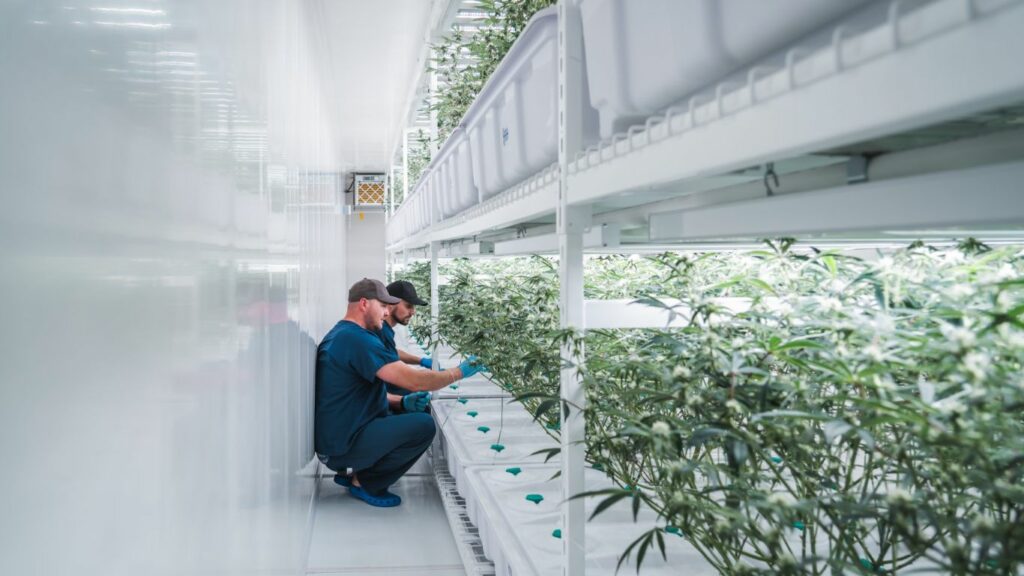
Inside Habitat’s flower room
Through this process, she explains, Habitat could address its own financial hurdles in expanding its canopy by generating more cash flow on the processing side. She says this could also give the numerous stand-alone cultivators more options when choosing who to use as a processor, ideally giving them more leverage on price and terms.
“This gives us the opportunity to become a more formal processor and bring product in, not just processing our own,” explains Mann. “Cash flow is one of the biggest issues facing the industry for smaller companies, especially if one’s focus is on domestic consumers sales, falling within the payment terms of each province.”
She also says she understands concerns that making micros four times bigger can compromise the integrity of a small craft-style facility. However, she feels the potential new limit of 800 m2 is still within the manageable scope of a small business and certainly still much smaller than many standard producers.
It’s also more cost-effective and manageable than building out a second micro, as some companies have done in recent years.
“I do think there’s a threshold of where craft can go, and I think the proposed changes are likely on the higher end of that, but it’s certainly manageable. For those who imagine growing something that big, I think this is the most cost-effective. The plants still need the same amount of care, so if you’re stretching yourself too far things can happen. But there are ways to address that while maintaining that quality.”
“It’s another size t-shirt for people to put on instead of just extra small or extra large.”
Jonathan Wilson, CEO of Crystal Cure, a micro cultivator and micro processor in New Brunswick, thinks the proposed changes will help carve out a distinction between smaller craft growers that are larger than a micro but still much smaller than many other standard producers who can have a significantly larger canopy.
Wilson explains that the ideal would be a third licence category right in the middle of micro and standard, but he thinks the proposed changes are at least a good step in that direction.
He compares it to the beer industry in New Brunswick, where there are local micro breweries, somewhat larger craft breweries, and then standard large-scale breweries. While the micro breweries have a very limited capacity that allows them to stay mom-and-pop businesses, the craft designation allows a company to still build a brand based on a “craft” style quality but expand it in ways that can benefit from more efficiencies of scale, all without compromising quality.
“I believe in the true micro, the mom-and-pop,” says Wilson. “When you start to get up to 800 metres squared, that’s necessarily a micro. I agree. But this, to me, opens up the possibility of having maybe three licence classes, I hope.
“We know that some micros are going to say they cannot afford to go there, don’t want to go there, don’t have the demand to go there, and that’s fine. But this gives a chance for those who do want to get just a little bit bigger, they can do that.”
“It’s another size t-shirt for people to put on instead of just extra small or extra large.”
Crystal Cure was first licensed as a standard producer, explains Wilson. In 2023, the company announced it had downgraded its cultivation and processing to micro licences. The company had initially developed business plans for a much larger facility, but by the time it found itself licensed in mid-2019, the market had already begun to pivot to more modest expectations.
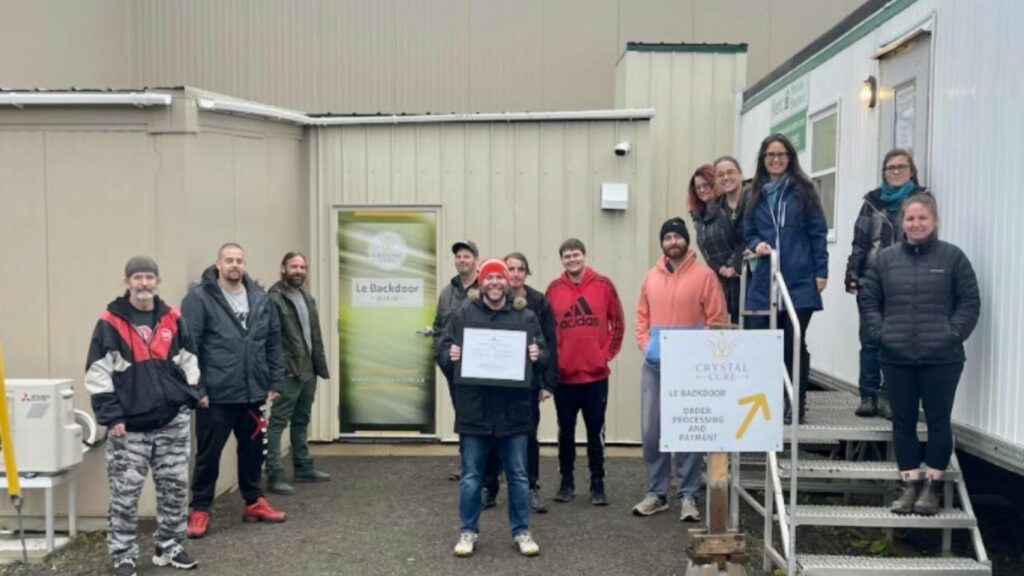
The team at Crystal Cure showing off their farmgate licence
Scaling down to a micro licence not only allowed them to save money on annual licensing fees but better reflected how small the operation actually was, and still is. But with the proposed canopy and processing increase, Wilson says he can see beginning to slowly build up to something a little larger.
Like Mann at Habitat, he says expanding under their current licence, rather than getting a second micro, will be a more efficient way to build the company and brand.
“The timing is actually great for us. We were talking about building another micro and expanding Crystal Cure, but now if this changes where we can grow more under our existing licence, then there’s no need to go and build two other buildings until we maximize these.”
Featured image shows the inside of Habitat’s current processing space as they package dried flower.
New research has generated new insights into how psilocybin influences the auditory cortex in mice models. Psilocybin is a natural psychedelic compound that is found in more than 200 species of fungi. The compound is known to induce altered states of consciousness when ingested, including changes in cognition, mood and perception.
Various studies have investigated the compound’s effectiveness in treating mental-health disorders, including anxiety and depression. While its therapeutic potential is evident, the exact mechanisms via which this psychedelic alters perception and brain function aren’t well understood.
Prior studies have shown that psilocybin alters activity patterns in the brain and increases neural activity in different regions in the brain. Despite this, not much is known about the compound’s effect on the auditory cortex, which processes auditory information such as speech sounds and acoustical signals, including music.
For their study, the researchers focused on how psilocybin affected the balance between stimulus-driven responses in the auditory cortex and intrinsic neural activity. This, they believe, may improve understanding of the broader effects of psilocybin on perception as well as its therapeutic potential.
They begun by using two-photon imaging to study the primary auditory cortex in mice. This technique allowed them to detect any changes in neuronal activity in real time. The researchers also exposed the mice to auditory stimuli at different frequencies and monitored the neural responses. In addition, they utilized a custom-made video tracking arena to understand psilocybin’s behavioral effects. They placed the mice in a well-lit acrylic box and recorded all movements at high frame rates.
Once this was done, the scientists analyzed the videos to measure the patterns of mouse movements and compared behavior prior to and after psilocybin had been administered. The researchers determined that after the psychedelic was administered, neurons in the auditory cortex showed increased responsiveness to sound stimuli. This increase was followed by a considerable drop in responsiveness roughly half an hour after the drug’s administration. This observation suggests that psilocybin has a biphasic effect on neural activity.
The researchers also observed that while neural responsiveness was altered, the frequency of how the neurons responded to different sound frequencies remained stable. This means that neurons’ ability to differentiate between tones doesn’t change, even when neurons become less or more active. Finally, the researchers discovered that the psychedelic heightened functional connectivity in the auditory cortex. This was demonstrated by higher correlations in patterns in neural activity between neuron pairs, which suggests increased communication in the neural network.
The research was authored by Nikolas A. Francis and Adam T. Brockett. They published their findings in the “Journal of Neurophysiology.”
Given that many other entities such as Compass Pathways PLC (NASDAQ: CMPS) are also conducting their own R&D programs involving psilocybin and other hallucinogens, the mysteries behind these substances’ therapeutic potential are likely to be uncovered in due time.
About PsychedelicNewsWire
PsychedelicNewsWire (“PNW”) is a specialized communications platform with a focus on all aspects of psychedelics and the latest developments and advances in the psychedelics sector. It is one of 60+ brands within the Dynamic Brand Portfolio @ IBN that delivers: (1) access to a vast network of wire solutions via InvestorWire to efficiently and effectively reach a myriad of target markets, demographics and diverse industries; (2) article and editorial syndication to 5,000+ outlets; (3) enhanced press release enhancement to ensure maximum impact; (4) social media distribution via IBN to millions of social media followers; and (5) a full array of tailored corporate communications solutions. With broad reach and a seasoned team of contributing journalists and writers, PNW is uniquely positioned to best serve private and public companies that want to reach a wide audience of investors, influencers, consumers, journalists and the general public. By cutting through the overload of information in today’s market, PNW brings its clients unparalleled recognition and brand awareness. PNW is where breaking news, insightful content and actionable information converge.
To receive SMS alerts from PsychedelicNewsWire, text “Groovy” to 888-902-4192 (U.S. Mobile Phones Only)
Please see full terms of use and disclaimers on the PsychedelicNewsWire website applicable to all content provided by PNW, wherever published or re-published: https://www.PsychedelicNewsWire.com/Disclaimer
Welcome to the sizzling Summer issue of Grow Opportunity magazine. This season we explore the challenging field of marketing and brand loyalty in cannabis as red tape inhibits conventional advertising channels. However, not all drawbacks can be attributed to the regulations since championing brands have done so in the same promotional minefield. In a world of strict compliance, aside from producing a reputable product, alternative strategies and a sharp creative focus are essential company goals.
Last year when I walked into Hall of Flowers, I noticed the aesthetic of many booths felt 70s retro. So rather than portray a point-of-sale transaction or another live action facility photograph, I wanted the cover to speak for itself, this time in a metaphorical rather than literal fashion.
In this issue, cannabis is compared to the fashion industry.
With the cover story idea in mind, next I came across Mitchell Osak’s speaker announcement for a branding panel focused on storytelling. We all know the tale of a legacy brand that went legit, or a medical patient who healed themselves and decided to incorporate.
Advertisement
While valid, in this industry, these stories are a dime a dozen and must serve as a starting point to a larger, more complex narrative that can then be distilled into a catchy phrase, symbol or word.
This is the brilliance of marketing: taking a complex, 1,000-page novel and portraying it in the blink of an eye with a simple yet powerful meme. For Pure Sunfarms’ Pink Kush, that word is “nostalgia.”
Osak also introduced me to SNDL – a retailer known predominantly in western Canada that acquired Ontario’s four store retail banner Superette. Granted retailers have “more levers to pull” when it comes to marketing, still this mid-century diner aesthetic supported the story angle I was crafting.
The theme of cannabis industry promotion appears again in Ashley Keenan’s article with Katie Pringle’s statementregarding slashed budgets and the drive to do more with less. However, the onset of a segmented marketplace and the low dose products that signal a sophisticated market also appear in the Vantage Point column. And in the news, OCS farmgate regulations provide an ideal backdrop for unique storytelling, consumer engagement and experiential marketing opportunities.
Another prevalent theme in the issue surrounds quality assurance via the Winter survey we circulated, and the Spring virtual summit we hosted featuring Deepak Anand, Tom Ulanowski and Denis Gertler.
On page nine, you’ll find the results of our QA survey with a supporting article by Jake Hribljan and comments from Cannara, Aurora and U.S.-based cybersecurity consultancy SideChannel. You can download the full report on our website.
Anand also joins us as the author of the International Affairs column, sharing European updates after cannabis reform and overseas events made headlines last season. Gertler takes a deep dive into the world of hemp-based products in the United States that are gaining popularity among consumers seeking low potency alternatives. And Ulanowski, whose Quality Summit in June was interrupted by the Canada Gazette announcement of the proposed cannabis regulation changes, appears as the subject of our Under the Lights Q&A. Ulanowski has stepped down as chair of the C-45 board of directors, and we thank him for his work advancing this industry.
Finally, thank you to our readers, contributors and sponsors who enable our research and respective storytelling on the fluid nature of the evolving market. To you we say enjoy the high season, and cheers to blazing in the Summer sun!
A Calgary cannabis retailer is hosting its third cannabis consumption space at the Badlands Music Festival, which will take place from Thursday, July 4, to Sunday, July 14, 2024.
Chinook Cannabis, with two stores in Alberta, will host “The Garden” as a place for people to relax and smoke a joint, vape or consume an edible or beverage somewhat removed from the heat and excitement of the rest of the festival. Badlands is a large electronic music festival held during Calgary Stampede.
Festival-goers can use the “Garden” space to relax, purchase, and consume cannabis and can order cannabis from Chinook’s website to be delivered to the cannabis garden at the festival. Chinook Cannabis’s website includes a tab for festivals and events with an array of products.
Although Alberta made changes to provincial regulations earlier this year that allow for cannabis retailers to apply for a licence to sell cannabis at a minors-prohibited entertainment event or cannabis industry trade show, Chinook owner Casey Baer says that Calgary’s municipal bylaws still didn’t allow for cannabis sales at these types of events. He hopes that by next year, they will also be able to facilitate on-site sales.
Baer and Chinook Cannabis worked closely with the AGLC, the province’s cannabis regulator, to establish those rule changes and now plan to begin working with municipalities like Calgary to do the same.
“We worked side by side with the AGLC to make sure everything was compliant and created kind of the first of its kind consumption gardens on festival spaces. It was that work over the last few years that helped change the rules earlier this year.”
He says they are bringing their “Garden” consumption space to Edmonton at the Great Outdoors Comedy Festival from July 12-14 and will have on-site sales as the city already allows. Sales will be in partnership with a local Edmonton retailer, Plantlife Cannabis. Baer says they also plan to bring The Garden to some events in BC next year.
“The Garden was created to bridge the gap between cannabis and large scale events,” he explains. “The idea that kicked this off is we were at a festival and the cannabis consumption areas were a sort of forgotten part of the event where you were basically in a parking lot or a mud pit. So we decided we needed to really flip the script to create a place where, whether you consume cannabis or not, it’s the spot of the festival that you want to come check out.”
Other events in Canada have attempted at least some version of cannabis sales at festivals, such as this festival in Saskatchewan in 2022. In this instance, consumers could order cannabis products online and have them delivered to the festival.
The Edmonton Folk Festival has previously hosted a cannabis consumption space, although it did not include on-site sales. Glenda Dennis, the sponsorship coordinator with the Edmonton Folk Music Festival, told StratCann at the time that she was happy to see a cannabis consumption space there.
“It’s a folk festival, so you can’t really not have cannabis!” she said at the time.
The Brazilian Supreme Court recently voted to decriminalize cannabis possession for personal use, joining other Latin American nations in this reform and potentially reducing its substantial prison population. The majority of the justices, since the discussions began in 2015, have supported this move.
The justices now need to decide on the maximum amount of cannabis considered for personal use, with the effective date of the ruling expected soon. The justices who favored the decision noted that decriminalization should only apply to personal use amounts, keeping the sale of drugs illegal.
A 2006 bill passed by the U.S. Congress sought to penalize those who carried minor amounts of drugs, including marijuana, with noncustodial sentences such as community service. However, critics argue that it was too ambiguous, lacking a specific amount to distinguish trafficking from personal.
In response to the Supreme Court’s deliberations, Congress is separately working on a proposal to strengthen drug laws, complicating the legal landscape regarding cannabis possession. The Senate approved an amendment in April criminalizing possession of any illegal substances. This proposal passed the lower House’s constitutional committee on June 12, 2024, and needs approval from at least one more committee before a full House vote.
Should lawmakers approve the bill, it would override the Supreme Court’s decision but could still face constitutional challenges.
Senate President Rodrigo Pacheco stated that it is not within the top court’s jurisdiction to decide on the matter. The court’s decision has long been awaited by legal scholars and activists in Brazil, a country with the world’s third-largest prison population. Critics argue that the current laws often result in users being convicted on trafficking charges and incarcerated in overcrowded prisons, where they face pressure to join gangs.
As of the end of 2023, Brazil had about 852,000 people incarcerated, nearly 25% of whom were detained for drug trafficking or possession. The prison system is overcrowded, and Black individuals are disproportionately affected, comprising more than two-thirds of the inmates.
According to a recent study by the Brazilian research company Insper, Black people were marginally more likely than whites to be charged with drug trafficking. More than 3.5 million records from the public security secretariat of Sao Paulo were examined in this investigation between 2010 and 2020.
Leftist politician Chico Alencar celebrated the decision on social media, calling it a major step forward for Brazil’s drug policy and an issue of public health rather than safety and punishment. However, Gustavo Scandelari, an expert on Brazil’s penal code, contended that even if the court establishes a cap on the amount for personal use, the decision might not result in significant changes. He pointed out that although money plays a role in defining whether someone is viewed as a dealer or a user, it is not the only way.
In other Latin American countries, medical cannabis is permitted, though often under strict regulations. Colombia decriminalized possession about 10 years ago, but a measure to regulate recreational use failed to pass in the Senate last August. Similarly, Peru, Venezuela and Ecuador allow medical use but prohibit possession and distribution for other purposes.
For cannabis companies that could have foreign markets in the sights, such as Canopy Growth Corp. (NASDAQ: CGC) (TSX: WEED), these developments in Brazil may be of more than casual interest since they could later open the door to broader cannabis-policy reforms that allow established companies to enter that market.
About CNW420
CNW420 spotlights the latest developments in the rapidly evolving cannabis industry through the release of an article each business day at 4:20 p.m. Eastern – a tribute to the time synonymous with cannabis culture. The concise, informative content serves as a gateway for investors interested in the legalized cannabis sector and provides updates on how regulatory developments may impact financial markets. If marijuana and the burgeoning industry surrounding it are on your radar, CNW420 is for you! Check back daily to stay up-to-date on the latest milestones in the fast -changing world of cannabis.
To receive SMS alerts from CNW, text CANNABIS to 888-902-4192 (U.S. Mobile Phones Only)
Please see full terms of use and disclaimers on the CannabisNewsWire website applicable to all content provided by CNW, wherever published or re-published: https://www.CannabisNewsWire.com/Disclaimer
(CNW) Calgary — SNDL Inc. announced that it has entered into a purchase agreement with Indiva Limited and its direct and indirect subsidiaries, pursuant to which SNDL has offered to purchase all of the issued and outstanding shares of Indiva and the business and assets of the Indiva Group for consideration comprising of a credit bid of all of the indebtedness of the Indiva Group owing to SNDL, the retention of certain liabilities of the Indiva Group, and cash payments sufficient to repay certain priority indebtedness of the Indiva Group and costs associated with the Indiva Group’s proceedings under the Companies’ Creditors Arrangement Act (CCAA) (Canada).
The Bid Agreement has been entered into in the context of the CCAA Proceedings, as part of a sales process where the Indiva Assets will be marketed to prospective purchasers by PricewaterhouseCoopers Inc., the monitor in the CCAA Proceedings and, accordingly, is subject to approval by the court overseeing the CCAA Proceedings and to potential alternative bids submitted pursuant to the Sale Process.
Based on a report of the Monitor, dated July 4, 2024, issued in the CCAA Proceedings, the Monitor currently estimates the value of the credit bid and cash consideration payable by SNDL under the Bid Agreement to be in the range of approximately CAD$25 million to CAD$28 million. SNDL is the stalking horse bidder in the Sale Process, such that the Bid Agreement will set the “floor,” or minimum acceptable bid, for other bidders and will be deemed accepted if there are no other bids submitted. If the Monitor determines that there is another bid that offers superior terms to the Bid Agreement, SNDL will also have the opportunity to participate in an auction process for the Indiva Assets. The Sale Process is currently expected to conclude by September 30, 2024.
The acquisition of the Indiva Assets is expected to further enhance SNDL’s product portfolio, particularly in the edibles segment, and reinforce its position as a leading player in the Canadian cannabis market. Indiva’s leading brands, Pearls by Grön, No Future Gummies and Vapes, Bhang Chocolate, Indiva Blips Tablets, Indiva Doppio Sandwich Cookies, and Indiva 1432 Chocolate, have garnered strong consumer loyalty and are known for their quality, innovation and value.
Advertisement
Advisors
McCarthy Tétrault LLP is acting as legal counsel for SNDL, Bennett Jones LLP is acting as legal counsel for the Indiva Group, and Osler Hoskin & Harcourt LLP is acting as legal counsel for the Monitor.
















Recent Comments