Psychemedics, a leading drug-testing technology manufacturer, has unveiled an innovative screening panel that diverges from detecting cannabis, instead focusing on fentanyl and other controlled drugs, as a response to the shifting landscape due to the legalization of cannabis in numerous states.
Psychemedics’ updated Advanced 5-Panel Drug Screen marks a transformative step in how companies safeguard their places of work by shifting focus from cannabis to the major threat posed by fentanyl. The revamped screening panel has garnered approval from the Food & Drug Administration (FDA) and is celebrated for its enhanced accuracy in identifying amphetamines, PCP, opioids and cocaine.
Psychemedics, established in 1987 after which it pioneered hair testing, expressed the necessity for this change in a recent press release and highlighted the failure of the original five-panel drug tests to adapt to the contemporary drug market, specifically in detecting the escalating presence of fentanyl.
Psychedemics CEO and president Brian Hullinger stressed the substantial transformation in workplace challenges brought about by the changing dynamics involving cannabis and fentanyl. He explained how the company responded to this shift by developing its Advanced 5-Panel, aiming to close the existing gap.
With a growing number of states legalizing marijuana, protections have been established for employees who use cannabis during their off-duty hours. In California, for instance, employers are now prohibited from inquiring about an applicant’s prior cannabis use.
Similarly, Michigan recently ceased pre-employment cannabis drug testing for job applicants for government jobs and offered those penalized for past THC tests the chance to have their sanctions retroactively removed. Nevada and Washington also protect job applicants from discrimination based on positive marijuana tests. New York extended job protections for those adults legally using marijuana during their off-hours while away from their workplaces.
At the federal level, there have been attempts to end marijuana drug testing for those applying for federal jobs. The House Rules Committee has repeatedly blocked these efforts, but the Senate approved defense legislation back in July preventing intelligence agencies from withholding security clearances based solely on past cannabis consumption. The House Oversight & Accountability Committee has also approved a bipartisan bill to prevent federal employment or security clearance denials due to past marijuana consumption.
Concurrently, concerns regarding the fentanyl drug supply have grown. While there have been debates over claims of fentanyl-laced cannabis, experts acknowledge the presence of this potent opioid in drugs such as cocaine and heroin.
The spreading wave of legalization isn’t only leading to shifts in the work of makers of testing kits for drugs. It is also creating many opportunities for companies such as Innovative Industrial Properties Inc. (NYSE: IIPR) that don’t deal in the substance but serve cannabis companies in an ancillary role.
About CNW420
CNW420 spotlights the latest developments in the rapidly evolving cannabis industry through the release of two informative articles each business day. Our concise, informative content serves as a gateway for investors interested in the legalized cannabis sector and provides updates on how regulatory developments may impact financial markets. Articles are released each business day at 4:20 a.m. and 4:20 p.m. Eastern – our tribute to the time synonymous with cannabis culture. If marijuana and the burgeoning industry surrounding it are on your radar, CNW420 is for you! Check back daily to stay up-to-date on the latest milestones in the fast -changing world of cannabis.
To receive SMS alerts from CNW, text CANNABIS to 844-397-5787 (U.S. Mobile Phones Only)
Please see full terms of use and disclaimers on the CannabisNewsWire website applicable to all content provided by CNW, wherever published or re-published: https://www.CannabisNewsWire.com/Disclaimer
Ontario law enforcement seize more 5,250 cannabis plants, charge five | StratCann
Thanks to our sponsors for supporting StratCann’s work!
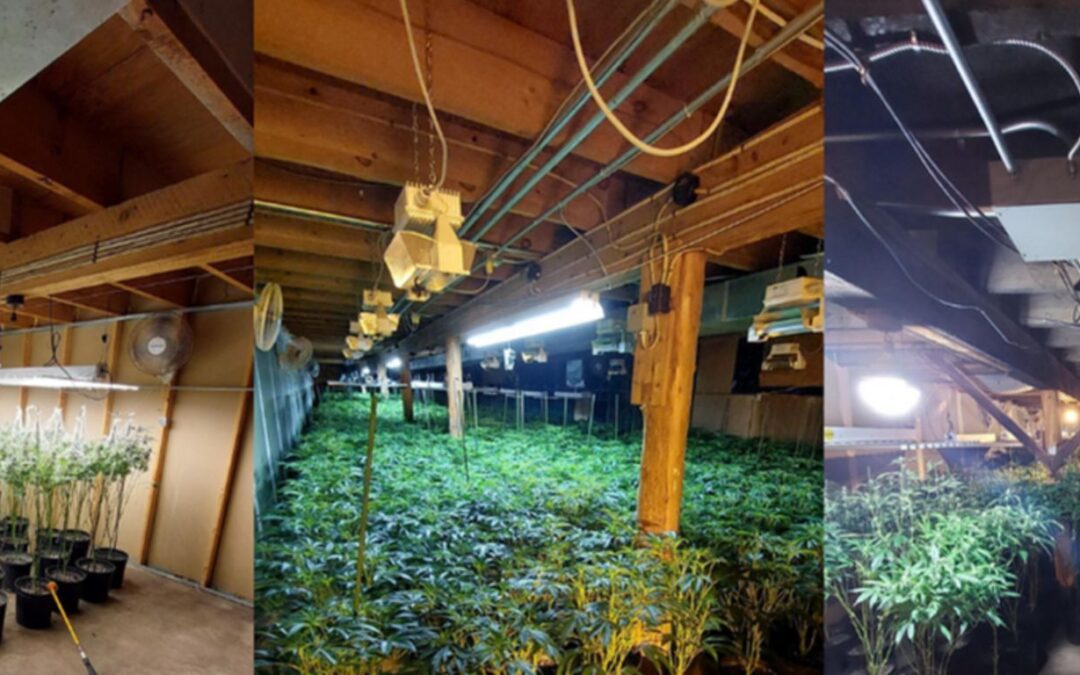
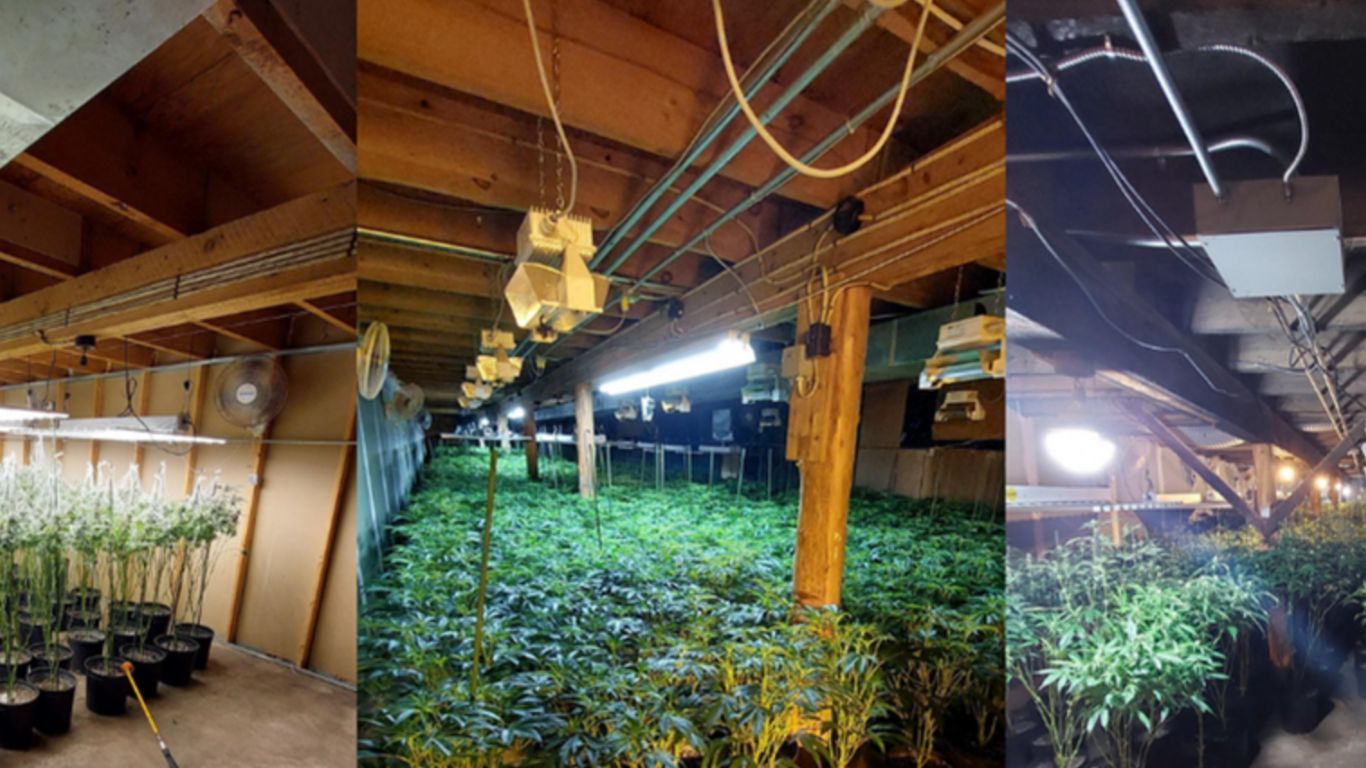
Police in Ontario seized thousands of cannabis plants and 130 lbs of cannabis after executing three search warrants in Clarington.
The three search warrants were carried out on Thursday, November 2, 2023, when members of Ontario’s Provincial Joint Forces Cannabis Enforcement Team (PJFCET), with the assistance of the Durham Regional Police K9 unit, and the Ontario Provincial Police (OPP).
Prawit Khotsathan, age 40 of No Fixed Address is charged with: Possess Cannabis for the Purpose of Selling. Possess Cannabis for the Purpose of Distributing, Cultivate Not in Dwelling House.
Jiang Lin, age 44 from Markham is charged with: Possess Cannabis for the Purpose of Selling. Possess Cannabis for the Purpose of Distributing, Cultivate Not in Dwelling House.
Chun Chun, age 47 from Markham is charged with: Possess Cannabis for the Purpose of Selling. Possess Cannabis for the Purpose of Distributing, Cultivate Not in Dwelling House.
Anantasak Boonsan, age 24 of No Fixed Address is charged with: Possess Cannabis for the Purpose of Selling. Possess Cannabis for the Purpose of Distributing, Cultivate Not in Dwelling House.
Meiyu Chen, age 65 from Markham is charged with: Possess Cannabis for the Purpose of Selling. Possess Cannabis for the Purpose of Distributing, Cultivate Not in Dwelling House.
All parties were released on an undertaking.
Insight & News
Browse Categories
Thanks to our sponsors supporting StratCann’s work!
Recent Articles
Are you of legal age in your jurisdiction? By clicking “Enter” you are verifying you are of legal age to view the content of this website, or click “Exit” to leave.
The U.S. Drug Enforcement Administration (DEA) is proposing a “dramatic increase” in this year’s production quotas for psychedelics ibogaine and psilocybin as well as marijuana compound delta-9 THC to “support research and clinical trials.” According to the proposal, the DEA would like to almost double its THC, psilocybin and psilocin production compared to its origin projections for 2023 and increase ibogaine production by four times.
The federal agency said in a recently published notice that it wants to increase “other tetrahydrocannabinol” production from 15,000 grams to 350,000 grams, raising the quota by a whopping 23 times. It also wants to increase Ibogaine production by five times the December 2022 level to 150 grams.
The DEA increased production quotas for controlled substances such as psychedelics and cannabis in late 2022 when it was finalizing production quotas, and it seems the agency is increasing controlled substance production quotas significantly.
According to the DEA notice, the significant changes to its production quotas for controlled substances were “warranted.” It is proposing a new production quota of 15,000 grams up from 8,000 for psilocybin and 24,000 grams for psilocin from 12,000 grams.
The recently proposed quotas represent the agency’s highest quota increases in years and point to increased interest in researching hallucinogenic substances. With more researchers across the country studying various psychedelics for potential mental-health benefits, it isn’t surprising that the DEA is looking to raise production quotas.
Research has found that psychedelics such as LSD, psilocybin, ayahuasca and mescaline have the potential to treat various mental-health disorders effectively with few side effects and at minimal doses, making the substances potential alternatives to traditional mental-health treatments. Most of this research is in its infancy, however, and further research is needed to fully understand the mechanisms that allow psychedelics to treat various mental disorders and develop psychedelic-assisted treatments for the masses.
Big pharma and institutional investors are now pouring hundreds of millions of dollars into research and development with the hope of being the first to launch psychedelic treatments. The proposed production quota changes are now open to a 30-day public comment period.
The boosted DEA quotas could potentially help various companies such as Lucy Scientific Discovery Inc. (NASDAQ: LSDI) gain access to the research-grade psychedelic products that they need to advance their-drug development programs.
NOTE TO INVESTORS: The latest news and updates relating to Lucy Scientific Discovery Inc. (NASDAQ: LSDI) are available in the company’s newsroom at https://ibn.fm/LSDI
About PsychedelicNewsWire
PsychedelicNewsWire (“PNW”) is a specialized communications platform with a focus on all aspects of psychedelics and the latest developments and advances in the psychedelics sector. It is one of 60+ brands within the Dynamic Brand Portfolio @ IBN that delivers: (1) access to a vast network of wire solutions via InvestorWire to efficiently and effectively reach a myriad of target markets, demographics and diverse industries; (2) article and editorial syndication to 5,000+ outlets; (3) enhanced press release enhancement to ensure maximum impact; (4) social media distribution via IBN to millions of social media followers; and (5) a full array of tailored corporate communications solutions. With broad reach and a seasoned team of contributing journalists and writers, PNW is uniquely positioned to best serve private and public companies that want to reach a wide audience of investors, influencers, consumers, journalists and the general public. By cutting through the overload of information in today’s market, PNW brings its clients unparalleled recognition and brand awareness. PNW is where breaking news, insightful content and actionable information converge.
To receive SMS alerts from PsychedelicNewsWire, text “Groovy” to 21000 (U.S. Mobile Phones Only)
Please see full terms of use and disclaimers on the PsychedelicNewsWire website applicable to all content provided by PNW, wherever published or re-published: https://www.PsychedelicNewsWire.com/Disclaimer
By Timothy Schafer, Local Journalism Initiative Reporter
THE NELSON DAILY
A provincial pilot to build a cannabis tourism trail in B.C. has a Kootenay focus as one of the two proposed legs of the project.
Selkirk Innovates and the Craft Cannabis Association of B.C. (CCABC) have submitted an application for funding — under the REDIP Economic Diversification stream — to complete the project to focus cannabis tourism on two key and historical areas: the Kootenays and the Cowichan Valley.
Advertisement
Entitled Building the B.C. Cannabis Trail, the goal of the pilot project is to build the foundation for a cannabis tourism trail in the two regions, as modelled after the successful B.C. Ale Trail, that can then be expanded to other regions of B.C.
“Given the relatively new legal cannabis economy in B.C. and the ongoing intricacies surrounding cannabis marketing and branding policies, the Cowichan Valley and Kootenay regions have not yet formalized cannabis tourism,” wrote Tracey Harvey and Sarah Campbell of Selkirk Innovates in a letter outlining the project.
“Nevertheless, the rich culture, historical significance, and ongoing evolution of regional cannabis economies in these regions position them as ideal candidates for an interregional cannabis tourism pilot project: Building the BC Cannabis Trail.
For decades before the legalization of recreational cannabis in 2018, the Kootenay region and the Cowichan Valley of B.C. have been home to cannabis sectors.
The “integral cannabis culture and economy in these regions have created rich historical ties to cannabis,” noted Harvey in her letter.
Right now there are around 30 legal cannabis businesses — including producers, processors, nurseries, laboratories, and retail outlets — in the two regions, giving each area enough “enduring cannabis clusters.”
Legalization has also created the climate for economic diversification and tourism development, especially in the wake of the COVID-19 pandemic, as British travelers, Germans, Americans and non-B.C. residents are increasingly travelling to the province, Campbell wrote.
“Cannabis tourism is viewed as a catalyst for economic recovery in Canada’s tourism sector (Canadian Cannabis Tourism Alliance n.d.) and is particularly important to help rebuild negatively affected economies after the devastating 2023 wildfire season (Destination BC 2023a) and recent downturn in the forestry industry,” she stated.
Source: Selkirk Innovates
Objectives
Using the Kootenay region and Cowichan Valley as pilot areas, the pilot project encompasses four primary objectives:
– Identify existing provincial and federal policies that may restrict cannabis tourism;
– Foster collaboration among cannabis businesses, traditional tourism operators, and First Nations to assess the regional cannabis sectors, tourism landscapes, and the interest of each group in each region;
– Engage regional actors in the development of innovative ideas, policy adjustments, best practices, and a carefully planned implementation strategy; and
– Create relevant content for various cannabis businesses including a historical narrative about cannabis for the two pilot regions along the trail.
Source: Selkirk Innovates
Cannabis tourism risks
There are many perceived risks associated with establishing cannabis tourism, including how cannabis is perceived and treated across all levels of government, through policies and by various organizations.
As well, on the ground level there is the varied response and perception of community residents as cannabis tourism is introduced, and how the industry might be received as the sales pitch is being made.
The rural nature of the industry could also be considered a risk factor.
“Sufficient digital access is necessary to improve the quality and safety of tourist experiences,” the report, Exploring Opportunities for Cannabis Tourism in the Kootenay Rockies released earlier this year by Selkirk Innovates and Kootenay Rockies Tourism Association, noted. “Many farms are in remote locations creating barriers of entry for cannabis tourism operators due to connectivity challenges.”
If the industry proves to be successful, it could spawn an amenity migration driven by a “green rush,” further complicating housing issues in many Kootenay communities, including availability and affordability due to an influx of people.
On a global scale, indoor cannabis cultivation and the tourism industry both contribute to greenhouse gas emissions, “posing a threat to environmentally sustainable economic development,” the report explained.
Asparagus officinalis L. , also known as sparrow grass, is a perennial dioecious plant with branched stem belonging to the Asparagaceae family. This plant is cultivated for the shoots coming out and consumed in spring. These are full in nutrients and contain sugars, zinc, magnesium, calcium, phosphorous, potassium, iron, selenium, chromium, vitamins A, B, K and C, flavonoids such as rutin, proteins, dietary fibers, beta carotene, some nitrogenous substances including the asparagine, asparagusic acid, and saponins among other compounds. The plant should not be consumed in case of nephritis, due to the presence of sulfur-containing compounds (such as asparagusic acid), and the subsequent presence of mercaptans in urine.
Asparagus is considered the “kind of the vegetables” due to their potent Among the Asparagus active compounds, saponins are particularly relevant for their wide field of application and will be discussed in a separate section in order to fully understand their potential in the pharmaceutical, cosmetic and agri-food industries. Other important Asparagus responsible are flavonoids. These compounds are responsible for the antioxidant activity of the plant.
Saponins and their biological effect
Asparagus saponins are constituted by a steroidal aglycone and one or more sugar units. The sugar moiety is linked to the aglycone by a covalent bond at one or two glycosylation sites. Saponins are surfactants meaning that, thanks to their molecular composition they are able to decrease the surface tension between two liquids, a liquid and a gas or a liquid and a solid. Surfactants can be employed as emulsifiers, foaming agents, wetting agents and dispersants.
The kind of saponins present in asparagus species are directly responsible for the biological activity but are also responsible for the flavor. [1] The growing interest about asparagus-derived saponins is due to the array of biological effects that they can exert like immunity enhancement, antitumor, anti-inflammatory, antifungal, and antiviral actions, blood glucose and lipid reduction, antioxidation, cardiovascular function improvement etc.
Among these we will explain the saponin action for their:
Hypocholesterolemic action
Cytotoxic and antitumor action
Antifungal action
Hypocholesterolemic action
Asparagus derived saponins are capable of reducing cholesterol levels in blood. Steroidal saponins can improve the lipid profile by decreasing the total level of cholesterol, low-density lipoproteins (LDL) and triglycerides.
Cytotoxic and antitumor action
The cytotoxic capacity of saponins is dependent on their molecular structure. Steroidal saponins have cytotoxic effect on some tumors and the steroidal saponins like the one found in certain asparagus species such as the “triguero”, once in contact with cancer cells is capable of blocking signaling pathways, arrest the cell cycle and induce cell death through apoptosis. [1]
Antifungal action
Steroidal saponins have been studied for their antifungal action. Nevertheless it seems that furostanol derivatives are inactive while spirostanol derivatives are active. The total saponin fraction extracted from Asparagus officinalis L. has activity against various kinds of fungi such as Microsporum, Trichophyton, Candida, Cryptococcus, Epidermophyton. The mechanism of antifungal action is not yet well understood but it might be due to loss of membrane integrity.
Potential pest and pathogen control using saponins
The significant abundance of saponins in asparagus processing and cultivation by-products makes these compounds particularly interesting in the context of circular economy.
The observed effects of saponins on insect pests are reduced food intake, indigestion, weight reduction, developmental retardation, decrease in the rate of reproduction, and mortality. [2] [3] For this reason the inclusion of asparagus-derived saponins in the development of a new kind of phytosanitary product has the potential of showing great activity against pests, improvement of bio-resistance of crops and the possible bio-stimulant activity. [4]
In particular the saponin fraction and other asparagus-derived extraction products such as flavonoids could face the main diseases of asparagus plants, regardless if caused by fungi or pests including the Fusarium stem and crown rot caused by Fusarium moniliforme, Fusarium wilt and root rot caused by Fusarium oxysporum, the purple spot, Stemphylium vesicarium, the gray mold shoot blight, Botrytis cinerea, the Cercospora blight fungus, and the asparagus rust caused by Puccinia asparagi, also the main insect pests such as the asparagus beetle, Crioceris asparagi, the spotted asparagus beetle, Crioceris duodecimpunctata, the asparagus fly, Platyparea poeciloptera, the asparagus aphid, Brachycolus asparagus, some cutworm species and other asparagus pests. [5]
Extraction methods
Extraction is a critical step in order to recover the bioactive compounds contained in asparagus plants and many factors can influence the solid-liquid extraction including:
Kind of solvent used
Extraction temperature
pH
solid to liquid ratio
particle size
Extraction time
The extraction yield is highly affected by the solvent composition. Some study reports that in order to maximize the concentration of flavonoids responsible for the antioxidant activity of Asparagus extracts, 50% ethanol as a solvent with liquid-solid ratio of 30:1 appears to be the best option. [6] Among the compounds responsible for the antioxidant activity there are: ferulic acid, quercetin, rutin, isorhamnetin and kaempferol. A recent research reports the comparison of different extraction methods to maximize the final flavonoid content and different solvents such as ethanol, methanol and water are compared, as well as the procedure following single-step extraction at room temperature and at 50 °C as well as three-step extraction (one h for each step) at 50 °C. [7]
Ethanol and methanol are so far the most widely used solvents for Asparagus extraction and new methods including ultrasonic assisted extraction (UAE) probes showed great results in terms of final yields, improving extraction time and efficiency. [8] However ethanol gives best results compared to methanol in terms of extraction yield and final antioxidant activity. Supercritical fluid extraction (SFE) using carbon dioxide (CO2) as solvent is among the newest extraction methods used in order to maximize the therapeutic potential of Asparagus extracts.
Future perspectives
There is still a lack of new sustainable, green and scalable extraction process and purification methods in order to isolate saponins along with other bioactive compounds from asparagus processing and cultivation byproducts. More studies should be done on extraction technologies in order to open the possibilities of including saponins in other food matrices to improve the shelf life, reducing the risk of mold formation and improving soup or juices foaming capacity. Moreover, if advanced and efficient extraction methods will be developed it will be possible the large scale isolation and standardization of plant-derived saponins for human consumption and pharmaceutical applications in order to exploit their potential therapeutic effect in decreasing blood lipids, lowering cancer risks and lowering blood glucose response.
By Brock Weir, Local Journalism Initiative Reporter
THE AURORAN
Retailers looking to open up new cannabis stores in Aurora could see their dreams go up in smoke if Council gets its way.
Last week, Council greenlit a motion from Ward 6 Councillor Harold Kim calling on the Provincial Government and its Alcohol and Gaming Commission of Ontario (AGCO) to “no longer accept any further cannabis retail applications for the Town of Aurora” and put a cap on how many such stores are allowed in a municipality.
Advertisement
Councillor Kim, who opposed Aurora “opting in” to retail cannabis sales in January of 2019 said with a geographic area of 7 km by 7 km and a population of 64,000, the 13 existing cannabis stores in Aurora are more than enough.
“I voted against this because I did not feel the need to be the first municipality in the area to approve. Why? My concern was if we were one of the first to allow retail cannabis stores, we would get more than our fair share of cannabis stores and, sure enough, that’s what has transpired,” he said. “On this current day, Newmarket, Richmond Hill, Vaughan and others have still not approved. Therefore, it is no surprise that cannabis entrepreneurs have flocked to Aurora.”
The Town of Whitchurch-Stouffville is the only other York Region municipality to similarly opt-in to retail cannabis sales, but this was not mentioned during the debate.
“Some have suggested to me, `Why don’t you let the free-market system work? If we have too many stores, some will go bankrupt and attrition will happen.’ Yes, I agree. However, in the meantime, we’re not playing in an equitable playing field. Supply and demand is skewed because we are one of the few islands of free enterprise for cannabis. Limited geography is delaying the natural evolution of the free-market system, which will bring attrition, eventually. In the meantime, Aurora residents suffer the consequence of streetscapes being littered with cannabis stores.”
While Aurora does not grant permits for such stores — that falls under the purview of the AGCO — he said the Province, despite us “living in a free-market country”, should set a cap because the precedent is already there in limiting the number of grocery stores that can sell beer, wine and cider.
“This motion is not just for the potential benefit of Aurora, but hopefully other municipalities,” said Councillor Kim. “Having policies in place so they don’t get the deluge and intensification that Aurora has experienced in two-and-a-half short years.”
Councillors were largely in favour of the motion, with Ward 2 Councillor Rachel Gilliland stating that “a lot of us really didn’t understand that we were going to blow up the way that we did.”
“We have had lots of reports coming back asking how many we’ve got,” she said. “It has proven a little bit of a nuisance.”
One concern expressed by Councillor Gilliland was funding related to opting in.
Funding was to be provided by the Province to municipalities opting in to address some of the challenges that would come with retail cannabis, including bylaw enforcement and education.
Aurora’s Director of Finance Rachel Wainwright-van Kessell said the Town received funding “early on” in the program but that money has since been spent and they’re not expecting any additional funding at this time.
“I would like to see the Province step up and give us a little extra funding to address some of the extra servicing we need to be doing, such as bylaw and York Regional Police because there are certain things in their jurisdiction that they can respond to,” said Councillor Gilliland.
Also supportive was Mayor Tom Mrakas who said Council has “talked about this long and hard about the fact the Province?might have made a mistake.”
“Many municipalities have been talking about this,” he said. “I know many of my mayoral colleagues have been having conversations around the table; I know it was a big discussion at the Small Urban Mayors meetings and in regards to this we brought this up not only to the Premier but also the Prime Minister that the impacts this is having on our communities — yes, it might be a legal product, but stores are just popping up like crazy. There should be a cap on it and hopefully the Province will 1/8make 3/8 the necessary changes that will see some type of cap come in.”











Recent Comments