Rights Do Not Require a Government Permission Slip
Nor the Approval of Family or Neighbors
“Thus, your right to be alive, to think as you wish, to say what you think, to publish what you say, to worship or not, to associate or not, to shake your fist in the tyrant’s face by petitioning the government, your right to defend yourself and repel tyrants using and carrying the same weapons as the government does, your right to be left alone, to own property, to travel or to stay put — these natural aspects of human existence are natural rights that come from our humanity and for the exercise of which all rational persons yearn.”
“If all mankind minus one were of one opinion, and only one person were of the contrary opinion, Mankind would be no more justified In silencing that one person, Than he, if he had the power, Would be justified in silencing mankind.”
— John Stuart Mill (1806-1873)
The world is filled with self-evident truths — truisms — that philosophers, lawyers and judges know need not be proven. The sun rises in the east and sets in the west. Two plus two equals four. A cup of hot coffee sitting on a table in a room, the temperature of which is 70 degrees Fahrenheit, will eventually cool down.
These examples, of which there are many, are not true because we believe they are true. They are true essentially and substantially. They are true whether we accept their truthfulness or not. Of course, recognizing a universal truth acknowledges the existence of an order of things higher than human reason, certainly higher than government.
The generation of Americans that fought the war of secession against England — according to Professor Murray Rothbard, the last moral war Americans waged — understood the existence of truisms and recognized their origin in nature.
The most famous of these recognitions was Thomas Jefferson’s iconic line in the Declaration of Independence that self-evident truths come not from persons but from “the Laws of Nature and of Nature’s God.” Thus, “All Men are created equal and are endowed by their Creator with certain unalienable Rights, that among these are Life, Liberty, and the Pursuit of Happiness” is a truism.
Jefferson’s neighbor and colleague, James Madison, understood this as well when he wrote the Bill of Rights so as to reflect that human rights do not come from the government. They come from our individual humanity.
Thus, your right to be alive, to think as you wish, to say what you think, to publish what you say, to worship or not, to associate or not, to shake your fist in the tyrant’s face by petitioning the government, your right to defend yourself and repel tyrants using and carrying the same weapons as the government does, your right to be left alone, to own property, to travel or to stay put — these natural aspects of human existence are natural rights that come from our humanity and for the exercise of which all rational persons yearn.
This is the natural rights understanding of Jefferson’s Declaration and Madison’s Bill of Rights, to the latter of which all in government have sworn allegiance and deference.
A right is not a privilege. A right is an indefeasible personal claim against the whole world. It does not require a government permission slip. It does not require preconditions except the ability to reason. It does not require the approval of family or neighbors.
A privilege is something the government doles out to suit itself or calm the masses. The government gives those who meet its qualifications the privilege to vote so it can claim a form of Jeffersonian legitimacy. Jefferson argued in the Declaration that no government is morally licit without the consent of the governed.
No one alive today has consented to the government, but most accept it. Is acceptance consent? Of course not — no more than walking on a government sidewalk is consent to government’s lies, theft and killing. Surely, the Germans who voted against the Nazis and could not escape their grasp hardly consented to that horrific form of government.
We need to distinguish between privileges that the government doles out and rights that we have by virtue of our humanity, rights so human and natural that they exist in all persons even in the absence of government.
Are our rights equal to each other? Some are equal to each other, but one is greater than all, as none of the rights catalogued briefly above can be exercised without it. That is, of course, the right to live. This is the right most challenging to governments that have enslaved masses and gloried in fighting morally illicit wars that kill and thus destroy the right to live.
But if a right is a claim against the whole world, how can a government — whether popular or totalitarian or both — extinguish it by death or slavery? The short answer is no governments, notwithstanding the public oaths their officers take upon assuming office, accept the natural origins of rights. To government, rights are privileges.
Stated differently, governments do not take rights seriously.
Governments hate and fear the exercise of natural rights. Ludwig von Mises properly called government “the negation of liberty.” Freedom is the default position. We are literally born free, naturally free.
Government is an artificial creation based on a monopoly of force in a geographical area that could not exist if it did not negate our freedoms. Government denies our rights by punishing the exercise of them and by stealing property from us.
Rights are not just claims against the government. They are claims against the whole world. This was best encapsulated by Rothbard’s non-aggression principle, which teaches that initiating all real and threatened aggression — whether by violence, coercion or deception — is morally illicit. That applies to your neighbors as well as to the police.
Of course, in Rothbard’s world, there would be no government police unless all persons consented — and he wouldn’t have. A private police entity — paid to protect life, liberty and property — would be far more efficient and faithful to its job, which it would lose if it failed, than the government’s police, which thrives on assaulting life, liberty and property, and keeping their jobs.
The exercise of rights requires abandonment of fear, acceptance of truth and rejection of compromise with government. As Ayn Rand famously observed, any compromise between good and evil, natural rights and slavery, food and poison, results in death — death of the body, death of liberty, death of both.
The New York governor’s office is reconsidering a proposal to permit the sale of locally cultivated cannabis at farmers’ markets during the summer season. The initiative had the potential to greatly benefit an estimated 200 farmers who had acquired licenses to grow cannabis under the supervision of the state’s Office of Cannabis Management (OCM), which oversees New York’s emerging legal marijuana industry.
Since the legalization of recreational cannabis use for adults more than two years ago, the state has provisionally approved more than 150 retail licenses. However, due to delays and financial constraints, only approximately 20 stores have managed to open across the entire state. Consequently, cannabis growers find themselves in a predicament, struggling to find legal avenues to sell their harvest.
During a town hall meeting in May 2023, the director of policy, John Kagia, outlined a proposal that would allow farmers to set up booths at summer farmers markets, creating an opportunity for adults aged 21 years old and above to purchase their products. Kagia suggested that farmers could participate in these markets through licensed retailers authorized by the state.
“We are exploring a wide range of venues,” Kagia expressed, emphasizing the possibility of establishing a dedicated market exclusively for cannabis growers. The market could potentially be integrated into existing events such as concerts or festivals, providing the growers with an opportunity to showcase their produce. Kagia assured the growers that he had the necessary authorization to discuss these plans at a high level.
“We anticipate that the farmers markets will serve as a gateway to unlock the potential of this product and allow New Yorkers to experience the exceptional quality of your cultivated goods,” Kagia asserted, receiving positive feedback from many of the growers.
At the time of the meeting, officials anticipated that sales would commence within a few weeks. However, the passing of those weeks, along with the conclusion of the July 4th holiday weekend, has not seen any significant progress made on the proposed plans.
Last week, an OCM spokesperson adopted a more neutral stance toward the proposal. Aaron Ghitelman conveyed the office’s openness to considering opportunities to strengthen the state’s cannabis industry. However, he also emphasized that no final decisions had been made regarding the inclusion of farmers markets.
The implementation of the farmers market model faces potential obstacles, including opposition from certain local governments toward retail marijuana dispensaries. Additionally, the fact that cannabis remains illegal under federal law poses a challenge, as the markets could potentially jeopardize federal funding.
This backpedaling by the authorities in New York could hamper the plans of some growers to acquire additional equipment from the likes of Advanced Container Technologies Inc. (OTC: ACTX) in order to scale their cannabis cultivation operations.
NOTE TO INVESTORS: The latest news and updates relating to Advanced Container Technologies Inc. (OTC: ACTX) are available in the company’s newsroom at https://cnw.fm/ACTX
About CNW420
CNW420 spotlights the latest developments in the rapidly evolving cannabis industry through the release of two informative articles each business day. Our concise, informative content serves as a gateway for investors interested in the legalized cannabis sector and provides updates on how regulatory developments may impact financial markets. Articles are released each business day at 4:20 a.m. and 4:20 p.m. Eastern – our tribute to the time synonymous with cannabis culture. If marijuana and the burgeoning industry surrounding it are on your radar, CNW420 is for you! Check back daily to stay up-to-date on the latest milestones in the fast -changing world of cannabis.
To receive instant SMS alerts, text CANNABIS to 21000 (U.S. Mobile Phones Only)
Please see full terms of use and disclaimers on the CannabisNewsWire website applicable to all content provided by CNW420, wherever published or re-published: http://CNW.fm/Disclaimer
Do you have questions or are you interested in working with CNW420? Ask our Editor
A recent study by leading psychedelic academics has found that psilocybin-assisted therapy for depression could be more affordable compared to conventional treatments. Psilocybin is the main hallucinogenic agent in magic mushrooms, and as with several other psychedelics, it has been subject to increased scientific research in recent years.
These scientific studies have found that psychedelics can offer relief against a plethora of mental health conditions, with psilocybin exhibiting significant potential against treatment-resistant depression. Research has found that psilocybin can also treat other mental health disorders such as obsessive-compulsive disorder and enhance positive psychological states such as optimism, happiness and satisfaction.
But with major depressive disorder affecting more than 21 million U.S. adults and close to 21% of adults expected to develop the condition at some point, psilocybin’s applications in depression treatment have attracted the most interest. The study found that on top of being more effective than conventional treatments and resulting in better outcomes for patients after treatment, using psilocybin-assisted therapy to treat major depressive disorder may be cheaper than using traditional methods.
According to the Cambridge University Press report, psilocybin-assisted therapy cost £5,239 ($6,702) when psilocybin was priced at £1,200 ($1,535). Compared to cognitive behavioral therapy (“CBT”), currently the most effective treatment for depression, psilocybin treatments had a nearly 10% larger impact in terms of quality of life after treatment for depression patients.
More than 37 million Americans are taking antidepressant medications, and prescriptions have increased by more than 30% over the past six years. A more affordable and effective treatment would be more accessible to the public while improving treatment outcomes for a much larger portion of the patient pool.
The study adds to the growing body of literature that points to psychedelics playing a significant role in the psychiatric industry, especially in the treatment of prevalent conditions such as depression and substance-use disorders.
Dr. Henry Fisher, Clerkenwell Health chief scientific officer and one of the lead authors of the study, noted that there is a pressing need for novel mental-health treatments due to the increasing number of antidepressant prescriptions and rising rates of chronic use. He said that his team found psilocybin to have significant potential as a more effective and affordable treatment for patients with severe depression when paired with psychological support.
Since access to psychedelic treatments is currently limited to clinical trials or expensive wellness clinics, ensuring affordability will be key to ensuring these medications reach and benefit as many people as possible. Needless to say, the challenge of affordability is one that startups such as Field Trip Health Ltd. (OTC: FTHWF) (TSX: FTHW) are conscious of in their efforts to develop psychedelic treatments for various clinical indications.
About PsychedelicNewsWire
PsychedelicNewsWire (PNW) is a specialized content distribution company that (1) aggregates and distributes news and information on the latest developments in all aspects and advances of psychedelics and their use, (2) creates PsychedelicNewsBreaks designed to quickly update investors on important industry news, (3) leverages a team of expert editors to enhance press releases for maximum impact, (4) assists companies with the management and optimization of social media across a range of platforms, and (5) delivers unparalleled corporate communication solutions. PNW stays abreast of the latest information and has established a reputation as the go to source for coverage of psychedelics, therapeutics and emerging market opportunities. Our team of seasoned journalists has a proven track record of helping both public and private companies gain traction with a wide audience of investors, consumers, media outlets and the general public by leveraging our expansive dissemination network of more than 5,000 key syndication outlets. PNW is committed to delivering improved visibility and brand recognition to companies operating in the emerging markets of psychedelics.
To receive instant SMS alerts, text “Groovy” to 844-397-5787 (U.S. Mobile Phones Only)
Please see full terms of use and disclaimers on the PsychedelicNewsWire website applicable to all content provided by PNW, wherever published or re-published: https://www.psychedelicnewswire.com/Disclaimer
Do you have questions or are you interested in working with PNW? Ask our Editor
It’s Plantasia’s turn to confess! Known across the UK for breeding, growing, and selling chillies of all spice levels, Plantasia is also a well-stocked grow shop ready to help gardeners through all phases of their growing ventures. While this incredible group has been busy planning the upcoming Summer Social, they’ve taken the time to reflect on the industry’s highs and lows.
You have quite a unique business. How would you describe the shop and gardens?
Plantasia is set on an 8-acre site and is home to our shop and greenhouses. We use the rest of the land for other activities. The greenhouses are used for protected crop production, such as chillies, tomatoes, peppers, and aubergines, amongst many others.
What has been the most challenging thing about running your business?
Cash flow and lack of free time, but that’s probably the same for most small business owners.
What would you have done differently?
Looking back, I would have diversified sooner, but sometimes you must wait for the right opportunities to present themselves.
Has the recent market slump caused you much pain?
Yes, but we have managed to continue through a diversified income stream.
What is the most significant change you have noticed in the past ten years?
I don’t think there is one thing, but probably the most prominent is moving from hydroponic systems to pot-based culture.
What is the most commonly asked question at the shop?
Can you do it any cheaper?
Do you have any favourite products? If so, why?
The AutoPot watering system – it’s our system of choice in the greenhouse.
How do you keep customers coming back to you?
Expert advice, understanding the customer and their needs, and honest service with no unnecessary upsell.
What is your top tip for a newbie gardener starting an indoor grow room?
Talk to your local grow store and get their advice instead of online research, forums and YouTube. They will give you the best advice, built form the experience of hundreds of other customers, which will ultimately give you the best success and save you money in the long term.
What did you want to be when you were 10?
10? I don’t think many 10-year-olds have career aspirations – heck, not many 25-year-olds do, either. But when the time came at secondary school to take lesson options (13), I knew I wanted a career in electronic engineering, which is what I went on to do before starting Plantasia.
For more information, check out their website at Plantasia.co.uk or follow them on Instagram @plantasia_shop.
Be sure to follow @gardenculturemagazine for the next edition of CONFESSIONS OF A UK HYDRO STORE.
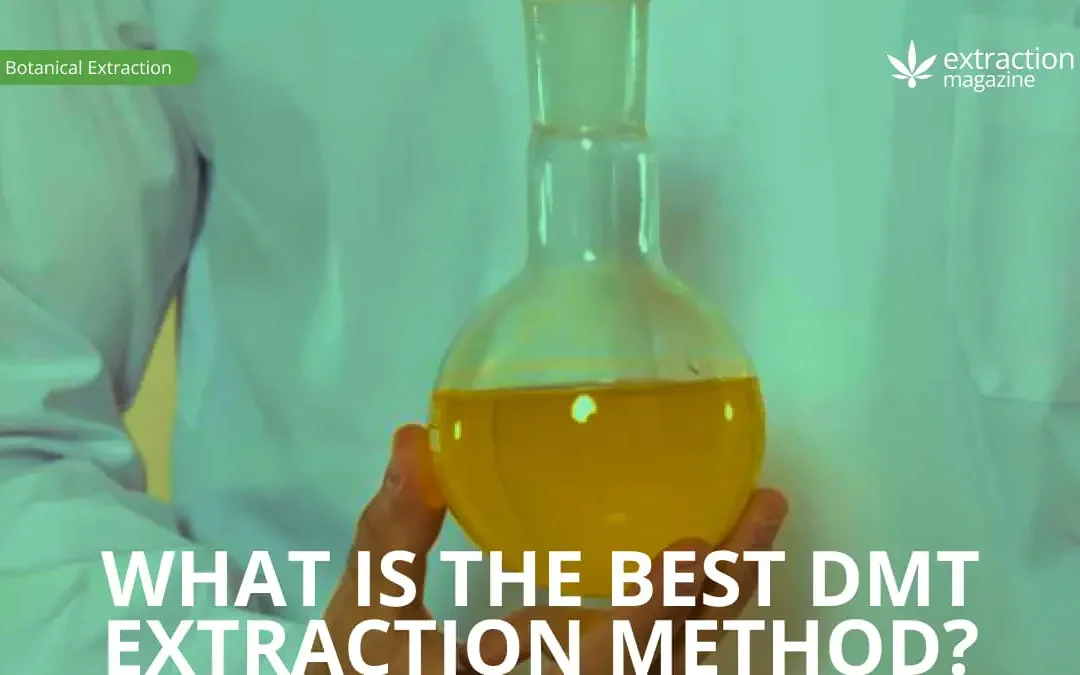
One of the most powerful psychedelics, dimethyltryptamine (DMT), has a history that extends back to pre-Columbian South America in the form of Ayahuasca, a brewed drink capable of inducing a psychedelic experience and used in ceremonies and shamanic medicine among indigenous people. [1] The strong alteration of state of consciousness that the molecule can produce earned DMT the nickname “The Spirit Molecule.”[2] Animals, including humans, produce DMT endogenously, but the physiological function of DMT remains unknown.
Even though DMT metabolizes quickly, it leaves users with profound religious and spiritual experiences. Because of this, DMT is still legal in countries like Brazil, but only for religious purposes. That is slowly starting to change though, thanks to the other legal loophole that permits DMT usage: research.
As the world of psychotherapy marches towards an acceptance of psychedelics, DMT is showing a lot of potential as a treatment for several psychological maladies that were previously thought to be beyond the reach of pharmacology. [4] Whatever the reason for using DMT, be it spiritual or therapeutic, purity and efficiency are two factors to consider when choosing an extraction method.
Direct Method
Traditional religious practitioners commonly employed the direct extraction method as the simplest method for extracting DMT. Using a process known as maceration, ground up plant material is allowed to sit in a variety of solvents for an extended period of time.[5] The solvent slowly extracts DMT, and then the filtration process isolates it. The solution can be shaken to help diffuse DMT into the solvent. This technique has been effective for centuries, but it does require waiting several days or weeks to maximize the extraction yields from the plant material. For those who are willing to wait, the final variable becomes which solvent provides the highest purity. Ayahuasca is typically made with boiled water, but there are many more options available now compared to pre-Columbian South America. One study tested this question, and found a short list of solvents that prove to be the most efficient. [6] n-Hexane, ethyl acetate, n-butanol, dichloromethane, chloroform, anhydrous ethanol, sodium sulfate, sodium chloride, sodium hydroxide, and ammonium hydroxide all produce a purity of 80-95%. However, another study found that soaking the material in hydrochloric acid for 24 hours prior to the maceration led to purity above 95%. [7] This study also claimed that hydrochloric acid could shorten the extraction time, but not as significantly as other available extraction methods. Using these solvents over water puts an added emphasis on the filtration process, though. If the extracted DMT is meant for human consumption, it is essential to make sure that the final product is clear of any remaining solvents to ensure safety.
Soxhlet Method
Soxhlet extraction allows for more rapid extraction and higher yields from less plant material compared to maceration. [8] Continuously heating, filtering, and recycling the solvent allows for the isolation of DMT in a matter of hours instead of days. This technique is relatively new when compared to the centuries old direct method and DMT does not degrade significantly when exposed to heat. [9] One experiment employed methanol as solvent and the solution was heated to 60 degrees Celsius for three 1-hour periods. [10] At the end of the experiment, there were more plant derived impurities in the DMT compared to other traditional methods. So if speed and yield are priorities over purity, Soxhlet extraction may prove a superior strategy.
Matrix Solid-Phase Dispersion Method
An extraction technique that combines the best of the previously mentioned methods is matrix solid-phase dispersion. [11] In one experiment, researchers crushed plant material from Anadenanthera colubrina and Mimosa tenuiflora (both in the subfamily Mimosoideae), and combined it with n-hexane as a solvent. They then placed the solution under vacuum and heated it to temperatures as high as 280 °C. After allowing increased DMT extraction by letting it sit for 24 hours, the researchers eventually filtered and purged the solvent from the solution. The heating procedure takes 29 minutes, followed by the 24 hour absorption period, but the remaining DMT had a purity between 85-90%. This means that matrix solid-phase dispersion produces higher purity than Soxhlet extraction, but is significantly faster than direct extraction. Considering the active heating process only takes 29 minutes, the scalability to allow mass production seems feasible using this extraction method. If DMT does ever receive regulatory status, this may prove the most efficient way to mass isolate the spirit molecule.
The bioavailability enhancement technologies and services market is expected to reach $10 billion by 2035, growing at a CAGR of approximately 11%
Drug developers are shifting focus to the development of lipophilic drug compounds, which increases bioavailability
DehydraTECH-enabled drugs improve the speed of onset, increase bioavailability, increases brain absorption, and reduces drug administration costs
Lexaria’s DehydraTECH has 34 patents granted worldwide and many more pending across several categories of fat-soluble active molecules and drugs
The company operates through four separate subsidiaries to explore the potential and options for the use of DehydraTECH in respective industries
Bioavailability is the ability of a drug or other substance to be absorbed and used by the body – and in recent years, it has become an integral part of drug pharmacokinetics. The bioavailability enhancement technologies and services market is expected to reach $10 billion by 2035, growing at a CAGR of approximately 11%. Drug developers have shifted focus to developing lipophilic drug compounds, undertaking new efforts to identify enhancement techniques that mitigate the challenge of low bioavailability and stability (https://cnw.fm/6uTZv).
Lexaria Bioscience (NASDAQ: LEXX), a global innovator in drug delivery platforms, has developed its patented DehydraTECH(TM) technology to improve how active pharmaceutical ingredients (“APIs”) enter the bloodstream, promoting healthier oral digestion, increasing the effectiveness of lipophilic molecules, and increasing the bioavailability of targeted substances. DehydraTECH promotes fast-acting, less expensive, and more effective oral drug delivery, and it has been thoroughly evaluated through in vivo, in vitro, and human clinical testing.
DehydraTECH is suitable for use with a wide range of product formats, including pharmaceuticals, nutraceuticals, and over-the-counter capsules, pills, tablets, oral suspensions and more. The benefits of DehydraTECH include the following:
Improves the speed of onset, with effects felt in minutes
Increases bioavailability by more effectively delivering the drug into the bloodstream
Increases brain absorption, with testing suggesting up to 10x improvement
Reduces drug administration costs with a higher ratio of drug delivery
To date, Lexaria has been granted 34 patents, with several more pending worldwide, including DehydraTECH-CBD for the potential treatment of hypertension, epilepsy, and more. Lexaria is also exploring food and beverage compositions infused with lipophilic active agents – improving bioavailability through food and drink. Through animal studies, DehydraTECH has shown the ability to elevate the quantity of the drug delivered across the blood-brain barrier by as much as 1,700 percent, which has initiated additional new patent applications and has opened possibilities for improved drug delivery.
Lexaria operates four subsidiary companies to focus on different commercial opportunities in their respective industries: Lexaria Pharma Corp. investigating new products for hypertension, anti-viral treatments, and other drug classes; Lexaria Nicotine Corp. (16.67% owned by Altria Ventures Inc.), investigating oral non-combusted tobacco-derived nicotine formats; Lexaria Hemp Corp. pursuing business-to-business opportunities with cannabinoids such as cannabidiol from hemp; and Lexaria Canpharm Corp. operating a state-of-the-art Health Canada licensed laboratory capable of developing novel psychotropic cannabinoid formulations for potential commercialization in sectors where it is federally legal to do so.
Lexaria’s DehydraTECH is a revolutionary technology that makes it possible to deliver bioactive substances topically or by oral ingestion without the need for unhealthy practices of inhalational dosing where applicable and without the need for co-administration with unhealthy sugars or sweeteners commonly used to mask bitter tastes. It provides power acceleration of intestinal absorption and requires fewer quantities of drugs to achieve desired results.
NOTE TO INVESTORS: The latest news and updates relating to LEXX are available in the company’s newsroom at https://cnw.fm/LEXX
About CannabisNewsWire
CannabisNewsWire (CNW) is an information service that provides (1) access to our news aggregation and syndication servers, (2) CannabisNewsBreaks that summarize corporate news and information, (3) enhanced press release services, (4) social media distribution and optimization services, and (5) a full array of corporate communication solutions. As a multifaceted financial news and content distribution company with an extensive team of contributing journalists and writers, CNW is uniquely positioned to best serve private and public companies that desire to reach a wide audience of investors, consumers, journalists and the general public. CNW has an ever-growing distribution network of more than 5,000 key syndication outlets across the country. By cutting through the overload of information in today’s market, CNW brings its clients unparalleled visibility, recognition and brand awareness. CNW is where news, content and information converge.
To receive instant SMS alerts, text CANNABIS to 21000 (U.S. Mobile Phones Only)
Please see full terms of use and disclaimers on the CannabisNewsWire website applicable to all content provided by CNW, wherever published or re-published: http://CNW.fm/Disclaimer
Do you have questions or are you interested in working with CNW? Ask our Editor
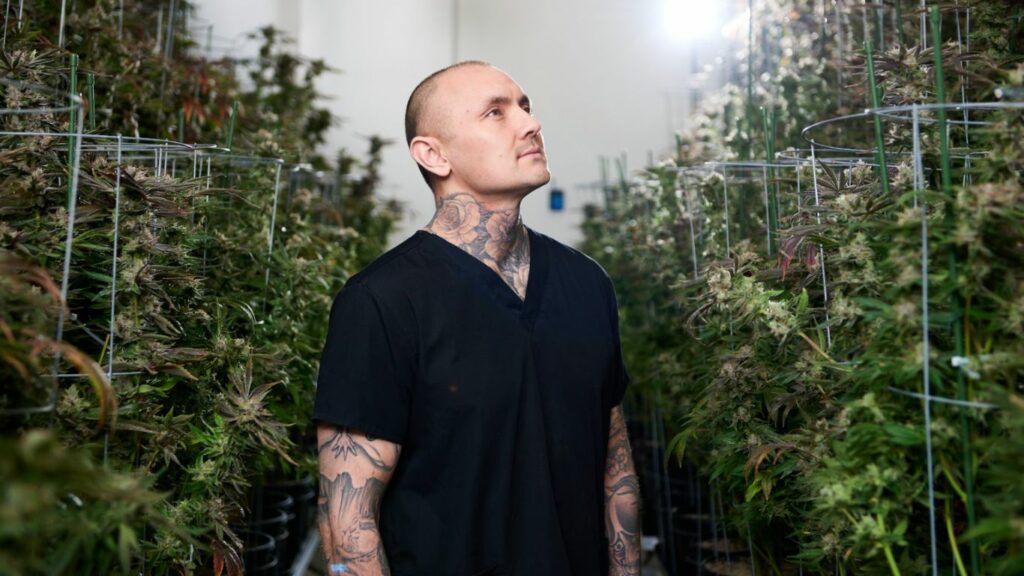
Tyson and Justine Wall run the day-to-day operations at Kush Mountain Craft Cannabis, a micro cultivator and processor located about 30 minutes west of Prince George, British Columbia.
The husband and wife team, who were licensed for their indoor grow in January, recently brought their first crop down and are currently sending it to BC retailers through the direct delivery program.
The two-person team covers the daily operations, with Tyson acting as the Master Grower and Justine as the QA. Tyson comes from a long history of cannabis, having grown under the MMAR and ACMPR before transitioning to the recreational market a few years ago. A third partner, and co-founder Chad Chisan, currently works off-site.
Right now our focus is on building our brand and getting great product out there. This allows us to build slowly without spending beyond our budget.
Tyson says they started with a micro licence because it was the easiest and most affordable, but they have plans to expand over time into a standard, depending on the direction of the market.
“We decided to start with the micro licence because we’re privately funded, but as we expand we can put more rooms in if we want to,” he explains.
Kush Mountain is taking that step-by-step process even with their micro licence, with only about 1,200 sq ft of canopy space of the 2,152 allowed under a micro cultivation licence.
“We just want to go slowly, one room at a time,” he adds. “Right now our focus is on building our brand and getting great product out there. This allows us to build slowly without spending beyond our budget. As we can prove this out and bring in more revenue, then we can add another growing room.”
Tyson Wall inside Kush Mountain Cannabis
Tyson says he uses a stadium-style grow and all of Kush Mountain’s cannabis is hang-dried and hand trimmed. They are also focussing their first crops on sales through BC’s direct delivery program, which allows producers to sell directly to retailers, something he says will help ensure they are getting a higher quality, fresher product to retailers much faster than if they went through BC’s central delivery system hours away in the Lower Mainland.
The small team will be hand delivering to a handful of local Prince George retailers, and utilizing a delivery service for retailers outside their immediate area.
Since they have their own processing licence, Kush Mountain is able to package all their own flower, too, which further helps them maintain their brand, says Justine. Rather than being at the mercy of an outside processor who can dictate their own prices, their “few hundred square feet” of processing space allows them to do packaged runs of dried flower and pre-rolls, all in-house.
“It’s definitely not easy to do, but I think a lot of cultivators can do that if they have the right team and can take the time to understand the regulations. By being our own processor, we can really bring what we want to market.
“And brand recognition is so important,” she adds. “You can work so hard to bring something to market, so of course you want to control that and make sure it’s your brand and something you can stand by. We really wanted people to know who we are and how much care goes into our product.”
Although they are also looking at selling into other provinces, the focus for their first few crops will be in BC as they try and get their brand message out to the region’s cannabis stores.
“What we’re really focussing on is building relationships with retailers, bringing them in for tours—anything we can do to stand out and educate retailers so we’re not just another bag on the shelf.”
Featured image of Tyson and Justine Wall, courtesy of Kush Mountain











Recent Comments