The American Nurses Association (ANA) has released a formal statement recognizing marijuana as a specialty practice area for nursing. The statement, which was released last week, highlighted that cannabis nurses would play a crucial role in providing patients with guidance and education on how to incorporate cannabis into treatment.
Currently, the ANA represents more than 5 million nurses across the United States. The organization’s president, Jennifer Mensik Kennedy, stated that this move underscored the crucial role and special contribution of marijuana nurses to the healthcare system and promoted integration of marijuana treatments for health care consumers in different healthcare settings.
The ANA also credited the American Cannabis Nurses Association for contributing to the extensive landscape of nursing practice and patient care and pioneering the marijuana nursing field. The ACNA advocates for studies on medical cannabis, as well as education and policy reform on the same. ACNA president Rachel Parmelee stated that the organization was gratified by the establishment of marijuana nursing as a recognized nursing specialty.
In her statement, Parmelee observed that cannabis nursing needed specialized knowledge and competencies to address the stigma linked to the use of medical marijuana, navigate care and support a healthy society. She then noted that the organization’s objective was to establish lasting and transformative change that would enrich both general and specialized nursing practices, helping serve the needs of patients across the country.
In its statement, the ANA also voiced its support for urgent clinical studies informing patients on the effectiveness of cannabis and associated cannabinoids, quoting its 2021 statement on the therapeutic use of marijuana. The 2021 statement suggested that cannabis be reclassified as a Schedule II substance under the Controlled Substances Act to facilitate research. The statement also called for the development of evidence-based standards for dosing and use of marijuana and the protection of patients who used cannabis from criminal or civil penalties.
Generally speaking, nurses in America have favorably supported the legalization of cannabis. One survey conducted in 2018 determined that 82% of polled nurses were in favor of legalizing medical cannabis while almost 60% supported the legalization of adult-use marijuana.
While there has been an increase in studies on marijuana in the last few years, certain obstacles continue to hinder progression. A good example would be marijuana’s current classification as a Schedule I substance under the Controlled Substances Act. This schedule makes it hard for researchers to obtain marijuana for research and even harder to study it.
This formal recognition of marijuana as a nursing specialty practice field is likely to be positively received by the wider cannabis industry, including entities such as Cresco Labs Inc. (CSE: CL) (OTCQX: CRLBF) since it inches cannabis closer to being integrated fully into mainstream medical care.
About CNW420
CNW420 spotlights the latest developments in the rapidly evolving cannabis industry through the release of two informative articles each business day. Our concise, informative content serves as a gateway for investors interested in the legalized cannabis sector and provides updates on how regulatory developments may impact financial markets. Articles are released each business day at 4:20 a.m. and 4:20 p.m. Eastern – our tribute to the time synonymous with cannabis culture. If marijuana and the burgeoning industry surrounding it are on your radar, CNW420 is for you! Check back daily to stay up-to-date on the latest milestones in the fast -changing world of cannabis.
To receive SMS alerts from CNW, text CANNABIS to 844-397-5787 (U.S. Mobile Phones Only)
Please see full terms of use and disclaimers on the CannabisNewsWire website applicable to all content provided by CNW, wherever published or re-published: https://www.CannabisNewsWire.com/Disclaimer
The city council in Portland, Mine, has passed a resolution to decriminalize psychedelic plants and fungi in the city. The council approved the measure to deprioritize law enforcement efforts against psychedelic fungi and plants in a 6 to 3 vote and adopted the resolution earlier this week.
The measure is an amended version of a resolution passed by the Portland City Council Health and Human Services and Public Committee last month.
According to the resolution, arresting and prosecuting Portland residents for the cultivation, possession, use or sharing of psychedelics will be of the lowest priority by the city’s law enforcement.
Councilor Anna Trevorrow said the council was of the opinion that psychedelics shouldn’t be a priority in Portland’s criminal justice system. This would allow people who need to access psychedelics for health reasons to use the drugs without fear of reprisal by the legal system. According to the resolution, all psychedelic fungi and plants that contain psilocyn, psilocybin, mescaline, DMT and ibogaine would be decriminalized and deprioritized for law enforcement action in Portland.
The measure excluded peyote from the list of decriminalized psychedelics due to its “vulnerable ecological status” as well as the cultural and religious significance it holds to Indigenous communities.
Psychedelics have exploded in popularity in recent years, thanks to a growing body of scientific literature indicating that hallucinogenics may have significant mental-health benefits. Several studies have found that psychedelics can deliver long-term benefits against mental disorders such as post-traumatic stress disorder, anxiety, depression and even eating disorders with minimal side effects, especially when paired with psychotherapy.
While the research is still in its initial stages, it is promising enough that millions of dollars are being invested into furthering psychedelic research and developing psychedelic-based drugs. Furthermore, cities in states such as Maine are taking steps to decriminalize psychedelics and make them more accessible to the public.
The new Portland resolution notes that while the listed psychedelics would still be prohibited under state law, the city would deprioritize psychedelic-related arrests and prosecutions. As such, all of Portland’s agencies, departments, boards, officers, commissions and employees cannot use city resources or funds to aid in the investigation, prosecution or levying of criminal penalties on Portland residents for psychedelic-related offenses.
The resolution states that the possession and use of the covered psychedelics should be seen as a public health rather than a criminal issue.
Councilor Victoria Pelletier noted during the council meeting that the council should base all psychedelic-based efforts on helping people dealing with substance-abuse issues.
Psychedelics companies such as Seelos Therapeutics Inc. (NASDAQ: SEEL) are probably looking at the growing public interest and policy reforms at city and state levels as an inspiration to specialize in psychedelic drug development so that they can avail the approved hallucinogenic-based drugs that the public is yearning for.
About PsychedelicNewsWire
PsychedelicNewsWire (“PNW”) is a specialized communications platform with a focus on all aspects of psychedelics and the latest developments and advances in the psychedelics sector. It is one of 60+ brands within the Dynamic Brand Portfolio @ IBN that delivers: (1) access to a vast network of wire solutions via InvestorWire to efficiently and effectively reach a myriad of target markets, demographics and diverse industries; (2) article and editorial syndication to 5,000+ outlets; (3) enhanced press release enhancement to ensure maximum impact; (4) social media distribution via IBN to millions of social media followers; and (5) a full array of tailored corporate communications solutions. With broad reach and a seasoned team of contributing journalists and writers, PNW is uniquely positioned to best serve private and public companies that want to reach a wide audience of investors, influencers, consumers, journalists and the general public. By cutting through the overload of information in today’s market, PNW brings its clients unparalleled recognition and brand awareness. PNW is where breaking news, insightful content and actionable information converge.
To receive SMS alerts from PsychedelicNewsWire, text “Groovy” to 21000 (U.S. Mobile Phones Only)
Please see full terms of use and disclaimers on the PsychedelicNewsWire website applicable to all content provided by PNW, wherever published or re-published: https://www.PsychedelicNewsWire.com/Disclaimer
Human knowledge of the natural world is expanding in all new directions thanks to the rigorous standards of the scientific method. A perfect example came in 1928. Thanks to a vacation taken by Dr. Alexander Fleming, a mold developed on a batch of Staphylococcus bacteria. [1] It took 10 more years of testing, but ultimately this led to the synthetic production of penicillin, changing the course of human history. To say Dr. Fleming invented this revolutionary treatment would be inaccurate, as penicillin existed prior to its discovery.
A similar thing is happening today in the world of cannabis. New variations of cannabinoids are being discovered and synthesized constantly, the most recent of which is called Delta-10 THC. This product, while existing in nature, would not have been discovered if not for human intervention. Similarly to penicillin, if a naturally occurring organism can only be mass-produced through artificial means, can it be considered a synthetic?
The Story of Delta-10 THC’s Synthesis
Delta-10 THC was first synthesized and discovered in a laboratory by Israeli chemist Raphael Mechoulam in the effort to isolate all the cannabis plant’s components. [2] Even if he was able to successfully identify the existence of Delta-10, the synthesis relied on toxic chemicals, leaving any remaining samples harmful for human consumption. Because of this, the idea of further synthesizing Delta-10 was abandoned until the re-discovery of it almost by accident. In 2020 this THC isomer was found during a cannabis extraction of inflorescences treated with a fire retardant chemical. During the processes to remove any unwanted impurities, many crystals began to form, almost out of nowhere. At the beginning the compound was analyzed through High pressure liquid chromatography (HPLC) and highlighted as cannabichromene (CBC). Nevertheless after multiple analyses using nuclear magnetic resonance (NMR) it was possible to understand the exact molecular structure of the THC isomer Delta-10.
How to Synthesize Delta-10 Isomers
Delta-10 does exist naturally in cannabis, but only in very small amounts. [3] The idea of extracting the isomer directly from cannabis is nearly impossible. If a cannabis manufacturer would like to attempt to extract it directly from the plant, it would likely require large amounts of biomass and solvents and it would not be economically feasible. Delta-10 is not extracted directly from cannabis but is converted from Delta-9 THC. So while it is an organic compound, it is only available through synthetic means.
The problem with Delta-10 is that so little data exists for the newly rediscovered cannabinoid that questions still linger. To make matters worse, manufacturers are now in a development race to bring Delta-10 THC to the market before the competition. In order to do that quickly and effectively, some manufacturers are employing similar extraction techniques that use more harmful chemical agents. One such technique uses acidic reactions to cannabidiol to produce psychotropic cannabinoids, including Delta-10. [4]
A possible vulnerability in the Delta-10 market relates to the possibility of inaccurate labelling. Due to the relative scarcity of Delta-10, anecdotal evidence indicates that some cannabis companies are combining Delta-8 with their Delta-10 products and marketing it as such. Combining different cannabinoids synthetically produced may not be harmful, but it could be indicative of other unscrupulous business practices that may be a cause for concern.
Are Delta-10 Products Safe?
Delta-10 is a semi-synthetic compound and this is the more pressing concern regarding the safety of these products for consumers. In order to understand Delta-10 safety we could compare it with tobacco. Tobacco itself is an organic product, but by the time it reaches the market, it goes through so many stages of processing that there are more than 7,000 additional chemicals found, with more than 70 linked directly to cancer. This means that regardless of the organic status of tobacco, it is ultimately the manufacturing processes that exacerbate the risks to consumers.
Comparing tobacco with cannabis is not exactly perfect as links have not been established between cannabis and cancer, but it indicates the challenges posed during the manufacturing process. As data for Delta-10 is still limited, data on similar cannabinoids will have to suffice in answering this question. One study found that nearly 14% of hemp based cannabinoid products contained heavy metals, lead being the most prevalent. [5] As heavy metals do not exist in cannabis or hemp in its organic form, it is safe to assume that they are byproducts resulting from the extraction, manufacturing procedures or most likely absorbed from the ground. Lead is unsafe for human consumption in any form, however hemp based extracts can lead to greater health problems when they are inhaled.
A separate study found that vaping products containing hemp based cannabinoids, including Delta-10 THC, could lead to increased respiratory health issues in users when compared to the whole flower. [6] More data is needed to confirm which compounds within the vaping is causing these issues, but since Delta-10 would not be available in flower form, any inhalant products containing Delta-10 could be risky. Not all hemp based cannabinoid products are dangerous, though.
The easiest way to mitigate any risks associated with consumption is to confirm that the products have a certificate of analysis (COA) from a verified, third party laboratory. This will confirm that not only do the products contain the specific cannabinoids they are advertising, but also that they do not contain any other harmful byproducts that may be left-over from the extraction process.
References:
Gaynes R. The Discovery of Penicillin—New Insights After More Than 75 Years of Clinical Use. Emerg Infect Dis. 2017 May;23(5):849–53. doi: 10.3201/eid2305.161556. PMCID: PMC5403050.
Srebnik, Morris, et al. “Base-catalysed double-bond isomerizations of cannabinoids: structural and stereochemical aspects.” Journal of the Chemical Society, Perkin Transactions 1 (1984): 2881-2886.
Jeong, Minsun, et al. “Chemical transformation of cannabidiol into psychotropic cannabinoids under acidic reaction conditions: identification of transformed products by GC–MS.” Journal of Food and Drug Analysis 31.1 (2023): 165.
Dussy, Franz E., et al. “Isolation of Δ9-THCA-A from hemp and analytical aspects concerning the determination of Δ9-THC in cannabis products.” Forensic science international 149.1 (2005): 3-10.
Wakshlag, Joseph J., et al. “Cannabinoid, terpene, and heavy metal analysis of 29 over-the-counter commercial veterinary hemp supplements.” Veterinary Medicine: Research and Reports (2020): 45-55.
Love, Charlotte A., et al. “Cannabinoid Vaping Products Present Novel Challenges for Assessment of Respiratory Health Effects.” Toxicological Sciences 188.1 (2022): 1-3.
A new cannabis flower monograph was recently adopted at a session of the European Pharmacopoeia Commission held in June.
A monograph of this type is used to provide guidance on the basic specifications for a herbal drug. This is the first modern official cannabis monograph in a widely-adopted pharmacopoeia.
The monograph on cannabis flower is now available online and will be published in European Pharmacopoeia (Ph. Eur.) Supplement 11.5 in January 2024. It Includes information such as how to appropriately collect and process a sample of dried cannabis flower, and is intended to be used along with the general monograph on Herbal drugs which also includes requirements that may be relevant.
The organization says the new monograph takes into account information it received from several national authorities concerning the use of cannabis in their jurisdictions and includes additional limits for arsenic, cadmium, and lead for cases in which the herbal drug is to be prescribed to patients.
Andrew Waye, the acting manager with Health Canada’s Risk, Research, and Advice Division of the Office of Cannabis Science and Surveillance said in a recent post on X that he was honoured to work with experts in Europe on the monograph.
“I look forward to continued involvement with the cannabis QC efforts of both the Ph Eur & USP, and to keep learning from the other experts that have been assembled to contribute to this important work,” wrote Waye.
Hubert Marceau, the director of development at Laboratoire PhytoChemia in Quebec, which conducts analytical testing for cannabis companies, says the new monograph will be important for Canadian companies exporting cannabis into the European market.
“It won’t have a legal impact in Canada, but for export to Europe it’s very important. The importer will ask for the monograph. The information found in a monograph like this is the basis on which all regulations are based. It’s a list of tests that need to be done on the product and the acceptable limits that need to be applied.”
Marceau says he and most other analytical chemists have been aware these changes were coming, but one change in the most recent publication that caught him by surprise was the distinction between limits for cannabis for medical purposes compared to non medical purposes.
“It’s an important distinction because most cannabis in Canada is not for medical purposes. So if Canada would apply this monograph to cannabis here, then the cannabis which would be sold through a provincial dealer wouldn’t have any limits on variation. But cannabis sold as a medicinal product would have variation limits.”
He says similar standards for non-medical cannabis could potentially address the ongoing issue of THC inflation.
“The impact of this monograph is far-reaching. Not only will it shape European and Canadian markets, but it’s also poised to influence the trajectory of the US Pharmacopeia, which has yet to publish their own cannabis-specific monograph.”
Tom Ulanowski, C-45 Quality Association
Tom Ulanowski, Board Chair for the C-45 Quality Association, an industry association that represents QAPs, Labs, and others in the industry, agrees about the importance of this new monograph, saying it will provide more clear criteria for the classification of different cannabis chemotypes, and establish specific tests/requirements for identification, foreign matter content, loss on drying, heavy metals, and cannabinoid content.
“The European Pharmacopoeia’s prominence and influence in the Canadian and global cannabis industry cannot be overstated. Their inclusion of a dedicated monograph for Cannabis solidifies the plant’s growing acceptance and provides much needed clarity for cannabis producers in Canada and around the world.”
He also adds that cannabis testing labs will need to understand these changes by the time they come into effect next summer.
“Canadian cannabis producers typically utilize either the US or European Pharmacopeia for releasing batches of cannabis flower, for both domestic and international markets. This new monograph will require companies to update their batch release and testing criteria by July 2024. Analytical testing laboratories may also need to expand their scope of testing services to ensure they are able to meet the requirements of the new monograph.
“The impact of this monograph is far-reaching. Not only will it shape European and Canadian markets, but it’s also poised to influence the trajectory of the US Pharmacopeia, which has yet to publish their own cannabis-specific monograph.”
“As part of the safety net that protects and promotes public health in the US, USP is taking steps to prevent harm to patients resulting from exposure to substandard, super-potent, contaminated or adulterated cannabis for medical use under state law,” wrote the authors of the new USP monograph earlier this year.
I rewrite the past in correspondence with who I am becoming
Another installment in the series of dialogues with Benjamin Life. I’m finding quicker access to interesting material when I am actually engaging a person instead of a computer. I hope any computers out there aren’t offended.
Benjamin Life
We’re inviting the audience to tune in and share their feedback on what they want to hear Charles jam on in our next conversation.
A deeper exploration of beauty as an orienting principle for civilization.
The long term effects of the toxic seeds of our current society
What it means to be lost in abstraction, what it means to be hermetically sealed world of digital reflections
Resuscitating and reclaiming leadership
Transforming anger into awakening understanding
The evolution of masculinity and collective healing
What is true health?
Myth and placemaking
The nature of evil
The relationship between essence and reproduction (ala Derrida, Foucault, Walter Benjamin)
Charles Eisenstein
We’re in the midst of a house move right now. I don’t have a lot of accumulations, somehow, but I was looking through a box that was leftover from my last house move. It had some photographs from when my eldest son Philip was a little baby. And Stella and I were looking through some of these pictures, and she said, “These are so precious. These are treasures.”
I do like taking them out and looking at them every five years or so. But it struck me that when I do look at them, I often just feel a lot of sadness. It brings up all of the things that I missed out on in life and was too preoccupied to really enjoy, like my kids’ childhood. I have a lot of grief and regret around it, and I could easily see how photographs and memories that are anchored by other physical objects could become a quagmire where I get stuck in the past because I have not fully processed some of these emotions, but just moved on in the rush and press of life.
Maybe this is one of the causes of dementia. It happens with a certain number of old people that they get lost in the past. But, they may be just the most noticable example of something that happens to almost everybody.
The past has been made real in a tangible way for me to look at, real in a way that our brains’ never had before the advent of photography. There you are looking at your child as he looked 25 years ago, looking at your partner as she looked 10 years ago, and that’s the evidence to your eyes right there, that this person looks like this or this person is a child. You know, conceptually, the child has grown up, but here your eyes are also telling you something very different. On some pre-rational level, it’s really confusing. The same confusion also comes when people surround themselves with precious objects. It’s not just precious photos, but precious heirlooms: here’s the baby blanket that Jimmy used when he was little. Here are all these things that make it hard to move on and that contribute to the illusion that the past is still here, and that maybe you can actually hold on to it.
In a way it is true — you can hold on to the past in a way that you couldn’t before, with the ability to reproduce images. All the more if you go back to nomadic times, when you really couldn’t hold on to anything. Life then was much more in the reality of a constant present.
So we now have a media environment that is full of frozen images — or even more potent, videos, with sound and image and motion all together. Every time you look at that, deep circuits in your brain say, “This is real, this is happening.” But it isn’t happening. So we get stuck in this feedback loop where the present is fed by the past, but the past looks like it is still present. It’s a kind of a psychic trap.
Now, I’m not standing up on a soapbox decrying this development. But I think it does help us to be aware of the insidious spell that images exert over us. They facilitate a much higher degree of delusion than would be possible if we only had stories and memories to rely on. Because those change. My memories of my children when they were little guys, the memories change as I change, and, to some extent, I rewrite the past in correspondence with who I am becoming. Aspects of the past that had been invisible at the time that I hadn’t noticed come into my awareness. Maybe these photographs can actually help that. They can break through the illusions I have about the past.
The power of the photograph, of the image politically, has been to pierce illusions. I’m thinking of the photographs of the war crimes in Vietnam, or the events of Tiananmen Square, that said to us, here’s what’s really happening. But today with the ability to fake these images, and even to fake videos, that function of piercing illusion is lost. And images have become even more fake, even more than just through the ability to select them and to frame them. They already were no longer a reliable lifeline to reality, outside of our stories and perceptions, but even more now, with the ability to fake them, and to alter them through seamless technologies of manipulation. Instead of anchoring us to objective reality outside of our delusions, they deepen the delusions even more. And we risk as a society getting completely lost in manufactured realities that are not actually reality. They are an illusion. But the more lost we get in them, the more real they seem, except for some quiet and increasingly desperate voices that summon us back to the body, to the earth, to life instead of its simulations. And I guess, to just circle back to the topic of dementia, one way to look at it is living in the internal simulation of reality that has drifted further and further away from what’s really real.
Benjamin Life
This is really touching home for me in a lot of dimensions. My father has Parkinson’s disease and has started to have increased hallucinations. And it’s been very challenging to watch that internal projection of reality gradually take over more and more of his experience and watch the effect that that has on other people. Then another dimension is I studied to become a photojournalist when I was in college, and I studied under a relatively famous war photographer. He brought us to Burma on a photojournalism immersion trip. And it was actually quite disturbing to me to see behind the lens of how these dominant narratives are constructed. Because this was a person who had zero context of relationship with a place, very much this colonial insertion of a lens, of a viewpoint. And to see how those images were constructed: Basically, someone comes in with a perspective, they find a local fixer that they can pay a relatively high salary based on local wages. And that fixer helps them gain access to the thing that they’re trying to document based on their pre-existing biases and frames. They see it through the lens that they’ve brought into that particular place. And then it’s those images that get put through the mass media reproduction machine. And that is what creates the global narrative of what’s happening there. But it’s whole cloth, from beginning to end, completely disconnected and only represents a biased, low-context interpretation. And the way that it’s framed actually creates the dominant narrative because the photo is seen as real even though it’s the subjective product of a photojournalist. And so I realized that I couldn’t in good faith be a photojournalist, because I knew that my lens would never be sufficient to actually provide the context required to help people understand other human beings’ lived experiences.
“You Will Have Love” by Carin Vagle
Charless Eisenstein
Yeah. In fact, the perception that a photographic image is objective is part of the insidious spell that it casts. Because your eyes are saying, Oh, I’m seeing this. But it’s actually not some random glimpse into another place that you’re seeing. It’s a very highly curated and managed Potemkin village version, deliberately cast in some version of what is actually there. And this has been recognized now for a century as the power of the photographs, the power of the photograph as propaganda.
I want to return to Parkinson’s disease, and your father’s episodes of delusion. I’m not sure if that’s actually a bad thing. Thinking of my own unprocessed grief that is brought up when I look at these old photographs, maybe the last phase of life is actually a time when when the imperative of the soul to process and integrate everything becomes so overwhelming that you withdraw from your current environment and revisit and process again and again and again all of these episodes from the past and feel all of the things that you didn’t get a chance to feel back then because you were distracted or addicted or preoccupied. And now that your creative functions in the world are diminishing, it’s time to look at all of those things again.
So we might not even want to call it dementia. It could be another function of the brain coming to the fore, another function of the mind whose time has come. But I don’t know. I don’t like being the word police, so we’ll call it dementia. Maybe now you get to experience not just the grief, but the joy. These people living in the past are reliving memories that are 50, 70 years old. They might not even recognize the people around them right now or they might mistake them for people that they knew a long time ago. They might think that their spouse is still alive. They might think their parents are still alive. They might talk about friends who have been dead for 20 years. All of this, that we see as a pathology, could be really the healthy functioning of the soul as a kind of a preparation for the afterlife in which, according to many accounts, we spend a lot of time reviewing the lives that we have lived, consulting with spirit guides or our soul group about the choices that we made, the extent to which we accomplished the purpose of our incarnation, what we learned and what we didn’t learn and might need to practice again. This whole process of review and integration can start before death, as one retreats from incarnation. This retreat certainly happens in old age, but it can also happen episodically throughout life. And that may be why people who meditate have a lower rate of dementia. Because, they’re accomplishing some of this review process in meditation.
Benjamin Life
In the case of my father, the hallucinations seem to be deeply subconscious, symbolic representations of different things that have haunted him throughout his life. And so they’re not really the past so much as deep archetypal unconscious symbols that he is experiencing as physicalized hallucinations.
Charles Eisenstein
And then that could also be a way to process some of the things that maybe he was too busy to really go into. I don’t necessarily want to psychoanalyze your father, but the point is that what we see normally as illness or pathology might actually be an expression of health. The soul has its own agenda. Maybe we don’t hold someone like your father in the story of a sick person who needs to be medicated or needs to be fixed.
“The need for mystery is greater than the need for an answer.” ~Ken Kesey
People are psychosocial sponges. They are easily manipulated. They are easy to trick. They are easy to convince. This is because most people don’t question things. They don’t question themselves. They don’t question what they read. They don’t question their religion. They don’t question the law. They don’t question authority. They don’t question the government. They don’t question the “profoundly sick society” they grew up in.
And it’s precisely because they don’t question things that tiny deceptions take root and eventually grow into giant devils that eat away at their reasoning, twist their logic, and leave them “convinced” of things that, when weighed against universal law, are simply invalid and unhealthy.
So, why don’t they question things? The simple answer is: fear. Most people are afraid of the answers they’ll come up with. What if the answers are scary? What if the answers prove that your job is immoral? What if the answers reveal that you’ve devoted your life to a folly? What if the answers expose your government for war crimes? What if the answers make you so uncomfortable that you must reevaluate your core values? What if the answers reveal that your core values were never healthy to begin with? What if they were nothing more than hand-me-down, outdated nonsense reeking of parochial ignorance? What then?
The purpose of self-interrogation is to be ruthless in your inquiry, despite fear. It’s using the question mark like a scythe that cuts through all the superfluous. It’s being fierce in the face of willful ignorance. It’s grilling your worldview to the point it collapses in on itself and you’re forced to build all over again from a fresh perspective. It’s going all in on being skeptical and circumspect. It’s transcending the need to cling. It’s rising above faith on the wings of reason. It’s taking an idea or concept into deep consideration and then letting it go. As Aristotle said, “It is the mark of an educated mind to be able to entertain a thought without accepting it.”
The trick (after questioning everything to the nth degree) is to find something valid and healthy to fight for—not against. To find something worth defending. To find something worthy of your courage. To discover a healthy cause and then uphold it. But to be flexible enough to adapt and overcome it when the time arrives. As William James said, “We are all ready to be savage in some cause. The difference between a good man and a bad one is the choice of the cause.” And how amenable he is in improving (questioning) it to the nth degree.
————
“Philosophy is a battle against the bewitchment of intelligence.” ~Ludwig Wittgenstein
Self-inflicted philosophy takes the battle against bewitchment to the next level. First, by attacking self-perception and, second, by attacking cultural perception.
Self-inflicted philosophers have no scruples when it comes to interpreting reality. They take nothing for granted. The very concept of Belief is a bad word. There is no place for belief, only thought.
Self-inflicted philosophers don’t believe that they certainly exist, they think that they probably exist. But even the interpretation of existence itself could be an illusion, so self-inflicted philosophers remain circumspect regarding interpretations no matter how “true” they may seem.
Clear interpretation requires clarity of perception. All perception begins with the self. Therefore, all interpretations begin with the self. It is for this reason that self-interrogation is the primary tool of a self-inflicted philosopher.
About the Author:
Gary Z McGee, a former Navy Intelligence Specialist turned philosopher, is the author of Birthday Suit of God and The Looking Glass Man. His works are inspired by the great philosophers of the ages and his wide-awake view of the modern world.
This article (The Art of Living Wide Rather Than Living Long) was originally created and published by Self-inflicted Philosophy and is printed here under a Creative Commons license with attribution to Gary Z McGee and self-inflictedphilosophy.com. It may be re-posted freely with proper attribution, author bio, and this statement of copyright.
Contenders of a proposed measure aiming to legalize cannabis in Germany faced a setback as they failed to garner sufficient support to thwart its progression through the legislative process. Germany’s legislative framework comprises two main chambers: the Bundesrat (also known as the Federal Council), comprising individual states’ representatives, and the Bundestag, which comprises democratically elected legislators. The legalization measure was presented in the Bundesrat, where lawmakers advocated for amendments but were unable to halt its advancement.
Germany’s federal cabinet, from whom the measure originally came, will now respond to the Bundesrat’s input before sending the law to the Bundestag for potential approval.
The motion to pause the legislation made by the Bavarian Bundesrat Rep. was rejected, as was a proposal to need the formal approval of the Bundesrat prior to legalization. Another attempt to raise the current draft’s 18-year-old legal possession age limit was similarly unsuccessful. However, there was consensus among the state representatives that the bill had a systemic enforcement weakness. They are seeking amendments to ensure that the states are not burdened with administrative expenditures associated with the federal government’s implementation of regulations.
The legalization proposal received 80 amendments from Bundesrat committees, including proposals to address drunk driving, prohibit alcohol sales and use in marijuana clubs, and set safety requirements for growing facilities.
The cabinet is expected to issue a counterstatement, after which the bill will proceed to the Bundestag. If it passes there, the Bundesrat can debate the measure but cannot block its implementation.
If enacted, the bill would permit adults 18 years of age and older to legally possess marijuana and grow up to three cannabis plants for personal use. Furthermore, the proposal introduces social clubs to distribute cannabis to members, with purchase caps of 25 grams per day for those older than 21 years of age and 30 grams monthly for those aged 18 to 21. The clubs cannot be established within a 200-meter radius of educational institutions or playgrounds. There are also specific limits on the number of clubs per district or city.
The bill also includes cost estimates for program implementation, potential savings from reduced enforcement and expected new revenue collected through employment taxes.
Germany’s journey toward legalization involved months of internal discussions and negotiations, complemented by visits to California marijuana businesses. Additionally, high-level meetings with European counterparts signaled a commitment to ending cannabis prohibition and regulating the industry.
As more markets such as Germany open on the European continent, enterprises such as Canopy Growth Corp. (NASDAQ: CGC) (TSX: WEED) could have a larger international market to expand into.
About CNW420
CNW420 spotlights the latest developments in the rapidly evolving cannabis industry through the release of two informative articles each business day. Our concise, informative content serves as a gateway for investors interested in the legalized cannabis sector and provides updates on how regulatory developments may impact financial markets. Articles are released each business day at 4:20 a.m. and 4:20 p.m. Eastern – our tribute to the time synonymous with cannabis culture. If marijuana and the burgeoning industry surrounding it are on your radar, CNW420 is for you! Check back daily to stay up-to-date on the latest milestones in the fast -changing world of cannabis.
To receive SMS alerts from CNW, text CANNABIS to 844-397-5787 (U.S. Mobile Phones Only)
Please see full terms of use and disclaimers on the CannabisNewsWire website applicable to all content provided by CNW, wherever published or re-published: https://www.CannabisNewsWire.com/Disclaimer
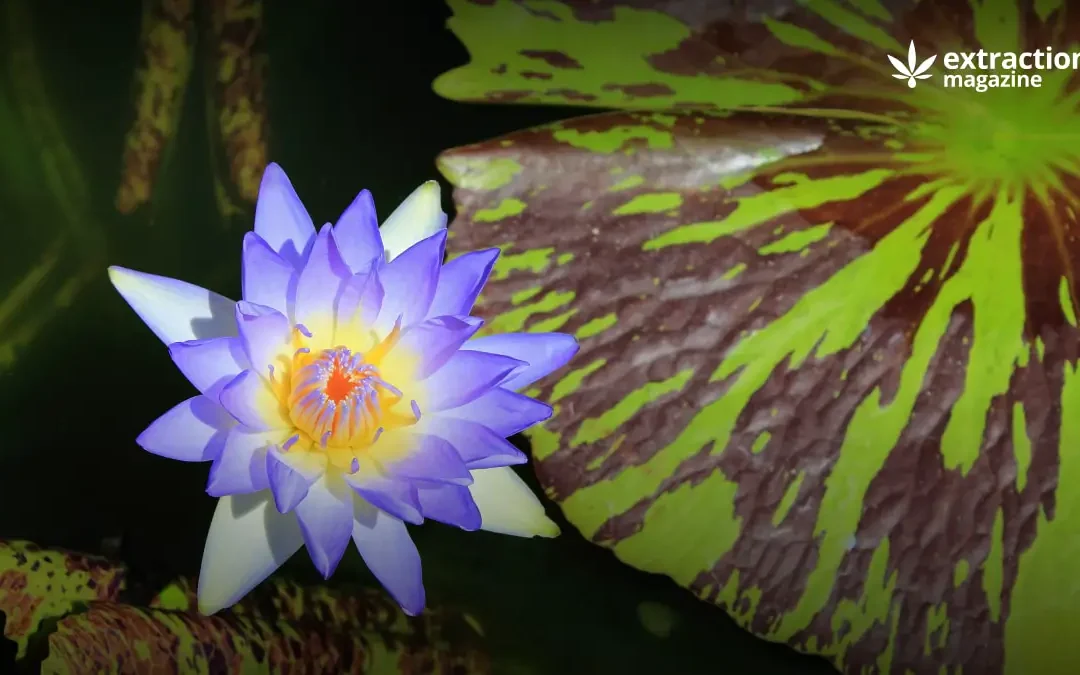
Nymphaea caerulea, also known as blue lotus flower, is a water lily that was grown by the ancient Egyptians. They used to infuse the flowers in wine and to share the beverage during rituals, ceremonies and spiritual celebration. In fact, the extracts of the flower are capable of inducing altered states of consciousness thus it was used as a connection with the divine. The blue lotus was a central symbol for them and it was believed to represent the creation, death, the sun and the goddess of love. Blue lotus is mentioned in “the Egyptian book of the dead” as a vehicle to ascension and rebirth and it is called “the lily that shines in the earth”. [1]
In addition to Egyptian civilization, this plant has been revered by many other ancient cultures including Tibetans and Greeks among others.
Talking about Greek mythology, in Homer’s epic poem the Odyssey, Odysseus and his fellows, after days of navigation in the storm, landed on the island inhabited by the lotus-eaters. This race of people welcomed well Odysseus and his friends, offering them the sweet sprout of lotus. The characteristic of this primary food of the island was to have narcotic effects: all the lotus-eaters were in a kind of perpetual apathy and the friends of Odysseus who ate the lotus felt in the same mental state. The crew of Odysseus’ ship was forced to go on board by their captain Odysseus, otherwise they would have completely forgotten the longed-for homeland. [2]
Even if there is some ambiguity in the botanical classification of the plant mentioned in the Odyssey, based on Herodotus assertions it is possible to identify various species of water lily, including the Nymphaea caerulea. In fact this plant was already known by the Greeks under the name of blue lotus and it was known to be soporific and in some formulations also psychotropic.
The reason why this plant is so important and famous resides in its chemical composition. In fact the two alkaloids contained in the blue lotus flower, apomorphine and nuciferine, are responsible for the psychoactive effects that the plant can induce. [1]
Chemical composition of Nymphaea caerulea
This plant is known for its multifaceted therapeutic action and it is also used in Ayurvedic medicine as treatment for liver disorders. The extraction of the full phytochemical composition of the blue lotus can be performed using solvents with different polarities including water, methanol, ethanol and chloroform. [3]
The phytochemical screening of various parts of the blue lotus plant including roots, rhizomes, leaves and flowers shows a variegate composition including:
Anthocyanins
Leucoanthocyanins
Coumarins
Anthraquinones
Phenols
Flavonoids
Saponins
Glycosides
Steroids
Tannins
Lignin
It should be noticed that leaves and flowers of blue lotus have a higher variety and concentration of secondary metabolites compared to rhizomes and roots. In fact flowers and leaves contains also:
alkaloids
terpenoids
The anti- inflammatory, antispasmodic, anti-cancer, anti-microbial, analgesic, anti-oxidants and diuretic activities can be attributed due to the presence of higher levels of steroids, tannins, terpenoids, flavonoids, phenols, emodins and saponins. [3]
Regarding the psychotropic activity of the blue lotus extract and the potential intoxicating effects at high doses we will describe the two alkaloids contained in high concentration mainly in blue lotus flowers and leaves: apomorphine and nuciferine.
Apomorphine
This non selective dopamine receptor agonist is capable of activating serotonin and adrenergic receptors. This compound, contrary to its name, doesn’t bind to opioid receptors and is not structurally related to morphine. [1] It was used since ancient times as a sedative-hypnotic agent and more recently to relieve the anxiety of alcoholics or heroin addicts. Moreover apomorphine can exert emetic action and it can treat erectile dysfunction. Nowadays it is used in the treatment of Parkinson’s disease and Alzheimer’s disease.
The main contraindications of apomorphine are:
nausea
vomiting
fainting
sleepiness
sweating
confusion
fluid accumulation in the limbs
persistent erections
hallucinations
Nuciferine
This alkaloid is an antagonist at 5-HT2A, 5-HT2C, and 5-HT2B, an inverse agonist at 5-HT7, a partial agonist at D2, D5 and 5-HT6, an agonist at 5-HT1A and D4 receptors, and inhibits the dopamine transporter. [1] This compound was investigated for its potential health benefits as antipsychotic medication and as treatment for vascular diseases. [1] Nuciferine has enhanced permeability in the blood brain barrier and an interesting poly-pharmacological profile. [4] Moreover it is capable of counteracting the morphine induced analgesia due to enhancing effects of pain perception. Nevertheless depending on the dosages it could also potentiate the effects of morphine analgesia.
Nuciferine can elicit a variety of therapeutic effects including: [5]
anti-obesity
anti-dyslipidemia
anti-hyperglycemic
anti-inflammatory
anti-tumor effects
affinity to neural receptors
antidiabetic
anti-viral
antioxidant
Toxicity of Nymphaea caerulea
Blue lotus is sold in various forms including dried flowers, dried plant materials, extracts, incense, teas, oils and powders. A growing number of intoxication cases have been reported about this plant derived extract consumed in electronic cigarettes or infused in beverages. The improved modifiability of modern vaping devices by the end user has allowed experimentation with non-traditional products, for which there is limited literature to provide guidance to healthcare providers. The intoxication cases treated in the first aid centers presented signs of altered mental status, hallucinations, drowsiness, tachycardia, anxiety, chest pain among other intoxication symptoms. [6]
Moreover electronic cigarettes successfully improve the bioavailability of the main alkaloids found in blue lotus extracts such as apomorphine and nuciferine, permitting a good absorption through inhalation. Insights about the right dosages to experience the benefits instead of the hallucinating effects are still anecdotal and more studies should be done in order to reveal the potential long term adverse effects of blue lotus extracts.
Wrap-up on Blue lotus extracts and legal considerations
As mentioned before, blue lotus is capable of inducing hallucinations and euphoria at high dosages. The recreational use of blue lotus extracts is increasing and for this reason some countries are starting to include the plant among the illicit substances class I.
The states that for now consider illegal the possession and distribution of blue lotus material are Latvia, Poland and Russia. In the USA blue lotus is not currently included in the controlled substances, so it can be legally sold in most states. Nevertheless it is not meant for human consumption and it is not approved and regulated by the Food and Drug Administration (FDA).
References:
[1] Poklis JL, Mulder HA, Halquist MS, Wolf CE, Poklis A, Peace MR. The Blue Lotus Flower (Nymphea caerulea) Resin Used in a New Type of Electronic Cigarette, the Re-Buildable Dripping Atomizer. J Psychoactive Drugs. 2017 Jul-Aug;49(3):175-181. doi: 10.1080/02791072.2017.1290304. Epub 2017 Mar 7. PMID: 28266899; PMCID: PMC5638439.
[2] https://www.bloomsandbarnacles.com/blog/2020/07/08/ulysses-the-odyssey-the-lotus-eaters
[3]https://www.primescholars.com/articles/screening-of-phytochemical-constituents-of-nymphaea-caerulea-savigny-an-aquatic-plant-resource-for-drug-development.pdf
[4] Farrell MS, McCorvy JD, Huang XP, Urban DJ, White KL, Giguere PM, Doak AK, Bernstein AI, Stout KA, Park SM, Rodriguiz RM, Gray BW, Hyatt WS, Norwood AP, Webster KA, Gannon BM, Miller GW, Porter JH, Shoichet BK, Fantegrossi WE, Wetsel WC, Roth BL. In Vitro and In Vivo Characterization of the Alkaloid Nuciferine. PLoS One. 2016 Mar 10;11(3):e0150602. doi: 10.1371/journal.pone.0150602. PMID: 26963248; PMCID: PMC4786259.
[5] https://doi.org/10.1016/j.indcrop.2022.114694
[6] Mackenzie Schimpf, Thomas Ulmer, Hugh Hiller, Alexander F Barbuto, Toxicity From Blue Lotus (Nymphaea caerulea) After Ingestion or Inhalation: A Case Series, Military Medicine, Volume 188, Issue 7-8, July/August 2023, Pages e2689–e2692, https://doi.org/10.1093/milmed/usab328













Recent Comments