

Medical Cannabis Leaders Launch Sora Care, a Cross-canada Virtual Medical Cannabis Clinic

Compliance and enforcement efforts continue to increase, especially for personal and designated growers
Health Canada increased the number of inspections it conducted in the most recent fiscal year, compared to the year prior, especially of personal and designated medical cannabis growers.
According to the newest annual report covering April 1, 2022, to March 31, 2023, Health Canada’s regulatory branch conducted 662 inspection activities of regulated parties under the Cannabis Act and its regulations. Included were 170 registered personal and designated production of cannabis for medical purposes inspections.
This number increased from 549 inspections in 2021-2022, which included 89 inspections of personal and designated cannabis growers. In-person inspections were mostly paused from 2020-2021 due to pandemic-related closures.
The increase in inspection of those with licensees to grow cannabis for medical purposes, either for themselves or as a designated grower for others, is part of Health Canada’s efforts to reduce what it refers to as “misuse” of the medical cannabis program, while still maintaining access to the medical program for those who need it.
In addition to inspections of these personal and designated growers, Health Canada’s inspectors also conduct compliance verifications with federally licensed commercial cannabis producers. Of the 492 inspections conducted of commercial licence holders, Health Canada issued 15 non-compliant inspection reports, 163 major observations, and 358 minor observations. Sampling was conducted in five of these inspections.
Of the 15 non-compliant reports, Health Canada issued two formal warning letters, one partial licence suspension, along with product seizure and detention.
Issues that resulted in a non-compliant rating included conducting unauthorized activities with cannabis, insufficient record keeping, lack of appropriate inventory control and oversight, unsatisfactory cannabis packaging or labelling, insufficient security measures in place, and non-compliance related to good production practices (GPP).
The majority of inspections (286) were regularly scheduled inspections. Another 115 were compliance verifications, 31 were concerning sales, and 18 were targeted inspections. There were also 42 inspections related to industrial hemp licence holders.
A regular inspection is conducted as part of Health Canada’s normal activities. A targeted inspection looks at specific issues with the licence holder, and a sales inspection relates to the sale of product a licence holder is not authorized to sell.
Of those inspections of hemp licence holders, only one instance of non-compliance was reported, relating to “insufficient record keeping and the licence holder not meeting the conditions of their industrial hemp licence.”
Compliance activities related to promotions
In addition to these types of inspections, Health Canada also takes measures to ensure cannabis licence holders are following the promotional prohibitions under the Cannabis Act.
In the most recent year, Health Canada conducted 353 compliance activities related to promotions, which led to 93 actions, either compliance or promotional emails, letters, or calls, highlighting the agency’s guidance-based approach towards compliance.
Personal and Designated Grows

The significant increase in inspections was of the personal and designated medical grows, expanding by 40 percent compared to the previous year. Of the 170 completed inspections, 78 resulted in no observations, and 92 resulted in at least one for a total of 165 observations.
The inspections resulted in Health Canada revoking or refusing 16 of these registrations, with “additional actions” currently ongoing or under consideration at the time of publication.
Most of the licence holders inspected in the past year were in Ontario or BC (115, 29), but a handful were also in Alberta (5), Manitoba (10), and Quebec (11). In the previous year, Quebec saw the majority of these kinds of inspections.
In addition to these inspections, Health Canada continues to communicate with municipalities and law enforcement and share information with provincial and territorial health professional licensing authorities (such as provincial colleges of physicians) in instances of potential abuse by medical professionals authorizing access to the medical program such as authorizing a large quantity of cannabis.
The average daily amount authorized by health care practitioners for individuals registered to access cannabis for medical purposes from federally licensed sellers in Canada is just over two grams a day. Still, some have been authorizing more than 100 grams a day. The average daily amount authorized by health care practitioners for individuals registered with Health Canada for personal or designated production was 35.5 grams per day.

According to Health Canada’s most recent figures as of March 2023, the number of individuals registered for personal and designated cultivation of cannabis for their own medical purposes decreased 6 percent from 20,448 in December 2022 to 19,076 in March 2023, mainly from BC, Ontario, and Quebec.
In 2018, there were just under 26,000 active personal/designated production registrations. That number grew to more than 47,000 by September 2021 before rapidly dropping to just over 19,000 as of March 2023.
Law Enforcement and Politics
Police in Quebec recently shared information on a string of busts it had conducted on licence holders they say are using the designation to feed into large-scale distribution and trafficking activities outside the scope of the licence.
Personal and medical authorization sites have been under increased scrutiny in the past few years from several municipalities and many Conservative MPs, especially in Ontario where the OPP says criminal enterprises are exploiting the Health Canada medical, personal and designate cannabis production regime.
A southern Ontario county says they are the first in Canada to take steps to manage personal and designated medical grow licences through local zoning bylaws. In 2022, munis in Alberta called for limits on medical cannabis grows in residential areas.
The amount of these inspections conducted by Health Canada has been growing annually. While there were 170 inspections in the most recent year and 89 the year prior, between April 1, 2019, and March 31, 2020, Health Canada conducted 82 inspections associated with 82 personal or designated registrations. In 2019, there were only nine inspections related to such registrations.

Books on Psychedelics
Psychedelics are substances that cause an altered state of consciousness and temporarily induce changes in the perceptive-sensory sphere. Classical psychedelics, the ones with a broader and deepest culture and scientific influence are lysergic acid diethylamide (LSD), mescaline, dimethyltryptamine (DMT) and psilocybin. The former is one of the most potent psychedelic substances and it was synthesized by the Swiss chemist Albert Hofmann starting from a naturally occurring compound found in the infecting grain fungus, ergot. The other cited substances are found in plants (mescaline, DMT), fungi (psilocybin) and also in animals (DMT).
Modifying the structure of mescaline, the American chemist Alexander Shulgin created the psychedelic class of 2C compounds, modified phenethylamines containing methoxy groups at the position 2 and 5 of the benzene ring. The most widely known compound of this family is the psychedelic 2,5-dimethoxy-4-bromophenethylamine also called 2C-B.
Over the course of human history, psychedelics were used for spiritual purposes in religious ceremonies. Studies about the accidental inclusion of psychedelics such as psilocybin containing fungi in the diet of our hominid ancestors, assess that psychedelics may have contributed in the expansion of social bonding, facilitation of ritual and collective activities, managing of psychological issues and physical problems and enhancing of group-decision making. [1]
There is a wide list of books dealing with the theme of “psychedelia”. From scientific treatises based on chemistry and ethnobotanical studies to novels based on true stories involving the synthesis or consumption of psychedelics, the list is countless. Nevertheless we decided to propose to you a list of readings that can’t be ignored if you are working in the field of psychedelics or if you are passionate and curious about them.
- Plants of the Gods: Their Sacred, Healing, and Hallucinogenic Powers
- The Botany and Chemistry of Hallucinogens
- LSD my problem child
- PiHKAL – A chemical love story
One of the aspects that made possible the following book selection is that the authors of some of the proposed books are the major personalities in the scientific field of hallucinogenic plants, synthetic hallucinogens and their uses: Richard Evans Schultes, Albert Hofmann and Alexander Shulgin.
About the authors
Richard Evans Schultes (1915 – 2001) can be considered as the father of ethnobotany. His researches, joined with influential chemists such as Albert Hoffmann, have been crucial to understand the effects of many hallucinogenic plants among indigenous peoples, revealing peculiar cultural uses depending on the chemicals contained in the plants. Schultes studied the medicinal and hallucinogenic plants of Amazonian forest, the peyote cult among Plains Indians, the Mexican hallucinogenic plants and fungi, respectively the ololiuqui plant (Turbina corymbose, a morning glory species) and the teonanàcatl species belonging to the genus Psilocybe, making many other researches in the field of psychedelic ethnobotany.
Albert Hofmann (1906 – 2008) is the first chemist to have synthesized LSD and to have studied its hallucinogenic effects, at first on himself. Moreover the members of Hofmann research team were the first to isolate the active compound of hallucinogenic mushrooms psilocybin and psilocin. Hofmann’s research on the effects of LSD inspired several psychiatrists and the use of the substance in controlled settings as a tool for psychotherapeutic sessions. During his life Hofmann conducted researches discovering and isolating the active compound of Turbina corymbose, the ergine also known as d-lysergic acid amide (LSA), a compound strictly related to LDS and responsible for the psychoactive effects of the plant.
Alexander Theodore Shulgin (1925 – 2014) also known as “Sasha” is the chemist and pharmacologist who invented 3,4-methylenedioxymethamphetamine (MDMA) and more than 230 psychoactive substances with psychedelic and entactogen effects. He tried all the substances on himself and is the one introducing these compounds to psychologists in the late 70s for their potential use in neuropharmacology. Due to Shulgin’s incredible work in the systematic research and rational drug design of psychedelic drugs, he can be defined as the “godfather of psychedelics”. [2]
Psychedelic books — Our readings selection
Plants of the Gods: Their Sacred, Healing, and Hallucinogenic Powers
(Authors: Richard Evans Schultes, Albert Hofmann. Publication: 1979)
Dr Schultes of Cambridge and Dr Hofmann of Basel, joined their knowledge of botany and chemistry to create this interdisciplinary book. Here are reported information regarding psychoactive alkaloids responsible for the psychedelic effects of certain plants all over the world, used since primitive cultures till modern ones. This ethnobotanical book describes the ritualistic use of hallucinogenic plants, highlighting the importance of their use in shaping the culture and history. Whether its datura, cannabis, peyote, belladonna or others, reading this book will explain you in detail the way the hallucinogenic plants were prepared and consumed, myths and history related to the plants, the active compounds contained in them and their therapeutic and mystic use.
The authors believed that the scientific research about psychotropic plants can help in the evolution of psychiatric research. Using the active compounds from plants could help reveal the unknown regarding the central nervous system. Moreover the study of hallucinogenic plant components could help rational thinking about new possibilities of psychopharmacological entities to treat psychiatric disorders.
This book is full of photographic testimonies of the ritualistic use of hallucinogenic plants, artworks created under the effects of the plant derived psychotropic molecules, tables describing minutely the botanical entities and maps illustrating their distribution in the world.
What makes this book special is the level of specialistic details the authors, luminaries of science, give. This masterpiece is the milestone of any kind of ethnobotanical study about hallucinogenic plants. And you can’t miss reading it if you study this field or you are passionate about the argument.
The Botany and Chemistry of Hallucinogens
(Authors: Richard Evans Schultes, Albert Hofmann. Publication: 1980)
The authors continue to focus on hallucinogenic plants and include in this book newly discovered botanical entities, highlighting the historical, ethnobotanical, pharmacological and psychological aspects linked to them. Different families of psychotomimetic plants are presented reporting insights regarding the molecular structure of the active compounds. Separate chapters include a list of plants with alleged hallucinogenic effects that have been never used in any rural community due to the potent toxic side effects. The book is provided with an exhaustive bibliography, giving to the reader many interesting references for further studies and insights. The book presents interesting photographic records. Differently from the other mentioned book by the same authors, here the pictures are in black and white.
LSD my problem child
(Author: Albert Hofmann. Publication: 1979)
In this book Dr Albert Hofmann gives a complete picture of LSD, from its origins to its effects and possibilities of therapeutic administration. Here are also described the potentially dangerous side effects of the compound misuse. This interesting book contains many reflections about sacred drugs, mysticism and science, following the thoughts of Dr Hofmann, his retrospective opinion about his discovery and his researches about hallucinogenic plants. Hofmann shares the correspondences with some notable figures including Aldous Huxley, Walter Vogt and Timothy Leary.
The powerful conclusion of Hofmann is that mystical experiences could be the best hope for humanity’s survival, and doesn’t matter if induced by LSD or reached with meditation, such experiences help us understand the wonderful infinite questioning about the universe.
PIHKAL – A chemical love story
(Author: Alexander Theodore Shulgin & Ann Shulgin. Publishing: 1991)
The title of the book is an acronym of the phrase: “ Phenethylamines I Have Known And Loved”. This book represents the life and discoveries of this notable chemist. While the first part of the book is a fictionalized story of the love between Shulgin and his wife, the second section of the book reports detailed synthetic routes for 179 psychedelic drugs discovered (and tried) by Shulgin. In addition to the synthesis instructions the book also reports bioassays, dosages and comments about these compounds. The purpose of the book was to make the discoveries of Shulgin more available to the world, instead of being limited to the research university field. While some techniques are beyond the possibilities of a person with basic chemistry knowledge, there are quite some hints about how to obtain reagents extracting compounds from plants or producing alternatives to expensive reagents in an easy and cheaper way.
Most likely the license of Shulgin was terminated by the Drug Enforcement Administration (DEA) due to the publication of this book. DEA agents compared Shulgin’s book to a cookbook on how to make illegal drugs. Nevertheless the importance of this publication lies in the meticulous and detailed description of the class of compounds phenethylamines. The direct experience of the author on the effects, and the described synthetic route make this book a treasure of historic importance.
References:
[1] Front. Psychol., 29 September 2021, Sec. Personality and Social Psychology, Volume 12 – 2021 | https://doi.org/10.3389/fpsyg.2021.729425
[2] “DIRTY PICTURES” – Alexander Shulgin documentary movie trailer, SXSW 2010 on YouTube
Origins of Modern Education

Origins of Modern Education
Excerpts from my book “An Unorthodox Truth”

The education system we have today, known as compulsory education, originated from the Prussian government in the 1700s. This system was developed after Prussia’s defeat to France in the Napoleonic wars, when Prussian soldiers refused to participate in war. To prevent this from happening again, Prussia expanded its schooling system and made it mandatory for all young citizens, regardless of gender, to receive education from the age of 5 to 13 or 14, primarily through municipality-funded schools. The main objective was to ensure unwavering loyalty to the country.
The Prussian education system served as a model for the American schooling system. It is important to note that the foundation of the Prussian system was to instill complete obedience in the population. This aspect must be considered when discussing compulsory education, which refers to a period of education required for everyone and enforced by the government. While it originated in Prussia, we will now explore how prominent figures like Rockefeller and Carnegie influenced the American education system.
During the 19th century, Americans valued education and intellectual pursuits. The majority of the population were literate, with a literacy rate ranging from 93% to 100%, as revealed by the 1840 census. Education before the introduction of compulsory schooling laws in Massachusetts in 1852 was private and decentralized. Consequently, classical education, including the study of Greek and Latin, as well as a strong foundation in history and science, was widespread.
However, the monopolistic elites saw a society of independent thinkers as a threat. They needed a compliant workforce, individuals whose intellect was developed just enough to carry out menial tasks in factories. John D. Rockefeller played a significant role in shaping education by establishing the University of Chicago in 1889. His philanthropic adviser, Frederick Taylor Gates, penned “The Country School of Tomorrow,” which outlined the Rockefeller plan for education. The goal was not to produce philosophers, scholars, artists, or professionals but to mold obedient individuals.
Rockefeller’s vast resources, further supplemented by the establishment of the General Education Board in 1902 with a $180 million endowment, allowed for the immediate influence of the Rockefeller agenda on education. This influence was magnified by other monopolists of the time who shared the same philanthropic approach. Andrew Carnegie, known for his success in the steel industry, started his fortune by transporting Rockefeller’s Standard Oil via railroads. In 1905, he founded the Carnegie Foundation for the Advancement of Teaching, which served as a tax-free organization to direct the development of the education system in the United States and globally. Following suit, Rockefeller established the Rockefeller Foundation in 1910 as the umbrella organization for his philanthropic endeavors.
The impact of Rockefeller and Carnegie on education was profound, shaping the educational landscape not only in America but worldwide.
Proverbs 22:6 advises us to guide children along the right path, as it will have a lasting impact on their lives. This principle was embraced by influential figures like the Prussians, as well as prominent Americans such as Rockefeller and Carnegie. These individuals actively worked towards shaping the education of millions of children nationwide. Unfortunately, we were unable to deviate from this predetermined path, with these efforts disguised as acts of philanthropy.
Remember the Reece committee’s discovery? Billionaires were utilizing their wealth to mold society according to their own preferences. They began with education, and in this article, we will delve into their vision. We will rely on insights from John Taylor Gatto, a highly respected teacher who was named New York Teacher of the Year four times. Gatto’s book “Weapons of Mass Instruction” gives us a glimpse into a meeting among these billionaires as they discuss their goals for education.
If the original Prussian compulsory education system sought to instill absolute obedience in the population, the billionaires desired the same outcome. According to Gatto’s book, between 1896 and 1920, a select group of industrialists and financiers, along with their charitable foundations, invested more money in compulsory schooling than the government did. Carnegie and Rockefeller alone were spending more than the government as late as 1915. This thorough schooling system was established without public participation or knowledge. While motives may have been complex, it is enlightening to explore the General Education Board’s view of the mission. In a 1906 document, they stated:
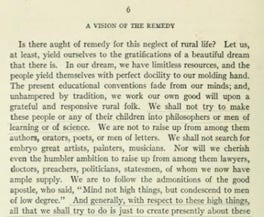
“‘In our dreams … people yield themselves with perfect docility to our molding hands. The present educational conventions [of intellectual and moral education] fade from our minds, and unhampered by tradition we work our own good will upon a grateful and responsive folk. We shall not try to make these people or any of their children into philosophers or men of learning or men of science. We have not to raise up from among them authors, educators, poets, or men of letters. We shall not search for embryo great artists, painters, musicians, nor lawyers, doctors, preachers, politicians, statesmen — of whom we· have an ample supply. The task we set before ourselves is very simple … we will organize children … and teach them to do in a perfect way the things their fathers and mothers are doing in an imperfect way.’”
To summarize, the General Education Board’s intention was not to nurture intelligence or talent, but solely to foster obedience. This mission statement, found in multiple forms, must be read and understood multiple times to dispel any illusions regarding the purpose of education.
Initially, I found it hard to believe that the General Education Board, which closed its doors in 1964, had such a purpose. However, upon seeing the actual document, my doubts vanished. (See Figure 1)

This passage emphasizes the true objective of public education: to shape our minds according to their desires. It was not aimed at empowering us to become independent individuals who can thrive on their own. Instead, its purpose was to ensure our seamless integration into their society. As Gatto pointed out, this mission statement needs to be read repeatedly in order to shatter the illusions created by the education system. Symbolically, we will break the metaphorical “mental glasses” that school has placed upon us.
In his insightful words, author Seth Godin sheds light on the hidden agenda behind public education and how it shapes our society. Contrary to conspiracy theories, Godin explains that public education was a deliberate collaboration between government and corporations. From Godin, we read the following:
“I need to start by acknowledging that I am NOT a conspiracy theorist, I think most conspiracy theories are groundless …in this case public education was a conspiracy between government and corporations. Corporations were petrified that two things would happen when factories started getting efficient: one, that they would run out of factory workers because that would mean that have to pay people a lot and two, that they would run out of people who wanted to buy stuff. The typical person in 1880 had two pairs of pants and a pair of shoes and that was it. The idea of consumer culture was not preordained and it certainly didn’t exist for the typical person prior to 1900. So public school was built intentionally by Andrew Carnegie and Woodrow Wilson and other people to do two things: [1] train people to become compliant factory workers, sit in straight rows, do what they’re told, follow instructions and [2] to teach kids that the best way to fit in and feel good was to buy stuff and it’s done a great job at both those things and we’re still doing it.”
Remarkably, public school has succeeded in achieving both goals, perpetuating a system that molds us into conforming automatons. Moreover, education also promotes a devotion to the state, further enforcing the control of the ruling billionaires. But the narrative doesn’t end here. We will delve deeper into how education erodes our individuality, a necessary sacrifice in the society that the super-rich have constructed for us.
Thank you and best of luck in your journey.
Unorthodox views are not uncommon
Picture by The Mind’s Journal

newnow@newagora.ca for questions or to book your spot!


420 with CNW — Top Minnesota Marijuana Regulatory Official Quits as Background Information Raises Questions

A recently appointed marijuana regulatory official in Minnesota has stepped down just a day after taking the post after an MPR-APM report revealed conflicts of interest and evidence of business impropriety. Minnesota Governor Tim Walz appointed Erin DuPree as the head of the new Minnesota Office of Cannabis Management on Sept. 21, 2023, and his office penned a press release praising her for leading research on cannabis and hemp-derived products while remaining compliant with state cannabis regulations and laws.
However, a background review by APM Reports and MPR News raised major questions about her background and the Walz administration’s verification processes, prompting DuPree to abdicate her post. The investigation by MPR News-APM Reports revealed that DuPree owned a business that sold products with more than the state-mandated THC limit, racked up tens of thousands of dollars in tax liens and was in debt to several former associates.
Starting in July 2022, a website for DuPree’s business Loonacy Cannabis Co. marketed cannabis products containing well over the allowed THC limits in Minnesota and advertised THC vape products that are illegal under Minnesota law.
Even though DuPree cleared out her strip mall storefront at Apple Valley on Friday and said that she had plans to sell the business to avoid conflicts of interest once she assumed a regulatory role, the report revealed that the location was involved in illegal activity. Prior social media posts by DuPree showed her advertising illegal vape pens and edibles that surpassed low-dose potency limits.
Following her exit from the cannabis regulatory post last week, DuPree released a statement saying she never “knowingly sold” noncompliant products. She also said that running a lawful business has always been her business objective and she removed all non-compliant products from her inventory once she learned they were not in line with Minnesota cannabis policies.
Even so, DuPree noted that she had “become a distraction” that could hinder the work that had to be done to launch Minnesota’s recreational industry.
Governor Walz released a statement saying that interim director Charlene Briner would remain in an interim capacity but did not mention DuPree’s resignation. Walz said that state leadership had a duty to guarantee Minnesotans that the nascent cannabis market would be lawful, well regulated and safe. He added that the administration was making progress toward this goal and had begun the process of hiring key leaders for the adult-use market.
DuPree’s decision to quit after questions were raised about her past alleged transgressions is a good one as it allows the industry to start on a clean footing that operators elsewhere including TerrAscend Corp. (TSX: TSND) (OTCQX: TSNDF) would appreciate from an official charged with overseeing the cannabis industry in any state.
About CNW420
CNW420 spotlights the latest developments in the rapidly evolving cannabis industry through the release of two informative articles each business day. Our concise, informative content serves as a gateway for investors interested in the legalized cannabis sector and provides updates on how regulatory developments may impact financial markets. Articles are released each business day at 4:20 a.m. and 4:20 p.m. Eastern – our tribute to the time synonymous with cannabis culture. If marijuana and the burgeoning industry surrounding it are on your radar, CNW420 is for you! Check back daily to stay up-to-date on the latest milestones in the fast -changing world of cannabis.
To receive SMS alerts from CNW, text CANNABIS to 844-397-5787 (U.S. Mobile Phones Only)
For more information, please visit https://www.CannabisNewsWire.com
Please see full terms of use and disclaimers on the CannabisNewsWire website applicable to all content provided by CNW, wherever published or re-published: https://www.CannabisNewsWire.com/Disclaimer
CannabisNewsWire
Denver, CO
www.CannabisNewsWire.com
303.498.7722 Office
Editor@CannabisNewsWire.com
CannabisNewsWire is powered by IBN
420 with CNW — Wyoming Activists Consider Court Action Against Government Official Regarding Stand on Marijuana Voter Measure
Activists behind two cannabis reform measures in Wyoming are considering seeking legal action against the secretary of state over a voter-signature disagreement. According to the campaign, Secretary of State Chuck Gary’s office “provided incorrect information” on the number of signatures activists had to submit for their measure to qualify for the 2024 ballot.
The Compassionate Options Wyoming, the state Libertarian Party and Wyoming NORML says the misunderstanding has turned into a time-consuming back-and-forth that has derailed the marijuana reform measures and prompted them to consider litigation. Both measures would legalize medical cannabis in Wyoming and decriminalize simple possession of small amounts of marijuana.
In a recent press release, activists claimed that the secretary of state’s office had instructed them to collect more than 40,000 signatures for their measure to qualify for the ballot even though state law only called for 29,730 signatures. The cannabis measures would have qualified under the rules requiring slightly under 30,000 signatures; instead, both measures failed to qualify for the ballot earlier this year.
Wyoming NORML announced in March that although it had collected enough raw signatures for both initiatives, the group didn’t meet the minimum percentages needed in two-thirds of the counties in Wyoming. The activists collected 47,426 signatures for the cannabis decriminalization proposal and 48,687 signatures for the medical marijuana proposal but clarified at the time that the signatures were not state verified.
Reform activist and Oquirrh Mountain Strategies consultant Apollo Pazell said the disagreement stemmed from a dispute on when and how the secretary of state’s office determined the signature thresholds for measures to qualify for the ballot. According to Pazell, the campaign reached out to the office on several occasions but was “given the turnaround.” Pazell also notes that a state website showed that the minimum threshold for ballot initiatives to qualify was 41,776, but number changed to 29,000 the day after the campaign’s deadline passed.
Conversely, Secretary of State Gary says Pazell’s claims are untrue and an attempt to shift blame onto the office for not doing enough due diligence. Gary explained that the campaign began collecting signatures 15 months before he took office, and any incorrect information the organizations received would have come from the previous administration’s election team.
Wyoming is one of the few states in the country that still outlaws both medical and recreational cannabis. Reform activists tried to qualify a cannabis measure for the 2022 ballot but were unable to collect enough signatures due to the coronavirus pandemic and poor weather.
As the calls for reform in Wyoming become louder, a time will come when this outlier state on matters of marijuana policy also eventually opens up and allows local enterprises akin to Green Thumb Industries Inc. (CSE: GTII) (OTCQX: GTBIF) to mushroom and thrive within its borders.
About CNW420
CNW420 spotlights the latest developments in the rapidly evolving cannabis industry through the release of two informative articles each business day. Our concise, informative content serves as a gateway for investors interested in the legalized cannabis sector and provides updates on how regulatory developments may impact financial markets. Articles are released each business day at 4:20 a.m. and 4:20 p.m. Eastern – our tribute to the time synonymous with cannabis culture. If marijuana and the burgeoning industry surrounding it are on your radar, CNW420 is for you! Check back daily to stay up-to-date on the latest milestones in the fast -changing world of cannabis.
To receive SMS alerts from CNW, text CANNABIS to 844-397-5787 (U.S. Mobile Phones Only)
For more information, please visit https://www.CannabisNewsWire.com
Please see full terms of use and disclaimers on the CannabisNewsWire website applicable to all content provided by CNW, wherever published or re-published: https://www.CannabisNewsWire.com/Disclaimer
CannabisNewsWire
Denver, CO
www.CannabisNewsWire.com
303.498.7722 Office
Editor@CannabisNewsWire.com
CannabisNewsWire is powered by IBN
Nextleaf Provides Update on Executive Leadership, and Board of Directors
Survey Suggests Psychedelics Are Effective Against Chronic Pain
A recent survey of over 150 volunteers has revealed that micro- and macrodoses of classic psychedelics may be able to alleviate chronic pain. Published in the “European Journal of Pain,” the study adds to the growing body of literature connecting psychedelics such as psilocybin (magic mushrooms), mescaline, DMT and LSD with reductions in chronic pain.
Although the psychedelic research field is still in its infancy, most studies focus on the potential benefits and risks of using psychedelics to treat a myriad of mental-health issues. However, researchers have also discovered that psychedelics may also have applications in chronic pain treatment. In the recent study, scientists found that classic psychedelics such as LSD and psilocybin resulted in better pain relief in volunteers compared to traditional pain-relieving medication.
The research team surveyed 170 participants and focused on tension-type headaches, migraine, sciatica, arthritis and fibromyalgia. With the exception of sciatica, all the other chronic pain conditions responded to psychedelics, and patients reported reduced pain levels that started just a day after dosage and lasted up to three days after dosage.
According to the researchers, participants reported better results when they used full doses rather than microdosing. Furthermore, survey participants said microdosing seemed to deliver pain-relieving results that were comparable to using conventional antipain medications. Patients with sciatica did not report any statistically significant reduction in pain after taking psychedelics, indicating that hallucinogens may be more effective against certain pain conditions compared to others.
Unsurprisingly, LSD and psilocybin were the most commonly used psychedelics among the participants.
Prior studies have also found correlations between psychedelic use and pain relief. One double-blind, randomized placebo-controlled study from the Netherlands’ Maastricht University found that LSD may have pain-dampening properties while research from 2021 revealed that psychedelic experiences led to improved pain scores in people with chronic pain. Another 2021 study on people with migraines found that even low psilocybin doses could deliver “significant” pain relief compared to people who took placebos.
The connection between psychedelic use and reduced pain is still largely unexplored, and most related research has been limited to relatively small participant pools. The researchers behind the recent paper acknowledge that their paper has limitations, such as the fact that it is based on retrospective self-ratings from people who self-administer hallucinogens, which can increase the risk of bias and limit the generalizability of the subsequent findings. The researchers say larger and more controlled studies will be necessary to fully explore the connection between pain relief and psychedelic use.
As many more companies such as Seelos Therapeutic Inc. (NASDAQ: SEEL) pour resources into psychedelic drug development, it is likely that the scope of efficacy of these hallucinogens could expand far beyond mental health and help with many other physiological ailments as this survey seems to suggest.
About PsychedelicNewsWire
PsychedelicNewsWire (“PNW”) is a specialized communications platform with a focus on all aspects of psychedelics and the latest developments and advances in the psychedelics sector. It is one of 60+ brands within the Dynamic Brand Portfolio @ IBN that delivers: (1) access to a vast network of wire solutions via InvestorWire to efficiently and effectively reach a myriad of target markets, demographics and diverse industries; (2) article and editorial syndication to 5,000+ outlets; (3) enhanced press release enhancement to ensure maximum impact; (4) social media distribution via IBN to millions of social media followers; and (5) a full array of tailored corporate communications solutions. With broad reach and a seasoned team of contributing journalists and writers, PNW is uniquely positioned to best serve private and public companies that want to reach a wide audience of investors, influencers, consumers, journalists and the general public. By cutting through the overload of information in today’s market, PNW brings its clients unparalleled recognition and brand awareness. PNW is where breaking news, insightful content and actionable information converge.
To receive SMS alerts from PsychedelicNewsWire, text “Groovy” to 21000 (U.S. Mobile Phones Only)
For more information, please visit https://www.PsychedelicNewsWire.com
Please see full terms of use and disclaimers on the PsychedelicNewsWire website applicable to all content provided by PNW, wherever published or re-published: https://www.PsychedelicNewsWire.com/Disclaimer
PsychedelicNewsWire
San Francisco, CA
www.PsychedelicNewsWire.com
415.949.5050 Office
Editor@PsychedelicNewsWire.com
PsychedelicNewsWire is powered by IBN
Recent Comments