(CNW) Smiths Falls, Ont. — Canopy Growth Corporation today announced planned participation at investor conferences and events in September.
Representatives of the Company will be presenting or in attendance at the following events:
ATB Capital Markets 2023 Life Sciences Institutional Investor Conference, September 20, 2023: CEO David Klein will participate in a fireside chat titled “Unleashing the Power of Brands in the US and Canada“. Mr. Klein and Canopy Growth CFO Judy Hong will also participate in investor meetings on site.
Benzinga Cannabis Capital Conference, September 27 – 28, 2023: As the Company continues to advance its Canopy USA strategy, CEO David Klein will participate on a panel discussion titled “Market Analysis: Assessing the Right Time to Move into the U.S.” on September 27. Mr Klein and CFO Judy Hong will also meet with investors, capital markets professionals and fellow industry participants while attending the event.
Advertisement
Alliance Global Partners Virtual Consumer Cannabis Conference, October 4, 2023: CEO David Klein and CFO Judy Hong will participate in the conference and attend investor meetings.
The company plans to disclose additional investor conference participation for the remainder of the fall in due course.
It’s been a long season. As you lop off the last plants and fruits for hang drying or fresh-frozen storage, your thought dreams drift you to a more relaxing oasis away from the arduous tasks performed for the last six to eight months. But, you’re so not finished. Post-harvest land preparation is arguably the most important work you can do on the farm for profitability and environmental sustainability.
Regenerative Prep
Regenerative growers, whether following organic, biodynamic, or natural farming techniques, are blossoming worldwide. Placing a regenerative agricultural lens on growing helps shape some integral practices that can help stave off some of the common challenges annual crops face (e.g., cereal grains, oilseeds, corn, etc.). These challenges include bare soil, soil compaction, poor water retention and infiltration, increased weed pressure, and pests and pathogens.
As regenerative farmers, hopefully, notions like the use of green manures, insectaries (i.e., refugia areas with companion plants to attract beneficial insects), cover crops, mulches, compost teas, and fermented extracts, etc. were not foreign practices during the growing season. Using these farming methods should have the land pretty well set for just some minor tweaks to get your beds ready for next year’s crop.
Ideally, most annual crops, should undergo crop rotation and not be planted in the same field for three to four years to help address weed, pest, and disease issues. However, for many growers, the infrastructure for these plants parallels that of perennial crops like grapes, hops, and fruit trees and, therefore, are managed more like an orchard or vineyard as a permanent bed system. A lack of rotation will create severe selection pressure, and viruses, viroids, fungal diseases, and insects will prosper. As a result, the primary goal for fall preparation is to create or maintain a “disease-suppressive” soil to combat any future pest or pathogen.
Disease-Suppressive Soil
What defines a disease-suppressive soil? First, it does not mean the absence of disease or the virulent pathogen; rather, it refers to the soil’s ability to render the pathogen benign or keep it from gaining a stronghold in the soil community. Chemical and physical characteristics can create a disease-suppressive environment, but the microbial community does most of the work. At present, there is no definitive explanation as to what is happening in these soil communities, but, in large part, potential pathogens are held back in three ways:
1) Competition – plant-beneficial microbes are more populous than pathogenic ones and out-compete them for resources, especially Carbon (C) and Iron (Fe).
2) Production of an antibiotic – microbes are the source of many antibiotics used in humans; these same microbes can create molecules that kill other microbes.
3) Production of volatiles – interestingly, many of the terpenes sought after in our plants are the same molecules that can inhibit pathogen growth.
More Post-Harvest Prep Tips
Many of the regenerative farming practices mentioned above are foundational in creating a disease-suppressive soil, but here are some steps to follow post-harvest to help prepare for spring planting:
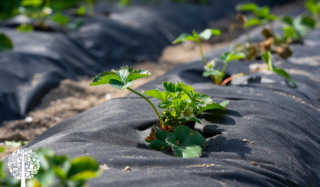
Remove all plastic mulch (not recommended for sustainability) or landscape fabric. Hopefully, soon, there will be more non-petroleum-based biodegradable mulches, maybe even hemp-based!
Mow or shred any leaf, stalk, or exposed root-ball material; this increases the surface area of these materials, boosting their opportunity to decompose quicker, thereby not being a suitable host for overwintering pests or pathogens. Ideally, you have left some rows with natural vegetation (e.g., weed refugia) to provide homes for overwintering beneficial insects.
If there is a window (i.e., how many days before frost) to plant a cover crop, choose an appropriate cover to meet your needs (e.g., nutrient scavenger vs. weed suppression vs. increase organic matter vs. break soil compaction, etc.). Some growers will carefully scatter cover crop seeds a few weeks before ‘Croptober’ to help establish cover before cold temperatures set in.
Based on soil tests, you may want to add some soil amendments that require significant weathering to become plant-available, like limestone, gypsum, rock phosphate, rock powders like Azomite, greensand, glacial or basalt rock dust. Remember to ensure that heavy metals like Arsenic (As), Cadmium (Cd), Lead (Pb), and Mercury (Hg) are sufficiently low.
Feed your soil with microbial foods and microbes. During the winter months, when plants aren’t actively growing, very little food is offered to soil life. Using compost, compost teas, compost extracts, and fermented teas can not only help keep some bare soil more aggregated but can also boost microbial populations. Some growers using organic fertilizers with a high C:N ratio (Carbon:Nitrogen), like alfalfa meal or insect frass, will include extra food for the microbes. Over winter, these will become plant-available and ready for plant uptake when something is actively growing on the bed.
Lastly, many growers add special ingredients to their fall elixirs, like kelp extract, humic acid, sea minerals, fish hydrolysate, and even simple sugars like molasses. Chock full of vitamins, amino acids, and trace minerals, these soil drenches create an active microbial community that surpasses what is witnessed during the growing months.
Preparing your beds in the fall should not be confused with applying soluble fertilizers. Soluble fertilizers will leach out of the soil with winter precipitation. Proper fall preparation involves using microbes and microbial foods that will help make nutrients plant available when needed and, more importantly, help make the soil more disease-suppressive, securing another favorable crop.
Health Canada has conducted more than two dozen inspections of cannabis producers this year for the purpose of verifying the THC level of cannabis products.
All products inspected thus far were found to be compliant.
In response to a media request from StratCann, a representative with the federal health authority says that they have conducted 28 targeted inspections and three compliance verifications of federal cannabis licence holders.
Licence holders with several high-THC products, greater than 25 percent THC, in the retail market were selected for the targeted inspections. The additional three compliance verifications were those associated with an external complaint.
So far, 27 of those reports were found to be compliant, and the results from another four are still pending.
The issue of high THC products, primarily cannabis flower, is contentious in the cannabis industry. While research often shows that the THC percentage in most cannabis flower is in the high teens to low twenties, increasingly, many cannabis flowers on the market advertise having well over 30 percent THC, something considered statistically improbable but not impossible.
Such instances have prompted many in the industry, from labs to producers, consumers, and retailers, to call on the federal and even provincial governments to do more to ensure that THC levels reported on labels are accurate.
Earlier this year, Rob O’Brien, the CEO and CSO of Supra Research and Development in Kelowna, BC, shared his own independent testing results online from 46 different cannabis products he purchased from BC Cannabis Stores.
He says the results of his tests show significant variations in the cannabis flower he tested compared to what was stated on the label. In some cases, there was more than a 40 percent difference. In one example, results showed a product labelled at 34 percent THC to be only 19 percent with his testing.
Health Canada routinely inspects cannabis facilities and conducts secondary testing on cannabis but maintains it does not inspect cannabis labs that provide the results used by these cannabis producers.
Health Canada’s cannabis laboratory does the testing, explains Tammy Jarbeau, a senior media relations advisor at Health Canada, in her email to StratCann. The same laboratory also provides analytical testing for illicit cannabis that Canadian law enforcement agencies have seized.
As part of the program, Health Canada’s Regulatory Operations and Enforcement Branch (ROEB) Cannabis Laboratory will randomly purchase cannabis products from authorized retailers in Canada.
Although no data from this program, the Cannabis Data Gathering Program (CDGP), is yet available, Jarbeau says that summary reports on its findings will be published on an ongoing basis, sharing the results anonymously, “without reference to the name or brand of the products tested, or to the manufacturers of these products.”
Several provinces have released testing results of illicit products obtained via law enforcement actions. In 2022, Ontario shared a study that showed illicit edibles have significantly less THC than advertised and high levels of pesticides. New Brunswick and British Columbia have also released similar testing results from illicit products.
Results from a recently released poll show that most of the voters in Ohio are in favor of a recreational cannabis legalization measure that is set to appear on ballots in November. The poll, which was conducted by Fallon Research, determined that 59% of voters in the state supported the measure to legalize marijuana for individuals 21 years of age and above. Of this number, 68% were Democrats while 62% were independent voters.
The measure qualified for the ballot in August and has garnered support from individuals of different age groups, with the poll finding that more than 65% of adults aged 18 to 44 planned to vote for the measure. The poll showed that 62% of those aged 45 to 64 and 46% of those aged 65 and above also revealed that they planned to vote for the initiative. The poll also found that 9% of voters were on the fence regarding the initiative while another 32% were against the resolution.
While almost 50% of Republicans in the state revealed that they planned to vote to legalize cannabis in the state of Ohio, 46% of voters in the same party admitted that they were opposed to this change. And with regard to racial grouping, 71% of Black voters in the state voiced their support for the bid to legalize marijuana, with 63% of voters of other races and 58% of white voters holding the same opinion.
If the resolution is approved, individuals aged 21 and above would be allowed to possess no more than 2.5 ounces of cannabis and no more than 15g of marijuana concentrates. The resolution would also legalize the cultivation of cannabis for personal use, with adults being permitted to cultivate up to six plants. Houses with more than a single adult would be allowed to grow 12 plants in total.
The initiative would also establish a new agency, called the Division of Cannabis Control, to regulate the commercial production and sale of marijuana products. This state agency would also be tasked with licensing, regulating, penalizing and investigating adult-use cannabis testing labs, adult-use marijuana operators and parties in need of licenses.
In addition, all marijuana products would be subjected to a 10% tax, which would be allocated to substance misuse treatment programs, a social-equity and employment program, and administrative costs of regulation.
If voters pass the cannabis legalization measure and a legal cannabis market is finally launched in the state, many opportunities could be created for entrepreneurs, and the kind of success being enjoyed by companies such as Cronos Group Inc. (NASDAQ: CRON) (TSX: CRON) could be emulated by the companies that serve Ohio residents.
About CNW420
CNW420 spotlights the latest developments in the rapidly evolving cannabis industry through the release of two informative articles each business day. Our concise, informative content serves as a gateway for investors interested in the legalized cannabis sector and provides updates on how regulatory developments may impact financial markets. Articles are released each business day at 4:20 a.m. and 4:20 p.m. Eastern – our tribute to the time synonymous with cannabis culture. If marijuana and the burgeoning industry surrounding it are on your radar, CNW420 is for you! Check back daily to stay up-to-date on the latest milestones in the fast -changing world of cannabis.
To receive SMS alerts from CNW, text CANNABIS to 844-397-5787 (U.S. Mobile Phones Only)
Please see full terms of use and disclaimers on the CannabisNewsWire website applicable to all content provided by CNW, wherever published or re-published: https://www.CannabisNewsWire.com/Disclaimer
City council in Pitt Meadows, BC, has formally approved their first cannabis store.
Following a meeting in July where the city tentatively approved an application for its first cannabis store, Pitt Meadows city staff informed council in a meeting on September 12 that it had received a referral from BC’s Liquor and Cannabis Regulation Branch (LCRB) for the retail location.
City Council then voted to formally adopt their new zoning bylaw for cannabis stores and sent approval of the application back to the LCRB.
While the final licensing authority for a cannabis store rests with the province, BC’s rules require that the province first receive feedback from the community where the store would be located.
In 2018, Pitt Meadows City Council voted to prohibit the retail sale of cannabis, although they did allow interested parties to apply for rezoning of specific sites on a case-by-case basis. However, the city had no bylaws in place if an applicant did come forward.
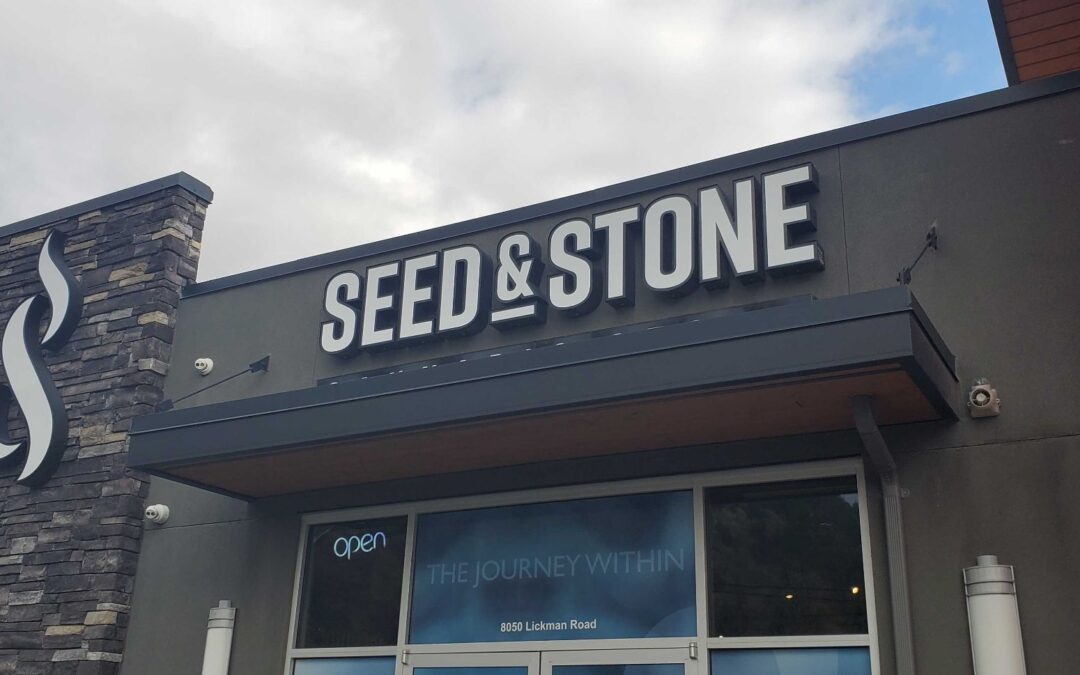
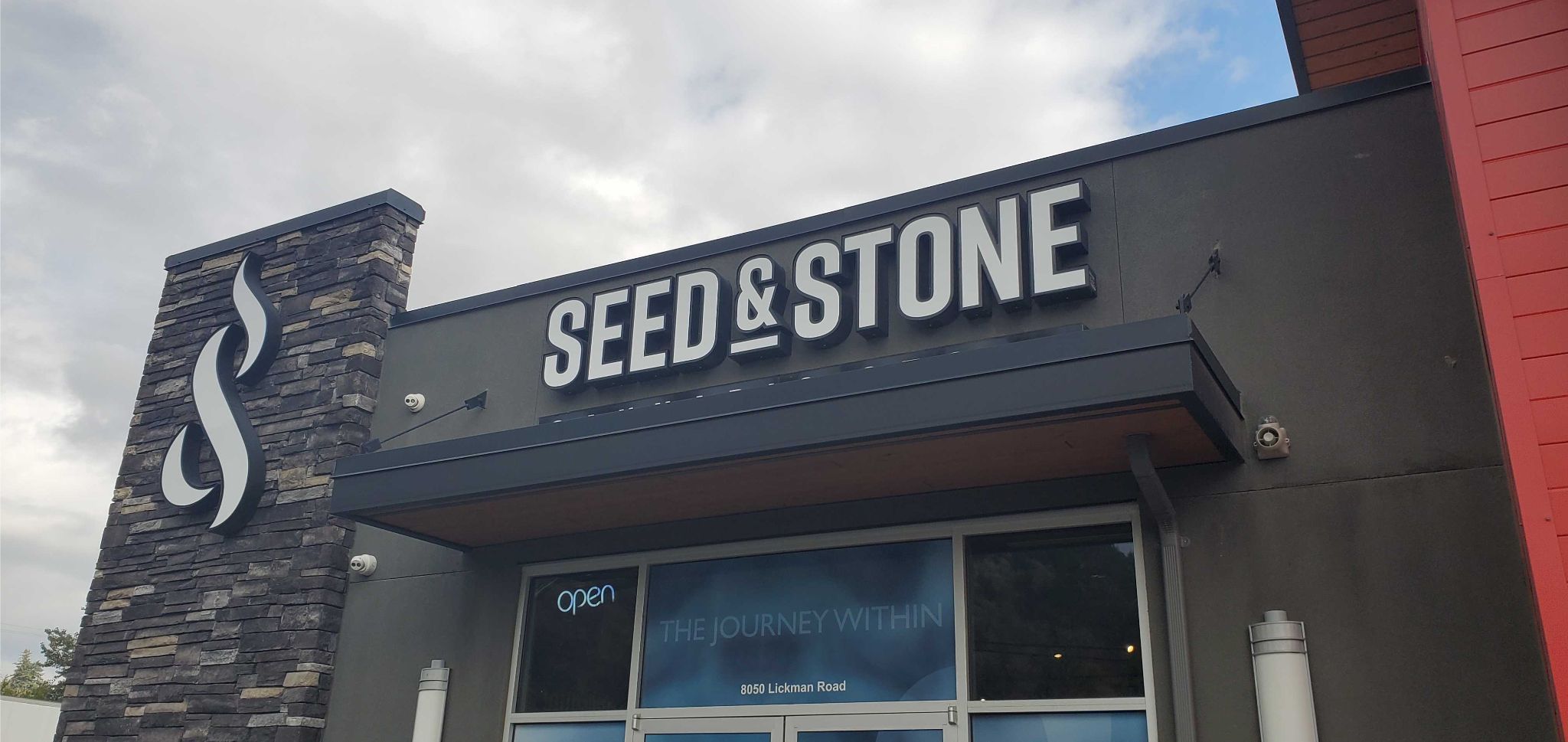
In 2022, cannabis retailer Seed & Stone applied, which led to a city staff report on how to address these types of applications. Council was largely supportive and passed several bylaws this past April to allow for hearings from applicants looking to open a cannabis store, as well as a separate licence for a cannabis farmgate storefront.
Vikram Sachdeva, the founder of Seed & Stone, says the process to become the first cannabis retailer to have a chance to open in Pitt Meadows was a challenging but rewarding one.
“This has been a two-year journey for us working with the city and the council,” says Sachdeva. “This approval not only empowers us to grow our business, but also allows us to create jobs and stimulate economic growth in the city. We look forward to working closely with local authorities and residents to ensure our operations benefit the community as a whole”.
He tells StratCann the retailer will be applying for a building permit and hopes to open in early 2024.
Disclaimer: These are my personal observations and perspectives and do not necessarily represent the community to which I belong.
“Prayer is a way of life.”
A Calling
I have participated in ceremonies for 20 years. For the purpose of this article, knowing which tradition is not essential. I recall my first experience like it was yesterday; being in a room with a group of people I had not met, the specifics of the ceremony I attended and singing along with songs I had never heard. The facilitator of the ceremony asked me where I had learned the songs. I told him I didn’t know them, and he immediately invited me to another ceremony. In all my traditional experiences, I could have never imagined how these last 20 years would transpire, in all their extraordinary ways.
A Way to Pray
I have been told ceremony is all about prayer. This is truer than can be “known.” In my experience, the intention within the prayer is not expressed for what we may receive, yet in how we may give. Contemporary prayer has become something often motivated by our external wants rather than empowered by our internal needs. When we are honest, our prayers are often self-centered. Perhaps this is why our practice of prayer can be ineffective, given our fixation on ourselves and our desires. However, when we are empowered from within to pray, it is a universal calling. An intention expressed for health, healing and support, for all who are in need.
Comfort Zone
We spend much of our lives constructing artificial securities, defense mechanisms, financial wealth, professional positions, selective realities and social vanities with little to no regard for those beyond our individual peripheral of existence. We tell ourselves we will be, give, listen and understand others more, as soon as we have established our private comfort zones. All the while, we allow our egos to diminish and eventually destroy our spirituality, distorting our perceptions of the very people in need of prayer. This malaise we enable, with our personal oblivion, disrupts and severs the flow of empowerment, energy and epiphany we receive from the universe as we pray.
The Nature of Prayer
We have a tendency to habituate our prayer as a selfish endeavor. The conditioned egocentricity of our social environment influences us to demean, manipulate and harm others in community. This is done in compensation for our veiled inadequacies, insecurities and tribulation. We either intentionally or obliviously bring the vanity and violence of society into ceremony. This inhibits and ultimately destroys our prayer. We may even be so bold as to wield our prayer in condemnation of others. We all have the potential for creation or destruction. The nature of our prayer, be it shared with conscious empowerment or deliberate demoralization, manifests the nature of our experience.
“For some, it is a way to pray. For others, it is a way to prey.”
Broken Circle
In many communities, there are some who observe others receiving admiration, distinction and leadership. Their egos are attracted to this, which causes their exodus from prayer. With entitlement and expectation, they desire this acknowledgement, and strive to control and manipulate others to gain a similar role for themselves. When this strategy fails, they attempt to sabotage and/or destroy the existing community so they may influence events in a way to present themselves as the savior of the very destruction they caused. When others observe and address their behavior, they project narcissism to deflect and avoid responsibility for their thoughts, words and actions. In retaliation, they defend their toxicity by pointing fingers of blame and shame upon those who stand to hold them accountable.
Ceremonial Mirrors
All who truly need to read these words will likely succumb to their cognitive dissonance, ego, pride and vanity. They will claim it is not “them,” as they accuse, discredit and vilify the authenticity of others. They cannot observe let alone understand their toxic patterns, driven by their fears, insecurities, trauma and woundedness. Their personal rackets are steeped in mirroring the experiences, prayers, practices and visions of others, in a vain attempt to gain power. They separate themselves from the source and mimic the genuine prayers spoken by those who have earnestly served the community. They “ghost” prayer with agendas of arrogance, domination, influence and manipulation. They know who they are. Most importantly, so do we!
The Personal Encounter
We exist in an egocentric society. Our personal survival, success, health and wealth supersedes that of community. Many carry this social conditioning into ceremony and prayer. They desire to acquire their individual wants, often at the expense of the community’s experience. Their ego blinds them to the influence and impacts their personal agendas have upon themselves and others. While engaged in vain strategies, they will never fulfill an authentic prayer. They are preoccupied with what is favorable for them, and oblivious to the needs of the community. Therefore, they cannot observe, understand or transform the behavior inhibiting their experience.
The Community Experience
In this tradition, many of the ceremonies are a community prayer experienced in a circle. One person(s) is no more or less important than another. There is a listening and regard from the community empowering, encouraging and sustaining the prayer. Personal experiences occur within the circle. However, the focus is on the health, vitality and wellbeing of all. In the community experience, acceptance, belonging and healing thrives, manifesting in empathy, kindness, love, purpose, transformation and understanding. This creates a sacred space of relativity and safety for the community to express the essential vulnerability to empower and support their prayer.
Spiritual Leadership
It is inevitable that people who participate in spirituality will desire leadership. This is pure ego. Some attempt to push their way ahead of others and promote themselves in pursuit of this role. Some will even compromise or threaten the existence, health and wellbeing of the community to achieve this personal agenda. Traditionally, one does not pursue leadership for themselves, it is a role one accepts when one is called into it by the community they serve. Spiritual leadership is not a dictatorial endeavor. It is holding the space for others to make and experience their prayer in ceremony. True leaders are those who would not choose it, when given the opportunity.
Consciousness, Empowerment and Transformation
Our eyes see only an infinitesimal range of the visible light spectrum. Relative to this, when our ego influences and impacts our prayer, we experience only a fraction of the ceremony. Shifting our experience requires us to express our prayer with conscious purpose. Our prayer is a call to the universe; not for what we want, yet all we need. The force that responds to our call is universal empowerment. Within the sacred space of our prayer, we can observe and shift our behavior, thus transforming our experience. Every prayer is an intention to experience the natural progression of the ceremony.
Ceremonial Awareness
Prayer creates a space of community, empathy, humility, service and understanding. It is not a spiritual event to attend, it is a way of life. Prayer frees us from the egocentricity of society, so we may be present to and fulfill the purpose of the ceremony. If one makes their prayer and returns as the same person to the same life, it may be best if they had never participated. Our commitment to pray must transcend our desire for personal convenience. Our prayer is a covenant we make with the universe. This empowers us with the ceremonial awareness to transform our experience and hold a space for others to do the same.
“You cannot bring ceremony to your life. You must bring your life to ceremony.”
– A Wise Woman
OLYMPUS DIGITAL CAMERA ” data-medium-file=”https://growupconference.com/wp-content/uploads/ca-iii-1.jpg” data-large-file=”https://growupconference.com/wp-content/uploads/ca-iii-3.jpg?w=676″ data-id=”5043″>
President Joe Biden’s stance on the medical use of marijuana has been unequivocal, as affirmed by the White House amid an ongoing federal review of cannabis scheduling. In a recent press briefing, Karine Jean-Pierre, White House press secretary, addressed inquiries regarding the potential ramifications of reclassifying marijuana from Schedule I to Schedule III under the Controlled Substances Act (CSA).
The U.S. Department of Health and Human Services (HHS) recently recommended this reclassification to the U.S. Drug Enforcement Administration (DEA).
Jean-Pierre, exercising caution, refrained from preempting the process. She emphasized, “I don’t want to anticipate events; I’ve encountered this query previously.” She clarified, “Let me be clear: The president directed both the HHS secretary and the attorney general to initiate the administrative evaluation of marijuana’s scheduling, as you have outlined.”
Nonetheless, Jean-Pierre reiterated the president’s endorsement of federal cannabis reform, particularly concerning medical marijuana. Biden’s support for cannabis reform has not been unwavering. During his tenure as a senator, he championed legislation that intensified the war on drugs.
Should the DEA concur with HHS’s Schedule III recommendation, it would signify a pivotal shift in federal cannabis policy. The reclassification would acknowledge that cannabis possesses low potential for abuse and offers medical utility. However, it would not endorse existing state-level medical marijuana programs. Nevertheless, it would facilitate expanded research into the plant and have substantial implications for the marijuana industry.
Bipartisan congressional representatives have applauded the health agency’s recommendation, viewing it as a significant stride toward federal legalization. Some have even claimed credit for this advancement, citing their years of advocacy for marijuana reform.
Despite the enthusiasm surrounding this development, the scheduling decision remains tentative. The DEA has stated that it will initiate its review, factoring in findings from the FDA. Ultimately, the DEA retains the authority to decide on the reclassification to Schedule III.
From a political perspective, moving cannabis from Schedule I to III would allow the president to assert his role in achieving a substantial reform, facilitating an administrative evaluation more than half a century after cannabis was categorized as the most restrictive substance during the government’s war on drugs. However, it would not fulfill his campaign promise to decriminalize cannabis.
The reform could also invigorate momentum for congressional initiatives aimed at altering federal marijuana laws, such as the cannabis banking reform bill listed among the legislative priorities of Chuck Schumer, the Senate Majority Leader, according to a recent Dear Colleague letter.
As broader cannabis policy reforms take shape, industry actors such as Canopy Growth Corp. (NASDAQ: CGC) (TSX: WEED) could be poised for explosive growth as the market is opened across the country.
About CNW420
CNW420 spotlights the latest developments in the rapidly evolving cannabis industry through the release of two informative articles each business day. Our concise, informative content serves as a gateway for investors interested in the legalized cannabis sector and provides updates on how regulatory developments may impact financial markets. Articles are released each business day at 4:20 a.m. and 4:20 p.m. Eastern – our tribute to the time synonymous with cannabis culture. If marijuana and the burgeoning industry surrounding it are on your radar, CNW420 is for you! Check back daily to stay up-to-date on the latest milestones in the fast -changing world of cannabis.
To receive SMS alerts from CNW, text CANNABIS to 844-397-5787 (U.S. Mobile Phones Only)
Please see full terms of use and disclaimers on the CannabisNewsWire website applicable to all content provided by CNW, wherever published or re-published: https://www.CannabisNewsWire.com/Disclaimer














 OLYMPUS DIGITAL CAMERA ” data-medium-file=”https://growupconference.com/wp-content/uploads/ca-iii-1.jpg” data-large-file=”https://growupconference.com/wp-content/uploads/ca-iii-3.jpg?w=676″ data-id=”5043″>


Recent Comments