Presence is an important part of living a well life, and is an essential part of navigating our current chaos and emerging the creativity needed move through it.
The thirteenth-century Christian mystic Meister Eckhart described how in moments of inner quiet:
There exists only the present instant . . . a Now which always and without end is itself new. . . . There is no yesterday nor any tomorrow, but only Now, as it was a thousand years ago and as it will be a thousand years hence.
In some senses, of course, we are always in the present. Our past we know from memories, but those memories are experienced in the present. Similarly, our future is something we imagine in the present. Whatever we may be thinking and doing we are doing it “now.”
Even when we are totally wrapped up in thoughts about the past or the future, the thoughts themselves are happening “now.”
When we say we are not in the present we really mean that our attention is not in the “now.” It is looking back to the past or forward to the future. To return to the present is to return our attention to the here and now.
The mind that is attending to the present is a mind that is free from distracting self-talk about what has or has not happened or what might or might not happen.
And it is not just our internal dialogue about past or future that holds our attention away from the present. Self-talk about the present can be equally distracting.
Two Zen monks were paying a visit to some ancient hot springs. It was a clear night, the moon was full, the water was a perfect temperature. Gazing up at the sky one monk marveled at the fact that for centuries people had visited this spot and enjoyed its beauty, many on full-moon nights just like this.
The joy the two were now experiencing was not theirs alone, it was a joy shared across time. And so he sat, meditating on the timeless quality of their joy.
After a while the second monk responded: “Even better to enjoy it.”
The Peace Of Now
A mind in the present moment is free to experience “what is.” This does not imply that he or she no longer takes any notice of the past, nor fails to consider the future.
There is still much to learn from the past, and there are still many ways we can influence the future and so improve the quality of our lives and the lives of others. The difference is that, once liberated from its state of trance, the mind no longer finds itself lost in fruitless concerns for these other times.
In the present, there is no longer any need to derive our identity from our interactions with the world. How others see us does not alter our existence. This level of being needs no qualification or recognition. Nor can it be threatened. It will always be there whatever may happen.
Knowing our inner essence to be invulnerable, the mind is not caught up in concern. And a mind free from concern is a mind at peace.
En-Lightened
Being able to experience reality as it is, undistorted by our hopes and fears, is often referred to as “enlightenment.” The word “light” in this term is usually thought of in the sense of illumination. A mind that is enlightened is said to be an “illumined” mind. It is a mind that has “seen the light,” or sees things in a new light.
There is, however, another sense of the word “enlighten” that is equally appropriate. That is “a lightening of the load.”
The heaviest burdens in this life are not our physical burdens but our mental ones. We are weighed down by our concern for the past, and our worries about the future. This is the load we bear, the weariness that comes from our timefulness.
To enlighten the mind is to relieve it of this load. An enlightened mind is a mind no longer weighed down by attachments; it is a mind that is free. Being free, it is a mind that is no longer so serious about things – it takes things more lightly. Could this be why enlightened people laugh and smile more than the rest of us do?
A Shift In Perception
From either perspective – that of illumination or that of lightening the load – the essence of enlightenment is a shift in perception. It is a shift from seeing the world through the eyes of concern, with all their embellishment, suppression, and interpretation, to seeing without judgment; seeing what is rather than what ought to be or might be.
In principle, we can make this shift of perception at any time we choose. Whenever we are caught up in trying to make the future the way we want it to be, we have the opportunity to look at things differently. Rather than wondering, “How can I get such-and-such so that I can be happy?” we could ask, “Even if I were to get what I want, would I then be at peace?” And, “If I do not get what I want, can I still be at peace?”
If there is a willingness to look at things differently the answers to these questions are nearly always “No” and “Yes.” Then, having let go of our anxiety about the future, our attention is again free to return to the here and now.
Applications to Our Current Moment
Editors note (Joe Martino): I add to this piece by Peter by saying the concept of presence is paramount in finding peace but also because of the ‘knowing’ that can come from stillness. This is where we see the interplay between a more spiritual lens and one of sensemaking our current events.
As we are in a time of great upheaval, questions I repeatedly hear are:
”How do I know what to do? “ ”What does the future hold?” ”What are the solutions I should engage with?”
Answering these questions is not easy for a busy mind whose attention is solely paid to our current moment. Space has to be made for something else to emerge. For insight, answers, solutions, a path.
It may sound counter-intuitive to slow down and tune in during a time of chaos, but it’s because we don’t do that collectively that we keep repeating the cycles we experience over and over – individually and collectively.
What would it be like to slow down, become present, come out of survival mode, and be attuned to ourselves? What might come from that stillness? What is the cost of reactivity vs. taking time to think/know more slowly?
We have an ongoing workshop series inside our Explorer Lounge called Path To Discernment.
In the ongoing workshop series, you’ll learn to navigate our chaotic and rapidly changing times by attuning to your own inner knowing and clarity. Through a nervous system and embodiment lens, you’ll learn practical tools to improve your discernment.
The first session is available as a replay already and our next session is Nov. 23rd. Learn more here.
Peter Russell is an author, teacher and speaker, who is recognized as one of the leading thinkers on consciousness and contemporary spirituality.
A Republican has reintroduced a bipartisan measure that would legalize cannabis at the federal level to Congress. South Carolina Republican Representative Nancy Mace reintroduced the States Reform Act, a measure to amend the federal Controlled Substances Act and allow cannabis at the federal level.
The proposal is currently acting as a placeholder and has no text. Even so, it is cosponsored by Republican Representatives Matt Gaetz (Florida) and Tom McClintock (California) as well as Democratic Representatives Dean Phillips (Minnesota) and David Trone (Maryland).
Democrats have largely been behind America’s decade-long wave of cannabis reform and are currently working to legalize the controversial plant at the federal level. However, even though the States Reform Act was introduced by a Republican and has bipartisan support, it has little chance of advancing past the House with new Speaker Mike Johnson in charge.
A prior version of the cannabis legalization bill that was introduced in late 2021 would have eliminated marijuana from the Controlled Substances Act, levied a 3.75% federal excise tax on cannabis sales and let states decide on other regulatory issues. It attracted significant attention because it was the first Republican-introduced measure to legalize cannabis at the federal level and had six Republican cosponsors.
Observers at Capitol Hill expected Mace to reintroduce the measure earlier this legislative session, but Mace’s involvement in the House speaker drama likely took her attention away from the measure. There has been evidence of strife between House leadership and Mace from early 2023, and she was part of a group of far-right Republicans who voted to remove Kevin McCarthy as the House speaker.
Consequently, many observers believe that any Mace-led legislation, especially a federal cannabis legalization measure, would not be successful.
New House speaker Mike Johnson is a conservative Louisiana Christian with a long history of opposing marijuana reform. Johnson voted against each marijuana reform bill while he was in Congress and will most likely maintain his prohibitionist stance now that he is the House speaker.
He opposed efforts to expand cannabis banking access in 2019 and 2021 and has shown that he is against even the most modest cannabis reform efforts. In 2020, Johnson was part of a group of Republicans who ridiculed a coronavirus relief measure for including cannabis-related language and questioned why the word “cannabis” was mentioned 68 times while the word “job” appeared only 52 times.
In the meantime, most federal business on Capitol Hill is on hold until Congress passes much-awaited spending bills before Nov. 17, 2023. Enterprises such as Green Thumb Industries Inc. (CSE: GTII) (OTCQX: GTBIF) that are intent on extending their footprints to most of the United States eagerly await reforms that will make this possible.
About CNW420
CNW420 spotlights the latest developments in the rapidly evolving cannabis industry through the release of two informative articles each business day. Our concise, informative content serves as a gateway for investors interested in the legalized cannabis sector and provides updates on how regulatory developments may impact financial markets. Articles are released each business day at 4:20 a.m. and 4:20 p.m. Eastern – our tribute to the time synonymous with cannabis culture. If marijuana and the burgeoning industry surrounding it are on your radar, CNW420 is for you! Check back daily to stay up-to-date on the latest milestones in the fast -changing world of cannabis.
To receive SMS alerts from CNW, text CANNABIS to 888-902-4192 (U.S. Mobile Phones Only)
Please see full terms of use and disclaimers on the CannabisNewsWire website applicable to all content provided by CNW, wherever published or re-published: https://www.CannabisNewsWire.com/Disclaimer
The holiday season is a crucial period for cannabis brands, a time to strengthen their presence and in a competitive market, differentiation between brands becomes the primary pillar of success.
Regulatory guidelines have clamped down on some of the most obvious means of brand differentiation, creating a blurry filter between end-consumers and brands vying for their loyalty.
However, what’s not limited is brand building—a promise made by a brand and brought to life by all aspects of its business.
It involves cultivating a unique identity and reputation that consumers and industry can recognize and trust. In an industry that is still working to reduce social stigma and improve consumer education, engaging with Budtenders and retail decision-makers is a strategic imperative. When done right, these individuals can serve as valuable brand advocates, helping you increase sales and build a loyal customer base.
The Power of Budtenders
1. Influence Over Customer Choices
Budtenders are in a unique position to influence consumer purchasing decisions. On a daily basis, they recommend specific products and brands, making them indispensable when it comes to driving sales. As an emerging market, consumer education is low, especially during the holiday season when gift-giving and experimentation are prevalent. A well-informed Budtender can provide essential information about effects, dosages, terpene profiles, and cultivation and consumption methods.
2. Brand Advocacy
Engaging budtenders and retail decision-makers can turn them into brand advocates. When they have a positive experience with your brand, they’re more likely to recommend them to customers, driving sales and strengthening your reputation. Building a loyal group of advocates among industry professionals can significantly amplify your brand’s reach and influence.
3. Feedback Loop & Market Insights
Budtenders are in a unique position to gather real-time market insights. They interact directly with customers, understanding their preferences and evolving demands. Brands that take the time to build relationships and listen can gain valuable feedback, allowing them to refine their methods, products, and marketing strategies to better align with consumer needs.
Bridging the Gap
1. Educational Initiatives
Invest in education for Budtenders. It’s not enough to just have a great product; you must ensure that Budtenders are knowledgeable about your offerings and their unique selling points. Packaging restrictions limit the amount of valuable information that can be conveyed to differentiate products and enhance the consumer experience, so providing Budtenders with detailed information that goes beyond brand name, price, and THC percentage will help them confidently recommend your products and address customer queries.
Each year, Tether, Canada’s Budtender community, surveys 300+ Budtenders from across Canada to gain valuable insights into what they are looking for from brands, their retail environment, and the industry at large. In the 2022 survey, 92% of Budtenders surveyed said they prefer to learn from the source – schedule brand visits and make sure to hit smaller markets and remote areas who feel as though they don’t get enough support from brand reps.
Participate in sampling events where Budtenders can build their confidence and enthusiasm for your brand. Include resources like marketing materials, brochures, and product information that can assist in Budtender education. In Tether’s 2022 survey, 75% of Budtenders indicated this is their preferred way to learn about new products. Seeing is believing, and having first-hand experience is most important to Budtenders.
Tether’s Holiday Showcase served as a testament, seeing 200+ RSVPs to its Budtender and retailer sampling event in Hamilton, Ontario. The event gathered 18 cannabis brands and community partners to educate the industry and build community.
with Perceiver (Joel Schafer) and The New NOW (Lorenzo)
Beyond the moment and moving towards our future, as we may wish it to be, what is destiny and how can we assure that ours is a “Happy One”?
A big question which can take a lifetime, perhaps many lifetimes to figure out, or maybe we can get it in a moment; The Eternal Moment of NOW!
Today Joel Schafer of Perceiver and myself, Lorenzo of The New Now, began our four part discussion, could be longer, on dreaming and destiny, intent and power. We began by relating our experiences on the ‘monsters’ that attempt to block, inside and outside, our path with heart towards our “Happy Destiny”.
Our dreams recover what the world forgets – James Hillman
There can be no doubt that the Swiss psychologist Carl Gustav Jung was one of the world’s greatest thinkers. Most professionals in the field of psychology recognize that his genius lay primarily in his insightful revisions of Sigmund Freud’s basic theories about the origin and function of the psyche. This presupposes that Jung had a thorough working understanding of his mentor’s teachings on the subject.
I will not bother rehashing the whole story of the relationship and eventual disagreements between Freud and Jung, nor allude to the genesis and evolution of Jung’s school of Analytical Psychology, since those details are available on many online sites and encyclopedias. Nor will I delve here into his complex theory of Personality Typology.
What I should like to remind modern readers about are the four major discoveries Jung detailed throughout his masterworks, namely the Collective Unconscious, the Archetypes, the process of Individuation and Objective Psyche. Separately and together they are relevant to everything happening in today’s world, on personal and social levels. Indeed, one is not off the mark when claiming that every aspect of both Freud’s and Jung’s teachings contain the answers and solutions – in total – to our chaotic world’s problems. It should fill our hearts with dread that their superlative findings should fall foul of our penchant for historical amnesia.
It should also fill us with foreboding that their work has been systematically defaced and undermined by cunning Postmodernists desperate to misrepresent their ideas.
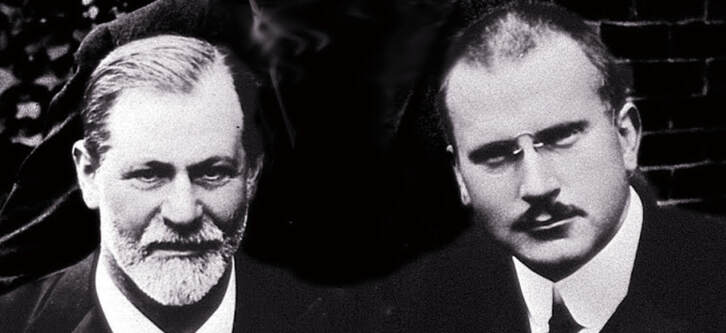
Sigmund Freud (1856-1939) and Carl Gustav Jung (1875-1961). The introvert and the extrovert. Separating from Freud, in 1912, caused the young Carl to suffer a nervous breakdown. It was only with the greatest difficulty that he became a thinker in his own right.
Deconstructionists are particularly incensed by Jung’s corpus. This is because he had much to say about them and their anarchic agenda. Crypto-Nihilists of their kind were on the top of his personal list of world-destroyers. He knew all there was to know about their psychological typology. His writings on these anarchic desecrators of the past are perceptive and accurate.
Something had to be done, and it was. It is not wild speculation to say that, if academics have their way, we won’t have any interest in the great man’s profound work. Nor will we be in a position to mentally comprehend or physically apply the solutions he offered for our survival and wellbeing. Not after the Marcusan-Fabians are through polluting his work. Whereas Freud and Jung were interested only in healing, their enemies – the enemies of humanity – are interested only in spreading contagion which compromises our existence on all levels.
The problem does not end there. Sadly, latter-day “Jungians” are for the most part a hopeless lot. Few do justice to Jung’s work. The chief exceptions were his contemporaries Erich Neumann, James Hillman and Edward Edinger. These writers, and a few others, have dutifully honored their master’s work. But they are the exception rather than the rule. As time passed, things have worsened. Modern-day People’s Champions, such as the almighty Jordan Peterson, are poor exponents of Jung’s superlative insights.
Although there is no end to People’s Champions and popular social pundits clogging the airwaves, sadly none can be trusted to do justice to seminal thinkers of the past. Better to go straight to the originals. Men such as Freud and Jung left no stone unturned in their quest for truth. They offered effective remedies and solutions for today’s problems, which they astutely foresaw and diagnozed. Beware the scavengers and pretenders!
Man has developed consciousness slowly and laboriously, in a process that took untold ages to reach the civilized state…And this evolution is far from complete, for large areas of the human mind are still shrouded in darkness – Carl Jung
Each of Jung’s four discoveries have an enormous impact not only on the thought and practices of specialists in the fields of psychology, sociology and philosophy, but on every other field imaginable. They effect neurology, psychiatry, anthropology, history, ecology, ethics, politics, aesthetics, drama and literature.
Jung’s first major discovery was that of the Collective Unconscious. It is more accurate to say the content of the Collective Unconscious, given that it is this mysterious content which shapes ego-consciousness.
This is not the place for a detailed inquiry into this subject, and space does not permit a definitive list of Jung’s intellectual predecessors from whom he acquired many ideas pertaining to the subject of the ancestral psyche. There can be no doubt whatsoever that he was chiefly inspired by Friedrich Schelling, Johann von Goethe, Soren Kierkegaard, Arthur Schopenhauer, Friedrich Nietzsche. Martin Buber, Henri Bergson, Ernst Cassirer, Jacob Burckhardt, Mircea Eliade, Heinrich Zimmer, Rudolf Otto and Eduard von Hartmann. Jung does occasionally cite these men, and traces of their thought appear quite conspicuously in his writings and theories. We cannot doubt that his thought was also massively influenced by the great Otto Rank, Sigmund Freud’s personal secretary and eminent psychologist in his own right.
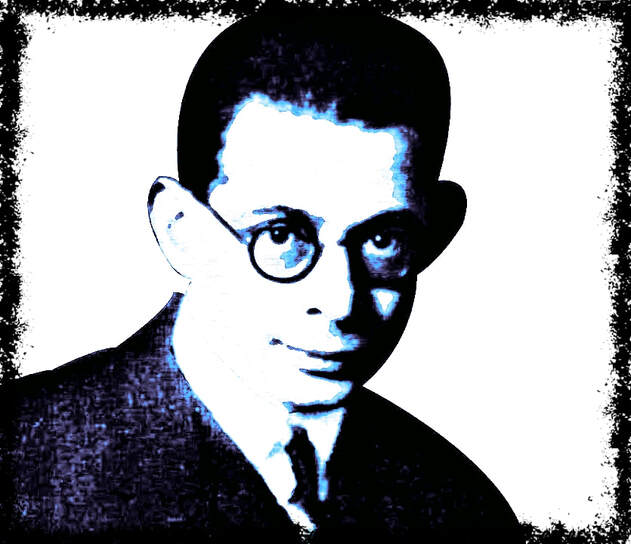
Otto Rank (1884-1939), one of the greatest thinkers of the twentieth century, served as Freud’s personal secretary for 20 years before breaking with the Vienna School. Most of his astonishing ideas were appropriated and repackaged by his contemporaries. After his death his ideas turned up liberally in the writings of a myriad academic hot-shots who “forgot” to cite him as their source and inspiration. Most of what passes for modern academia is nothing more than scavanging. In my view, many of Rank’s ideas inspired Jung.
Since psyche and matter are contained in one and the same world, and moreover are in continuous contact with one another and ultimately rest on unrepresentable, transcendental factors, it is not only possible but fairly probable, even, that psyche and matter are two different aspects of the one and the same thing – Carl Jung
To understand Jung’s first major discovery, the Collective Unconscious, we must first distinguish it from Freud’s account of the unconscious.
For Freud, the “unconscious” was relatively easy to describe and understand. Its contents originate from worldly experience. Our daily activities, encounters, exchanges, likes, dislikes, pleasures and pains contribute to this content. When certain experiences are deemed distressful to the ego, they are simply banished from attention and forgotten. Then we forget that we forgot about them. This coping mechamism describes what psychologists call “repression.”
Although said experiences are consciously forgotten, they’re by no means gone altogether. They remain hidden within our minds, becoming the content of the so-called “unconscious.” They fester there, disturbing sanity, until, with the help of therapy they are retreived and brought back into the light of conscious awareness. If this retrieval is executed correctly, psychic hygiene is guarateed, believed Freud.
Repression occurs constantly, and there can be no ego-consciousness without continual nonconscious acts of repression. As long as there are things to dislike about the world, and about ourselves as actors in it, there will be repression. Psychologists have much to say about this and other defensive mechanisms of the psyche. But for Freudians repression is the sole cause of the unconscious.
Freud devised his therapuetic techniques to, as it were, empty the unconscious of all its troublesome content, thereby bringing healing to the mind. For Freud the unconscious is merely a kind of dishevelled odious dumpster which needs emptying.
Freud attempted to access unconscious content in different ways. He applied the speaking cure, which involved encouraging a client to speak candidly about their life, lifestyle and hang-ups. He employed free-association, hypnotism, and finally dream-analysis. The latter technique was deemed the best and consequently became a staple for most psychoanalysts. Jung’s own practique rested heavily on the analysis of a client’s dreams.
Jung’s work is distinguished by several perceptive revisions to the theories of his one-time mentor Sigmund Freud. Excluding his extraordinary writings on Personality Types, the four other discoveries mentioned here are of the greatest importance, particularly for understanding our chaotic times. It’s worthy of note that Freud and Jung were among the first westerners to question the origin and nature of consciousness. What we owe them, in this regard, is incalculable.
Jung eventually expanded Freud’s basic ideas about the origin and function of the unconscous. He questioned whether it is solely constituted by daily experiences. Was Freud right to think of the unconscious as a closed system; some kind of garbage can that can eventually be emptied? If his approach was in error, how can a client be truly healed? Jung decided that Freud’s notion wasn’t wholly correct. It had elements of truth, but needed radical revisioning.
It serves us better, claimed Jung, to divide the psyche into three levels: the conscious upper level, the personal unconscious level, and underlying Collective Psyche. The latter – lying farthest from the ego – became Jung’s central interest. Although this shadowy archaic level is certainly connected to upper (higher) levels, and although it interacts with them, it also acts autonomously. Moreover, it is so vast that there is no way to drain it dry by therapy or anything else.
The story of how Jung came across evidence for the existence of the Collective Unconscious is too involved to explore here. Safe to say, in the course of treating clients from all walks of life, and by analyzing their dreams, he was able to isolate content which could not possibly have entered their minds and dreams from everyday experience.
The empirical knowledge of archetypes is derived mainly from philosophy, ethnology, the arts, religion, and mythology because Jung believes that these fields contain the most adequate formulations of the objective or transpersonal psyche – Roberts Avens (Imagination Is Reality)
This bizarre content simply could not originate from personal experiences, infantile experiences, normal memory or current perceptions. Although the bulk of dream symbolism could indeed be traced to personal experience, Jung firmly believed that other manifestations of the psyche were of a different order. Some dream images were, he said, of a “numinous” quality, bearing a marked similarity to ancient forms and motifs. They were, so to speak. “mythological” in complexion.
It was one of Jung’s discoveries that the autonomous activity of the psyche (collective unconscious) is the source of myths, fairy tales, and specific forms of religious belief and rituals – Richard Avens
The collective unconscious appears to consist of mythological motifs or primordial images, for which reason the myths of all nations are its real exponents. In fact the whole of mythology could be taken as a sort of projection of the collective unconscious – Carl Jung
Our conscious images are archetypal when they possess an archaic content or when they are primarily derived from mythological motifs. Archetypes can also be described as “partial personalities” appearing in myth, art, literature, and religion the world over, as well as in dreams…We encounter them in the products of human imagination, from religious dogma to delusional beliefs, from the sublimest art to a hallucinatory hallucinatory psychosis – Richard Avens
…psychology is a mythology of modernity – ibid
Behind every strong feeling stands the Archetype. If Archetypes are to be known, reason isn’t sufficient. It’s a matter of understanding the nature of emotion. The Western world has a long way to go, and Jung knew it all too well. At least one important step had been taken, however, that of obliterating the nonsense spoken by John Locke and other Materialist philosophers concerning our “blank minds.” Sorry, declared Jung, no newborn mind is tabula rasa after all. Whew!, another bogus notion consigned to the dust bin.
Therapeutically, the influences of Archetypes were puzzling to both therapist and client. They were often disturbing, and could in fact cause a client to develop neurotic tendencies. Talking things over, in Freud’s casual way, did not effect healing for clients upset by such uncanny content.
Jung decided to have certain clients – those with repetitive mythological dreams – to draw and paint either what they’d seen or what they felt about what they’d seen. What he saw convinced him of the veracity of his theory concerning the Collective Unconscious and its content.
So we see that with this first discovery Jung not only dissented from the schemata and practique conceptualized by Freud, but traced human neuroses to a cause not suspected by Freudians or anyone else.
The effect of the deep unconscious – although never to be deemed all bad – could in certain cases bring on madness. Paradoxically, as Jung confessed, the presence of unconscious content, intruding into ego life, is also responsible for creative inspiration. It is, for the most part, the reason we have the phenomenon of genius. Without the infusion of content from the deepest layers of the psyche, we would have no Bachs, Beethovens, Goethes, Shakespeares, Einsteins or Heisenbergs.
The best of the later Jungians took this new theory to heart. It allowed them to engage with their clients in a deeper way. They agreed with their master that the footprint of history lies within the psyche. The experiences not just of a single individual, but of the entire race, lies within. It is not dormant content lying in a dusty heap, as we might find in an abandoned cellar or attic. On the contrary, it lives still within the recesses of our minds, constituting what we erronesouly label the “irrational.” It forms the dark, uncanny foundations of the supposedly “rational” structures above.
Jung also conceded that, given the situation, unconscious content can pose such a threat to the upper structures of ego-consciousness, that the latter may be overwhelmed by it. He identified this flooding of the ego as a major cause of neuroses of all kinds. Naturally, the world didn’t relish hearing about yet another, largely incomprehensible, source of pathology. Freud’s corpus was worrisome enough without this. Consequently, Jung’s controversial findings were not greeted joyfully.
Erich Neumann and James Hillman were Jung’s most well-versed students. Their works are highly recommended. Other noteable disciples of the master were Edward Edinger and Joseph Campbell.
Joseph Campbell (1904-1987). His works are highly recommended. He made some of Jung’s more obscure discoveries accessible to the layman. Film-maker George Lucas consulted Campbell frequently before and during the making of his Star Wars series.
Jung’s second major discovery is intimately connected with the Collective Unconscious. It concerns what he came to call the “Archetypes of the Collective Unconscious.”
These Archetypes constitute content of the unconscious which is really nothing without them. Jung referred to them in many ways. Borrowing from Levy-Bruhl and Jacob Burckhardt, he called them “Primordial Images.” He claimed that the Archetypes were, so to speak, the DNA of the psyche.
Including the famous Anima and Animus, there are approximately eleven more discernible Archetypes: The Innocent (Child or Fool), Orphan, Altruist (or Martyr), Wanderer, Warrior (or Hero), Magician, Wild Man, Shadow, Trickster (Sabateur or Devil), Sage (or Alchemist) and Self (or Spirit).
Volumes can be written on each of these numinous figures. They appear, not only in great myths and legends of the world, but also in works of high art, such as Gene Roddenberry’s Star Trek series, and Lord of the Rings, by J. R. R. Tolkien.
Alchemist and Warrior
Sabateur
Of course, in reality a single person embodies all the Archetypes. Each of us experiences them as they make contact with the ego. Each relationship is fraught with difficulty, and each encounter can bring treasures into our lives. As Jung stressed, there is no A to Z manual describing the dynamics. It’s an entirely idiosyncratic process. In any case, when all goes well, and we’re receptive enough, an Archetype fertilizes our consciousness, acting as a protector and guide. Each Archetype brings the challenges, tests and tools necessary for our journey of Individuation.
…man does not possess creative powers, he is possessed by them – Carl Jung
…we must allow ourselves to “merge” in the unconscious processes, so as to gain possession of them by allowing them to possess us – ibid
Understanding the Archetypes correctly is easier when we remember Jung’s working definition of the Collective Unconscious. Its content is the result, as said above, of human experience over the entire history of the world. It is the accumulation of humankind’s phylogenetic experience. Each Archetype can be thought of as an accretion or constellation of multiple ideas about phenomena.
For example, all humans experience the phenomenon of light, and all humans form ideas about it. Humans experience joy and sorrow, and form ideas about them. Over historical time similar ideas cluster together, forming highly charged concepts from which our consciousness arises. These clusters (or Archetypes) are the foundations of thought and emotion. The process is not exclusively a manifestation of past experiences and processes. It continues with every second that passes. We’re always adding to the immense reservoir of the unconscious. This is way beyond a Freudian perspective.
Over time, simple ideas fuse together with others of similar type and intensity, becoming powerful impressions on individual minds. Some clusters intensify further, becoming especially charged or “numinous,” generating a powerful affect or emotional reaction. An Archetype’s presence generally elicits strong emotional reactions. This is the case even when it communicates through a dream. It’s especially true of the influences of the Shadow, Anima and Animus.
Every man’s and woman’s physical, intellectual and emotional experience of mother and father, throughout all time, is recorded implicately in every individual’s deep memory. They are part of what Jung called “race memory.” Jung was able to identify the mother and father archetypes within the psyche. These he named the Anima and Animus. Although they cannot be encountered directly, as distinct entities, their effects are discernible to a trained analyst.
In other work I suggest that the list of Archetypes be extended to include the “Temptress” or “Seductress” figure. Jung would reply that she is already subsumed under the Anima, stressing that all Archetypes are composites. Moreover, as Jung explained, they are all to an extent tricksters. Their relationship with the ego is characteristically ambiguous and ambivalent. This inspired James Hillman to define Archetypes as entities which change form and meaning the moment one thinks they’ve cotton on to their ways. First it was a lamborghini, now it’s a bloody Chevy…What’s going on?
Out of this misty primordial content grow the upper structures of consciousness. The egoic and rational are founded upon the “irrational.” As said above, this content, although not directly accessible by the censoring ego and superego, appears in our dreams.
Whether dream content is actually “interpretable” or not is debated by analysts. After all, as Freud knew all too well, a client’s recounting of a nighttime dream happens when they are awake. It happens after the ego’s censor (the superego) has interfered with the process. Can it then be said that a dream is faithfully remembered and recounted? Is it not already interpreted by the ego and improperly articulated? The superego lets through dream content already processed, muddled and purged of its crucial “messages.” This may account for why certain clients often endure recurring dreams.
With assistance from a competent therapist, a client may still discern the censored and obscured “advice” of a dream. At least that is the theory and hope.
As far as Jungian Archetypes go, there is no end to theories about their behavior and role. They can be seen as positive guides attempting to converse with and direct the ego. They can be seen as emanations of the Self, the center of consciousness and ultimate goal of life. In this regard they point the way to one’s final encounter with the overarching archetype of the Self, the Mysterium tremendum et fascinans. In this sense the Self is equivalent with God or some august savior figure.
This brings us to Jung’s third major discovery – the principle and process of Individuation.
Again, it pertains to the Collective Unconscious and apparent purpose of the Archetypes. As representatives of the Self they act in ways that “purify” the ego so it is able to set out on the great journey leading to the realization of the Self. They are, in this respect, ambassadors of the Self.
If and when a breakdown occurs between ego and Archetype, pathology follows. As said above, encounters with the Collective Unconscious can occasionally lead to the outbreak of neurotic tendencies. Even severe conditions such as psychosis and schizophrenia can arise either from the intrusion or retraction of collective influences. More often than not, neuroses occurs due to the ego’s constititional defensiveness against unconscious content.
Paradoxically, the will which, like a lotus flower, arose out of the fathomless waters of the unconscious – to erect and protect upper structures – can at any moment be overwhelmed by those same waters. Thus, anxiety haunts the will, driving it to fashion highly fortified defences and structures which, for all their ithyphallic strength, remain compromised by the rot of anxiety. Nothing created by the will is without this admixture of doubt and trepidation, rendering its beloved fabrications intrinsically fragile and imperfect.
When man became conscious, the germ of the sickness of disassociation was planted in his soul, for consciousness is at once the highest good and the greatest evil – Carl Jung
When you sleep, where do you go? Each night we’re overcome by forces of the unconscious. How many years of one’s life are spent in a nonconscious state?
Jung’s descriptions of the various Archetypes included an insightful warning. Unconscious content apparently appears differently to each person. It all depends upon their conscious attitude toward it. In a similar way as the quantum universe changes based on how it is perceived, so the complexion of the specular unconscious changes based on one’s egoic attitude toward it. Shine into the abyss of the unconscious a calm, reverent face, and one will be welcomed and endowed with treasures. Look into it with a face of indifference, greed, power-hunger, false curiosity or fear, and one will be greeted by demons. It’s as simple as that.
The concept of Individuation isn’t wholly grasped until we understand that it involves a process. In this respect Jung’s description of Individuation bears a close resemblance to the philosophy of German Idealist Georg Hegel. Some statements, like the following, are purely Hegelian:
From the activity of the unconscious there now emerges a new content, constellated by thesis and antithesis in equal measure and standing in a compensatory relationship to both. It thus forms the middle ground on which the opposites can be united – Carl Jung
Be that as it may, it’s vital for us to envision Individuation as a lifelong journey, with many stages and substages, rightly termed the “rites of passage.” It can also go wrong, hence the presence of daemonic or antagonistic Archetypes.
When Jung advised clients to pictorialize their dreams, he was amazed to find that many submitted drawings and paintings closely resembling ancient mandalas and yantras. It was obvious to Jung that artwork of this kind not only constituted symbolic messages from the Archetypes, but delineated key “rites of passage” in the process of Individuation. They may issue warnings that the process is stymied by conscious or unconscious resistance and this or that negative attitude, or may reveal that the process is going well.
Structural wholeness, with the self as the center of the psyche, is symbolized by the mandala, by the circle with a center, and by the hermaphroditic uroboros. But this uroboric circle now has the luminous core of the self for a center – Erich Neumann
Client artwork resembling eastern mandalas. These mysterious, capitivating designs attempt to convey messages from the Collective Unconscious. They are to be understood as the means of commuication between unconscious and conscious hemispheres of the psyche. That many were geometric in design deeply interested Jung. He refered to them as Symbols of Transformation.
The meeting of two personalities is like the contact of two chemical substances: if there is any reaction, both are transformed – Carl Jung
With the aid of dream-analysis and artistic renderings, Jung believed that not only was a client helped pragmatically, but was also aided in their deeper aspirations, should they exist.
Ultimately, the process of Individuation rests on personal choice and attitudinal receptivity. He who doesn’t care to be independent need not apply. Such a type, addicted to habituation, is bound to think about dreams in a superficial way. He abstracts no messages from them until a crisis descends. Jung emphasized that very few people are concerned with individuality. It demands one be an “Outsider” in an Existential sense. It demands differentiating oneself from the activities, beliefs and cherished ideals of the sheepish herd. One must be animated by the Will-to-Meaning rather than the Will-to-Power.
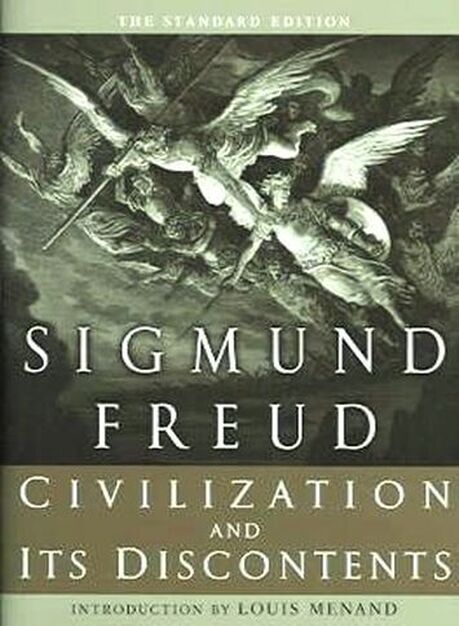
Jung had much to say about the dangers of Collectivism. It is clear that his thought and remarks in this regard owe a great deal to Soren Kierkegaard, Gustave Le Bon, Oswald Spengler, and a few other antinomian writers. He was surely aware of Freud’s final book Civilization and its Discontents, which expounds a generally pessimistic view of society’s future.
Apparently Freud was also affected by the writings of Oswald Spengler and Gustave Le Bon.
…the self is felt empirically not as a subject but as object – Carl Jung
Jung’s fourth major discovery involves the objective psyche. Conventionally, that which we refer to as “objective” defines external objects and entities. The tables, chairs, window-panes and sky perceived outside of us are objective to the ego, whereas that which is apprehended as inner images, concepts and ideas are by definition subjective.
Jung’s findings contradict this convention. He defines the content of the Collective Unconscious – the psyche’s deepest level – as objective. It is as extraneous to us as worldly phenomena. In many ways our relationship to this content is akin to our relationship to things in the perceived world. The important thing is that there can be no differentiated ego without this semi-permeable wall between ego and unconscious. It is a defensive wall marking the limen between upper and lower hemispheres.
What we call the “psyche” is by no means identical with our consciousness and its contents – Carl Jung
Inasmuch as the ego is only the centrum of my field of consciousness, it is not identical with the totality of my psyche – ibid
Of course it sounds odd to say that contents of our own minds are considered external or foreign to the mind. After all, doesn’t that content include feelings?
Yes it does. Which is why repression exists and why the content has been objectified or pushed away. It poses a threat to the stability and function of the ego and superego which impose the barrier.
This leaves us questioning the value and intent of unconscious content. One voice says if it weren’t so dangerous there’d be no need for borders and armed guards, while another says the problem lies in the ego’s compulsive resistance to the positive nurturing influences of the unconscious. Is the unconscious retreating or is the will pushing it away? It’s not a settled matter. As Jung knew, it depends on the individual case. The attitude of the client is the vital factor determining what complexion the unconscious Archetypes adopt.
.
People will do anything, no matter how absurd, to avoid facing their own souls – Carl Jung
We see from these four discoveries that Jung’s ideas on treatment and psychic hygiene differred significantly from Freud, Adler and other pioneerng psychoanalysts. He was not interested simply in adjusting his clients to an abnormal world.
By including the Collective Unconscious, his vision of man widened to compliment that of previous eminent philosphers. Jung was not inclined to reduce man and consciousness as most Postmodernist thinkers are. Indeed, his theories and insights demolish the core ideas of Postmodernists and Deconstructionists.
After all, does the average Postmodernist or Critical Theorist critique their own psychological typology? Do they concede that their own peculiar psychic profile gives rise to their deranged outlooks? Do they factor in the influences of their unconscious in any coherent way? Do Multiculturalists, for instance, realize the utter bankruptsy of their bizarre beliefs? Have they read Jung’s perceptive warnings about the inclusion of non-western cultural motifs and traditions? Apparently not. Have they included, in their infantile narratives, one or more of the four discoveries summarized here?
If Jung is right, it is nature herself which dictates the formation and architecture of the psyche. The apollonian ego perched precariously above the personal and collective unconscious depends on unseen forces to constellate and exist as it does. Its constitution and survival depend upon the influence of the nonrational layer of the psyche attuned to nature’s ineffable ordinances.
Our psyche is set up in accord with the structure of the universe, and what happens in the macrocosm likewise happens in the infinitesimal and most subjective reaches of the psyche – Carl Jung
Primordial images appearing in dreams, such as the serpent or dragon, etc, are experienced by every person in the world, from any class, caste, tribe or nation. An examination of the meaning of archetypal dream-images does include people from other racial backgrounds. There’s nothing racist and biased about it. Why then is this never mentioned and honorably credited to its white originators?
But as Jung correctly stressed, the subject of psychology was invented by westerners not foreigners. Indeed, non-white races generally have zero interest in the psyche and would never have founded a psychoanalytic movement probing deeply into the nature of consciousness. Therefore, the criticisms of Freud and Jung, by Postmodernists, for their “ethnocentrism,” etc, are utterly worthless. (Leftists despise Freud because he was an ultra-conservative.)
Whites and non-whites are beneficiaries of the discoveries of Freud and Jung. Both men were clearly interested in the betterment of all humanity. Their writings prove it beyond all possible doubt. It is their critics who care nothing for humanity. It is in their interest to cast aspersions on men such as Freud and Jung, in order to prevent people taking their work seriously. The regression of western man, and undermining of western civilization, is their prime directive.
Moreover, as Jung shows, it is antinatural to glob all races and traditions together. It’s vital that each race stay true to its particular traditions and the cognition which formed them. This is because the Collective Unconscious itself relates to each race differently – in accordance with its level and grade of differentiation. Each person’s consciousness is affected differently by the content of the Collective Unconscious, and it’s no different with larger social bodies. The psychic health of a tribe, nation or race depends on preserving the age-old connection with the primordial images familiar to their departed elders.
The nefarious agenda of Postmodernists and Deconstructionists concerns breaking this natural connection. Smoke-screening their antinatural agenda behind talismanic terms such as Globalism, Universalism, Multiculturalism, Diversity and Utopianism, etc, they work to blend cultures together so their individual identities are permanently lost. This is a psychological travesty, preventing each and every race and person from accessing and attuning to the Collective Unconscious on which their identities and sanity depends.
Jung warned that primitive peoples, as types, are as a rule demonstrably far less psychically differentiated than westerners. This is as it should be. Interfering with their stage of development only brings ruin to one and all. No amount of external intervention – no matter how well-meaning – does the trick. Rather, it amounts to the suspension of nature’s laws. The lack of differentiation marks a non-western man as a distinct type. It celebrates his difference and identifies his particular relationship with nature and the past – his past.
Breaking this connection devastates his being, leaving him hollow and forlorn. It constitutes a colonization of his psyche. It’s an attack that has been going on for years. Contra the Deconstructionists and Multiculturalists, if all humans are “identical” – if they share a common feature – it is their difference. It is in our difference that we are the same.
Was it good for invading Spanish conquistadors to put the Aztec and Inca peoples to the sword if they didn’t become Roman Catholics, or good that African tribesmen were forcibly converted to Lutheranism? Is it logical to force Irishmen to worship Quan Yin?
Jesus is Lord…
Jung warns therefore that instead of mindlessly borrowing from the treasures of the East, we should attempt to shape our lives out of our own psychic roots – Robert Avens
Each man and race must preserve that which endows them with their unique identities. Why is this deemed irrational today? Why is it demanded of some races, not of others?
As Jung shows, identity lies primarily in the dynamic relationship that exists between conscious and unconscious hemispheres. This connection is, in turn, responsible for why all men are not identical with one another, and why races are distinct. If any externally imposed influence impedes or redirects this flow between hemispheres, nature herself is affronted. Nature (in the form of the unconscious) registers this malignancy and reacts or compensates accordingly. Now do we understand why immorality and insanity are spreading throughout the lands like wildfire?
Simply said, if sinister forces jeopardize psychic symbiosis, to thereby weaken and disorient egoic homeostasis, it follows that the same unfortified ego falls increasingly under external control. Indeed, it comes to pathologically depend on external handrails to prevent complete collapse.
Uprooted from the timeless source of life, moderns feel jaded, disoriented, empty and worthless. The retreat of unconscious influences leaves them without the will to find out what’s wrong with themselves and the world. This does not mean, however, that answers are not available. On the contrary, they are available in plenty.
Your vision will become clear only when you can look into your own heart. Who looks outside, dreams: who looks inside, awakes – Carl Jung
Looking outwards has got to be turned into looking into oneself. Discovering yourself provides you with all you are, were meant to be, and all you are living from and for – ibid
It should be obvious from this why moderns are so obsessed by political action and social reform. It’s all about avoiding psychological maturation. It’s a rejection of Freud’s advice to turn one’s eyes within.
Turn your eyes inward, look into your own depths, learn first to know yourself! Then you will understand why you were bound to fall ill; and perhaps you will avoid falling ill in future – Sigmund Freud
…it was Freud who was the first to again make the “inner man” the object of science – Erich Fromm
However, as both Freud and Jung warned, one’s avoidance of introspection eventually exposes one to the violent intrusion of compensating unconscious factors. Jung frequently warned the world about this. He wrote: When an inner situation is not made conscious, it appears outside as fate.
Making sense of this profound statement means recognizing the intimate connections between physis and psyche (matter and mind). Experts in the field of science, such as Rupert Sheldrake, David Bohm, Bruce Lipton, Iain McGilchrist and others, now accept this communion between macrocosm and microcosm as axiomatic.
Nevertheless, the question for moderns remains: how can one “know themselves” when there’s no Self there to know? How can one fix society when they’re mutilated or broken within?
The modern is no longer interested in their own feelings, no matter what they histrionically pretend. No! They are interested in everybody’s feelings. It’s a case not of how I feel, but how we feel. The modern disenchanted citizen flees into the Crowd to avoid being a Self. It’s an act of violence toward the Self, an act of forgetting which works wonders. The Will-to-Meaning degenerates into the Will-to-Negate. So much for our present-day “Cancel Culture.” It is simply the external manifestation of our inner disconnect with source.
Jung addresses this syndrome, saying it signals a return to the primitive condition where there is barely a divide between the conscious and unconscious. Without differentiation the psyche is fated to be flooded by content from the deepest layer of the psyche – the ancestral Collective Unconscious.
When this happens, the person or nation regresses. They also find themselves “possessed” by various grandiose visions and ideals. In a healthy situation these captivating influences inspire one to marked creativity. For unhealthy bodies the situation is radically different. One is mesmerized and enthralled by some alluring vision which comes to dominate the will. Usually, says Jung, one is possessed by a religious or political phantasmagoria. It accounts for the rise of many a haunted soul: a Martin Luther, John Calvin, Karl Marx, Adolf Hitler, Josef Stalin, Jim Jones, or other table-pounding demagogue who cannot rest until they’ve subjugated the world to their diabolical will.
The man of today, who resembles more or less the collective ideal, has made his heart into a den of murderers, as can easily be proved by the analysis of his unconscious, even though he himself is not in the least disturbed by it – Carl Jung
Watch Out…he’s possessed! (Super Fool to Fool You, if you’re not aware – edit!)
In so far as society is itself composed of de-individualized human beings, it is completely at the mercy of ruthless individuals. Let it band together into groups and organizations as much as it likes – it is just this banding together and the resulting extinction of the individual personality that makes it succumb so readily to a dictator – Carl Jung
So what does Jung offer as a solution to the mess?
Jung’s advice is, guess what? – Individuation. It implies maintaining one’s independence from the Collecive in both senses, physical and psychological. Do not submit to the necrophilous Crowd, and don’t regress into a uroboric sleep, courtesy of the abyssal Collective Unconscious. Although it is the darkness from which we came, that was then and this is now.
The sane, creative person takes care to maintain a healthy flow of libido or energy between lower and upper hemispheres. He must guard against any force, inner or outer, compromising the flow. As said above, each person’s limen between levels is unique, and so it should be. So it must be, if personal and racial identity is to be preserved and honored. One’s identity depends upon their unique setting, and a curse on the family, society, religion or political dogma preventing differentiation and individualization.
Psychologically empowered people relate to the Archetypes as friends and guides. They welcome their counsel and let them get on with their job. They are in charge of the complex “rites of passage” and process of Individuation.
Nietzsche asked if it is better to be great than to be good. Jung replies that it best to be both. Actually, to be either good or great requires attunement to the Moral Universe. Jung’s work is therefore to be reverently credited, given that it eloquently describes the methods by which one becomes good and great, moral and empowered.
I don’t aspire to be a good man. I aspire to be a whole man – Carl Jung
The truly Individuated human being’s greatness lies in his or her facilitation of personal and social independence and uniqueness. In this sense Carl Jung stands out as one of the world’s authentic Greats – as one against the many. Build his statues high.
The clamor for cannabis concentrates isn’t dying down; dispensary shelves are packed with potent, cannabinoid-rich extracts.
Supercritical carbon dioxide (CO2) extractions are more common, but there are actually two different CO2 extraction methods available to professional laboratories. Subcritical CO2 extractions are possible as well, and each strategy has its own advantages.
Understanding Supercritical CO2 Extraction
CO2 can be tuned through pressure and temperature to act as a solvent and strip valuable terpenes and cannabinoids , along with other active compounds, from cannabis plant material. In the context of extraction, a solvent is “supercritical” if it simultaneously has the properties of both a gas and a liquid.
Supercritical state of CO2 is achieved when CO2 is heated above 31.10°C and exposed to pressures exceeding 1,071 psi. However, it’s worth noting that manufacturers often work with even higher pressure and temperature inputs to optimize their extraction processes. [1]
Supercritical CO2 extraction offers several benefits:
Safety: It is generally regarded as a safe method due to its high exposure limits. Safety is paramount when working with solvents, and supercritical CO2 meets rigorous standards.
Cost-Effectiveness: This method is relatively cost-effective. High-purity CO2 can be readily sourced from numerous suppliers, ensuring the quality and consistency of the extraction process. This reliability contributes to cost efficiency. Moreover the solvent can be reused in a closed loop system and it is possible to perform various extraction cycles with the same purified solvent.
Purity: Supercritical CO2 extraction produces highly pure extracts with minimal residual solvents or contaminants, making it an attractive choice for those seeking pharmaceutical-grade products.
The Subcritical CO2 Extraction Alternative
While supercritical CO2 extraction is widely embraced for its efficiency, subcritical CO2 extraction offers different advantages that cater to a distinct market segment.
In subcritical CO2 extraction, temperatures and pressure below the critical point are used to extract cannabinoids and other cannabis constituents. With these parameters CO2 is in the liquid stage. Even if in this stage the CO2 has less solvent power, this can be beneficial to selectively extract certain compounds.
Involving low temperatures, CO2 at the subcritical state is perfect to obtain cannabis extracts in the real “raw” form, without decarboxylating acidic cannabinoids, harming heat sensitive terpenes and extracting also vitamins and fatty acids.
Terpenes are responsible for the distinctive aromas and flavors of different cannabis strains and are highly sensitive to heat degradation. Subcritical extraction, with its gentle processing conditions, is the preferred method for those who prioritize the taste of their extracts. The terpene-rich end product is in high demand among cannabis connoisseurs.
However, subcritical CO2 extractions yield smaller quantities of oil compared to supercritical methods, so the extracts are more expensive. This is a serious consideration for researchers and product developers who want to isolate specific cannabinoids or terpenes, a process easily accomplished through subcritical CO2 extractions. It’s possible to create custom formulations and conduct detailed studies on cannabis compounds.
What’s Best for Consumers?
As with many extraction methods, the choice of supercritical or subcritical CO2 extraction ultimately depends on consumer preferences and the producer’s product objectives. Subcritical extractions favor flavor and aroma and the full spectrum composition of the raw cannabis extract, while supercritical extracts offer greater potency in terms of final cannabinoid concentration.
The higher yields of supercritical CO2 extraction also make it a more economical and efficient extraction option for producers.
Future Prospects in Cannabis Concentrate Production
The cannabis concentrate market is growing rapidly, and innovations in extraction technology are helping to drive that growth.
As the industry matures and operators gain more experience with extraction methods, subcritical CO2 extractions may become even more relevant. This technique allows producers to create unique products with customized terpene profiles, which could be just what consumers are looking for.
However, it’s clear that both supercritical and subcritical CO2 extractions have a role to play in the emerging world of cannabis concentrate production. Both techniques cater to different aspects of the market, from efficiency and purity to flavor and aroma preservation.
References:
Sexton, M. et al. “Evaluation of Cannabinoid and Terpenoid Content: Cannabis Flower Compared to Supercritical CO2 Concentrate”, Planta Med, 2018, Volume 84(04): Pages 234-241.
Many ornamental shrubs and bushes start producing berries in the fall. During the rest of the year, these berry wonders are forgotten, with many, like the Beautyberry bush, growing flowers barely worth mentioning. But don’t count them out! Now is when they add interest to the barren gardenscape.
Beautyberry (Callicarpa bodinieri ‘Profusion’)
This beauty produces small pink flowers in the summer. Clusters of tiny amethyst-colored berries on long branches form in mid-September and last into December before the cold causes them to drop to the ground. A deciduous shrub that can grow 3 meters tall and wide, it’s easy to take care of. Hardy to climate zone 3 (-40°C), as long as it is watered and planted in full sun to light shade, it will do well in the ground or a large container.
Snowberry (Symphoricarpos albus)
Found growing wild throughout North America, the snowberry has earned a reputation as an ornamental border shrub. Hardy to zone 2 (-45°C), it’s tolerant of any soil type and grows in both shade and sun (although for maximum berry production, full sun is best). At a mature height of 2-3 meters tall and wide, it’s excellent in hedges or open naturalized garden areas. In mid-summer, it produces clusters of tiny pink flowers that turn into round, green berries, which eventually become white or pink during late fall.
Cotoneaster (C. lacteus)
Cotoneaster is considered invasive. Its red berries, however, make up for the plant’s sometimes over-enthusiastic habits. With so many varieties, cotoneaster is a berry must for the garden, especially these three. Bearberry cotoneaster is hardy to zone 4 (- 25°C), enjoys full sun, and has a cascading habit perfect for slopes or garden walls. C. Divaricatus, or spreading cotoneaster, is deciduous with dark green leaves that turn orange or red in fall, giving way to bright red berries loved by birds. It grows to 3 meters tall and wide, is hardy to zone 2, and thrives in full sun to part shade. C. Horizontalis, or rockspray cotoneaster, is also hardy to zone 2 and deciduous with clusters of red fruits. Growing 1-3 meters tall and up to 9 meters wide, it, like most cotoneaster, does not enjoy being planted in a container but will flourish if left to grow as a hedge or ornamental shrub in the back of the garden.
Winterberry (Ilex verticillata)
Related to the holly shrub, winterberry is native to the northeastern United States and grows in marshy areas. Deciduous and needing both male and female plants to produce berries, the plant’s tiny white flowers appear in summer and turn into bright red berries that stay on the branches for most of the winter. In zone 3, it will grow from 2 to 4 meters in sun or part shade in most soil types.
Firethorn (Pyracantha)
Pyracantha is a semi-evergreen in cold climates or evergreen shrub in warmer ones. A perfect espalier for fences or along a garden wall, it’s a rampart grower that can quickly exceed 4 meters tall and 3 meters wide. A sun lover who does not like being confined by a container, it’s hardy to zone 3 and produces bright red or orange berries in late fall. Its sharp thorns make it a deer-resistant plant that will act as a natural barrier when planted around the garden’s perimeter.
Several companies also released their quarterly reports this week, including Canopy, Aurora, and Nova Cannabis.
In other Canadian cannabis news…
CBC ran a story on a study that found evidence of THC and CBD in the bones of two people, a woman around age 50 and a teenage boy, who both lived in 1600s Milan, Italy. The researchers say the finding not only suggests that cannabis was consumed by all ages and genders at the time but also that it was used recreationally, most likely prepared in cakes and infusions.
Centre Wellington, Ontario, could decide next week on whether to allow cannabis stores to operate within the city. A report going before an upcoming Centre Wellington committee of the whole meeting includes two options for council: either to opt in to permit the retail sale of cannabis or to continue to opt out. The region, located northwest of Guelph, has about 30,000 residents. You can read the full report here.
A town in Ontario is shocked to discover that banning legal cannabis stores won’t stop illegal ones from popping up. A new illegal business offers 24-hour service and deals on its cannabis despite the fact the Town of Newmarket opted out of allowing retail cannabis stores to operate within its boundaries.
In Manitoba, CBC spoke with Josh Giesbrecht, owner of Ashtown Market, about expanding his cannabis store to also carry groceries. The move was because the company was having a hard time making ends meet in the cannabis market.
CannMartannounced the launch of its Roilty brand in Newfoundland & Labrador while enjoying kudos from multiple AdCann award nominations. They are also the title sponsor at the 2024 CannExpo in Toronto in March 2024.
A group representing companies operating on the Hibernia oil platform off the coast of Newfoundlandlost its court battle to fire an employee for using CBD oil for colitis.
MJBiz reports that Portugalexported 5,438 kilograms of cannabis for medical purposes in the first half of this year, putting the Portuguese medical cannabis industry on pace to surpass last year’s record export figure of 9,271 kilograms.
A recent study investigating the impact of CBD availability on opioid prescriptions has revealed that although legalizing CBD alone does not automatically reduce the rate of opioid prescriptions, making legal CBD products readily available and affordable has significantly reduced the number of opioid prescriptions by approximately 8.1%.
The study, which was recently published in the “Journal of Southern Economics,” suggests that three key factors impact the opioid crisis: prescription CBD legalization, regulations that limit CBD purchases and access through CBD dispensaries.
To conduct the study, the authors scrutinized state laws concerning restricted-access, CBD-only regulations in states such as Texas, Iowa and Tennessee from 2010 to 2019, which allowed the prescription of CBD products to patients with specific medical conditions. The study acknowledges that during this period, the CBD market was expanding rapidly, with over-the-counter (OTC) use growing at the fastest rate. However, in the early stages of the study, OTC CBD products were not generally accessible because the majority of states had not yet created industrial hemp programs until 2016.
While the presence of CBD dispensaries appeared to have a meaningful impact on reducing opioid prescriptions, this benefit was nullified when strict rules governing CBD access were in place. Additional regulations, such as ID requirements and patient registries, almost entirely negated the positive effects of CBD dispensaries on opioid reduction.
The study indicates that legalizing CBD alone decreased the number of opioid prescriptions, although not as significantly as comprehensive recreational and medical laws. States that had legalized marijuana for both medical and recreational purposes tended to prescribe fewer opioids per 100 residents than states that did not. However, these regions also tended to have healthier populations and higher concentrations of medical professionals, indicating that the variations in opioid use could not be exclusively related to the legalization of cannabis.
Prescription rates for opioids generally decreased during the research period, most likely as a result of the rise in overdose deaths involving opioids. Between 2010 and 2018, states with medical cannabis laws saw a 35% decline in the number of opioid prescriptions, while states without any kind of cannabis legalization saw a 33% decrease.
The findings of the study indicate that the imposition of ID checks or patient registries for CBD purchases did not significantly affect the rates of opioid prescriptions, even in states where CBD dispensaries are present. This, according to the study, underscores the notion that regulatory barriers may impede the potential advantages of legalizing CBD for tackling the opioid problem.
The study concludes by highlighting the need for legislators to carefully weigh the trade-offs between limiting access and regulating CBD for quality since strong regulations impede CBD’s significant influence on the rates of opioid prescriptions.
The evolving laws around CBD and marijuana permitting enterprises such as Cronos Group Inc. (NASDAQ: CRON) (TSX: CRON) to bring innovative products onto the market could help patients find alternatives to opioids and thereby put the brakes on the escalating opioid crisis.
About CNW420
CNW420 spotlights the latest developments in the rapidly evolving cannabis industry through the release of two informative articles each business day. Our concise, informative content serves as a gateway for investors interested in the legalized cannabis sector and provides updates on how regulatory developments may impact financial markets. Articles are released each business day at 4:20 a.m. and 4:20 p.m. Eastern – our tribute to the time synonymous with cannabis culture. If marijuana and the burgeoning industry surrounding it are on your radar, CNW420 is for you! Check back daily to stay up-to-date on the latest milestones in the fast -changing world of cannabis.
To receive SMS alerts from CNW, text CANNABIS to 888-902-4192 (U.S. Mobile Phones Only)
Please see full terms of use and disclaimers on the CannabisNewsWire website applicable to all content provided by CNW, wherever published or re-published: https://www.CannabisNewsWire.com/Disclaimer
A psychedelic task force commissioned to research the therapeutic benefits of LSD, MDMA and psilocybin in Minnesota and prepare the state for possible psychedelic legalization recently held its first meeting. Task force members chose a chairperson during the meeting and outlined a plan for the next few months.
The psychedelic task force was formed in late May when the Minnesota legislature passed a large-scale health policy bill with psychedelic-centered language and sent it to Governor Tim Walz’s desk. The legislation established a Psychedelic Medicine Task Force and charged it with advising legislators on the medical, policy and legal issues associated with legalizing therapeutic psychedelic use in Minnesota.
The 25-member task force held its first meeting more than three months late, but State Representative Andy Smith, the sponsor of a standalone psychedelic task force measure, believes the task force will “hit the ground running.”
According to the task force, 24 of the 25 posted task force positions have already been filled with agency representatives, lawmakers and experts in mental health, psychedelic medicine, substance-use disorders, health policy and veteran health. The state omnibus legislation that created the task force required that it consist of experts and officials including the health commissioner, a governor or designee, two tribal representatives, the state attorney general or a designee, and experts in various mental health and public health-related issues.
The task force was required to issue two reports to health and human services legislative committees with comprehensive coverage of psychedelic legalization in Minnesota by Feb. 1, 2024, and Jan. 1, 2025.
Task force members elected the Psychedelic Society of Minnesota executive director and University of Minnesota Medical School assistant professor Jessica Nielsen as task force chairperson.
Smith said the Department of Health team has done a lot of groundwork to get ready for fieldwork. The representative noted the team had already started training task force members on the presentation software and technology they would use in their activities. He said that he was excited to see the task force convening and was especially encouraged by the fact that psychedelic legalization in Minnesota seemed to draw bipartisan support.
According to Smith, the relatively new field of psychedelic medicine has the potential to help thousands and even millions of Minnesota residents who are currently grappling with all kinds of mental health issues.
Recent advances in psychedelic research have found that hallucinogenic drugs such as LSD, psilocybin, ayahuasca and MDMA can offer long-term relief against various mental ailments with barely any side effects and at relatively small doses, especially when paired with psychotherapy.
Task force member Representative Nolan West noted that traditional mental-health treatments often have side effects and said he was excited to see trained health professionals offer informed opinions and aid the task force in its quest to help Minnesotans.
The psychedelic board is likely to follow closely the research findings of companies such as Seelos Therapeutics Inc. (NASDAQ: SEEL) that are focused on developing psychedelics-based treatments to address the clinical needs of people with mental health disorders.
About PsychedelicNewsWire
PsychedelicNewsWire (“PNW”) is a specialized communications platform with a focus on all aspects of psychedelics and the latest developments and advances in the psychedelics sector. It is one of 60+ brands within the Dynamic Brand Portfolio @ IBN that delivers: (1) access to a vast network of wire solutions via InvestorWire to efficiently and effectively reach a myriad of target markets, demographics and diverse industries; (2) article and editorial syndication to 5,000+ outlets; (3) enhanced press release enhancement to ensure maximum impact; (4) social media distribution via IBN to millions of social media followers; and (5) a full array of tailored corporate communications solutions. With broad reach and a seasoned team of contributing journalists and writers, PNW is uniquely positioned to best serve private and public companies that want to reach a wide audience of investors, influencers, consumers, journalists and the general public. By cutting through the overload of information in today’s market, PNW brings its clients unparalleled recognition and brand awareness. PNW is where breaking news, insightful content and actionable information converge.
To receive SMS alerts from PsychedelicNewsWire, text “Groovy” to 888-902-4192 (U.S. Mobile Phones Only)
Please see full terms of use and disclaimers on the PsychedelicNewsWire website applicable to all content provided by PNW, wherever published or re-published: https://www.PsychedelicNewsWire.com/Disclaimer































Recent Comments