Tilray expands market leading cannabis portfolio with launch of new Redecan products across Canada

(Globe Newswire) Toronto — Tilray Brands, Inc., a leading global cannabis-lifestyle and consumer packaged goods company, today announced the expansion of its market leading product portfolio with the launch of new flower genetics by best-selling cannabis lifestyle brand, Redecan.

Redecan introduces a limited-edition series of exclusive whole flower cannabis genetics including; King Sherb and Animal RNTZ, two high-quality Indica strains meticulously cultivated by master growers. These new cannabis strains join the brand’s award-winning product portfolio, including consumer favorites like WappaCold Creek Kush and Glueberry OG.

“We are thrilled to unveil the first Redecan innovation following our acquisition of HEXO Corp. This is a pivotal moment for Redecan, marking a new era in our journey to deliver unparalleled quality and experiences to cannabis consumers across Canada. With the introduction of our limited-edition strains, we are pushing the boundaries of cannabis cultivation and taking our commitment to product excellence to new heights. These new offerings build upon Redecan’s legacy of best-selling products and set the stage for continued evolution of the brand.” — Blair MacNeil, president, Tilray Canada

Redecan’s new limited-edition cannabis whole flower lineup includes:

Advertisement

  • King Sherb – Redecan’s new crowning achievement. This royal cultivar reigns supreme with a lineage combining the genetics of OGKB V2.1 and Blue Sherbert for the ultimate blend of top-notch aromatics reminiscent of the infamous Pink Kush. With primary terpenes including limonene, caryophyllene, myrcene, and farnesene, King Sherb’s has distinct scents of pungent funk, cream, and diesel. Available in Ontario, Alberta, and coming soon to British Columbia.
  • Animal RNTZ – the result of primarily crossing Animal Cookies and Runtz. True to its lineage, it delivers fruity tartness and a sweet and sour aroma informed by high levels of caryophyllene, limonene, ocimene and bisabolol. Sporting dense, tight buds, this potent strain achieves remarkable THC levels. Animal RNTZ is now available in 3.5g & 14g format in Ontario, Alberta, and coming soon to British Columbia.

The Strategic Brilliance of Acquiring High Times IP, Including Existing Licensing Agreements and Royalty Streams in All-Stock Transaction

Lucy Scientific Beats MindMed and Seelos Therapeutics to the Punch

Lucy Scientific Discovery (NASDAQ: LSDI) (“Lucy” or the “Company), a Nasdaq-listed company with holdings and operations in a variety of psychotropic businesses, just announced the acquisition of the Intellectual Property of High Times, its Licensing Agreements and Royalty Streams in all-stock transaction. This was a brilliant strategic business move.

With first movers in the “Mind Science” space like MindMed (NASDAQ: MNMD) and Seelos Therapeutics (NASDAQ: SEEL) realizing than 80% and 40% year-to-date gains respectively, today’s acquisition by Lucy delivers immediate revenue, an expanded product line, a proven and highly influential platform, and a vast customer database, in one quick strike.

Credibility and Audience Reach

High Times has been an icon in cannabis culture for decades, demonstrating credibility and influence within the market niche. Their media assets reach millions, presenting an ideal platform for educating the public about Lucy’s psychotropic businesses. This large and engaged audience should prove invaluable in Lucy’s pursuit of psychotropic research and associated future product launches.

Regulatory Momentum

High Times has been instrumental in shaping positive public sentiment around cannabis, a feat it achieved through education and advocacy. Its history and experience in navigating complex regulatory landscapes could offer a template for Lucy in overcoming similar challenges. As the shareholders Lucy are well aware, public sentiment and regulatory approval are interconnected. Capitalizing on the media reach and influence of High Times could catalyze a more favorable regulatory environment for Lucy, driving long-term shareholder value through potentially quicker paths to approval in various untapped markets.

Commercial Synergies

High Times has built a robust commercial ecosystem around cannabis culture, ranging from events to merchandise. For Lucy, leveraging these commercial capabilities can diversify revenue streams and create synergistic opportunities. High Times events can serve as platforms for Lucy’s psychotropic products and promotions, as well as networking with medical professionals, thereby not only driving awareness but also potentially increasing the company’s intellectual capital.

Brand Amplification

The acquisition of High Times provides an opportunity to create a unified, robust brand presence in the psychotropic medicine space. The reputation and authority that come with High Times can be funneled to promote responsible use and credible science surrounding psychotropic medical treatments. The result is a stronger, more cohesive brand that enhances investor confidence and attracts further investment, thereby benefiting the shareholders.

Conclusion

For Lucy, the acquisition of High Times Holding Corp’s assets and followers is not merely a value-add; it is a strategic imperative. By providing access to a vast, engaged audience, influencing regulatory outcomes, offering commercial synergies, and amplifying brand authority, the acquisition can generate long-term value for Lucy shareholders.

For more information, visit the company’s website at www.LucyScientific.com.

NOTE TO INVESTORS: The latest news and updates relating to LSDI are available in the company’s newsroom at https://ibn.fm/LSDI

About PsychedelicNewsWire

PsychedelicNewsWire (“PNW”) is a specialized communications platform with a focus on all aspects of psychedelics and the latest developments and advances in the psychedelics sector. It is one of 60+ brands within the Dynamic Brand Portfolio @ IBN that delivers: (1) access to a vast network of wire solutions via InvestorWire to efficiently and effectively reach a myriad of target markets, demographics and diverse industries; (2) article and editorial syndication to 5,000+ outlets; (3) enhanced press release enhancement to ensure maximum impact; (4) social media distribution via IBN to millions of social media followers; and (5) a full array of tailored corporate communications solutions. With broad reach and a seasoned team of contributing journalists and writers, PNW is uniquely positioned to best serve private and public companies that want to reach a wide audience of investors, influencers, consumers, journalists and the general public. By cutting through the overload of information in today’s market, PNW brings its clients unparalleled recognition and brand awareness. PNW is where breaking news, insightful content and actionable information converge.

To receive SMS alerts from PsychedelicNewsWire, text “Groovy” to 21000 (U.S. Mobile Phones Only)

For more information, please visit https://www.PsychedelicNewsWire.com

Please see full terms of use and disclaimers on the PsychedelicNewsWire website applicable to all content provided by PNW, wherever published or re-published: https://www.PsychedelicNewsWire.com/Disclaimer

PsychedelicNewsWire
San Francisco, CA
www.PsychedelicNewsWire.com
415.949.5050 Office
Editor@PsychedelicNewsWire.com

PsychedelicNewsWire is powered by IBN

420 with CNW — Cannabis Shows Potential in Symptom Alleviation for Pediatric Cancer Patients

420 with CNW — Cannabis Shows Potential in Symptom Alleviation for Pediatric Cancer Patients

image

A recent study published in the “Cancer” Journal explores the potential advantages of utilizing cannabis for children undergoing cancer treatment, a group that contends with various symptoms resulting from the disease and its therapies. However, while promising, further exploration into appropriate dosing and safety is imperative.

Advances in diagnostics, surgery and radiation have elevated survival rates among pediatric cancer patients. Nevertheless, progress brings its own set of issues, including anorexia, pain, vomiting and nausea, which prove challenging to manage. Cannabis derivatives have emerged as a strategy to alleviate these symptoms in young cancer patients. However, its safety, effectiveness and dosing in this demographic remain largely uncharted.

The authors of the study note that “pediatric oncologists remain cautious about cannabis due to the dearth of substantiated evidence affirming its safety and efficacy within this context. There’s an urgency to comprehensively examine the current landscape of cannabinoid application in pediatric cancer, guiding the evolution of clinical trials scrutinizing the impact of diverse cannabis products on safety, dosing, and efficacy for this demographic.”

Researchers from the University of Manitoba undertook a systematic meta-analysis and review to evaluate the body of literature concerning the use of medicinal marijuana for alleviating symptoms in pediatric cancer cases. They drew upon resources such as the Cochrane Library, PsycINFO, Embase and MEDLINE.

A total of 34,611 citations were examined, involving various cannabis strains, quantities, forms, administration methods and indications, as well as clinical and demographic attributes. These citations also encompass documented efficacy outcomes and any resultant unfavorable incidents. From those, 19 studies along with 1,927 participants were considered suitable for the study.

Within these studies, diverse marijuana products emerged as potential solutions for tackling distinct symptoms. Primarily, cannabis demonstrated efficacy in countering chemotherapy-induced vomiting and nausea. The side effects linked to cannabis usage include dry mouth, drowsiness and vertigo. Importantly, none of the studies documented any severe adversities linked to cannabis use in alleviating cancer-related symptoms in pediatric patients.

Lead author Lauren E. Kelly, PhD, acknowledged the challenges in measuring overall advantages due to disparate outcomes and study designs. Kelly noted, “While interventions with active control groups showed the superiority of cannabinoids in countering nausea and vomiting, data scarcity persists concerning cannabinoids’ influence on sleep, mood, pain, and the holistic quality of life.”

The study’s limitations included the count of studies within the review, outcome reporting inconsistencies, and the absence of case-controlled or cohort studies in the analysis.

Kelly emphasized the pivotal importance of conducting more rigorous investigations into the effects of cannabinoids on pediatric cancer patients and sharing such findings with the healthcare sector, patients and parents, given the varying experiences reported by children in terms of benefits and adverse events.

As more information becomes available regarding the therapeutic potential of cannabis for specific groups or demographics of patients, marijuana companies such as SNDL Inc. (NASDAQ: SNDL) could tweak their products in order to avail the most suitable product to address the specific symptoms of those patients.

About CNW420

CNW420 spotlights the latest developments in the rapidly evolving cannabis industry through the release of two informative articles each business day. Our concise, informative content serves as a gateway for investors interested in the legalized cannabis sector and provides updates on how regulatory developments may impact financial markets. Articles are released each business day at 4:20 a.m. and 4:20 p.m. Eastern – our tribute to the time synonymous with cannabis culture. If marijuana and the burgeoning industry surrounding it are on your radar, CNW420 is for you! Check back daily to stay up-to-date on the latest milestones in the fast -changing world of cannabis.

To receive SMS alerts from CNW, text CANNABIS to 844-397-5787 (U.S. Mobile Phones Only)

For more information, please visit https://www.CannabisNewsWire.com

Please see full terms of use and disclaimers on the CannabisNewsWire website applicable to all content provided by CNW, wherever published or re-published: https://www.CannabisNewsWire.com/Disclaimer

CannabisNewsWire
Denver, CO
www.CannabisNewsWire.com
303.498.7722 Office
Editor@CannabisNewsWire.com

CannabisNewsWire is powered by IBN

Four Side Hustles of Highly Effective Humans

Four Side Hustles of Highly Effective Humans

www.self-inflictedphilosophy.com

Four Side Hustles

of Highly Effective Humans

“I will win. Not immediately, but definitely.” ~Unknown

So, you’ve found your main hustle? You’ve discovered your wealth? You’ve got all your ducks in a row? Hopefully your wealth is in alignment with your three loves: the three things that make you come to life.

As Stephen Kotler said, “Passion exists at the intersection of three or more things you’re really curious about.”

Whatever those three things are (it’s entirely up to you), those are your main hustle. They are your wealth. They are the tip of the spear, the triangular spearhead aiming you toward your best life.

The following four side hustles are meant to sharpen your main hustle (your wealth: your three loves). They are the whetstones to your spearhead, the forerunners to your blazed trail, the sparks that light your torch-bearing potential.

Side hustles are little pockets of solitude that can launch your main hustle into the stratosphere. They can also be steppingstones to discovering your three loves if it so happens that your main hustle is not in alignment.

As Arthur Schopenhauer said, “Great men are like eagles and build their nest on some lofty solitude.”

1.) A side hustle to keep in shape (health):

“The comfortable life lowers man’s resistance, so that he sinks into an unheroic sloth.” ~Colin Wilson

This is the most important side hustle. Exercise, sleep, and a healthy diet are foundational for greatness. Without these, you are without—full stop.

As Martin Seligman said, “The problem with psychology today is that we focus too much on neck up, whereas most of what happens to us is neck down.”

Health comes from a state of pre-established harmony between the body and the world. Running, swimming, meditation, martial arts, yoga, HIIT, weightlifting, backpacking, parkour, hiking, these are all forms of pre-established harmony creating health in the body.

Health is a whetstone. You are the blade. Sharpen yourself. Then use it to cut the world.

To cut with the body is to cut through entropy. To cut with the body is to use health as a sword that slices through entropy, inertia, idleness, laziness, and even death. Where entropy is the ultimate state of inert uniformity, cutting with the body is the absolute state of engaged harmony.

To cut with the body is to breathe. Breath is the lifeblood of the cut. This is the importance of meditation. Breath is the primal source. To breathe and to be present with breath, is to become one with the cosmos, in the moment, fluid, non-attached, and in a state of absolute emergence.

Establish harmony between you and the world. Become a force to be reckoned with. Cut with the body! There is life to be lived.

As Leon from Truth Mind said, “A man has to forge himself into a weapon or he will be forged into a tool.” If it’s a choice between becoming a tool or a weapon, choose a weapon.

2.) A side hustle to build knowledge (stealth):

“We live in a nightmare of falsehoods, and our first duty is to clear away illusions and recover a sense of reality.” ~Nicolas Berdyaev

For this side hustle to work you must be able to get out of your own way. How might you be in your own way? Cultural conditioning, religious indoctrination, political brainwashing, to name just a few.

In order to build new knowledge, you must first be able to destroy untruth and stop taking yourself too seriously. Allow yourself to be imperfect, fallible, and prone to mistakes. And then flip the script on that shit. Take a leap of courage out of belief and into faith. Be curious, not certain. Be creative, not convinced. Be eccentric, not conformist. Be humorous, not full of hubris.

Free yourself to unlearn what you have been deceived into learning. Unwash the brainwash. Dig up your humanness, your wholeness, your primal providence, which has been buried under multiple layers of cultural conditioning.

As Camus said, “The greatness of man lies in his decision to be stronger than his condition.”

Wield the mighty question mark as your sword of truth. Use it to cut through delusion. Use it to shed the superfluous. Use it to chop through the forest hidden by the trees. Use it to clear the road less traveled. Use it as a spearhead that keeps the Truth Quest ahead of the “truth.”

Use it as a chisel for the hardened beliefs within you. Use it to humble yourself. Use it to destroy illusion. Use it to unsettle your settled mind, to shock your chakras, and to reevaluate all your values. Use it to practice self-overcoming.

Be vulnerable. Full surrender. Full disclosure. Before you can learn anything, you must shed your expectations of everything.

3.) A side hustle to stay creative (art):

“Life isn’t about finding yourself. Life is about creating yourself.” ~George Bernard Shaw

Even if your main hustle happens to be creative, there is still need for another creative side hustle. Your main hustle supports your life. It pays the bills. It puts food on the table. It keeps your life stable.

But, as Ruben Dario said, “Art exists because life is not enough.”

Life is not enough. Human beings need more. We are between worlds like no other animal. We are pinched between birth and death. Art is a relief from this pinch. It can even be a rebirth.

Painting is an escape. Music is an escape. Poetry is an escape. Cinema is an escape. When you are able to create thus, you build bridges out of the so-called “real world” and into Reality.

For as Iris Murdoch said, “We live in a fantasy world, a world of illusion. The great task in life is to find reality.” Art helps us find reality. It gets us out of our own way. It gets cultural conditioning out of our way. It gets indoctrination out of our way. It puts us face-to-face with God. No wiggle room. Nowhere to hide. Full-frontal absolution.

Art resurrects the soul which has been hijacked by a humdrum culture. It lifts the artistic spirit out of the doldrums of the daily grind. It revives the heart that has lost the path. It opens the third eye that has gone blind.

As Anais Nin said, “We do not escape into philosophy, psychology, and art—we go there to restore our shattered selves into whole ones.” Indeed. Our art is less an escape and more a transcendence, an overcoming, a catharsis, a providence. We trip into the masterpiece in order to come alive. We rearrange the nightmare in order to stay ahead of the curve of nihilism. We creatively side hustle in order to sharpen the main hustle of life.

4.) A side hustle to expand spirituality (existentialism):

“It is easy in the world to live after the world’s opinion; it is easy in solitude to live after our own; but the great man is he who in the midst of the crowd keeps with perfect sweetness the independence of solitude.” ~Ralph Waldo Emerson

You are a walking paradox. You are both individual and interconnected, both a part of the world and isolated, both a pocket of solitude and a member of the human race, both stuck inside your own head and forced to perceive the “seemingly different” world outside.

Use this paradox as a spark that lights the fire of nonattachment. Own it by no longer lying to yourself. Honor it by being so utterly interdependent that your independence balks and your codependence is nothing more than a shriveled dead thing like Voldemort under the bench in Harry Potter’s afterlife.

There’s only one thing to do with such terrible freedom. Revolt! Dance with the paradox. Rebel against despair and nihilism. Rebel against the absurdity of it all. Become a dissident to dissonance. Become the paradox flashing across the stage, “full of sound and fury, signifying nothing,” but becoming something through the blood-and-bone knowledge of your own existential fury, your own unblinking ability to “rage, rage against the dying of the light.”

Such rebellion unburies God. It reignites the Phoenix. It lights up the dark. It shines a blacklight into the blinding light of culture. It reveals the primordial truth: energy cannot be destroyed only transformed.

Thus, you transform. You transform pain into providence, shadow work into luminescence, wounds into wisdom, death into rebirth. You get above it all by becoming it all: The absurd, the paradoxical, the transformable, the infinite.

Your spirituality becomes a firebrand so red-hot that the outflanking universe has no choice but to take it right on the flank—seared and sealed, and put on notice that you’re not just a speck in the universe, you are the entire universe in a speck. You are God awake, and you will no longer pretend to be asleep.

Image source:

Untitled by Alex Huxley

About the Author:

Gary Z McGee, a former Navy Intelligence Specialist turned philosopher, is the author of Birthday Suit of God and The Looking Glass Man. His works are inspired by the great philosophers of the ages and his wide-awake view of the modern world.

This article (Four Side Hustles of Highly Effective Humans) was originally created and published by Self-inflicted Philosophy and is printed here under a Creative Commons license with attribution to Gary Z McGee and self-inflictedphilosophy.com. It may be re-posted freely with proper attribution, author bio, and this statement of copyright.

Expressionless Babies, Bored Lovers

Expressionless Babies, Bored Lovers

Expressionless Babies, Bored Lovers

And Other Changes in the Human Condition

I feel that I make notes every day on saying goodbye to a world that has passed – and at times on noticing a new world that is barely stirring. So I mourn, and at times I hope.

I’ve been traveling, and now I am home; so I have observed my fellow humans recently in airports, and on airplanes; on trains; in crowds; and in smaller gatherings.

And in the “mourning”: category I must note that some things about human beings, as an aggregate, have changed — since those fatal sixteen to 18 months, the months of mass injection, from late 2020 to mid-2022.

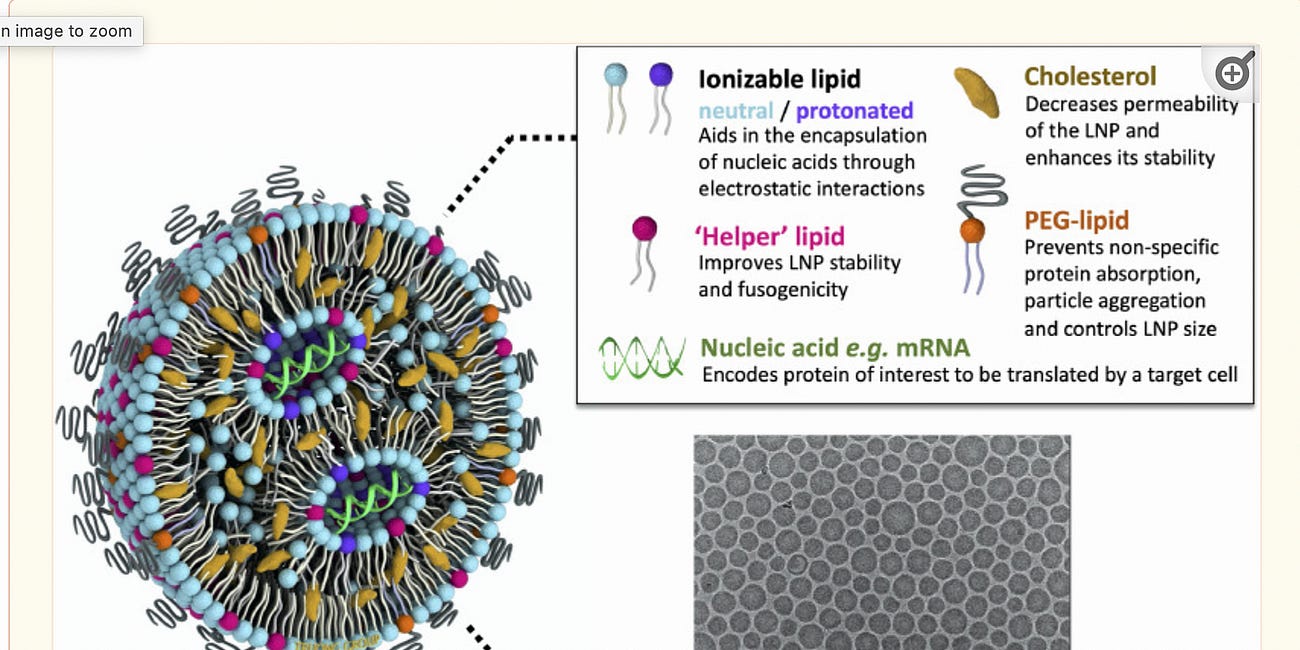
I have written earlier, in this essay, “Lipid Nanoparticles:” Are the Subtly Changing Human Beings?” about how people seem to be subtly changing:

Lipid Nanoparticles: Are They Subtly Changing Human Beings?

October 4, 2022
Lipid Nanoparticles: Are They Subtly Changing Human Beings?

Some of my essays are grounded in politics, the economy, the material world. Others reference the medical and scientific insights of the War Room/DailyClout Pfizer Documents Research Volunteers, along with other principled medical and scientific experts.

Read full story

I wrote that I felt, right after the rollout of mass mRNA injection, that there had been a change in the feeling one had when one was surrounded by crowds of human beings. It almost felt as if one was surrounded by holograms, since the energy field, the force field, if you will, of individual humans — let alone of humans as a mass, whose force fields used to intensify when they were thronging together (or dancing together, or praying together) — had been shifted; had somehow faded or weakened or diluted.

I have described how I feel that when I hug vaccinated loved ones, that they seem light and frail and ethereal — that I can barely “find” them, energetically – and that only an echo or memory of their earlier “energy fields” survive. (Hugs used to pour heart energy simultaneously from one body into another. That’s why they used to feel so good. Remember that?)

I have heard unvaccinated mothers bemoan the fact that they can’t sense the bodies of their vaccinated children — their children’s physicality or imprint or presence — in the same animal way as they had done their entire lives, before. (They actually also say that they can’t smell their vaccinated children any longer either, or that the children do not have the same scent as they had before vaccination — which is not as trivial or silly a matter as you might think; mothers, along with other mammals, recognize the scents of their children from Day One of the children’s lives, and scent is a major factor in mammalian bonding: “Mother-child bonding is associated with the maternal perception of the child’s body odor”, as the title of a 2019 study, one of many similar studies, which have proven this connection for decades, points out.)

Body workers — massage therapists, Reiki therapists, acupuncturists, healers from various modalities — have told me that the energy fields of their own clients have changed dramatically since the clients’ mRNA vaccination. Unvaccinated customers of such services, for their parts, have described the fact that they don’t bother booking with vaccinated healers, since the “energy fields’’ in those practitioners’ hands, no longer make them feel better.

This all brings up an issue that is very hard to discuss in the Western context, which is why I prepared us, on this journey together, via my two recent essays about “Energies.”

Most other cultures, as I have written, take as given that humans (all living things for that matter) have signature “energies.” This is called “chi” or
“qi” in Traditional Chinese Medicine, as well as in acupuncture, which originates in that discipline. “Chi” is often translated into English as “vital life force”. (It’s kind of incredible that Western medicine does not have an accepted equivalent, since my recent near-death experience for sure proved to me that one can dramatically lose or painfully regain “vital life force.”) The same energy is called “prana” in Ayurvedic medical practice and in Yogic practices. The term was cited in the 3000 year old Upanishads. “Prana” is the energy of the whole universe, and translates also as “vital force”; however in the practice of Yoga, its influence affects physical processes such as blood flow and digestion, all the way to emotions and consciousness itself:

“Prana is the source of all movement in the body. It regulates all of our conscious and unconscious bodily functions like our breath, digestion, blood flow, elimination, and cellular growth and healing. The flow of prana distributes its energy through the body based on the quality and capacity of the nadis energy channels and the chakras energy centers. Prana also animates and affects the quality of our thoughts, emotions, and consciousness. Our overall health and well being is tied directly to the quantity and circulation of prana in our body.”

So imagine for a moment that this is real — that people really do have an energy field in them, around them, that is affected by what they ingest as food or medicine or other chemicals; what they do; how they think. If you accept that this might be possible, you must accept that it may be possible to damage or disrupt “prana” or “chi” using physical or psychological means.

Now let’s consider how humans and other mammals relate to each other. Under our natural conditions and circumstances, we are always seeking one another out; always trying to communicate with one another face to face; and always touching, holding, embracing and kissing those whom we love, or to whom we are bonded. Monkeys and sea otters and chimps and koalas and human beings — all mammals — reach out, caress, connect and engage:

.

Studies that show that human touch diminishes stress; lowers heart rate; boosts healing; and strengthens bonding, are well established.

A bit creepily, given the timing, in November of 2020, Monika Eckstein, Ilshat Mamaev,Beate Ditzen, and Uta Sailer, in “Calming Effects of Touch in Human, Animal, and Robotic Interaction—Scientific State-of-the-Art and Technical Advances”, showed once again that touch signals safety. They summarized many studies revealing that humans are calmed and reassured via touch, explained the neural mechanisms underlying the calming effects of touch, and then — explored the question of whether robots and other “non-human” service providers, could provide some “beneficial effects of touch” via machines relating to humans: “The increased use of intelligent robots as service machines, especially in the medical context, makes human–robot interactions more and more frequent in daily routine as well as in healthcare. This raises the question of whether the beneficial effects of touch depend on the social source of the tactile stimulation or whether they can also be elicited by mechanical or robotic devices […]”

I raise this issue of how we bond, because what I am seeing in many of the human beings around me is: a failure, dissolution or diminution of physical and psychological bonding. Parents are losing the bonds with children and lovers and spouses seem to have lost bonding with one another as well.

Sights I saw recently, that before 2021 I literally never saw: I keep witnessing adult parents walking ahead of their small children, with the kids running to catch up. The body language of parents, except perhaps those with psychiatric disorders, would never have allowed for this before 2021; remember when parents were always aware of where their kids were, in crowded or possibly dangerous settings? On my way out of JFK recently, I saw a perfectly sane-looking, well-put-together mom go through security, in a crowded, chaotic setting, and not look back once at her seven-year-old, or her five-year-old, as the kids made their way through security, barely overseen by a dad struggling with luggage, folded stroller, etc. The dad scarcely looked at the two children either, as the kids walked through a scene rife with strangers, confusion, and the possibility of one or both of them getting lost.

I keep seeing versions of this — desperate-looking children racing to keep up with their families, or wandering a bit too far from their parents, with no one rounding them safely back into the parental orbit.

At the Monterey Aquarium, which we visited a couple of weeks ago, both Brian and I were horrified by scenes we could not have imagined before 2021. Glass displays filled with fish were illuminated, but the rest of the exhibit hallways in the aquarium were shrouded in darkness so intense you could barely see who was around you. Brian and I and our adult friends kept losing one another in the darkness. Meanwhile, dozens, if not hundreds, of children, some of them extremely small, were milling around, disoriented, in conditions of complete blackness, and they were getting separated from their parents continually, in a roiling crowd; this was a situation ripe for a child to get lost and very frightened, if not worse. I was appalled, as it would be so easy for another adult to take a child’s hand, and simply walk him or her away.

In the whale watching balcony outside, which looked out over the harbor and involved a steep fall if a child managed to get over the railing, I kept seeing tiny children wandering away from adults, and climbing onto the bottom rung of the balcony railing – and no one was chasing them or even watching them. (In fact I feel I have scarcely seen a parent chase a child – something we who were parents of small children in the past recall spending much of our lives doing — since 2021.)

On a return journey to JFK, I saw four children wandering alone all the way from a checkin counter, halfway around the terminal, where there were thousands of people coming and going, ultimately to enter a men’s room unaccompanied. One of the youngest kids was about six years old. I waited outside to make sure that they got out safely — but I was dumbfounded. This kind of release of children into the “wild” in a dangerous, crowded public space would have verged on a parent’s risking neglect or abuse charges, pre-2021.

To me as a parent, this all means that that “radar” you achieve along with the newborn that comes home with you from the hospital — you know what I mean, parents — that almost-sixth sense born in you along with that baby, with which you are always scanning for, always aware of, your child, in relation to possible dangers in the environment — what Brian calls “situational awareness” — is off, or dialed down, or impaired in some way, in many human parents in 2023.

Something else I am not seeing? The fascination that parents used to have in gazing face to face into the eyes of their babies. Parents of babies and toddlers used to spend hours — certainly when stuck on a plane, but also just when they were holding or carrying their children, or seated near them — gazing into the faces of their babies and toddlers and engaging with them in a million ways. They would make faces, and laugh when the little ones mirrored their expressions. They sang “Itsy Bitsy Spider”, and would start over and over when the child would cry, “Again!” They would stare into the eyes of their babies as if hypnotized, and they kissed their faces impetuously. They would dandle them and sing to them, fathers and mothers both.

This is instinctive behavior that took millennia to evolve. It helped us to survive and it helps to make us into human beings, with a range of emotions and expressions available to us.

Mothers’ brains actually change when they give birth, and a feedback loop is established that gives them pleasure when they interact with their babies. Betty Vine, in “Motherhood and the Brain: The Science Behind Kissing, Cuddling, and Making It Better”, summarizes the feedback loop that neuroscientists have established between dopamine release in the mother and her engaging with her baby:

“The first and most primal of relationships is not only experienced by every human being, but has the capacity to change every human being, socially, psychologically, and, perhaps most surprisingly, on a cerebral level.

These changes begin immediately in the mother’s brain following birth, it’s been proposed. A study published in Behavioral Neuroscience concluded that the size of mothers’ brains increased shortly after childbirth. […] Increases in gray matter have been documented in the hypothalamus, amygdala, parietal lobe, and prefrontal cortex, regions responsible for emotion, reasoning, and judgment, the senses, and reward behavior.[…]

Dr. Pilyoung Kim, principal investigator at the Family and Child Neuroscience Laboratory at the University of Denver, proposes that hormonal changes affecting the brain — caused by increases of levels of estrogen, oxytocin, and prolactin — happen immediately after birth. […] A sort of positive feedback loop seems to be operating: a baby’s smile can release dopamine in a mom’s pleasure-reward centers, further reinforcing maternal behavior […]”

Have you seen a lot of parents do this lately with their babies and toddlers? Gaze into their eyes, do just about anything to make them laugh, make silly faces, sing songs, play goofy word games?

This is what I hear when I am around parents of babies and toddlers: total silence.

This is what I see — most babies are gazing around vacantly, not even trying to get the parents’ attention, because the parents are staring vacantly elsewhere. Or else the parents are on their phones.

Indeed I have started to see toddlers and even babies being given phones or electronic devices by their parents, so that there is no human-to-human interaction between them at all.

You could blame technology — but we had cellphones before 2021.

What I am seeing may be a disruption in that dopamine feedback loop of some kind. Or it may be some other kind of interference.

And this parental lack of being enchanted by their babies, is definitely affecting babies: they used to call out to strangers; to try to sing the songs their parents sang; to verbalize incessantly; to gaze at adults and to break into beautiful smiles — even when they looked at strangers who smiled at them.

Now, many babies are becoming something you’d never think to say pre-2021 — charmless — because no one around them thinks that they are that charming.

Most often, the post-2021 babies I see are expressionless.

So what is happening now seems often to be a negative feedback loop. Their parents seem not to be that interested in them, so their faces and expressions and voices become flat and affectless, even depressed-seeming.

Moving on to lovers and spouses. Here is what was common pre-2021.

Young couples would walk with their arms around one another, or with the man’s arms around the woman. Same-sex couples embraced as well.

Young couples of all kinds would find private places in order to make out passionately.

Couples would have their arms around one another when they watched movies.

Couples would hold hands.

Friends or relatives, especially older ones, would walk arm-in-arm.

People hugged and kissed upon greeting, or when there was an upset, or in many other circumstances.

Do you see a lot of this behavior any more?

I see couples walking together side by side, sort of bumping along, but not holding hands.

I can’t recall the last time I saw young lovers kissing passionately out-of-doors. Not since 2021.

I don’t see people with their arms around one another in movie theaters, almost ever.

Has there been a disruption in the energy fields of humans, so that touch of this kind is less fulfilling? Or perhaps there has been a change in humans so that the need for it has been dialed down?

I won’t get into sexuality very much in this essay, but as I’ve written elsewhere, there is so much less flirtation, seductive conversation, alluring dress, “mojo”, erotic energy, out in the street, than there used to be — it is as if a diorama that used to be in living color, has switched to black and white.

Nanoparticles have been known for a decade to cause inflammation that negatively affects human sexual functioning. Has the “mojo” of humanity been impaired in some way?

Wang et al, in 2018, in “Potential Adverse Effects of Nanoparticles on the Reproductive System,” found that nanoparticles “[cause] reproductive organ dysfunction” and that “NPs can disrupt the levels of secreted hormones, causing changes in sexual behavior”:

“NPs can pass through the blood–testis barrier, placental barrier, and epithelial barrier, which protect reproductive tissues, and then accumulate in reproductive organs. NP accumulation damages organs (testis, epididymis, ovary, and uterus) by destroying Sertoli cells, Leydig cells, and germ cells, causing reproductive organ dysfunction that adversely affects sperm quality, quantity, morphology, and motility or reduces the number of mature oocytes and disrupts primary and secondary follicular development. In addition, NPs can disrupt the levels of secreted hormones, causing changes in sexual behavior. However, the current review primarily examines toxicological phenomena. The molecular mechanisms involved in NP toxicity to the reproductive system are not fully understood, but possible mechanisms include oxidative stress, apoptosis, inflammation, and genotoxicity. Previous studies have shown that NPs can increase inflammation, oxidative stress, and apoptosis and induce ROS, causing damage at the molecular and genetic levels which results in cytotoxicity. This review provides an understanding of the applications and toxicological effects of NPs on the reproductive system.”

These are questions. Do these nanoparticles, lipid nanoparticles, in the recent mRNA injections, which are not the same, cause the kinds of damage as did the ones in the study above?

In terms of men’s sexuality, we know that the answer is that the mRNA injections do indeed cause damage to male sexuality — that mRNA injections contain “anti-sperm antibodies.” They also damage the Leydig and Sertoli cells in the testes, which are the factories of the hormones of masculinity.

How do these mRNA injections affect female desire, which, as my 2012 book Vagina reported, is so very delicately constructed by women’s hormonal fluctuations? Those studies have not yet been completed at any scale. But when you dysregulate female menstrual cycles, for certain you dysregulate female desire, which reaches its peak in healthy women, with healthy cycles, in the days around ovulation, for obvious reasons.

If you bleed twice a month — or every day all month — or never at all — what happens to your desire?

If LNPs affect scent — they are likely to affect desire as well. Studies have shown that women are attracted to men whose immune systems are unlike their own. Men prefer the scent of women who are fertile. If women are less fertile, heterosexual men will find them less attractive. If men’s immune systems are impaired, who knows what this will do to heterosexual women’s desire.

All of these are questions.

Have the mRNA injections made parents bored by their children and unable effectively to police the area for dangers to their offspring? Have the injections ruined the hormonal context of sexual desire, a context which in the pre-2021 past used to align heterosexual women and men to one another, and drew gay men to men, and lesbian women to women, and in any event overall allowed for the reproduction of our species?

These are just questions.

And the studies — real studies, uncontaminated uncorrupted studies – need to be fully done.

But something is wrong.

Something is wrong with humans.

Subscribe to Outspoken with Dr Naomi Wolf

Thousands of paid subscribers

Essays, updates and arguments from an eyewitness to a new dark age, with

newnow@newagora.ca for Questions or to Book Your Spot!

420 with CNW — Cannabis Shows Potential in Symptom Alleviation for Pediatric Cancer Patients

420 with CNW — Emergency Rule Grants Missouri Foster Parents Permission to Grow Cannabis at Home

image

A newly filed emergency rule by the Missouri State Department of Social Services will now allow foster parents to possess and grow cannabis at home. The Department of Social Services issued the emergency rule on the basis that the existing policies preventing foster parents in the state from legally growing cannabis in their homes are in direct conflict with Missouri’s recreational cannabis law.

Recreational cannabis has been legal for adults aged 21 years and older since late 2022 when Missouri voters approved an adult-use cannabis measure. The legislation legalized the purchase and possession of up to three ounces of marijuana and allowed registered adults to grow up to six mature cannabis plants for personal use.

However, foster parents in Missouri have until recently been barred from exercising these cannabis-related rights. A statement attached to the emergency rule’s text noted that Rule 13 CSR 35-60.040, which currently prevents foster parents from possessing cannabis or cannabis-infused products, is in conflict with the state constitution, making it invalid. The changes made to the state rule outlining standards for foster care by the emergency rule will remain in effect until Feb. 23, 2024.

According to the emergency rule, foster parents must ensure their cannabis is inaccessible to their foster children, much like how they are required to store items such as alcohol, medication and matches. The rule also requires that foster parents grow their cannabis plants in a locked and enclosed facility to prevent access by foster children. However, foster parents still can’t consume marijuana in any way that produces vapor or smoke inside their homes.

Social services spokesperson Caitlin Whaley said in a public statement that the new rule is meant to keep foster children safe by protecting them from the dangers of secondhand smoke. She said that foster parents can smoke tobacco and cannabis outside their homes and away from the children, but they aren’t allowed to smoke in the foster children’s presence or while enclosed in a vehicle with foster children.

Interestingly, a study published in 2022 revealed that recreational cannabis legalization in Missouri may have resulted in a 10% reduction in foster-care admissions. Researchers behind the study posited that federal cannabis legalization could save hundreds of millions of dollars in the foster-care system annually.

Most if not all state cannabis programs have strict rules intended to keep children away from cannabis. These regulations include stringent packaging and marketing rules that prevent cannabis companies from packaging cannabis products or marketing them in a way that attracts children.

As the remaining hallmarks of prohibition are rolled back in states where marijuana has been legalized, a time may come when people and companies in Missouri will operate in an environment similar to what entities such as Curaleaf Holdings Inc. (CSE: CURA) (OTCQX: CURLF) enjoy in the jurisdictions where they have operations.

About CNW420

CNW420 spotlights the latest developments in the rapidly evolving cannabis industry through the release of two informative articles each business day. Our concise, informative content serves as a gateway for investors interested in the legalized cannabis sector and provides updates on how regulatory developments may impact financial markets. Articles are released each business day at 4:20 a.m. and 4:20 p.m. Eastern – our tribute to the time synonymous with cannabis culture. If marijuana and the burgeoning industry surrounding it are on your radar, CNW420 is for you! Check back daily to stay up-to-date on the latest milestones in the fast -changing world of cannabis.

To receive SMS alerts from CNW, text CANNABIS to 844-397-5787 (U.S. Mobile Phones Only)

For more information, please visit https://www.CannabisNewsWire.com

Please see full terms of use and disclaimers on the CannabisNewsWire website applicable to all content provided by CNW, wherever published or re-published: https://www.CannabisNewsWire.com/Disclaimer

CannabisNewsWire
Denver, CO
www.CannabisNewsWire.com
303.498.7722 Office
Editor@CannabisNewsWire.com

CannabisNewsWire is powered by IBN

Study Suggests MDMA Could Reduce Uncomfortable Effects of LSD, Psilocybin

Researchers from the Langone Center of Psychedelic Medicine at New York University and the Imperial College London’s Center for Psychedelic Research have published a study suggesting that small doses of MDMA could help reduce the uncomfortable effects of psilocybin and LSD. Psychedelics such as LSD and psilocybin (magic mushrooms) can produce feelings of euphoria and lead to life-changing insights, but they can also induce feelings of discomfort and anxiety in users.

Bad trips, as they are referred to, are a relatively common occurrence among psychedelic users and are characterized by symptoms such as extreme paranoia, sudden and extreme mood swings, negative thoughts and negative hallucinations. According to the study, taking a small MDMA dose alongside other psychedelics can reduce these negative effects while enhancing the positive effects of the psychedelic experience.

The small study involved polling 698 people who had recently consumed LSD or psilocybin. Twenty-seven of the participants said they used MDMA alongside either of the two psychedelics. Participants who took low MDMA doses with psilocybin or LSD reported “significantly lower levels” of challenging psychedelic experiences compared to participants who didn’t take MDMA. Furthermore, small MDMA doses seemed to increase the intensity of positive experiences but didn’t cause any discernible effect on mystical-type experiences and feelings such as compassion in people who used MDMA compared to those who didn’t.

The researchers published their findings in the peer-reviewed journal “Scientific Reports.”

The study noted that the findings point to MDMA as a potential buffer against some of the challenging aspects involved in psychedelic experiences while enhancing some positive experiences. The findings claim that the use of MDMA alongside LSD and psilocybin was associated with increased feelings of self-love, gratitude and compassion while significantly reducing the intensity of negative feelings like fear and grief.

Psychedelics have blown up in recent years, thanks to a flurry of scientific papers indicating their potential as alternative mental-health treatments. Studies have found that psychedelics such as psilocybin and LSD may be able to treat various mental-health conditions more effectively than conventional mental-health treatments, offering patients long-term relief with fewer side effects and minimal doses.

Although the psychedelic research field is still young, its findings have been so encouraging that psychedelic-assisted therapy is now predicted to revolutionize mental health. This most recent discovery could potentially improve treatment outcomes for psychedelic-assisted therapies that involve psilocybin and LSD by reducing the negative aspects of treatment while bolstering the positive aspects.

Needless to say, psychedelic drug development companies such as Mind Medicine Inc. (NASDAQ: MNMD) (NEO: MMED) (DE: MMQ) are likely to explore all possible hallucinogenic combinations that could deliver optimum clinical outcomes while posing the least number of risks to patients.

About PsychedelicNewsWire

PsychedelicNewsWire (“PNW”) is a specialized communications platform with a focus on all aspects of psychedelics and the latest developments and advances in the psychedelics sector. It is one of 60+ brands within the Dynamic Brand Portfolio @ IBN that delivers: (1) access to a vast network of wire solutions via InvestorWire to efficiently and effectively reach a myriad of target markets, demographics and diverse industries; (2) article and editorial syndication to 5,000+ outlets; (3) enhanced press release enhancement to ensure maximum impact; (4) social media distribution via IBN to millions of social media followers; and (5) a full array of tailored corporate communications solutions. With broad reach and a seasoned team of contributing journalists and writers, PNW is uniquely positioned to best serve private and public companies that want to reach a wide audience of investors, influencers, consumers, journalists and the general public. By cutting through the overload of information in today’s market, PNW brings its clients unparalleled recognition and brand awareness. PNW is where breaking news, insightful content and actionable information converge.

To receive SMS alerts from PsychedelicNewsWire, text “Groovy” to 21000 (U.S. Mobile Phones Only)

For more information, please visit https://www.PsychedelicNewsWire.com

Please see full terms of use and disclaimers on the PsychedelicNewsWire website applicable to all content provided by PNW, wherever published or re-published: https://www.PsychedelicNewsWire.com/Disclaimer

PsychedelicNewsWire
San Francisco, CA
www.PsychedelicNewsWire.com
415.949.5050 Office
Editor@PsychedelicNewsWire.com

PsychedelicNewsWire is powered by IBN