New Frontier Data, the leading data and analytics firm serving the regulated cannabis industry is conducting a survey of licensed growers to find out more about preferences for starting gardens with seeds or clones.
“Commercial cultivators have thought deeply about this topic, and we want to hear from them and better understand why they choose one or the other,” said Dr. Amanda Reiman, chief knowledge officer for New Frontier Data.
The survey team is specifically interested in hearing from Canadian producers because there is an interest in knowing how their methods differ from producers in the U.S.
“As cannabis becomes a global commodity, understanding the production differences from country to country will be important to the growth of the cultivation side of the industry,” Reiman said.
The survey can be accessed online at ke58r106vm0.typeform.com/to/HfyVKSiC and those participating will receive a summary of the results from their region, as well as be entered into a raffle to win a $100 Amazon gift card.
Tilray Brands Inc. is expanding its case of craft brews, announcing a deal to buy eight beer and beverage brands from Anheuser-Busch Companies LLC.
In a filing with the U.S. Securities and Exchange Commission, Tilray puts the purchase price at US$85 million to be paid in cash.
The cannabis company says the agreement will triple both its basket of brands and its beer sales volume, which it projects will increase to 12 million cases per year from four million.
Tilray says that growth would vault it to the status of fifth-largest craft beer operation in the United States.
Advertisement
The deal between the Leamington, Ont.-based Tilray and Missouri-based beer giant Anheuser-Busch is expected to close later this year.
The eight brands are Shock Top, Breckenridge Brewery, Blue Point Brewing Company, 10 Barrel Brewing Company, Redhook Brewery, Widmer Brothers Brewing, Square Mile Cider Company, and HiBall Energy.
In the border regions between Idaho and Oregon, there exist stark differences in cannabis legislation. While Oregon allows for the legal purchase of cannabis, Idaho stands as one of the few states that have yet to adopt any form of legalized cannabis. Amid this backdrop, an organization known as Kind Idaho is firmly devoted to championing cannabis’s potential as a medicinal solution.
Led by Joe Evans, the treasurer of Kind Idaho, the political action committee and nonprofit organization, founded in 2021, is unwaveringly committed to the cause of medical cannabis legalization. Evans clarifies that the group’s sole focus is on medical cannabis as opposed to advocating for full decriminalization or casual use for ailments such as headaches.
Recently, Representative John Vander Woude introduced the Idaho Medical Marijuana Act, a narrow proposal aiming to spark discussions heading into 2024. The act, however, met criticism from Evans and his supporters because it offers extremely limited access to medical cannabis, restricting it to ingestible forms such as chewables, tablets, pills or droplets, with a maximum of 10 mg of tetrahydrocannabinol.
In contrast, the citizen initiative put forth by Kind Idaho presents an alternative path to medical cannabis. The initiative’s objective is to shield Idahoans suffering from chronic diseases, conditions or terminal illnesses from arrest and penalties, granting them legal access to medical cannabis.
With a challenging task ahead, Kind Idaho is currently focused on gathering signatures for its petition. Group members aim to collect approximately 63,000 signatures from registered voters by April 14, 2024, to earn a spot on the ballot. Their efforts are particularly significant considering Idaho’s status as one of the five states without any form of legal cannabis.
Addressing concerns that legalizing medical cannabis might fuel drug-related problems, Evans emphasizes that Idaho already spends millions each week on border town dispensaries. Instead, he highlights the pressing need to help individuals grappling with serious medical issues, including cancer patients enduring painful treatments and seeking nonaddictive alternatives to manage their pain effectively.
Evans firmly believes that offering this alternative treatment is essential, as it allows patients to exercise their right to explore viable options beyond dangerous pain-management programs. His campaign remains undeterred by those seeking recreational cannabis, as their primary goal is to assist those genuinely in need of medical relief. For Evans, the urgency of this cause is personal, with countless individuals in his life requiring access to medical cannabis as a safer and more effective solution than their current prescriptions.
The struggles that some states such as Idaho go through to have marijuana legalized for medical purposes can partially be addressed if more companies such as IGC Pharma Inc. (NYSE American: IGC) invest in developing pharmaceutical-grade formulations approved by the FDA so that the patients who need these treatments can obtain them through the mainstream medical system.
NOTE TO INVESTORS: The latest news and updates relating to IGC Pharma Inc. (NYSE American: IGC) are available in the company’s newsroom at https://cnw.fm/IGC
About CNW420
CNW420 spotlights the latest developments in the rapidly evolving cannabis industry through the release of two informative articles each business day. Our concise, informative content serves as a gateway for investors interested in the legalized cannabis sector and provides updates on how regulatory developments may impact financial markets. Articles are released each business day at 4:20 a.m. and 4:20 p.m. Eastern – our tribute to the time synonymous with cannabis culture. If marijuana and the burgeoning industry surrounding it are on your radar, CNW420 is for you! Check back daily to stay up-to-date on the latest milestones in the fast -changing world of cannabis.
To receive instant SMS alerts, text CANNABIS to 21000 (U.S. Mobile Phones Only)
Please see full terms of use and disclaimers on the CannabisNewsWire website applicable to all content provided by CNW420, wherever published or re-published: http://CNW.fm/Disclaimer
Do you have questions or are you interested in working with CNW420? Ask our Editor
The would be masters of totalitarian control have turned-up the heat in a calculated push to make sure responsibility for the bush and forest fires that have broken-out in the Mediterranean during the recent heatwave, are squarely blamed on ‘global warming’.
There has barely been a day during July when the ‘horror’ of these events hasn’t occupied the headlines of the UK mainstream press and other such top-down compliant media outlets.
The horror is no doubt very real where fires have got out of control, putting lives and property under direct threat – and we should spare a thought for those afflicted in this way.
But the continuous repetition of headlines shouting “Record breaking heat!” “Devastating fires!” “Hell on Earth!” have become suspiciously familiar to those who saw through the Covid fear mongering scams of 2020/2021. An increasingly wary public are no longer so easily seduced by the mind controlling media manipulations employed to enforce public acceptance of the ‘great global warming hoax’.
Things haven’t being going so well for the ‘Net Zero’ lobby recently. Public sentiment is shifting away from the sort of ‘in-your-face’ simplistic headlines specifically designed to provoke fear and panic; especially when the fully insulated mainstream media agenda completely suppresses any attempt to express another opinion.
The Grecian islands of Rhodes and Corfu follow the pattern of much of mainland Greece. They have hot dry Summers. It is not uncommon for temperatures to reach the upper 30’s and low 40’s centigrade.
We have Vanessa Beeley, reporting for the UK Column News, to thank for pointing-out that the fires which were reported as breaking-out on Rhodes, actually caused significant damage in just three villages and surrounding farmland, some of which was badly scorched by wind driven fires, causing serious loss of income to the affected farmers, no doubt for years to come.
The World Economic Forum leadership has stated that it does not like small farms producing ‘real’ food. It’s ‘Green Deal’ wants such farms out of the way, to be replaced by synthetic laboratory look a’ likes. Such a view is now being taken up by all governments that subscribe to ‘The Great Reset’.
Greece has the highest number of small farms of any country in Western Europe. It’s farmers have frequently come out in support of ‘the people’ during political crises; selling staple foods direct from their farm trailers at give-away prices. However they rely heavily on the tourist trade in the Summer months, as sales during this season keep them solvent during the winter.
Scare mongering by the BBC and mainstream media in general, has kept visitors away this Summer, with fabricated reports of temperatures regularly exceeding the norm.
Southern Greece appears to have been targetted for special treatment by whoever sets the ‘hit agenda’ meted-out to various countries unwilling to conform to the strictures of the insidious WEF ‘net zero’ climate change agenda.
Adding to the dilemma of a country already dry by most European standards, is the recent rush to erect banks of ‘green’ wind turbines in countryside locations.
As has been the experience in North Germany and North Poland in recent years, the blades of these turbines generate a unique air flow the effect of which is to reduce rainfall and subtly alter local weather patterns, thus making areas in which they are situated drier than normal. Fires, some of which the Greek press are reporting as likely cases of arson, have spread faster and been more damaging due to this drying out.
It is my contention that the anti-life forces behind the creed of anthropogenic global warming are upping their programme via a globally coordinated agenda of deliberate weather disruption and the simultaneous spreading of critically biased information.
To keep the ‘Stop CO2’ Net Zero scam on course, the powers that be within the World Economic Forum, United Nations and affiliated corporate and banking institutions, must come up with a regular menu of disasters ostensibly caused by excess CO2. They must promulgate stories of rising temperatures threatening the future of life on earth.
This is a policy the elite cabal has been running for more than three decades. It is set in stone – and all other activities/issues are subordinate to it. ‘Stopping global warming’ is quite simply the concocted alibi with which to impose every conceivable form of restriction on the basic rights of all humanity.
Consider the fact that recent CO2 spewing volcanic eruptions in a number of countries are being kept out of the news. Why is this? Are volcanoes somehow now categorised as ‘conspiracy theories’ to be fact-checked out of the public eye?
Might this be because the amount of CO2 being released into the atmosphere by these eruptions dwarfs that contributed by man made activities? What if the public should wake-up to the fact that volcanic activity is not being factored-in as a serious threat to achieving the great Net Zero by 2045 agenda? In just the same way as ‘war’ has quietly been airbrushed out of the carbon contribution picture.
We should be on the lookout for a sudden ‘new scientific discovery’; something along the lines of “It has recently been established that previous analysis of matter released during volcanic eruptions was incorrect. Scientists have reanalysed recent data and discovered that CO2 only forms a minimal part of the elements released during eruptions.”
Strange isn’t it, that the composition of the upper atmosphere contains such a tiny proportion of CO2 – just 0.04% according to scientific research. But maybe not so odd, when one takes into account that CO2 is 1.5 times heavier than air (oxygen). How much is going to make it to the upper atmosphere?
I frequently repeat such observations in my articles, because we need every mortal still capable of rational thought and the ability to experience an emotional response, to grasp the significance of this vast climate deception.
A deception whose successful perpetuation forms the critical mass upon which the entire deep state globalist take-over of the planet currently depends.
Puncture this deceitful global fabrication – this hyper inflated lie – and the false agenda upon which the entire New World Order ‘Great Reset’ is based – will come crashing down.
Fires in Canada, fires in the USA; fires in China and fires in Europe. Now there will have to be such fires in the headlines every year. They will have to become more extreme, won’t they? If not, the story of disasters caused by continuous anthropogenic ‘global warming’ will cease to hold-up, and humanity will cease being spellbound by its horror.
Given such exceptionally high stakes, might not the perpetrators turn increasingly to the advanced EMF technology of scalar weapons and similar instruments of violence to start fires and keep them burning?
How long have such weapons – like HAARP – already been in use to provoke earthquakes and to change weather patterns?
What lengths will the psychopathic elite cabal go to achieve their ‘Net Zero’ Transhuman planet?
You know the answer..
But, as I also always stress in my writings, we who are awakening have it in our powers to put a stop to this demonic riot of destruction. We just have to get it into our heads that ‘they’ will stop at nothing, to achieve their Luciferian nightmare.
They will obliterate God’s work and replace it with their version, as professor Yuval Noah Harari has recently declared. Well, isn’t this the best possible incentive to prove him wrong.?
Could there ever be a more powerful reason to channel our life energies into the unflinching defence of God’s creation?
Is there be a more powerful cause to commit to than that of freeing this jewel of a world, gifted to us as our physical home, from the deadly clutches of a small bunch of obsessed psychopaths?
Not in my book there isn’t.
Julian is an early pioneer of UK organic farming, a writer, broadcaster and international activist.
He is co-director of The International Coalition to Protect the Polish Countryside and a long time campaigner for the survival of small farms throughout the world. See his website www.julianrose.info
We can’t say enough good things about mushrooms! These beauties are delicious and offer our bodies a wide range of nutritional health benefits. Including them regularly in your diet will help boost immunity, improve gut, heart, and brain health, and support weight loss efforts, among other things. So how do you get the most out of your mushroom harvest? Of course, eating them right away is an option, but keeping them long-term is too! This list of 5 Cool Ways To Preserve Mushrooms will set you on the right path and contains methods recommended by mycologists Britt A. Barnyard and Tavis Lynch in their incredible book,The Beginner’s Guide To Mushrooms: Everything You Need To Know, from Foraging to Cultivating.
Enjoy Them Fresh
Whether foraged from the wild or cultivated, many varieties of mushrooms will do well for about a week in the fridge. But don’t simply open the crisper and toss them in there; correctly storing mushrooms preserves their texture, flavor, and nutritional and medicinal properties. Wrap mushrooms carefully in paper, not plastic. You can also place a dry cotton cloth at the bottom of the vegetable crisper, put the mushrooms on top, and then cover them with another cotton cloth to prevent molding. Never place wet mushrooms in the fridge; let them air dry on the counter before storing them. Field mushrooms, Black Trumpets, Blewits, Chanterelles, Morels, Hedgehogs, and Shiitakes are a few examples of mushrooms that are good fresh.
Drying Mushrooms
We’re often told that food is better fresh, but that’s not always the case with mushrooms! Drying is an excellent storage method for some varieties, including Black Trumpets, Boletes, Candy Caps, Hen of the Woods, Shiitakes, and Morels. Electric dehydrators are the best way to dry a harvest effectively. You can try to air-dry mushrooms using a fan, hanging them, or sun-drying them on screens outdoors. However, although the mushrooms may look and feel dry, there’s a chance they still contain moisture and will grow moldy over time. When properly dried, mushrooms will keep for several years, ready to be eaten in risottos, stir-fries, soups, and stews. Regardless of the drying method, airflow is more critical than heat; dry mushrooms below 110°F (43°C). Store the dried product in airtight glass containers in a cool, dry place.
Mushroom Powder
Not all mushroom varieties are well-suited for drying, but that doesn’t mean you can’t use the preservation technique and turn them into something else! While Oyster mushrooms, wine caps, and Chanterelles will dry nicely, the texture changes when rehydrated; nobody likes a mushroom that’s too soft or leathery. If you have an abundance of these mushrooms and can’t enjoy them fresh, you can always dry them and grind them into a powder. Mushroom powders are flavorful and can be used as a substitute for flour or cornstarch in sauces and gravies. Follow the same drying guidelines above, and then use a coffee grinder or pepper mill to pulverize the dried mushrooms into powder for all your culinary creations!
Freezing Mushrooms
Corn smut and Shiitake mushrooms keep incredibly well in the freezer; other varieties will tolerate this storage method too. Worried about a soggy texture after thawing? The best way to maintain flavor and texture is to partially cook the mushrooms before freezing. Slice them first and blanch them in boiling water for a minute or lightly saute them. Then, throw them into an airtight freezer bag, and you’re done! When freezing large batches of mushrooms at once, it’s best to cook them and then lay them out on parchment paper-covered baking sheets, ensuring they’re not touching before placing them in the freezer overnight. Once frozen, put the mushrooms into a freezer bag. Thaw and warm them up when you’re ready to serve.
Canning And Pickling Mushrooms
Does the mere idea of a canned mushroom turn your stomach? We don’t blame you! Unlike wild mushrooms, some cultivated varieties are well-suited for canning, like Hen of the Woods and Milk mushrooms. Experts recommend using a pressure canner or cooker. Wild varieties do well with pickling and are a tasty addition to your next charcuterie board. Pressure canners aren’t necessary for this process as the pickling brine’s acid, salt, and sugar will prevent bacteria from growing. In their book, Bunyard and Lynch suggest packing canning jars with sliced or whole mushrooms, depending on their size, and adding a clove of garlic. Mix the brine ingredients in a pot (usually cider vinegar, water, sugar, salt, and pickling spice) and bring to a boil. Pour the hot brine over the mushrooms and boil the jars in a canner for 20 minutes. Let the mushrooms sit for at least a week before opening to develop the best flavor!
We always recommend thorough research and help from an expert before foraging anything from the wild. When preserving mushrooms, it is essential to know what you are doing. Improper techniques and storage can lead to bacterial growth, making you sick. Bunyard and Lynch’s book offers plenty of guidance and is an excellent read for all mushroom lovers.
Everest Fernandez takes a real-world look at the problem of “nutrient lockout” in recirculating hydroponics systems.
Nutrient lockout sucks.
Indoor hobby growers typically pay a lot for their hydroponic nutrients, whether in one bottle, two, three, or four—or as bags of dry powder. The common notion or expectation among growers is that, in return for all this financial outlay, the headache of consistently achieving optimal nutrition for our plants has been taken care of by some diligent lab coat-wearing formulation chemist on a light industrial estate somewhere. All the work that remains is measuring each part, mixing, stirring, adjusting pH, and everything should be balanced—all the mineral elements your plants could desire are in the solution.
More often than not, everything will run smoothly—especially if you have a good water source (the most often overlooked “additive”) and start at just a quarter or half of the full-strength recommendation. But sometimes, it’s anything but plain sailing.
From stunted growth, deformed leaves, and interveinal chlorosis to necrotic spots, leaf curl, and burnt leaf tips and margins, this is not the “convenience” you paid for.
Bad batch? It’s tempting for novices to scapegoat the nutrient brand as it absolves the grower of any responsibility—but, after visiting more than a few nutrient factories, I can attest that it’s improbable they messed up—especially if you’re buying from a reputable manufacturer with a raft of quality control procedures in place. Your grow store has heard it all before too. At best, you’ll be politely questioned about your growing environment, media, water source, and irrigation practices and leave with your tail between your legs.
Understanding Nutrient Lockout
Nutrient lockout is when essential elements become unavailable or inaccessible to plants, despite their presence in the nutrient solution. It is essential to clarify that lockout does not imply a lack of nutrients; rather, it indicates factors that prevent nutrient uptake and utilization. Several factors contribute to nutrient lockout in hydroponics, including pH-induced precipitation, nutrient imbalances, and salt buildup in the substrate.
pH-Induced Precipitation
Precipitation refers to an element forming an insoluble compound and dropping out of the solution. Remember, for any element to be taken up by plants, it needs to be dissolved. The solubility of specific nutrients is directly affected by the pH of the nutrient solution and growing media (if used). Dust off your hydroponics textbooks, and you may find iron, zinc, and manganese cited as examples of elements that become less available in alkaline solutions (high pH), but this refers to relatively cheap ‘old school’ sulfates (iron sulfate, zinc sulfate, and manganese sulfate).
Modern hydroponic stock solutions typically use ‘chelated’ forms instead. Chelates are a chemical ‘cage’ that maintains availability while protecting the iron, zinc, or manganese from fluctuations in pH that would otherwise cause them to become insoluble.
Did You Know?
The three most popular chelates used in hydroponic nutrients are EDTA, DTPA, and EDDHA. Each chelated form offers distinct benefits and drawbacks. EDTA is cheap and offers’ entry level’ protection against precipitation. DTPA offers higher stability over a broader pH range compared to EDTA but can still undergo dissociation and lose its chelation capacity at higher pH values. EDDHA is the best-performing chelate in maintaining availability across the widest pH range, including alkaline conditions, but it’s also the most expensive. EDDHA also requires more agitation to achieve solubility.
If your nutrient manufacturer is really ‘sparing no expense’, look for EDDHA on the label.
These days, hobby growers using recirculating hydroponics systems are more likely to fall foul of pH-induced precipitation of calcium and magnesium—two highly reactive elements that often cause growers issues.
Remember, in recirculating hydroponics, the pH of the feed solution tends to rise over time; this is due to several factors, including the uptake of nutrients (plants tend to uptake positively charged ions more than negatively charged ions leading to an accumulation of anions and an elevated pH) and alkaline water sources. Even plant exudates, initially acidic, can turn into pH-rising carbonates and bicarbonates once microorganisms metabolize them. If you’re using beneficial biology in hydroponics systems, this is something to watch out for.
Both calcium and magnesium become less available in even slightly alkaline solutions (pH 7.5 or higher). As the concentration of hydroxide ions increases, calcium and magnesium ions are more likely to form the precipitates, calcium hydroxide, and magnesium hydroxide.
LED growers running warmer air temperatures in their grow rooms should consider chilling their nutrient solutions (around 66°F or 20°C is optimal) or positioning their reservoirs outside the grow room. Warmer air temperatures lead to warmer nutrient solutions which, in turn, are more prone to increased microbial activity, accelerated nutrient uptake, and increased breakdown of carbonic acid—all of which can speed up the rise in nutrient solution pH. To mitigate these inevitable temperature rises, use the largest size reservoir that is practical. Adding “moaaaarrrrr calmag” will typically lead to high nitrate levels … which brings me to …
Nutrient Imbalances
Imbalances in nutrient concentrations can also contribute to nutrient lockout. Excessive application of certain nutrients, such as potassium or phosphorus, can interfere with the uptake of other essential elements like calcium, magnesium, zinc, and iron. Maintaining a balanced nutrient solution is essential. Carefully follow recommended application rates and avoid overzealous use of additives—especially calmag and PK boosters. Regularly monitoring nutrient levels and adjusting the solution will help prevent nutrient imbalances and improve nutrient availability.
When topping up your reservoir, mix up a half-strength nutrient solution and top up with that, rather than adding water and applying extra nutrient products. Plants uptake nitrates, ammonium, phosphates, potassium, and manganese very quickly, whereas elements such as calcium and boron are taken up more passively and slowly, or at least proportionally, to transpiration rates. Over time, this can lead to an excessive supply of calcium and boron in the solution—especially for calmag lovers—which invariably antagonizes magnesium uptake, leading to the telltale interveinal chlorosis. Often, this leads inexperienced growers to add more calmag, exacerbating their magnesium lockout issue further.
Coco Coir and Potassium
Coco coir is an excellent growing medium, but growers must know its tendency to claw back calcium and dump potassium into your nutrient solution. If you repot your plants towards the end of the vegetative period and start using PK boosters too early, you could double-dose your plants with potassium and crowd out calcium. Finding plants exhibiting symptoms of calcium lockout is now a daily occurrence when browsing Instagram and other social platforms. Necrotic spots, leaf deformities, and weak stems are everywhere! Use a coco-specific nutrient formula and high-quality, double-buffered coco coir.
Managing pH and Temperature
In recirculating hydroponic systems, pH rises over time due to nutrient uptake and alkaline water sources. Increased air temperatures can exacerbate the rise in pH, leading to nutrient lockout. Growers should monitor and maintain the pH of the nutrient solution within the optimal range (typically 5.5 to 6.5) to prevent precipitation and ensure nutrient availability. Additionally, maintaining cooler nutrient solutions by chilling them to around 66°F (20°C) or positioning reservoirs outside the grow room can mitigate the effects of temperature-induced pH rise.
Salt Buildup in the Substrate
Improper irrigation practices can lead to the accumulation of salts in the root zone, impeding nutrient absorption. High salt concentrations cause water to move out of the plant roots, making it challenging for plants to uptake nutrients. Adjusting irrigation practices, such as employing appropriate watering volumes and frequencies based on the specific growing media (e.g., Rockwool or coco coir), can help mitigate salt buildup. Ensuring adequate runoff to remove excess salts from the root zone is vital for maintaining nutrient availability.
Final Thoughts
Nutrient lockout can pose significant challenges in hydroponic systems, affecting plant growth and productivity. By understanding the underlying causes and implementing effective nutrient management strategies, growers can mitigate the risks of lockout. Balancing nutrient concentrations, monitoring pH levels, managing temperatures, and adopting proper irrigation practices are essential for maintaining optimal nutrient availability and ensuring healthy plant development in hydroponic cultivation.
Ask your local grow store for nutrient products specifically designed for recirculating hydroponics.
For the last several years a thickening stream of New Age books and documentaries have, to the chagrin of critics, attempted to use quantum theory to “prove” that the mind possesses causative powers. Enthusiasts say that quantum experiments demonstrate that an observer’s presence or perspective determines the nature of objects on a subatomic scale.
Recently Robert Lanza, adjunct professor at the Institute for Regenerative Medicine at Wake Forest University, argued that death itself is ultimately a mental phenomenon – we “die” because the mind perceives demise.1
Researchers are rightly vexed when concepts in quantum theory are picked over in slipshod or sensationalistic ways. Most scientists want to slam shut the door on this (admittedly dim) connection between quantum physics and the vaunted reality-shaping properties of the mind. But ongoing findings in quantum physics – when considered without half-baked understanding – keep pushing the door back open.
There is place for a conversation between physicists and serious people in the metaphysical culture – including those who are interested in the widely maligned practice of “positive thinking,” which holds that thoughts influence reality. Scientific authorities quickly shoot down the starting proposition that quantum theory raises a viable question about the causative influence of the mind, at least in a world of subatomic particles and waves. Many scientists object that such notions arise from a misunderstanding of quantum data.
Yet, if approached with care, this discussion – of whether observation evinces causal properties in a world of waves and particles – deserves the ear of reasonable people.
First the basics: Physics journals today routinely discuss what is called the “quantum measurement problem.” Many people have heard of some version of it. In essence, more than eighty years of laboratory experiments show that atomic-scale particles appear in a given place only when a measurement is made. Astonishing as it sounds – and physicists themselves have debated the data for generations – quantum theory holds that no measurement means no precise and localised object on the atomic level.
Put differently, a subatomic particle literally occupies an infinite number of places (a state called “superposition”) until observation manifests it in one place. In quantum mechanics, a decision to look or not look actually determines what will be there. In this sense, an observer’s consciousness determines objective reality in the subatomic field.
Some physicists would dispute that characterisation. Critics sometimes argue that certain particles are too small to measure; hence any attempt at measurement inevitably affects what is seen. But there exists a whole class of “interaction-free measurement” quantum experiments that don’t involve detectors at all. Such experiments have repeatedly shown that a subatomic object literally exists in more than one place at once until a measurement determines its final resting place.
How is this actually provable? In the parlance of quantum physics, an atomic-scale particle is said to exist in a wave-state, which means that the location of the particle in space-time is known only probabilistically; it has no properties in this state, just potentialities. When particles or waves – typically in the form of a beam of photons or electrons – are directed or aimed at a target system, such as a double-slit, scientists have found that their pattern or path will actually change, or “collapse,” depending upon the presence or measurement choices of an observer. Hence, a wave pattern will shift, or collapse, into a particle pattern. Contrary to all reason, quantum theory holds that opposing outcomes simultaneously exist.
The situation gets even stranger when dealing with the thought experiment known as “Schrodinger’s Cat.” The twentieth-century physicist Erwin Schrodinger was frustrated with the evident absurdity of quantum theory which showed objects simultaneously appearing in more than one place at a time. Such an outlook, he felt, violated all commonly observed physical laws. In 1935, Schrodinger sought to highlight this predicament through a purposely absurdist thought experiment, which he intended to force quantum physicists to follow their data to its ultimate degree.
Schrodinger reasoned that quantum data dictates that a sentient being, such as a cat, can be simultaneously alive and dead. A variant of the Schrodinger’s Cat experiment could be put this way: Let’s say a cat is placed into one of a pair of boxes. Along with the cat is what Schrodinger called a “diabolical device.” The device, if exposed to an atom, releases a deadly poison. An observer then fires an atom at the boxes. The observer subsequently uses some form of measurement to check on which box the atom is in: the empty one, or the one with the cat and the poisoning device. When the observer goes to check, the wave function of the atom – i.e., the state in which it exists in both boxes – collapses into a particle function – i.e., the state in which it is localised to one box. Once the observer takes his measurement, convention says that the cat will be discovered to be dead or alive. But Schrodinger reasoned that quantum physics describes an outcome in which the cat is both dead and alive. This is because the atom, in its wave function, was, at one time, in either box, and either outcome is real.
Schrödinger’s cat thought experiment: a cat, a flask of poison, and a radioactive source are placed in a sealed box. If an internal monitor (e.g. Geiger counter) detects radioactivity (i.e. a single atom decaying), the flask is shattered, releasing the poison, which kills the cat. The Copenhagen interpretation of quantum mechanics implies that after a while, the cat is simultaneously alive and dead. Yet, when one looks in the box, one sees the cat either alive or dead, not both alive and dead. This poses the question of when exactly quantum superposition ends and reality collapses into one possibility or the other.
Of course, all lived experience tells us that if the atom went into the empty box, the cat is alive; and if it went into the box with the cat and the poisoning device, the cat is dead. But Schrodinger, aiming to highlight the frustrations of quantum theory, argued that if the observations of quantum-mechanics experiments are right you would have to allow for each outcome.
To take it even further, a cohort of quantum physicists in the 1950s theorised that if an observer waited some significant length of time, say, eight hours, before checking on the dead-alive cat, he would discover one cat that was dead for eight hours and another that was alive for eight hours (and now hungry). In this line of reasoning, conscious observation effectively manifested the localised atom, the dead cat, the living cat – and also manifested thepast, i.e., created a history for both a dead cat and a living one. Both outcomes are true.
Absurd? Impossible? Yes to that, say quantum physicists – but decades of quantum experiments make this model – in which a creature can be dead/alive – into an impossible reality: an unbelievable yet entirely tenable, even necessary, state of nature. Schrodinger’s thought experiment forced a consideration of the meaning of quantum mechanics (though not many physicists pay attention to the radical implications).
Why is there an apparent divide in our view of reality, in which one set of rules governs the events of the micro world and another set governs the macro world? It may be due to the limits of our observation in the macro world. Some twenty-first-century quantum physicists call this phenomenon “information leakage.”
The theory of “information leakage” holds that the apparent impossibilities of quantum activity exist all around us. They govern reality. However, when we step away from whatever instrument we are using to measure micro particles and begin looking at things in larger frames and forms, we see less and less of what is really going on. We experience a “leakage” of data. William James alluded to a similar dynamic in his 1902 Gifford Lectures: “We learn most about a thing when we view it under a microscope, as it were, or in its most exaggerated form. This is as true of religious phenomena as of any other kind of fact.”
Only future experiments will determine the broader implications of sub-natural phenomena in the mechanical one in which we live. For now, however, decades of quantum data make it defensible to conclude that observation done on the subatomic scale: (1) shapes the nature of outcomes, (2) determines the presence or absence of a localised object, and (3) possibly devises multiple pasts and presents. This last point is sometimes called the “many-worlds interpretation,” in the words of physicist Hugh Everett. This theory of “many worlds” raises the prospect of an infinite number of realities and states of being, each depending upon our choices. And here we encounter the frustrating but persistent thesis of positive thinking, which holds, in some greater or lesser measure, that our thoughts influence – concretely – our experience.
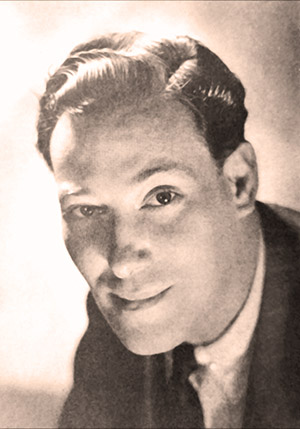
Neville Goddard (1905–1972)
Everett’s concept of multiple worlds and outcomes based on the vantage point of the observer finds its closest metaphysical analogue in the ideas of Neville Goddard,2 a mid-twentieth century mystical writer and lecturer who reasoned that our thoughts create an infinitude of realities and outcomes. Neville (who went by his first name) argued that everything we see and experience, including one another, is the product of what happens in our own individual dream of reality. Through a combination of emotional conviction and mental images, Neville believed, each person imagines his own world into being – all people and events are rooted in us, as we are ultimately rooted in God. When a person awakens to his true self, Neville argued, he will, in fact, discover himself to be a slumbering branch of the Creator clothed in human form, and at the helm of infinite possibilities.
Most quantum physicists wouldn’t be caught dead/alive as Schrodinger’s cat reading an occult philosopher such as Neville. Indeed, many physicists reject the notion of interpreting the larger implications of quantum data at all. “Shut up and calculate!” is the battle cry popularised by physicist N. David Mermin. The role of physics, critics insist, is to measure things – not, in Einstein’s phrase, to lift “the veil that shrouds the Old One.” Leave that to gurus and philosophers, but, for heaven’s sake, critics argue, keep it out of the physics lab. Others adopt the opposite position: If physics isn’t for explaining reality, then what is it for?
The latter principle may carry the day. A rising generation of physicists, educated in the sixties and seventies and open to questions of consciousness, is currently reaching positions of leadership in physics departments (and gaining authority in areas of grant-making and funding). This cohort was educated in a world populated by Zen and motorcycle maintenance, psychedelic experimentation, and Star Trek; they tend to be open to philosophical questions and meta-analysis. As scientists they are every bit as rigorous as the past generation of classical empiricists. Hence, we could be on the brink of a renaissance of inquiry into the most remarkable scientific issue since Newton codified classical mechanics. As more data is known, purveyors of quantum physics and metaphysics may be headed for a new and serious conversation.
But the pitfalls are too important not to consider before waltzing off into the world of “both/and” realities. To the frustration of scientists, spiritual seekers often prove overeager to seize upon the implications of quantum data, declaring that we now have proof that the universe is the result of our minds. The correlation between the events of the micro world and those of the daily life that we see and feel is far from clear. Spiritual seekers should resist the temptation to cherry-pick from data that seems to confirm their most deeply cherished ideas. Likewise, physicists should be patient with lay seekers who want to ponder the possibilities of quantum physics. If the right balance can be struck, serious and thoughtful people from both worlds, science and spirituality, have something to talk over. Such a discussion may, ultimately, revolutionise how we see ourselves in the twenty-first century as much as Darwinism did in the Victorian age.
Mitch Horowitz is a writer-in-residence at the New York Public Library, a lecturer-in-residence at the Philosophical Research Society in Los Angeles, and the PEN Award-winning author of books including Occult America; One Simple Idea: How Positive Thinking Reshaped Modern Life; and the The Miracle Club: How Thoughts Become Reality. Follow him @MitchHorowitz.
The background of Massachusetts’ marijuana testing director has sparked concern among industry observers, who are already cautious about the state’s treatment of marijuana companies. James Kocis assumed the role of director of testing on the state’s Cannabis Control Commission (CCC) in October 2022, following years of experience in the marijuana testing sector.
During a recent legislative hearing, a lobbyist representing local testing labs criticized the CCC for being unaccountable and unpredictable. Additionally, a testing industry executive raised concerns about “a significant issue” of marijuana businesses seeking favorable lab results, questioning the wisdom of hiring a former lab employee to address the situation because it may lead to potential conflicts.
Prior to his appointment as the state’s marijuana testing director, Kocis held a managerial position at Green Analytics, a marijuana lab in Framingham. Now Green Analytics’ practices have faced scrutiny, contributing to a broader problem involving inflated THC results and the practice of “lab shopping.”
The lab has undergone multiple name changes and was previously affiliated with the national testing brand Steep Hill Labs until earlier this year when the latter announced its exit from the marijuana testing industry. In September, Kocis stepped down from Green Analytics, which was operating under the name Steep Hill at the time. Subsequently, he joined the CCC the following month.
The CCC defended the hiring decision through a spokesperson, emphasizing Kocis’ valuable industry experience, which rendered him a competent candidate for the position. The spokesperson asserted that Kocis was fully transparent during the hiring process and has since severed all financial and professional ties with his former employers and companies.
The issue of inflated THC numbers at testing labs has been a longstanding concern nationwide, with allegations that some labs appease dispensaries and producers by providing higher THC percentages. The lack of standardized procedures and limited state oversight in Massachusetts led to marijuana product labels overstating THC levels by up to one-third, according to an investigation conducted by CommonWealth magazine in December 2022. The magazine also uncovered instances of contaminated products being sold in dispensaries.
Speaking anonymously, a number of observers and participants in the Massachusetts marijuana sector said Green Analytics was well-known for being a lab where a marijuana company could obtain favorable results.
Massachusetts lawmakers are presently deliberating the introduction of additional oversight for state marijuana regulators. Two bills proposed earlier in the year in the state legislature would establish an independent auditor, separate from CCC Executive Director Shawn Collins, to investigate claims concerning the agency.
While these concerns about the official appointed are debated, the industry is likely to take shape, and entities with operations such as those of Advanced Container Technologies Inc. (OTC: ACTX) are likely to do brisk business in this budding industry.
NOTE TO INVESTORS: The latest news and updates relating to Advanced Container Technologies Inc. (OTC: ACTX) are available in the company’s newsroom at https://cnw.fm/ACTX
About CNW420
CNW420 spotlights the latest developments in the rapidly evolving cannabis industry through the release of two informative articles each business day. Our concise, informative content serves as a gateway for investors interested in the legalized cannabis sector and provides updates on how regulatory developments may impact financial markets. Articles are released each business day at 4:20 a.m. and 4:20 p.m. Eastern – our tribute to the time synonymous with cannabis culture. If marijuana and the burgeoning industry surrounding it are on your radar, CNW420 is for you! Check back daily to stay up-to-date on the latest milestones in the fast -changing world of cannabis.
To receive instant SMS alerts, text CANNABIS to 21000 (U.S. Mobile Phones Only)
Please see full terms of use and disclaimers on the CannabisNewsWire website applicable to all content provided by CNW420, wherever published or re-published: http://CNW.fm/Disclaimer
Do you have questions or are you interested in working with CNW420? Ask our Editor
A California-based physician has filed a ballot measure that would invest $5 billion into researching the potential benefits of using psychedelics to treat specific mental disorders. The proposed bond initiative would use billions of dollars in state funds to support the study of psychedelics such as psilocybin, ketamine and LSD as potential mental health treatments.
Last month, Los Angeles-based internal medicine physician Dr. Jeannie Fontana filed paperwork to place the Treat California Initiative on the November ballot. The measure would also call for the creation of a new agency to study the impact of psychedelic-assisted therapy on people with mental disorders like post-traumatic stress disorder and substance abuse disorder.
Fontana’s campaign will have to collect around 1 million valid signatures from voters in California for the Treat California Initiative to qualify for the November 2024 ballot. Despite facing what could prove to be a tough challenge, Fontana is optimistic about the measure’s chances. She noted that the state’s mental health programs are not serving California’s residents adequately and said that it was time state officials tried something new.
Psychedelics such as psilocybin (magic mushrooms), LSD and ayahuasca present a new paradigm in psychiatry that could benefit the populace much more than conventional mental health treatments have. Research into psychedelics has revealed that they can be effective against several mental health conditions, especially when paired with psychotherapy from a professional therapist.
Numerous studies have found that hallucinogenics can offer sustained and long-term relief against a myriad of mental health conditions, including notoriously hard-to-treat disorders such as treatment-resistant depression, substance abuse disorders and PTSD. Furthermore, they seem to deliver long-term benefits at minimal or even single doses with barely any side effects compared to antidepressants, which require daily use to be effective and cause plenty of negative side effects.
Lawmakers in several states are now working on legislation to expand psychedelic research and potentially open the door for developing psychedelic-based treatments to address mental health conditions that don’t often respond to conventional medication. In 2019, the U.S. Food and Drug Administration approved the limited use of a type of ketamine called esketamine to treat depression in patients who did not respond to traditional antidepressants.
University of Wisconsin-Madison professor and director of the UW Madison Transdisciplinary Center for Research in Psychoactive Substances Paul Hutson says he anticipates that the FDA will have enough evidence to approve the use of psilocybin and MDMA to treat depression and PTSD within the next five years.
This push to create a special fund and agency in California to study how psychedelics can be used therapeutically shows that the work being done by various industry startups such as Seelos Therapeutics Inc. (NASDAQ: SEEL) is getting noticed and is fueling the growing interest in making a paradigm shift in the way mental health disorders are currently being treated.
About PsychedelicNewsWire
PsychedelicNewsWire (PNW) is a specialized content distribution company that (1) aggregates and distributes news and information on the latest developments in all aspects and advances of psychedelics and their use, (2) creates PsychedelicNewsBreaks designed to quickly update investors on important industry news, (3) leverages a team of expert editors to enhance press releases for maximum impact, (4) assists companies with the management and optimization of social media across a range of platforms, and (5) delivers unparalleled corporate communication solutions. PNW stays abreast of the latest information and has established a reputation as the go to source for coverage of psychedelics, therapeutics and emerging market opportunities. Our team of seasoned journalists has a proven track record of helping both public and private companies gain traction with a wide audience of investors, consumers, media outlets and the general public by leveraging our expansive dissemination network of more than 5,000 key syndication outlets. PNW is committed to delivering improved visibility and brand recognition to companies operating in the emerging markets of psychedelics.
To receive instant SMS alerts, text “Groovy” to 844-397-5787 (U.S. Mobile Phones Only)
Please see full terms of use and disclaimers on the PsychedelicNewsWire website applicable to all content provided by PNW, wherever published or re-published: https://www.psychedelicnewswire.com/Disclaimer
Do you have questions or are you interested in working with PNW? Ask our Editor
We celebrate local food and artisans; it’s time to celebrate local flowers! From August 10-16th,Canadian Flowers Week (CFW) will promote locally grown cut flowers across Canada. This special event began in 2018 and was created by Natasa Kajganic, founder of theToronto Flower Market. The celebration is based upon similar events in the United Kingdom, Australia, and the United States.
Why Local Flowers Matter
In Canada,sales from the greenhouse, nursery, cut flower, and sod industries totaled 4.7 billion dollars in 2021. But only 0.6% of that revenue was attributed to locally grown cut flowers, despite $158 million worth of cut flowers being sold.
The majority of those blooms were imported from Africa or South America.
According to theInternational Council on Clean Transportation, for Valentine’s Day 2018, the cost of refrigerating and transporting cut flowers by air and land from South America to the United States produced 360,000 metric tons of CO2 – the equivalent of 78,000 cars. Yikes!
Raising Awareness
CFW wants to draw attention to a homegrown alternative. A 2010 Pick Ontario survey finds that 97% of Canadians want to buy locally grown blooms but don’t know where to find them.
There are over 2,000 flower growers in Canada and 100 different varieties of cut flowers available; the goal of CFW is to make that information available to everyone.
Join The Celebration
CFW invites everyone to get involved: growers, florists, and the public. Their website provides downloadable posters and seasonal bloom charts for provinces throughout Canada, alongside resources of where to find locally grown cut flowers, whether from a flower farm, farmer’s market, or local florist.
I recently spoke with Vancouver florist Alicia Baerg, who says, “Many florists are now responding to the buy local movement and carrying local seasonal blooms.”
During CFW, florists are encouraged to create storefront displays or installations with local blooms to draw the public’s eye. But the best way to get involved is not only to buy a locally grown floral bouquet but to visit a local flower farm in your region. Many offer u-pick days and summer festivals.
Walk among locally grown dahlias, sunflowers, and rudbeckia, experiencing the ecosystem the farm provides to local pollinators. Local flowers are fresh, and many of them are sustainably grown as well.
Many flower farms offer subscription flower services. Find out how to sign up to receive fresh-cut flowers from spring to late fall. At your next family event, choose locally sourced seasonal bouquets and spread the word.
The main goal of CFW is, according to Kajanic, “to further enhance the conversation around the origin of cut flowers and how much better locally grown flowers are for the economy and the environment.”
In Canada, locally grown blooms are as abundant and diverse as the natural landscape – and CFW celebrates that.


















Recent Comments