Five former White House drug chiefs and six former heads of the U.S. Drug Enforcement Administration (DEA) have warned the Biden administration that rescheduling marijuana would “supersize” the country’s cannabis industry. The former White House drug czars and DEA heads sent current DEA administrator Anne Milgram and Attorney General Merrick Garland a letter stating their opposition to the U.S. Department of Health and Human Services (HHS) recommendation that the DEA reschedule marijuana.
The HHS made the recommendation in August, nearly 11 months after President Joe Biden ordered the health agency to begin a review of marijuana’s federal status. Federal law currently classifies cannabis as a Schedule I drug with an incredibly high potential for abuse and no accepted medical use, similar to drugs such as heroin and cocaine.
Given that a multitude of studies have proven that cannabis does have medical applications and dozens of states have legalized the plant for medical use, President Biden and the HHS believed a review of cannabis was in order. However, a letter sent to the DEA administrator and the U.S. attorney general noted that moving cannabis from Schedule I to Schedule III would have the potential to supersize America’s cannabis industry through the provision of tax relief and normalize the market even further.
Furthermore, the letter noted that rescheduling cannabis and limiting criminal penalties for trafficking would eliminate a crucial tool used by federal agents to prosecute drug cartels.
That claim is contested by legal experts who point out that marijuana trafficking penalties aren’t tied to the controversial plant’s federal status under the U.S. Controlled Substances Act (CSA). Cannabis trafficking penalties are typically based on weight, resulting in stiffer penalties for individuals who traffic large amounts of cannabis. As such, federal drug policy attorneys such as Shane Pennington say it is unlikely that rescheduling cannabis would also reduce penalties for trafficking offenses.
Some scholars say rescheduling cannabis at the federal level would have an impact on criminal penalties under the Controlled Substances Act. If the DEA does reschedule cannabis, prosecutors and judges would have the discretion to impose lower penalties for cannabis-related offenses like trafficking.
The letter to the DEA administrator and attorney general also says that rescheduling the drug would provide an opportunity for businesses to avoid IRS Section 280E and deduct business expenses, resulting in a supersized industry.
All that the cannabis industry, including major enterprises such as Trulieve Cannabis Corp. (CSE: TRUL) (OTCQX: TCNNF), hope is that federal marijuana policy is revised to let the industry operate as freely as actors in other sectors.
About CNW420
CNW420 spotlights the latest developments in the rapidly evolving cannabis industry through the release of two informative articles each business day. Our concise, informative content serves as a gateway for investors interested in the legalized cannabis sector and provides updates on how regulatory developments may impact financial markets. Articles are released each business day at 4:20 a.m. and 4:20 p.m. Eastern – our tribute to the time synonymous with cannabis culture. If marijuana and the burgeoning industry surrounding it are on your radar, CNW420 is for you! Check back daily to stay up-to-date on the latest milestones in the fast -changing world of cannabis.
To receive SMS alerts from CNW, text CANNABIS to 844-397-5787 (U.S. Mobile Phones Only)
Please see full terms of use and disclaimers on the CannabisNewsWire website applicable to all content provided by CNW, wherever published or re-published: https://www.CannabisNewsWire.com/Disclaimer
Carleen Roth, the COO at CannGroup, a cannabis processor in north Okanagan, is launching a petition calling on the provincial government to provide relief to cannabis growers and processors struggling to survive.
CannGroup, she says, paid more than $1 million in excise taxes last year, noting that most of that—three-quarters of every dollar—goes back to the provincial governments, including BC.
Not only are they taxed at a high rate on any cannabis products they sell, but they also face steep increases in their property taxes (from $1,200 a year to $49,000) and have even had to refinance their mortgage to a high-interest private lender because of their connection to the legal, regulated industry.
“We just want to run a business. If we can’t survive, then the government doesn’t get anything from us.”
With the BC government bringing in more than $225 million in their share of federal excise taxes since legalization (as of September 1, 2023), she says she would like to see the province use a portion of that revenue to help the local cannabis industry which the province says it likes to support.
“I’d love it if they could even take ten percent, 26 million from the last three years and grant that to producers to assist with their business development. That would help.”
“Some things they could do is they could rebate some of the tax to us so we can buy our packaging, machinery and materials,” she adds. “That’s something they do for other industries. They could give us low-interest loans to purchase equipment or hire people. They do that for farmers. They could treat us like farmers, which we are, or like other similar industries.”
“We’re not asking for much,” continues Roth. “We just want to run a business. If we can’t survive, then the government doesn’t get anything from us.”
In addition to the federal excise tax, which amounts to $1 for every gram sold (where wholesale prices can be as low as $1-3 a gram or less) and typically $8 per vape pen or gram of concentrate, she notes that producers operating in BC have seen their property taxes increase several hundred or even thousands, plus the BC government takes an additional 15 percent fee for any products sold into the provincial system, even if producers deliver it directly to retailers themselves.
Roth says her hope with the petition is to try and rally more producers in the province to lobby not only the federal government to address the issue of the federal excise tax but also her own provincial government to acknowledge how much they are receiving from that tax.
“We’re just a small company, and we’re paying more than a million dollars a year in taxes to the government. This can’t continue, or we’re going to see a lot of businesses fail. And then no one wins, and the government loses out on all that money, forever.”
Once upon a time, there were no grocery stores or food delivery services. You either grew your food or gathered and harvested wild edibles. A growing emphasis on locally grown and sustainable goods, connecting with nature, mitigating our carbon footprint, and the high cost of living has triggered a renewed interest in foraging.
Imagine walking along a forest trail or the beach and coming home with miner’s lettuce, wild asparagus, or a bucket of sea urchins for dinner. Foraging is terrific, but it can also be daunting for beginners. What foods are edible? Where should you forage, and how should you prepare what you gather? The answers may vary depending on where you live, but a few general guidelines will help you get started on a foraging adventure.
Start with what you know and recognize. Blackberries, huckleberries, or blueberries often grow wild along a country road or in vacant urban lots and make excellent jams and jellies.
Leave Fido Home
As much fun as a walk in the woods or on a beach can be, pets are prone to chase after wildlife or tread on low-growing edibles in foraging areas.
Don’t Be Greedy
This is the No.1 rule of foraging! Take only what you need, leave some for others, and for nature to replenish itself.
Keep A Foraging Journal
Keep a record of what foods you find and the places they grow. This way, you can go back and harvest the same wild foods year after year.
Prepare What You Forage Properly
Preparing wild foods differs from food bought in a grocery store, which is often pre-packaged and ready to serve. Wild foods must be washed and cooked thoroughly. There are foraging recipes online and courses on wild food preparation. Read up before chowing down.
Don’t Trespass
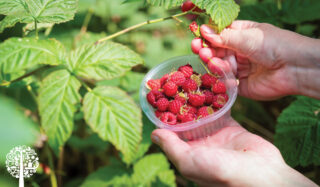
Don’t harvest in an area designated as a nature reserve. It’s probably illegal, and you could be fined and hamper the ecosystem and biodiversity in the area. And as tasty as those raspberries look, the fence between you and them is there for a reason, and they could be on someone’s property!
Chemical Hazards
Many communities will use pesticides to control things like Japanese pine beetles or gypsy moths, for example. Watch for signs of spraying. Areas around landfills, industrial parks, and close to train tracks might be polluted with toxins and chemicals that have seeped into the ground. Avoid these areas.
Harvest What’s In Season
Depending on where you live, there may be certain times of the year when harvesting seaweed or shellfish is not advised. Algae blooms, for example, can make sea life unhealthy for consumption. Edibles such as fiddlehead ferns, morel mushrooms, or wild asparagus are the most flavorful and abundant in many places during mid-late spring. Get to know what’s in season in your area.
Don’t Forage Alone
If you’re going to forage away from a populated area – take a buddy with you. You wouldn’t hike up a mountain without a charged cell phone, plan, or friend – use the same common sense when foraging.
Download An App
Yes, there are apps! Some, like iNaturalist, are perfect for beginners and have been developed in partnership with the National Geographic Society and California Academy of Sciences. Others like PlantSnap will help identify a plant from a picture, but always check multiple sources before consuming anything.
Foraging is an excellent reminder of how bountiful our planet is. Indigenous traditions often promote a reciprocal relationship with the land; remember when foraging to thank Mother Nature for her bounty and those whose ancestral lands you graze.
Here you can find a selection of cannabis scientific studies published in the latest month. Each article is correlated with a short abstract describing the purpose of the study and the main research findings. A great cannabis culture comes from great and peer reviewed sources! For this reason we believe in the importance of consulting reliable sources. Whether you are interested in a particular article don’t hesitate to read the full piece for more information.
Cannabis and Health ⎯ Best new findings
Effects of cannabidiol on metabolic modulation and improving sports performance: a systematic review
This systematic review highlights the main results in cannabidiol (CBD) effects on modulation of microRNA (miRNA) signaling in increasing sport performances. CBD exerts some important biochemical and psychological effects which potentially benefit the athletes. To report a few examples there is evidence of anti-inflammatory, analgesic, neuroprotective and anxiolytic action of this cannabinoid, in addition to its potential support in recovering from skeletal injuries. Nevertheless there is still a lack of enough scientific studies investigating the effects of CBD exclusively for sport performances.
Cannabis sativa: 2023-Outbreak and Re-emergence of Nipah virus (NiV) in India: Role of Hemp oil
This paper highlights the outbreak of Nipah virus (NiV), an emerging zoonotic bat borne virus that can cause severe respiratory illness and deadly encephalitis in humans. During the recent spread of Nipah virus, the local traditional healers in India used hemp oil as the mouthwash for controlling throat infections, headache, vomiting and suggested the consumption of hemp seeds and oil as the functional food. Hemp seed oil obtained remarkable popularity due to its potential therapeutic properties and health benefits, including the antiviral action. However clinical trials and scientific data supporting antiviral activity of Cannabis oil (CBD oil) against Nipah virus (NiV) is lacking. For this reason more studies should be done in order to understand the possible mechanisms of CBD oil against NiV and to validate effective formulations and doses against it.
The potential protective and therapeutic effects of cannabidiol oil on experimental Leukemia induced by DMBA in male rats
This research investigates the ability of cannabidiol (CBD) oil to potentially act as therapeutic agent against 7,12-Dimethylbenzanthracene (DMBA)-induced leukemic rats. This member of the hydrocarbon family is an immunosuppressant, carcinogenic and mutagenic agent. It has been shown that treatment with CBD oil successfully improves the liver conditions of the leukemic group compared to the untreated one. Gene expression studies confirm the significant improvement of the biochemical , morphological and antioxidant status of DMBA.induced leukemic rats after CBD oil treatment.
The Place of Cannabinoids in the Treatment of Gynecological Pain
This study focuses on the fact that robust clinical trial data are currently lacking for gynecological pain conditions. Nevertheless cannabis is being widely used to treat gynecological pain, especially in those with endometriosis or other forms of chronic pelvic pain, with reductions in symptoms such as pelvic pain commonly reported. The research emphasizes that cannabis consumption to treat gynecological pain conditions should be always done under the supervision of a doctor, mainly if the use is associated with a reduction of other pharmaceuticals such as opioids.
Emerging Therapeutic Potential of Cannabidiol (CBD) in Neurological Disorders: A Comprehensive Review
The study shows how cannabidiol (CBD) is always more exploited for the treatment of neurological conditions such as Parkinson’s disease, Alzheimer’s disease, epilepsy and multiple sclerosis. This review brings together the major findings of this research area, showing how modulating anti-inflammatory pathways of the endocannabinoid and neurotransmitter systems with CBD can help facing neurological disorders. In addition to that, this review highlights new possible perspectives of CBD application and its potential therapeutic benefits for the patient’s wellbeing.
Densities and Viscosities of Cannabis Extracts and Distillates, and Densities, Viscosities, Fusion Enthalpy, and Melting Point of Cannabidiol
This research reports experimental measures for samples containing various cannabinoids and their mixtures, including pure cannabidiol (CBD), full-spectrum samples and high concentrated tetrahydrocannabinol (THC) samples. This paper reports different thermal properties of pure CBD, pure THC and full spectrum samples such as melting point, fusion enthalpy, density and viscosity. It was found that terpenes strongly affected the viscosities of CBD and THC containing samples.
Determination of cannabinoids in Cannabis sativa oil and infused ice cream by LC-DAD method
The goal of this research was to validate a fast and simple method to determine CBD and THC in cannabis sativa oil and cannabis-infused ice cream using high-performance liquid chromatography (HPLC) with photodiode array detection. The method consisted in chromatographic separation of CBD and THC on a C18 column and using acetonitrile and water with formic acid (80 + 20 v/v) in isocratic elution mode, with detection at 208 nm for CBD and 280 nm for THC and 1.0 mL/min flow rate. In addition of being a reliable analytical method, it is suitable for stability studies and for quality control purposes
Direct Analysis of THC Containing Edibles Using Pyr-GC-MS
In this paper, the THC content of edibles is measured using pyrolysis coupled with GC-MS (Pyr-GC-MS) as a novel technique to compare its sensitivity and effectiveness to other traditional techniques such as GC/MS. Pyr-GC-MS provides an easier, greener and faster analytical technique and this research validates its use in the analysis of cannabis-derived edibles. Compared to other traditional analytical techniques, this method allows a reduction of use of chemical reagents and preparation time.
Development, Validation, and Application of a UHPLC-HESI-MS Method for the Determination of 17 Cannabinoids in Cannabis Sativa L. VAR. Sativa Plant Material
This article’s purpose is to study and validate a standardized procedure on how to extract cannabinoids from different products and to determine their content. The analyses were performed using the liquid chromatography-Q-Exactive Orbitrap technique with heated electrospray interface mass spectrometry (UPLC-HESI-MS). This work provides a basis for standardizing the methods used for the analysis of cannabinoids in the Cannabis sativa L. plant, as well as in cannabis-derived food products.
Immunomodulation by cannabidiol in bovine primary ruminal epithelial cells
High concentrate diets, weaning and transport can increase the risk of disorders among ruminant livestock such as ruminal acidosis, and the associated inflammation of the ruminal epithelium. This article focuses on the immunomodulatory properties of cannabidiol (CBD) using an inflammation model in primary ruminal epithelial cells (REC). Moreover the possible cytotoxic effects at different CBD dosages were evaluated. The study results suggest that CBD may reduce the cytokine transcription both during the inflammation and when used preventively. The research provides evidence of the immunomodulatory effect of CBD during pro-inflammatory response in primary REC in culture.
Dermatological evaluation in dogs with atopic dermatitis treated with full-spectrum high cannabidiol oil: a pre study part 1
This research aimed to evaluate the anti-inflammatory effects of full spectrum cannabis-derived oil in the treatment of canine atopic dermatitis (CAD). The effectiveness was evaluated based on the degree of pruritus, dermatological evaluation (CADESI-4) and histopathological evaluation of the skin including mast cell count. From this research it came out that although full spectrum high cannabinoids therapy presents a promising approach to immunological diseases, further studies should be done in order to assess the effective cannabinoid ratio to effectively treat CAD.
StratCann also held our fourth Growing Relationships networking event on October 16, this time in Winnipeg. Martin Cash of the Winnipeg Free Press came out and spoke with attendees about the event, including Graham Taylor of Lineage Distribution, Sharon Clark, of Big Buds Cannabis Sales and the new Retailer Cannabis Council of Manitoba, and Delta9’s John Arbuthnot.
With the fifth anniversary of legalization, there was, of course, an avalanche of media coverage, mostly providing the typical, superficial overview we’ve come to expect on cannabis from mainstream news outlets, equating the decline of a handful of large pubcos with the state of the entire industry. We’ve skipped some of those this week to make sure we have room for some of the more informative and interesting coverage below.
CTV ran a 5-year retrospective with comments from several researchers like Robert Schwartz, a professor at the University of Toronto’s Dalla Lana School of Public Health, and Dr. M-J Milloy, a research scientist at the British Columbia Centre on Substance Use and an assistant professor in the University of British Columbia’s medical department.
Three researchers in Quebec took an in-depth look at the SQDC, cannabis regulations, and policies in La Belle Province, while a survey showed that the number of those who admit to using cannabis since legalization has increased, from about 17% to about 24%.
Le Devoir says that the sky has not fallen in the five years since Canada legalized the weed.
Radio Canada interviewed Cannabis NB’s Lori Stickels, who says the province is looking at in-store consumption and samples
Also, a Canadian comic book creator has priority usage of a “Captain Cannabis” mark, the US Federal Circuit ruled Thursday, concluding that the Trademark Trial and Appeal Board hadn’t abused its discretion in ruling in the creator’s favour.
SNDL Inc. will be consolidating all cultivation activities at its Atholville, New Brunswick Facility following the centralization of SNDL’s manufacturing, processing and production operations to Kelowna, British Columbia.
CBC ran an interesting, in-depth piece on the issue of jurisdictional authority for Indigenous–owned cannabis businesses, speaking with Cecil (Junior) Shawana of Northern Superior Cannabis in Michipicoten First Nation, Curtis Avery of Kana Leaf in Nipissing First Nation, Matthew Esquimaux, from Buddies Smoke Shop on Manitoulin Island, Paul Corbiere of Creekside Cannabis in Mississauga First Nation, and lawyer Michael Swinwood.
Rolling Stone ran a piece on cannabis beverages, inducing a look at the Canadian market.
Global News looked at five years of legalization in Saskatchewan, speaking with the owner of Living Skies Cannabis, with news outlet CKOM adding to the story, as well.
STORZ & BICKEL GmbH, a subsidiary of Canopy Growth, announced the launch of their new dry herb vape, the VENTY. And finally, Western Wheel spoke with Dale Nally, Minister of Service Alberta. Red Tape Reduction, and several cannabis retailers and marketers about the state of the industry in Alberta.
The BC government is providing funding to support the creation of a tool to monitor THC and CBD in commercial cannabis.
To the tune of $77,411, the funding comes from the provincial government’s BC Knowledge Development Fund (BCKDF), part of $2.5 million allocated to support infrastructure for 16 research projects at five universities in BC.
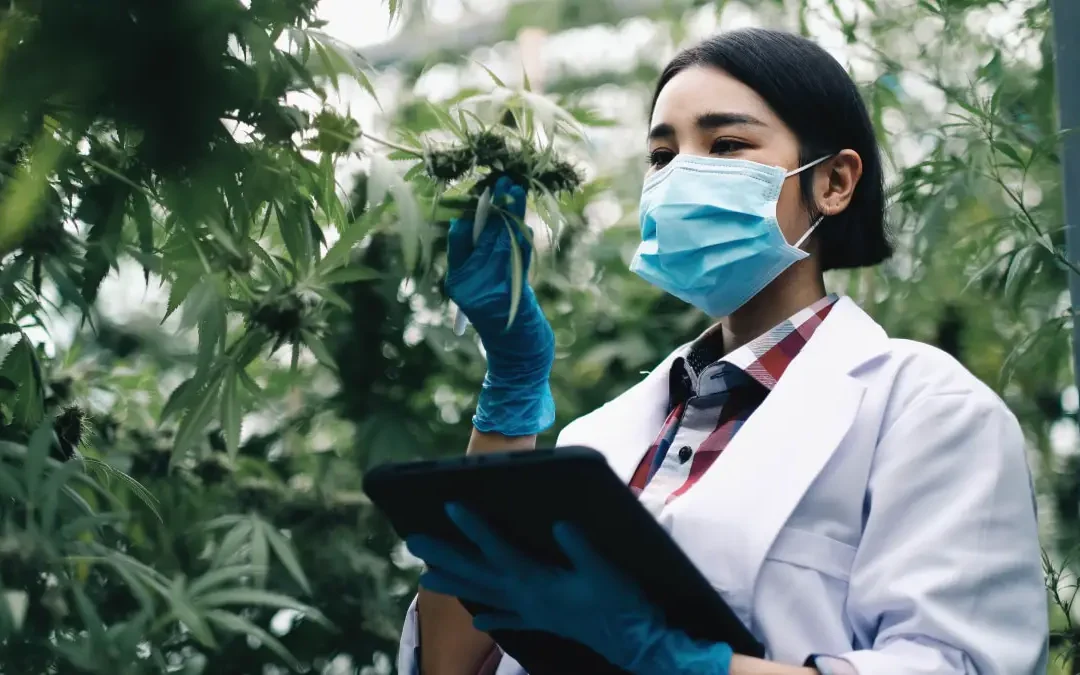
Thompson Rivers University in Kamloops is the recipient of the grant related to cannabis research, the Capillary Electrophoresis for Characterization of Pharmacologically Relevant Compounds in the Cannabinoid Industry, led by researcher Kingsley Donkor.
A recent announcement from the BC government explains the project will provide an analytical tool that regulatory agencies and cannabis companies can use to monitor the content constituents “in commercial and advanced cannabis formulations” using specialized capillary electrophoresis methods.
Shannon Wagner, Vice President of Research at Thompson Rivers University, says the goal of the research is to help create a better-regulated cannabis industry.
“Thompson Rivers University is proud to lead the way in cannabis research, thanks to the support of provincial government funding,” says Wagner. “Our groundbreaking Capillary Electrophoresis project promises safer and more responsible cannabis use in B.C. by providing regulatory agencies and companies with precise tools to monitor cannabinoid content. Together, we’re shaping a safer and more informed cannabis industry.”
Federal and provincial governments have been looking more into the issue of cannabis testing, especially with concerns about the accuracy of product labels in the legal and illegal markets.
Several provinces have released testing results of illicit products shared via law enforcement actions, and more recently, provincial governments have begun looking at the THC testing of legal, off-the-shelf products.
In 2022, Ontario shared a study that showed illicit edibles have significantly less THC than advertised and high levels of pesticides. New Brunswick and British Columbia have also released similar testing results from unregulated products.
Recent research presented at a conference in Hawaii indicates that individuals who contracted COVID-19 and who had used cannabis experienced more favorable outcomes and a reduced mortality rate compared to those who didn’t. These findings were shared during a presentation at the annual meeting of the American College of Chest Physicians (CHEST).
To carry out the research, a team of scientists scrutinized the medical records of more than 320,000 patients collected from the U.S. National Inpatient Sample, a database monitoring hospital admissions and outcomes. Any patients under the age of 18 years old or those with incomplete information were excluded from the study. Among the patients surveyed, only 1% — 2,603 patients — reported cannabis use.
These patients were classified into two groups based on their cannabis usage. To ensure comparability, the data from the study was employed to match cannabis users with nonusers in a one-to-one ratio based on factors such as gender, race, age and 17 other comorbidities, including chronic lung conditions. The research findings revealed a significant contrast between marijuana users and nonusers, with cannabis users displaying a notably lower mortality rate (2.9% versus 13.5%). Furthermore, cannabis users experienced significantly fewer COVID-19 complications such as multiorgan failure, acute respiratory distress syndrome and intubation.
The analysis brought to light that, on univariate assessment, cannabis users exhibited notably lower rates of intubation (6.8% versus 12%), acute respiratory distress syndrome (2.1% versus 6%), acute respiratory failure (25% versus 52.9%), severe sepsis resulting in multiorgan failure (5.8% versus 12%), in-hospital cardiac arrest (1.2% versus 2.7%) and mortality (2.9% versus 13.5%). The authors underlined the clinical implications of these findings and urged further exploration of the potential association between COVID-19 outcomes and marijuana use.
Research into potential links between marijuana and COVID-19 has been relatively scarce. In 2022, a study found that among patients hospitalized with COVID-19, cannabis users exhibited milder COVID-19 symptoms and markedly improved health results. Another study conducted the same year also indicated that marijuana use was associated with a reduced risk of contracting COVID-19, though it was also correlated with more severe infections.
Additionally, in 2022, researchers from the University of Oregon conducted a laboratory study that suggested marijuana compounds could prevent COVID-19 infection in human cells. These findings have prompted further investigations into cannabis as a potential treatment for COVID-19.
The recent study, titled “Exploring the Relationship Between Cannabis Smoking and COVID-19,” has been published in this month’s supplement to the peer-reviewed “CHEST” Journal.
This study, together with more scientific literature that is becoming available, gives further credence to the concept of medicinal marijuana and encourages entities such as Tilray Brands Inc. (NASDAQ: TLRY) (TSX: TLRY) to keep developing more medical cannabis products for their clients.
About CNW420
CNW420 spotlights the latest developments in the rapidly evolving cannabis industry through the release of two informative articles each business day. Our concise, informative content serves as a gateway for investors interested in the legalized cannabis sector and provides updates on how regulatory developments may impact financial markets. Articles are released each business day at 4:20 a.m. and 4:20 p.m. Eastern – our tribute to the time synonymous with cannabis culture. If marijuana and the burgeoning industry surrounding it are on your radar, CNW420 is for you! Check back daily to stay up-to-date on the latest milestones in the fast -changing world of cannabis.
To receive SMS alerts from CNW, text CANNABIS to 844-397-5787 (U.S. Mobile Phones Only)
Please see full terms of use and disclaimers on the CannabisNewsWire website applicable to all content provided by CNW, wherever published or re-published: https://www.CannabisNewsWire.com/Disclaimer
Recent study findings published in the “Substance Use & Misuse” journal indicate that the use of psychedelics such as LSD is becoming especially prevalent among business managers in managerial positions. The study found that while there has been a general increase in psychedelic interest in the public, company executives seem to be using lysergic acid diethylamide (LSD) at high rates.
Psychedelics have enjoyed significant attention from public and scientific circles in recent years thanks to a growing body of research connecting hallucinogens such as LSD, psilocybin, ayahuasca and MDMA to a wide range of mental health benefits. Research has found that psychedelics can offer relief against a myriad of mental-health conditions with few, if any, adverse side effects.
With millions of Americans facing conditions such as anxiety, eating disorders, depression and post-traumatic stress disorder (PTSD), the country is in desperate need of safe and effective mental-health treatments. Based on the research available so far, psychedelics may have the potential to revolutionize psychiatry and significantly improve treatment outcomes for millions of people across the country.
Study author and University of Bamberg postdoctoral researcher Benjamin Korman says there has been a dramatic rise in anecdotal media reports of employees and business leaders using psychedelics. As such, the study’s aim was to determine whether the media reports actually represented a shift in workplace psychedelic use or were based on skewed reporting.
Korman analyzed data from the annual National Survey on Drug Use and Health (NSDUH), a rich information source that provided data on adults aged 18 years old and older with full-time jobs from 2006 to 2014. Analysis of data from more than 168,000 full-time employees revealed that there has been a steady increase in psychedelic use among full-time workers.
After accounting for managerial status, income, education attainment, gender, age and prior substance use, the researcher found that there was a dramatic rise in psychedelic use among male and female business managers. Compared to nonmanagers who saw a 0.02% annual bump in past-year LSD use, managers saw a 0.07% increase in LSD use.
Korman said that while prior research had pointed to increased psychedelic use among young American adults, his study indicated that board rooms and C-suites were also experiencing a notable rise in psychedelic use. LSD use among managers surpassed past-year use by nonmanagers in 2014 when there was an almost 1,100% rise in LSD use among the manager class, Korman notes.
This growing self-prescription of psychedelics creates more urgency for entities such as Mind Medicine Inc. (NASDAQ: MNMD) (NEO: MMED) (DE: MMQ) to commercialize approved psychedelic formulations so that those who need them can access them through their doctors.
About PsychedelicNewsWire
PsychedelicNewsWire (“PNW”) is a specialized communications platform with a focus on all aspects of psychedelics and the latest developments and advances in the psychedelics sector. It is one of 60+ brands within the Dynamic Brand Portfolio @ IBN that delivers: (1) access to a vast network of wire solutions via InvestorWire to efficiently and effectively reach a myriad of target markets, demographics and diverse industries; (2) article and editorial syndication to 5,000+ outlets; (3) enhanced press release enhancement to ensure maximum impact; (4) social media distribution via IBN to millions of social media followers; and (5) a full array of tailored corporate communications solutions. With broad reach and a seasoned team of contributing journalists and writers, PNW is uniquely positioned to best serve private and public companies that want to reach a wide audience of investors, influencers, consumers, journalists and the general public. By cutting through the overload of information in today’s market, PNW brings its clients unparalleled recognition and brand awareness. PNW is where breaking news, insightful content and actionable information converge.
To receive SMS alerts from PsychedelicNewsWire, text “Groovy” to 21000 (U.S. Mobile Phones Only)
Please see full terms of use and disclaimers on the PsychedelicNewsWire website applicable to all content provided by PNW, wherever published or re-published: https://www.PsychedelicNewsWire.com/Disclaimer
We don’t learn from history [be it the hidden, alternative, actual, or official history] because an intellectual understanding of it is useless if it is not matched with the individuation process of shadow integration and the rebirth of the true Self, which is part of the Great Work to anchor the Divine force [or Kingdom] within.
Despite the deceptive external technological progress, there has been no significant transformation in human consciousness [the inner life].
Hence, “history repeats” in different disguises as “fate” because we try to fight shadows on the wall like in Plato’s allegory of the cave; just as people fight now shadows manifested from the collective unconscious as everyone desperately cheers/identifies with their chosen side they are manipulated to select.
The revolutionary impulse at any given time and age provides some relief and apparent “change,” but only on the superficial surface and in the short term.
Gurdjieff called this deception the trap of the revolutionary mind because it is a mechanical revolt by masses of people who are acting mechanically and are not conscious but easily emotionally manipulated. There is no change in Being and consciousness.
There is only externalization and projections as if evil only exists “out there” but not within oneself, unconscious. Religions, especially Christianity, have been hijacked a long time ago and made God into a human image who supposedly favors one nation over another, punishes and rewards with literal concepts of heaven and hell based on human morals. But the Divine doesn’t act on nor judge according to human morals or logic.
As Satprem noted:
“…But the supramental [divine] power does not obey our logic or morality; it sees far into space and time, and it does not try to do away with evil in order to save the good, nor does it work through miracles.
It frees the good that is within the evil, applying its force and light on the dark half so it consents to its luminous counterpart. Wherever it is applied, the immediate effect is to touch off a crisis; that is, to place the shadow in front of its own light. It is a stupendous evolutionary ferment.”
Dogmatic religion has also wrongfully [but by design] externalized evil as a personification of “Satan” along with the “Jesus savior program.” It is a brilliant move of the occult matrix architects behind the major religions and cleverly mix truth with lies, so people also take the bait and swallow the lies.
As Michael Topper wrote in 1994, published in the “The Matrix” books by V. Valerian (nothing to do with the film that came later):
“…The important thing to remember is this: there is NOT a “unified conspiratorial activity” going on here in the hierarchy of government. The “divide and conquer” effect is also manifest at this level and suits the [non-human occult hostile forces] purposes to a “T.”
Such activity at ALL levels is consistent with their program of STALKING, in which confusion and cross-purpose prevents a clear perception on the part of the Stalkees. [Any] “secret superiors” are just that: SECRET. Any organization you can name, or about which you are AWARE, are merely “outer circles.”
What is the designed objective of this STALKING? It is two-fold:
First, the effect of Stalking is sort of like stampeding a herd of cattle. Bit by bit, they are consolidated into a “negative mode” which consists of the idea of “us vs them.”
Even though, on the surface, it may seem that this “mode” is positive , (i.e. save the world because it is “wrong” or flawed, or blighted with original sin or whatever) the very fact that it is formed in the “dominator” mode of perceiving salvation “outside,” means that it can more easily be “taken over” body, mind and soul at a level that is “unseen and unseeable.” In other words: Satan CAN and most often DOES appear as an Angel of Light!
It is only at the lower levels of the power structure that many still believe they are playing out the basic’ antagonism’ and’ self- protection’ roles. They believe that “sending love and light” to those “in need” is appropriate, without realizing that this activity is predicated upon a deep belief that there is something wrong, in error, in rebellion, and thus becomes again, “us vs them.”
The primary object of Negative stalking is to persuade through strongly influenced, but not robotic, behavior patterns, the Free Choice of the targeted CONSCIOUSNESS to align with negative higher-density existence.
…Thus we see that the efforts to “save the world” via “punishment of the wicked,” or “conversion to the light” or “spiritualizing matter with love,” are all expressions of the fundamental desire to UNDO CREATION; to KILL GOD!
Through the idea that “evil/darkness” is a rebellion, a fault, a thing to be done away with, the “twist” is introduced that lays the groundwork for domination and absorption.
This is why, even though promulgated “Christian principles” seem to be good and uplifting, and, in fact, CAN be, the fundamental reason is flawed and also expresses itself in Christian history in such ways as the many slaughter that have been instituted in the name of Christianity….”
It is always much easier to project evil/darkness externally instead of facing your own darkness and the lies you tell yourself about yourself and your life. The battle within requires a more courageous warrior attitude than any battle “out there.”
This doesn’t mean refraining from outward action. Far from it, but it needs to come from within, grounded in the real “I,” not the conditioned/wounded ego-personality with its programmed identifications (with a group, flag, religion, ideology, etc.), which is easily misled, tempted, and manipulated via the trap of identification.
This mechanical revolt is also what the matrix forces and ‘powers that be’ count on with their classical tactics of Problem-Reaction-Solution and Divide & Conquer agenda, which we see happening once again right in front of our eyes as people choose their sides, either standing up for Palestine and wanting to crush Zionism or demonizing Hamas and supporting Israel’s “right to defend itself.”
The ones just “praying” for peace without any effort to engage in the Work are also easily misled.
Both sides are played by occult forces pitting humans against humans for maximum “loosh” output to be fed upon and create the right conditions for absolute “domination and absorption.” The end game.
This game has been going on for thousands of years, and we are reaching its climax. “It’s either Truth or Abyss,” as Sri Aurobindo and The Mother foresaw.
We will “repeat history” in endless time loops over lifetimes and lifetimes like in a frequency prison caught in the illusion of change or experience a collective cataclysm similar to ancient Atlantis until a significant part of humanity starts to look within sincerely and begins the Great Work of nothing short, but the transformation of consciousness and anchoring the divine supra-mental forces for ONLY THAT will bring true change.
As within, so without.. Any blaming, complaining, punishing, retaliation, and victimizing will only prolong the inevitable…and waste a lot of time and energy while feeding the matrix forces, literally and figuratively speaking.
We don’t get to move on until we have learned our [soul] lessons, individually and collectively.
Godspeed
Bernhard Guenther
“War is no longer, perhaps, a biological necessity, but it is still a psychological necessity; what is within us must manifest itself outside.”
A cannabis producer in New Brunswick is scaling down to a micro licence, a move they hope will help save money in an increasingly competitive market.
Crystal Cure Inc., a cannabis producer in Shediac Cape, announced today that it has successfully downgraded its licences for cultivation and processing to micro licences.
Jonathan Wilson, CEO of Crystal Cure, says the decision was something he and others at the company had discussed for years, both as a way to lower the regulatory fees associated with their licences, as well as an acknowledgement of a shift in the market from large scale to small scale production.
Crystal Cure was being formed at a time when extremely large, publicly traded companies were setting the tone for facility design. Since then, many of these larger cannabis facilities have shut down, while the number of smaller micro producers has skyrocketed.
“There are many reasons why we made the change now, some that are positive, some not so much, Wilson tells StratCann. “For one, we acquired standard licences for cultivation and processing because originally, the company had huge, ambitious goals for expansion, like many others. But, like many others, those goals weren’t realistic on many fronts, so this is making things right in that regard.
“Secondly,” he adds, “like many producers, we’ve had to make some difficult decisions in order to survive the current market conditions. There are some savings to the operation that come with this change, allowing us to eliminate some costs that aren’t helping us, one of the biggest ones being the $23,000 annual regulatory fee that we will now save. Finally, being a micro fits our ideologies and methodologies far better than the term “standard” – not to mention, most people already think we are a micro due to our size.”
While the annual regulatory fee for a standard cultivator or processor is $23,000, a micro is only $2,500.
Wilson says he wants to see more support for small producers, both from the government as well as the market in general. But despite the challenges the industry faces, he is still positive about the future.
“Although we’ve had to make very difficult decisions and sacrifices in order to survive, we are still here,” Wilson said in a company press release. “I know others that can’t say the same, unfortunately. We’ve taken this time to continue to perfect our craft and make some incredible changes to our strategy for the future that we wouldn’t have made if we had expanded as planned, years earlier. This change in licence type is the catalyst for exciting developments to come that will help the smaller end of this industry.”
Crystal Cure sells an array of cannabis flower as well as seeds.











Recent Comments